
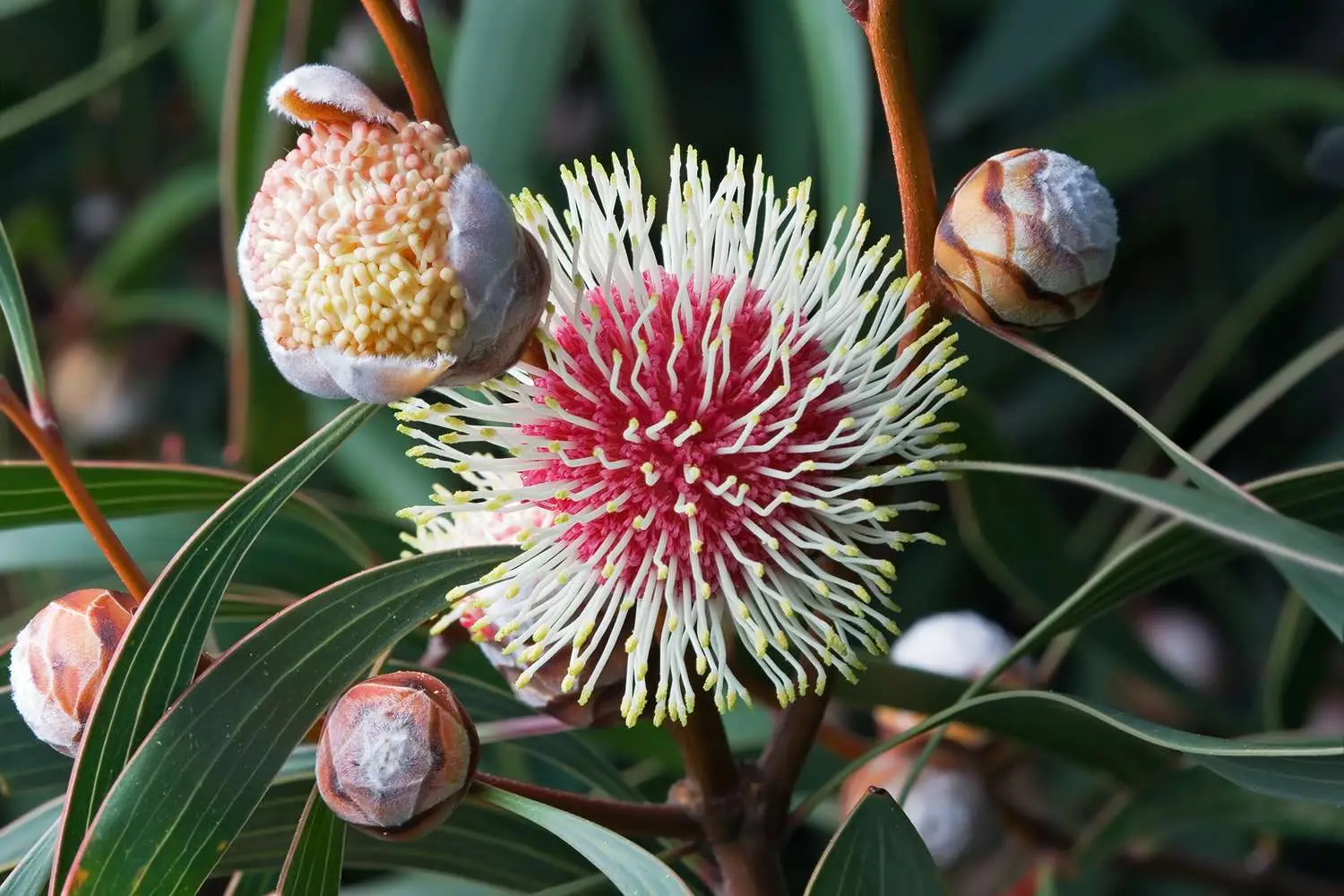
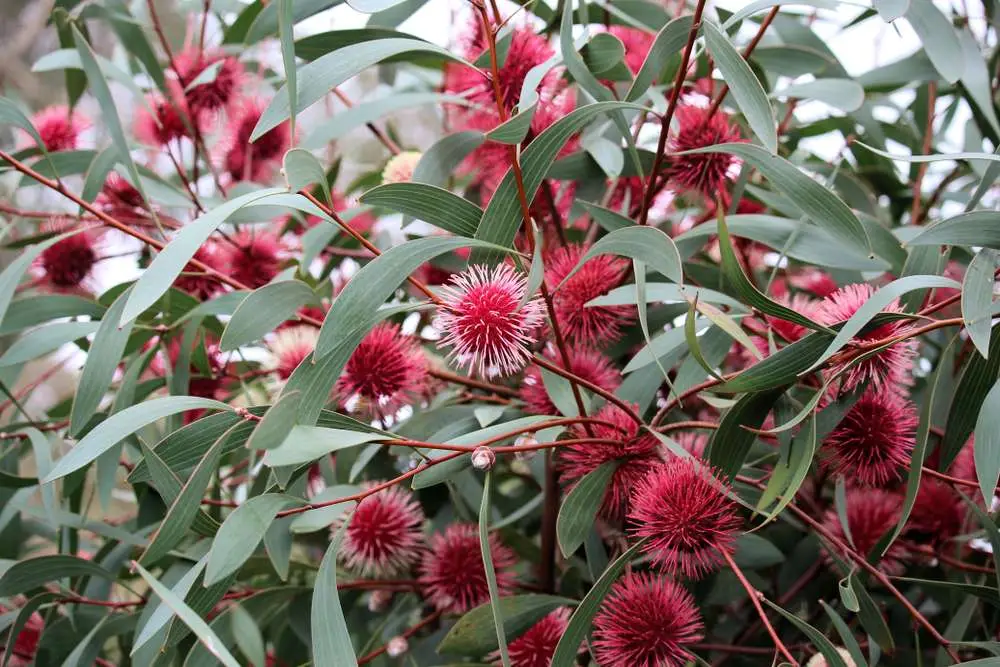
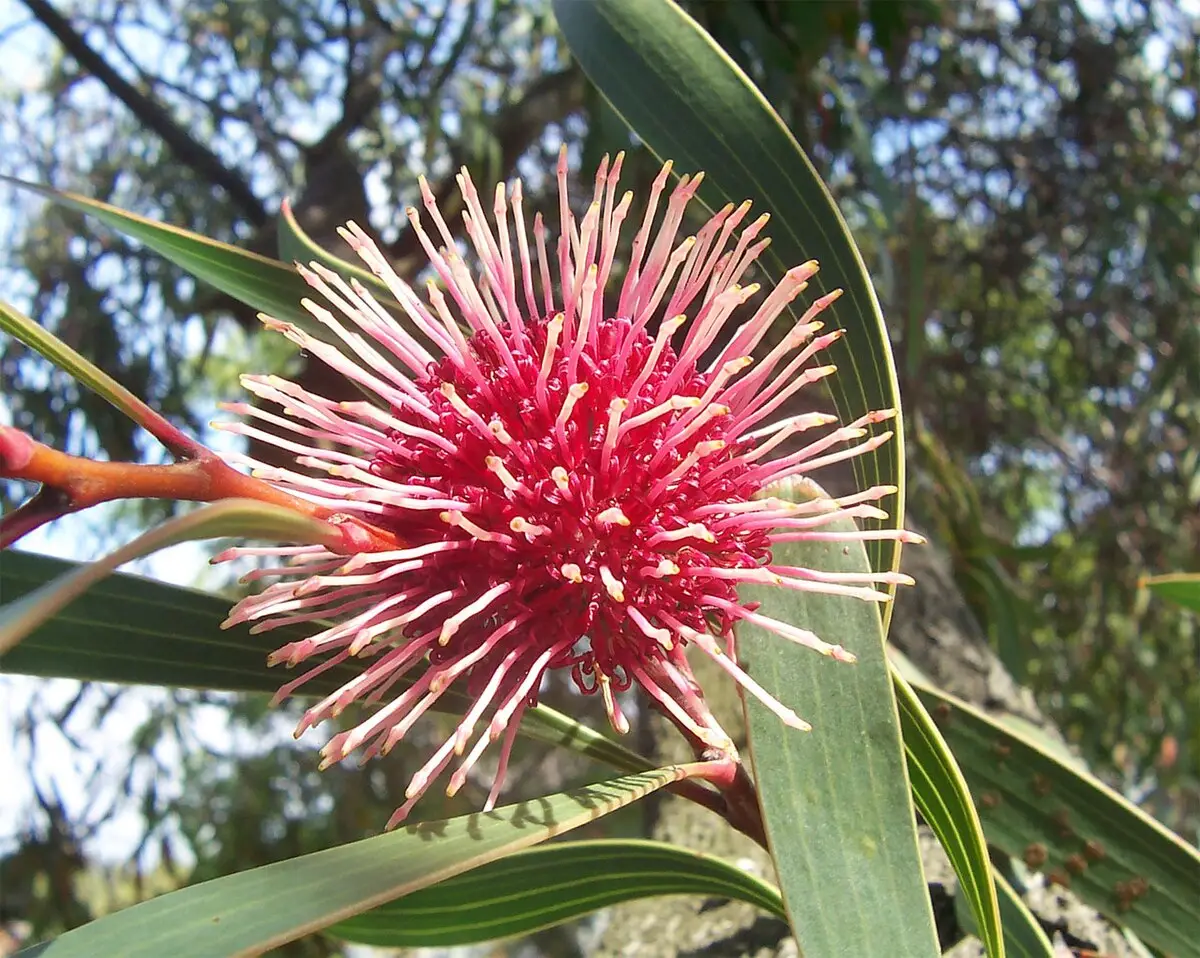
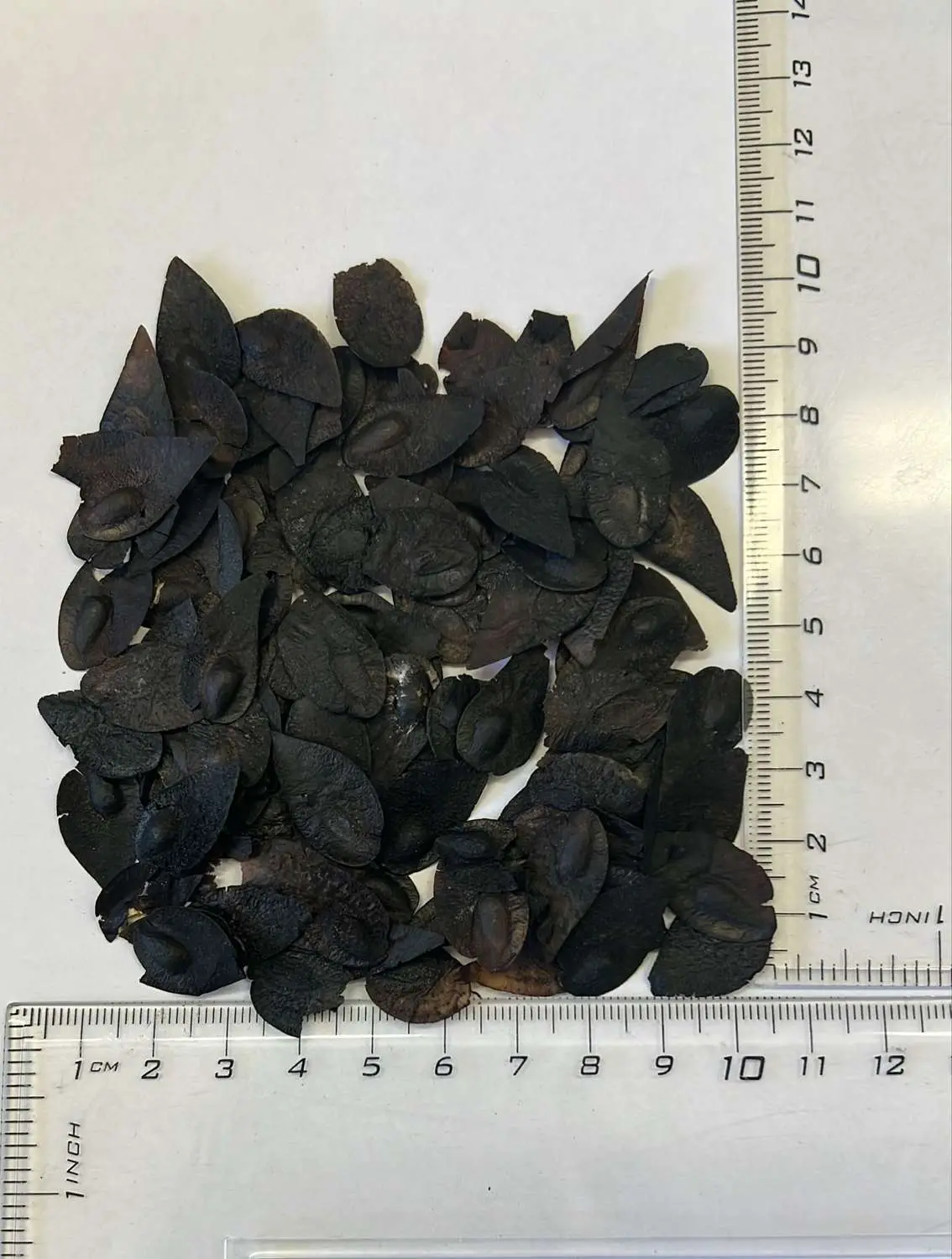
Imagine festival-bright flowers—cardinal red centers crowned with cream-white stamens, like nature’s most intricate pincushion—lasting weeks in a cut flower arrangement. Hakea laurina blooms from autumn through winter when the garden goes quiet. Easy to grow from seed in well-drained soil with full sun. One plant feeds endless bouquets.
€10.39
This is the plant florists dream about—spherical flowers of arresting beauty that refuse to fade. From late autumn through winter, when most gardens sleep, Hakea laurina erupts in clusters of 120–190 pincushion-shaped blooms, each 4–5 cm across, painted in soft cardinal red with protruding golden-cream styles that catch the light like pins stuck through velvet. These flowers do not wilt quickly. They hold their presence in the vase for weeks, making them irresistible for florists, wedding designers, and anyone who believes cut flowers should be an investment, not a consolation.
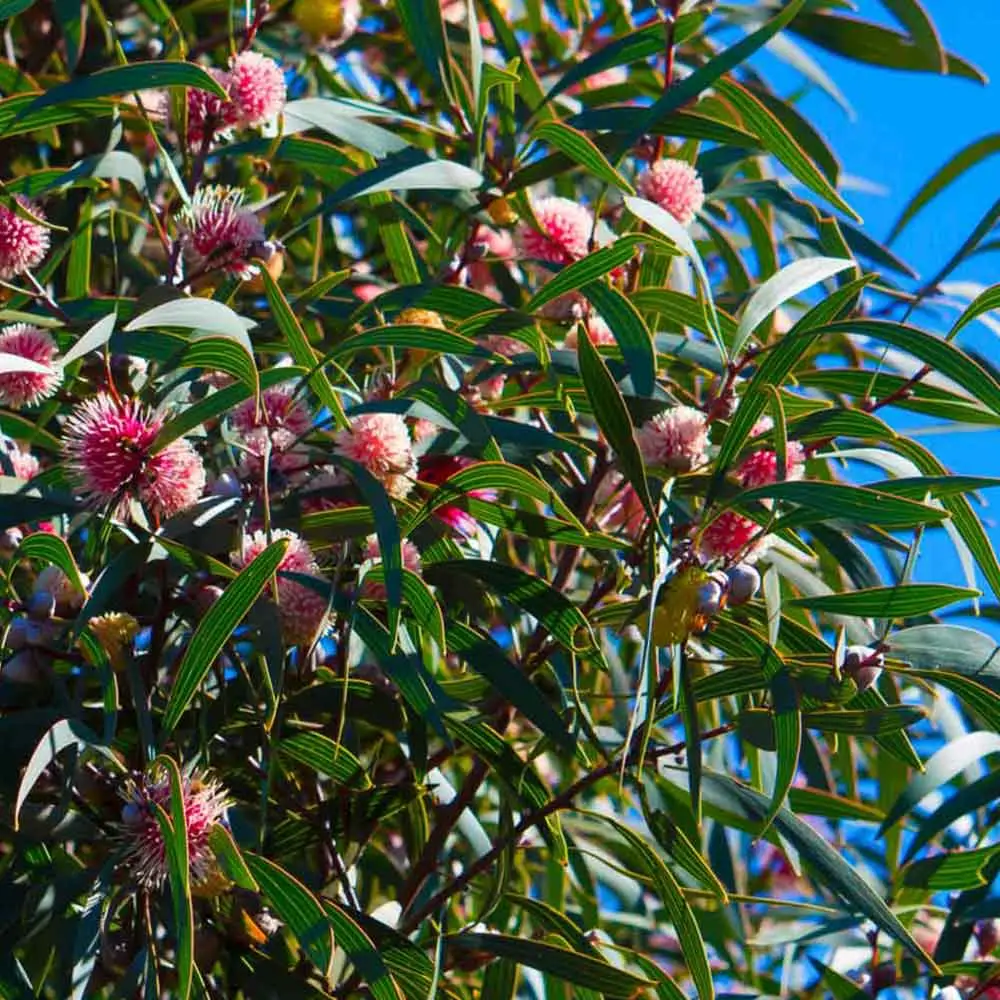
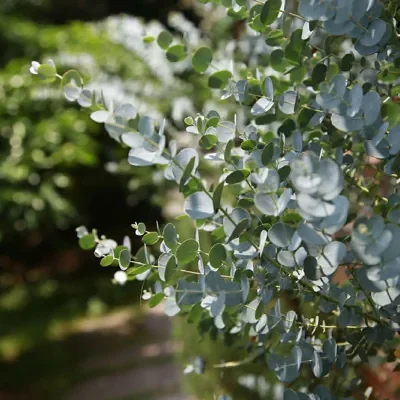
Native to southwestern coastal Western Australia, where it earned its Noongar name *kodjet*, Hakea laurina has traveled the world—to Italy, California, and beyond—wherever gardeners discovered its extraordinary dual gift: stunning visual drama paired with genuine drought tolerance and adaptability. The plant itself is architectural poetry: a compact, rounded shrub or small tree (2.5–6 m tall) with elegant blue-green, lance-shaped foliage and smooth grey bark that ages beautifully. In full sun, it develops a dense, rounded form that looks like a carefully composed topiary even without effort. The leaves were so distinctive that the plant was named after them—*laurina*, for their resemblance to laurel.
But the flowers are the obsession, and for good reason. Growers cultivate Hakea laurina specifically for cut-flower production because these blooms combine rarity with resilience. Unlike many showy flowers that demand coddling, these pincushions are tough: they last extraordinarily long in water, they travel well, and they command attention in any arrangement—modern, romantic, or architectural. A single mature plant will yield armfuls of stems throughout the winter months, the exact season when fresh cut flowers become scarce and precious. Florists prize them alongside proteas and banksias for the same reason: visual impact married to staying power. Bring stems indoors, condition them properly, and watch them slow-fade over weeks, never looking defeated. The flowers also attract nectar-feeding birds and butterflies in the garden—honeyeaters and lorikeets arrive en masse during flowering—so you’re not just growing a floral asset; you’re inviting wildlife to stake a claim on your garden.
Growing Hakea laurina from seed is straightforward and rewarding. It thrives in full sun (essential for dense, free flowering), well-drained soil, and moderate to low water once established. The species is drought-tolerant, frost-hardy, and perfectly suited to Mediterranean, temperate, and warm-temperate climates. Direct sowing seeds in a free-draining mix and keeping them warm triggers germination in 2–3 months. Young plants benefit from consistent watering until established; mature plants rarely need supplemental water beyond normal rainfall. The shallow root system means it won’t crack foundations or pipes, and it’s remarkably pest-resistant. Light pruning after flowering (cutting back 10–20 cm of tip growth) encourages bushier branching and even more prolific flowering next season. This is not a fussy plant; it rewards straightforward care with abundance.
Grow Hakea laurina and you enter a quiet tradition of florists, garden designers, and plant lovers who understand that the most beautiful things in a garden are often those you can cut and bring inside, again and again, season after season. Every winter bloom becomes a gift to yourself—a scarlet-and-cream star that will grace your table for weeks. Start from seed now, and by next autumn, your first pincushions will open.
Only logged in customers who have purchased this product may leave a review.
Reviews
There are no reviews yet.