
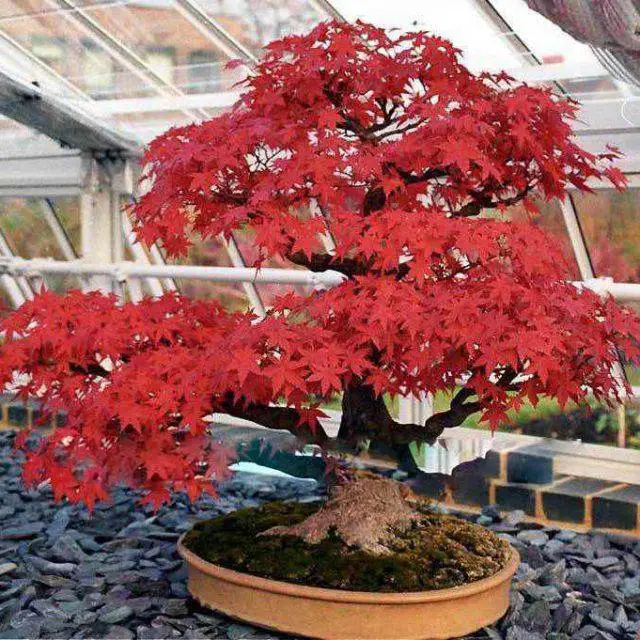
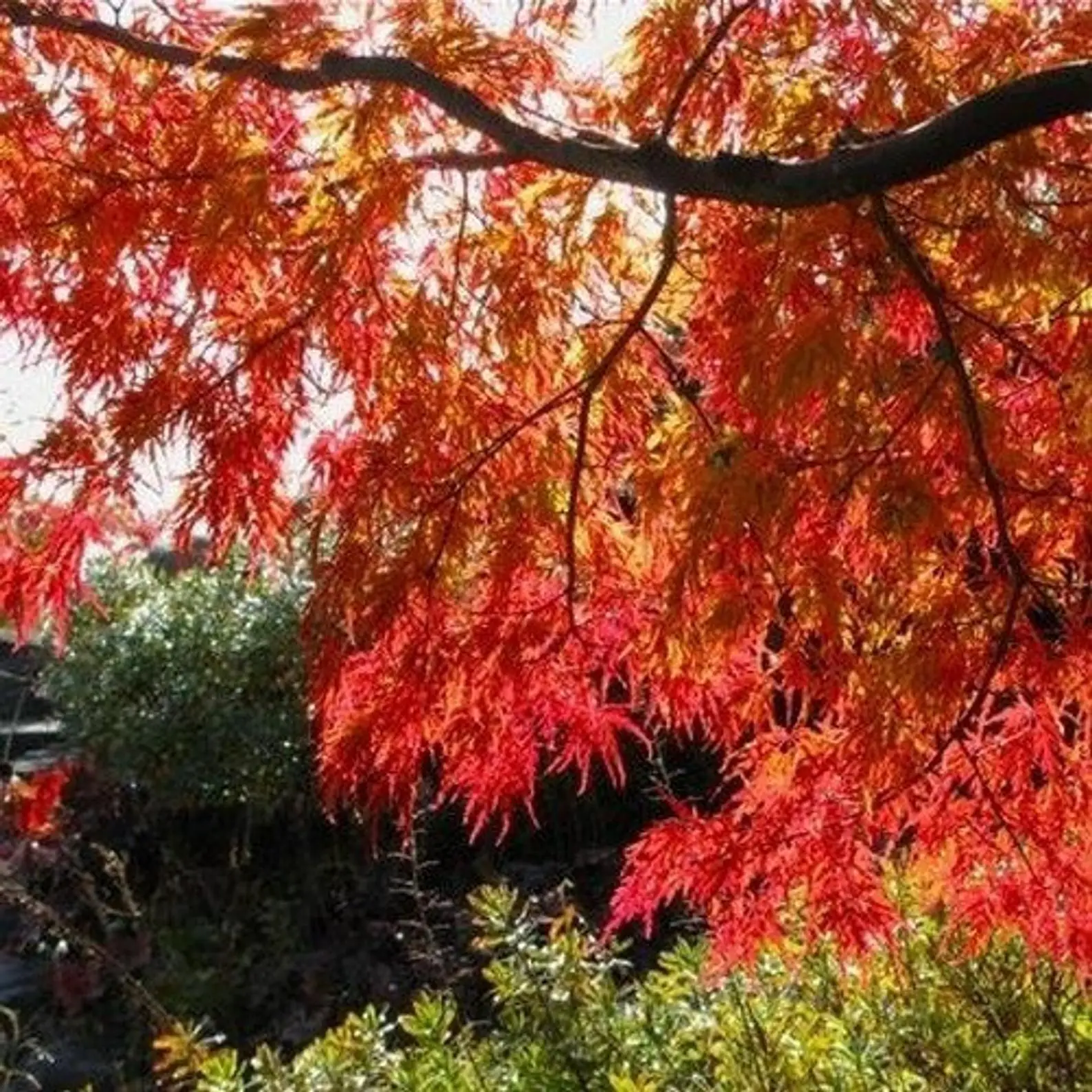
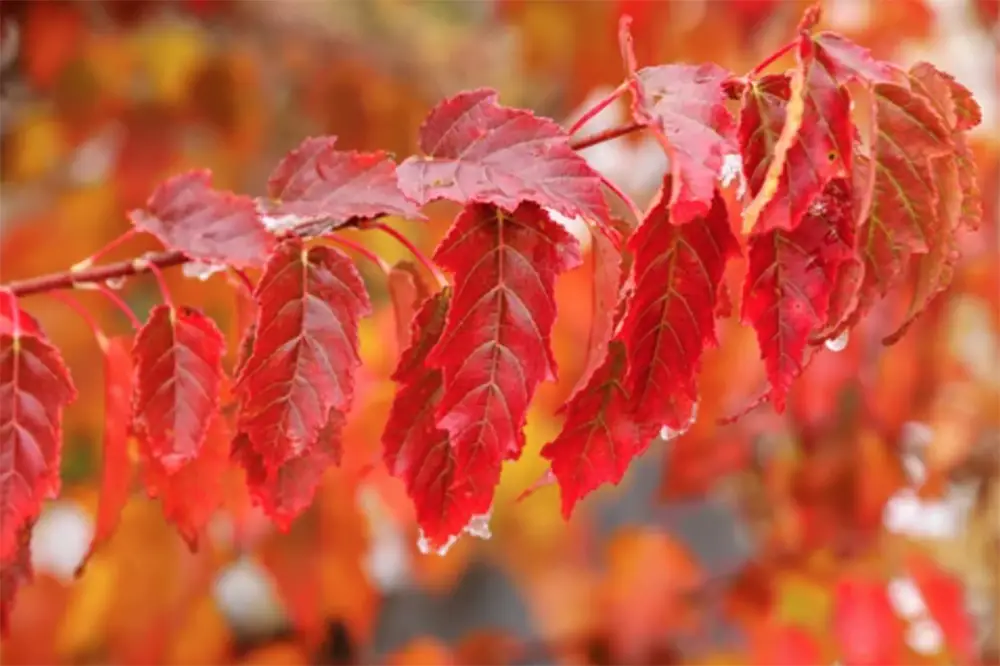
Grow the hardiest bonsai maple alive—from seed. Acer tataricum subsp. ginnala is prized for bonsai cultivation and thrives where other maples fail, surviving brutal zone 2 winters. Brilliant deep red fall foliage, fragrant flowers, and elegant ramification make it endlessly rewarding to shape. Easy to grow from seed, adapts to any soil, tolerates drought. Your masterpiece starts here.
€1.92
Here’s a tree that will make you fall in love with bonsai—whether you’re a seasoned artist or picking up a pot for the first time.
Acer tataricum subsp. ginnala, the Amur maple, originates from the frigid forests of northeastern Asia—Manchuria, China, and Japan—where it evolved to survive the harshest winters. This subspecies is distinguished from its Tatar cousin by glossy, deeply lobed leaves and a more refined growth habit. It arrived in North America in the 1860s as an ornamental, but bonsai enthusiasts soon discovered its true calling. The Royal Horticultural Society awarded it their prestigious Garden Merit award, and for good reason: this maple is simply unbeatable as a container specimen.
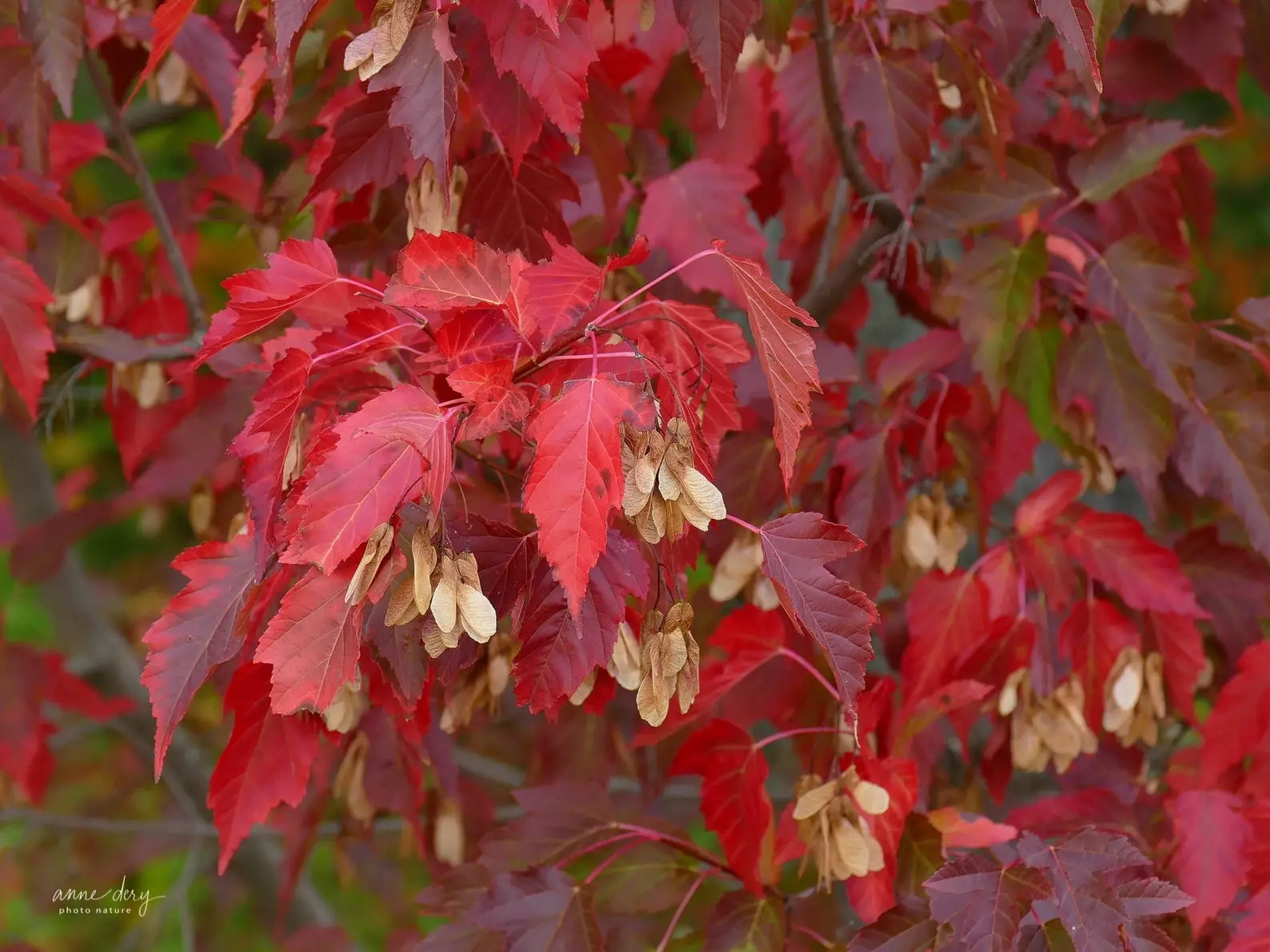
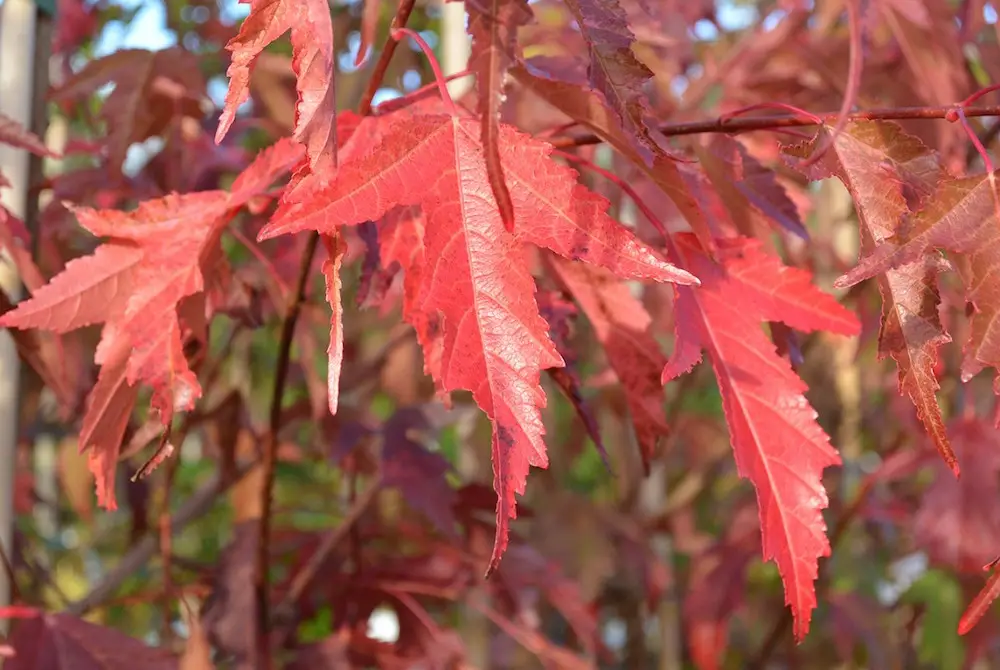
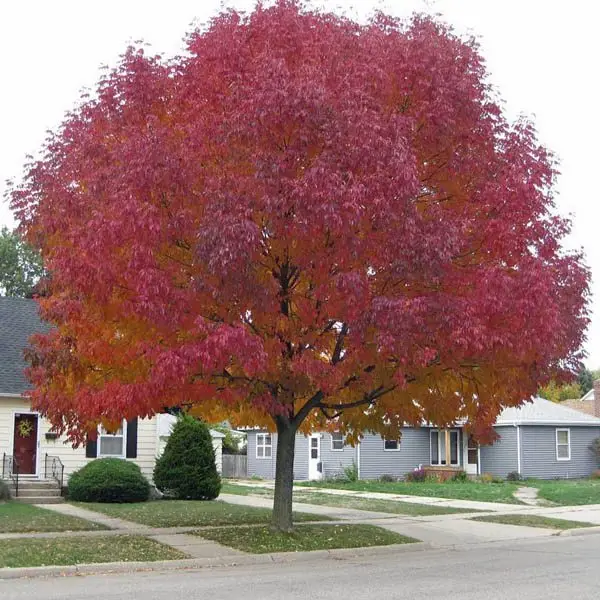
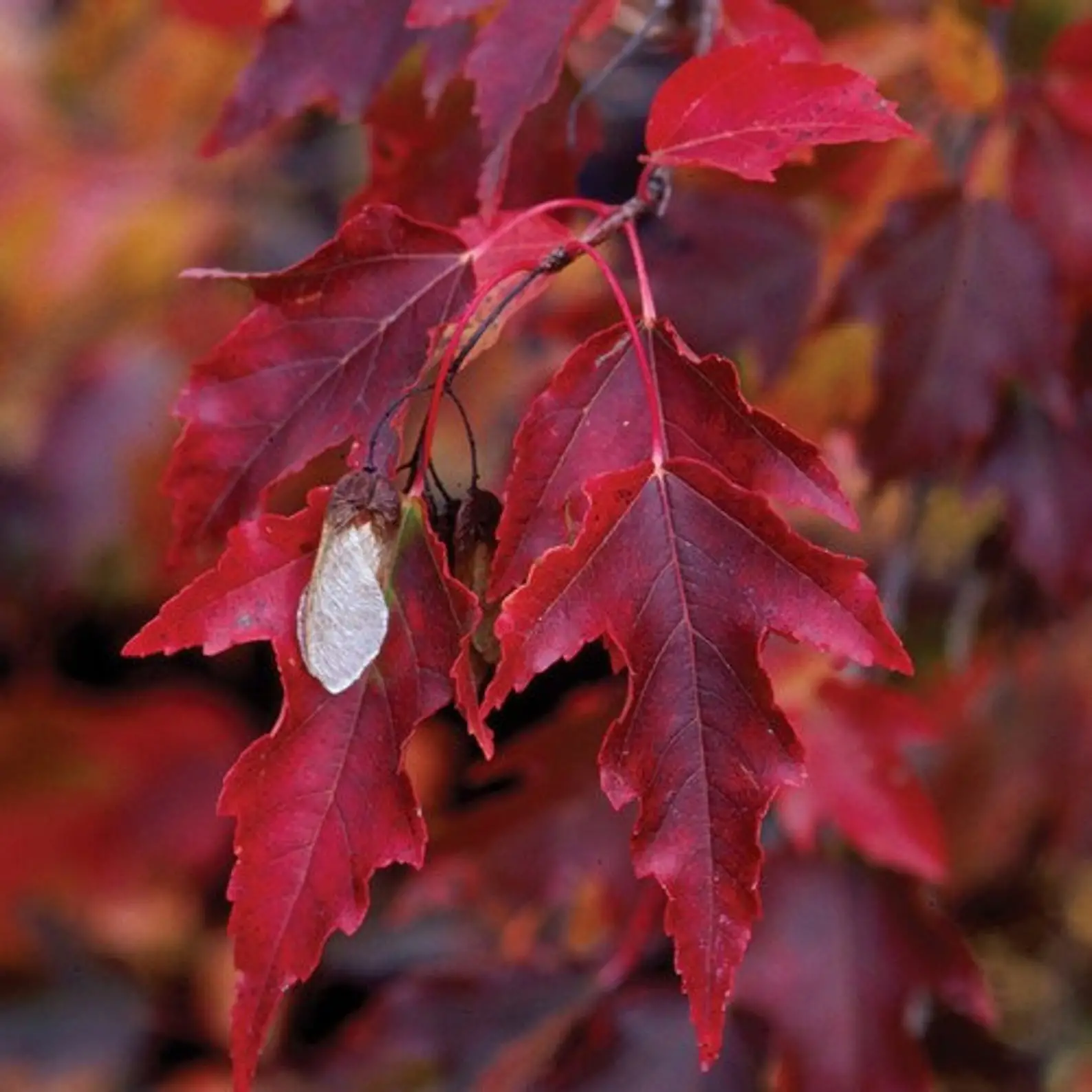
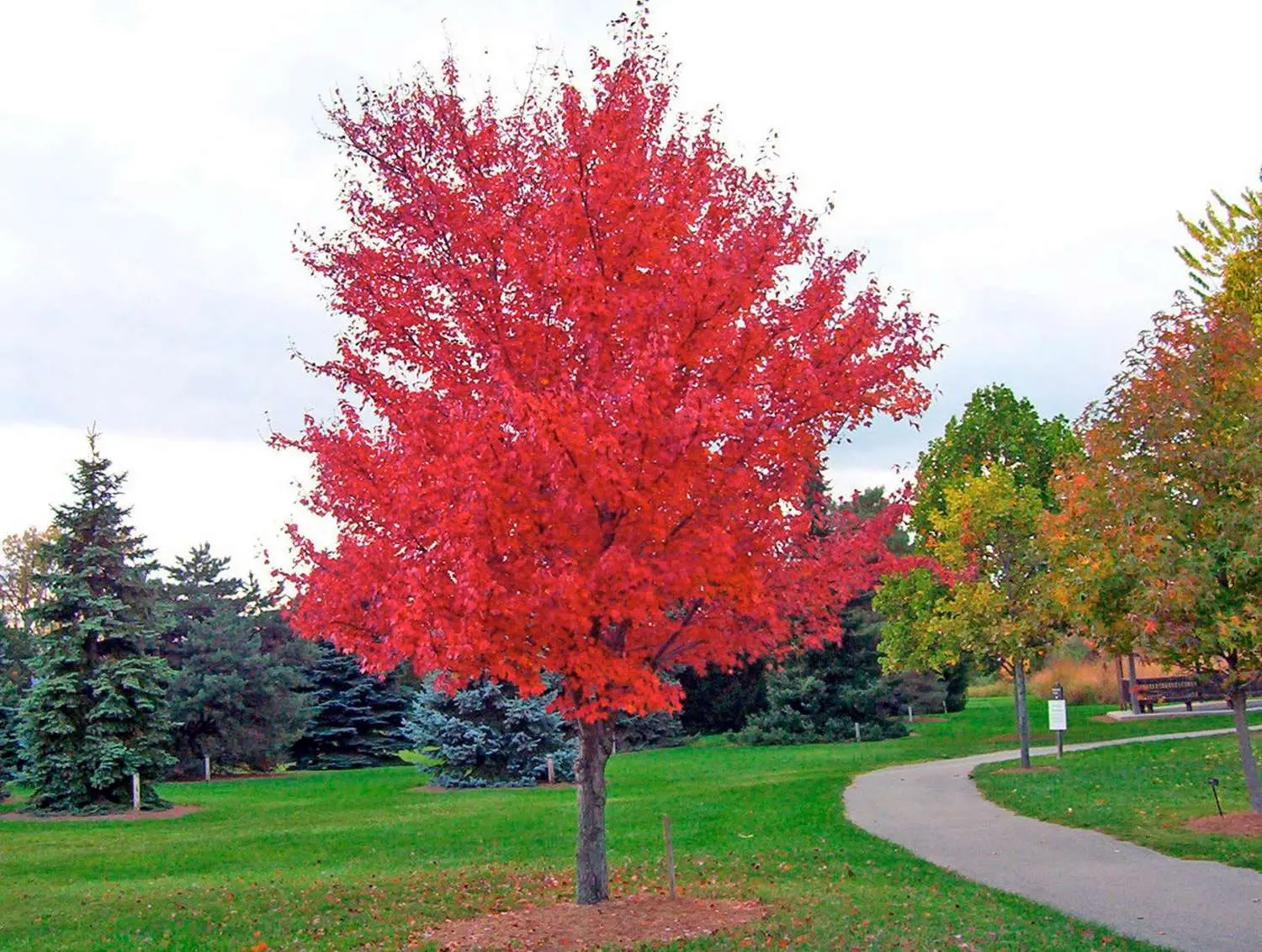
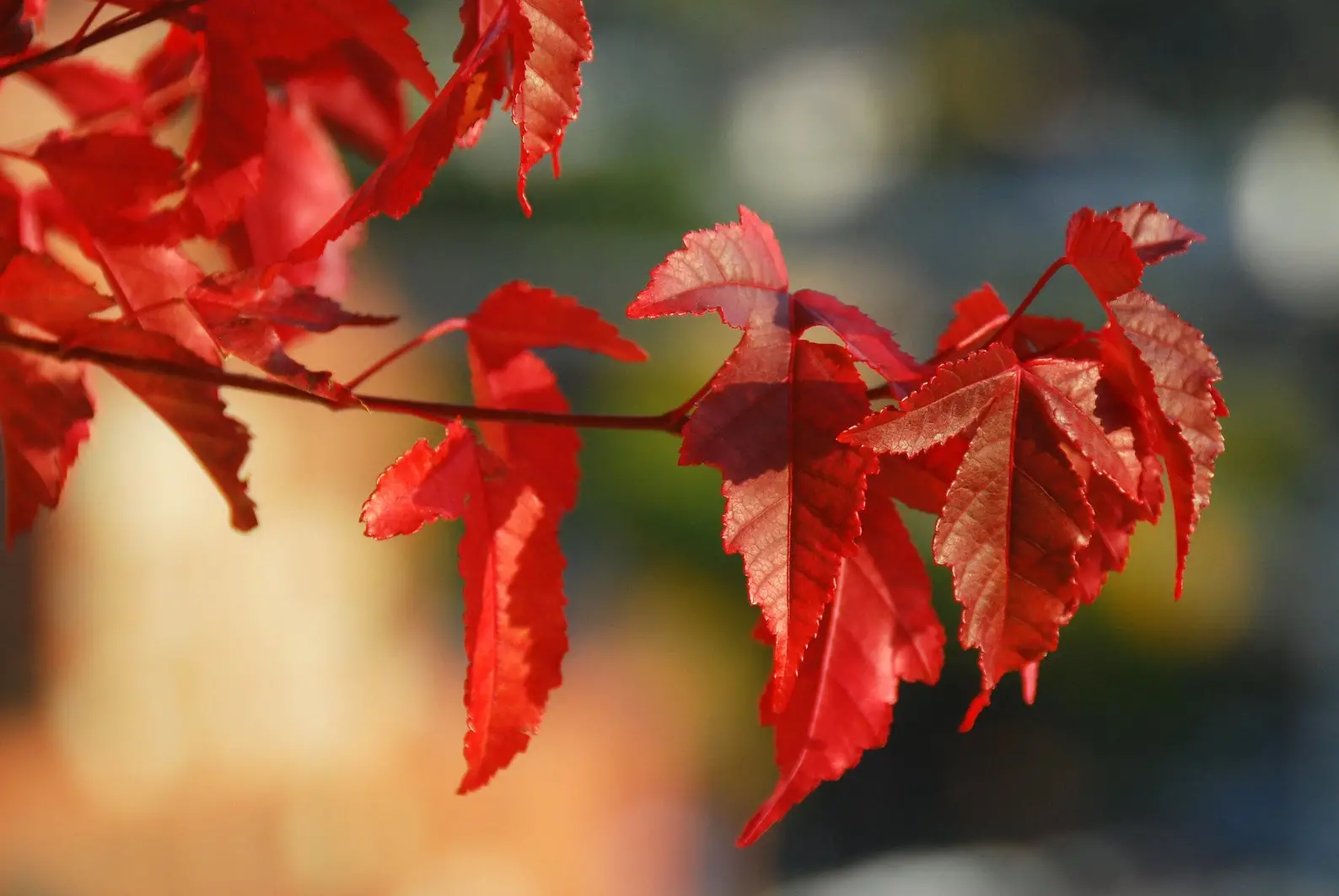
Bonsai artists worship Acer ginnala. It is the most cold-hardy maple in cultivation—surviving zone 2 winters where Japanese maples would perish. But here’s what makes it transcendent as bonsai: it develops ramification effortlessly. Strong root growth, abundant budbreak after pruning, and responsive vigor create the fine branch structure that separates an amateur attempt from a gallery-worthy specimen. The leaves are perfectly scaled—small, deeply lobed, and graceful. And then comes autumn: the foliage transforms into shades of deep red, sometimes yellow, creating a brief moment of pure majesty. The delicate, fragrant flowers appear in spring (clusters of tiny cream blooms), followed by winged samaras that dangle like tiny helicopters through winter. Whether you’re developing a formal upright, an informal cascade, or an intricate forest planting, Acer ginnala responds with enthusiastic cooperation. It’s also valued beyond bonsai for its historical uses—young leaves were traditionally dried for tea, and the foliage yields stunning black, blue, and brown dyes for textile work. A versatile treasure.
Growing Acer tataricum subsp. ginnala from seed is where the true magic begins. This tree is remarkably low-maintenance and adaptable. Plant in full sun to part shade; it honestly doesn’t care. It thrives in well-drained soil but tolerates clay, sand, loam—give it moist, organically rich soil and it will reward you with vigorous growth. Once established, it’s drought-tolerant and wind-resistant, traits forged by its Asian mountain heritage. Young trees grow quickly when given consistent moisture and light. The bark begins smooth and gray-brown, gradually developing character with age. Container cultivation is where this species truly shines: it withstands heavy pruning, responds to wiring and shaping, and develops surface roots that bonsai enthusiasts crave. Indoors under bright light, or in an outdoor location with good air circulation, young seedlings establish rapidly.
There is a profound satisfaction in growing a bonsai from seed—watching it evolve from a tiny sprout into a living sculpture that captures the essence of an ancient forest in miniature. Acer tataricum subsp. ginnala makes this dream accessible. It demands patience, not perfection. It rewards attention, not obsession. Grow from seed, and you’ll join centuries of artists who chose this remarkable maple to express their vision through living wood and leaf. The cold northern forests of its homeland have prepared it for this role—to become not just a plant, but a meditation, a story, a masterpiece in your hands.
Only logged in customers who have purchased this product may leave a review.
Reviews
There are no reviews yet.