Description
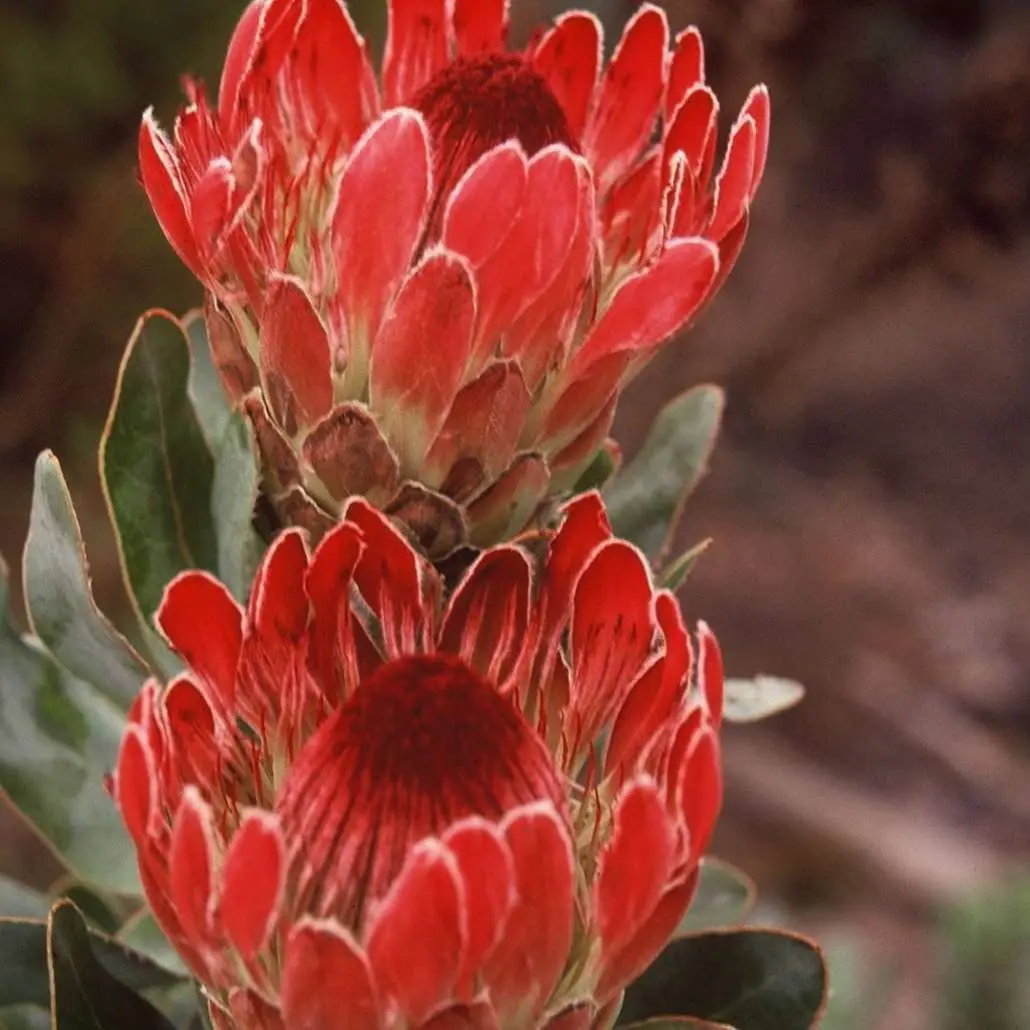
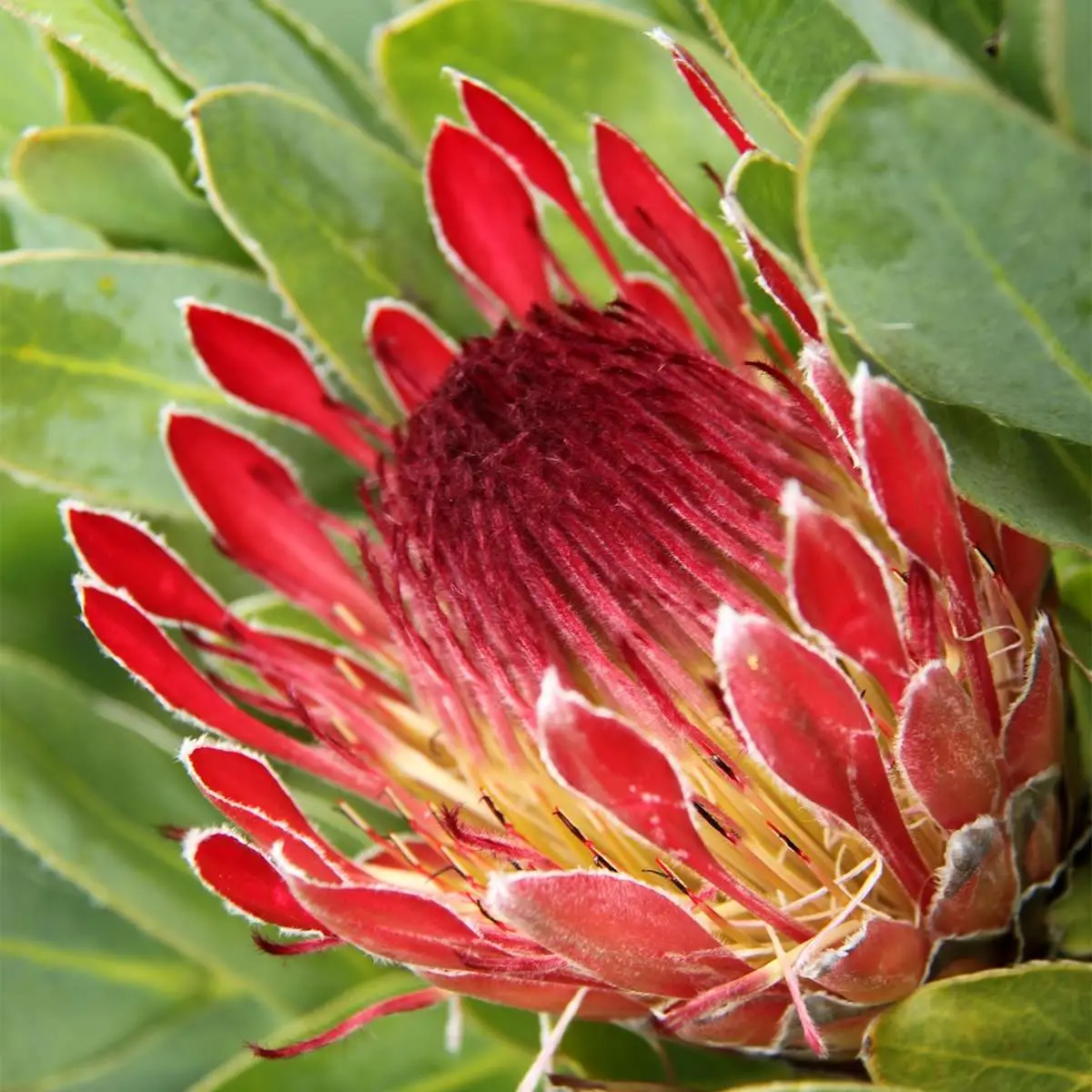
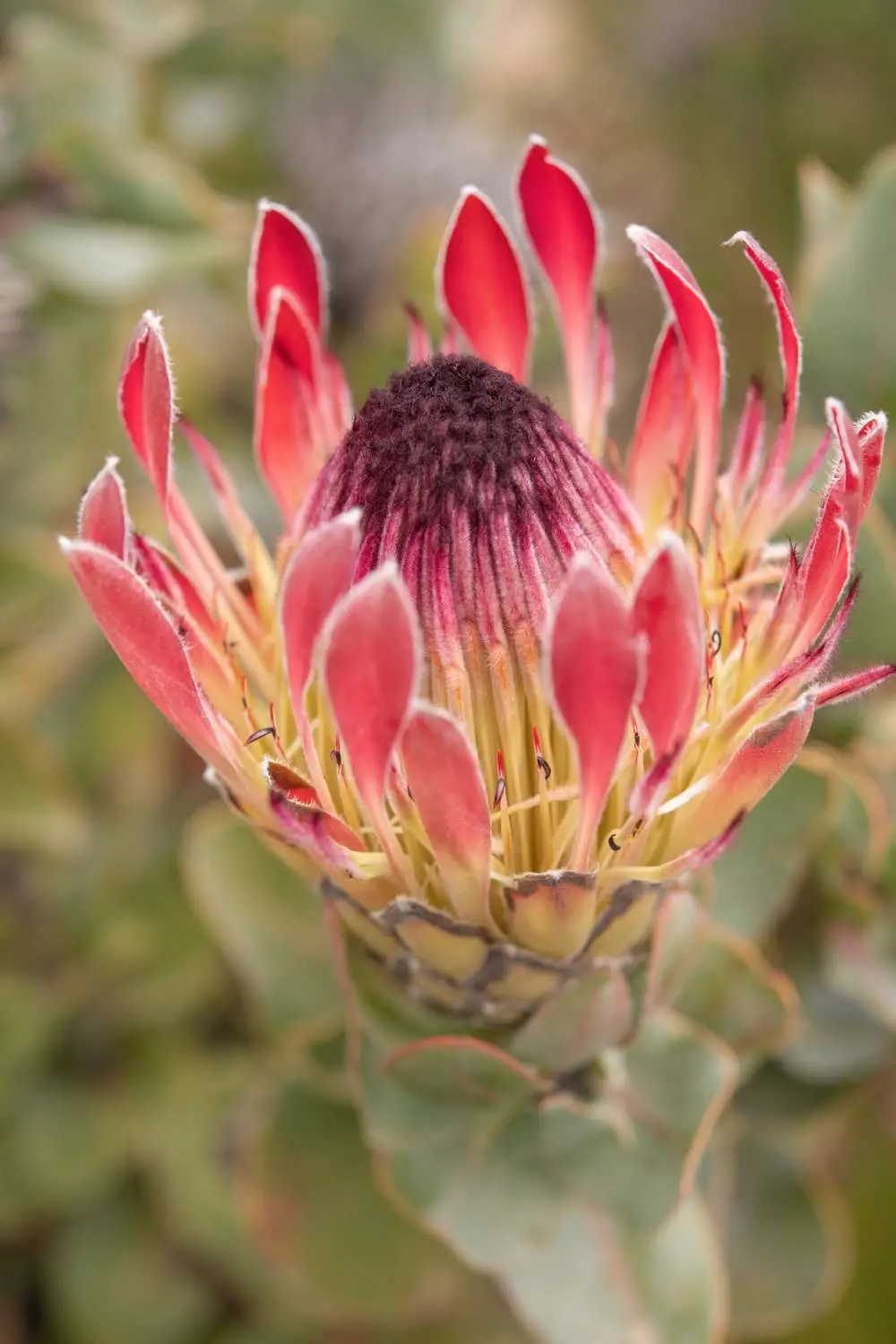
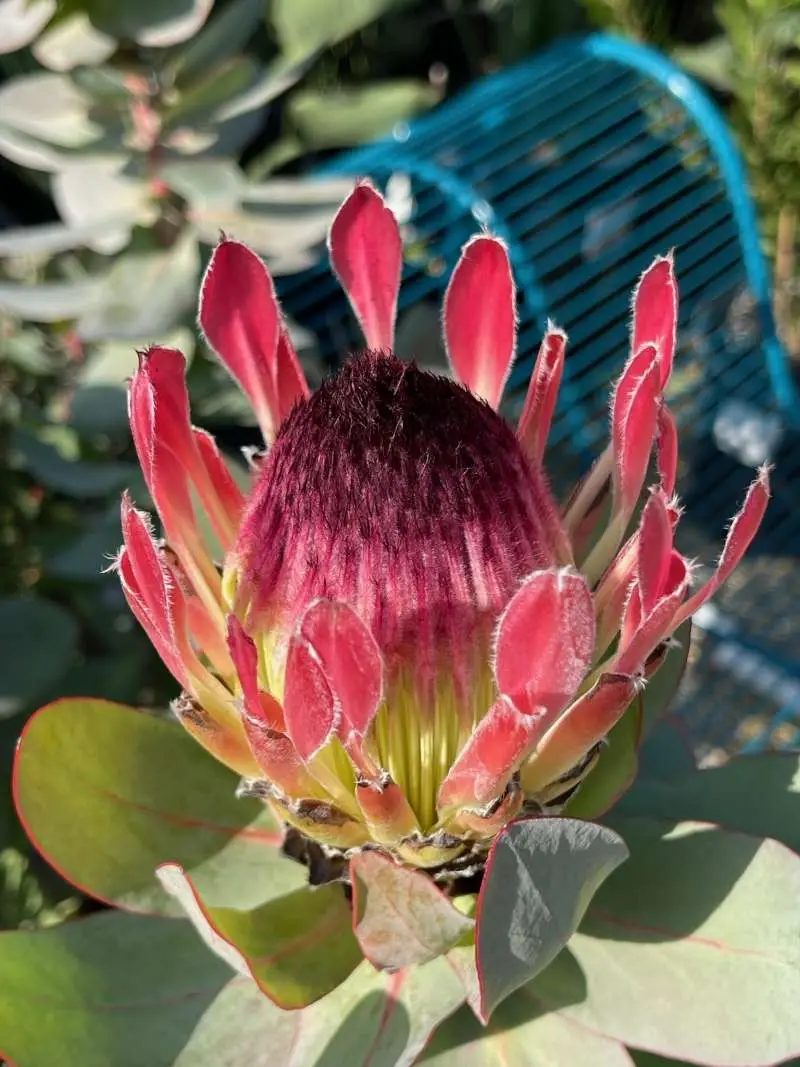
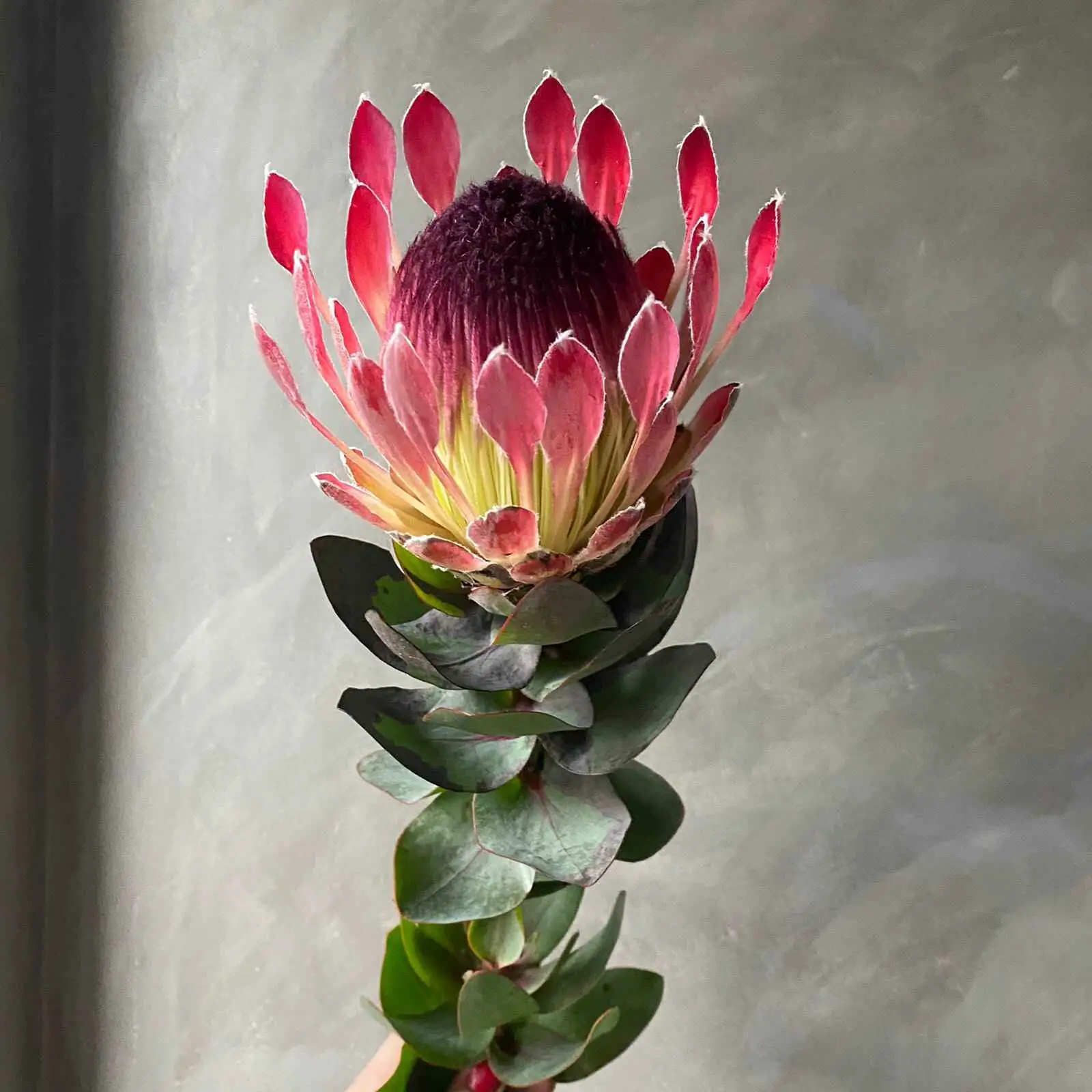
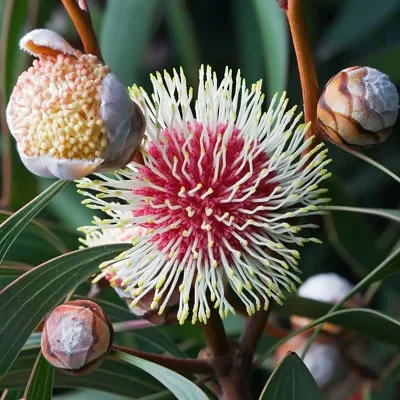
Protea eximia, commonly known as the Broad-leaf Sugarbush, is an evergreen shrub native to the mountains of South Africa’s Western Cape. It typically grows 1.5 to 3 meters tall, forming an upright, bushy habit with attractive narrow, leathery leaves that may have a reddish or bronze tint in strong sunlight.
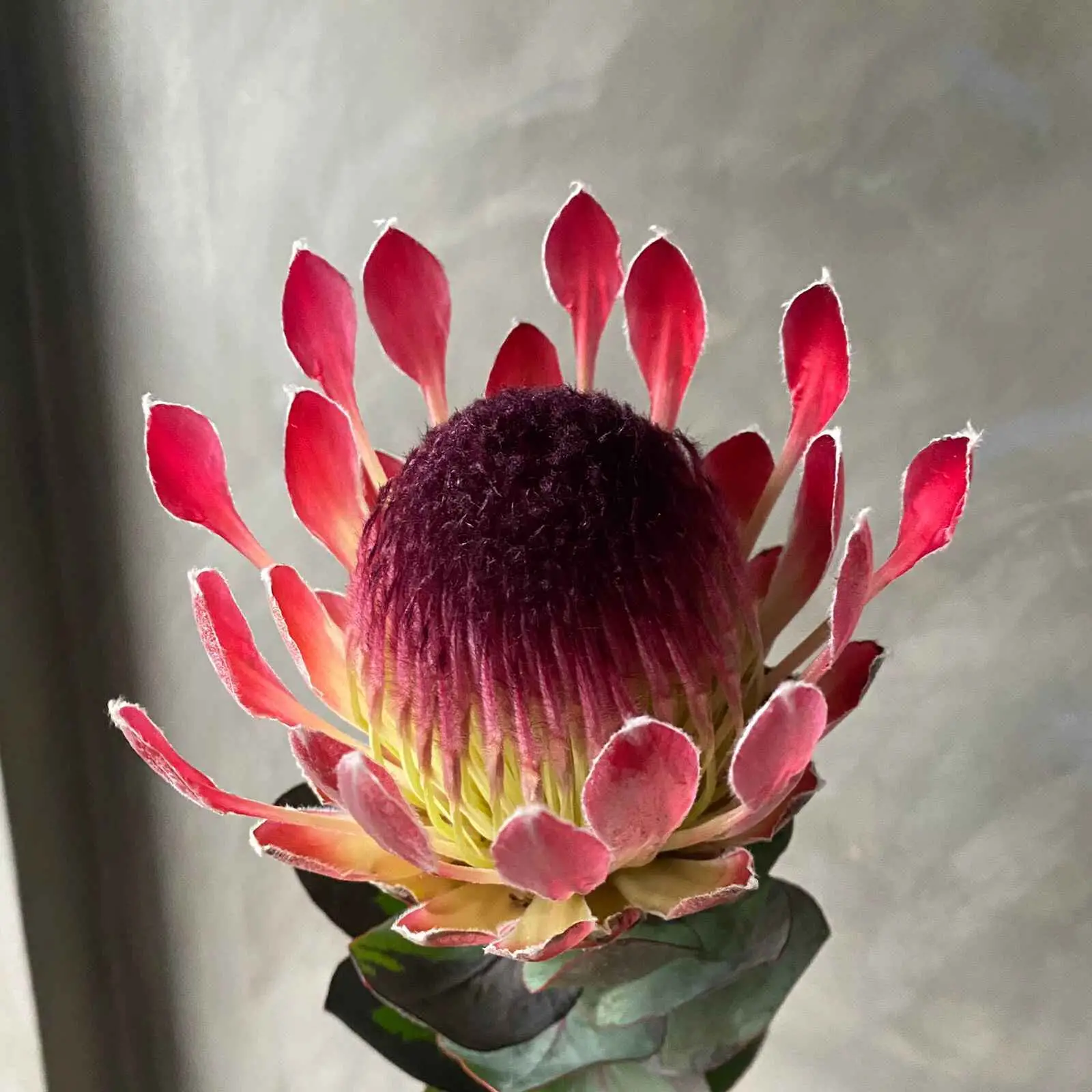
The plant produces large, showy flower heads about 8 to 12 cm across, surrounded by pointed, often pink to crimson bracts that gradually darken with age. The true flowers inside the head are cream to pink and rich in nectar, attracting birds and insects.
Protea eximia thrives in well-drained, acidic soils and prefers full sun. It is adapted to Mediterranean climates with cool, wet winters and hot, dry summers, and tolerates light frost once mature.
Flowering occurs mainly from autumn to spring, adding vivid color to the landscape. It is widely cultivated for ornamental use and as a cut flower, valued for its long-lasting and striking blooms.
Germination Guide
🌍 Southern Cape region, South Africa (mountain fynbos, 200-1600 m elevation)
Easy
Protea eximia, the broad-leaved sugarbush, is a robust, easy-to-grow shrub from the Cape Floristic Region of South Africa with striking deep pink, purple-centered flower heads. Belonging to the Proteaceae family, it requires smoke-treated seeds and specific temperature fluctuations between day and night for successful germination. The species is remarkably versatile and can sprout within 3 weeks of planting, making it one of the easiest proteas to cultivate.
Germination
Germination time
Expect germination in
21 – 60 days
Temperature
Min 13°C
Ideal 22°C
Max 29°C
🌡️ Temperature alternation recommended
— Best sowing in autumn or spring when difference between day and night temperatures is approximately 12°C; optimal sowing temperature range 16-22°C with 12°C day/night fluctuation
Substrate moisture
💧💧 High
Sowing depth
Lightly covered
Seed Pre-treatment
-
💧
Soaking — 24 hours
Soak seeds in smoke-water solution (1 Smoke Seed Primer disk in 50ml water) for 24 hours at room temperature before fungicide treatment
-
🔥
Smoke/Fire treatment
Immerse Smoke Seed Primer disk in 50ml water at room temperature; one disk treats approximately 100 seeds; smoke treatment reduces germination time and increases germination rates
-
📋
Additional notes
After smoke-water soak, dip seed into fungicide solution such as Thiram before planting; treating seed with fungicide increases survival of seedlings
Substrate & Container
Recommended substrate
2 parts coarse river sand, 2 parts peat or decomposed pine needles, 1 part vermiculite or perlite; pH about 5.5; well-drained acidic soil mixture
Recommended container
500 ml plastic seedling bag
Growing Tips
Keep seedlings in semi-shade with 30% shade-cloth protection; water with fine rose spray; use rainwater preferably; sterilize soil with boiling water before planting to eliminate fungal pathogens; protect from mice, birds, squirrels and large insects; once true leaves appear, expose to full sun; water early morning daily but allow to dry before evening to reduce fungal infection; do not use chemical fertilizer or manure; avoid overhead watering and minimize soil disturbance as Protea roots are sensitive; use bottom watering method preferred; do not let growing mix completely dry out; P. eximia has higher germination rate than most protea species (approximately 80%)
Only logged in customers who have purchased this product may leave a review.

Reviews
There are no reviews yet.