
Botanical name: Pithecellobium dulce
Common name: Manila Tamarind, Madras Thorn, Camachile, Blackbead, Sweet Inga, Monkeypod
Kingdom: Plantae
Clade: Tracheophytes
Clade: Angiosperms
Clade: Eudicots
Clade: Rosids
Order: Fabales
Family: Fabaceae
Subfamily: Caesalpinioideae
Clade: Mimosoid clade
Genus: Pithecellobium
Species: P. dulce
€2.53
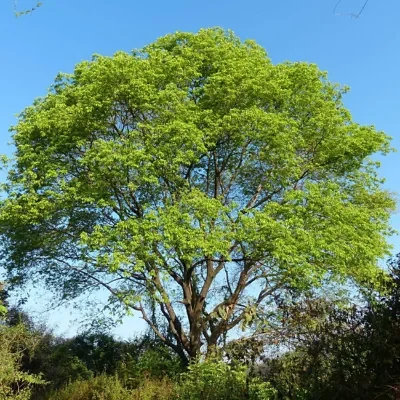
Pithecellobium dulce, commonly known as Manila tamarind, Madras thorn, or camachile, is a species of flowering plant in the pea family, Fabaceae, that is native to the Pacific Coast and adjacent highlands of Mexico, Central America, and northern South America. It is also sometimes known as monkeypod, but that name is also used for several other plants, including Samanea saman. It is an introduced species and extensively naturalized in the Caribbean and Florida, as well as the Philippines and Guam via the Manila galleons. It has also been introduced to Thailand and South Asia, It is considered an invasive species in Hawaii.
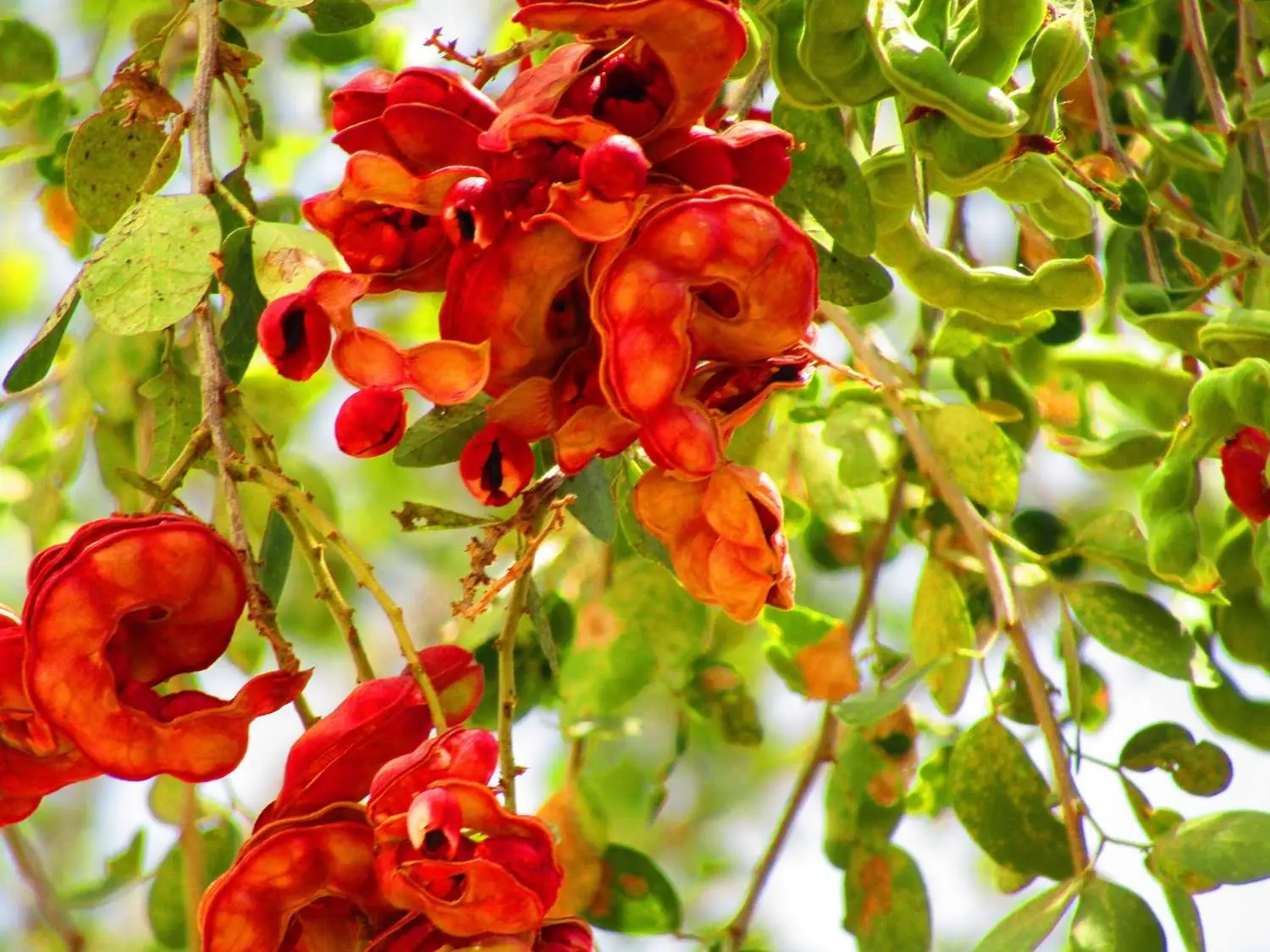
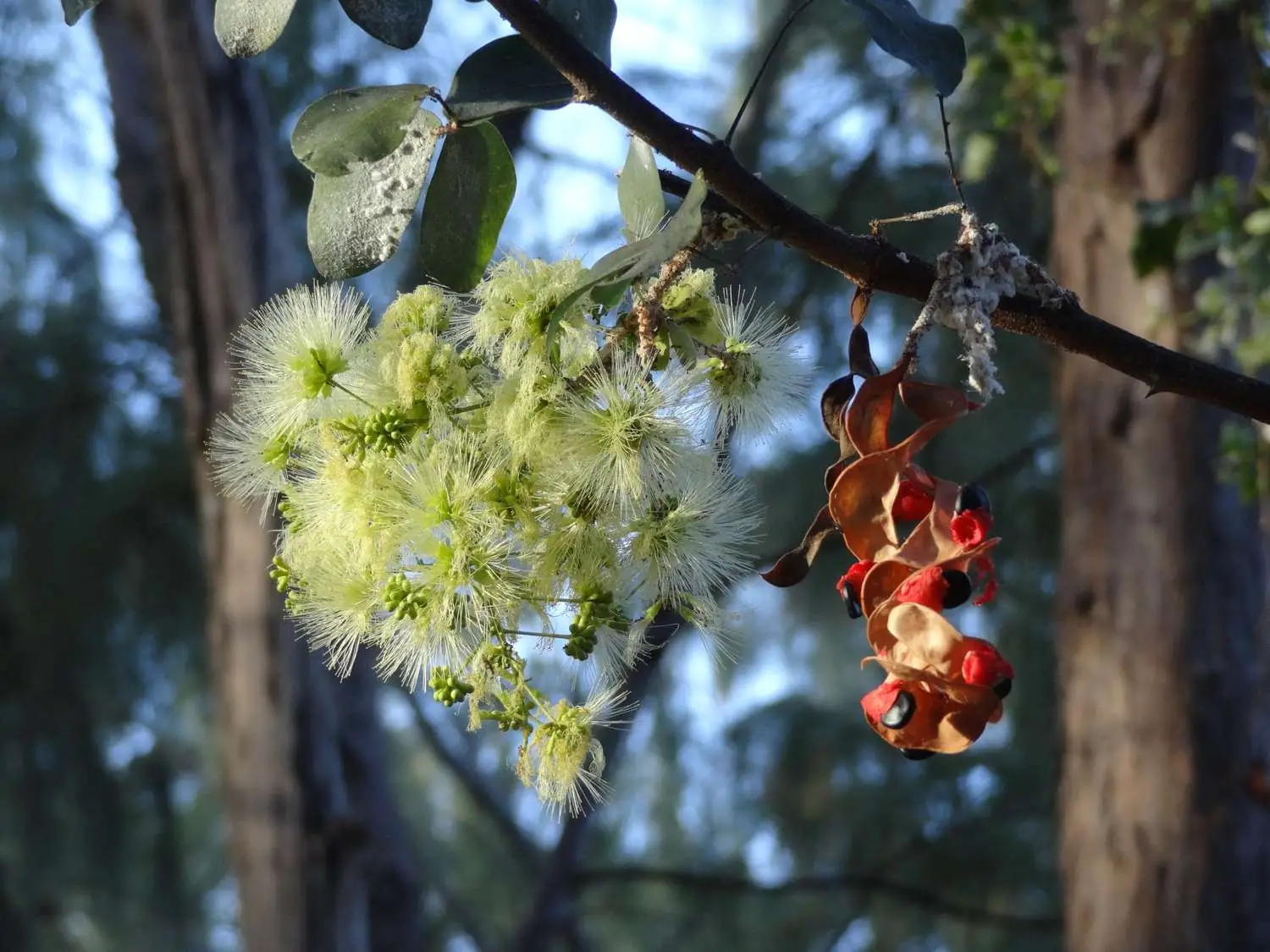
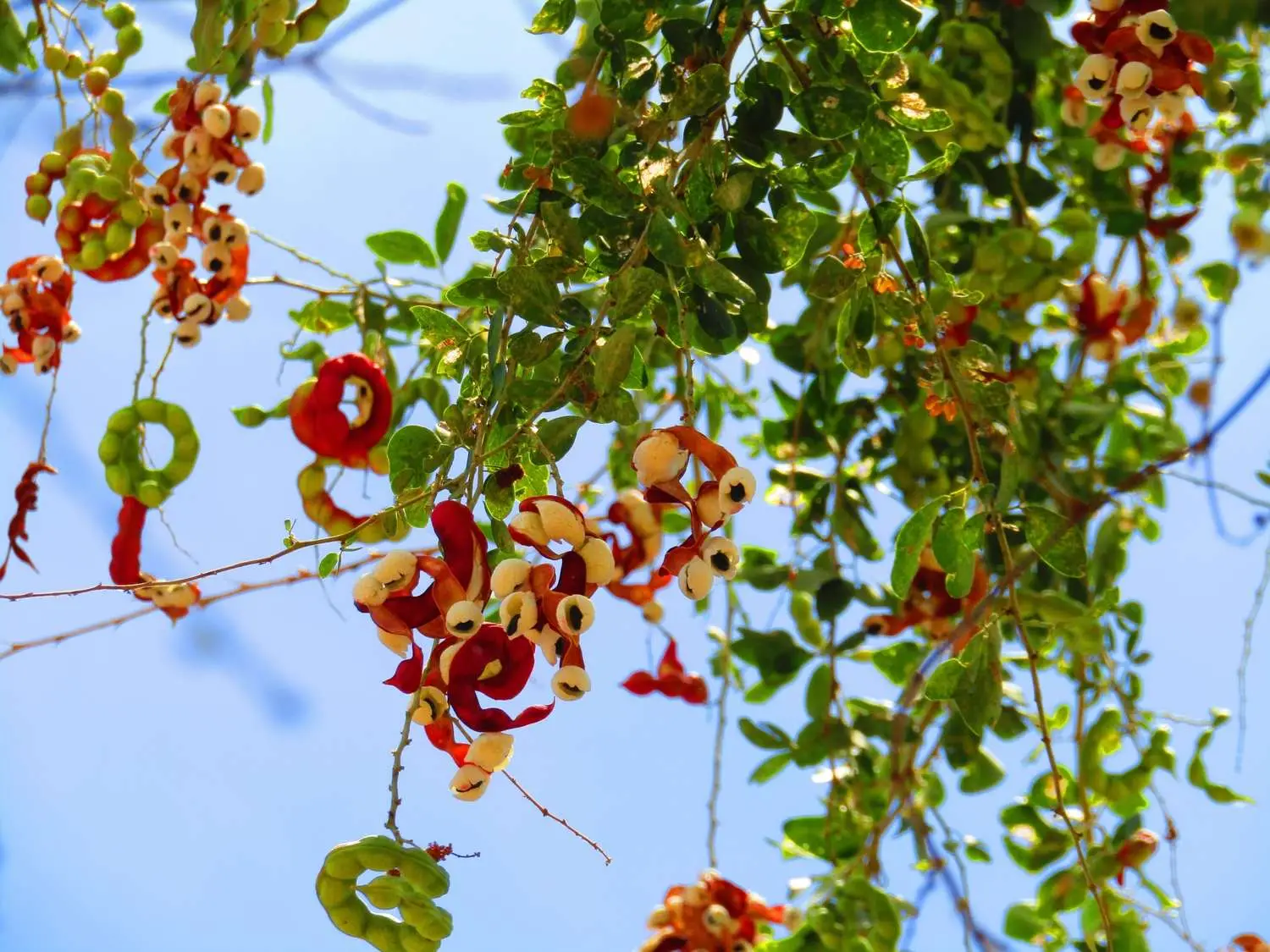
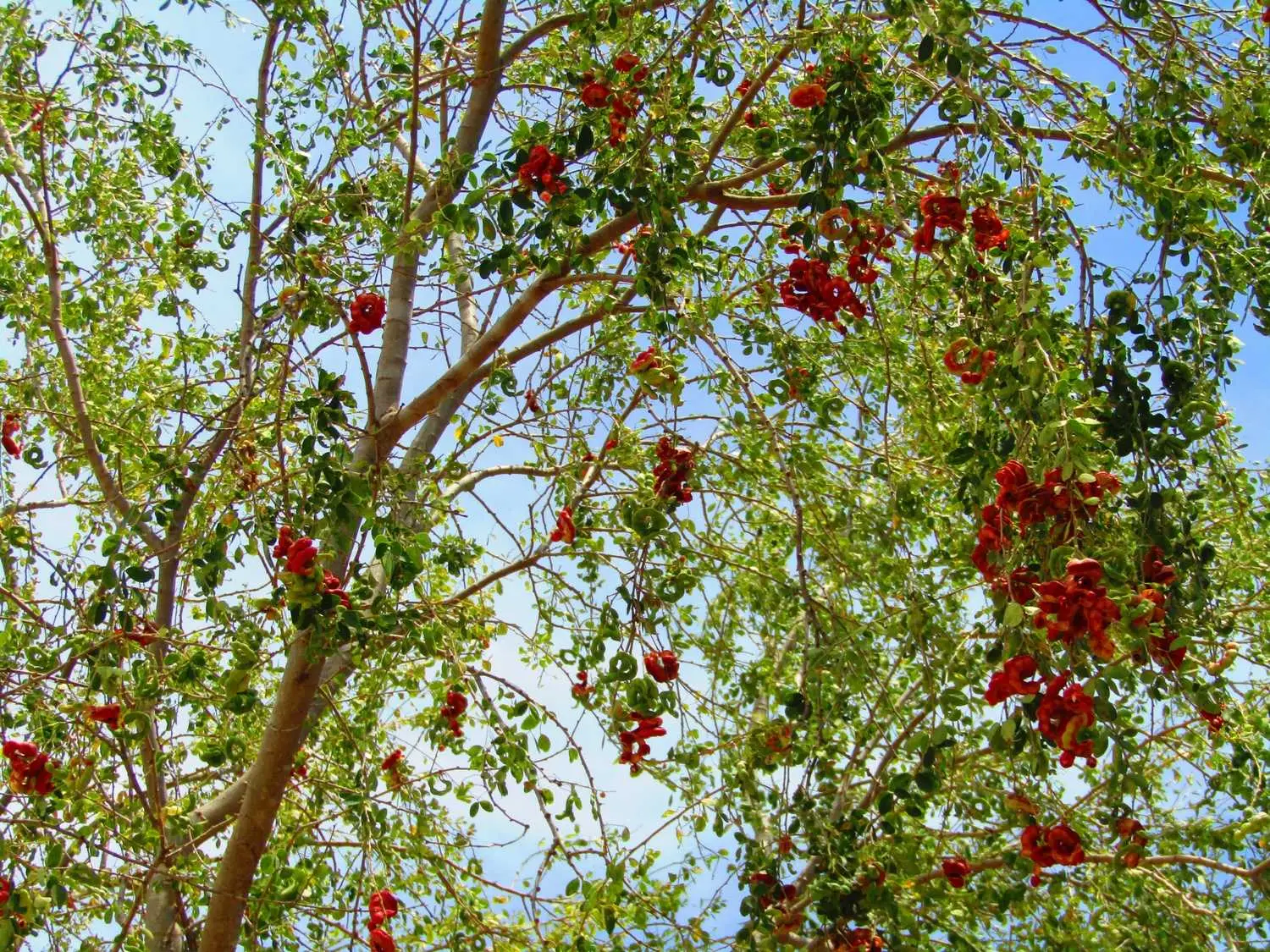
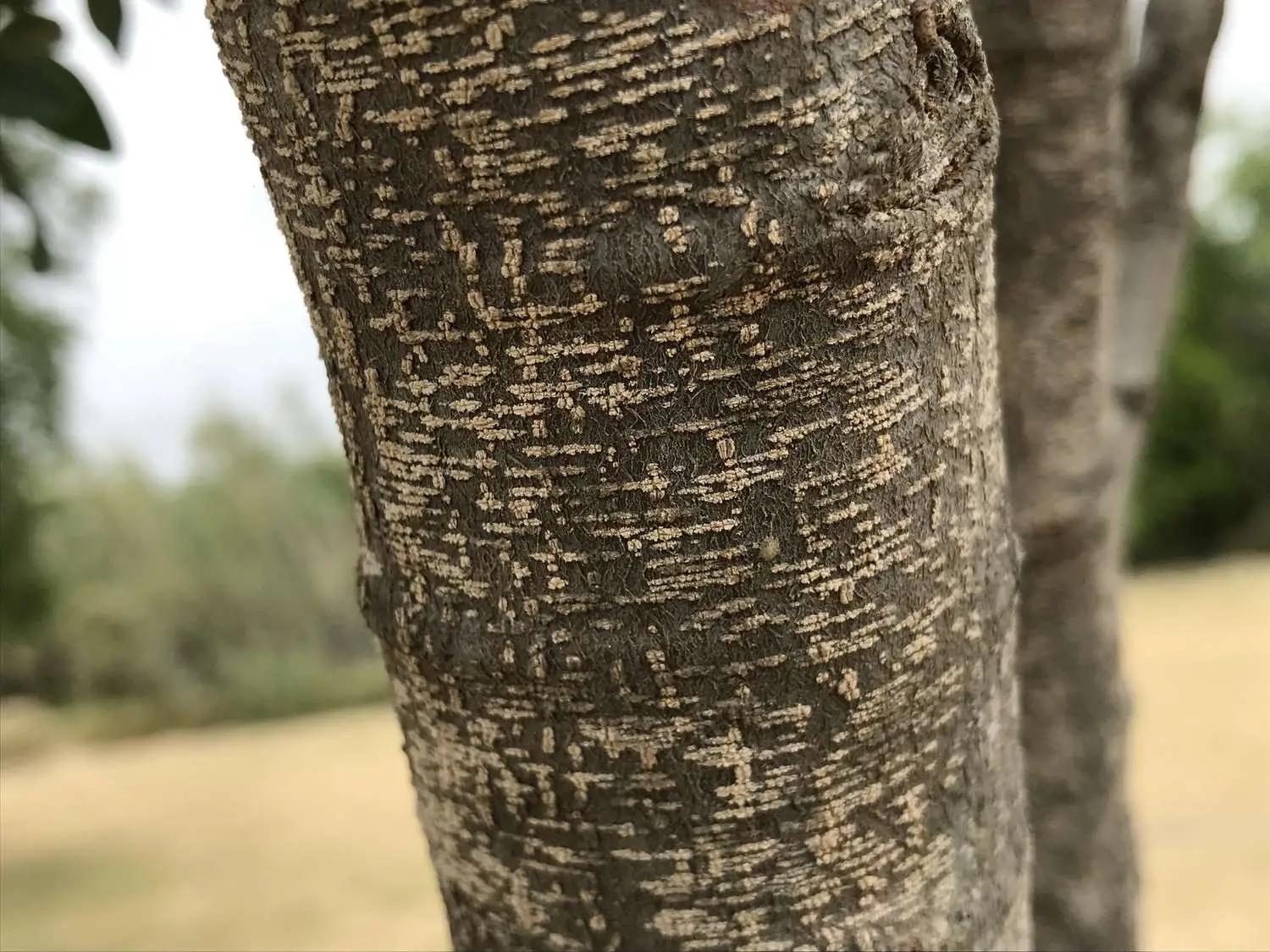
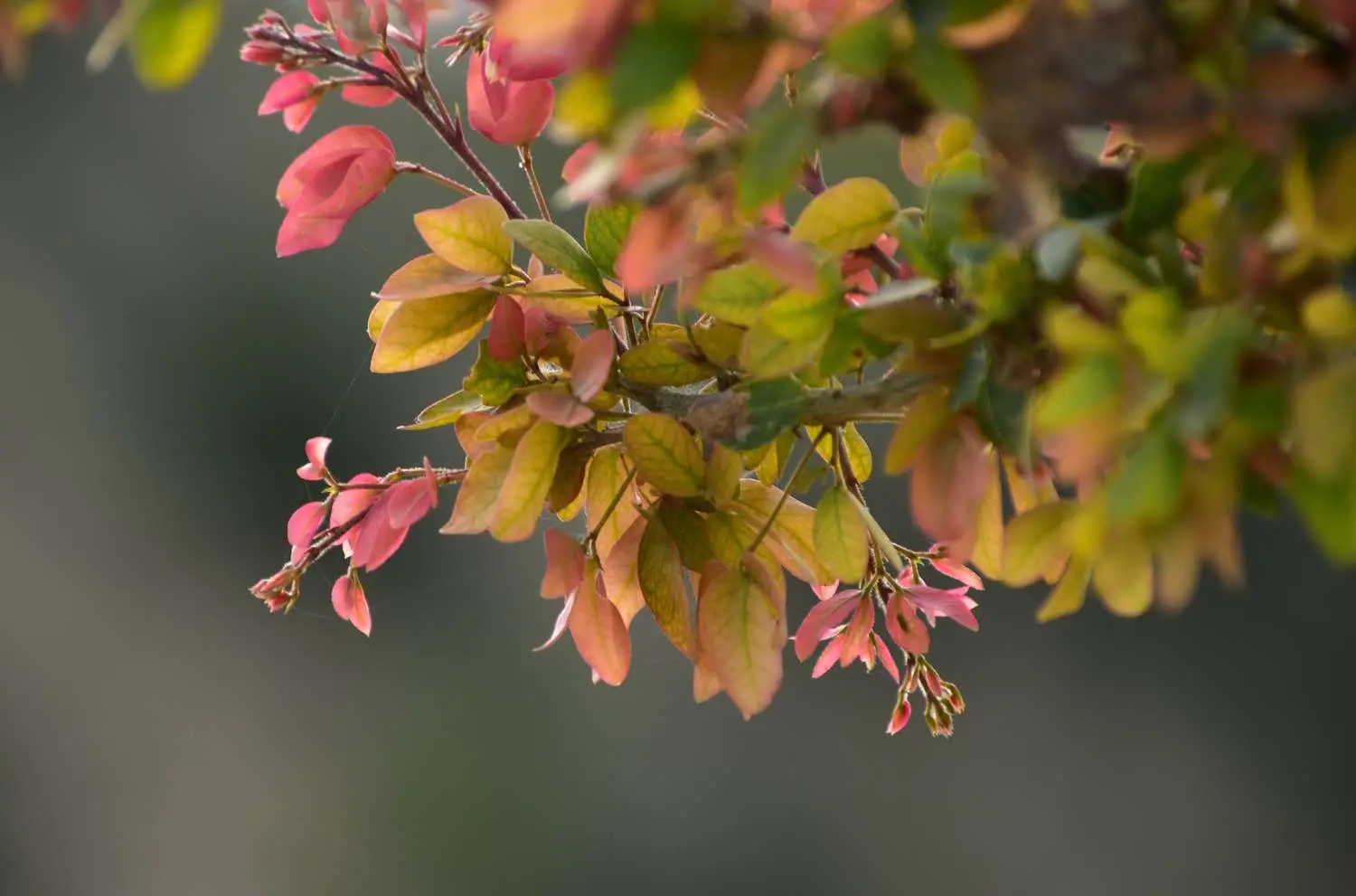
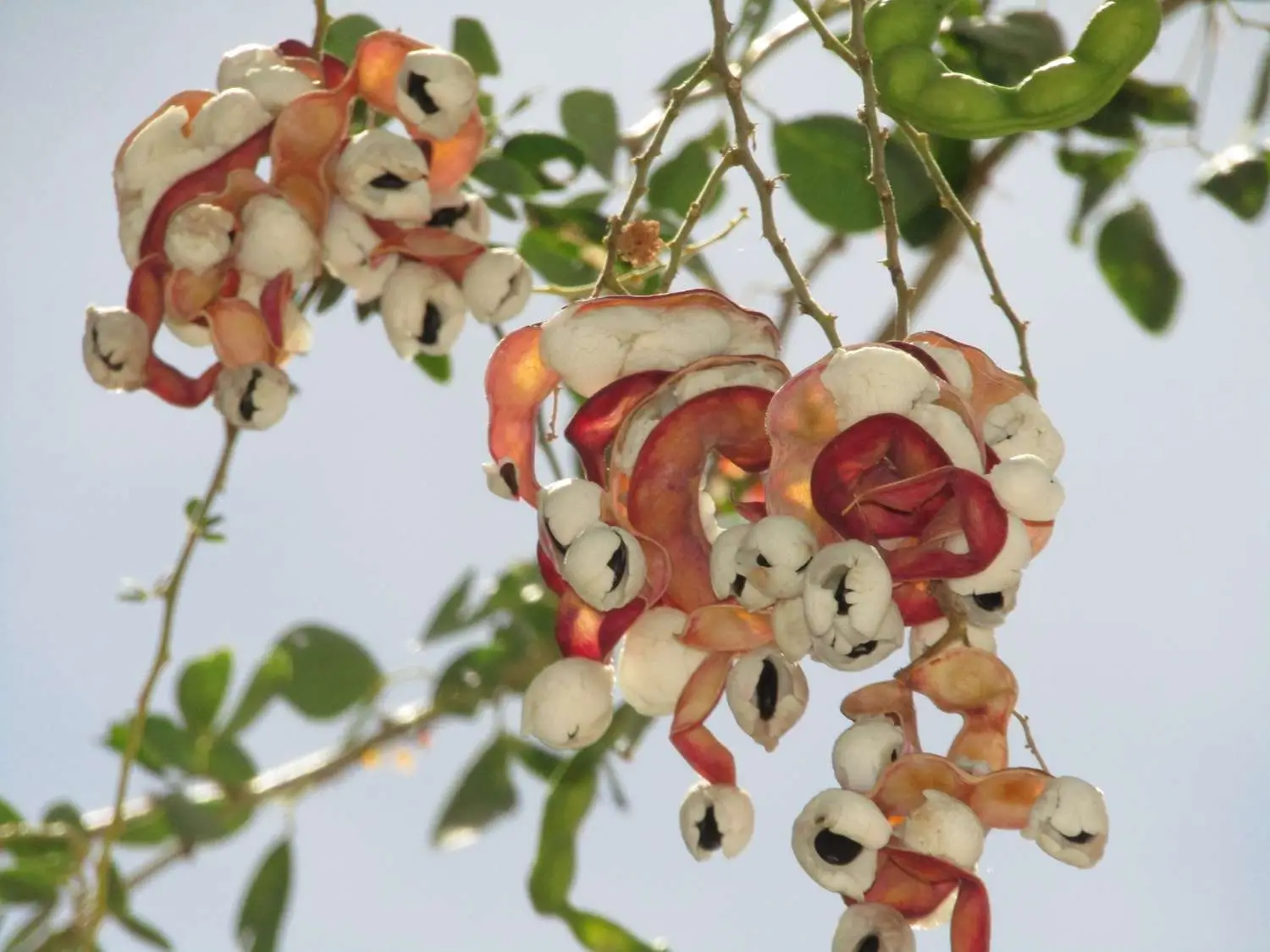
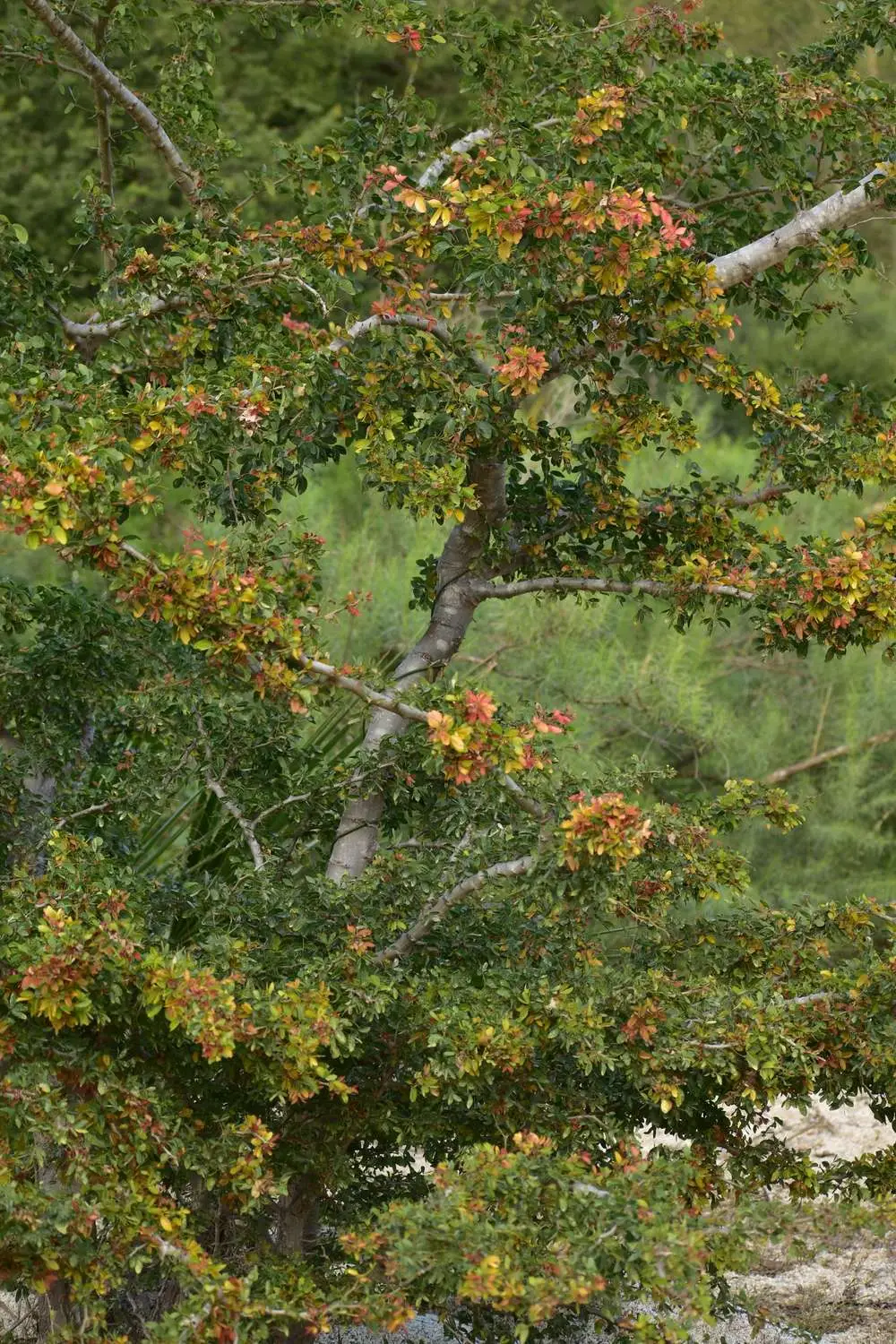
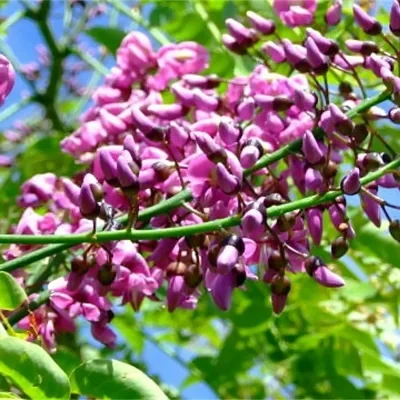
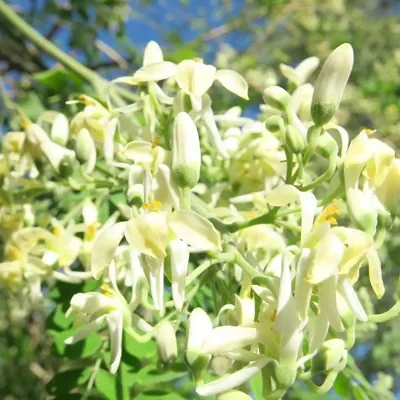
Pithecellobium dulce is a tree that reaches a height of about 10 to 15 m (33 to 49 ft). Its trunk is spiny and its leaves are bipinnate. Each pinna has a single pair of ovate-oblong leaflets that are about 2 to 4 cm (0.79 to 1.57 in) long. The flowers are greenish-white, fragrant, sessile and reach about 12 cm (4.7 in) in length, though appear shorter due to coiling. The flowers produce a pod, which turns pink when ripe and opens to expose the seed arils; a pink or white, edible pulp. The pulp contains black shiny seeds that are circular and flat. Pollen is a polyad of many pollen grains stitched together.
The seed pods contain a sweet and sour pulp which is eaten raw in Mexico, the Philippines, Pakistan, and India as an accompaniment to various meat dishes and used as a base for drinks with sugar and water (‘agua de guamúchil’).
The seeds are said to be eaten (locally?) in the ‘Revised handbook to the flora of Ceylon’ (1980), edited by M.D. Dassanayake (this information is not in the original ‘Flora of Ceylon’ of 1894). A number of studies since the 1980s have investigated the composition and possible uses of the seeds; it has been demonstrated that the seeds can be processed to extract a greenish oil, which when refined and analysed consists of potentially edible fatty acids (the precise composition varies depending on the study, but all agree oleic acid and palmitic acid are common, which is to be expected).
The bark is used as an astringent for dysentery in India.
It is said to have been used as an antipyretic in India (information originally from 1933),used for eye inflammation, although an anecdote from Sri Lanka claims the bark contains a substance that causes eye infections and swelling of the eyelids.
The Huastec people of northern Veracruz and San Luis Potosí in Mexico used different parts of the tree to treat gum ailments, toothache and cancer.
The leaves are said to be used in a poultice with alcohol to treat bile, as well as being used to prevent abortions/miscarriage, although the leaves are also said to be used to cause abortions.
The pulp from the fruits is said to be astringent and hemostatic, and used for hemoptysis.
The ground seed is sometimes traditionally used to clean ulcers.
Non-specified parts of the plant are said to be used extract is also used against hemorrhages, chronic diarrhea, and tuberculosis.
Only logged in customers who have purchased this product may leave a review.

Reviews
There are no reviews yet.