

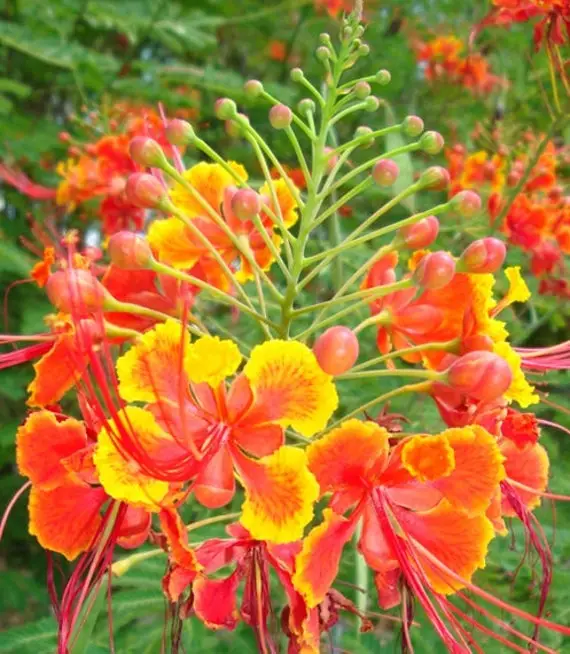
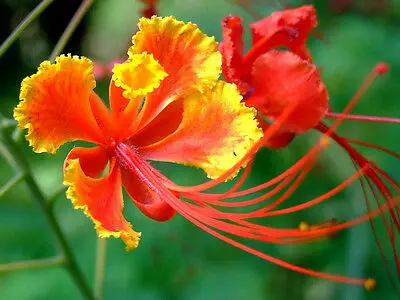
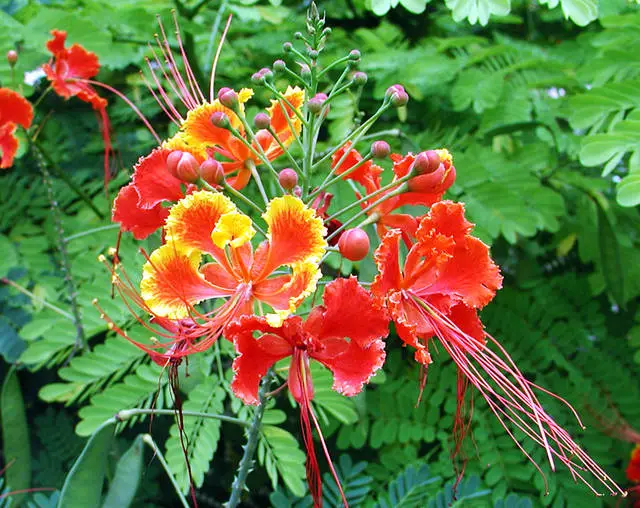
Grow a living jewel that stops traffic—and fills it with butterflies, hummingbirds, and bees. Caesalpinia pulcherrima red blazes with extraordinary flowers: five crinkly petals and ten scarlet stamens that electrify in hot sun. The nectar is irresistible. Best part? Brutally easy to grow in almost any soil, loves heat and drought once established. Every flower fuels pollinator wings. Start from seed and watch your garden come alive.
€3.20
Imagine stepping into your garden on a summer afternoon to find it dancing with hummingbirds and clouded with butterflies. That’s what Caesalpinia pulcherrima var. red delivers—nature’s own living magnet for the pollinators you desperately want.
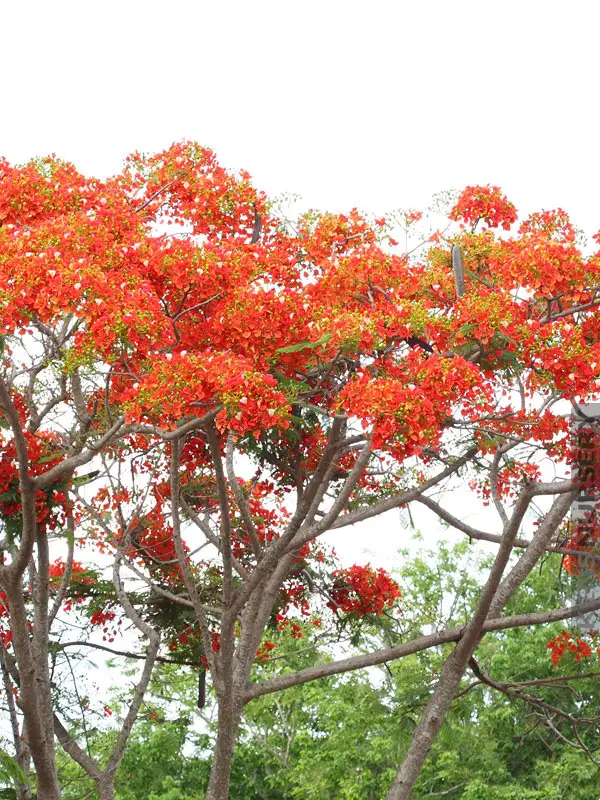
Native to the tropical Americas, particularly the Caribbean islands where it serves as Barbados’ national flower, this species has earned its place in gardens worldwide for over three centuries. European colonists called it flos pavonis—the peacock flower—for its flamboyant structure. The name pulcherrima, meaning ‘the most beautiful,’ was earned, not given. Today it remains a beloved standard in tropical and desert gardens, thriving in climates from Hawaii to the Sonoran Southwest.
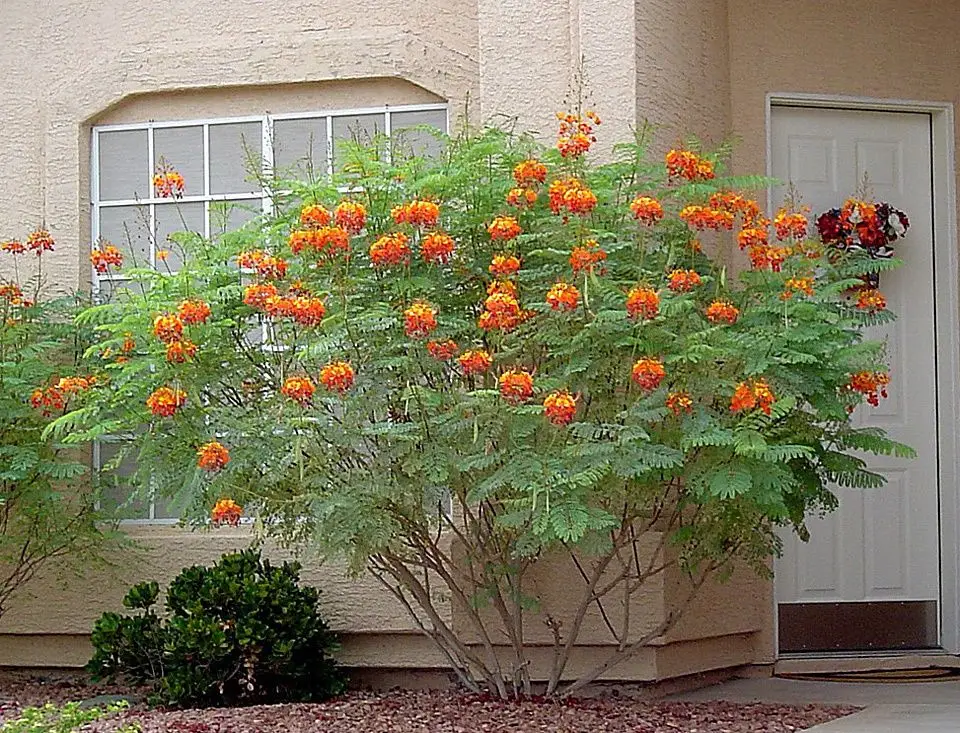
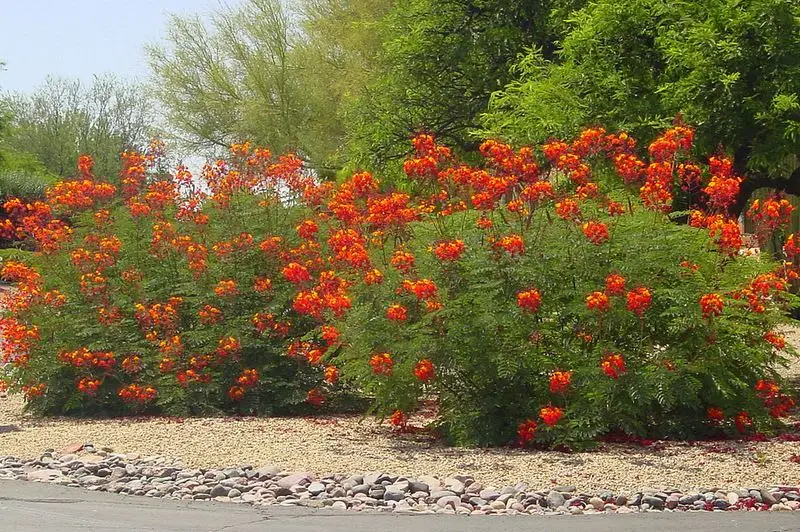
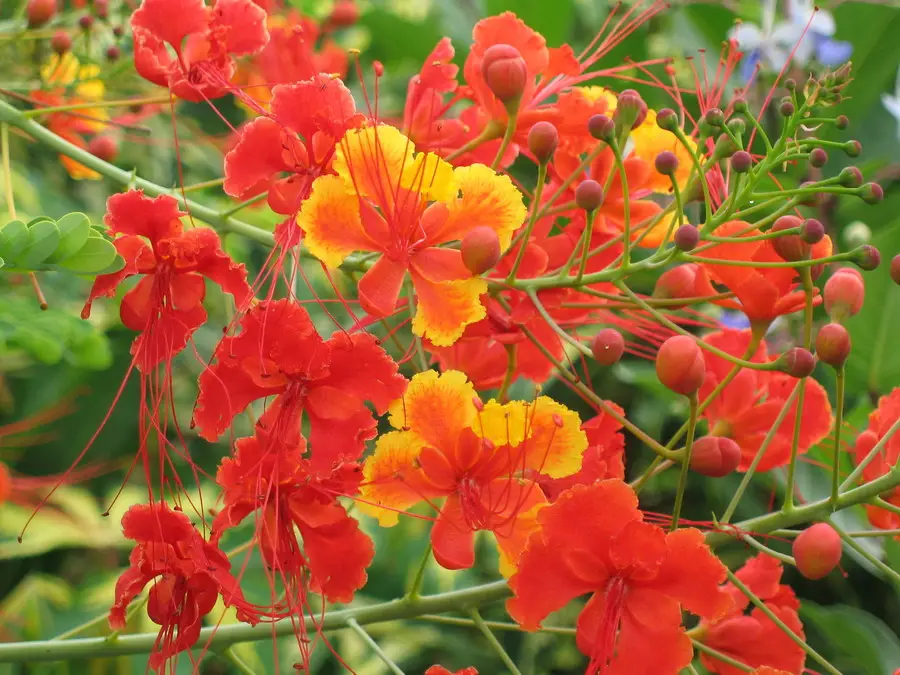
What makes C. pulcherrima red absolutely magnetic for gardeners passionate about pollinators is its nectar-rich blooms and their irresistible allure. From May through fall (or year-round in true tropics), the plant erupts in clusters of luminous flowers: five crinkled petals in brilliant red-orange, crowned by ten dramatically extended stamens in even deeper crimson. Each flower is a landing pad and fuel station rolled into one. Hummingbirds cannot resist the nectar. Bees work them with obsessive dedication. Butterflies congregate as if to a festival. If you’re building a pollinator garden, growing milkweed and native plants, or simply wanting to witness the aerial ballet of wildlife, this is the plant that closes the deal. The flowers form in dense, showy clusters up to 8 inches tall at branch tips—impossible to miss, impossible to ignore. And they keep coming all through the hottest months when everything else has surrendered to summer. Fern-like foliage of delicate, bipinnate leaves provides a cool blue-green backdrop that makes those scarlet blooms absolutely burn against the sky.
Growing C. pulcherrima red is refreshingly straightforward. It demands full sun (at least 6 hours daily) and well-drained soil—it’s indifferent to whether your soil is acidic or alkaline, sandy or loamy. Water young plants regularly until established; mature plants are drought-tolerant and frankly prefer infrequent, deep watering over coddling. It’s a fast grower, reaching 6–10 feet in warmer zones, smaller where winters are cool. The plant is adaptable across USDA zones 8–11; in zone 8, it dies back to ground in frost and re-emerges reliably in spring. Even in colder regions, you can grow it as an annual or in containers and bring indoors. Seed propagation is easy—just scarify the seed coat lightly to accelerate germination. No serious pest or disease problems. Flowers form on new growth, so spring pruning actually enhances blooming rather than diminishing it.
Start your Caesalpinia pulcherrima red from seed this season, and you’re planting not just a shrub but a living gateway for hummingbirds, a banquet for bees, a landing strip for butterflies. You’re building the kind of garden that thrums with life. Every bloom is a promise kept to the pollinators that need us. That’s not just gardening—that’s stewardship with style.
Only logged in customers who have purchased this product may leave a review.
Reviews
There are no reviews yet.