
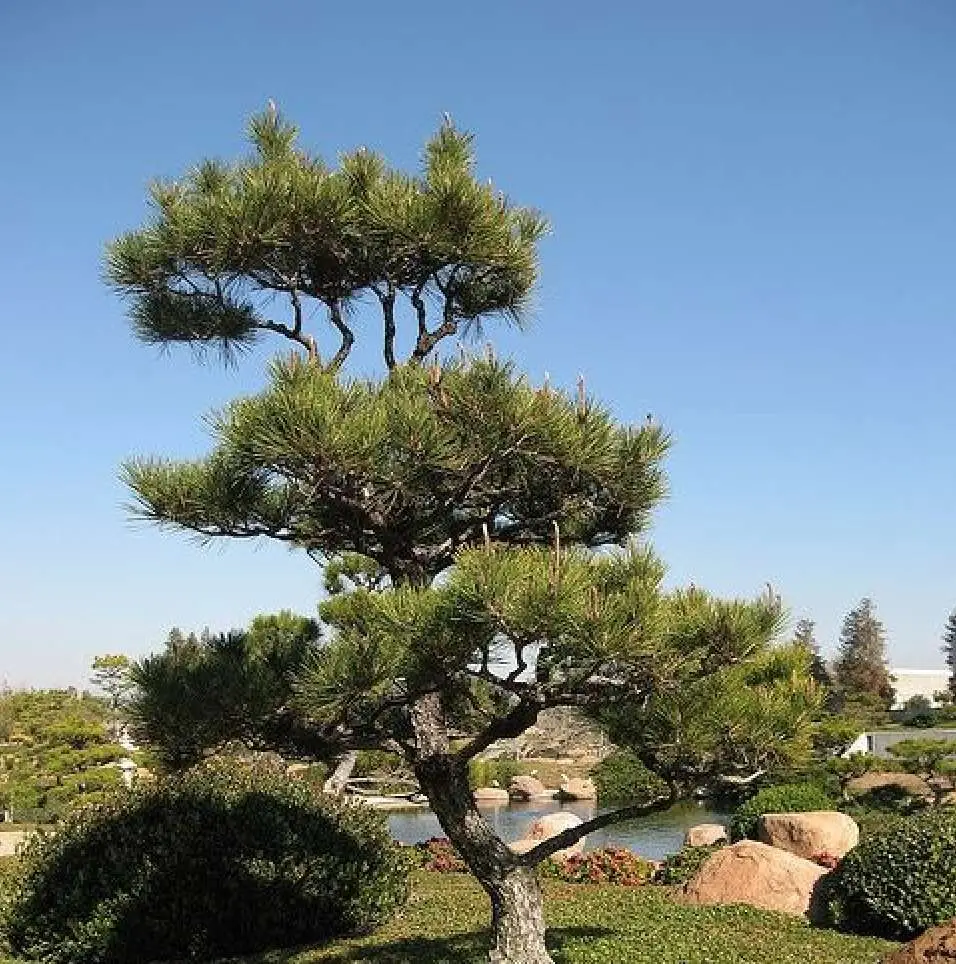
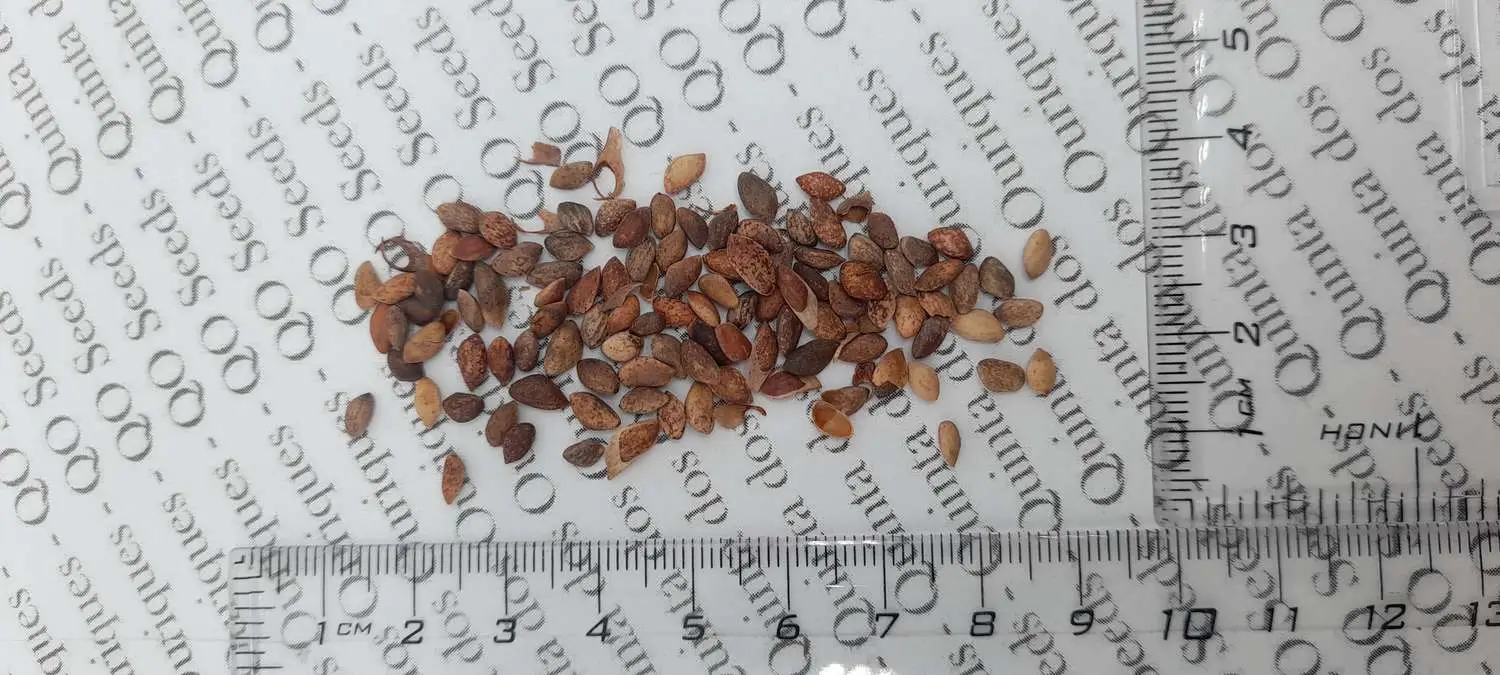
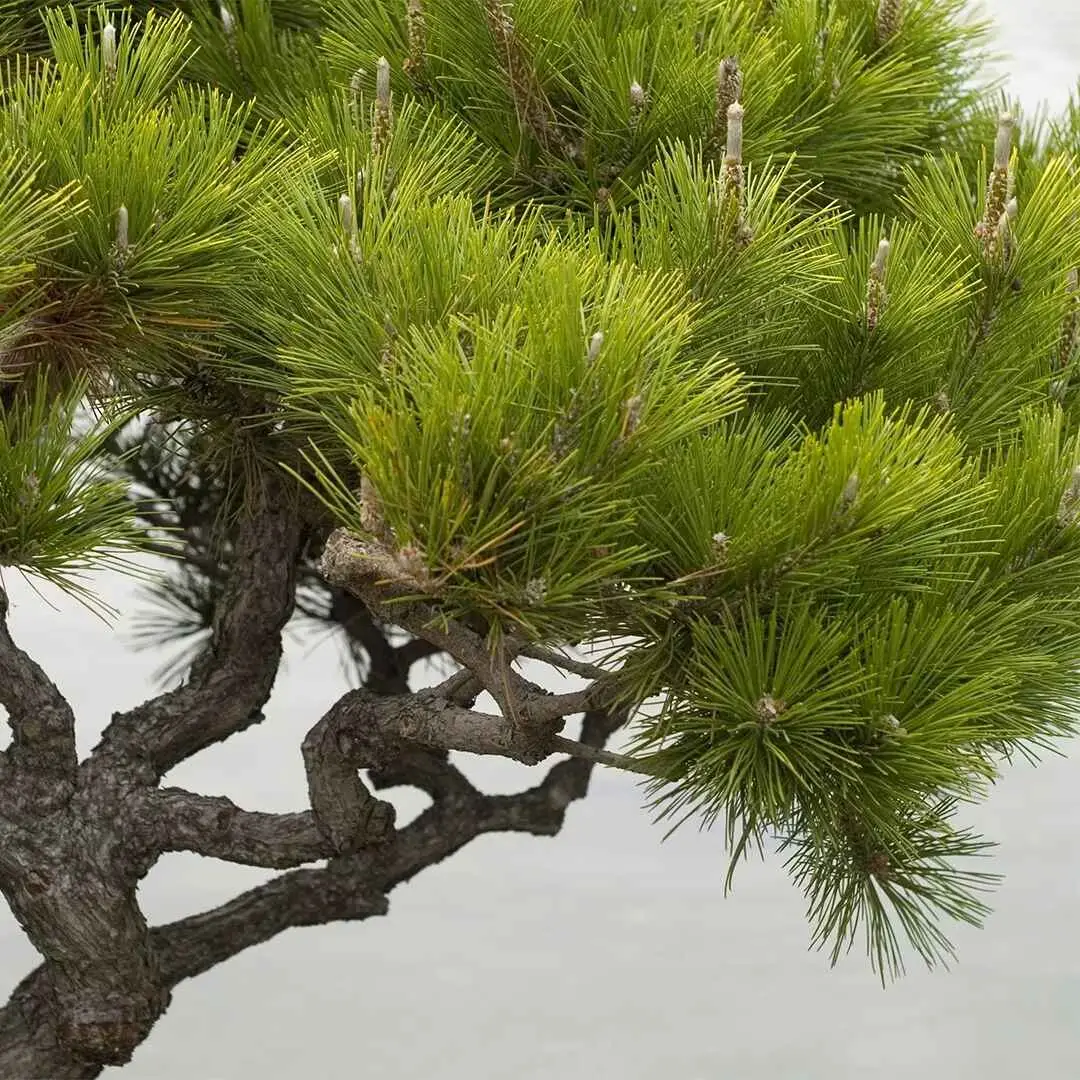
Pinus thunbergii: The legendary bonsai pine with dramatically dark needles and silvery-white winter candles. For centuries the species of choice among master bonsai growers—vigorous, responsive to pruning, and capable of creating those magnificent miniature trees. Grow from seed to discover the ancient art. Hardy zones 5–8. Start your bonsai journey today.
€2.42
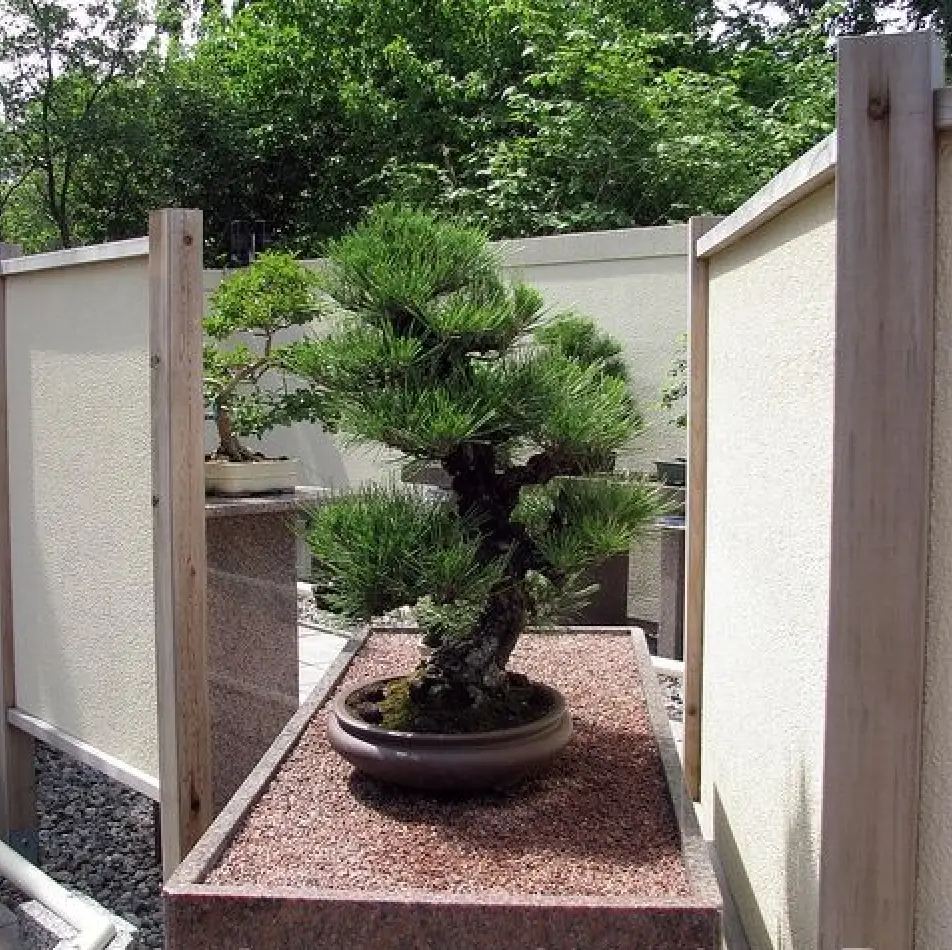
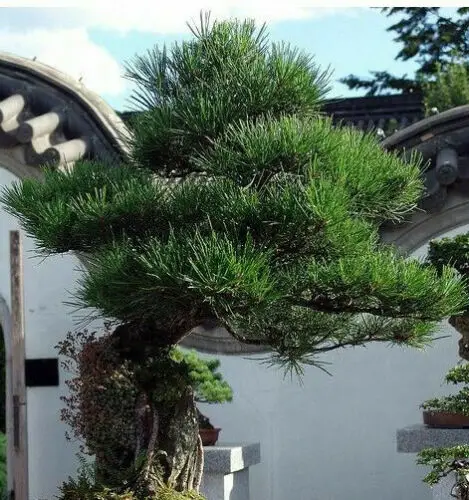
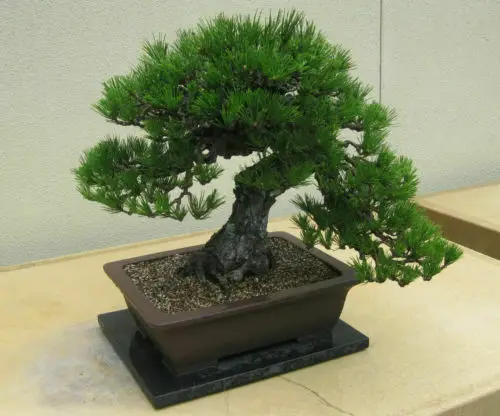
This is the pine that shaped an entire artistic tradition. Pinus thunbergii—Japanese Black Pine—stands at the absolute heart of bonsai culture, revered as the king of all bonsai species across Japan and far beyond. If you’ve ever glimpsed a photograph of an exquisite, museum-quality miniature tree, chances are it was a Black Pine, its gnarled trunk and dense foliage speaking of patience, mastery, and decades of devotion.
Native to the coastal regions and rocky cliffs of Japan, Korea, and southern coastal areas, this evergreen conifer has captured human imagination for over a thousand years. In traditional Japanese gardens, a single mature Black Pine can represent an entire forest—a living embodiment of strength, longevity, and the raw power of nature. The epithet ‘thunbergii’ honors Carl Peter Thunberg, the 18th-century Swedish botanist who traveled through Asia collecting specimens for European science. This tree carries history in its every needle.
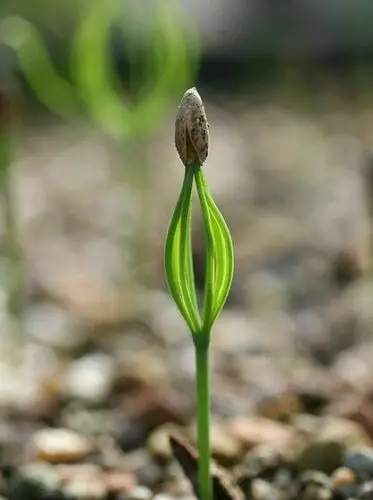
The reason bonsai masters across the world reach for Japanese Black Pine is simple: it is the most forgiving and rewarding of all bonsai species. Unlike temperamental varieties, this pine responds enthusiastically to shaping, wiring, and pruning. Its naturally strong growth produces that thick, powerful trunk that bonsai artists covet—a trunk that tells a thousand stories of patient sculpting over years and decades. The species is vigorous enough to tolerate frequent pruning yet controlled enough to maintain exquisite miniature proportions. Young Black Pines can be grown from seed into shohin (small) bonsai within ten years, medium specimens in 10–15 years, and truly impressive specimens in 20+ years. In its native range, this species lives 100–200 years in the wild; in cultivation with proper care, it can exceed even that lifespan. You are not buying a temporary houseplant—you are beginning a multi-generational legacy.
The visual appeal is extraordinary. The needles are dark green, paired, twisted slightly, and held densely on the branches, creating that characteristic fullness bonsai artists prize. But the true magic emerges each winter and spring: silvery-white, silky, candle-like terminal buds appear at every branch tip, creating a stunning contrast against the dark foliage. These ‘candles’ are the signature feature that makes Japanese Black Pine instantly recognizable and visually dramatic even on young seedlings. The bark—gray to black, furrowed into irregular scales—adds texture and character as the tree matures. Unlike many conifers, this species tolerates salt spray and coastal exposure, and it thrives on poor, rocky soils while remaining extremely hardy (zones 5–8 or even colder with protection). It demands full sun and excellent drainage, but once established, it rewards you with rapid growth and astonishing vigor. For container cultivation—essential to bonsai—it performs beautifully. The mycorrhizal relationship (beneficial fungi in the roots) that naturally supports this species also means it establishes quickly and builds strength steadily.
Start your bonsai journey with seeds from a species that has inspired millennia of artistic vision. Grow your own Black Pine from seed, and you’ll understand why bonsai masters speak of this tree with reverence. Every bend, every pruning decision, every season of growth brings you closer to a living sculpture that will outlive you and speak to generations to come. The patience it demands is precisely the gift it returns.
Only logged in customers who have purchased this product may leave a review.

Reviews
There are no reviews yet.