
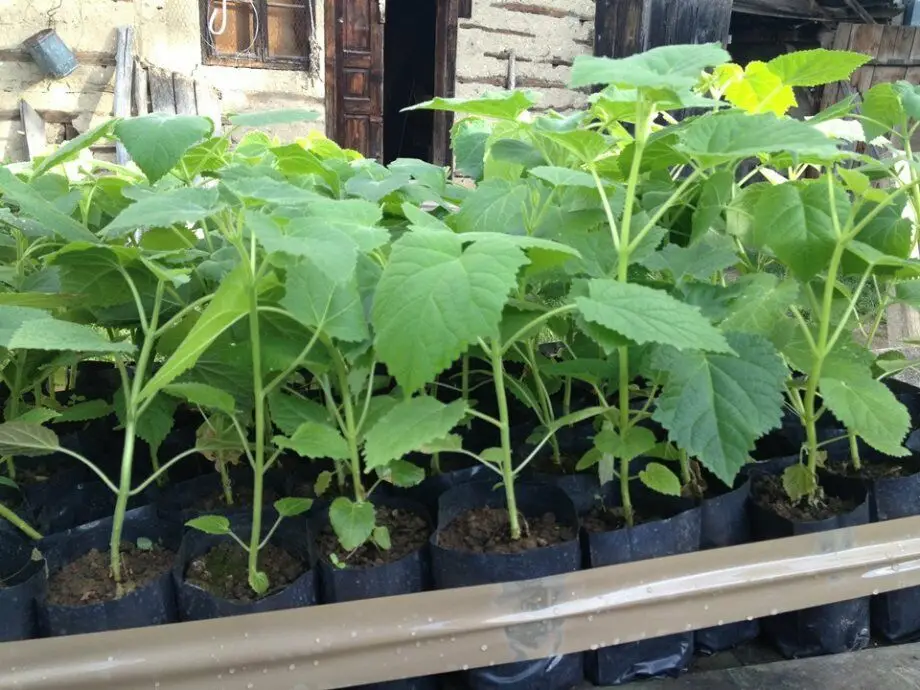
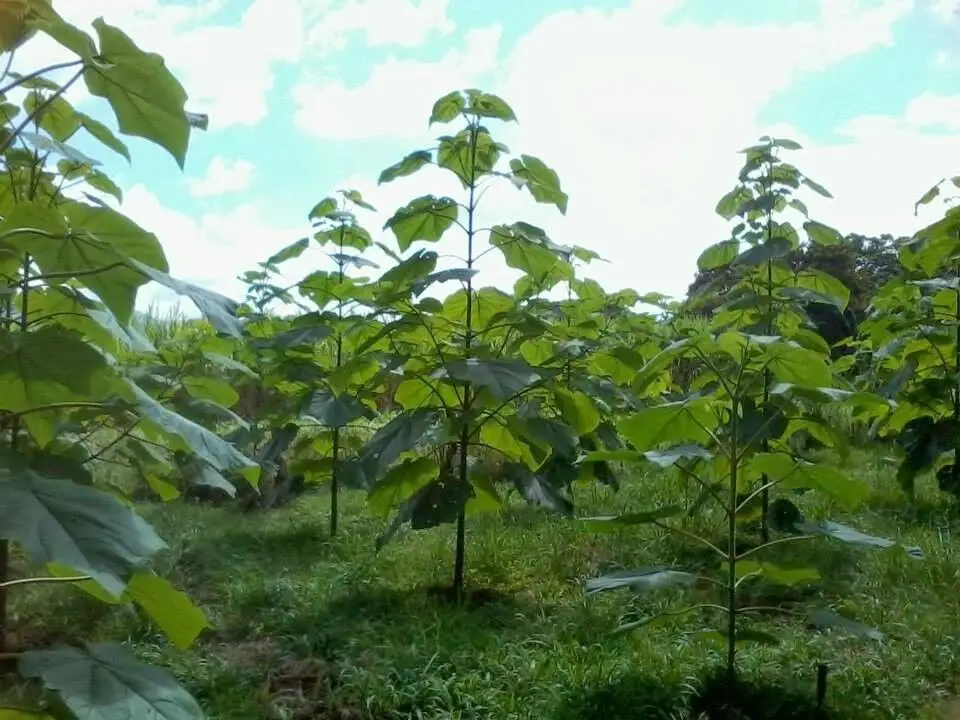
Grow the world’s fastest-growing hardwood from seed. Paulownia elongata rewards the patient grower with exquisite bell-shaped violet flowers, sculptural heart-shaped leaves, and pale, durable wood prized for instruments and furniture. Easy to cultivate and dramatic from year one—start your timber legacy or ornamental masterpiece today.
€1.92
Watch nobility unfold in record time. Paulownia elongata, native to Central China, is a living investment that transforms bare soil into architectural drama within seasons. This isn’t just a tree—it’s a story of purpose, beauty, and tangible rewards.
Native to East Asia’s open woodlands, Paulownia elongata earned its regal names across continents: Empress Tree, Foxglove Tree, Princess Tree. In China’s Henan province, it’s harvested at commercial scale for its exceptional timber. Yet it arrives to Western gardeners as a relatively unknown treasure, prized by those who understand that the fastest-growing hardwoods deserve reverence.
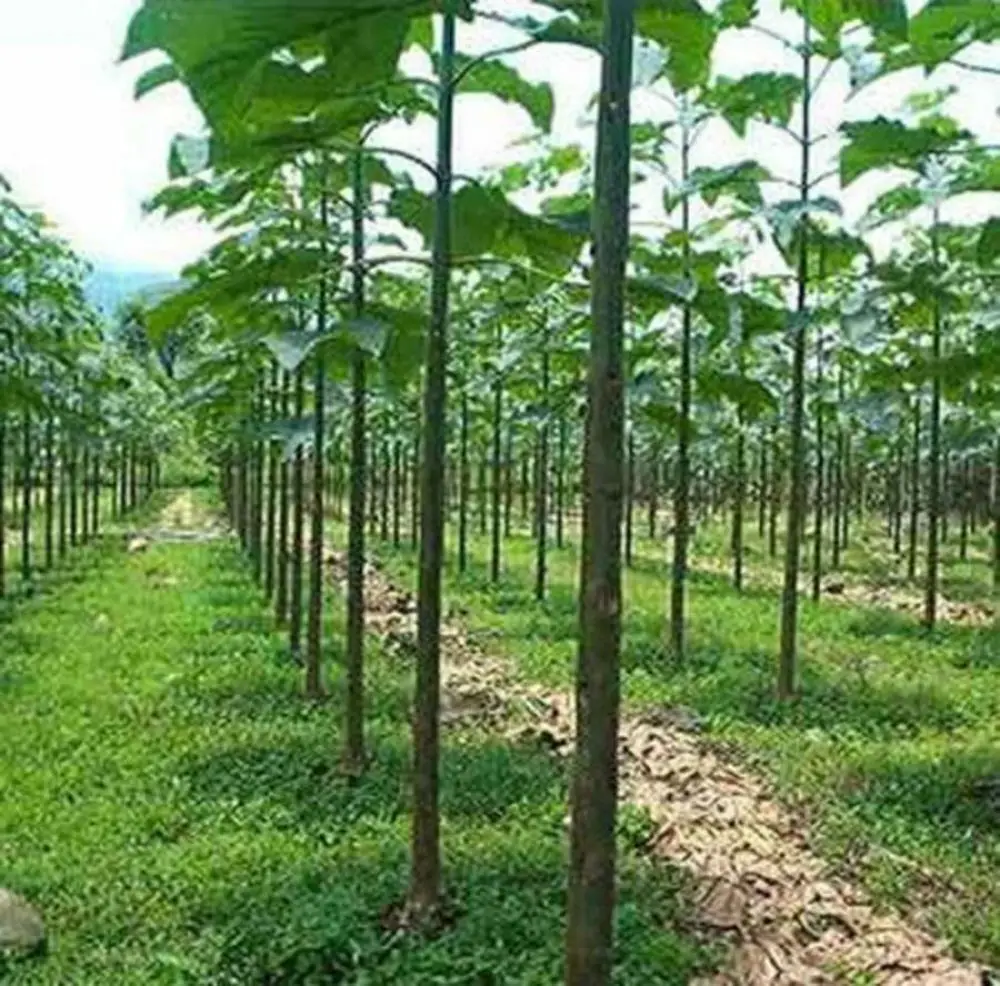
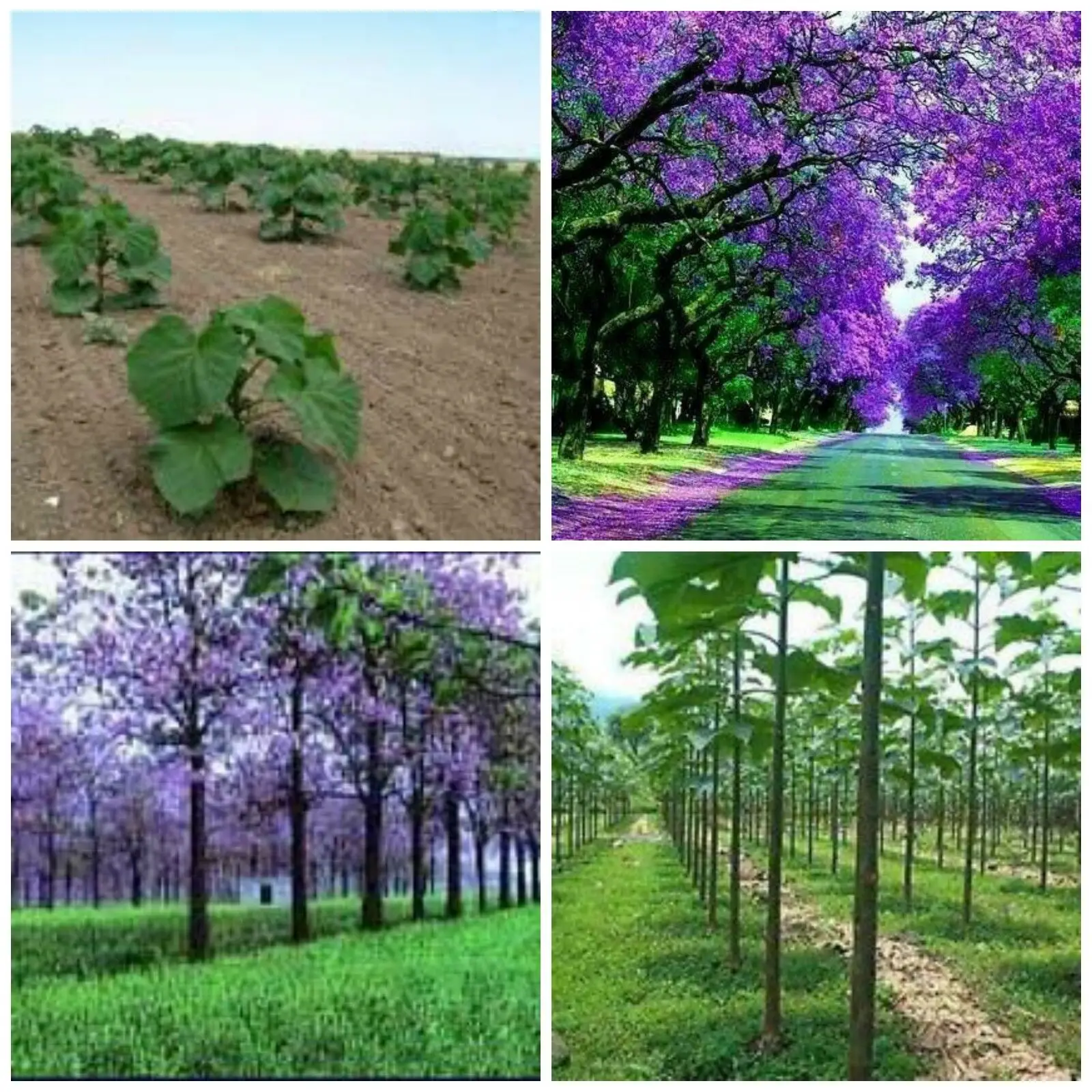
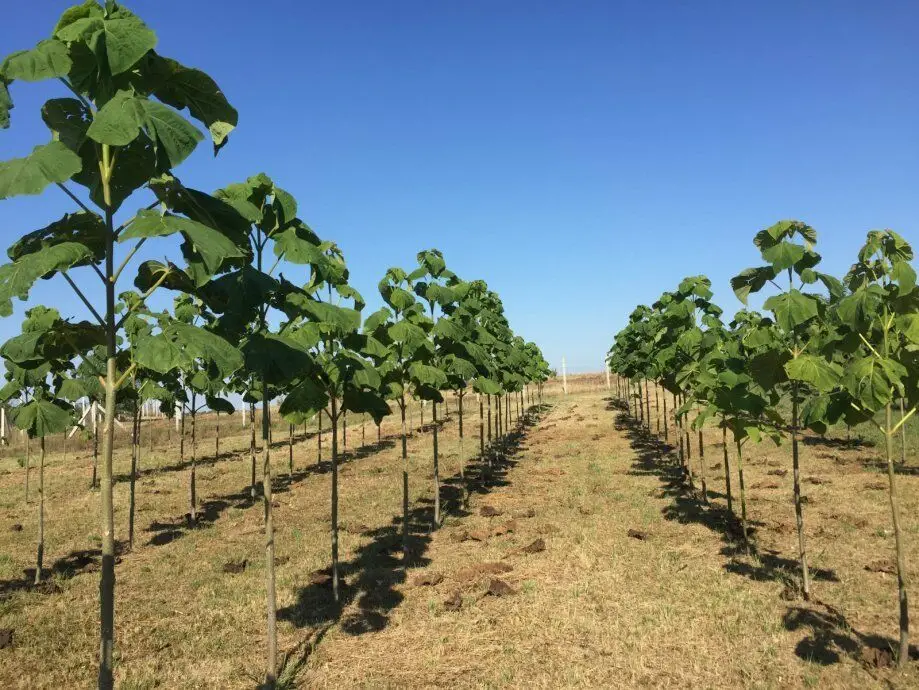
Here’s what makes this species irresistible to growers with vision: the wood. Light, fine-grained, and possessing remarkable strength-to-weight ratios, Paulownia elongata timber resists warping and cracking, making it ideal for musical instruments, furniture, veneer, and craft work. Plantations reach harvestable maturity in five to seven years. But there’s more—the tree’s massive biomass production makes it outstanding for reforestation, land reclamation, and erosion control. Its deep roots stabilize soil while phyto-remediating contaminated land. This is a working tree with a conscience.
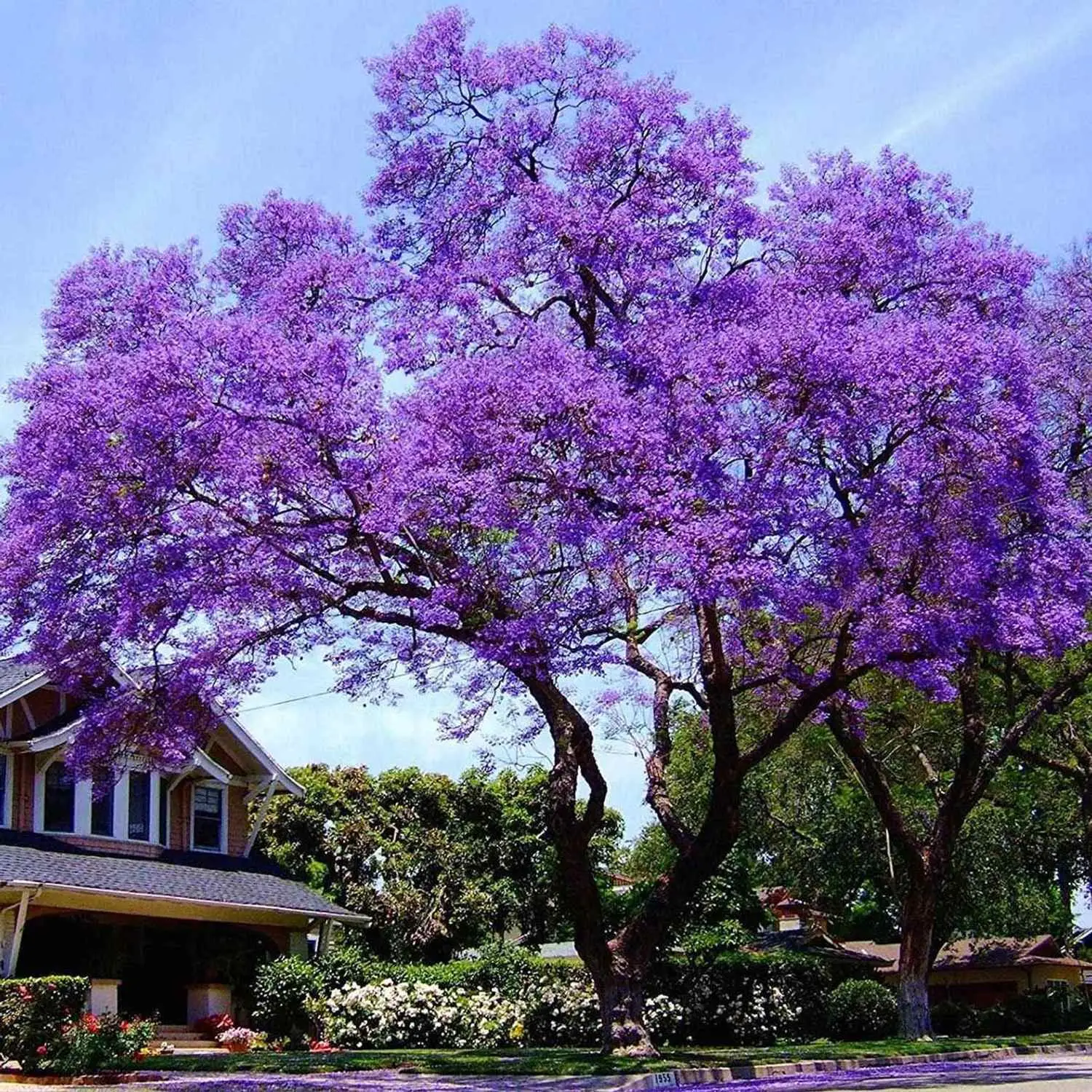
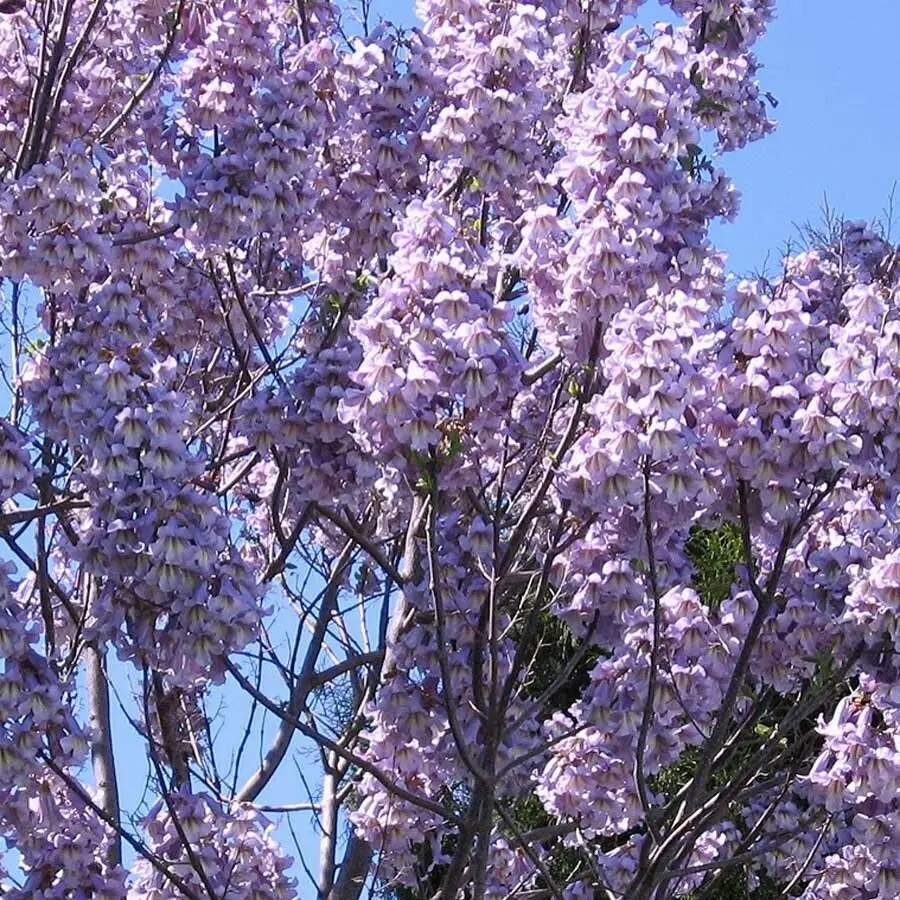
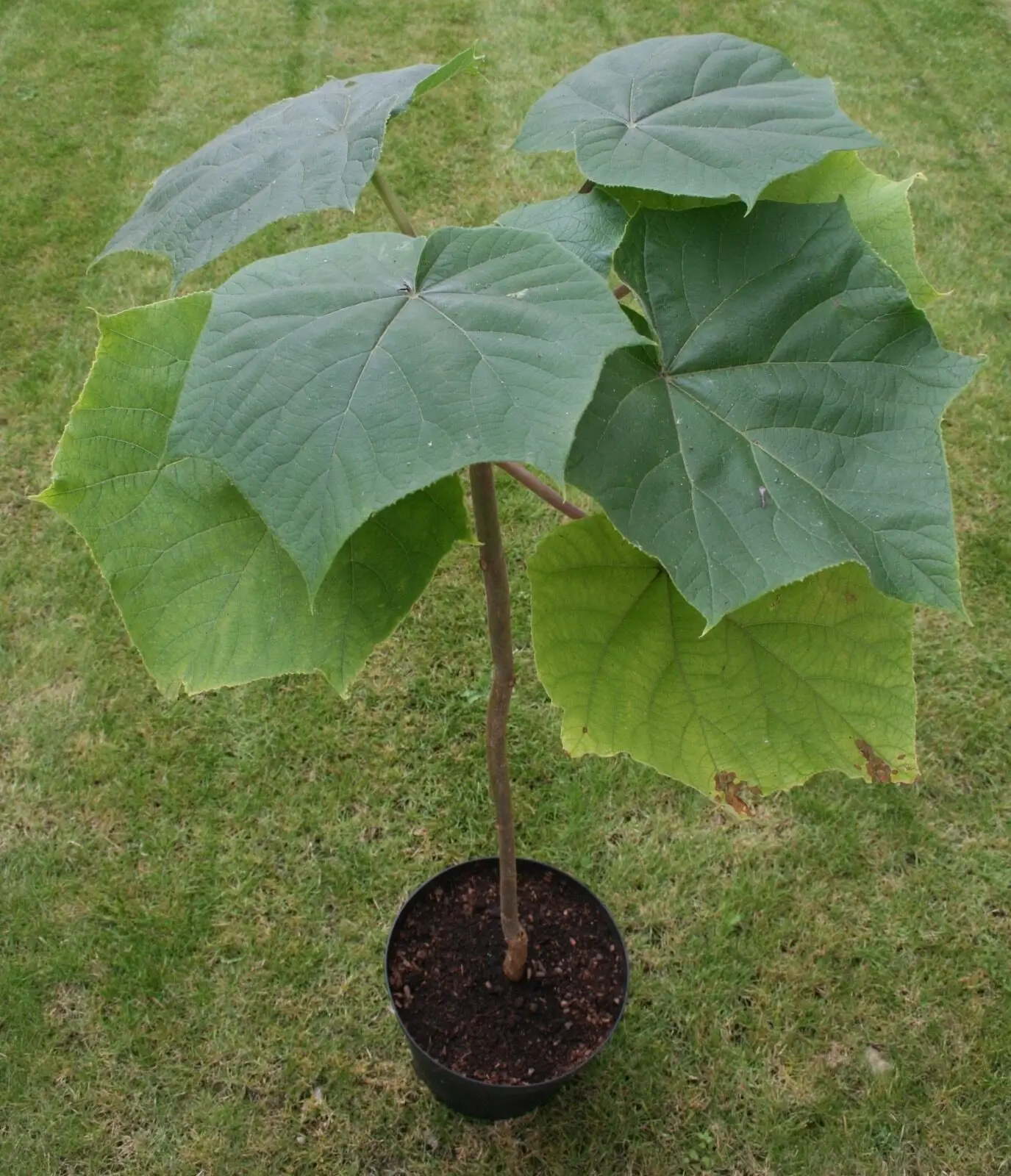
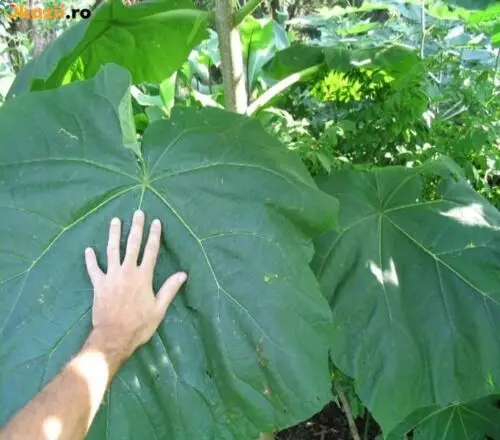
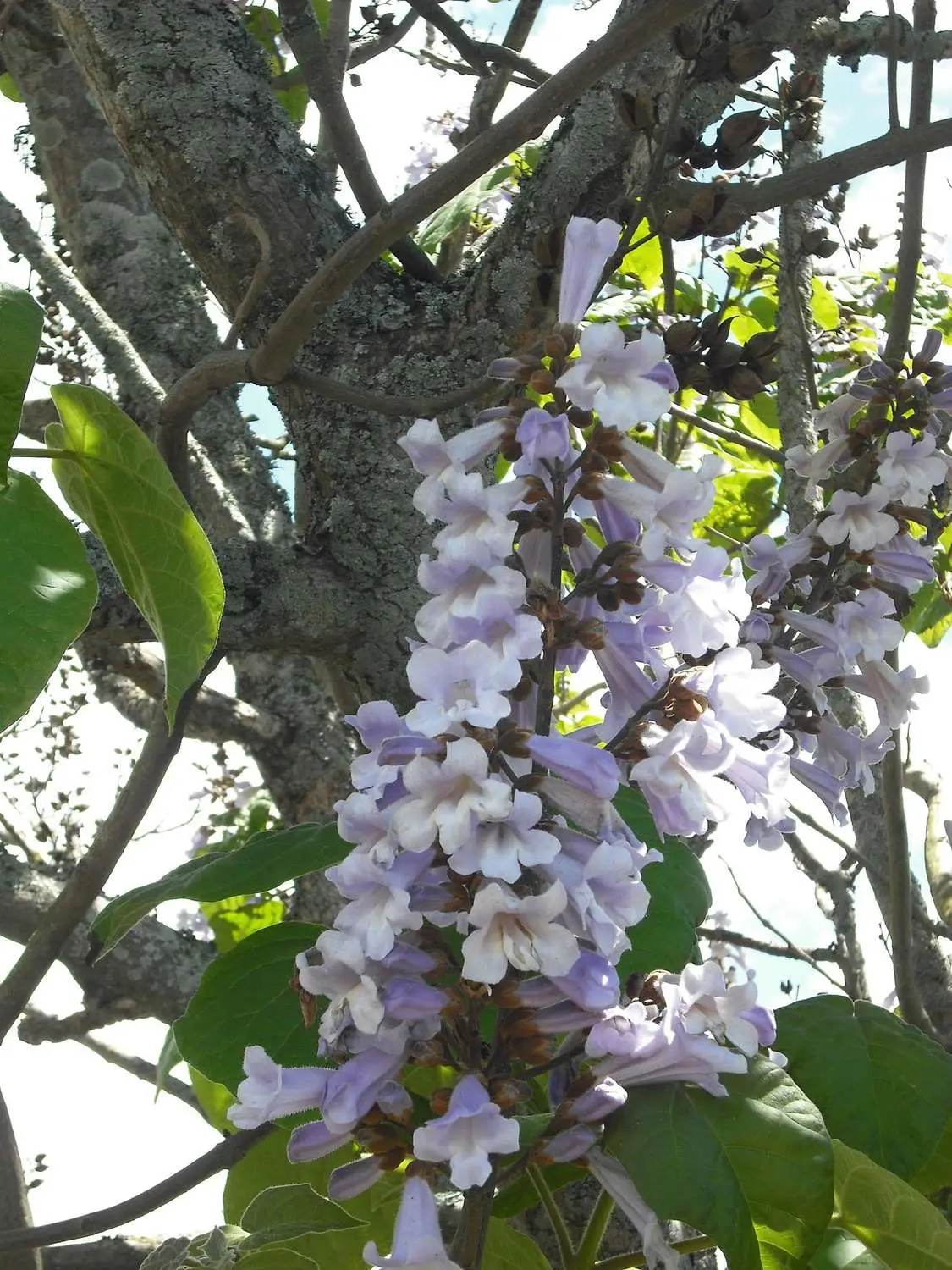
But don’t let utility eclipse the visual drama. Each spring, before foliage emerges, Paulownia elongata erupts in violet-to-mauve trumpet-shaped flowers held in towering panicles 35 centimeters tall—fragrant, melliferous, beloved by pollinators and beekeepers alike. The flowers are followed by enormous, heart-shaped, velvet-textured leaves creating a lush canopy. Reddish-brown year-old branches add architectural interest even in winter. This is ornamental value that earns its place in parks, avenues, and ambitious gardens.
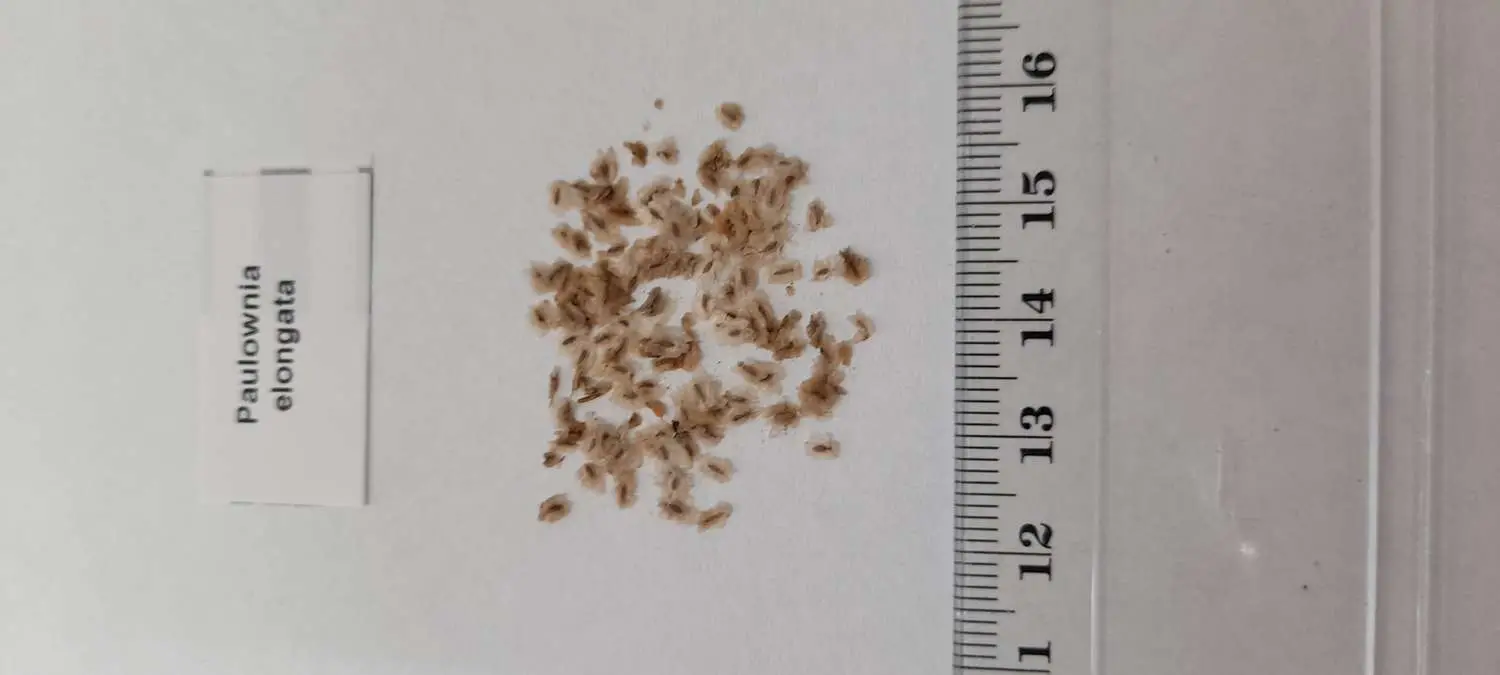
Growing Paulownia elongata from seed is satisfyingly straightforward. Seeds require light for germination—simply surface-sow on moist, well-draining seed mix and place in warm light (15–20°C). Germination occurs within two to three weeks. Once established, seedlings grow vigorously in full sun with moderate to high water. Plant in well-drained, loamy soil with pH 5.5–7.0, and provide shelter from strong winds (young stems can be brittle). The tree is remarkably adaptable, tolerating various soil types and atmospheric pollution. Hardy to zone 5 in fully dormant conditions—though warmer climates unlock its full potential.
This is your chance to grow something both legendary and useful. From a single seed, you can nurture a tree that will feed bees, shade your landscape, heal contaminated earth, and someday yield wood of genuine craft value. Plant Paulownia elongata and watch time compress into growth.
Only logged in customers who have purchased this product may leave a review.

Reviews
There are no reviews yet.