
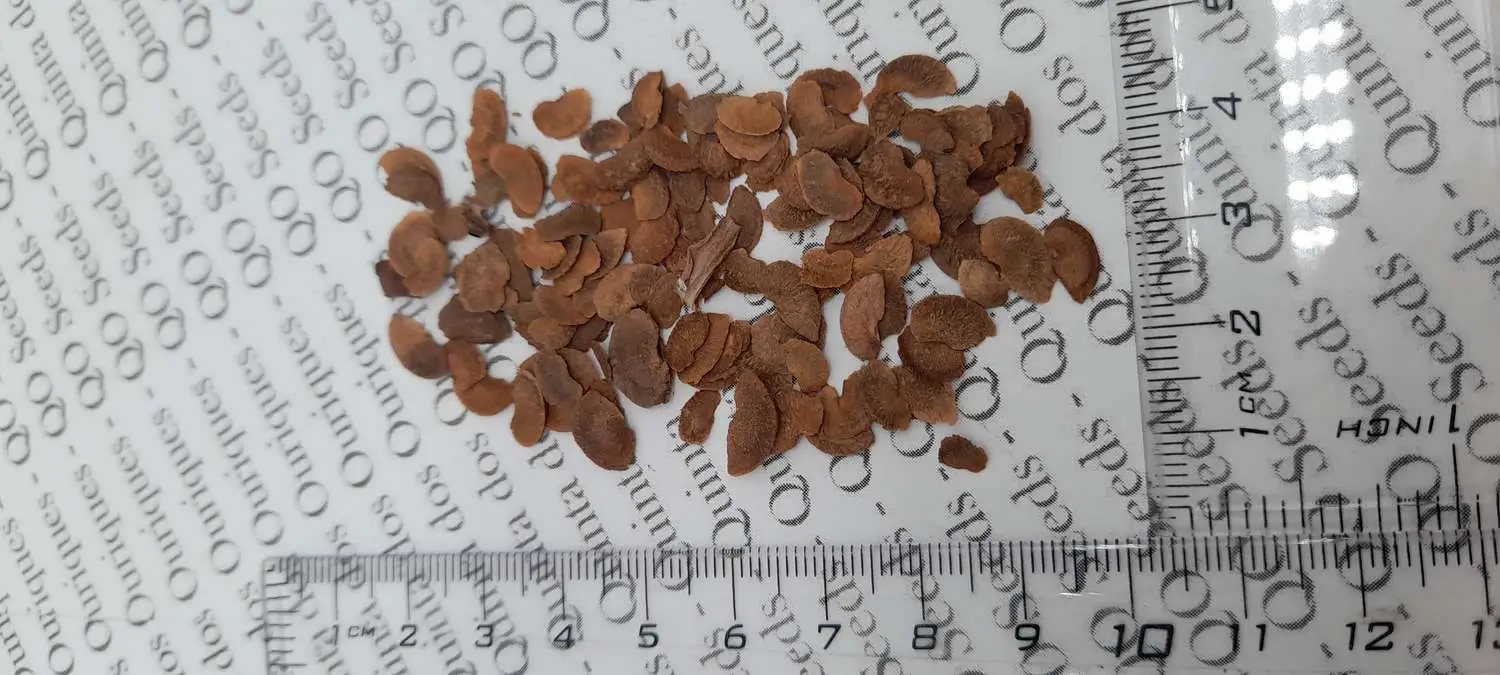
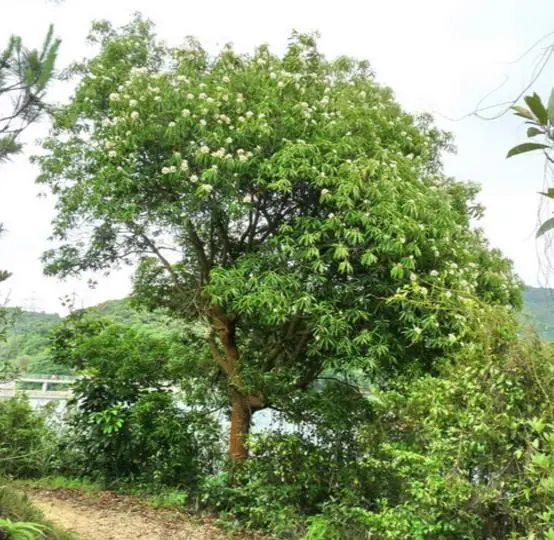
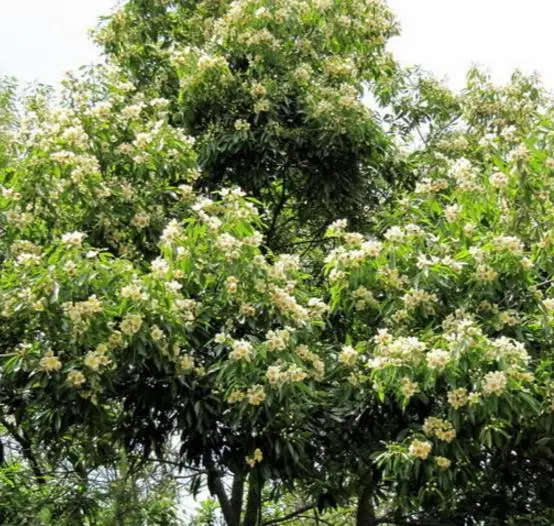

Grow your own nectar paradise. Schima superba is a fast-growing evergreen treasure revered by bees—its fragrant white summer blooms are a honeyed plant, famous across Asia for producing exceptional honey. Beyond the hive, you get glossy foliage, dense timber-grade wood, and a tree steeped in legend. Medium care, rapid growth, adapts beautifully to sun or shade. Start from seed and join centuries of growers who planted this sacred tree.
€1.92
Grow a tree that feeds the bees and feeds your soul.
Schima superba—the “tree-lotus” of ancient China—is a living bridge to the subtropical forests of Vietnam, Taiwan, southern China, and the Ryukyu Islands. Known since antiquity as one of the sacred trees in China’s “Classic of Mountains and Seas,” this majestic evergreen carries millennia of reverence and practical brilliance in every leaf.
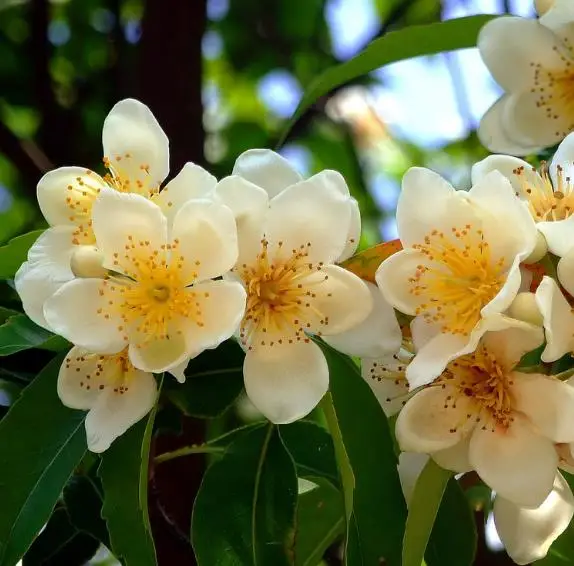
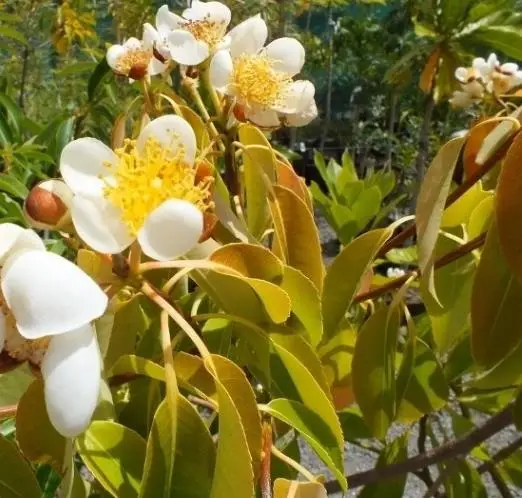
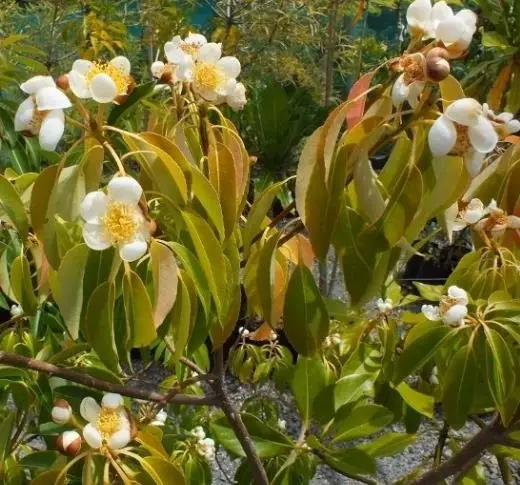
What makes this species utterly captivating is its standing as a honeyed plant par excellence. The flowers—large, fragrant, and snowy white with a heart of golden stamens—bloom in summer racemes that draw bees like pilgrims to a shrine. If you keep bees or simply love supporting pollinators, Schima superba becomes your botanical ally. The nectar and pollen it produces are legendary; beekeepers across Asia seek it out for the quality honey its blooms yield. There is something profoundly beautiful about cultivating a tree that works for the creatures that depend on it, and that humans have treasured for over two thousand years.
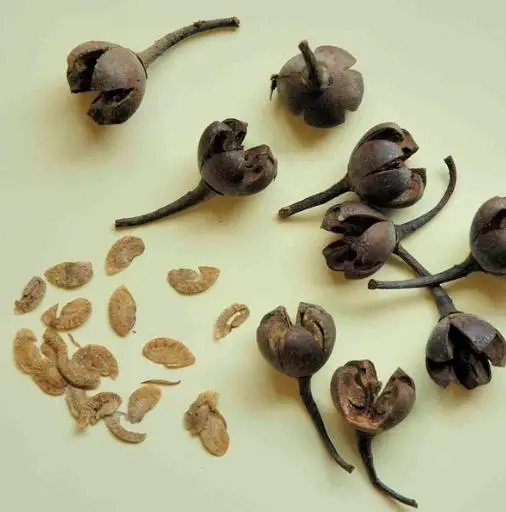
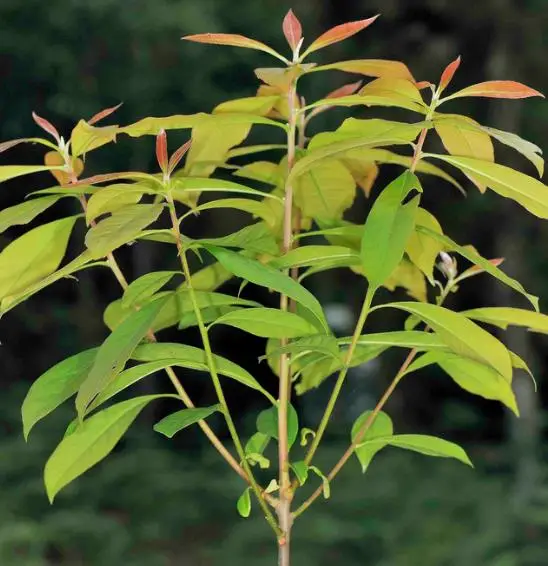
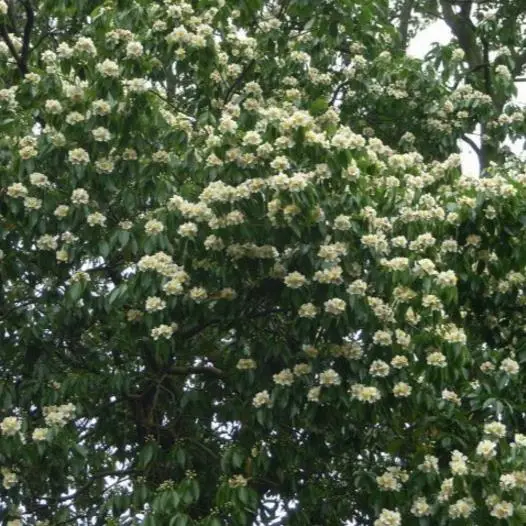
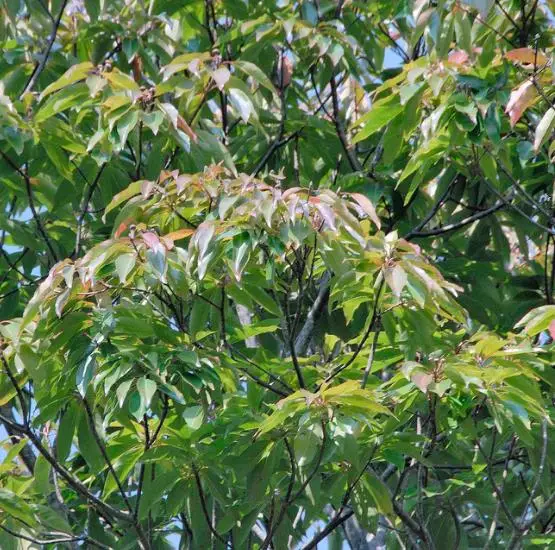
Beyond its magnetism for pollinators, Schima superba earns its botanical name. The foliage is glossy, leathery, and oval—deep green year-round, with new growth flushing in warm red-bronze tones. The blooms arrive in midsummer: fragrant, cup-shaped flowers 1–3 inches across, clustered in elegant arrangements that transform branch tips into floral fireworks. In autumn and winter, neat seed capsules add textural interest. This is a tree with presence in every season.
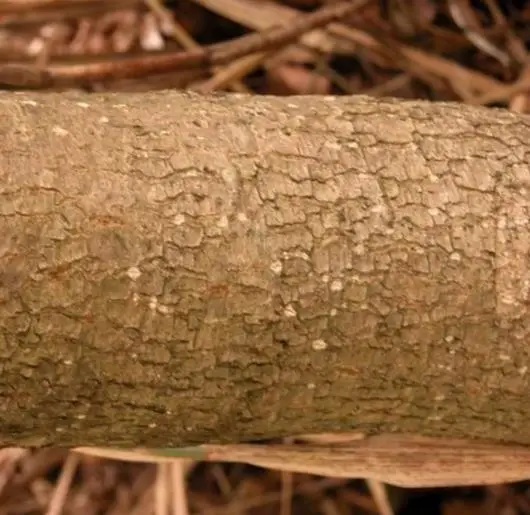
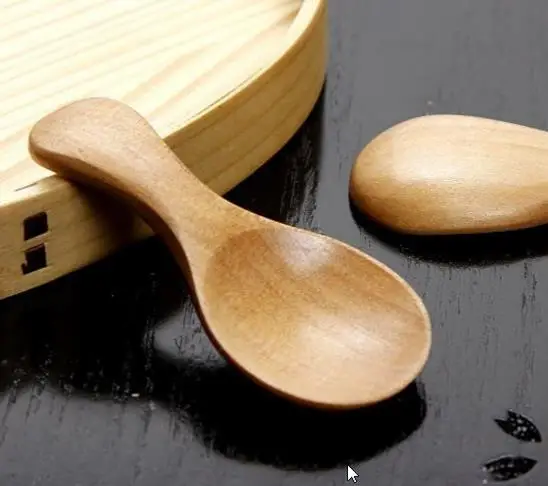
As timber, it has been valued for centuries: the wood is dense, fine-grained, tough, and durable—used for furniture, construction, and fine crafts across Asia. The bark and leaves contain tannins and compounds with traditional medicinal applications. But for the home grower, Schima superba’s ecological role may be equally compelling. It thrives in reforestation and ecological restoration projects because it grows with vigor, improves soil health, and establishes quickly in degraded landscapes. In China, it is planted as a firebreak tree, both for its fire-resistant properties and its ability to restore biodiversity to damaged forests. This is a tree that heals the land it grows in.
Cultivation is straightforward—one of the great pleasures of this species. Schima superba grows rapidly and accepts full sun, partial shade, or even dappled light under a heavier canopy. It prefers well-drained, acidic soils and moderate moisture during establishment, but once rooted, it is adaptable and resilient. Mature trees reach 30–65 feet in their subtropical native habitat, though in temperate gardens they typically stay more modest. It tolerates cold snaps to around -10°C and summer heat to 39°C, making it viable across a wider range of climates than many tropical trees. As a young plant, it is content in containers; as it matures, it develops a straight, strong trunk and architecturally sound canopy. Medium maintenance—no significant pests or disease problems reported.
When you plant Schima superba from seed, you are not simply growing a tree. You are cultivating a legend. You are building a refuge for bees. You are joining the lineage of gardeners and foresters who have recognized, over thousands of years, that this particular species carries within it beauty, utility, resilience, and purpose. From the first unfurling of red-bronze leaves to the day it blooms and calls the bees to its flowers, Schima superba rewards the grower with presence, meaning, and the quiet satisfaction of knowing that your garden is part of something much larger than itself. Grow it from seed. Watch it become part of your story.
Only logged in customers who have purchased this product may leave a review.
Reviews
There are no reviews yet.