

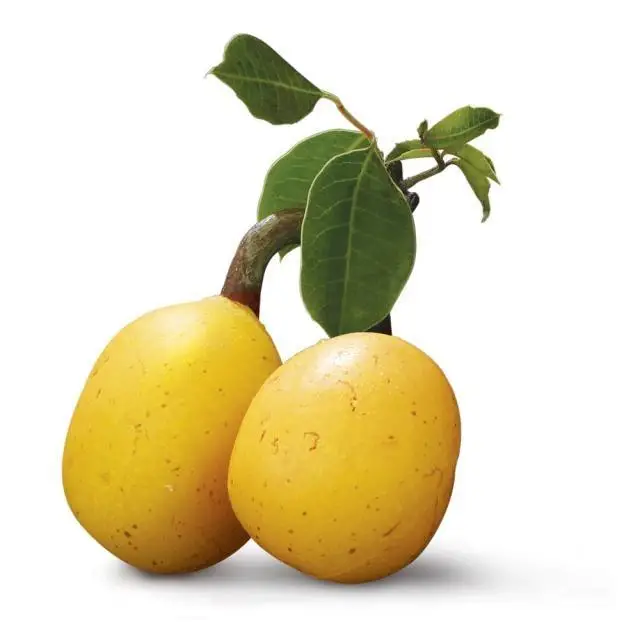
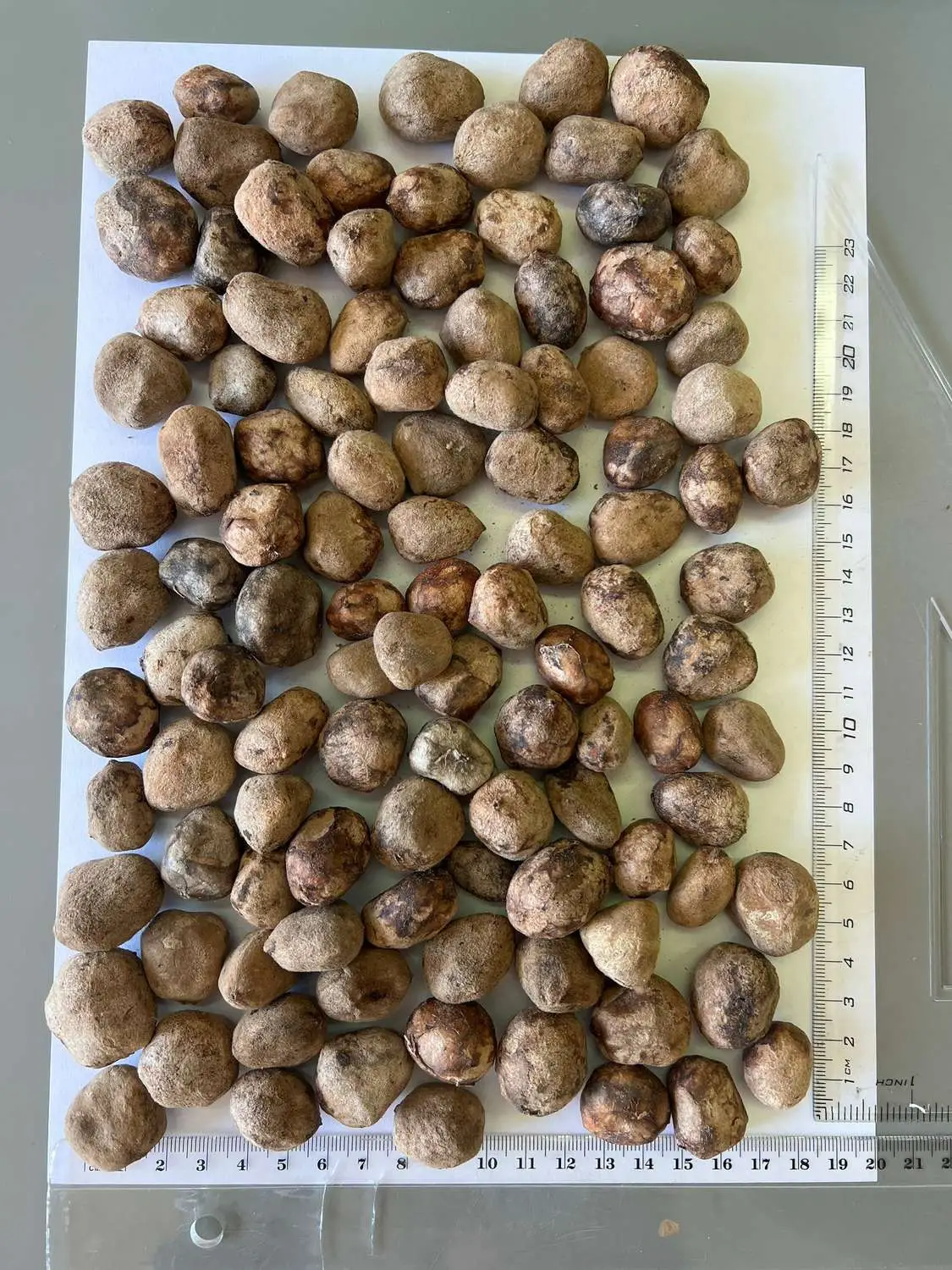
Marula: the African treasure that fills bottles with golden oil and ripe fruit bursting with vitamin C. Grow this legendary tree from seed and harvest kernels for cosmetic oil prized by skincare brands worldwide, or enjoy the tart, succulent fruits fresh or fermented. Moderate water, full sun, thrives in warmth. From seed to skin-changing abundance.
€6.29
Imagine a tree that feeds your skin as generously as it feeds your spirit—that’s Marula, Africa’s most coveted botanical gift. From the sun-baked savannahs of South Africa to the cosmetic labs of the world, Sclerocarya birrea subsp. caffra has quietly become the darling of luxury skincare, and now you can grow it.
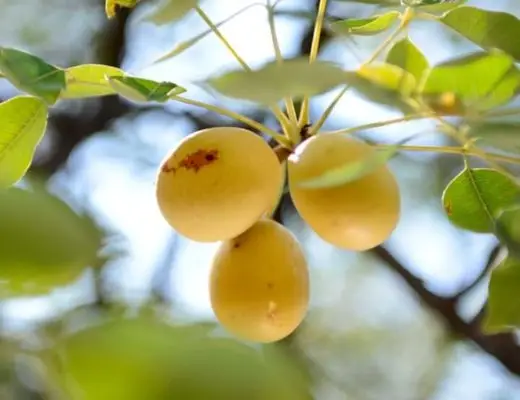
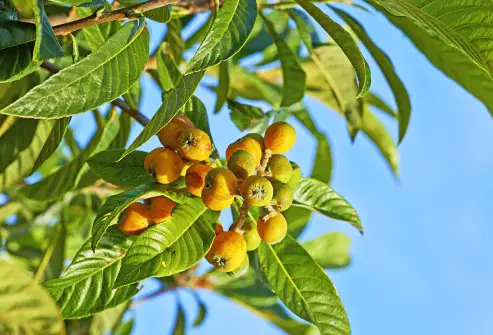
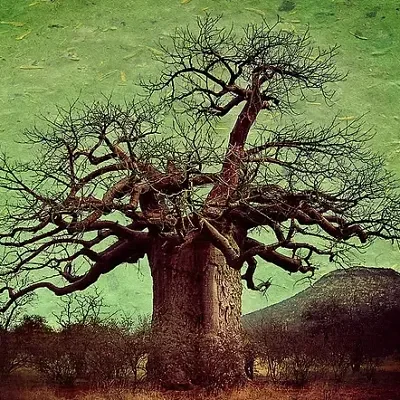
This medium-sized deciduous tree hails from the open woodlands and dry savannahs of Southern Africa, where it has nourished indigenous communities for millennia. With its distinctive mottled grey bark that peels in romantic patches and a generous, rounded crown, the Marula is a statement tree—handsome without needing to show off. In spring, pinkish-red flowers appear on separate male and female trees, a dioecious trait that adds character to its legacy. By summer, the magic begins: plum-sized fruits with pale yellow skin ripen on the ground, each one a seed of transformation.
But here’s what makes Marula the protagonist of premium cosmetics: its kernels yield marula oil, liquid gold that has revolutionized skincare. Rich in vitamin C—up to 8 times higher than citrus—and brimming with antioxidants and fatty acids, marula oil absorbs into skin with remarkable grace, preventing free radicals and premature aging while improving elasticity and radiance. Traditional healers have known this for centuries; today, prestige skincare brands build entire product lines around it. Beyond oil, the fruit pulp itself is legendary: exceptionally high in vitamin C and bioactive compounds, it’s been fermented into the world-famous Amarula liqueur, processed into jams and juices, and celebrated as a nutritional superfood. The edible white kernels inside are delicacies in themselves—nutty, rich, and nourishing.
Marula grows with admirable ease once established. Plant from seed in spring into warm, moist soil; it’s not fussy about soil type, thriving in sandy, loamy, or even poor soils—unusual generosity for a tree destined to produce such luxury. Soak seeds overnight in warm water, nestle them into peat moss for a week, then pot up and water moderately. In warm zones (USDA 10–12), position your tree in full sun and well-drained soil. Water young seedlings regularly; once mature, the tree is remarkably drought-tolerant, asking little of you while giving abundantly. The Marula’s non-aggressive root system makes it perfect for larger gardens, and its open crown allows light and life to flourish beneath its branches. Patience is your only demand: trees from seed typically bear fruit in 5–7 years, though grafted specimens fruit faster.
Grow a Marula, and you’re planting more than a tree—you’re cultivating a living bridge between ancient African wisdom and modern beauty science. Every harvest of golden kernels becomes oil for radiant skin. Every ripe, tart fruit becomes a moment of pure, vitamin-rich indulgence. This is the tree that grows treasure.
Only logged in customers who have purchased this product may leave a review.
Reviews
There are no reviews yet.