
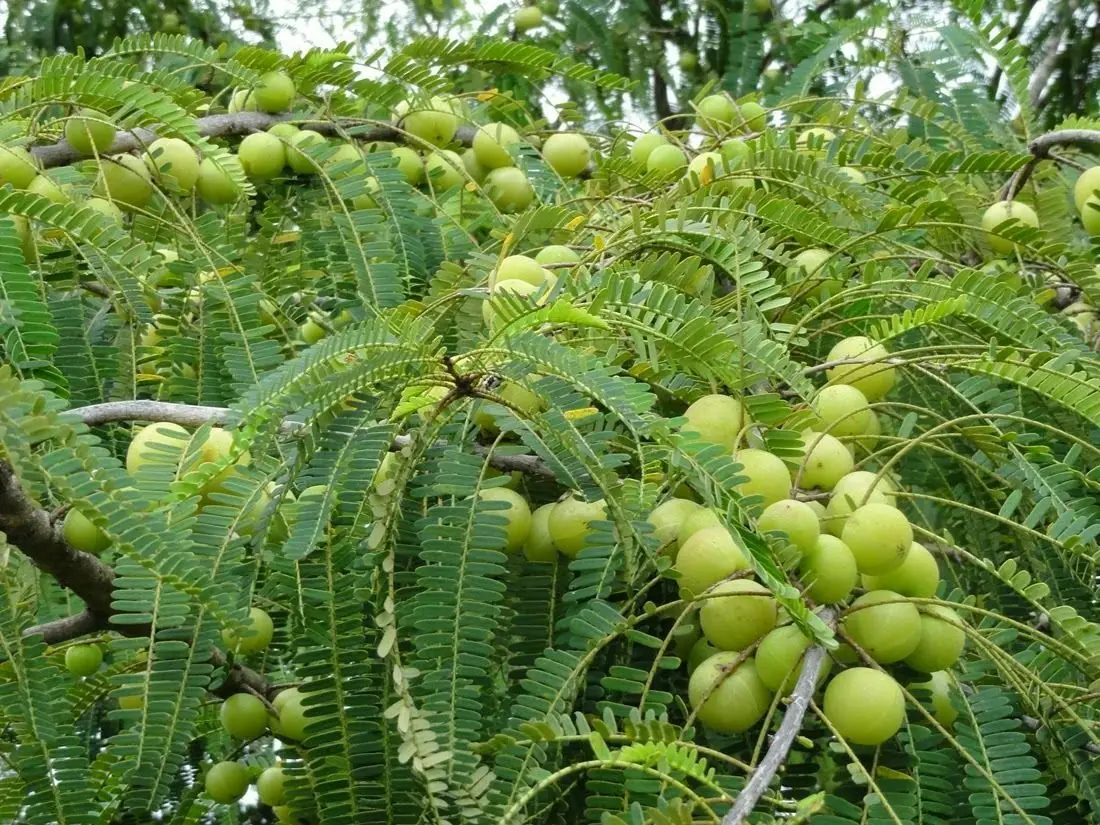
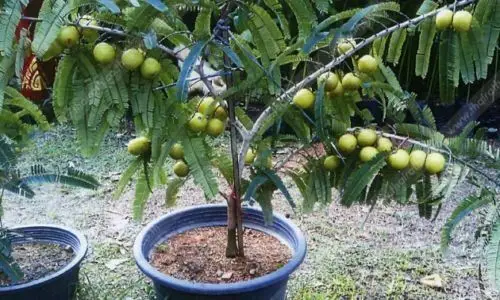
Grow the fruit that has sustained wellness practitioners for 6,000 years. Amla is a living pharmacy: one tree yields harvests bursting with more vitamin C than oranges, plus emblicanin compounds that fortify immunity, strengthen hair, and brighten skin from within. Easy to grow from seed; hardy, pest-resistant, and thriving in diverse climates. Your garden becomes your medicine cabinet.
€1.92
Phyllanthus emblica is arguably the most important medicinal agent in the traditional Indian system of Ayurvedic medicine—and now you can cultivate this sacred tree yourself. Imagine harvesting a fruit so potent that a single emblic fruit is said to encompass more Vitamin C than an orange. This is amla: a living link to millennia of wellness wisdom, growing in your own garden.
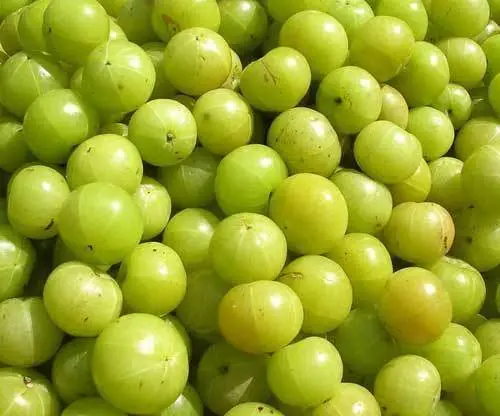
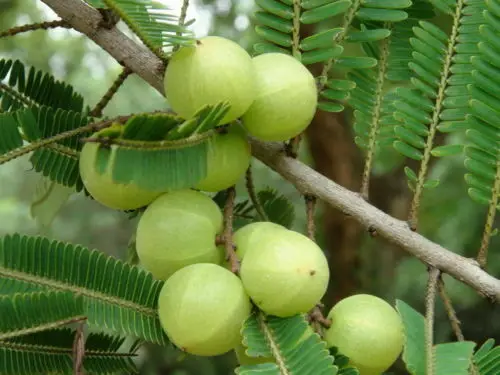
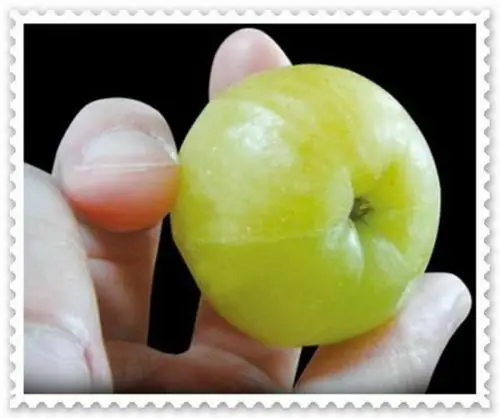
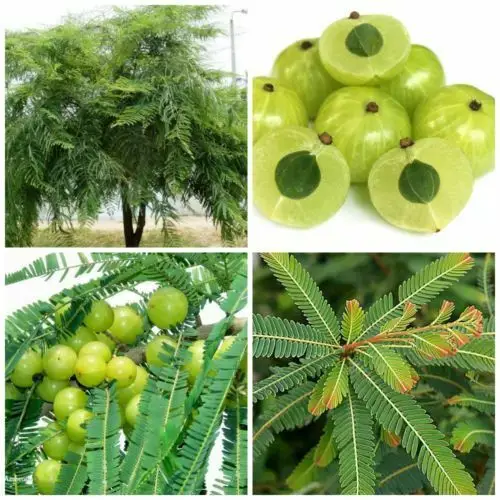
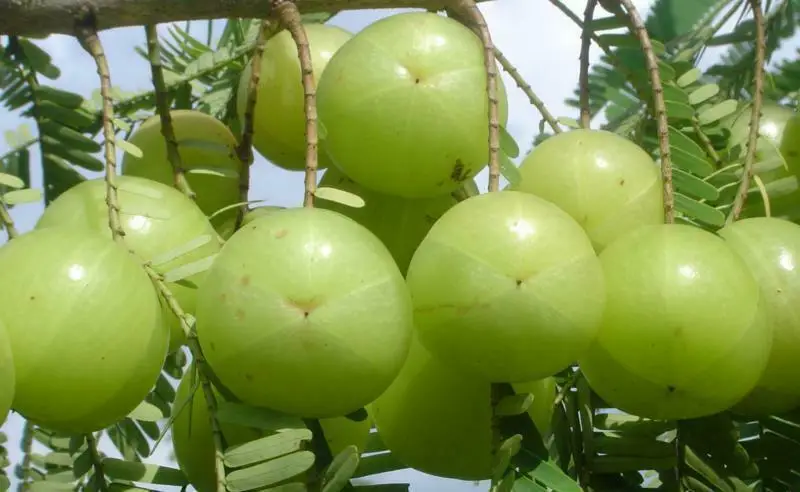
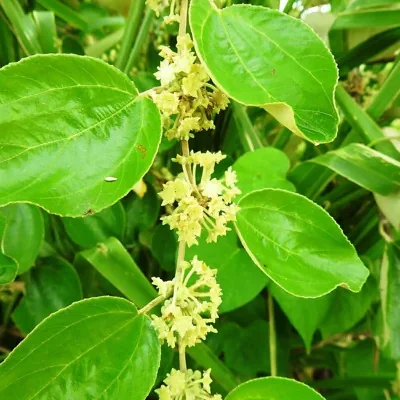
References to Phyllanthus emblica appear in the Caraka Samhita (around 6th century BCE) as “Amalaki,” described as a prime rasayana for vitality. The species is native to tropical and subtropical parts of Asia, such as southern China, Southeast Asia, and South Asia, including India, Pakistan, Sri Lanka, and Bangladesh. This deciduous tree embodies resilience—it grows naturally in deciduous forests and open woodlands, and it is well adapted to humid, arid, and semiarid conditions. The tree itself is visually striking: the trunk is often twisted and has light gray bark that may flake off in thin layers as the tree ages. The leaves are small (about 1–2 cm long), narrow, and closely spaced along slender branchlets, giving the foliage a feathery appearance. The fruit is nearly spherical, light greenish–yellow, quite smooth and hard on appearance, with six vertical stripes or furrows.
But amla’s true magic lies in its medicinal potency. The fruit of this tree is a reservoir of various nutraceuticals like calcium, vitamin-C, lysine, minerals, methionine, nicotinic acid, phosphorus, riboflavin, tryptophane and is said to have immune-boosting efficiency against multiple diseases. Phyllanthus emblica is recognized for its medicinal properties, which include high levels of ascorbic acid (vitamin C) and bioactive compounds such as gallic acid and flavonoids, contributing to its antioxidant, anti-inflammatory, and antitumor effects. In medieval Ayurvedic texts such as the Bhavaprakasha (16th century), Emblic fruit is highlighted for its capacity to balance all three doshas—Vata, Pitta, Kapha. Traditional practitioners use amla for everything from improving the overall digestive process, decreasing fever, acting as a blood purifier, relieving asthma and cough, improving heart health, to strengthening the immune system and preventing premature greying. It has also found its application in the food processing, pharmaceutical, and cosmetic sectors. The fruits of amla are used to make murabbah, burfi, ladu, fresh juice, pickle, chutneys, and curries in India—transforming raw harvests into culinary treasures. Whether you’re a wellness seeker, a culinary adventurer, or someone drawn to beauty rituals rooted in ancient knowledge, amla delivers.
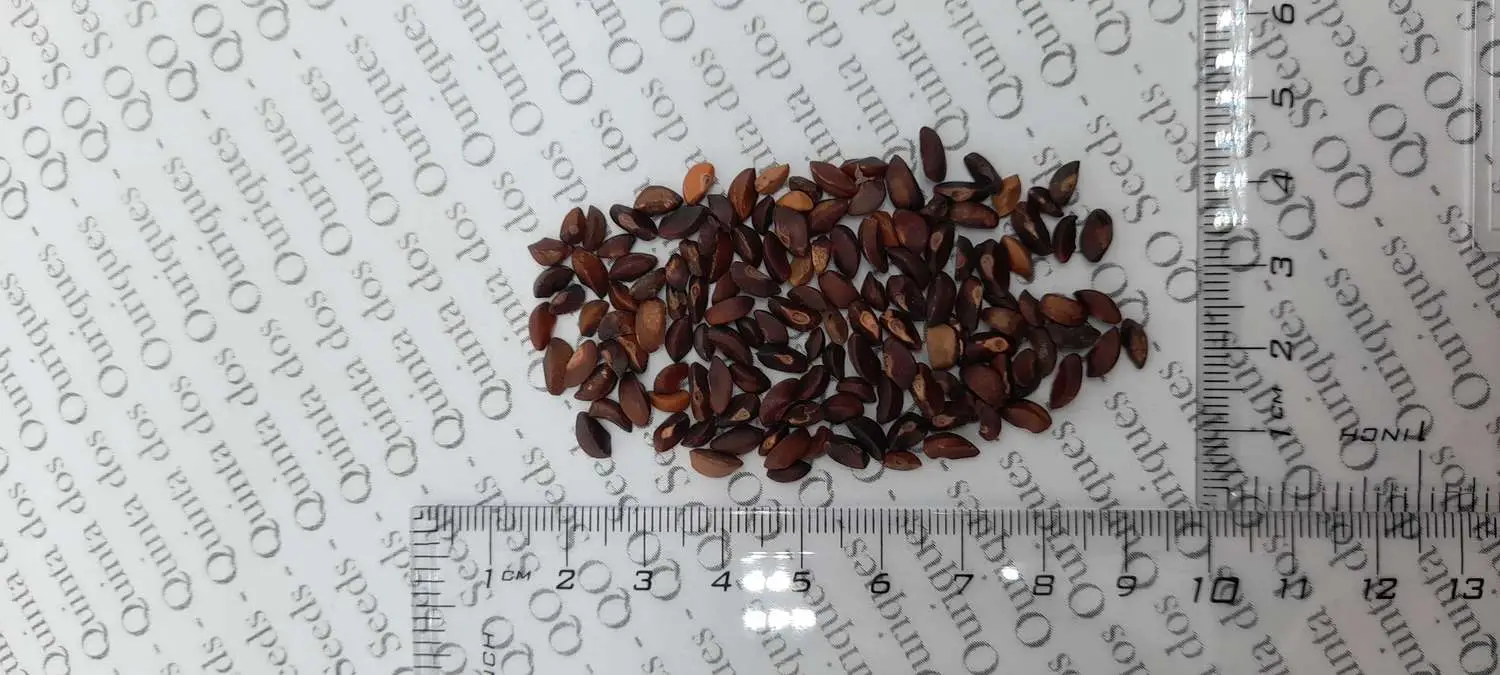
Growing amla from seed is surprisingly forgiving. Amla thrives in warm, tropical to subtropical climates and is best suited for USDA hardiness zones 9-11. It is drought-tolerant once established and can withstand high temperatures, making it well-suited to hot, dry regions. Amla trees grow well in well-drained soils that are rich in organic matter. The ideal soil pH for amla cultivation is between 6.0 and 8.5. The tree can tolerate a wide range of soil types, including sandy loam, red soil, and laterite soil. Choose a sunny spot that receives at least 6-8 hours of sunlight daily. Full sun is necessary for optimal fruiting and growth. Sow each seed in an individual pot about 0.4-0.5 inches deep. Water well and make sure they receive 4-6 hours of bright, indirect sunlight daily. In 3-4 weeks, you will start to notice t
Only logged in customers who have purchased this product may leave a review.


Reviews
There are no reviews yet.