
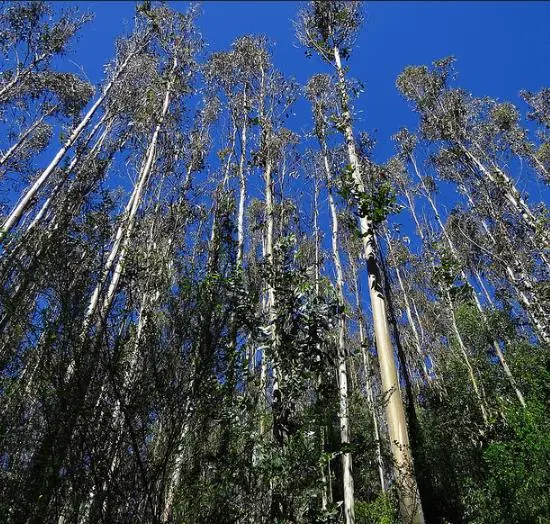


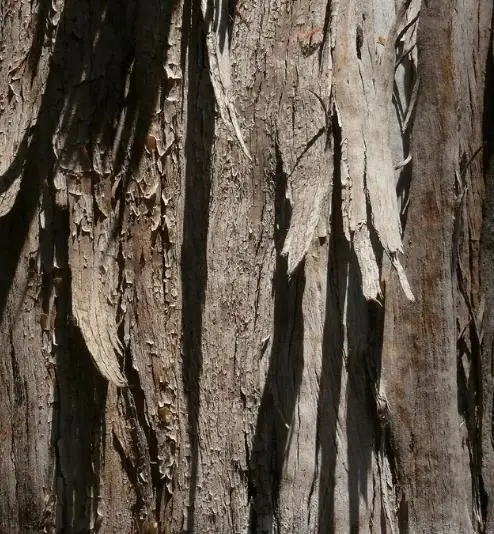
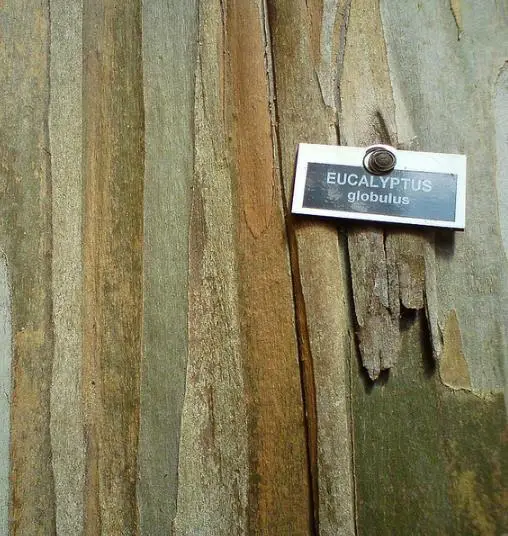
Grow the gold-standard respiratory herb: Eucalyptus globulus, source of the world’s most prized medicinal oil. Its leaves yield 63–85% eucalyptol—nature’s potent decongestant and anti-inflammatory. From seed to aromatic treasure in just months. Easy to cultivate from seed, thrives in full sun. Start your oil-production journey today.
€1.92
Imagine harvesting leaves that release an intoxicating camphoraceous aroma—leaves prized by herbalists, aromatherapists, and wellness practitioners worldwide. Eucalyptus globulus subsp. globulus is the legendary Tasmanian Blue Gum, and it holds within every leaf the concentrated power of essential oil medicine.
Native to the forests of southeastern Tasmania and Victoria, this magnificent evergreen has captivated the world for over two centuries. When early European explorers encountered it, Indigenous Australians had already understood its profound healing gifts—using leaves in poultices, steam inhalations, and traditional remedies for respiratory distress and fever. Captain Cook’s crew adopted it from Aboriginal healers; the Victorians made it famous; today, Portugal and Spain harvest thousands of tonnes annually. Yet this is not just a commercial crop—it is a living connection to Australia’s ancient botanical wisdom.
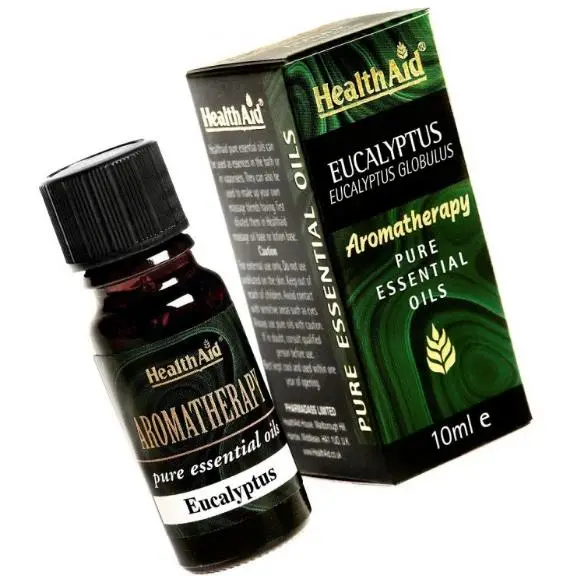
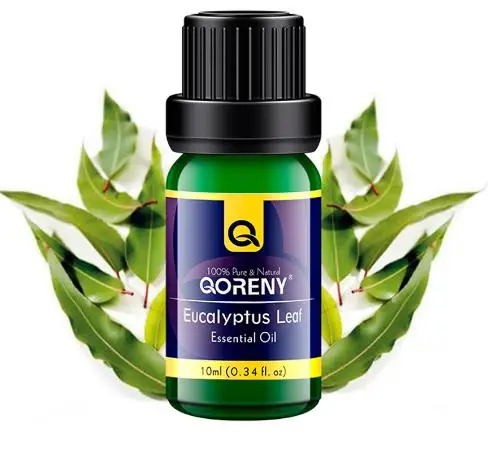
Here is where Eucalyptus globulus truly shines: its essential oil. Steam-distilled from the leaves, this oil delivers an extraordinary 63–85% eucalyptol (1,8-cineole)—higher than any other eucalyptus species. That single compound is a respiratory revolution. Eucalyptol acts as a powerful expectorant and mucolytic, thinning and loosening thick mucus so your lungs can breathe freely. It reduces inflammation in airways, calms chronic bronchitis, and opens sinuses with almost immediate relief. Traditional medicine used it for colds and bronchitis; modern science confirms its antimicrobial, anti-inflammatory, and bronchodilating properties. The European Medicines Agency itself recognizes eucalyptus oil for treating cough from the common cold and easing localized muscle pain. For aromatherapy, diffuse 3–5 drops to transform any space into a breathing sanctuary. For inhalation therapy, add two drops to steaming water and breathe in the clarity. Diluted in carrier oil, it becomes a penetrating massage balm for sore muscles and arthritic joints. This is why producers in Spain, Portugal, and worldwide prize Eucalyptus globulus above all other sources—its oil is liquid wellness, captured in a bottle.
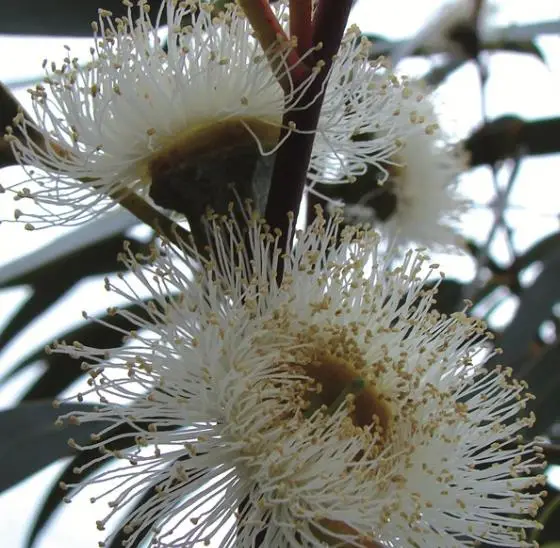
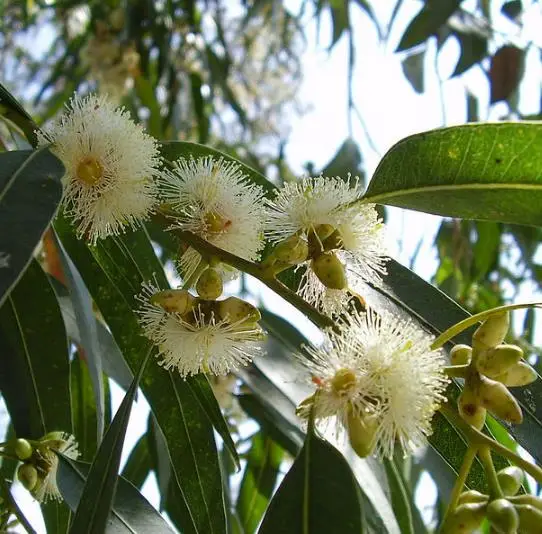
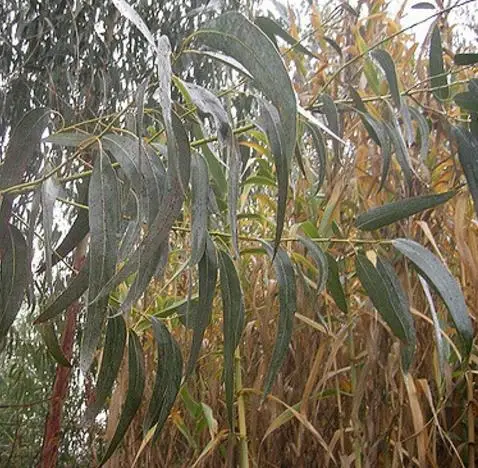
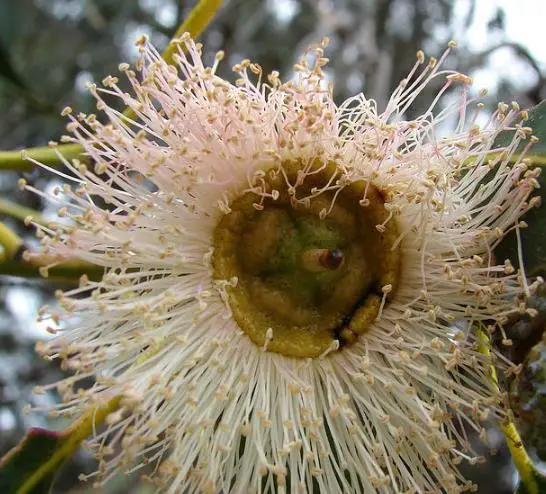
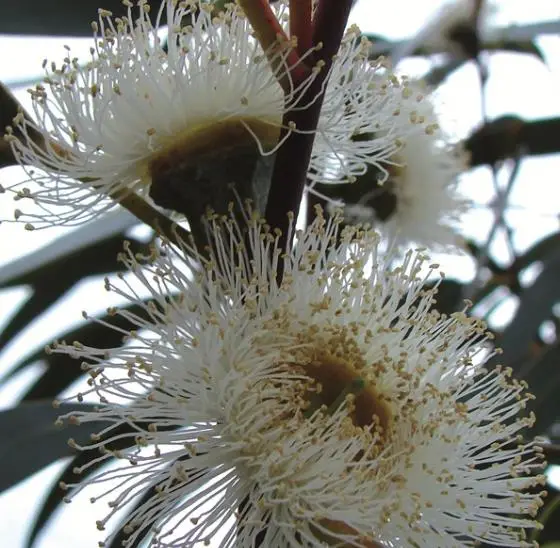
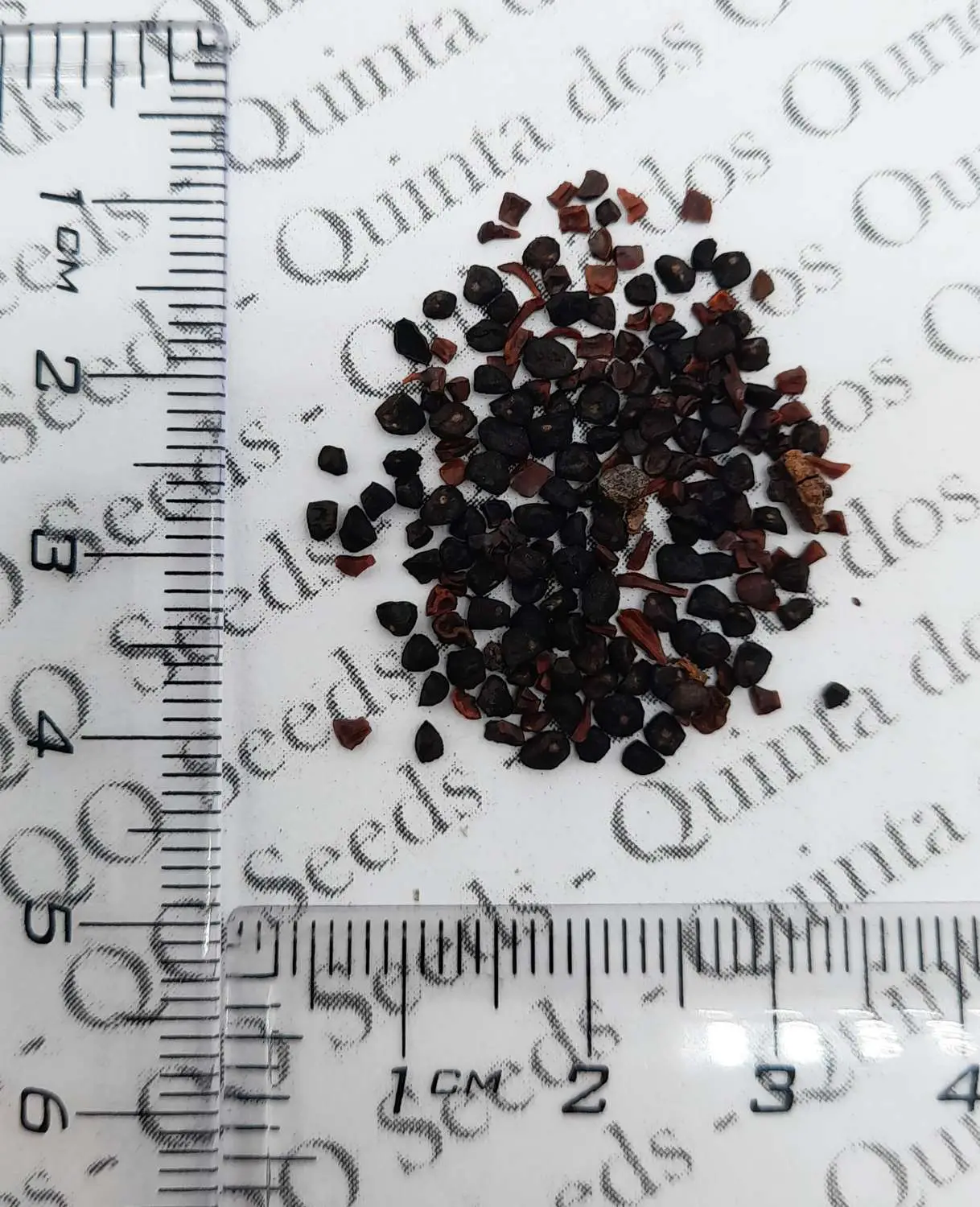
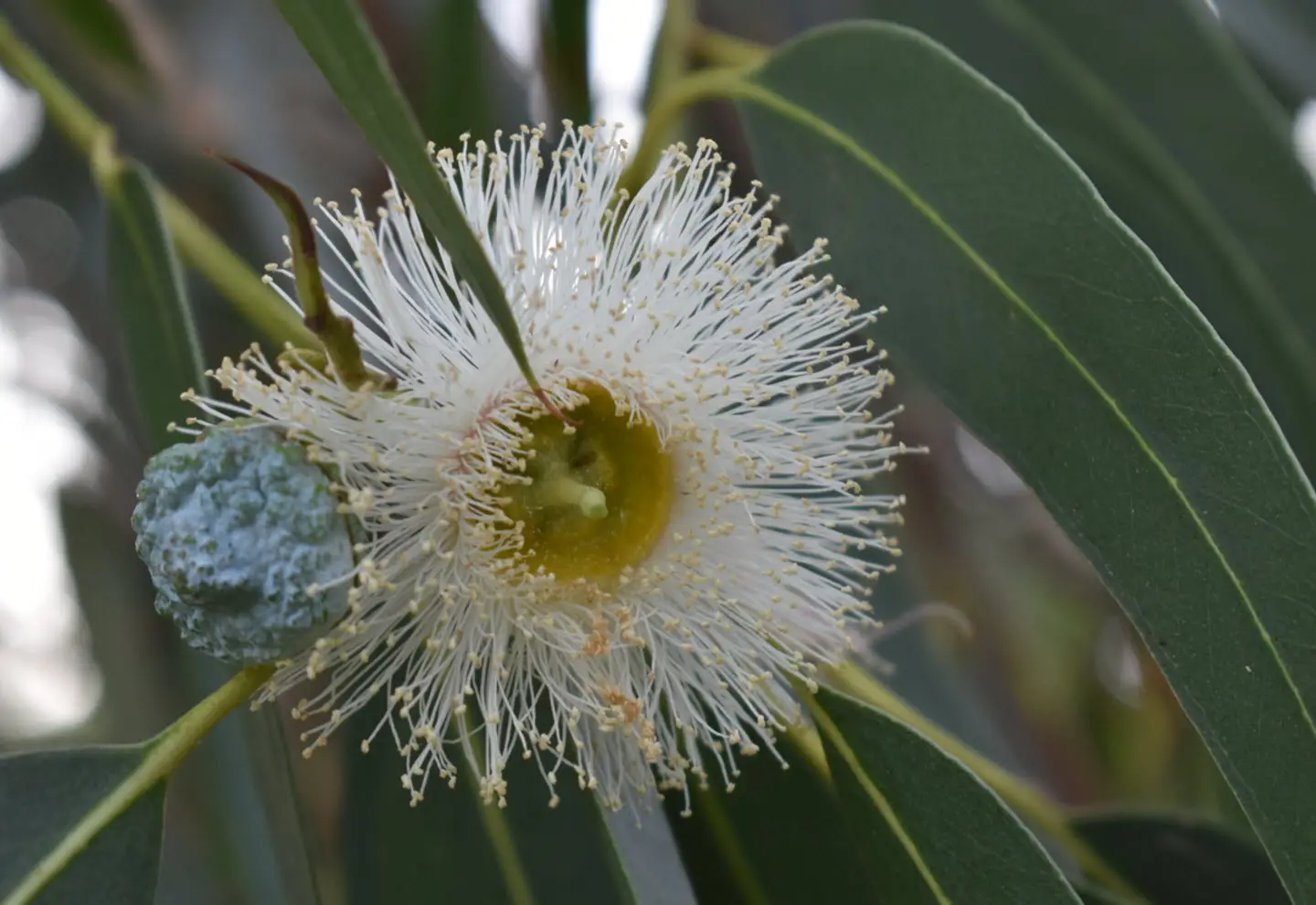
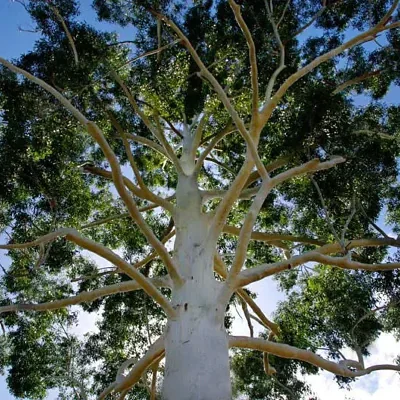
Growing Eucalyptus globulus is surprisingly straightforward. Sow seeds directly on moist, well-draining seed-starting mix—they germinate within 2–4 weeks at warm temperatures (18–23°C is ideal, though the tree tolerates 6–30°C). Seeds need full sun; indoors, provide the brightest light possible or use supplemental grow lights. Water when the surface dries but avoid waterlogging. The tree is a vigorous grower—young plants can shoot up 2.5 metres per year in good conditions. Soil should be slightly acidic to neutral (pH 5.5–7.0), well-draining, and can even be poor in nutrients; eucalyptus is unfussy about fertility. Once established, mature trees are remarkably hardy, tolerating drought and seasonal temperature swings. The juvenile foliage—soft, blue-grey, and waxy—is utterly captivating; as the tree matures, leaves become long, sickle-shaped, glossy deep green, and intensely aromatic. White flowers appear in spring or summer (May–January in the Southern Hemisphere), followed by fascinating woody seed capsules (gumnuts) that you can dry for decoration or seed saving.
There is profound satisfaction in nurturing a seed to seedling, then to a thriving young tree that rewards you with leaves you can harvest, dry, and distill—or simply crush between your fingers to release that unforgettable eucalyptus clarity. Every leaf becomes medicine. Every branch becomes possibility. Grow Eucalyptus globulus from seed and join a lineage of healers, farmers, and botanists who have understood for centuries that this tree is not merely ornamental—it is essential, literally and figuratively, to human wellness. Start your seeds now.
Only logged in customers who have purchased this product may leave a review.

Reviews
There are no reviews yet.