
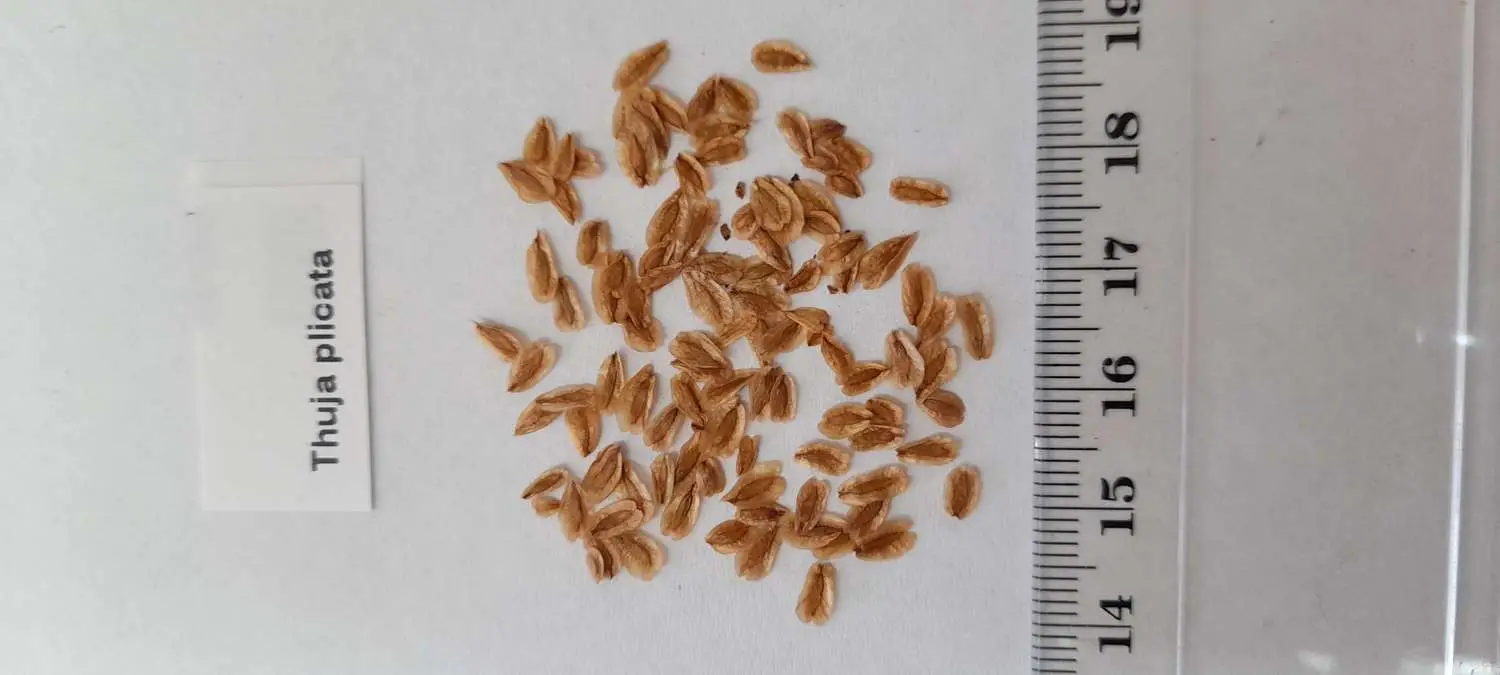
Grow the cedar that shaped civilizations. Thuja plicata’s pineapple-scented foliage yields potent essential oil prized for perfumes, wellness tonics, and natural antimicrobial power—while the tree itself becomes a stunning living monument. Aromatic, medicinal, stunning. Direct from seed, moderate vigor makes it surprisingly achievable.
€1.92
This is no ordinary conifer. Thuja plicata—western red cedar—is a living bridge between the ancient wisdom of Pacific Northwest cultures and the modern world’s hunger for authentic, plant-sourced aromatics and natural medicine.
**Origin & Legacy**
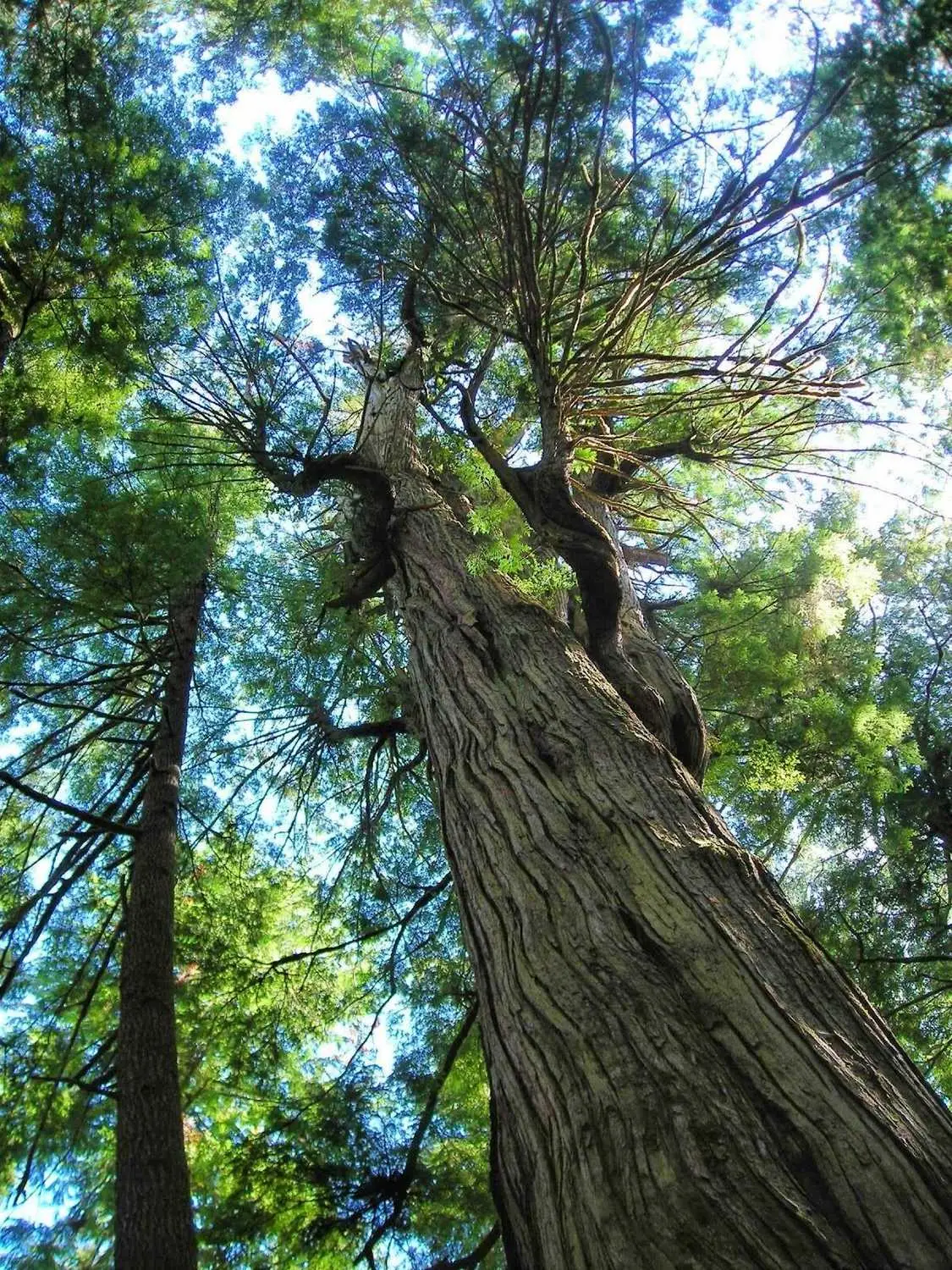
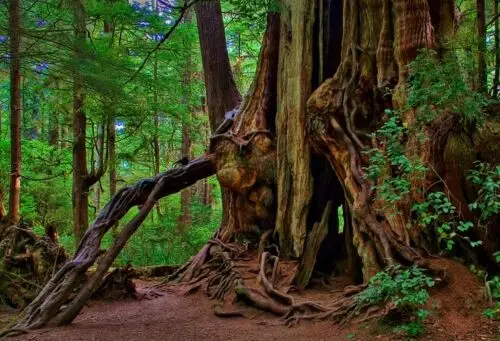
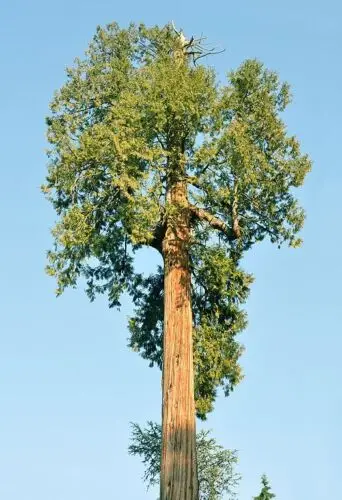
Western Red Cedar has been called the “corner stone of northwest coast Indian culture”, and for good reason. Native to the Pacific Northwest, it is typically found in cool but moist forest areas and bottomlands from southern Alaska along the Pacific coast to northern California and in the northern Rockies from British Columbia to Montana. The species is long-lived; some trees can live well over a thousand years, with the oldest verified aged 1,460. This is a tree that has sheltered forests and cultures for millennia.
**The Aromatic & Medicinal Marvel**
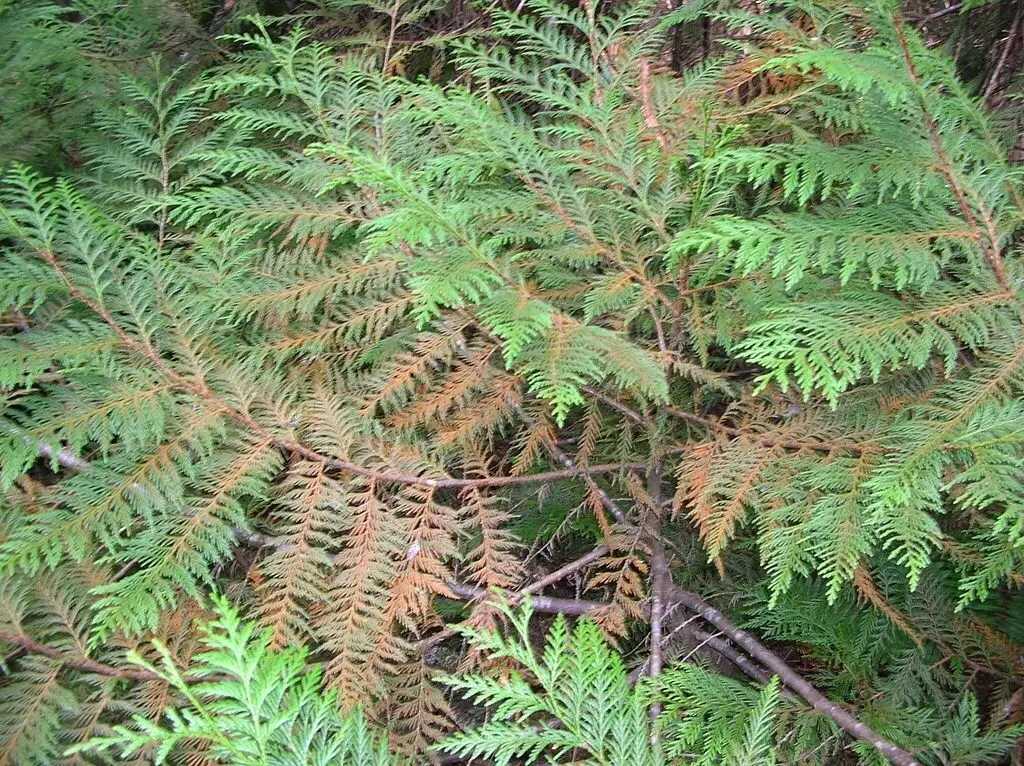
Here lies the heart of your growing adventure: Cedar leaf oil is often the basis for production of perfumes, insecticides, medicinal preparations, veterinary soaps, shoe polishes, and deodorants. The foliage sprays are green throughout but marked with whitish stomatal bands below; they emit a strong aroma reminiscent of pineapple when crushed. Beyond fragrance, Western Red Cedar is also strongly antimicrobial and has been traditionally used to support the lungs and immune system. The oil of Western red cedar leaves has been used traditionally among Aboriginal peoples of the Pacific north west to treat a variety of upper respiratory symptoms and wounds. The relatively mild odor is considered to be safe, pleasant and acceptable. Growing this tree from seed means access to a source of authentic, heritage-grade plant medicine.
**What Makes It Beautiful**
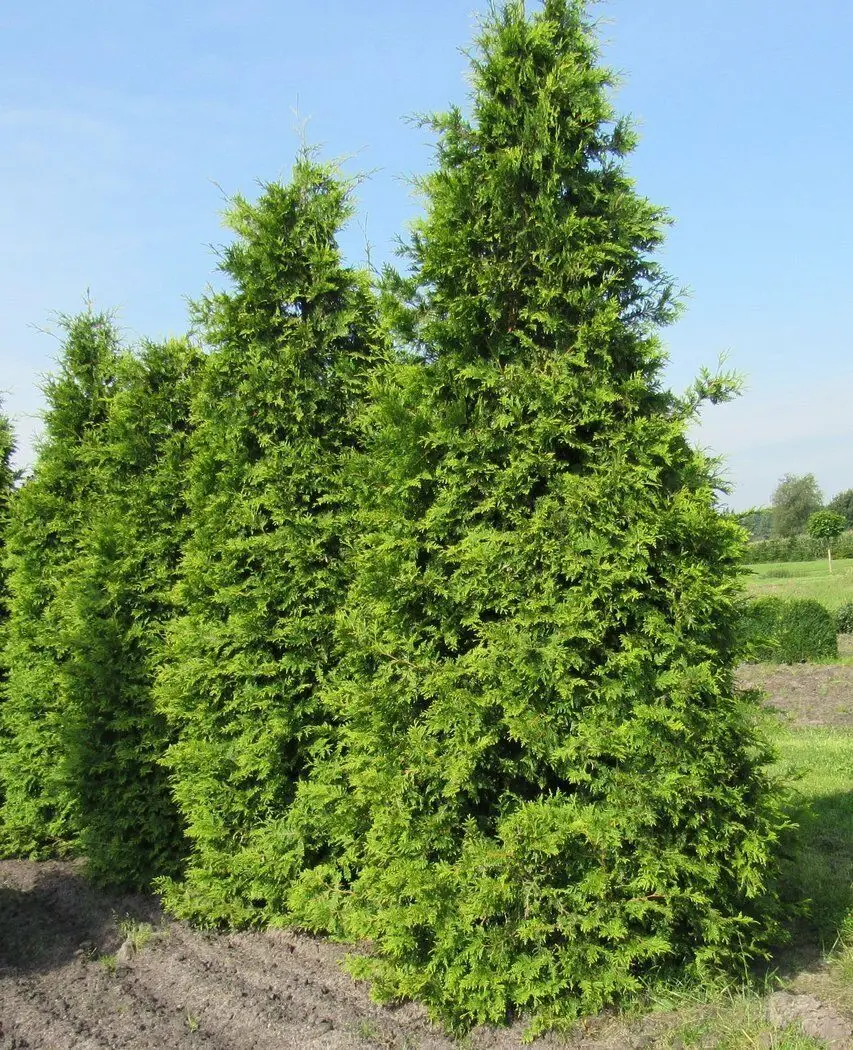
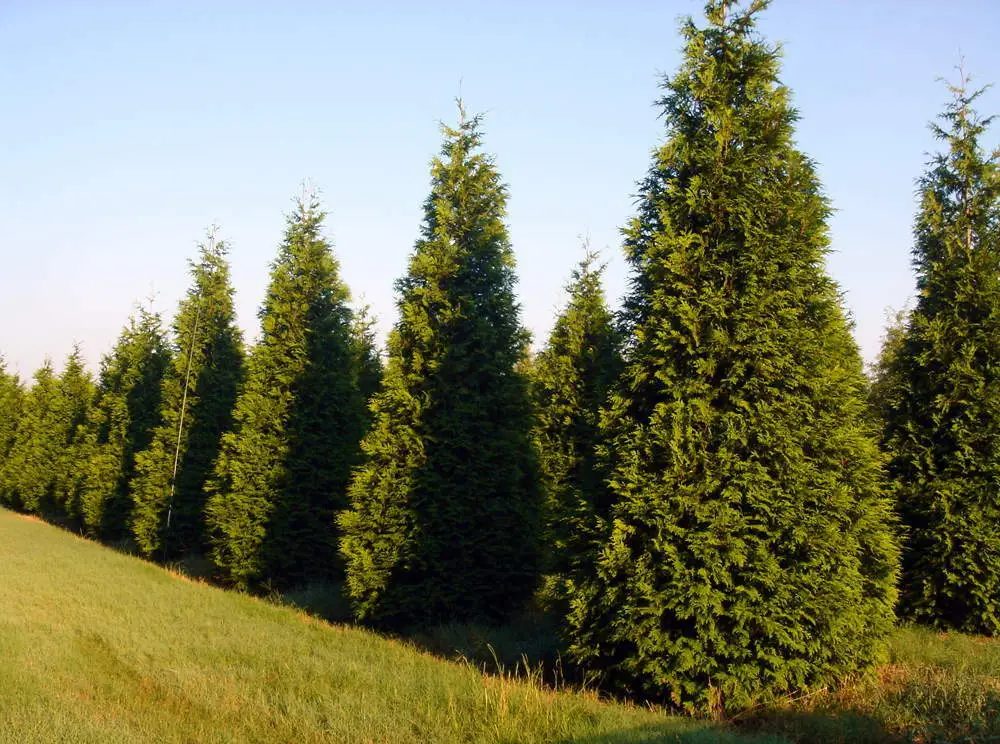
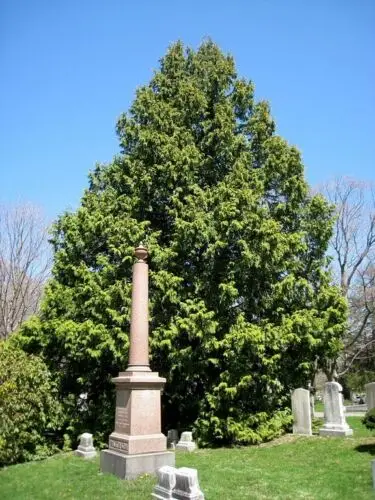
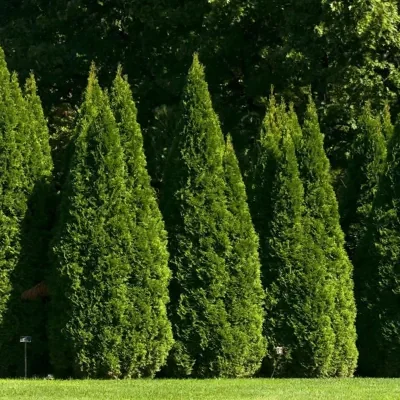
Thuja plicata is a large to very large tree, ranging up to 45 to 70 metres (150 to 230 feet) tall and 2.4 to 7 m (8 to 23 ft) in trunk diameter, larger than any other species in its genus. It features horizontal branching with sprays of scale-like dark green foliage that is aromatic when crushed. Fibrous, aromatic, reddish-brown bark. The aromatic foliage is bright green and scale-like, forming horizontal sprays which bronzes to crimson-purple in winter. Young trees grow rapidly and respond beautifully to shape—perfect for specimen planting or hedging.
**How to Grow It**
Thuja plicata is an evergreen Tree growing to 60 m (196ft) by 12 m (39ft) at a fast rate. This is a moderately vigorous grower that rewards patience. This species grows in full sun, partial shade, or dappled sunlight and prefers consistently moist, well-drained soil high in organic matter and an acidic to neutral pH. It does not tolerate drought or dry winds. Start from seed in late winter in containers with a cold frame; grow the plants on for two years and then plant them out into their permanent positions in late autumn or early spring. The reward for your care is decades—centuries—of fragrant, medicinal abundance.
**The Invitation**
When you plant a Thuja plicata seed, you’re not just growing a tree. You’re cultivating a living apothecary, a source of authentic aromatics, and a living monument to the forests of the Pacific Northwest. You’re joining a lineage of gardeners and healers who have treasured this magnificent cedar across generations. Watch it grow, harvest its fragrant foliage, and feel the connection to something ancient and powerful.
Only logged in customers who have purchased this product may leave a review.
Reviews
There are no reviews yet.