
Plant the fortune of Rose Gum from seed. This Australian giant becomes premium hardwood in just 5–10 years, yielding timber prized for flooring, furniture, and fine joinery. Grows 2–3 meters yearly, thriving in warm climates with good rainfall. Bonus: leaves yield essential oil with medicinal properties. Straightforward to establish with quality seed. Your land becomes a living asset.
€1.92
Imagine planting a seed today and harvesting premium timber that architects and craftspeople crave—that’s the Eucalyptus grandis promise.
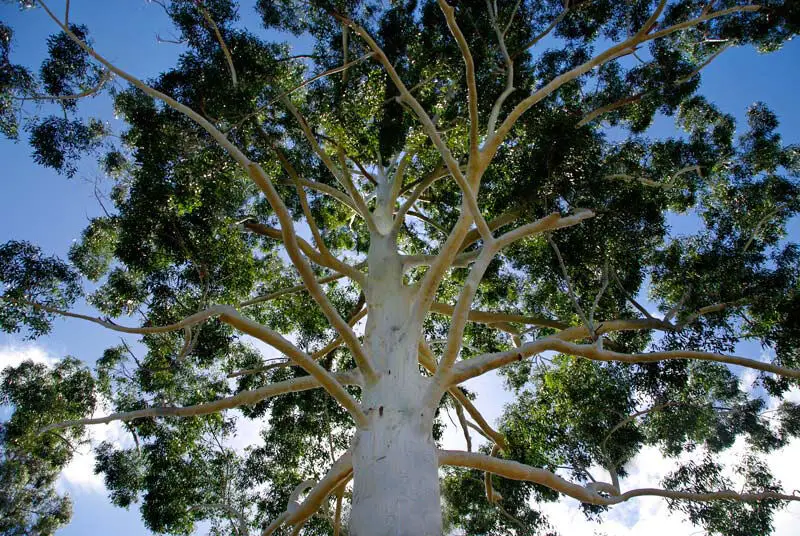
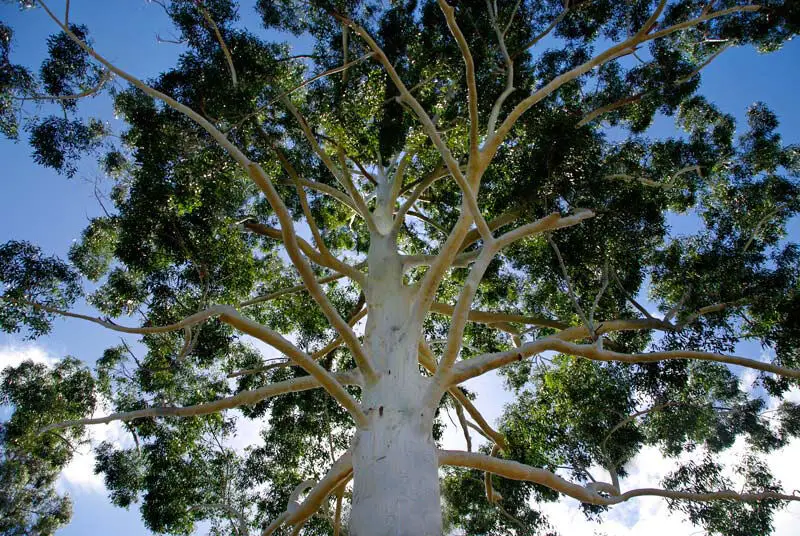
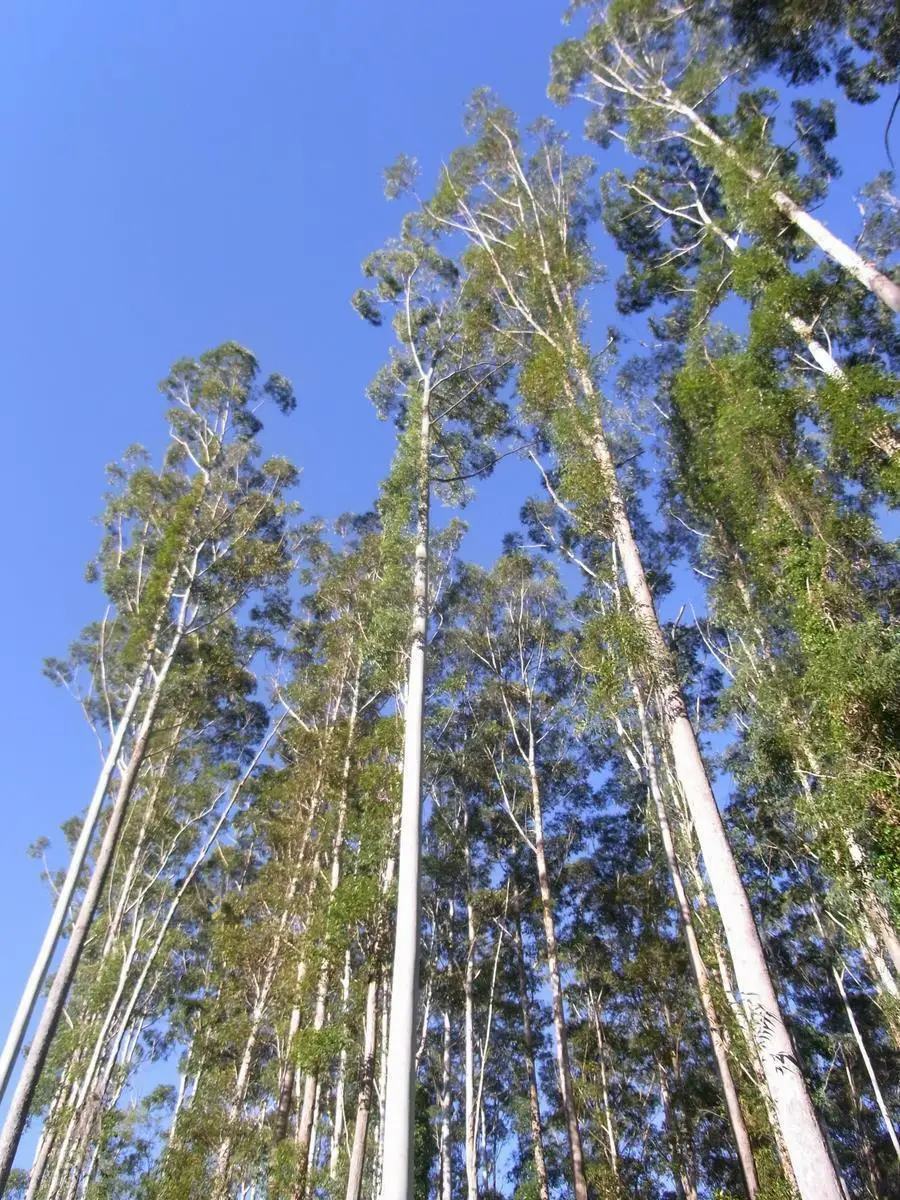
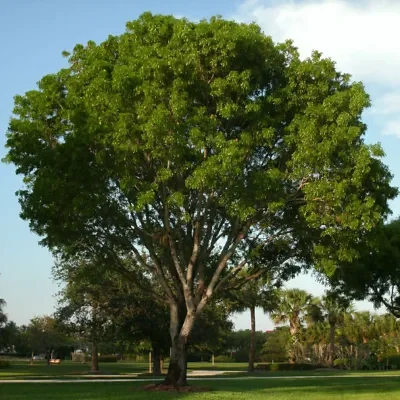
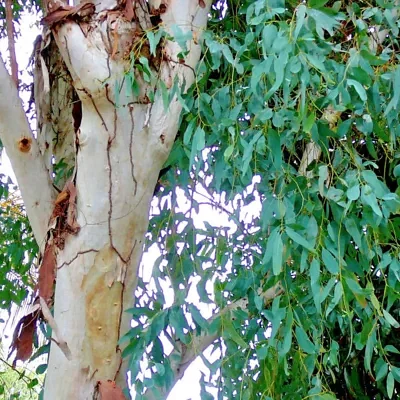
Eucalyptus grandis is a tall and stately tree native to Australia, and it has become one of the world’s most commercially important hardwoods. Under ideal conditions, Eucalyptus grandis can grow over 40–60 meters tall, making it one of the tallest eucalyptus species. The bole is straight for 2/3 to 3/4 the height of the tree—a grower’s dream of minimal waste and maximum useable timber.
Where Rose Gum truly shines is its wood. It is highly valued for commercial forestry due to its rapid growth, straight trunk, and high-quality timber used in construction, poles, furniture, and paper production. The heartwood varies in color from pale pink to reddish-brown, creating the rich, warm tones that designers specify by name: “Red Grandis” commands premium prices in international markets. Rose Gum is a fast-growing Australian hardwood known for its straight grain and pink to red colouring, and the grain is typically straight and consistent, which gives finished pieces a clean, uniform appearance. Unlike many tropical hardwoods, it’s sustainable, locally renewable, and environmentally responsible—this wood species is not listed in the CITES Appendices or on the IUCN Red List of Threatened Species.
The essential oil in Rose Gum’s leaves opens a secondary revenue stream that shouldn’t be overlooked. Eucalyptus grandis is a medicinal plant which has been indicated by Zulu traditional healer in the treatment of respiratory tract infections, bronchial infections, asthma and cough. The leaves yield essential oil which has larvicidal activity against mosquitos—a property increasingly sought for natural pest control and wellness applications. If timber is your primary harvest, the aromatic leaf oil becomes a valuable secondary product, or you can leave the tree standing as a living medicine cabinet. The tree produces clusters of small, cream-colored flowers with prominent stamens that are highly attractive to nectar-feeding birds, insects, and other pollinators, enriching your land’s ecology while supporting local bee populations.
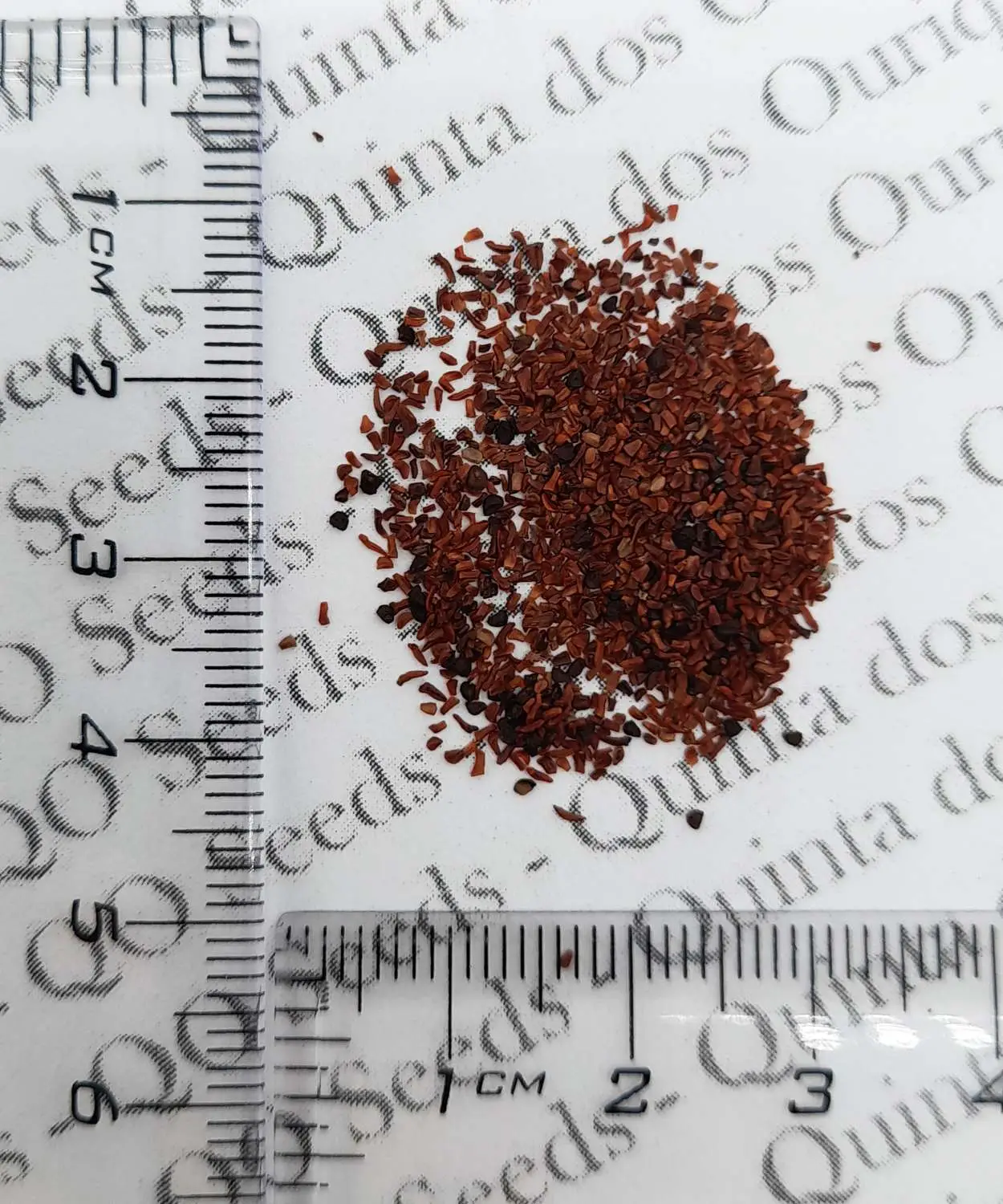
Cultivation is straightforward when you understand what Rose Gum demands—and rewards. It thrives in areas with high rainfall, well-drained soils, and warm climates. Optimal growth occurs in areas receiving 1,000–2,500 mm of annual rainfall, with evenly distributed moisture to support its fast growth rate. It requires a sunny position and a deep, free-draining soil, growing best on fertile loam or clay-loam soils, but it will also perform well on lighter sandy soils, provided these are deep enough. In the first year, cultivate it in pot and make it spend the first winter in the heat, in order to strengthen it well. Once established, the very fast growth rate typically reaches 2–3 meters per year, making it one of the fastest timber trees. A small amount can produce thousands of seedlings because the seeds are extremely tiny, with germination occurring in 7–14 days. This isn’t a species that demands coddling—it’s bred for productivity, responding powerfully to good management.
Your journey begins with seed. Plant these tiny, prolific seeds and you’re setting in motion decades of growth, a future harvest of wood that will outlive you, and the quiet satisfaction of stewardship. Plantations have been successful in Uruguay where lumber is being exported to the United States under the trade name “Red Grandis”, proving that Rose Gum adapts
Only logged in customers who have purchased this product may leave a review.

Reviews
There are no reviews yet.