


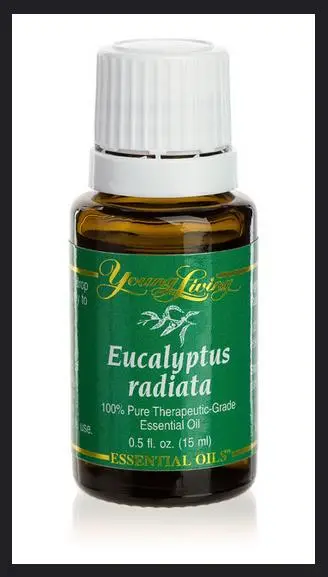
The most therapeutically versatile of all eucalyptus oils awaits you. Extracted from the tree’s leaves through steam distillation, Eucalyptus Radiata has earned the title “The King of Eucalyptus.” The foliage has a very strong peppermint odour that fills the air with subtle floral, woody, and citrus notes ideal for deodorizing the air, opening breathing, and
€1.92
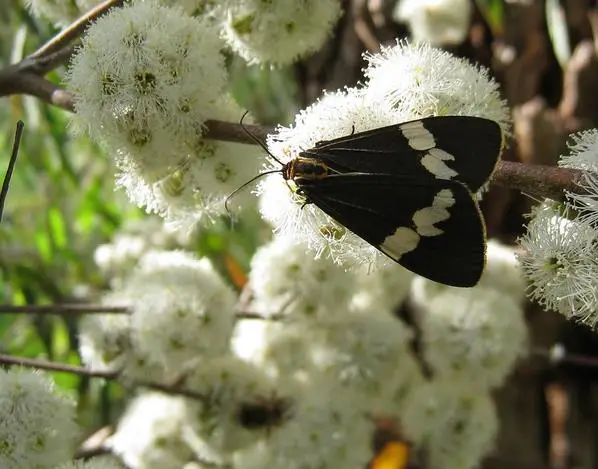
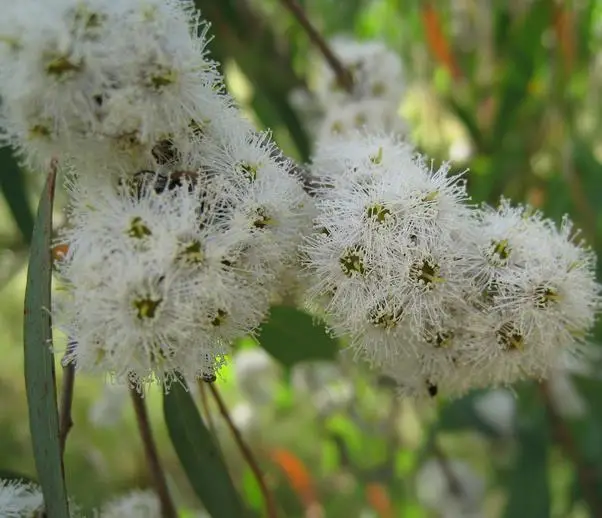
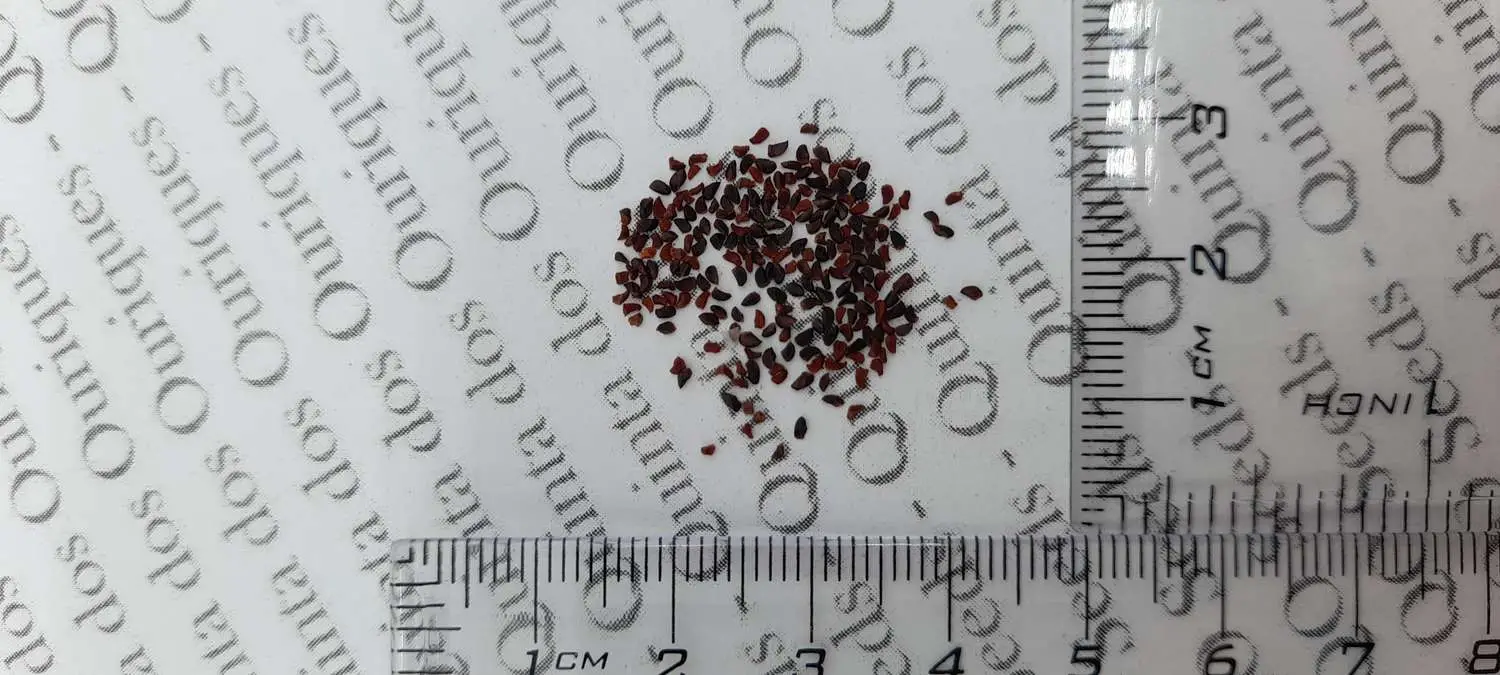
Dense masses of flowers wreathe the shoots of Eucalyptus radiata, a towering Australian native that commands attention from seed onward.
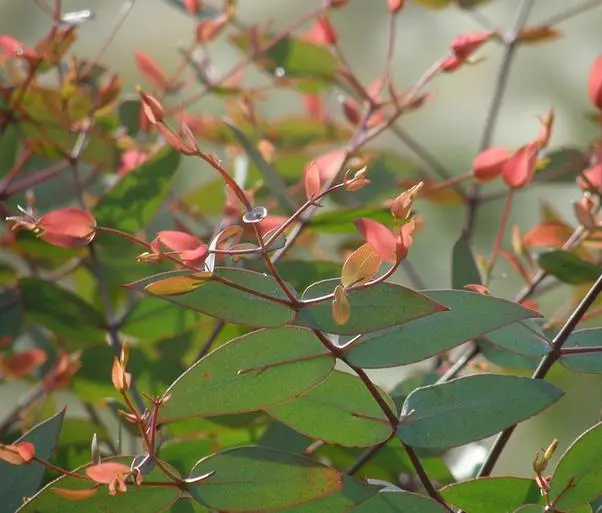
As a member of the Myrtaceae family, the towering Eucalyptus Radiata tree offers a host of eucalyptus essential oil benefits, with glossy leaves gracefully tapering to a sharp point and exuding a robust and aromatic fragrance. It’s no wonder that Eucalyptus Radiata is often referred to as the narrow-leaved peppermint tree, as its leaves closely resemble those of the narrow-leaved peppermint plant. Commonly referred to as “Fever tree,” the British colonists who settled in Australia would plant eucalyptus groves to help keep insects and thus contagious diseases at bay.
This is the species for the home cultivator who dreams of harvesting their own therapeutic oil. The pleasing smell and valuable chemical constituents of the wild grown Narrow Leaf Eucalyptus makes it the most therapeutically versatile of all eucalyptus oils – its aroma is refreshing, very diffusive, gently penetrating, cineolic, with subtle citrus and peppery-floral overtones. Unlike its stronger cousin Eucalyptus globulus, eucalyptus radiata has exceptional healing properties and many users who are new to essential oils prefer it for its milder and sweeter scent. It is especially helpful when looking to help support healthy lung activity, especially when experiencing a cold or flu-like symptom. The leaves yield powerful antibacterial, antifungal and anti-infectious action, which makes it extremely useful for all types of infection. When used topically, Eucalyptus Radiata Oil can rejuvenate the skin and functions as an excellent topical salve for cuts, scrapes, burns, sores, and other types of skin wounds. It also makes a highly effective insect repellent. Once your tree matures, steam-distill the leaves into a precious essential oil for diffusion, topical blends, and natural household care.
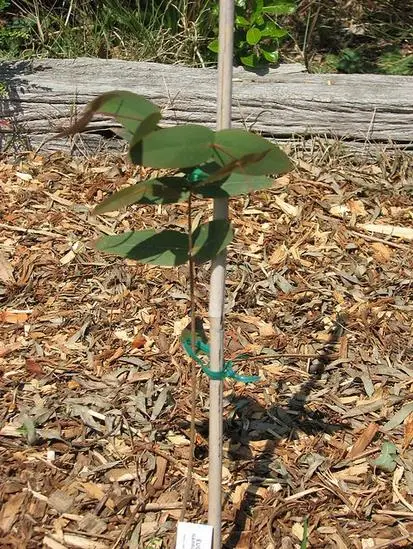
Cultivating Eucalyptus radiata subsp. radiata rewards you with a very hardy tree, not overly fussy of soil type, that can be grown on flat or sloping areas. Plant in a location where the aroma of the leaves becomes a pleasant sensory addition to any garden—full sun to partial shade promotes vigorous growth. Eucalyptus can be propagated by seeds which is the most common method. Once established, the tree is unfussy about watering and soil, though consistent moisture during the growing season accelerates oil yield in the leaves. Many members of this genus are remarkably adaptable, and if temperature fluctuations are more gradual as in a woodland setting, plants have the opportunity to become dormant, making them more cold resistant. In warmer zones (USDA 8–11), it thrives outdoors year-round. The satisfaction of harvesting fragrant leaves from a tree you nurtured from seed—knowing that every drop of oil represents your own skill and patience—is something no purchased bottle can replicate. Begin your journey into botanical wellness and aromatherapy mastery today. Grow the King of Eucalyptus.
Only logged in customers who have purchased this product may leave a review.


Reviews
There are no reviews yet.