Description
Imagine watching bees work feverishly across your own forest—and bottling caramel-colored, wildflower honey that commands premium prices at farmers markets and local stores.
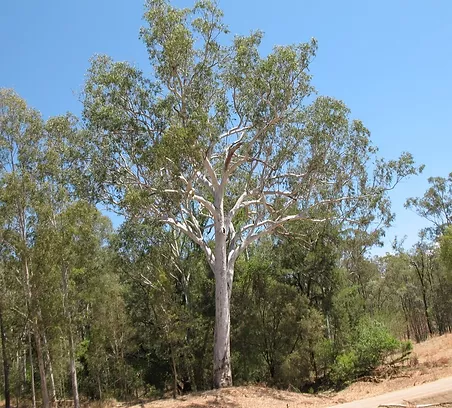
Eucalyptus tereticornis, the Forest Red Gum, is native to eastern Australia and southern New Guinea, where it has long been treasured as a major nectar and pollen source. Unlike fleeting bloomers, this species flowers prolifically and reliably, season after season, making it the gold standard for serious beekeepers, small producers, and anyone who dreams of sustainable honey production. It’s also used in traditional medicine, timber forestry, and ornamental landscaping—a true workhorse tree that pays for itself in multiple ways.
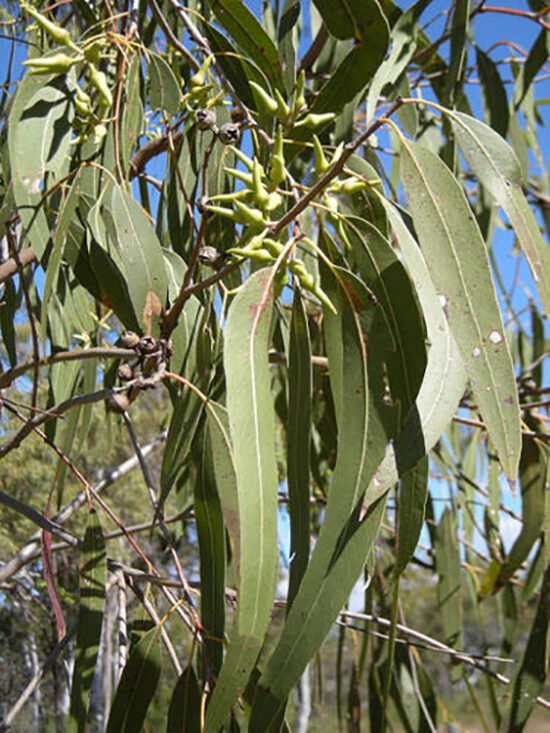
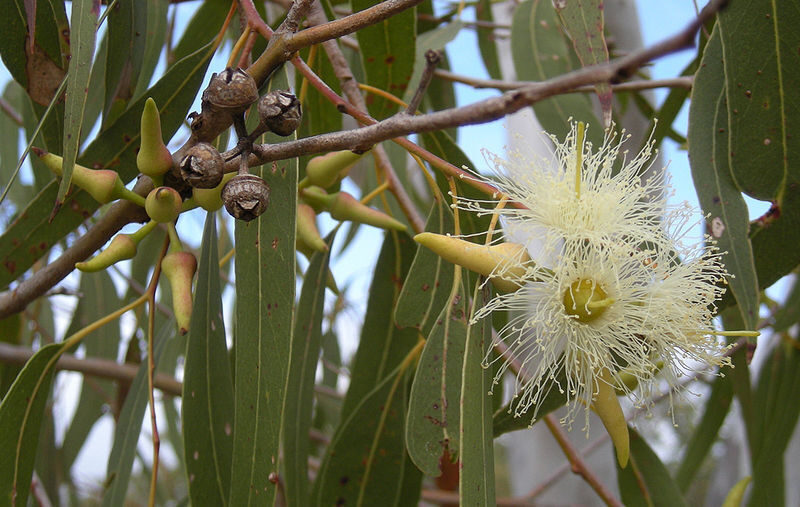
But here’s what makes it irresistible to beekeepers: the nectar is *abundant*, the pollen is *reliable*, and the honey is *extraordinary*. Forest Red Gum produces a signature caramel-flavored honey with distinctive depth and complexity—the kind that connoisseurs seek out. The tree is officially recognized as a major source of pollen and nectar, flowering in dense clusters of small white blooms that appear in groups of seven, nine, or eleven. From spring through summer, your garden becomes a living apiary, with bees returning again and again to feed. Beekeepers worldwide plant this species specifically for honey yields—it’s that trusted and that productive. Beyond honey, the essential oils in the foliage contain powerful antibacterial and antifungal compounds historically used in traditional medicine for respiratory ailments and fevers, adding true value if you’re interested in herbal or apicultural byproducts.
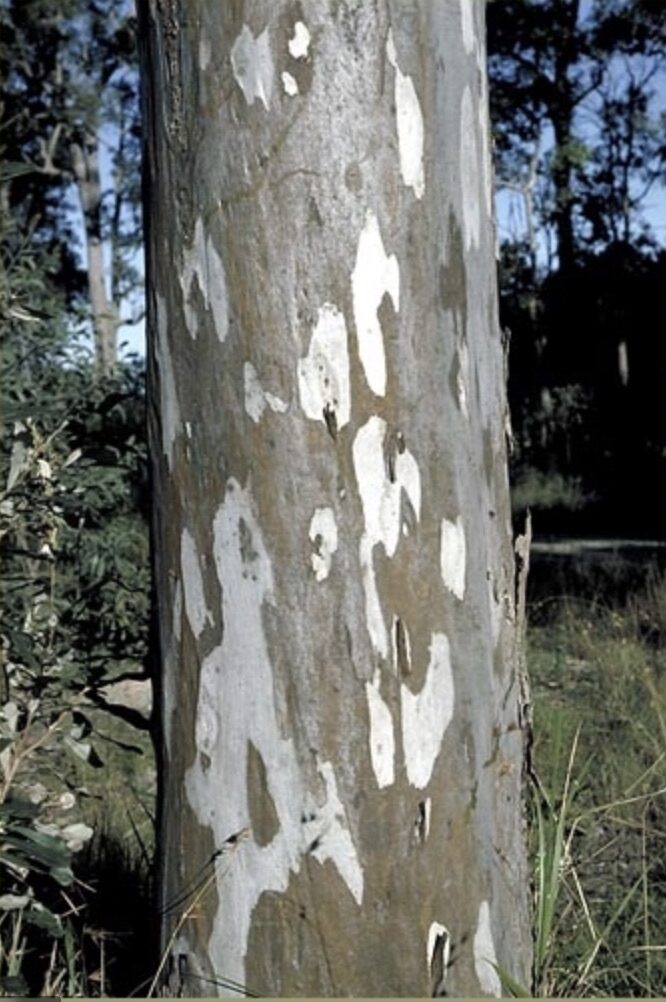
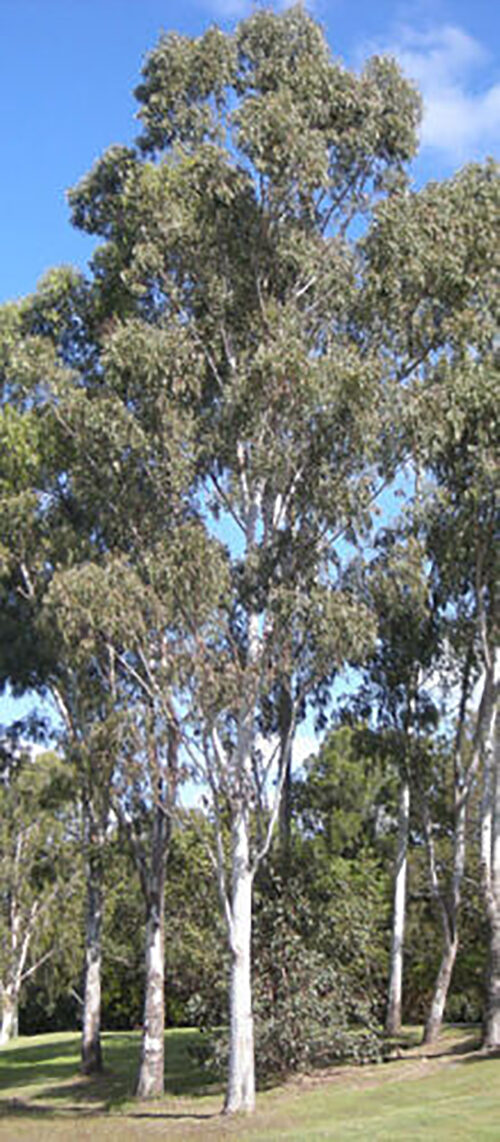
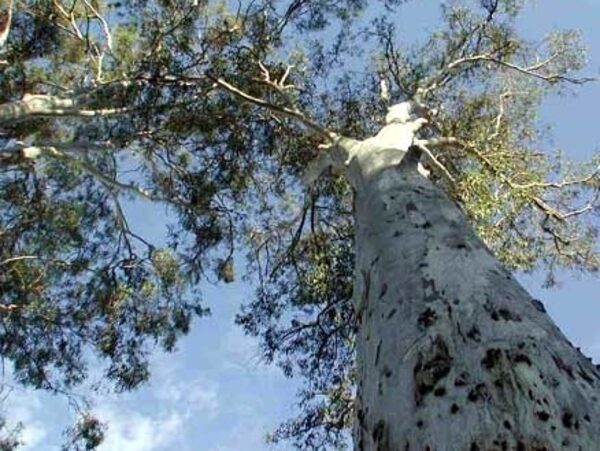
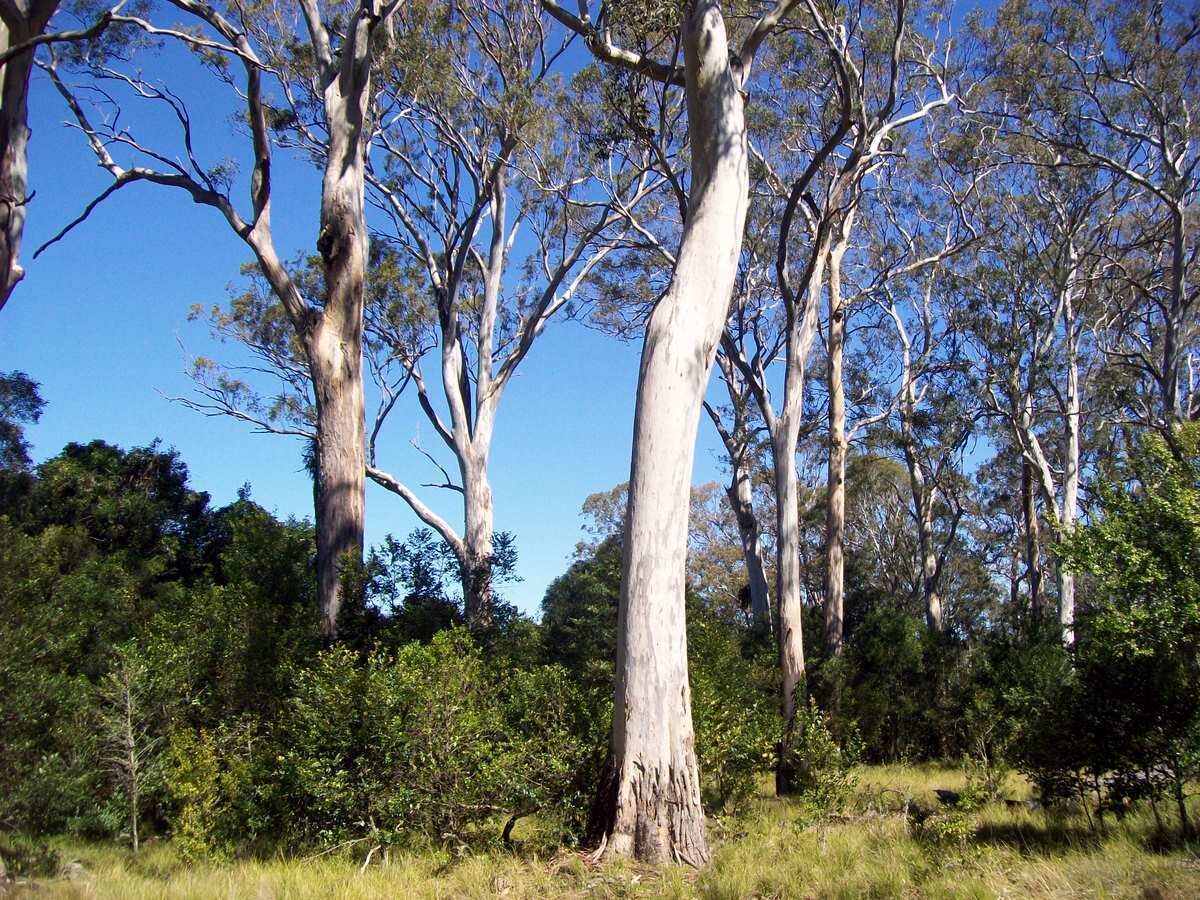
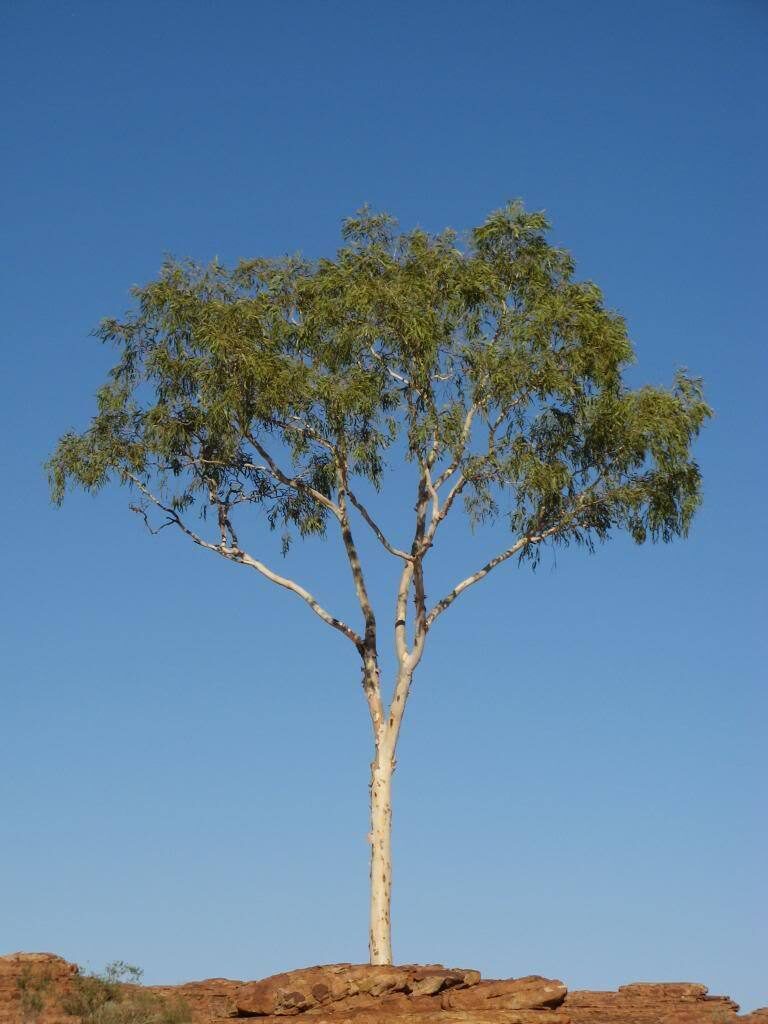
Cultivation is straightforward, even for first-timers. Forest Red Gum is a fast-growing evergreen that reaches 20–50 meters at full maturity, but it establishes quickly from seed (germination in just 2–3 weeks at warm temperatures) and can shoot up 1–2 meters annually. Plant in well-drained sandy or loamy soil, keep young trees regularly watered until established, then step back—mature trees develop remarkable drought tolerance and thrive on minimal intervention. It prefers full sun and neutral to slightly alkaline soils, tolerating a wide range of conditions once rooted. The bark is a visual bonus: smooth and mottled white, grey, and blue, peeling naturally in delicate curls that catch light beautifully. Lance-shaped, glossy green leaves add elegance, and the tree becomes a habitat magnet for birds and beneficial insects.
Grow Eucalyptus tereticornis from seed and you’re investing in a legacy—a tree that will feed your bees, perfume your landscape, and produce honey for decades. In 3–6 years, you’ll harvest your first golden yields. This is the tree serious beekeepers plant. This is the tree that transforms an empty plot into a thriving, fragrant honey factory. Start from seed today.
Germination Guide
🌍 Australia and Papua New Guinea, tropical to temperate regions
Easy
Eucalyptus tereticornis is a fast-growing evergreen tree native to Australia and Papua New Guinea with the widest latitudinal distribution of any Eucalyptus species, occurring from tropical to temperate regions at elevations from sea level to 1,800 meters
Germination
Germination time
Expect germination in
3 – 30 days
Temperature
Min 17°C
Ideal 22°C
Max 25°C
Substrate moisture
💧💧 High
Substrate & Container
Recommended substrate
seed-starting mix, sandy loam
Recommended container
128-cell flats or seedling containers, 3-inch deep seed trays
Growing Tips
Cover seeds lightly; provide high humidity during germination; surface sow in sunny position; keep compost moist; seedlings ready for planting at 25-30 cm height after 3-4 months; seeds have long viability; germination fastest at warmer temperatures (7-10 days at 24-27°C vs 14-21 days at 18-24°C)
Only logged in customers who have purchased this product may leave a review.

Reviews
There are no reviews yet.