

Grow Africa’s most beloved beekeeping tree from seed. Acacia sieberiana’s creamy-yellow flowers are legendary among apiaries—beekeepers plant hives directly in the canopy to harvest superior honey. Fast-growing, drought-tolerant, and strikingly ornamental with peeling papery bark and feathery green foliage. Easy germination: soak seeds overnight, sow, and watch this magnificent flat-topped giant rise. Bonus: edible gum and medicinal properties. Ideal for w
€1.92
Imagine a tree so beloved by bees that beekeepers hang hives in its crown—now you can grow this African icon from seed.
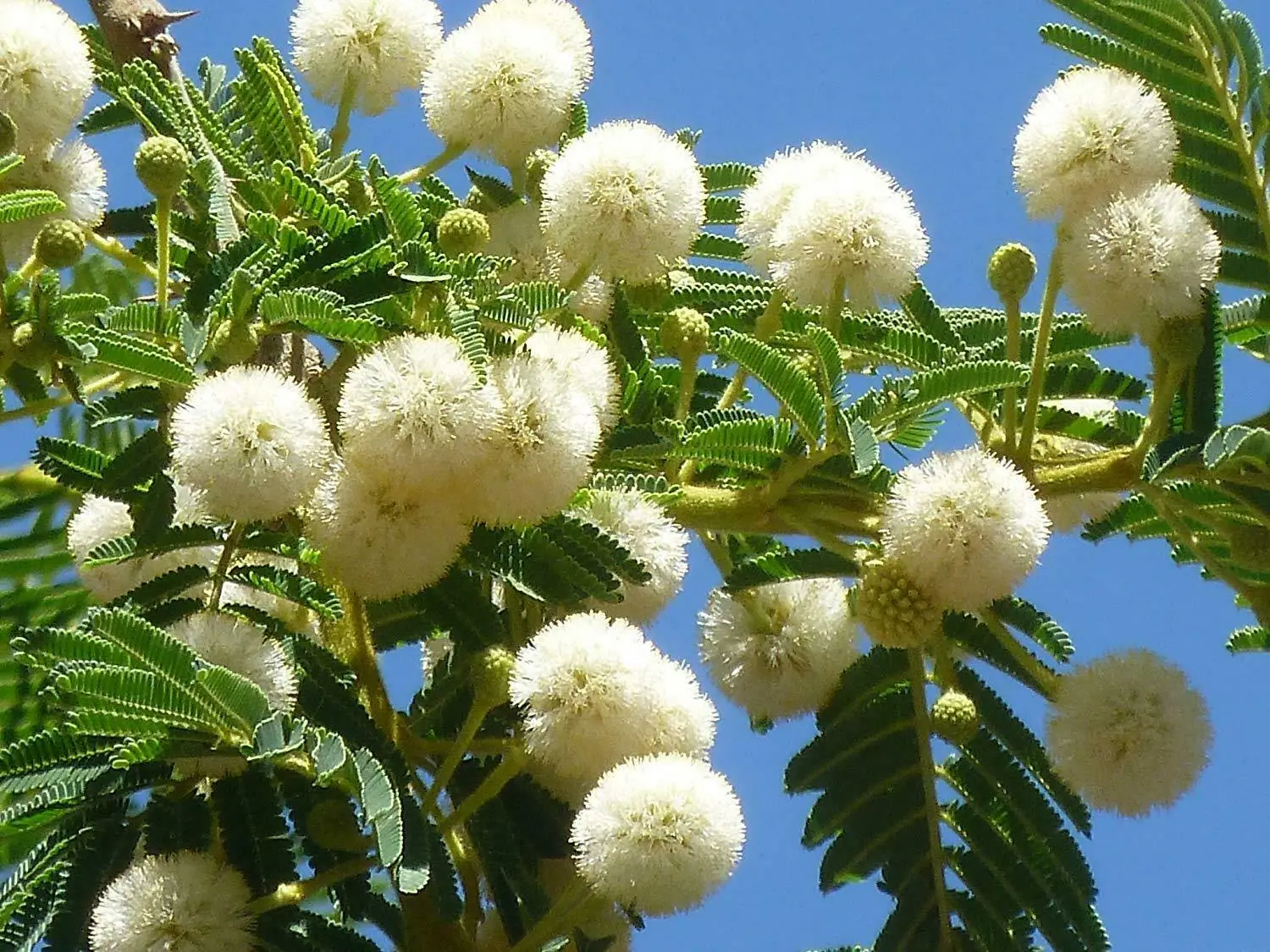
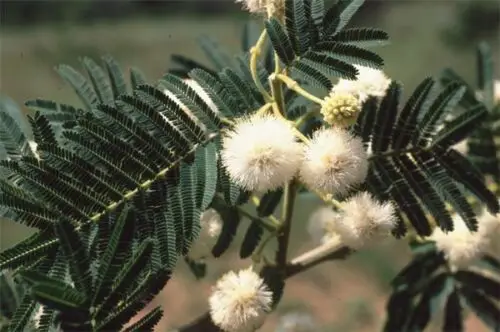
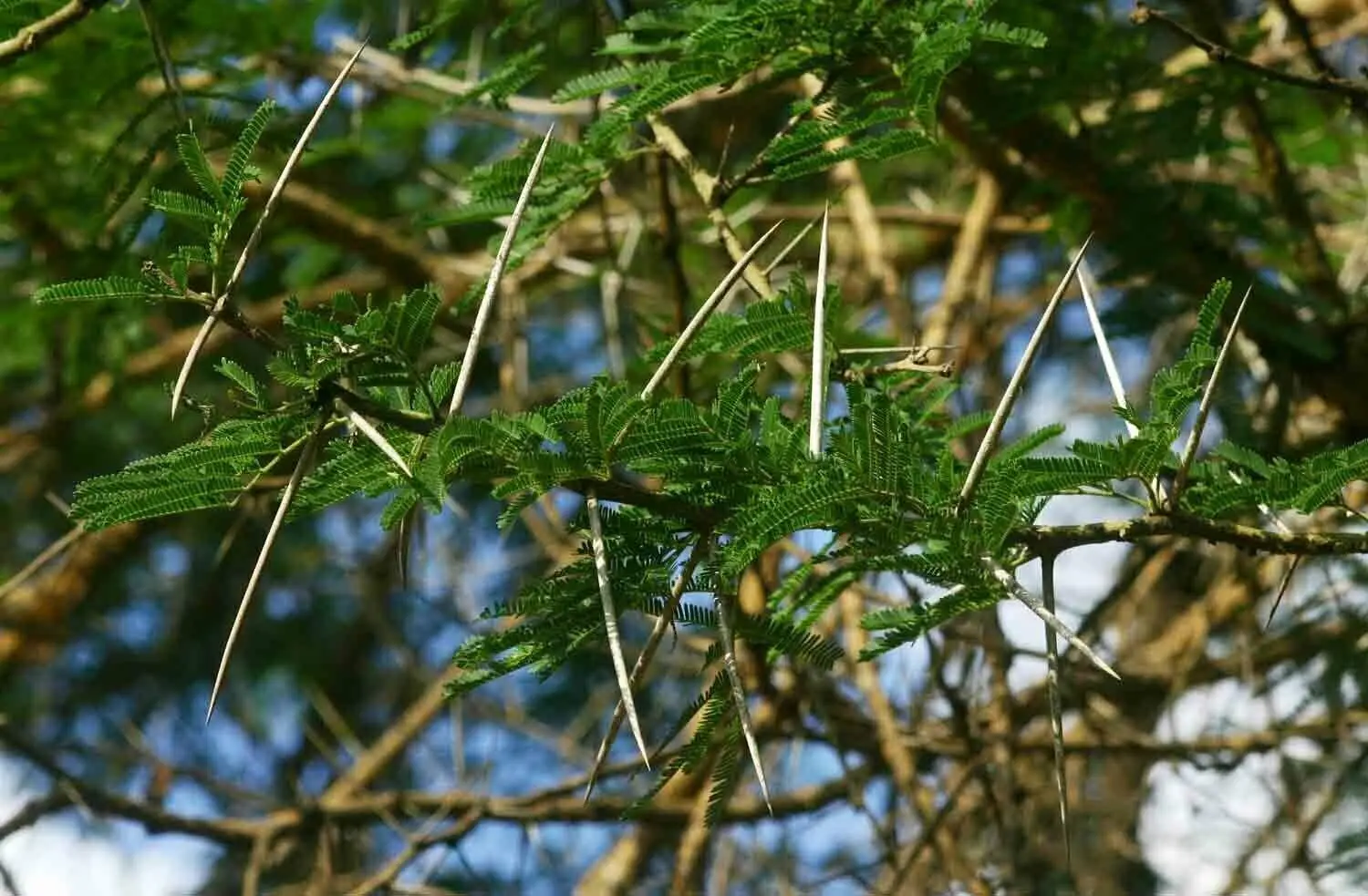
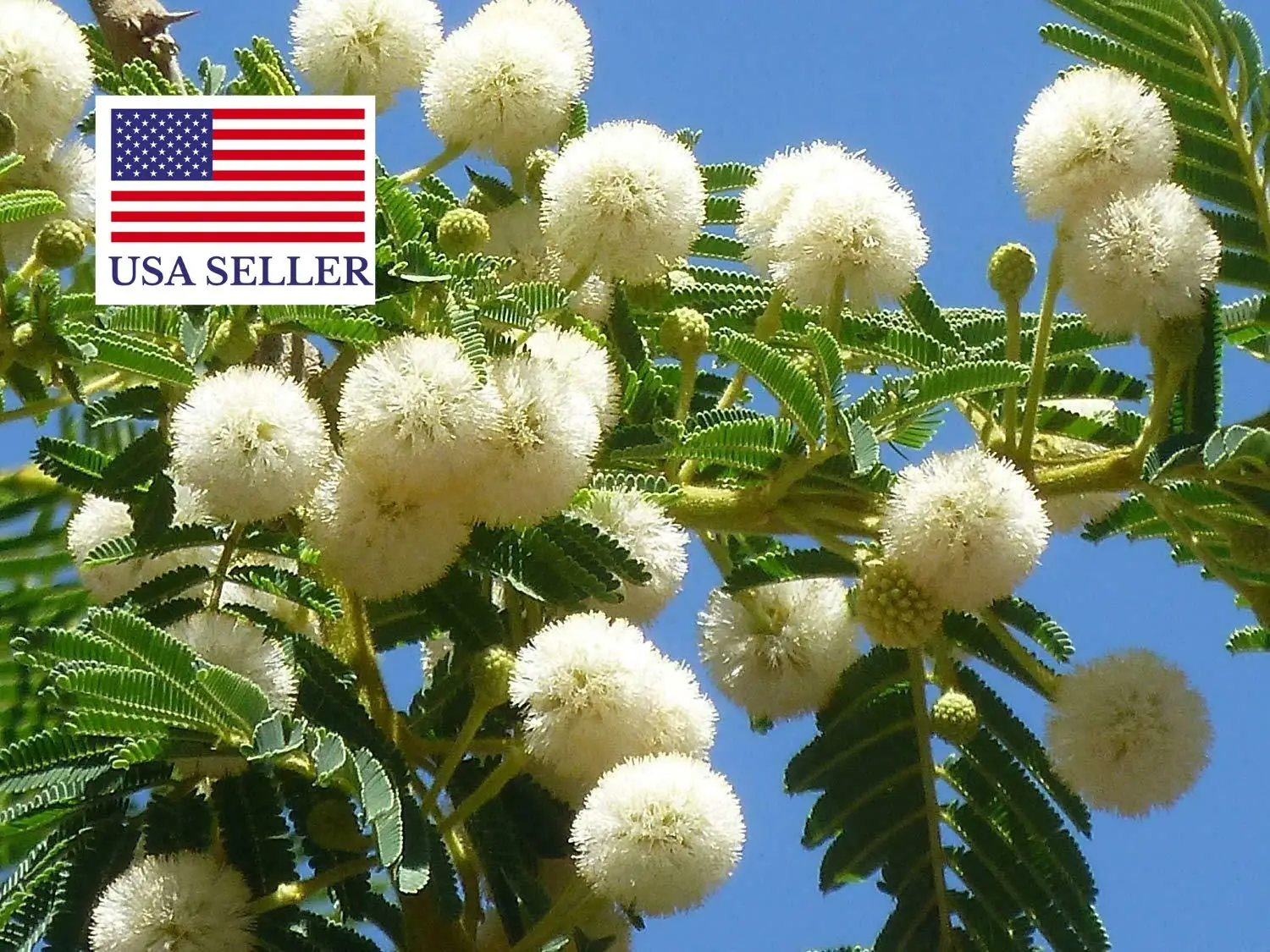
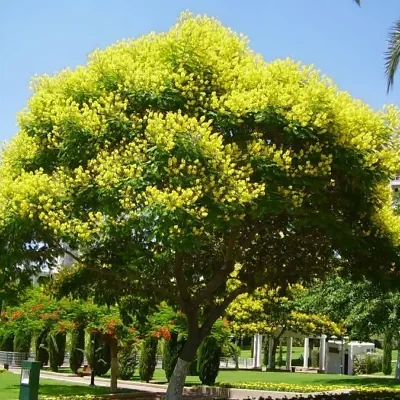
Acacia sieberiana, the legendary Paperback Thorn, hails from the savannas of sub-Saharan Africa, spanning from Ethiopia and Sudan to South Africa. It’s named for its most distinctive feature: bark that peels away in creamy-yellow, papery strips like watercolored parchment, revealing new bark beneath. A mature specimen reaches 20-25 meters tall with a spreading, flat-topped crown of feathery dark-green compound leaves. When it flowers—usually late spring through summer—the tree erupts in fragrant, cream-colored ball-like clusters that are absolutely irresistible to pollinators. The visual effect is pure African magic: an umbrella canopy dressed in emerald foliage with a profusion of pale golden blooms.
Why this tree matters to beekeepers: Acacia sieberiana is one of Africa’s most prized bee-forage trees. Its flowers are so rich and reliable that commercial beekeepers across the continent position entire apiaries beneath its branches, hanging hives to capture the superior honey directly from the source. The nectar flow is consistent, prolific, and produces honey of notable quality and volume. If you’re a beekeeper or interested in creating a bee sanctuary, this is the tree. For gardeners who simply want to support pollinators while creating a stunning focal point, it’s equally invaluable. The flowers also attract beetles, butterflies, and thrips, which brings waves of insectivorous birds into your garden—a living ecosystem right in your own space.
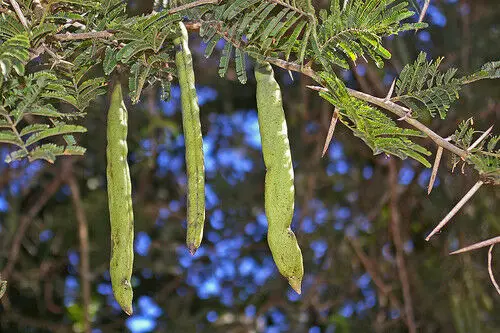
But there’s more. The tree produces edible gum that has been used for millennia in African food traditions and was historically employed as an adhesive and ink ingredient. The bark contains medicinal compounds, and traditional African herbalists use decoctions of the roots and bark to treat stomach complaints, inflammation, and respiratory issues. Wildlife—from cattle to game animals—browse the leaves and pods for essential nutrition, especially during dry seasons when the fallen pods become lifesaving forage. As a legume, Acacia sieberiana also partners with Rhizobium bacteria in its roots to fix atmospheric nitrogen, enriching the soil for surrounding plants. This is a tree that gives at every level.
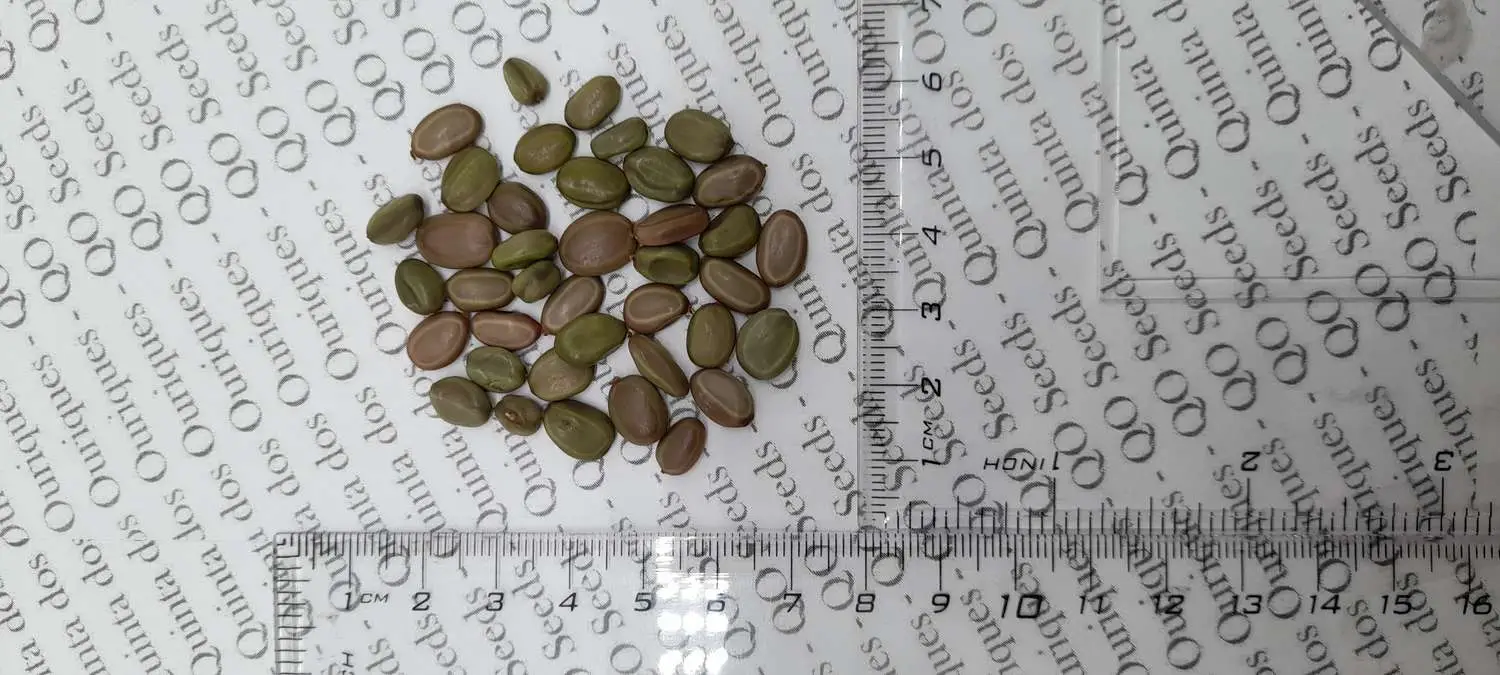
Growing Acacia sieberiana is remarkably straightforward. Soak the hard seeds in boiling water and let them soak overnight to soften the seed coat, then sow into well-draining soil (sandy or loamy mixes are ideal; avoid waterlogging). Germination typically occurs within 10-25 days in warm conditions. The tree is extremely fast-growing and drought-tolerant once established, thriving in tropical and warm-temperate climates with full sun. It prefers loamy soil but adapts well to sandy substrates. While young plants benefit from protection against harsh frost or cold winds, mature trees are tougher than they look. The tree does well in large pots or in the ground; if growing containerized, plan for eventual transplanting to accommodate its vigorous growth and broad crown spread (up to 12 meters wide at maturity).
This is not merely a tree—it’s an investment in beauty, ecology, and legacy. Grow Acacia sieberiana from seed and you’re planting an icon of the African savanna, a living monument that will provide shade, fragrance, honey, medicine, and joy for decades. From the moment its first feathery leaves unfold to the day its creamy flowers perfume your garden and draw thousands of bees, every season will remind you why this tree has been treasured since ancient times.
Only logged in customers who have purchased this product may leave a review.

Reviews
There are no reviews yet.