FREE SHIPPING OVER €30 FREE SHIPPING OVER €30

Cucumis anguria — West Indian Gherkin | Pickle Perfection from African Heirloom

Crisp. Tangy. Iconic. These petite spiky fruits were born to pickle—they absorb vinegar like no other cucumber, creating unforgettable homemade gherkins. With showy yellow flowers, soft-spined green fruits, and vigorous climbing stems, this African heirloom delivers both kitchen gold and ornamental charm. Surprisingly easy to grow in warm sun. Sow from seed and harvest prolific crops within weeks.

1.92

SKU: P-2098 Category: Tags: , , ,

You May Also Like

Description

A spiky little wonder that transforms your vinegar into liquid treasure—Cucumis anguria is the West Indian Gherkin, the cucumber that pickle devotees dream about.

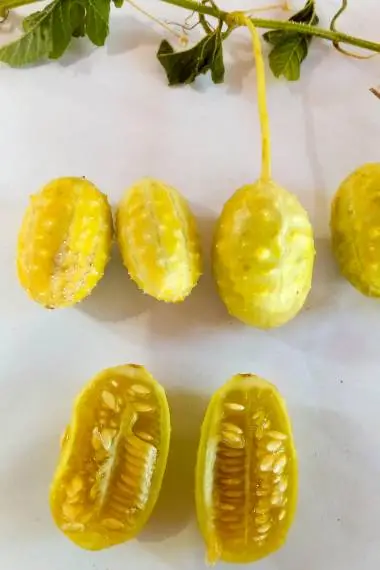
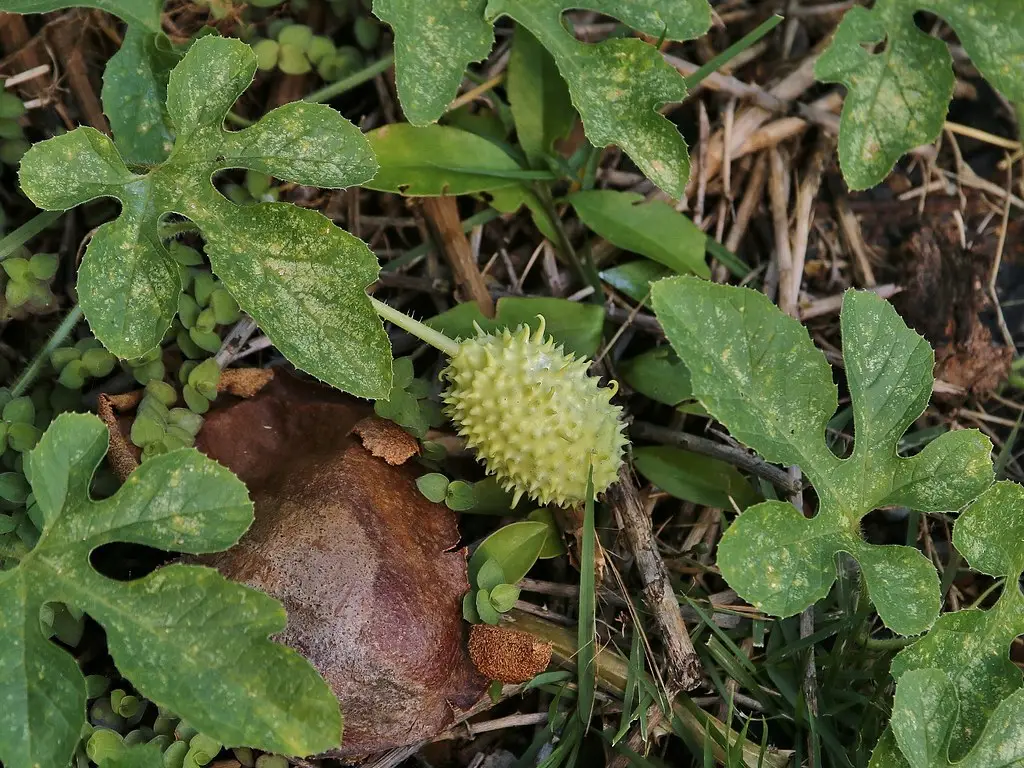
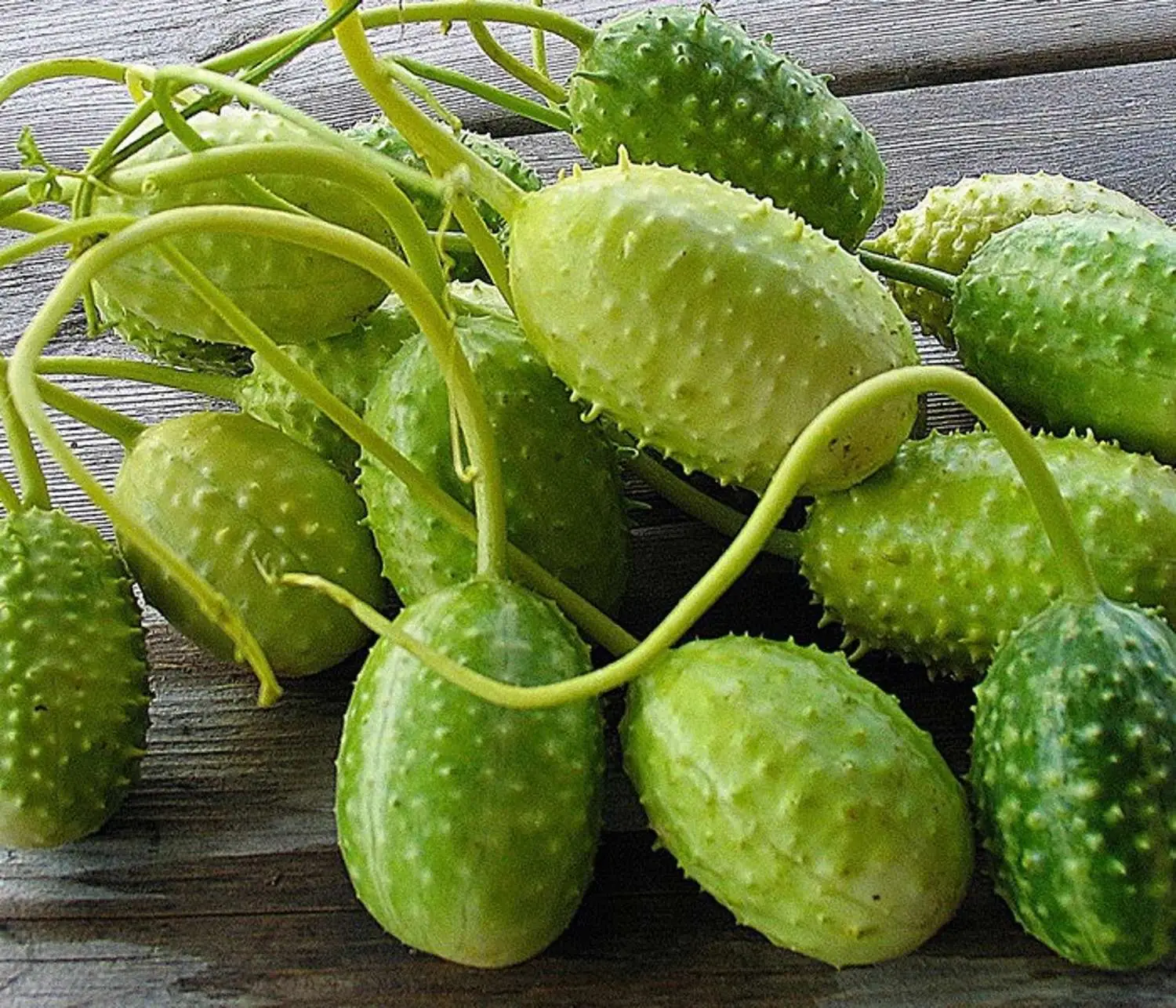
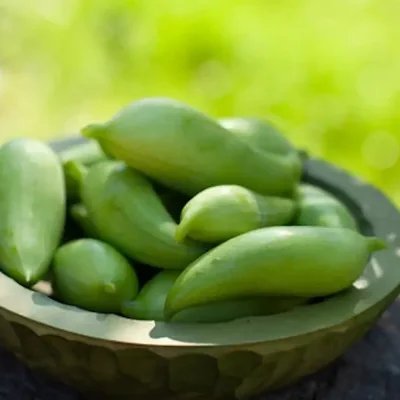
Native to tropical Africa and brought to the Caribbean centuries ago, this vigorous annual vine scrambles up to 3 meters with charming tendril-bearing stems. The plant bursts with small, butter-yellow flowers (five-petaled blooms with golden centers) that give way to its signature fruits: oval, 4–5 cm beauties covered in soft spines and wart-like bumps, their skin a striking pale-to-dark green with natural mottling. These aren’t just food—they’re living ornaments, ripening from green to red to brown. The entire plant radiates authentic heirloom character.

But here’s where Cucumis anguria truly shines: pickling. This fruit was one of the earliest varieties ever used for preservation and remains the gold standard. The flesh is crisp and mild, with a delicate, bitterless cucumber flavor that pairs perfectly with any pickling spice. Unlike ordinary cucumbers, these gherkins *absorb vinegar greedily*, becoming complex, tangy delights that preserve beautifully. Use them fresh in salads, cook them in stews and curries (they’re beloved in Brazilian cozido), or do what generations have done—pickle them into household staples. The edible young leaves can be cooked like greens. Every part of this plant earns its place in your kitchen.

Growing Cucumis anguria is refreshingly straightforward. It’s a warm-season lover that thrives in full sun (6–8 hours minimum daily) and well-drained, fertile soil with a pH around 6.0–7.0. Keep the soil consistently moist but never waterlogged; avoid wetting the leaves to prevent fungal issues. The plant prefers temperatures between 24–35°C (75–95°F) and will reward you with rapid growth and abundant flowering. It climbs eagerly with support or sprawls generously along the ground. Remarkably, this heirloom is resistant to many pests and fungal diseases that plague common cucumbers, making it ideal for organic gardeners. From seed to first gherkins takes just 70 days—a reward for patience.

Start your own legacy of pickling perfection. These seeds carry centuries of Caribbean kitchen tradition, the resilience of African agriculture, and the promise of crisp, tangy harvests that no store-bought gherkin can match. Sow them in spring, watch the spiky fruits multiply, and taste what real homemade pickle means.

Germination Guide

🌍 Africa (Tanzania to South Africa)
Easy

Cucumis anguria, also known as West Indian gherkin or maroon cucumber, is a vigorous annual vine native to tropical Africa. It produces small, spiny cucumber-like fruits and is commonly cultivated for pickling and eating fresh.

Germination
Germination time
Expect germination in

7 – 14 days

Temperature

Min 21°C
Ideal 24°C
Max 28°C

Light
🌑 Darkness required

Substrate moisture
💧 Medium

Sowing depth
1 cm

Germination rate
80 %


Seed Pre-treatment
  • 💧

    Soaking — 48 hours
    Chilling in refrigerator (approximately 4°C) for a day or two before sowing improves germination
  • 📋

    Additional notes
    Seed chilling treatment recommended for improved germination

Substrate & Container
Recommended substrate
rich, well-drained soil

Recommended container
individual pots


Growing Tips
Germination is inhibited by white, blue and far-red light but promoted by darkness and red light. Cold-sensitive seeds; sow after last frost. Seedlings resent root disturbance. Light shade during sowing helps improve germination. Seeds have a fibrous seedcoat. High viability (up to 98%) when fresh.

Reviews

There are no reviews yet.

Only logged in customers who have purchased this product may leave a review.

Related Products