Description
This isn’t just another melon. Cucumis melo ‘Agrestis’ is the living fossil of the melon world—the ancestor from which all our beloved cultivated melons evolved, refined across millennia by farmers across Africa and Asia.
Native to Africa and Western Asia, this slender annual climber has been cultivated for thousands of years. It represents a direct link to our agricultural past, offering a window into the domestication process that transformed wild crops into what we grow today. When you plant these seeds, you’re not planting a novelty—you’re stewarding botanical heritage.
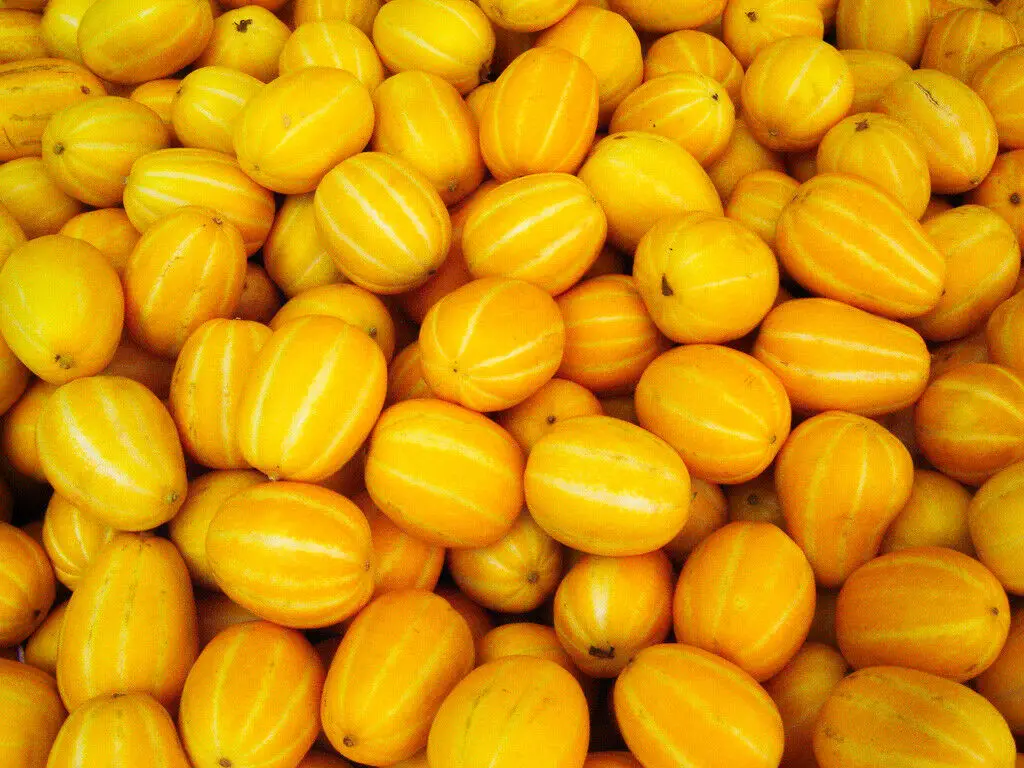
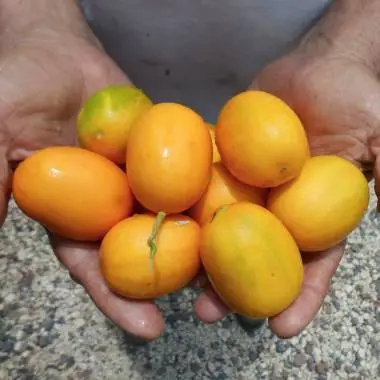
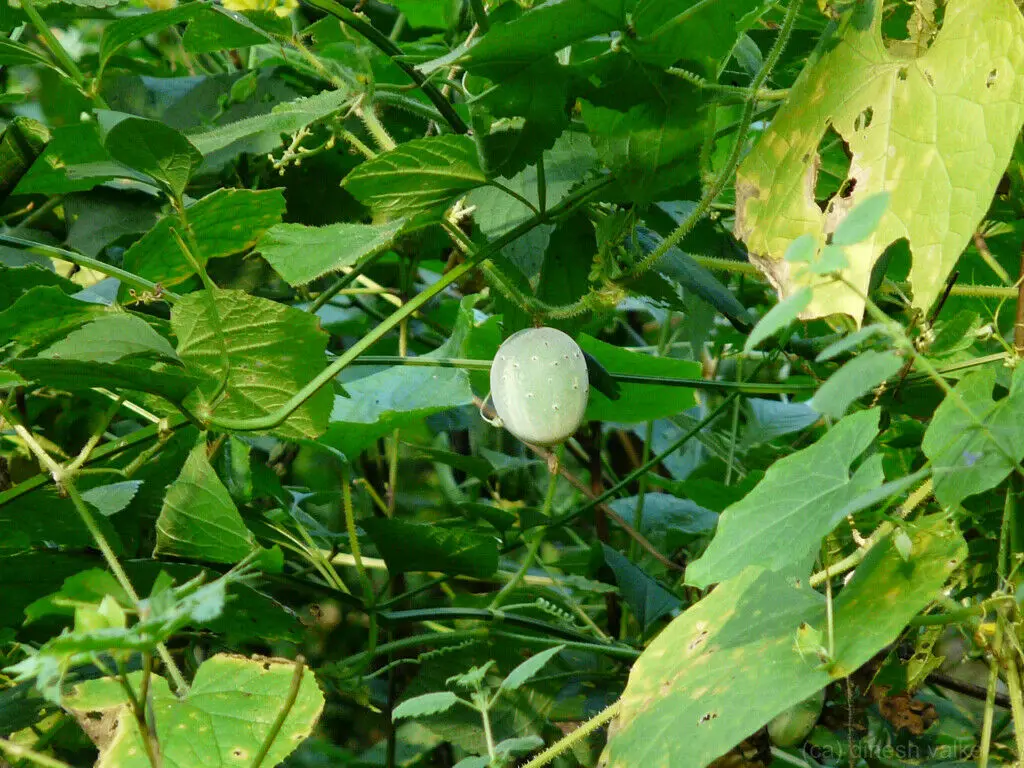
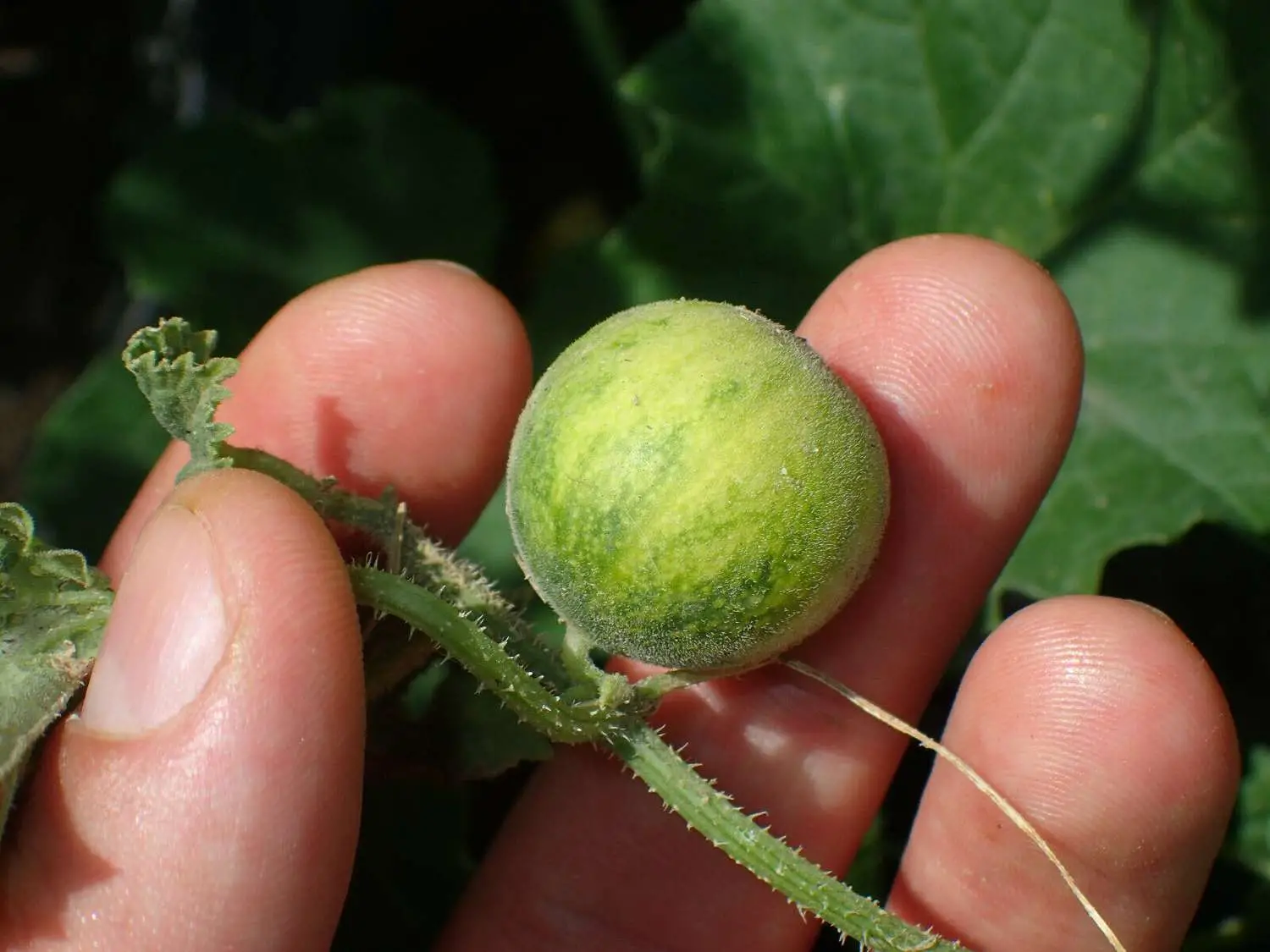
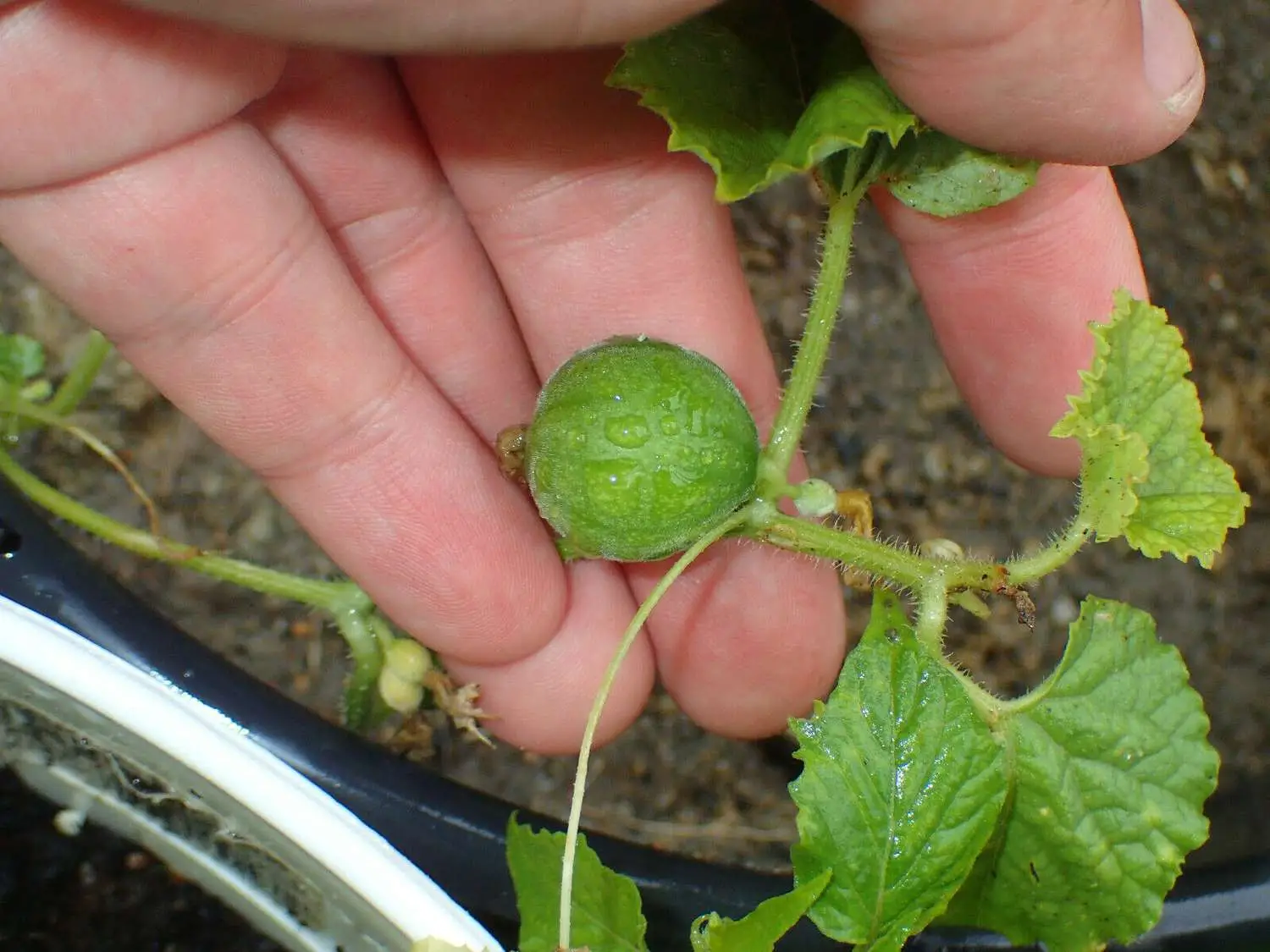
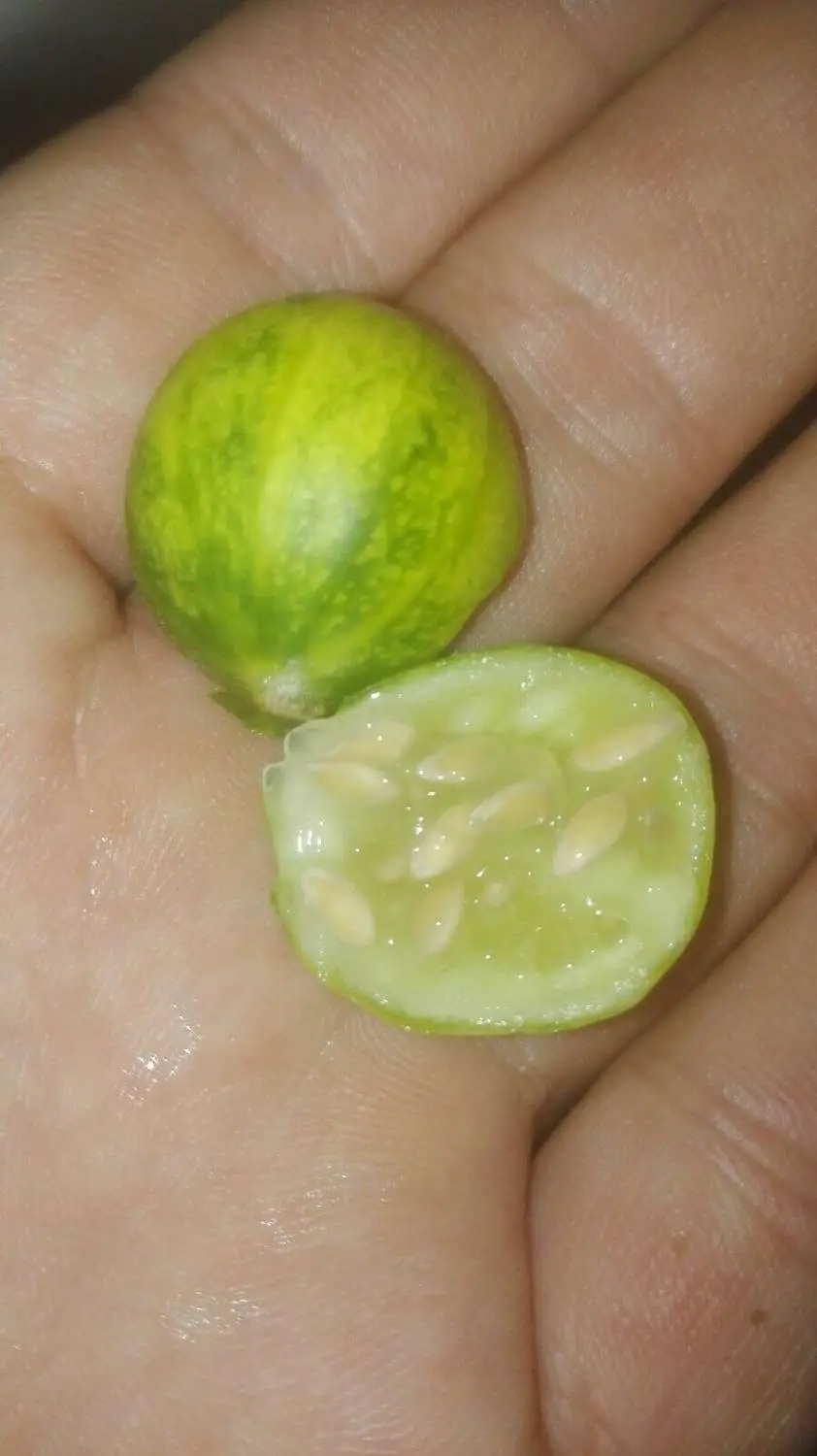
But here’s what makes it genuinely exciting: the fruit is extraordinarily versatile. The tiny, greenish-mottled melons—no bigger than a ping-pong ball—are a culinary chameleon. When unripe, slice them and cook them as a vegetable with the delicate, refreshing quality of cucumber. When fully ripe, eat them raw—they develop a subtle, slightly sweet flavor that’s nothing like their cultivated cousins. In Cyprus, they’re called arkopeponia and cherished for pickling. In India, the fruits are dried, powdered, and used as a natural meat tenderizer, releasing enzymes that break down protein with extraordinary efficiency. The seeds themselves contain between 12.5–39% edible oil with a nutty, rich flavor—historically pressed for culinary and medicinal use. Beyond the kitchen, this plant has been used for centuries in traditional medicine: the leaves and fruit possess documented anti-inflammatory, antioxidant, analgesic, and blood-sugar-regulating properties. Modern research validates what traditional healers have known for generations.
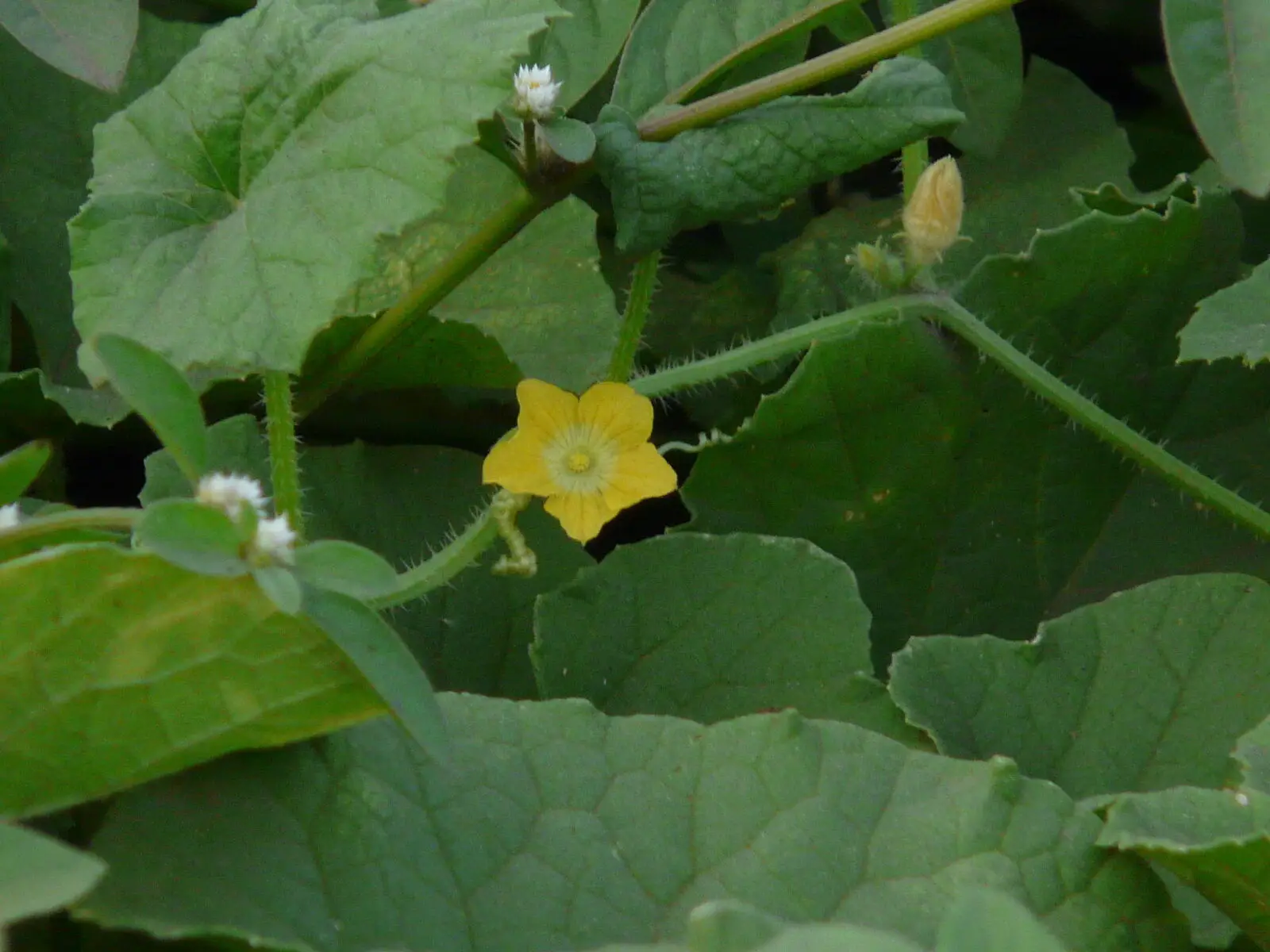
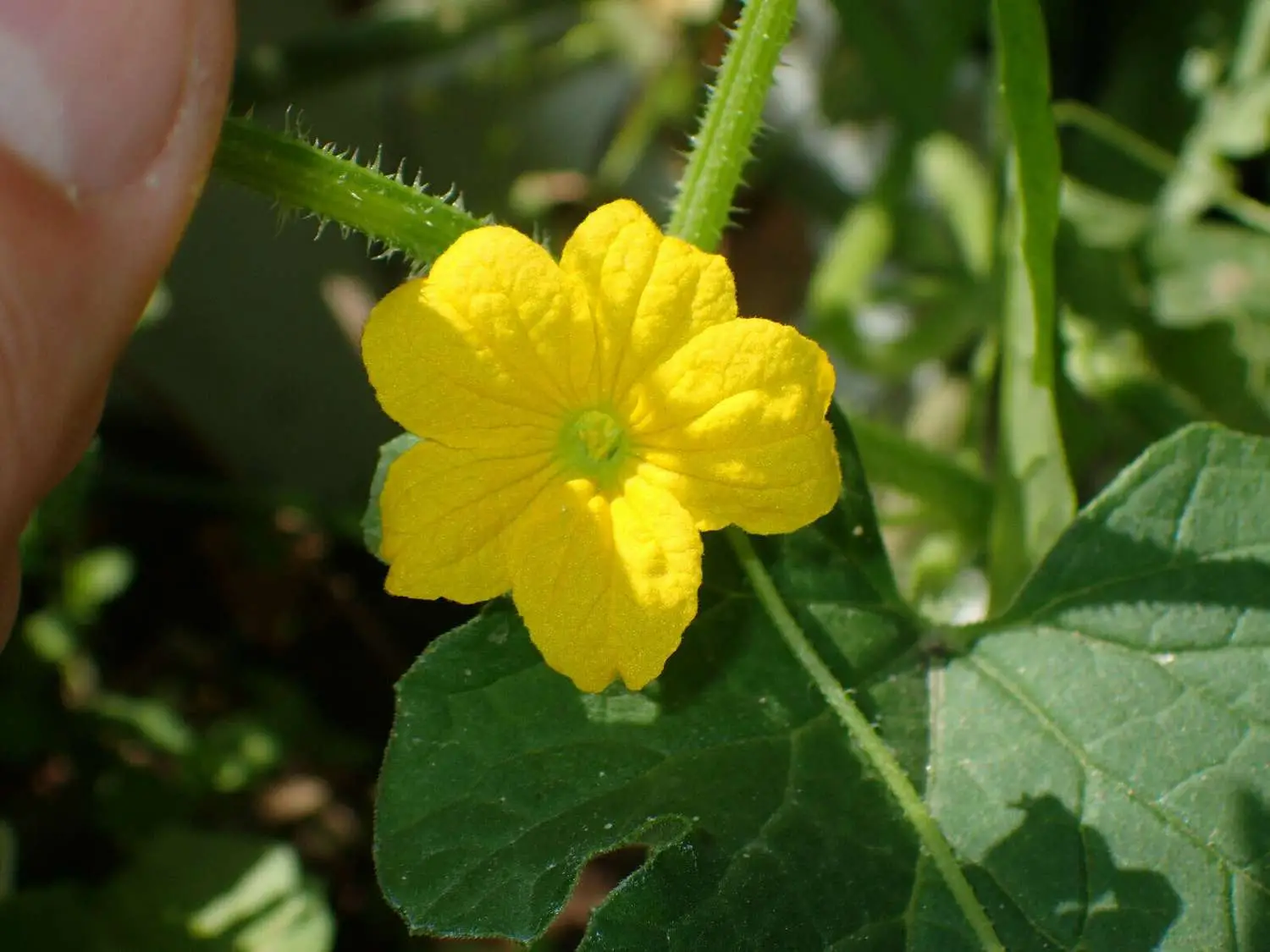
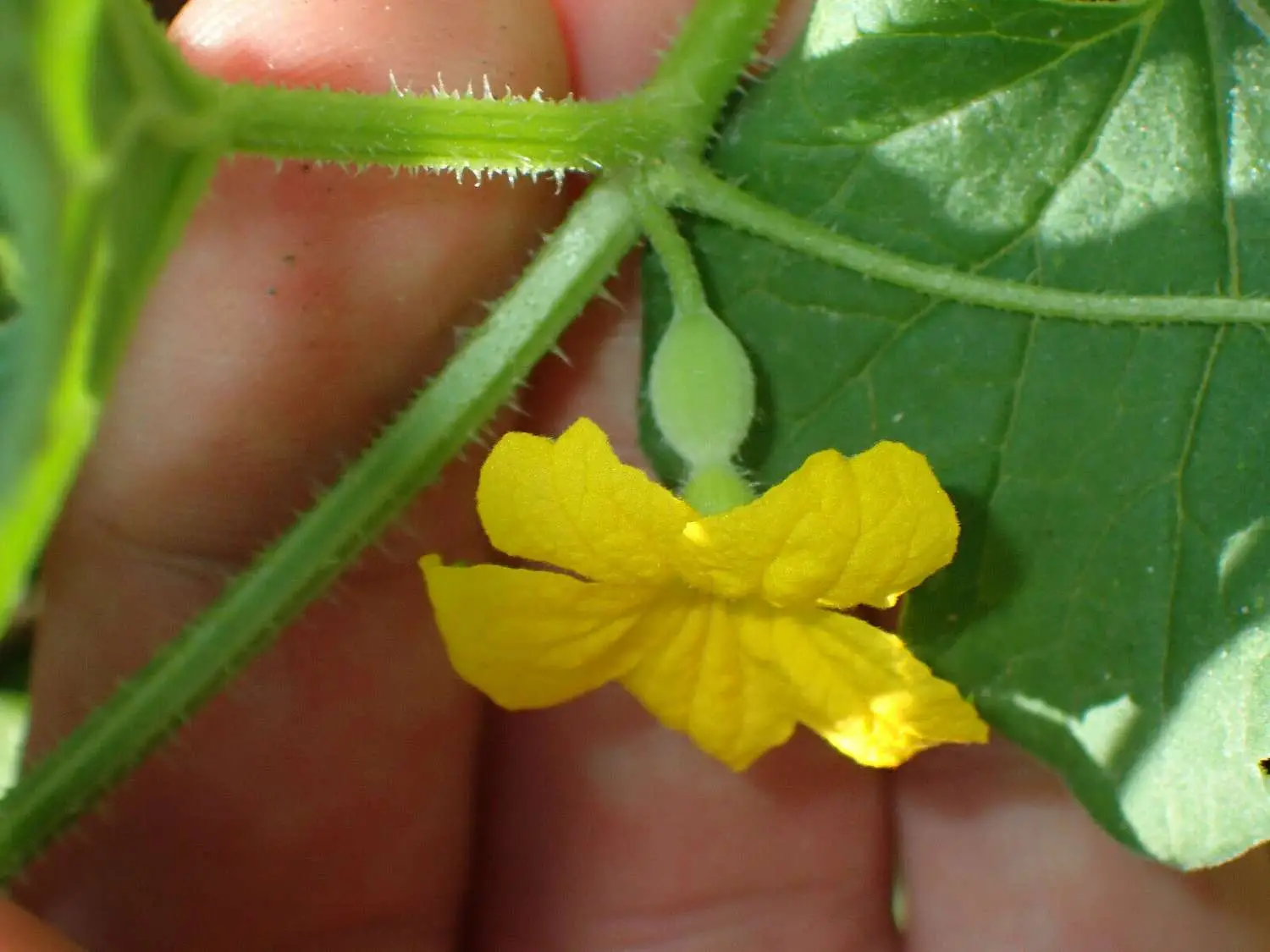
Growing it is refreshingly simple. This is a frost-tender annual climber reaching 1.5 meters, best grown on a trellis or allowed to sprawl. It’s genuinely drought-tolerant—it evolved in arid and semi-arid grasslands and open fields, so it thrives on less water than its pampered cultivated cousins. Sow seeds early to mid-spring in rich, well-draining soil; germination happens within 2 weeks. It adapts to sandy, loamy, or clay soils, though well-drained earth gives best results. Plant it in full sun (it cannot tolerate shade), and keep soil consistently moist during growth. It flowers from late spring through summer and produces fruit by late summer to early autumn. The plant is self-fertile and attracts bees, so you’ll have pollinators visiting your garden. Once established, it needs minimal fussing—no special feeding, no complicated pest management. Ideal for containers, raised beds, or trellised rows.
Grow this seed and you become part of an unbroken chain stretching back thousands of years. You’ll harvest fruits no supermarket sells, unlock a flavor profile that redefined what melon means, and possess a plant that gives back in the kitchen, the medicine cabinet, and the soil. These are seeds worth planting—not for novelty, but for substance.
Germination Guide
🌍 India and Central Asia
Moderate
Cucumis melo (melon) is a warm-season trailing vine in the Cucurbitaceae family, originating from India and Central Asia. The species germinates best at temperatures between 25-30°C, with an optimum of 27°C, and requires warm, fertile soil and good light exposure for successful seedling establishment.
Germination
Germination time
Expect germination in
3 – 10 days
Temperature
Min 25°C
Ideal 27°C
Max 30°C
Substrate moisture
💧 Medium
Substrate & Container
Recommended substrate
fertile, well-drained sandy loam or sandy clay, well-aerated, 80cm or more deep
Recommended container
peat pellets or individual pots 3-4 weeks before transplanting, or direct sowing in warm soil
Growing Tips
Ensure soil temperature is at least 25°C for reliable germination; temperatures below 20°C will significantly delay germination. Seeds typically germinate in 3-10 days under optimal conditions (70-85°F). Sow seeds 0.5 inches deep in moist, well-drained substrate with good sun exposure. Light is essential—do not cover seeds with soil. Avoid sowing during rainy seasons to prevent watery fruits with reduced sugar content. For field growing, allow 70-100 days from seed to harvest depending on variety. Use black plastic mulch to warm the soil and improve yield. Root systems can penetrate 1 meter or deeper in well-aerated soils.
Only logged in customers who have purchased this product may leave a review.


Reviews
There are no reviews yet.