Description
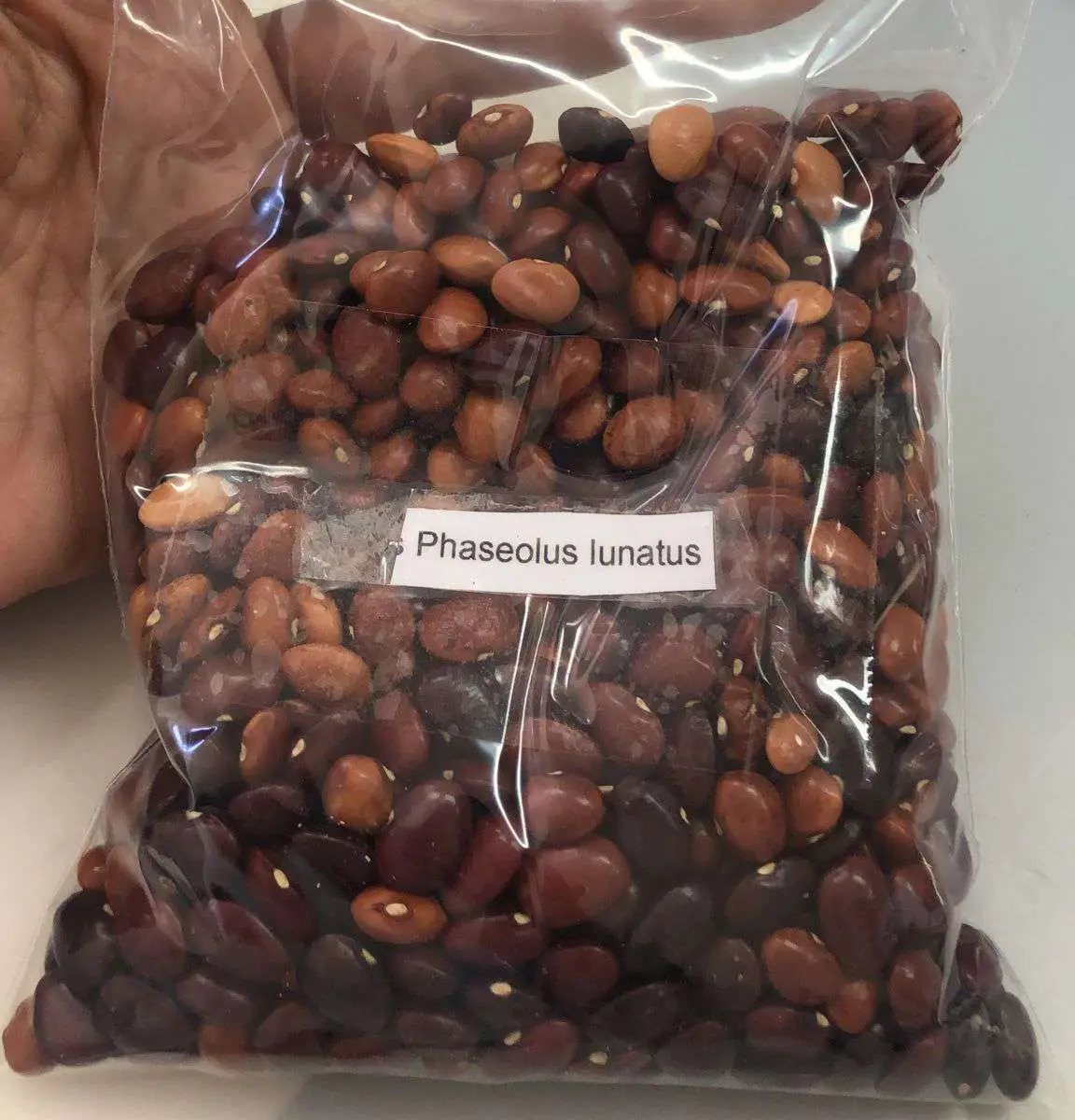
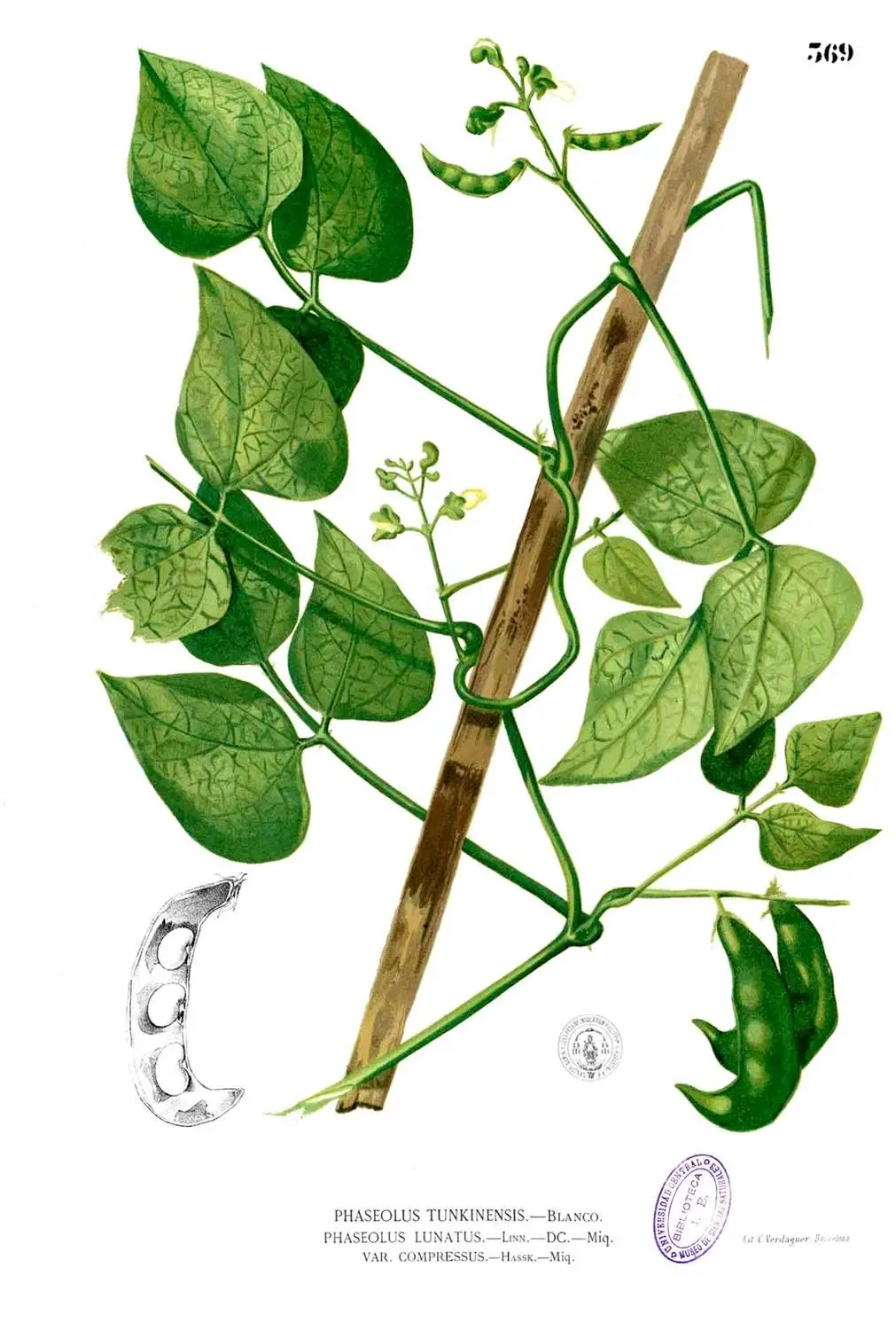
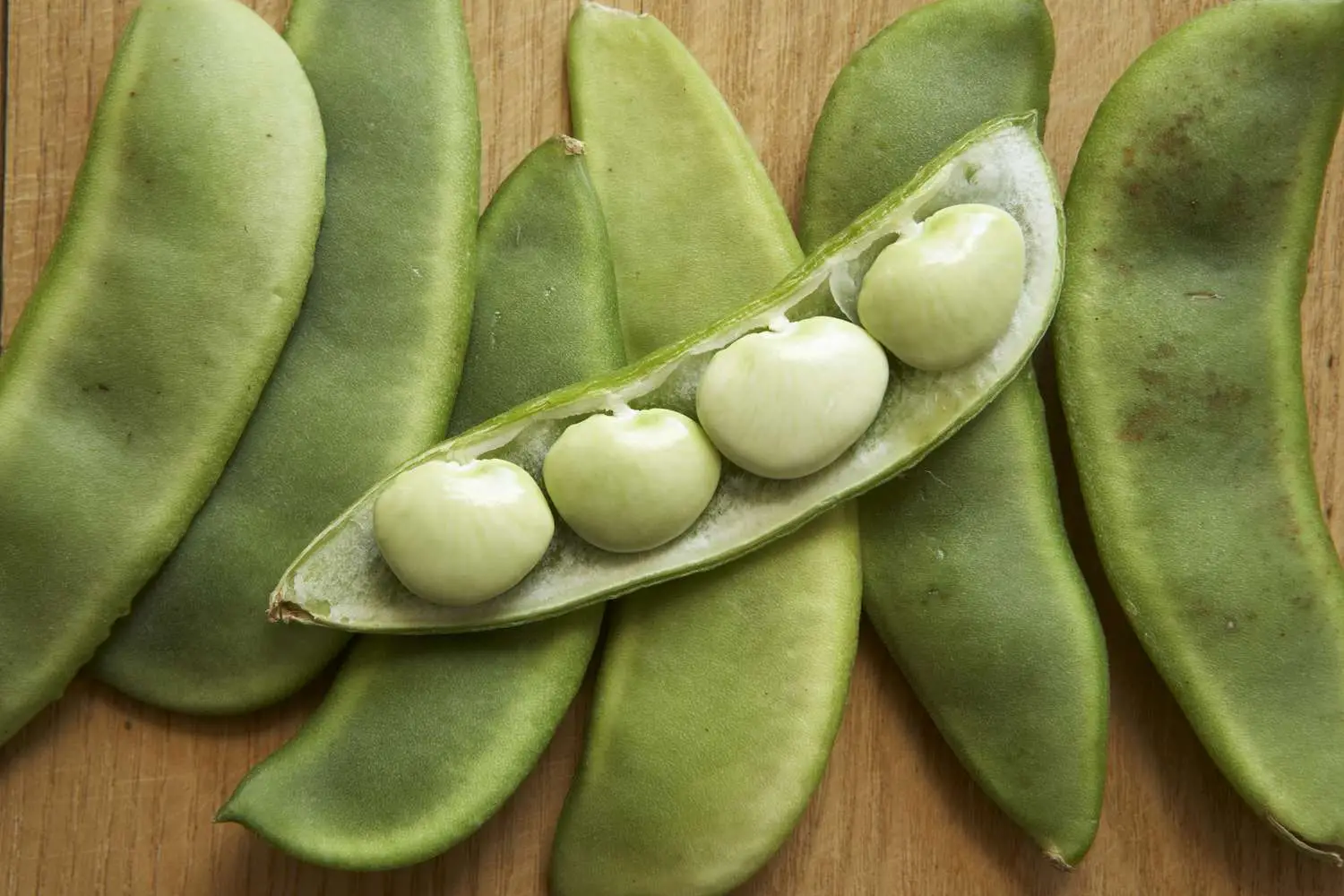
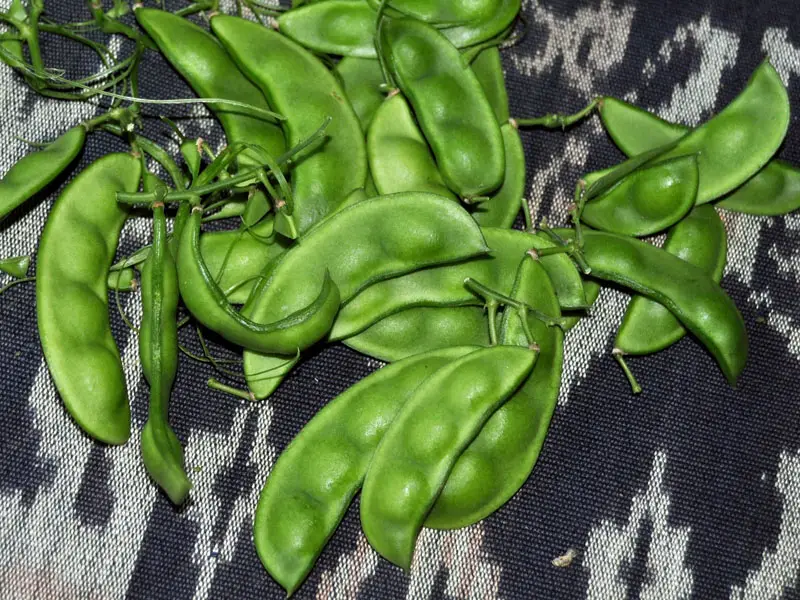
A lima bean, also commonly known as the butter bean, sieva bean, double bean, Madagascar bean, chad bean, or wax bean is a legume grown for its edible seeds or beans.
Phaseolus lunatus is found in Meso – and South America. Two gene pools of cultivated lima beans point to independent domestication events. The Mesoamerican lima bean is distributed in neotropical lowlands, while the other is found in the western Andes. They were discovered in Peru.
The Andes domestication took place around 2000 BC and produced a large-seeded variety (lima type), while the second, taking place in Mesoamerica around 800 AD, produced a small-seeded variety (Sieva type). By around 1300, cultivation had spread north of the Rio Grande, and, in the 1500s, the plant began to be cultivated in the Old World.
The small-seeded (Sieva) type is found distributed from Mexico to Argentina, generally below 1,600 m (5,200 ft) above sea level, while the large-seeded wild form (lima type) is found distributed in the north of Peru, from 320 to 2,030 m (1,050 to 6,660 ft) above sea level.
The Moche Culture (1–800 CE) cultivated lima beans heavily and often depicted them in their art. During the Spanish Viceroyalty of Peru, lima beans were exported to the rest of the Americas and Europe, and since the boxes of such goods had their place of origin labeled Lima, Peru, the beans got named as such. Despite the origin of the name, when referring to the bean, the word lima is generally pronounced differently from the Peruvian capital.
The term butter bean is widely used in North and South Carolina for a large, flat and yellow/white variety of lima bean (P. lunatus var. macrocarpus, or P. limensis). In the United States Sieva-type beans are traditionally called butter beans, also otherwise known as the Dixie or Henderson type. In that area, lima beans and butter beans are seen as two distinct types of beans, although they are the same species. In the United Kingdom and the United States, butter beans refers to either dried beans which can be purchased to rehydrate, or the canned variety which are ready to use. In culinary use there, lima beans and butter beans are distinct, the former being small and green, the latter large and yellow. In areas where both are considered to be lima beans, the green variety may be labelled as baby (and less commonly junior) limas.
Germination Guide
🌍 Mesoamerica and Andes, Central America and South America
Easy
Phaseolus lunatus, commonly known as lima bean, is a tropical and subtropical legume cultivated for its edible seeds. Native to neotropical regions with two major domestication centers in Central America and the Andes.
Germination
Germination time
Expect germination in
6 – 16 days
Temperature
Min 16°C
Ideal 25°C
Max 35°C
Substrate moisture
💧 Medium
Seed Pre-treatment
-
💧
Soaking — 12 hours
Warm water soaking for 12 hours improves germination
-
🔨
Hot water scarification
Pre-soak seeds in warm water for 12 hours before sowing
-
📋
Additional notes
Water soaking in warm water for 12 hours recommended to improve germination
Substrate & Container
Recommended substrate
well-drained sandy loam
Recommended container
Direct sowing in soil
Growing Tips
Seeds should not be exposed to temperatures below 16°C during germination. Optimal germination occurs at 25°C with soil temperatures between 60-85°F (15-29°C). Seeds germinate within 10 days under optimal conditions. Consistent moisture is essential - do not allow soil to dry out after initial sowing.
Only logged in customers who have purchased this product may leave a review.

Reviews
There are no reviews yet.