FREE SHIPPING OVER €30 FREE SHIPPING OVER €30

Cyclanthera pedata — Caigua Slipper Gourd | The Vegetable Built for Stuffing

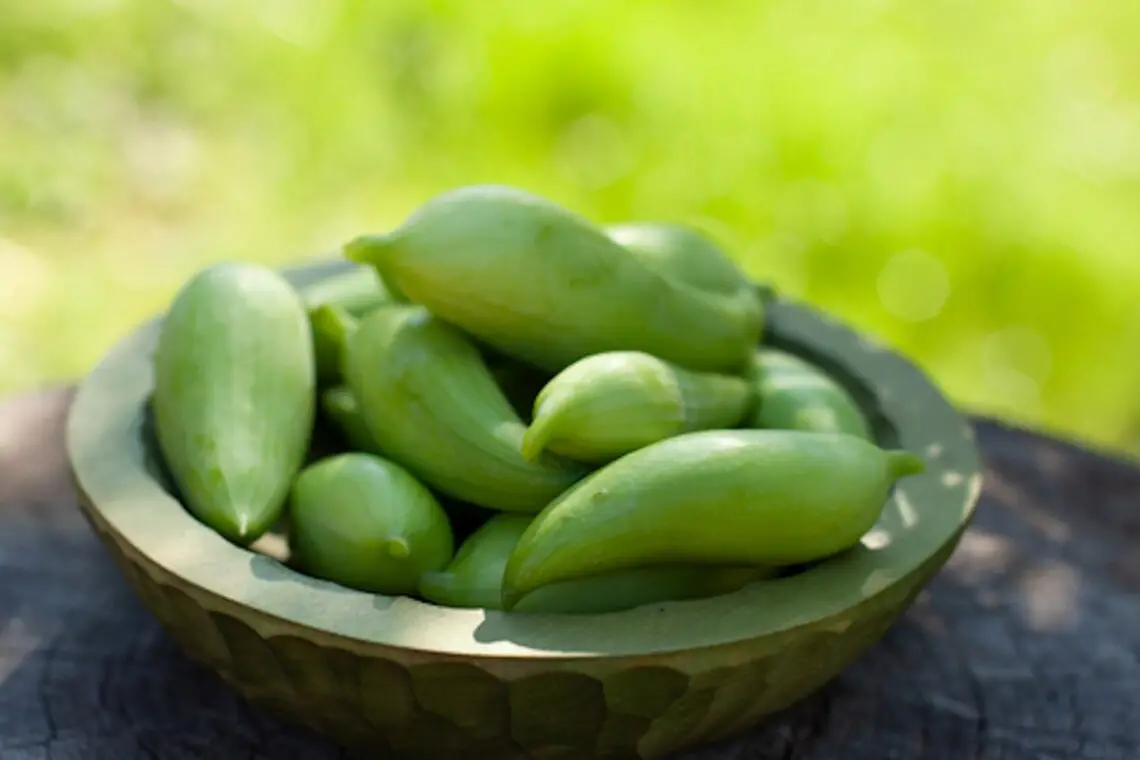
Discover the hollow-hearted wonder of the Andes: light green, slipper-shaped fruits perfect for stuffing with meat, cheese, or vegetables and baking whole. A living heirloom from Incan gardens, caigua thrives on a vigorous climbing vine with minimal fuss. Mild flavor, endless culinary possibilities, plus centuries of traditional use for heart and cholesterol health. Grow it from seed—this botanical treasure rewards both kitchen and health.

2.57

SKU: P-2131 Category: Tags: , , , , ,

You May Also Like

Description

Imagine harvesting elegant, slipper-shaped fruits from a lush climbing vine and filling them with your finest seasonings, meats, and vegetables—then sliding them into the oven to emerge tender, aromatic, and restaurant-worthy. This is caigua, the Andean vegetable that transforms your kitchen into a living culinary tradition.

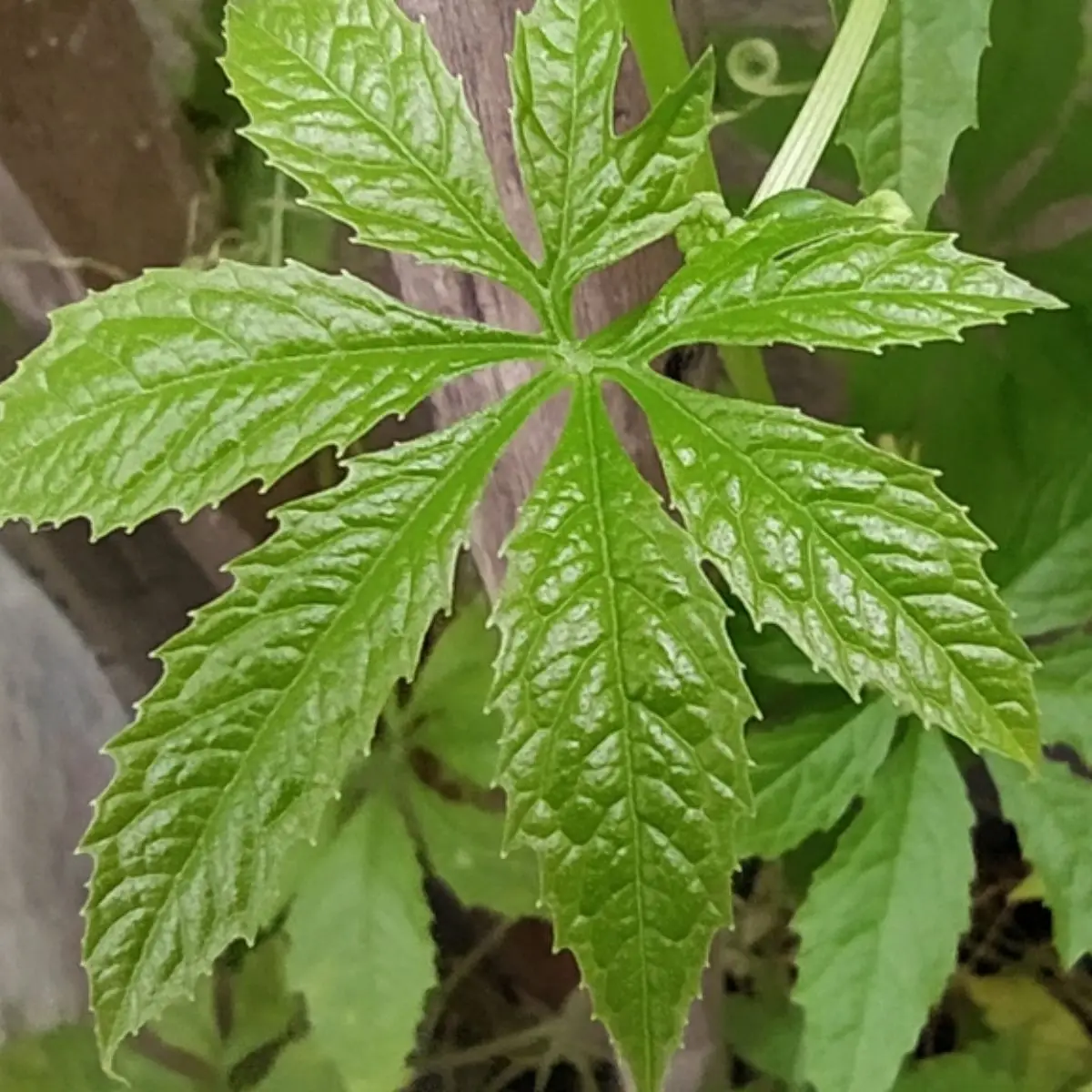
Cyclanthera pedata, known as caigua in Spanish and documented in the ceramics of Peru’s Moche civilization as early as 800 CE, is a herbaceous vine grown for centuries in the cloud-forest gardens of the Andes. It arrived on colonial tables and has remained beloved throughout Central and South America ever since. The Inca knew it both as food and medicine—a dual purpose that modern science is now confirming. This is not a novelty crop; it is a lost treasure being rediscovered by gardeners and chefs who understand that the best vegetables carry history.

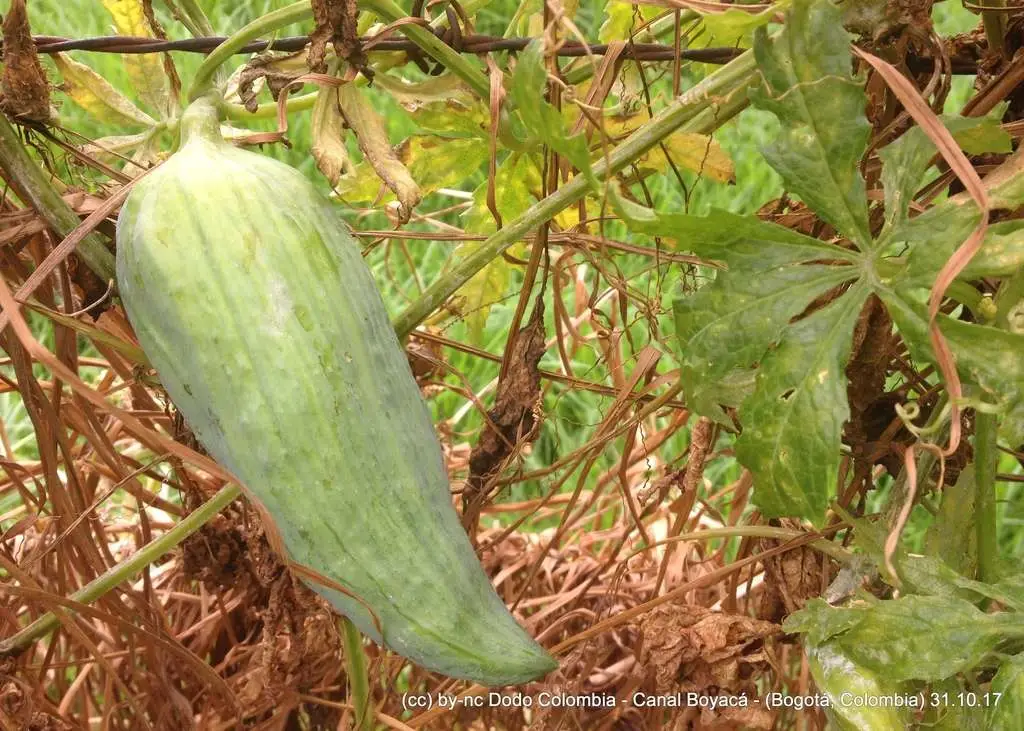
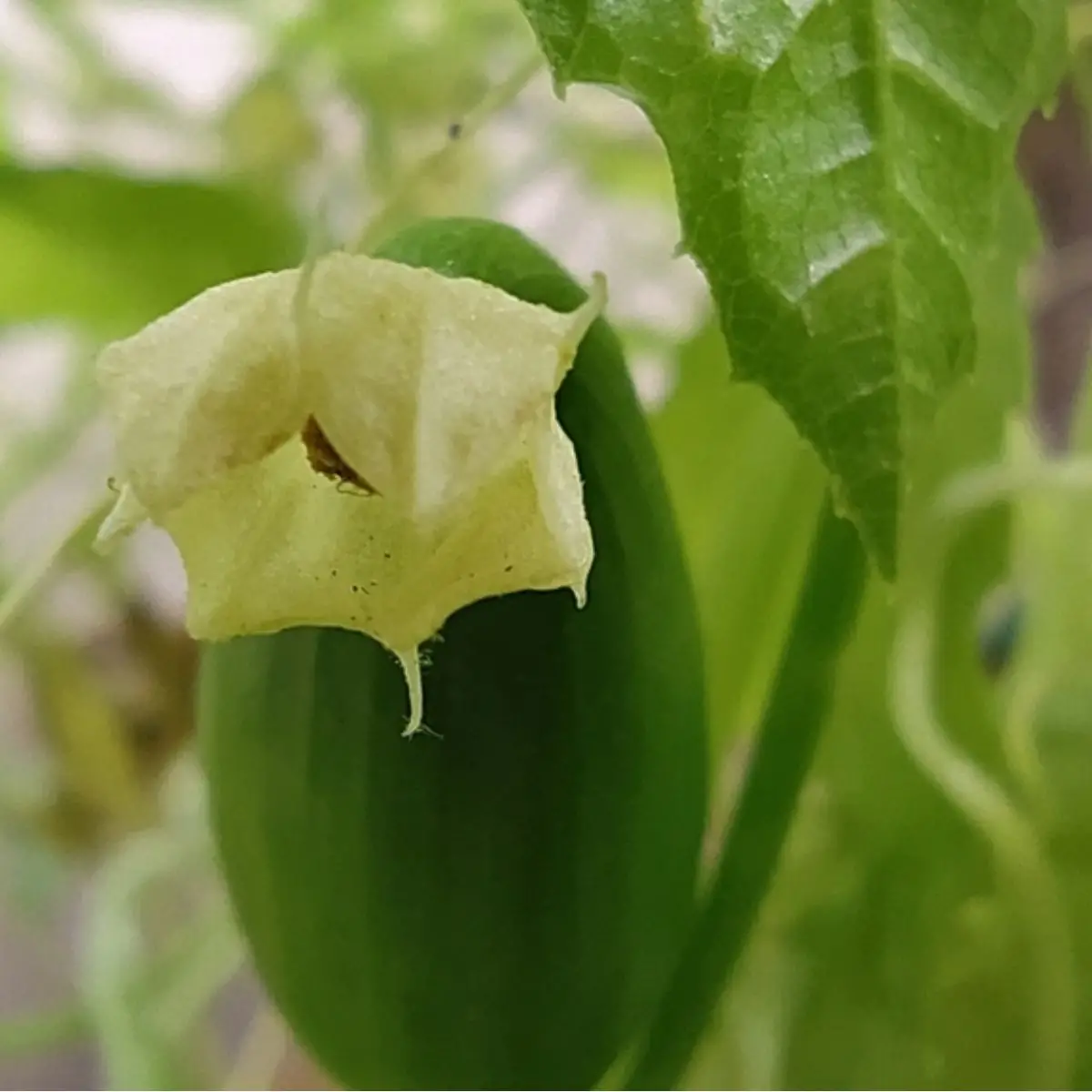
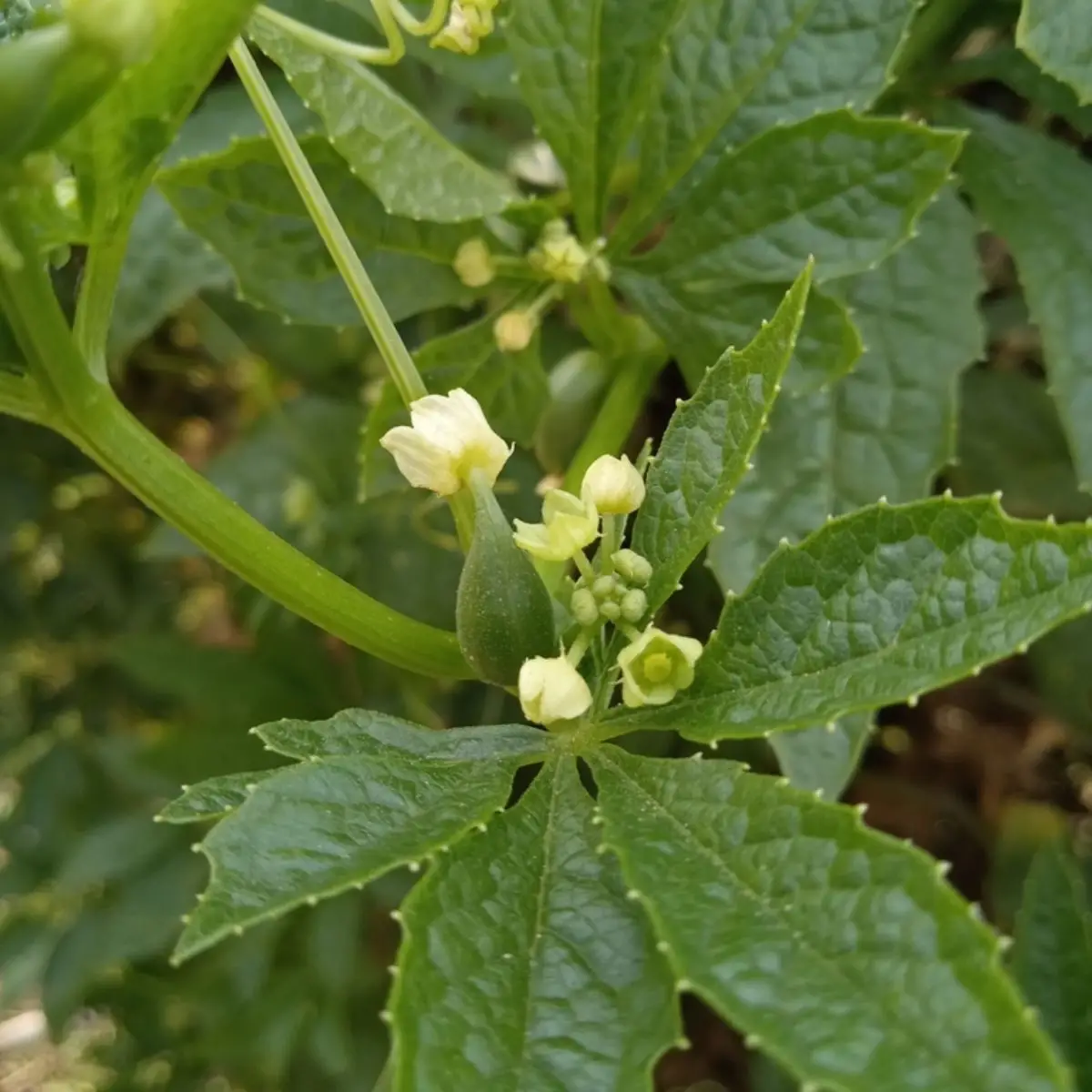
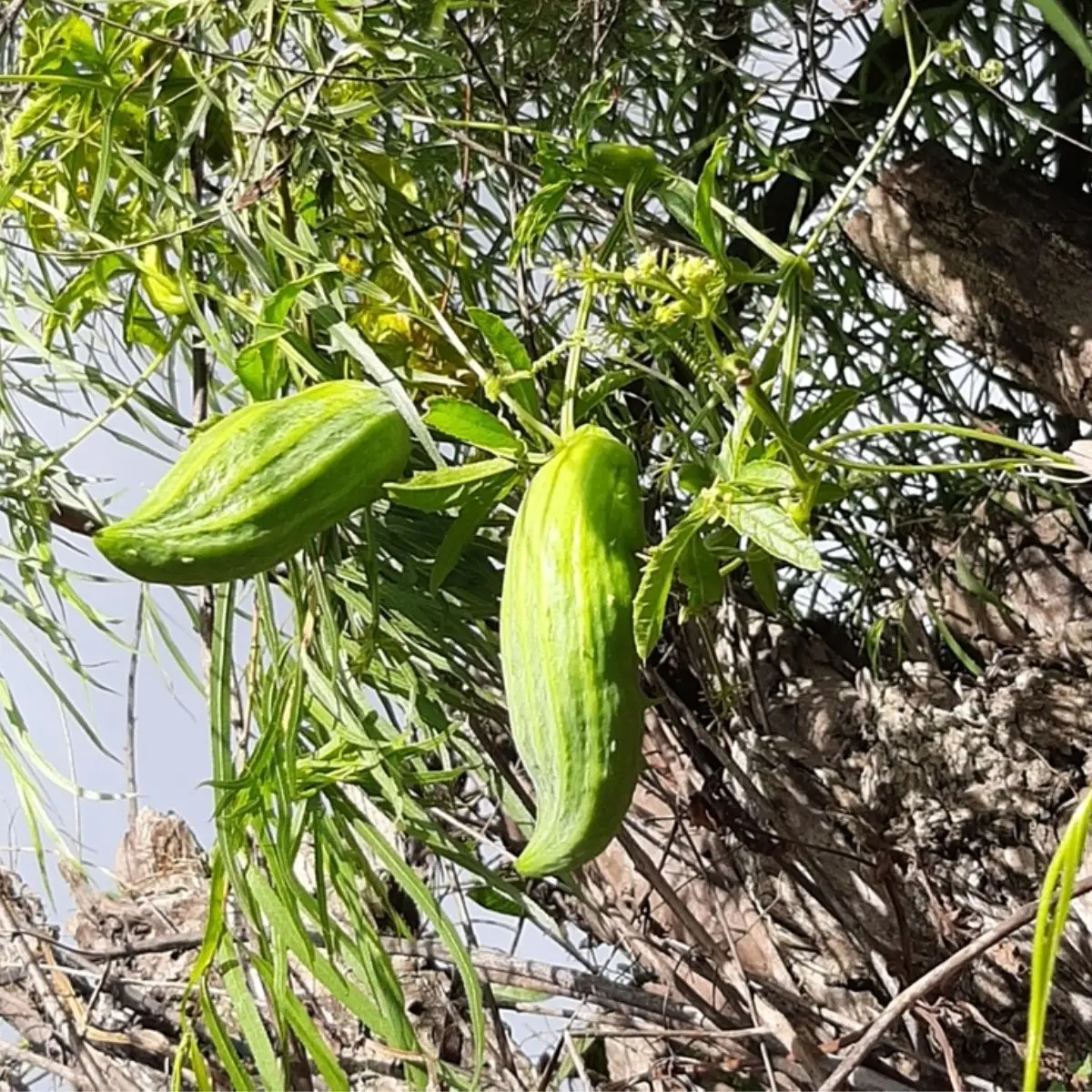
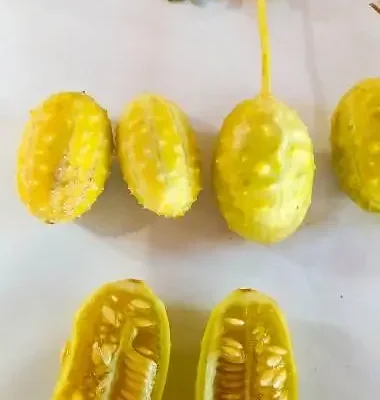
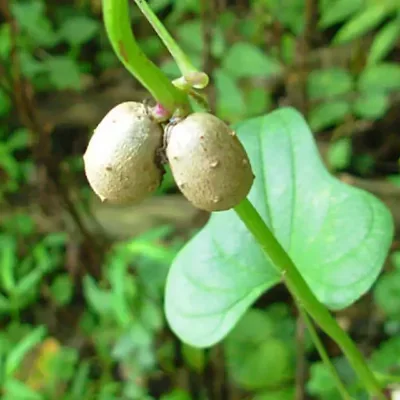
The true magic lies in the fruit itself. Unlike cucumbers, each caigua grows into a perfectly hollow vessel—light green, gracefully curved, typically 4–6 inches long and as slender as a hand. The interior cavity is almost entirely empty except for a thin, tender white flesh and black seeds that come free with a gentle scoop. This hollow architecture is why it earns the name “stuffing cucumber” and “stuffing gourd.” Fill it with seasoned ground meat, rice, cheese, fish, vegetables, and fresh herbs, then bake or braise until the flesh is silken and the flavors have merged into something transcendent. This is the centerpiece of Caigua Rellena and Guiso Caigua—iconic Peruvian and Ecuadorian dishes that have survived centuries. You can also harvest them young and eat them raw in salads (delicate, faintly cucumber-like), or sauté them whole. But it is the stuffed preparation that reveals the vegetable’s true calling—a blank canvas for your creativity that cooks tender in minutes.

Beyond the table, caigua carries an impressive wellness heritage. Traditional medicine in South America has long used the fruit and seeds to support cardiovascular health, and modern research has documented its role in cholesterol management, anti-inflammatory response, and blood sugar regulation. The fruit is rich in flavonoids and saponins, antioxidants that support overall vitality. In Peru, fresh caigua juice is taken daily by those seeking natural support for hypertension and circulation. You are not simply growing a vegetable; you are tending to centuries of medicinal plant knowledge.

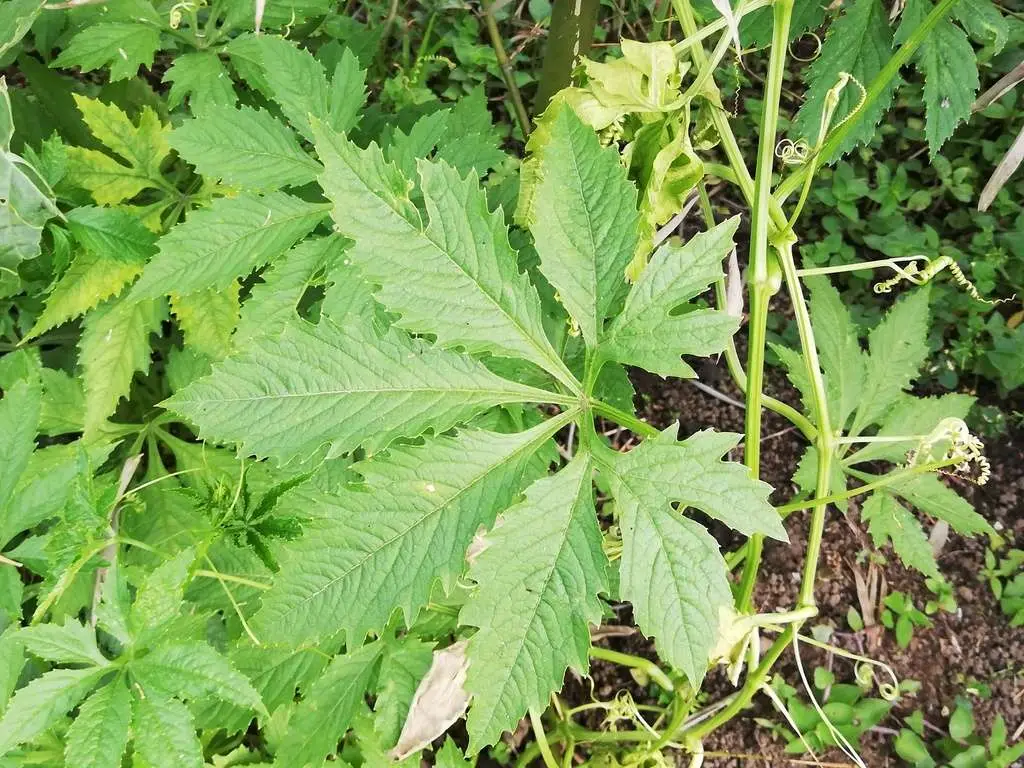
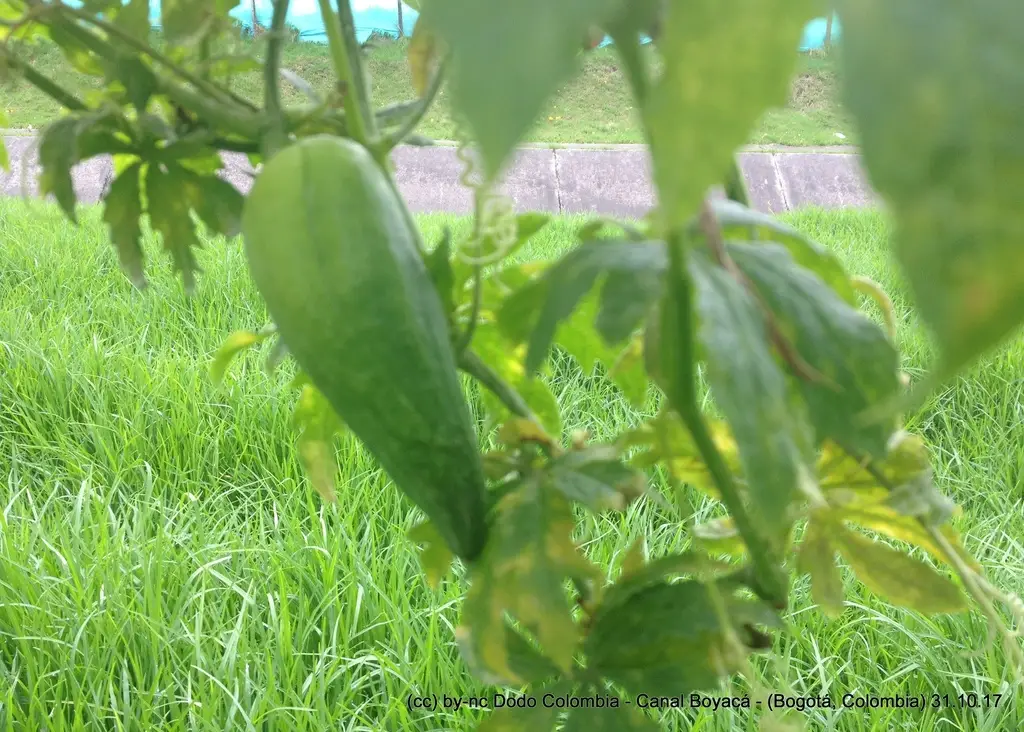
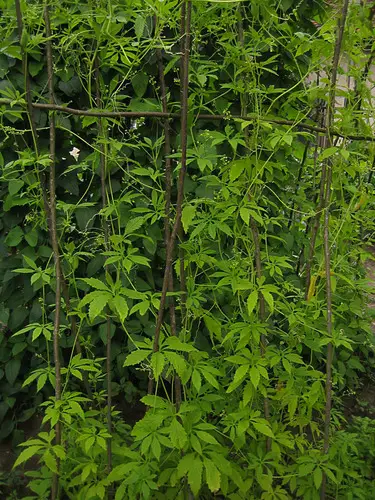
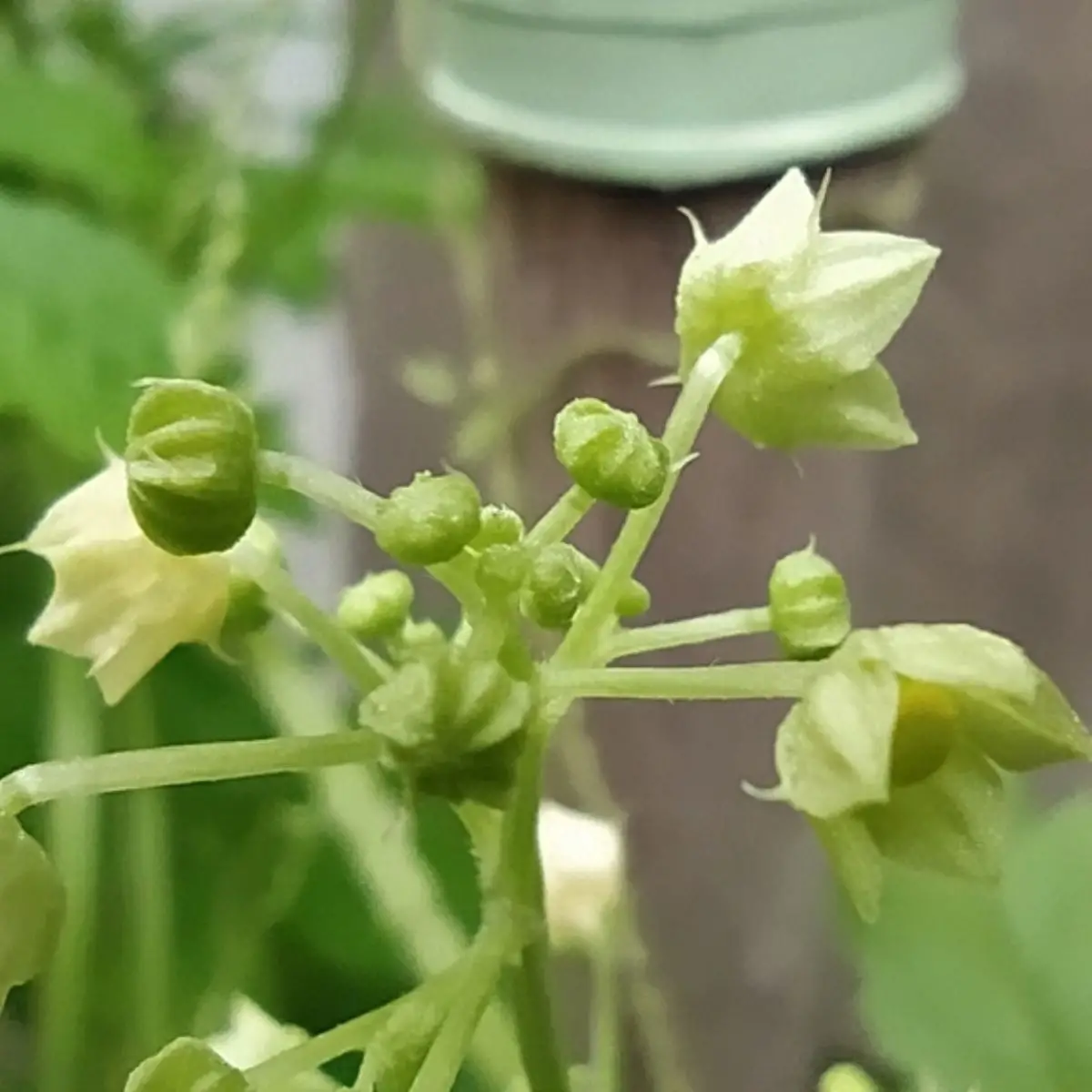
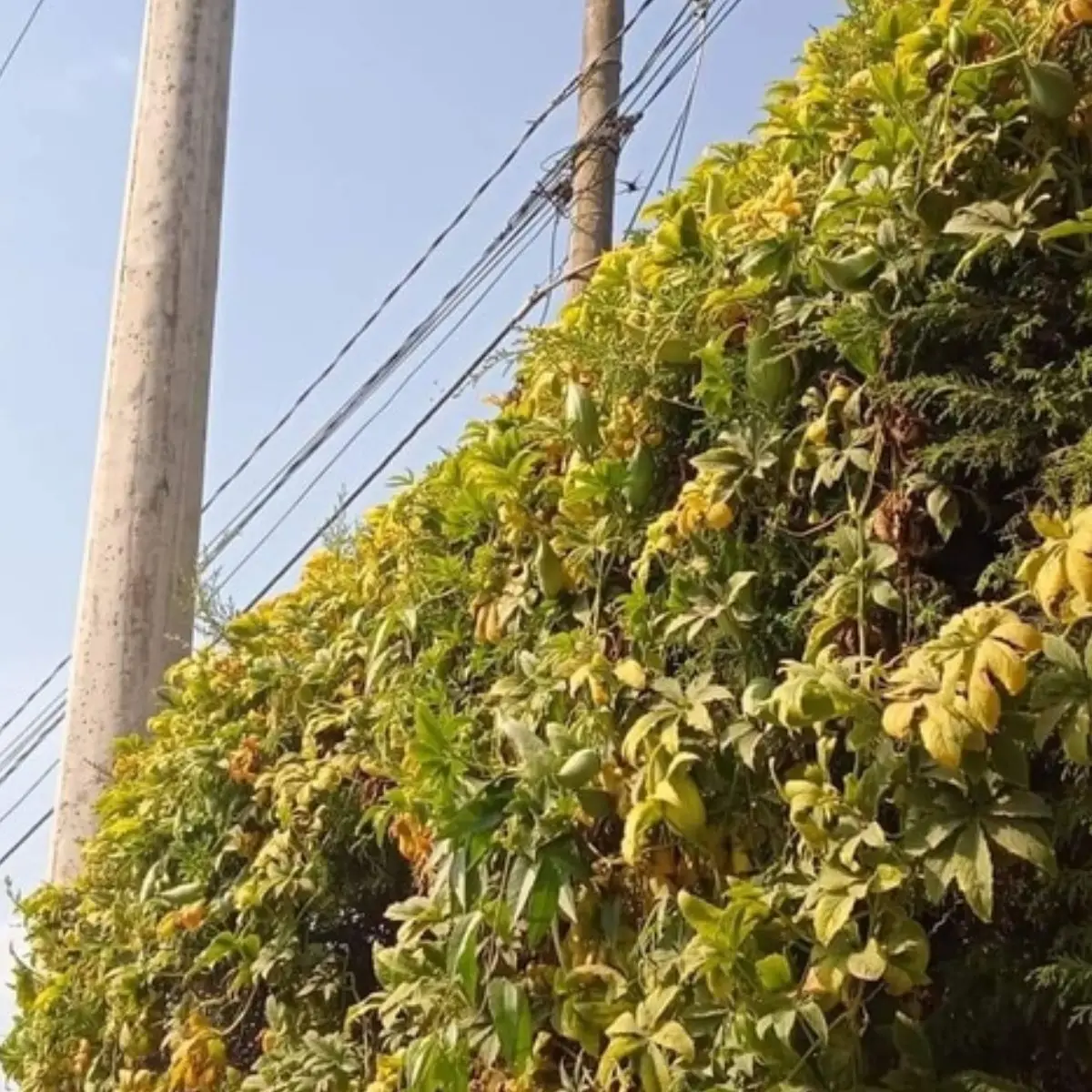
Growing caigua is refreshingly straightforward. It is a vigorous annual vine that climbs eagerly on trellis, fence, or support structure—supply the framework and it does the rest. It loves direct sunlight (6–8 hours daily) and warm, frost-free temperatures between 12–27°C (though it thrives in the 18–25°C sweet spot). The soil should be well-draining, slightly acidic to neutral (pH 6.0–7.0), and moderately fertile; rich loam works beautifully. Water consistently, especially during fruit-set, but do not overwater—the vine is surprisingly hardy and disease-resistant compared to its close relatives in the Cucurbitaceae. Sow seeds directly in warm soil once frost danger has passed, and expect flowers and small fruits within 70–90 days. The vine produces prolifically; each plant yields 8–20 fruits across the season. Unlike many cucurbits, caigua is forgiving of variable conditions and rewards attentive gardeners with abundance.

Grow this lost crop of the Inca from seed and reclaim a piece of culinary history. Whether you serve it stuffed to guests, sip its juice for wellness, or explore the young shoots as greens, you will find yourself returning to the same vines year after year. This is the kind of plant that makes you fall in love with gardening—because it gives back more than you put in.

Germination Guide

🌍 Andes, Peru, South America
Easy

Cyclanthera pedata, known as caigua or achocha, is an herbaceous vine from the Andes native to Peru. It is grown for its edible fruits and has been cultivated for centuries in South America. Optimal germination occurs between 20-25°C with proper moisture.

Germination
Germination time
Expect germination in

10 – 15 days

Temperature

Min 15°C
Ideal 25°C
Max 25°C
🌡️ Temperature alternation recommended
— Fastest germination at 75F day/60F night temperature alternation

Light
☁️ Indifferent

Substrate moisture
💧💧 High

Sowing depth
1 cm

Germination rate
50 %


Seed Pre-treatment
  • 💧

    Soaking — 24 hours
    Soaking seeds 24 hours in water before planting can accelerate germination
  • 📋

    Additional notes
    Seed soaking improves germination rates

Substrate & Container
Recommended substrate
well-draining loamy soil, peat-free compost

Recommended container
9cm pots, modules, well-drained seed starting mix


Growing Tips
Cover seeds lightly, keep in bright warm place out of direct sunlight. Thin to strongest seedling. Can germinate at temperatures as low as 60F day/50F night but slower. Thin seedlings at four-leaf stage. Keep soil moist during germination.

Reviews

There are no reviews yet.

Only logged in customers who have purchased this product may leave a review.

Related Products