
Grow your own river red gum and unlock nature’s liquid gold. This iconic Australian tree is a premier nectar powerhouse—colonies yield 50-60kg of exceptional monofloral honey per season. Bonus: aromatic leaves yield therapeutic essential oil. Fast-growing, drought-tolerant, and breathtakingly sculptural with dramatic mottled bark. Germinates easily from seed.
€1.92
This is the tree beekeepers dream of planting.
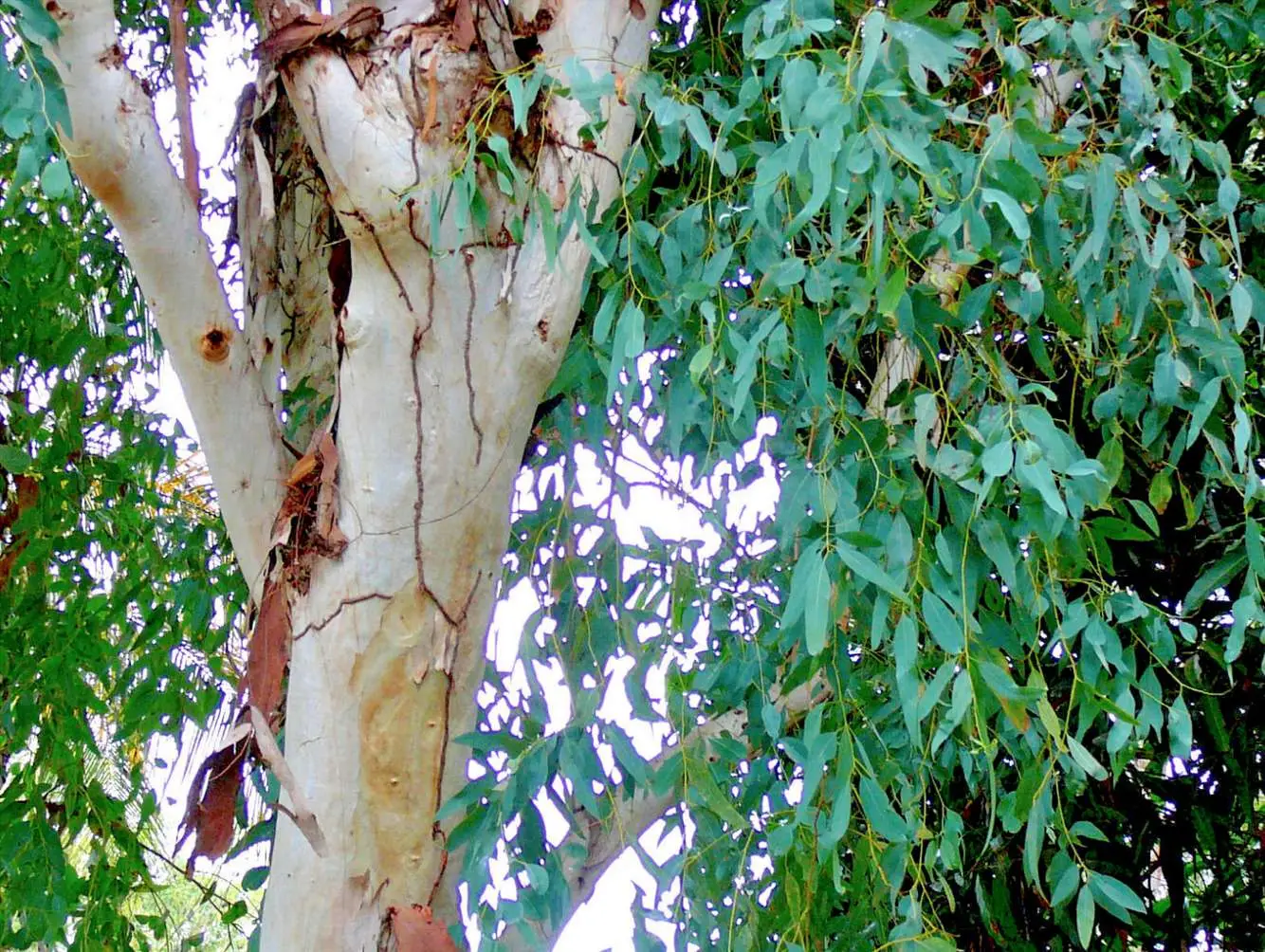
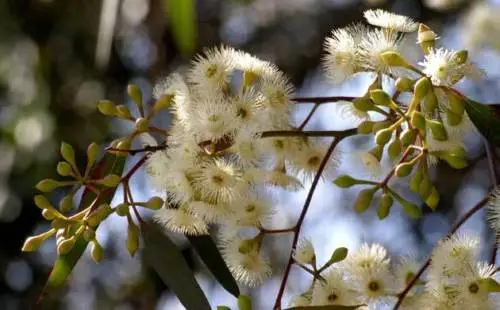
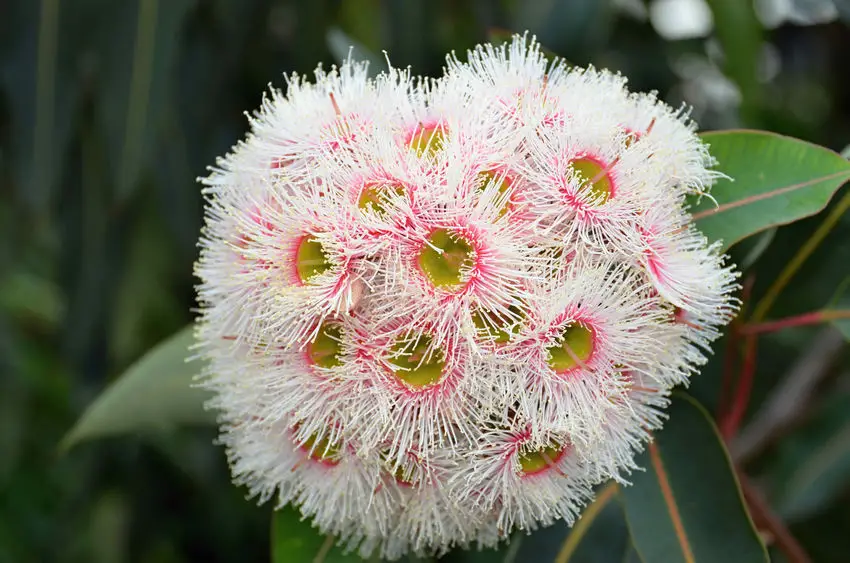
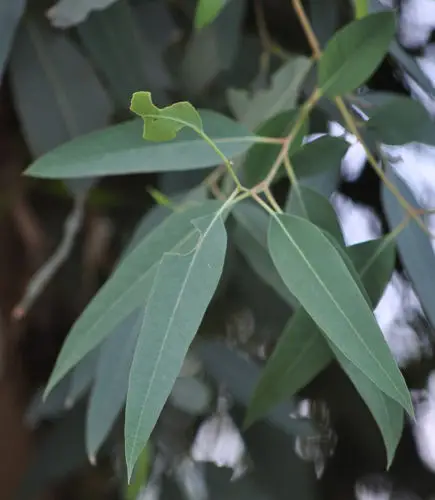
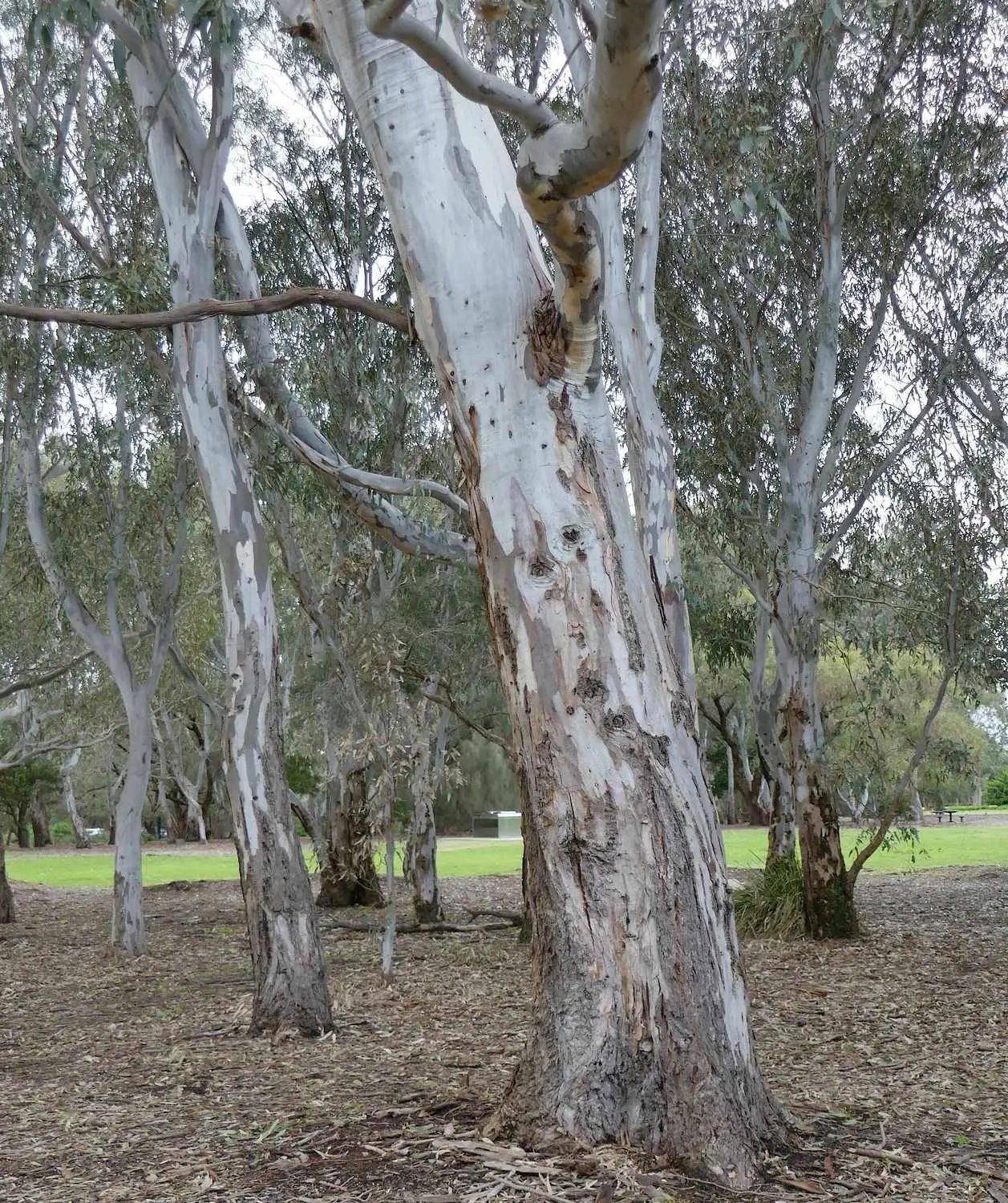
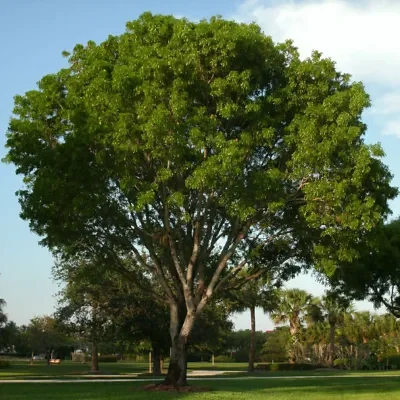
Eucalyptus camaldulensis is an iconic tree for its omnipresence and majesty of form with a thick trunk, heavy twisting branches and spreading open crown. A tall, fast-growing evergreen tree with a distinctive, smooth, mottled bark that sheds in long strips, revealing patches of cream, grey, and red. Leaves are lanceolate, aromatic, and blue-green. Produces clusters of white to cream flowers followed by woody, cup-shaped seed capsules. Yet what truly makes it legendary is what happens when bees arrive.
Eucalyptus camaldulensis is the most widespread species of eucalypt in Australia. For millennia, this tree has shaped the inland Australian landscape along riverbanks and floodplains. Its name references both its distribution (river) and the color of its heartwood (red gum). Today it thrives globally—it has spread over the globe, owing to its remarkable adaptability and rapid growth. The variety of Eucalyptus most commonly found in Italy is E. camaldulensis. This tree asks only for sun and well-drained soil, yet rewards ten times over.
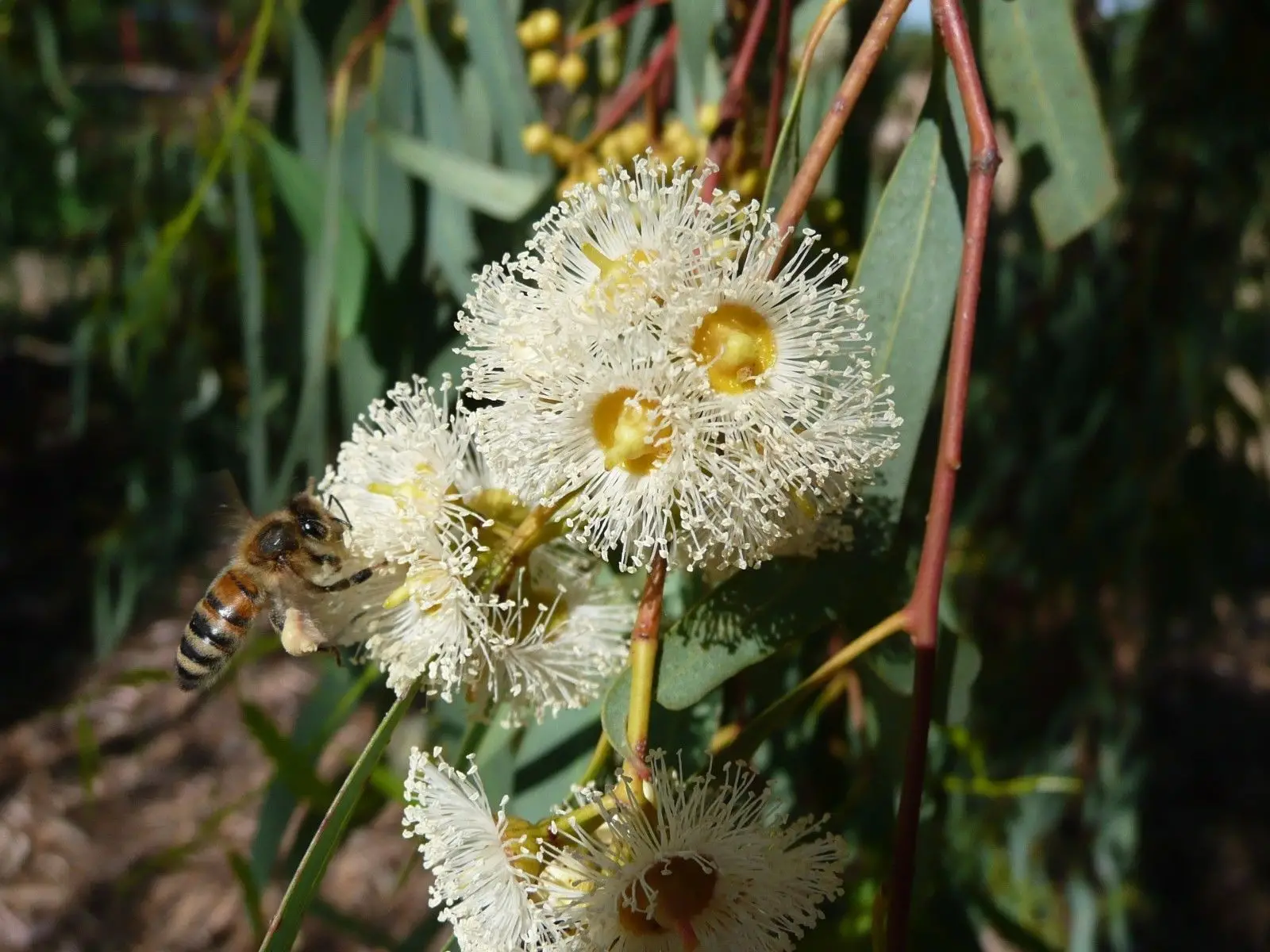
The nectar flows abundantly. Eucalyptus camaldulensis is major source of both nectar and pollen for honeybees. The red river gum is described as “literally buzzing from the amount of bees visiting it.” The flowers are a major source of pollen and nectar for honeybees, with honey production per colony over a regular flowering season averaging 50 to 60 kgs. The honey is bright to pale amber, dense, with a pleasing mild fruity, woody flavour and is slow to granulate. For apiarists, this is commercial viability. For nature lovers, it’s pure magic—watching an entire canopy alight with thousands of foraging bees. But the gift doesn’t stop with honey. The leaves of some varieties yield an essential oil extracted commercially by steam distillation. Commonly traded as ‘Eucalyptus oil’, it is generally used in cleaning and disinfecting products, medicinal preparations and pharmaceuticals. Eucalyptus leaves and their essential oils have found various applications in everyday life due to their antiseptic, anti-inflammatory and antipyretic properties. Ancient Aboriginal society in Australia used E. camaldulensis plant in medicines to treat gastrointestinal symptoms (including colic, diarrhea, and dysentery), respiratory disease (colds, coughs, asthma, laryngalgia, laryngitis, pharyngitis, sore throat, trachalgia), arrest bleeding, open wounds, and cuts.
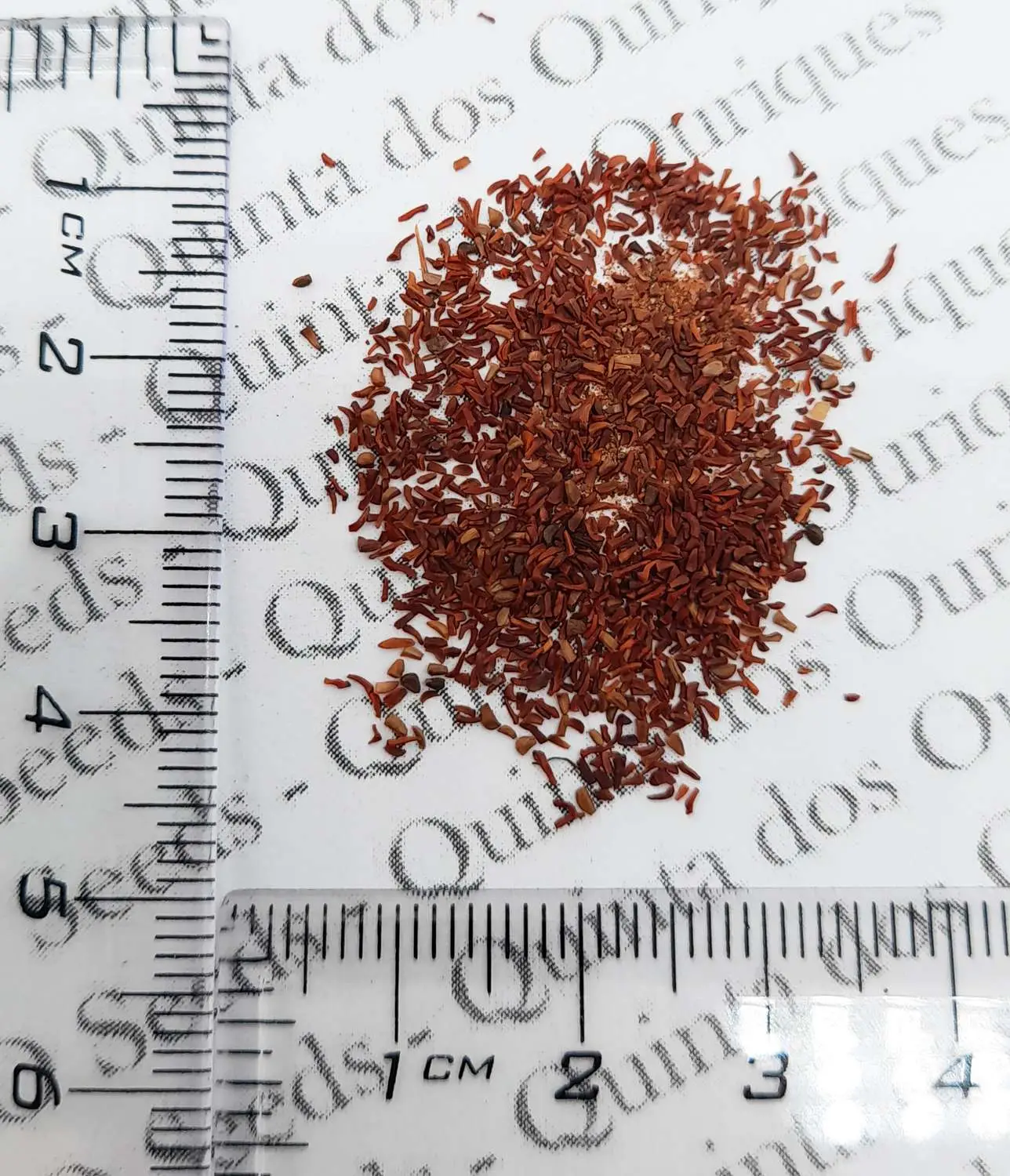
Growing this tree is remarkably straightforward. A fast-growing tree under ideal conditions, it may achieve a growth rate of up to 2 m (7 ft) in height per year. Suitable for: light (sandy), medium (loamy) and heavy (clay) soils, prefers well-drained soil and can grow in nutritionally poor soil. Suitable pH: mildly acid, neutral and basic (mildly alkaline) soils and can grow in saline soils. It cannot grow in the shade. It prefers dry moist or wet soil and can tolerate drought. Plant in full sun, water until established, and then stand back. A drought resistant tree once established. Seeds germinate easily and can be stored in cold, dry conditions for a long time. Your tiny seeds—600 per gram—will transform into a living monument to resilience.
Imagine: In five years, your red gum rises tall and sculptural. In seven, bees discover it. In ten, you harvest your first jars of that distinctive, deep amber honey—monofloral, aromatic, unmistakably this tree’s gift. Its bark weeps in architectural strips. Its leaves perfume the air. It becomes what it was always meant to be: a beacon for life, a source of abundance, a daily reminder that patience and a single seed can grow a tree that feeds both soul and honeycomb.
Only logged in customers who have purchased this product may leave a review.


Reviews
There are no reviews yet.