Description
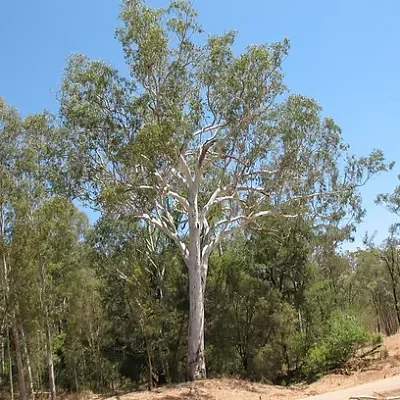
Imagine a tree that plants the future in red gold—that’s Eucalyptus pellita, the Red Mahogany that foresters and timber craftspeople have coveted for generations.
Native to northeast Queensland’s humid tropics and scattered coastal rainforest margins, this magnificent eucalypt has conquered timber plantations across Papua New Guinea, Indonesia, Brazil, and beyond. Its origin story is one of resilience: from the edge of rainforest to the world’s finest construction sites, E. pellita has proven itself a timber tree without equal in the tropical zones.
But here’s where the magic lives: the wood itself. Eucalyptus pellita yields a heartwood of deep crimson to burgundy—the reason it’s marketed globally as Red Mahogany. This is not ordinary plantation timber. The grain is fine, the colour exotic, and the working properties exceptional. Furniture makers cherish it for turning; architects specify it for high-end interiors and engineered construction. The wood is strong, durable, and moderately heavy (density ~990 kg/m³), with a figure that demands to be seen. Whether you’re dreaming of heritage timber for a bespoke project or building a sustainable hardwood legacy, E. pellita is the species that delivers both beauty and performance. Fast-growing—up to 2 meters per year under good conditions—it rewards patience with spectacular returns.
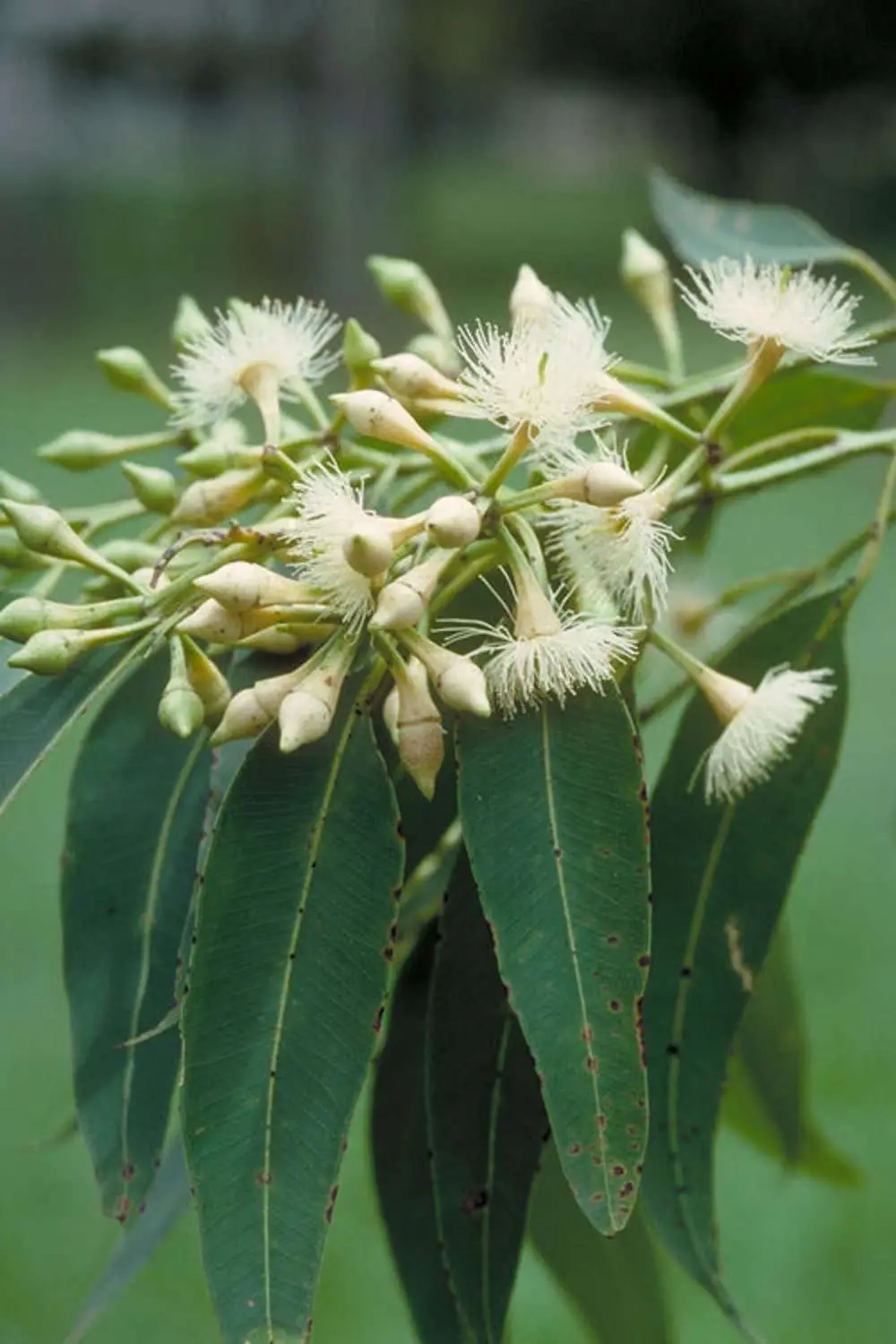
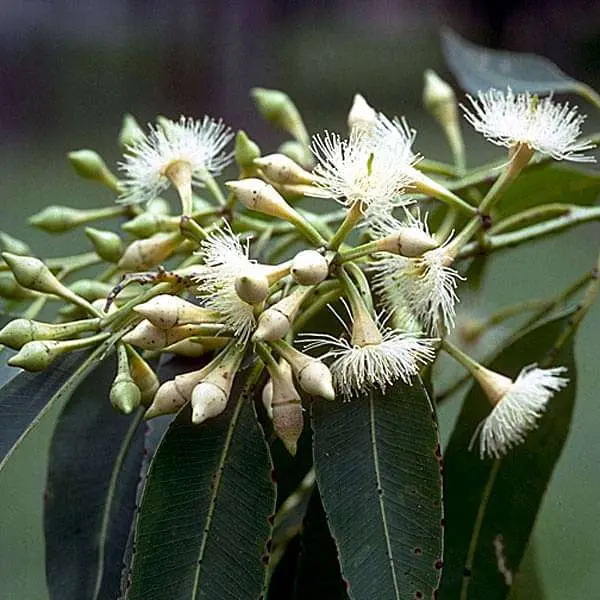
Yet there’s an elegant secondary gift few growers mention: the flowers. These nectar-rich blooms are a beekeeping treasure. They produce thin, intensely flavoured honey and yield prodigious quantities of pollen, making E. pellita an exceptional choice for beekeepers seeking to diversify revenue or strengthen hive nutrition. The creamy-white flowers appear reliably in summer months, turning your timber plantation into a living apiary. A single tree can support colony vigour for miles around.
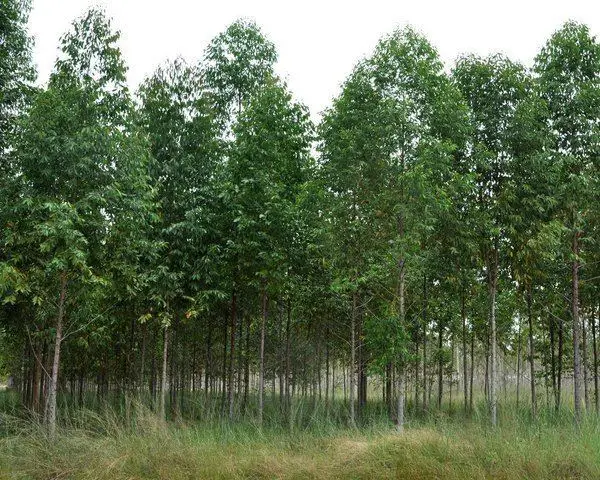
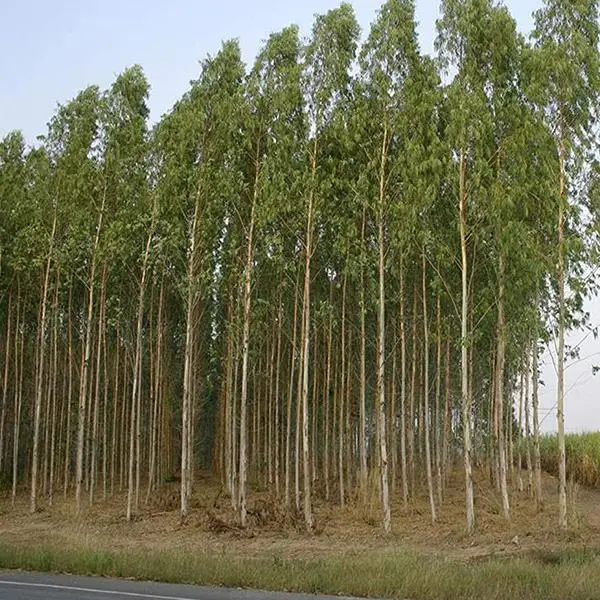
Growing E. pellita is refreshingly forgiving. Unlike many high-value species that demand perfect soil and pampered conditions, this eucalypt laughs at adversity. It thrives in sandy, rocky, or clay-rich soils that would defeat lesser trees. It tolerates poor, infertile ground—even marine clay and marginal plantation sites—making it ideal for land reclamation, erosion control, and reforestation of degraded areas. Full sun and well-drained soil are your main requirements; tropical to subtropical climates with 900–4000 mm annual rainfall suit it perfectly. In cooler regions (southern provenances), it even shows moderate frost resistance. Seeds are long-lived when stored cold and dry, and germination is straightforward. Young plants grow vigorously and develop the characteristic straight trunk you see in mature specimens—a forester’s dream, requiring minimal pruning or maintenance.
This is your chance to plant not just a tree, but a legacy. Whether you’re a timber visionary, a beekeeper with ambition, or a forester healing wounded land, Eucalyptus pellita invites you to grow something extraordinary. Order your seeds now and begin the journey toward the finest red mahogany timber the tropics can offer.
Germination Guide
🌍 North Queensland Australia, Papua New Guinea, Papua Indonesia
Easy
Eucalyptus pellita is a fast-growing timber species native to North Queensland, Papua New Guinea, and Papua Indonesia, valued for timber, pulpwood, and charcoal production.
Germination
Germination time
Expect germination in
10 – 15 days
Temperature
Min 4°C
Max 34°C
Substrate moisture
💧 Medium
Sowing depth
Lightly covered
Substrate & Container
Recommended substrate
sandy soil
Recommended container
polybags
Growing Tips
Seeds are very small (100,000 per kg). Broadcast on raised beds with fine sand cover and hay mulch. Transplant to polybags when seedlings reach 5-14 cm height. High humidity during germination promotes best results.
Only logged in customers who have purchased this product may leave a review.



Reviews
There are no reviews yet.