
Grow the medicinal rosewood that has healed for centuries. Dalbergia sissoo’s bark and leaves are rich in tannins and flavonoids—traditionally used in Ayurvedic medicine for inflammation, digestion, and skin vitality. Plant full sun, moderate watering. Fast-growing, adaptable to subtropical-tropical climates. Every seedling becomes a living apothecary and a masterpiece of hardwood grain.
€4.52
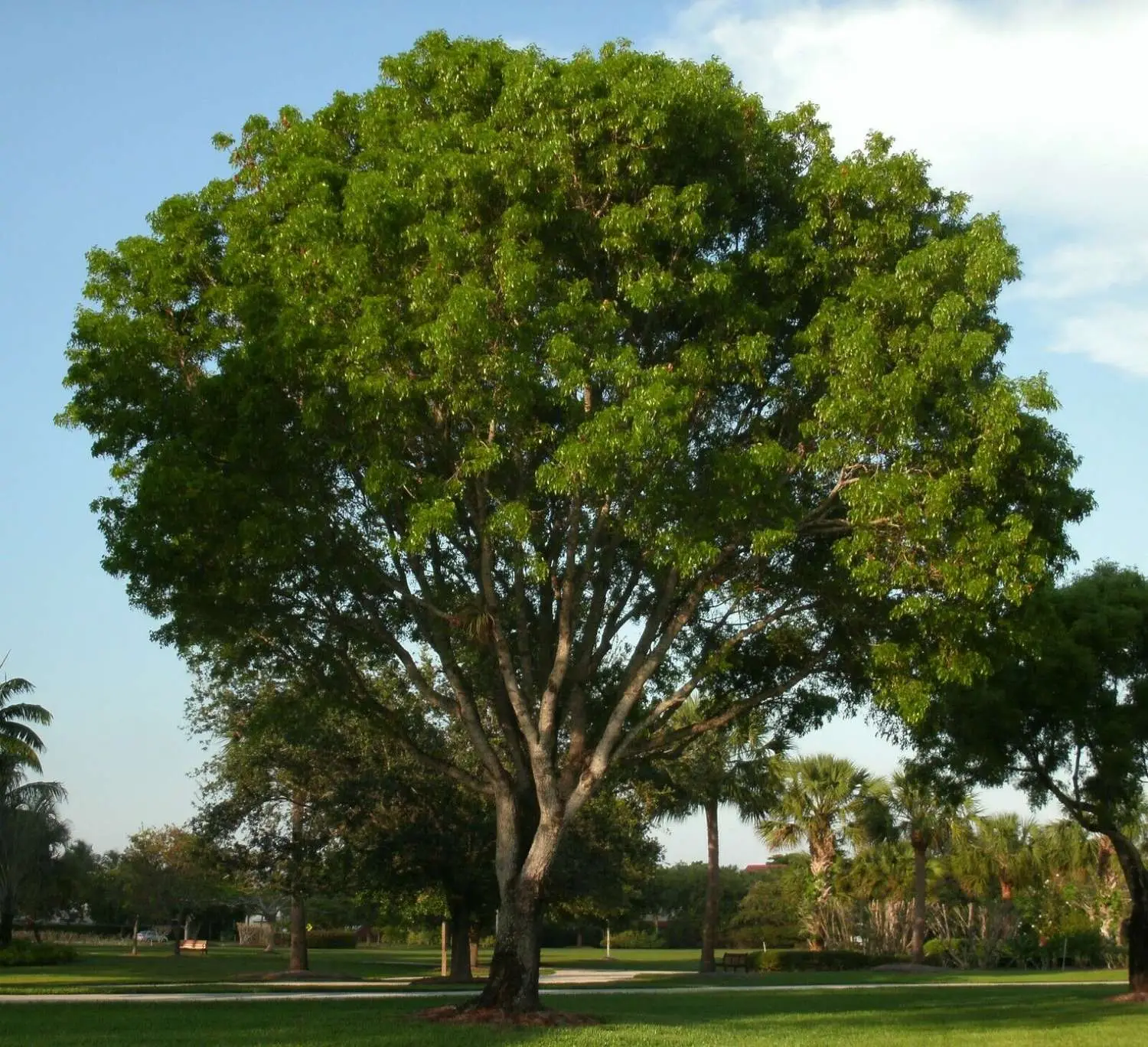
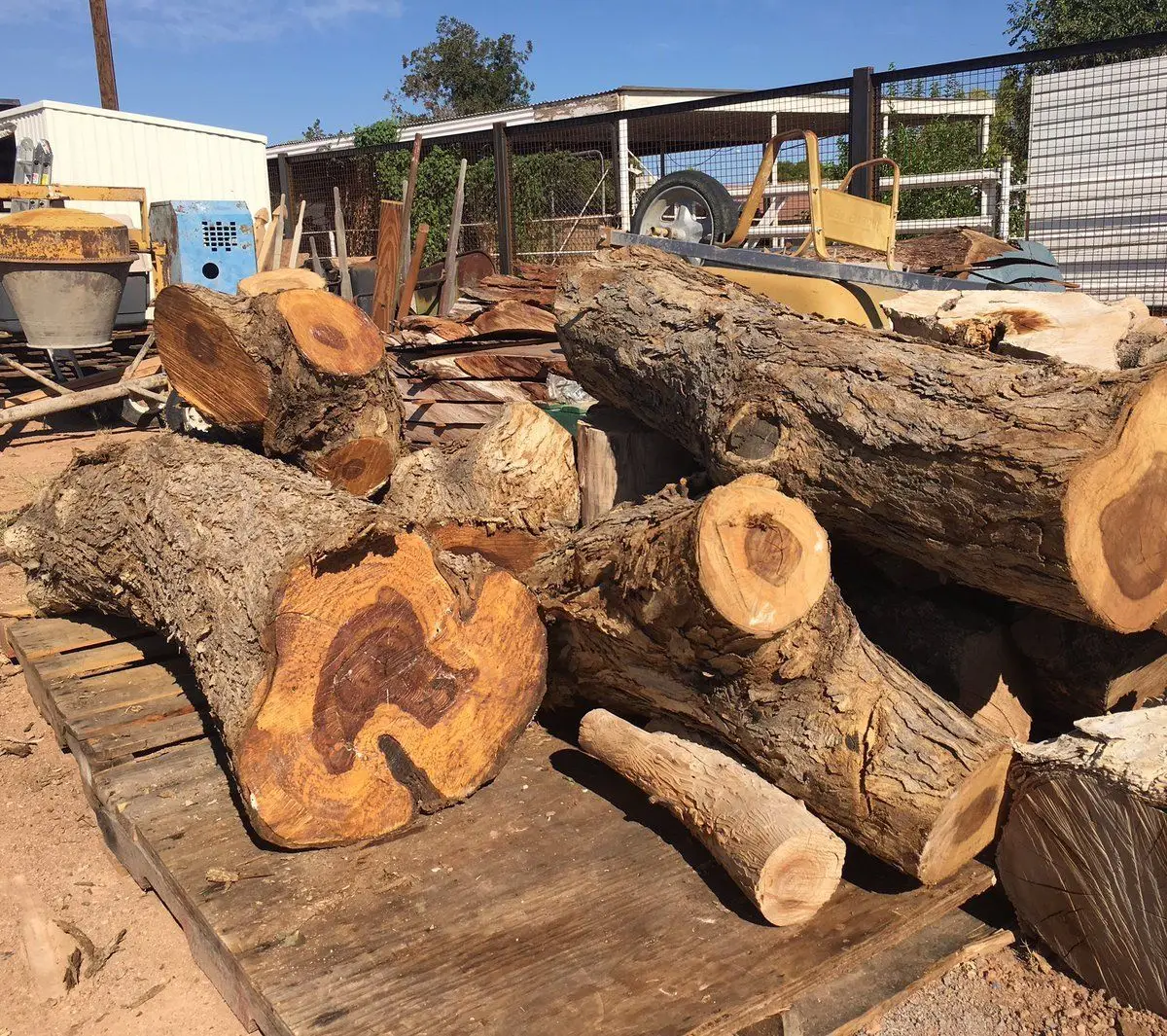
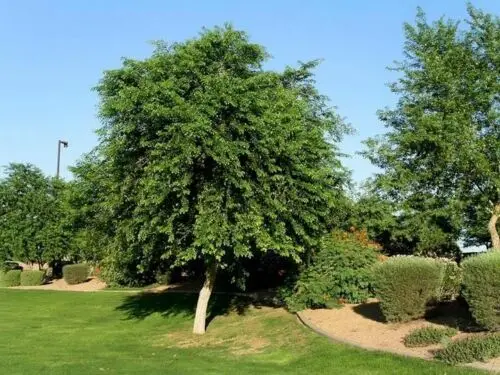
Dalbergia sissoo—the legendary shisham or Indian rosewood—bridges ancient healing wisdom and living timber wealth in one magnificent deciduous tree.
Native to the Himalayan foothills and riverbanks of India, Pakistan, and Nepal, this tree earned its place in cultural memory centuries ago. Archaeological evidence and traditional texts suggest its use in Gupta-era remedies; Mughal traders carried its reputation to Persia and beyond. Today, it remains the state tree of Punjab—a testament to its profound significance. What makes shisham truly rare among premium timber trees is that it delivers beauty, durability, *and* profound medicinal virtue in the same genetic package.
**THE HEART OF SHISHAM: AYURVEDIC MEDICINE & SKIN VITALITY**
This is where shisham reveals its hidden treasure. Traditionally used in Ayurveda and Unani medicine for treating gastric ulcers, diarrhea, dysentery, and indigestion, the bark and leaves possess astringent, antidiarrheal, and gastroprotective properties. Rich in flavonoids, tannins, and terpenoids, it helps reduce gut inflammation and microbial infections. Modern research has validated what healers knew: the bark and leaves extract possess both antibacterial and antifungal properties against various pathogenic bacterial and fungal species.
Beyond digestion, shisham bark oil and seed extracts have been used for centuries to support skin resilience—oil obtained from the seeds is used to cure skin diseases, and the powdered wood, applied externally as a paste, is reportedly used to treat leprosy and skin diseases. In South Asian traditional medicine, the wood and bark have been recognized for their abortifacient, antipyretic, anthelmintic, aphrodisiac, and expectorant properties. For the conscious grower, cultivating shisham from seed means access to bark and leaf material for personal herbal preparations—connecting you directly to an ancient lineage of plant medicine.
**A LIVING LEGACY: VISUAL BEAUTY MEETS ECOLOGICAL POWER**
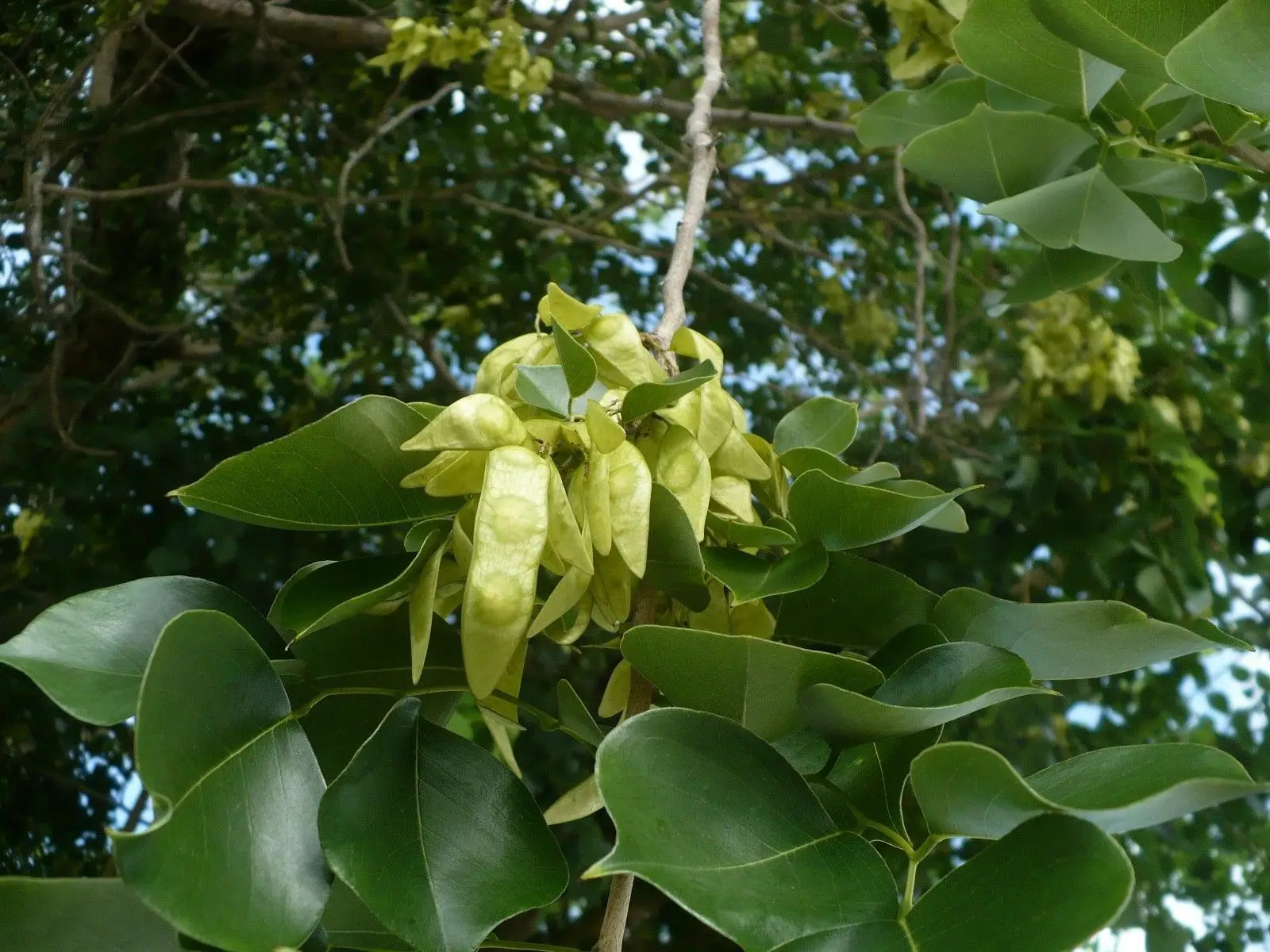
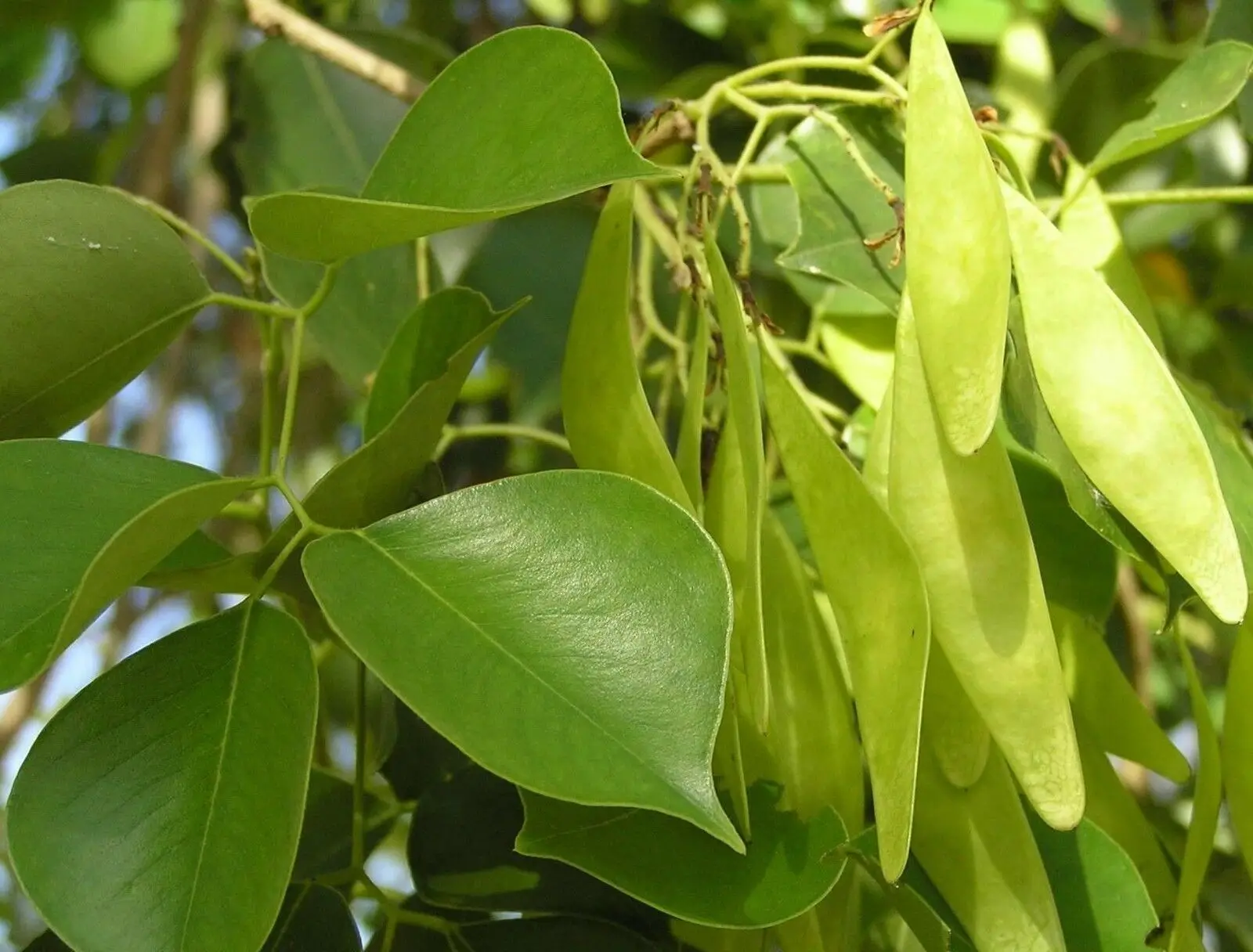
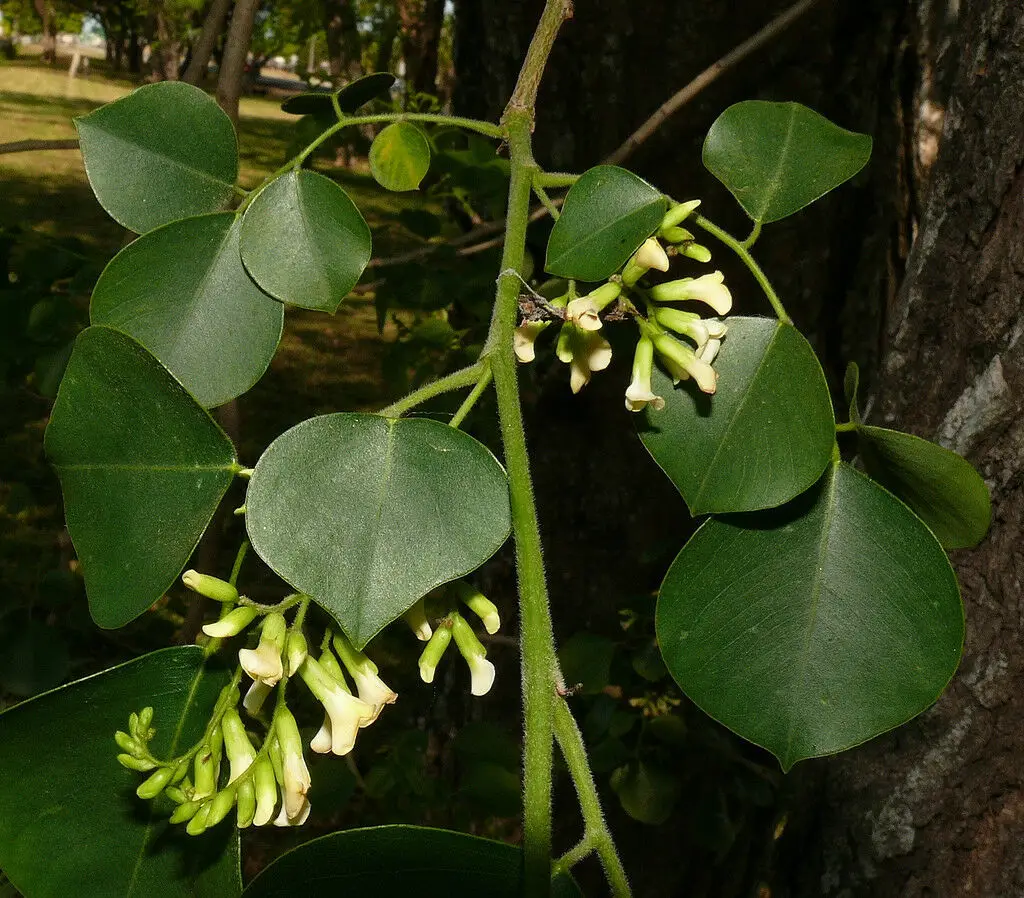
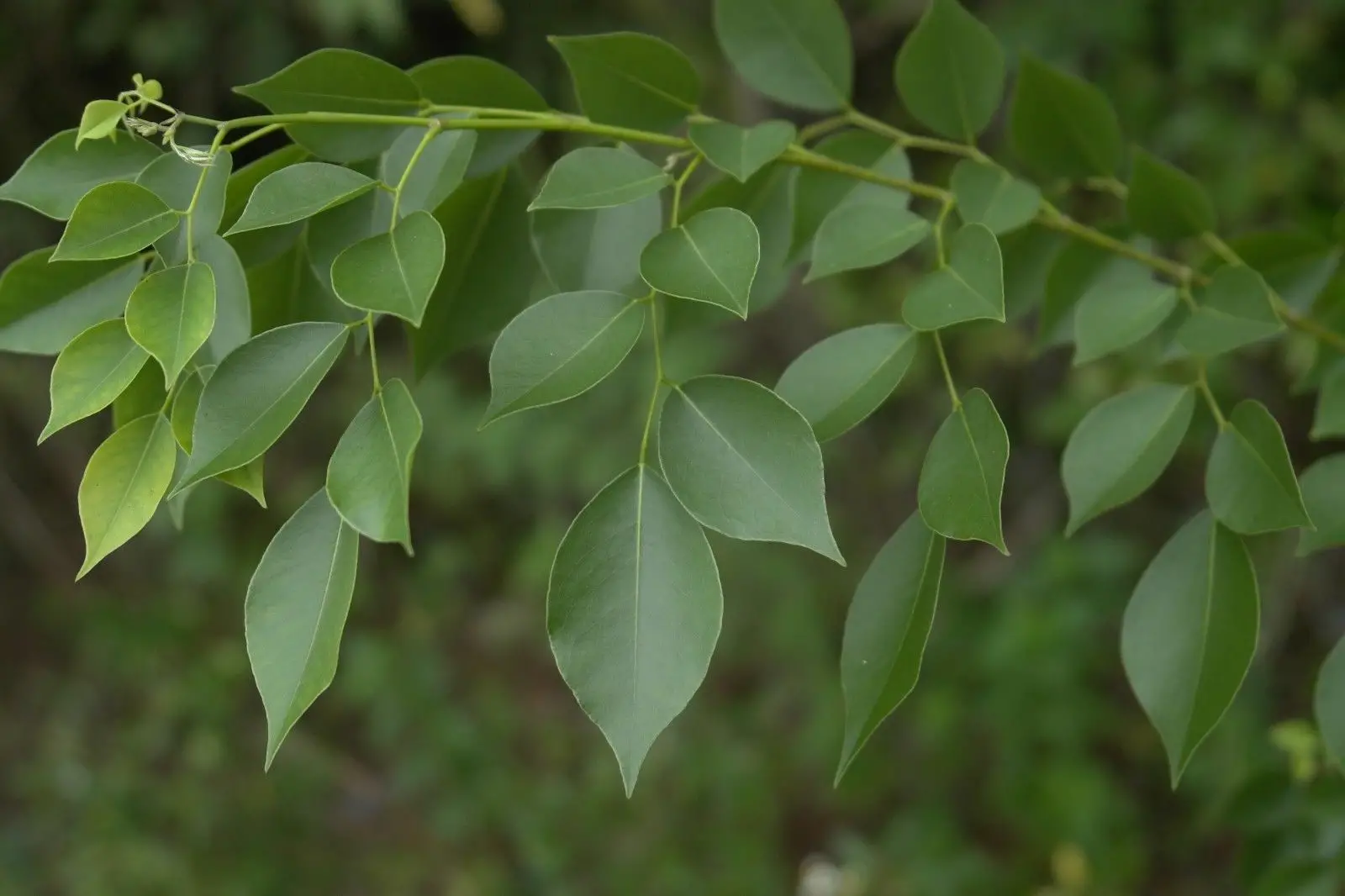
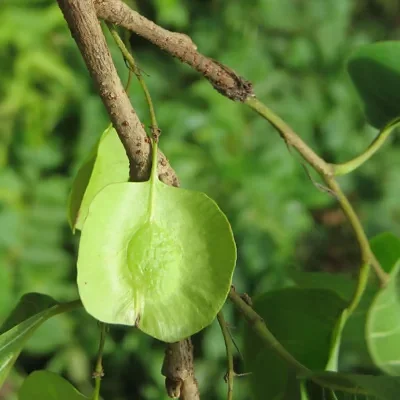
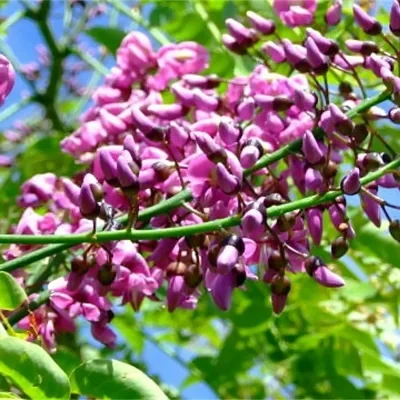
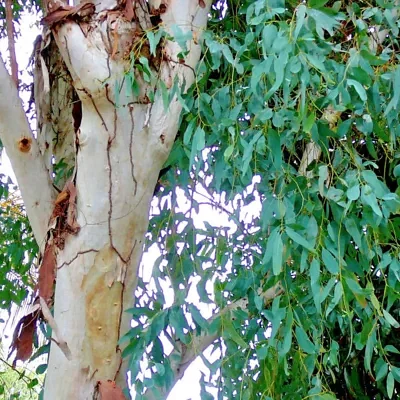
Flowers are whitish to pink, fragrant, nearly sessile, and in dense clusters 5 to 10 cm in length. In spring, your mature tree will burst with these delicate, honey-scented blooms that attract bees and pollinators—these flowers not only add beauty to the landscape but also attract pollinators like bees and butterflies. The foliage is compound and pinnate, consisting of numerous small leaflets that are shiny, dark green, and alternate in arrangement, with leaflets broadly heart-shaped, about 6-8 cm long. The bark of the tree is thick, dark brown, gnarled, and deeply fissured, adding to its aesthetic appeal.
Shisham’s ecological magic is equally potent: the plant has ability to fix nitrogen from the atmosphere through bacteria located in nodules present in the root system, and the leaf litter that gathers and decomposes also contributes to soil fertility by adding additional nitrogen, potassium, iron, manganese, and organic carbon. Plant it, and you’re enriching soil for generations. It is commonly used for erosion control and soil stabilization along stream and river banks. This is the ultimate giving tree.
**HOW TO GROW YOUR SHISHAM: A MODERATE PATH TO SUCCESS**
It prefers full sun and well-drained soil. It is drought tolerant and can tolerate temperatures down to -10°C (14°F). For optimal growth, sheesham trees thrive in warm and tropical climates with well-draining soil. They grow well with full sun exposure, producing abundant flowers and fruits. The tree has moderate water requirements, so regular watering during dry periods is essential. Young seedlings need consistent moisture to establish roots, but once mature,
Only logged in customers who have purchased this product may leave a review.

Reviews
There are no reviews yet.