Description
This is the eucalyptus that transformed beekeeping across southeastern Australia—a tree as generous with nectar as nature intended.
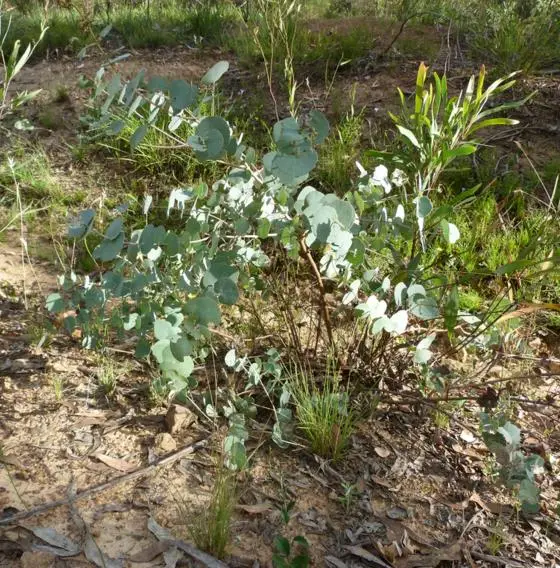
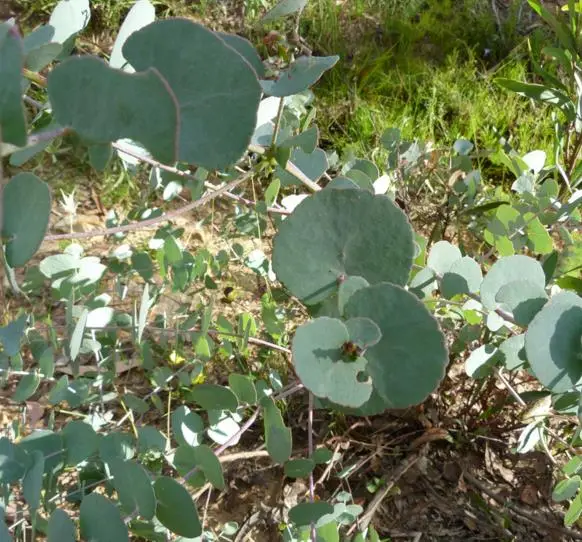
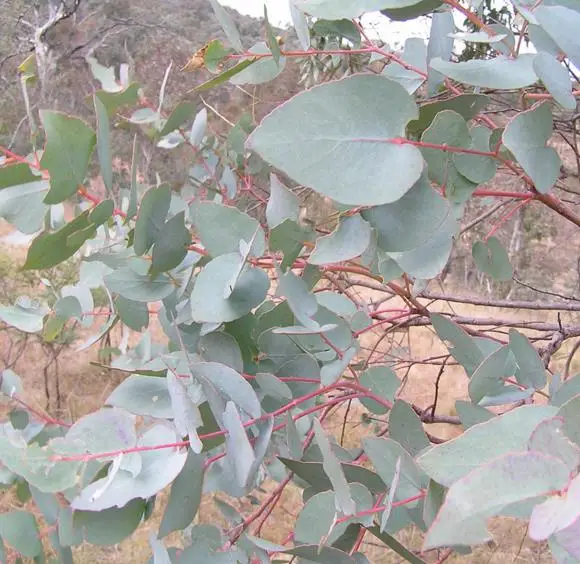
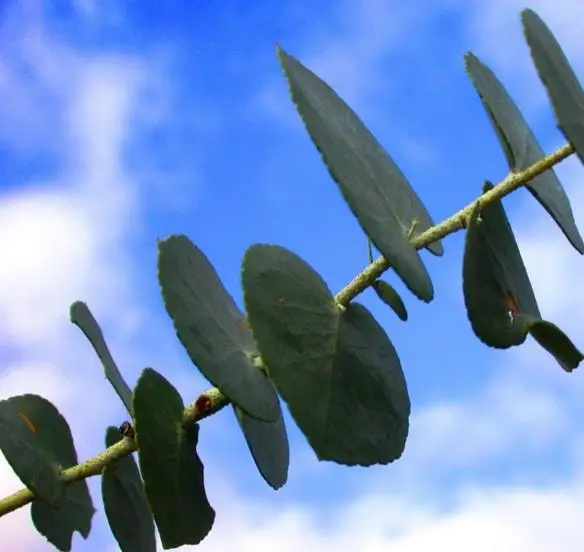
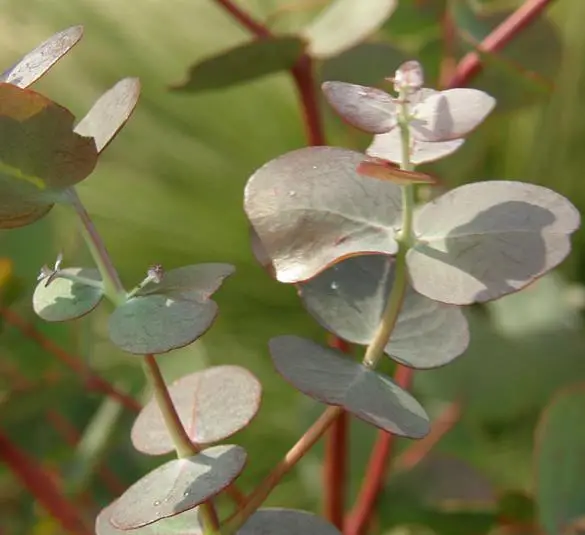
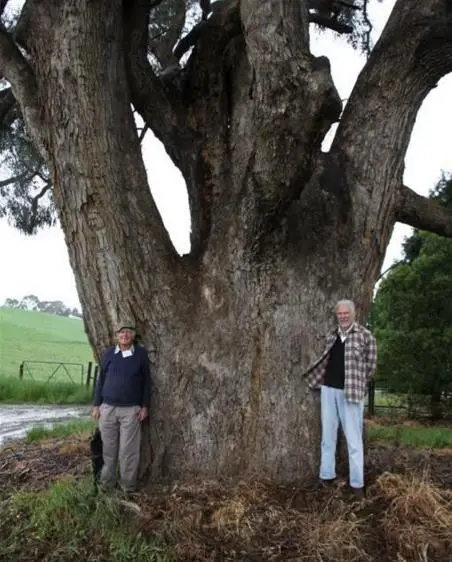
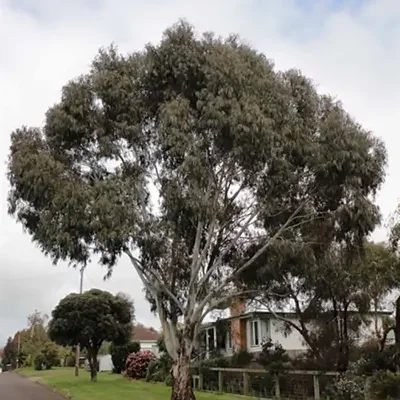
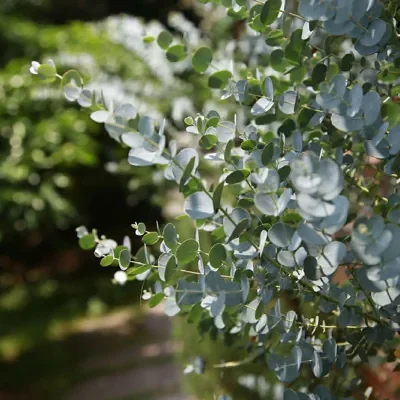
Eucalyptus bridgesiana is a medium to large evergreen native to southeastern Australia, flourishing along creeklines and lower slopes of the Great Dividing Range. The specific epithet honors Frederick Bridges, a 19th-century education officer who championed practical applications of Australian botany. This tree reaches 15–20 meters with a magnificent spreading crown of glossy, lance-shaped adult leaves beneath a canopy that transforms from silvery-blue juvenile foliage into deep emerald maturity.
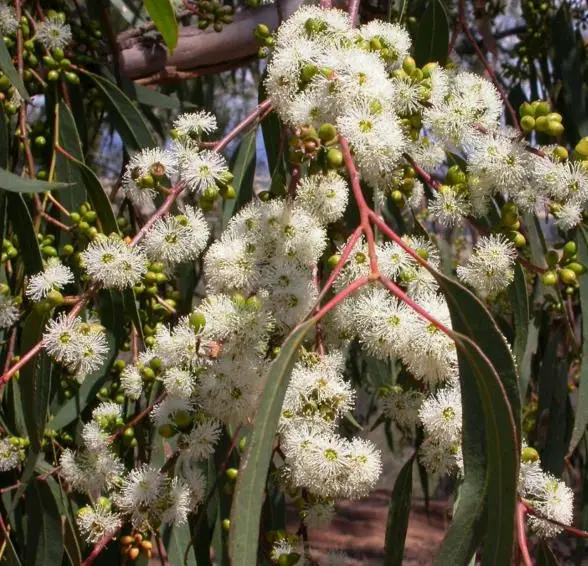
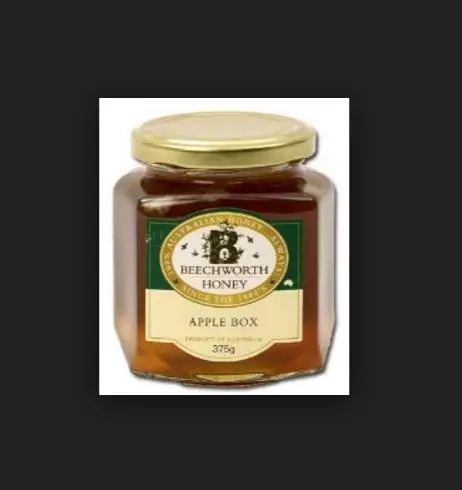
But here’s where it becomes irresistible: this is the tree beekeepers dream about. Eucalyptus bridgesiana produces exceptional honey—described as sweet, strong-flavored, and of the highest quality. The real genius lies in timing: it flowers in autumn, when most native plants have already faded. This means bees feast on high-protein pollen at precisely the moment they need it most—building winter reserves before the cold months arrive. The pollen itself is nutrient-dense and prized as pre-winter feed for honeybee hives. Even the honey has commercial value; it’s a honey-harvest crop in its own right. If you keep bees, run a meadery, or dream of someday doing either, this species is non-negotiable. Bonus: the tree’s silvery-blue juvenile foliage is exquisite in cut flower arrangements—coppice it, and you’ll have a steady supply of sculptural foliage for floristry.
Cultivation is straightforward. This tree loves full sun and well-drained soils—loam, clay loam, or alluvial soils all suit it beautifully. It’s remarkably cold and frost hardy (to approximately –10°C), moderately drought-tolerant once established, and actually thrives in heavy clay where other trees fail. It tolerates wet conditions better than most eucalypts, making it invaluable for erosion control in gullies. Seeds germinate reliably when sown at 13–18°C in spring or summer; direct them into half-sand, half-peat substrate and keep gently moist until germination completes. Growth is moderate, but the tree matures into a statuesque specimen with characteristically rough, mottled grey-and-white bark exfoliating to reveal cream patches below—visual drama that speaks of its wild heritage. The tree lives long and asks little in return.
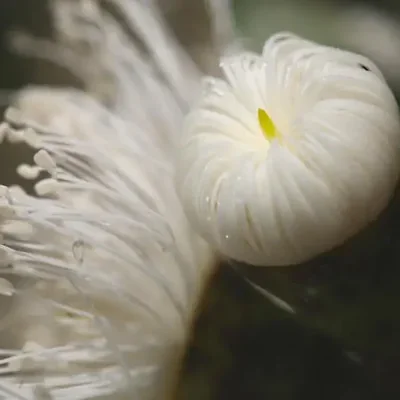
Start this seed now, and in five to seven years, you’ll watch bees navigate straight to its white flower clusters like pilgrims to a shrine. Your hive will thrive. Your honey jar will glow amber. Your garden will hold a piece of Australian ecology—the kind that works, season after season, with the quiet confidence of a tree that’s been doing this for millennia.
Germination Guide
🌍 Southeastern Australia (Queensland, New South Wales, and Victoria)
Easy
Eucalyptus bridgesiana (apple box) is a hardy, medium-sized Australian tree native to warm temperate and subtropical regions of southeastern Australia. Seeds germinate readily without pre-treatment and do not require cold stratification, making this species particularly easy to propagate from seed. The species demonstrates excellent germination potential under proper temperature and light conditions.
Germination
Germination time
Expect germination in
7 – 21 days
Temperature
Min 20°C
Ideal 25°C
Max 27°C
Substrate moisture
💧 Medium
Substrate & Container
Recommended substrate
Light, well-draining, neutral pH potting mix (pH 6.5-7.5) that will not compact or crust; avoid peat-based mixes that retain excessive moisture
Recommended container
Shallow seedling trays, punnets, or containers with transparent cover to maintain humidity; ensure good drainage
Growing Tips
Surface sow seeds directly on moist substrate without burying; cover seeds with a fine layer of sand just enough to anchor them. Provide bright light immediately after sowing (not direct sunlight). Maintain consistent medium moisture without waterlogging. Use a transparent cover to maintain high humidity during germination. Ideal germination temperature is 25°C (approximately 66-77°F range). Once seedlings develop their second set of true leaves, transplant into individual pots. Avoid root disturbance when transplanting. Seedlings are ready for outdoor planting when 25-30 cm tall, usually after 3-4 months.
Only logged in customers who have purchased this product may leave a review.

Reviews
There are no reviews yet.