
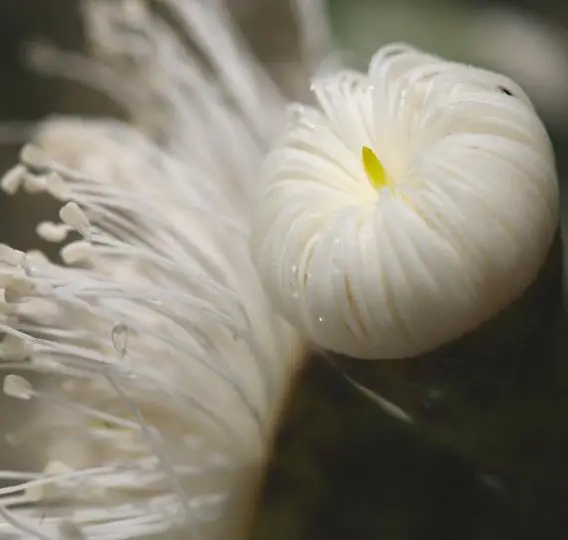
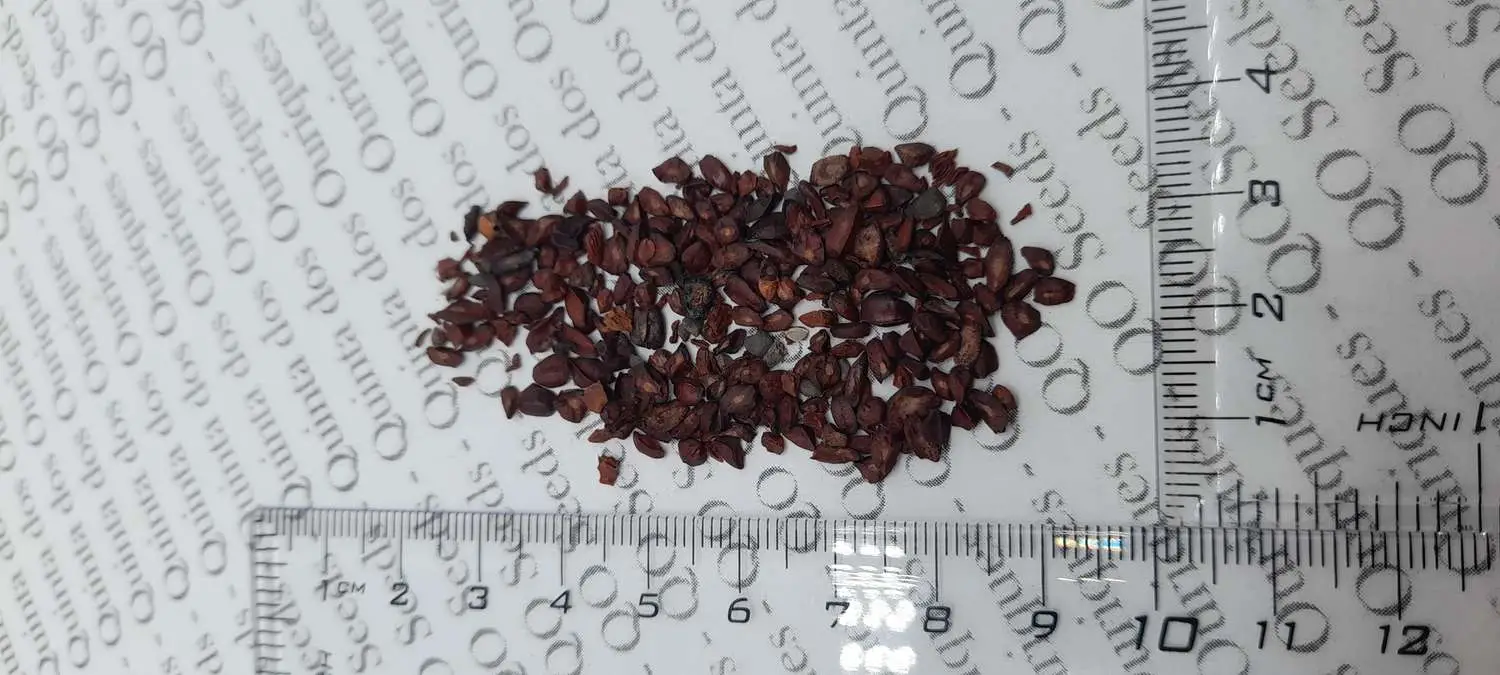
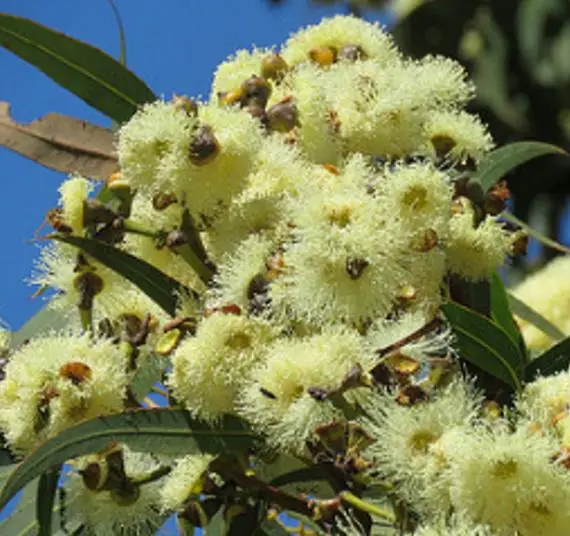
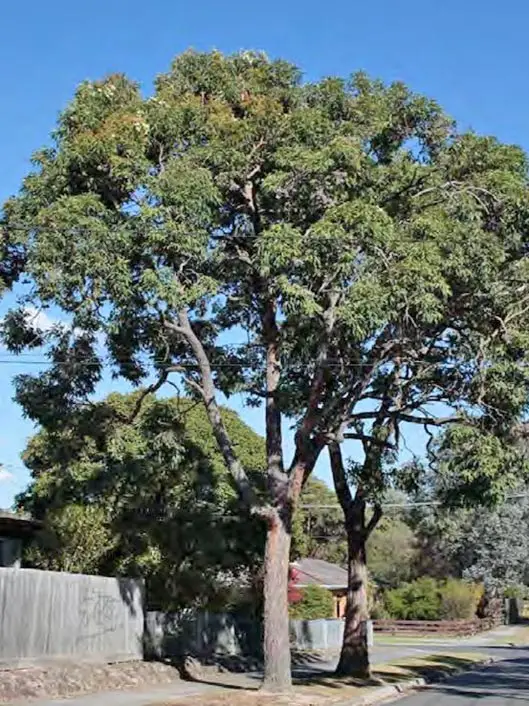
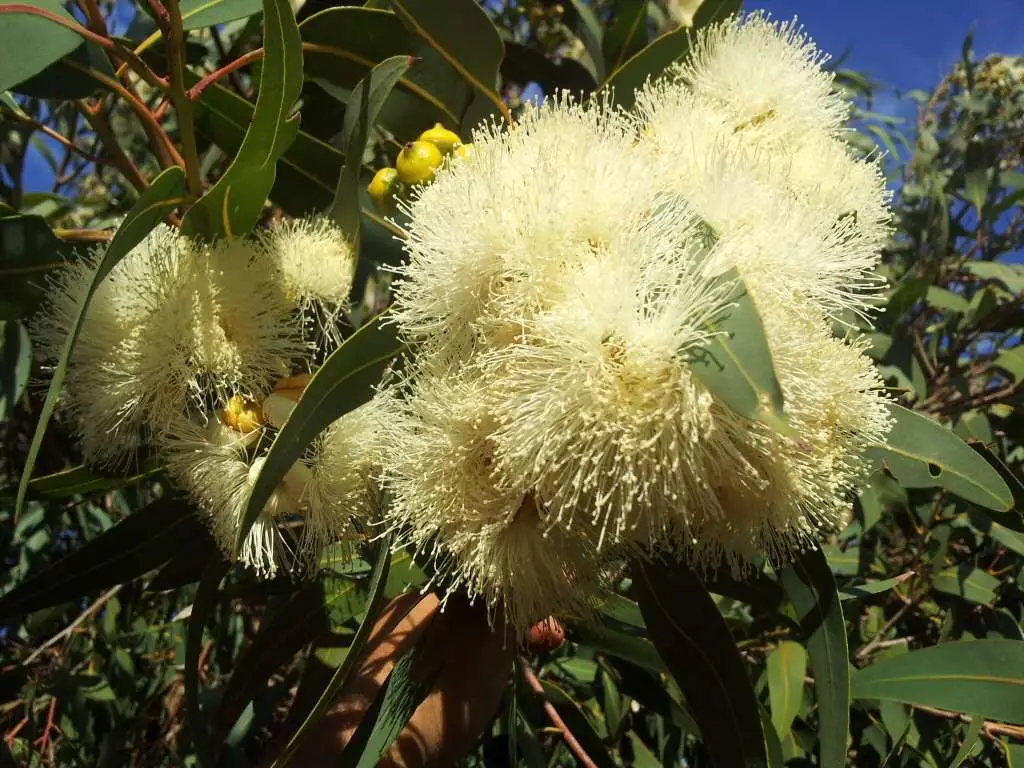
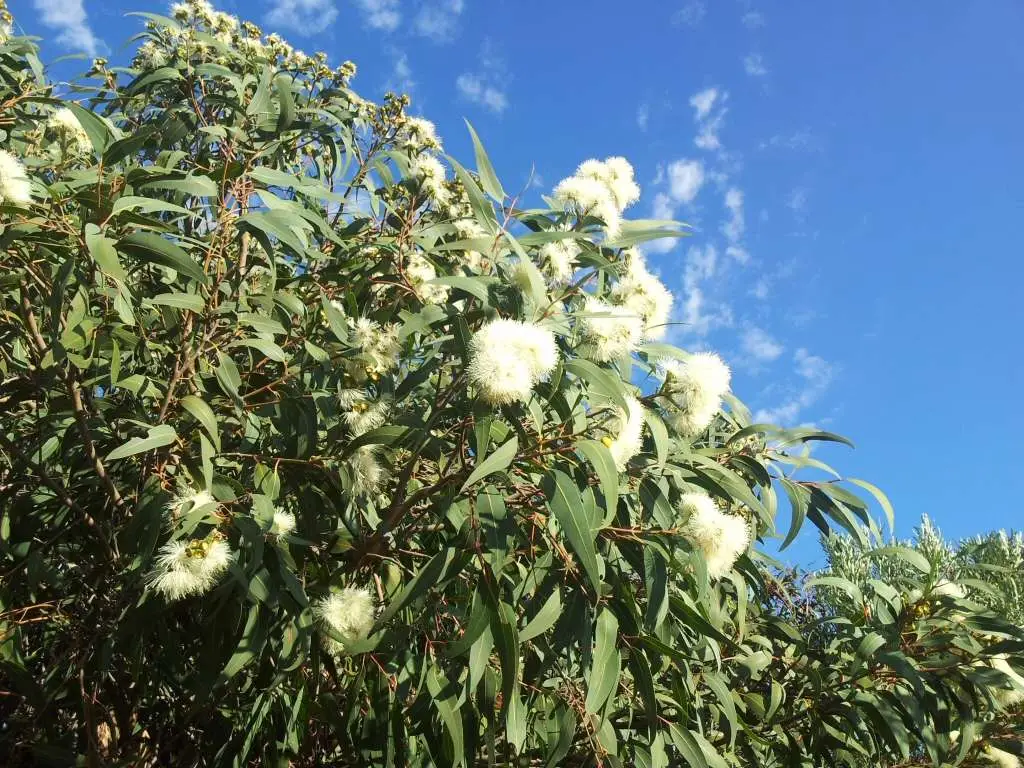
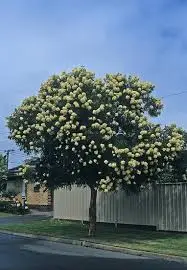
Exceptional and uncommon—its Latin name says it all. This Australian native erupts in late winter and spring with cream-colored flowers in clusters of seven, creating an irresistible feast for native birds, bees, and butterflies. The distinctive flaky yellow-brown tessellated bark and gnarled trunk add architectural drama year-round. Tolerates poor soils and drought beautifully, and the compact ‘Nana’ cultivar makes it ideal for gardens, streetscapes, and
€5.25
The species name is derived from the Latin adjective eximius ‘exceptional’ or ‘uncommon’, and that rarity is exactly what makes Corymbia eximia a treasure worth growing from seed.
This medium-sized tree is endemic to coastal and subcoastal regions around Sydney, Australia, thriving in dry forests on sandstone soils. The dwarf ‘Nana’ form brings the striking Yellow Bloodwood into smaller gardens, offering its gnarly mottled wood and crooked trunk as a compact tree that doesn’t dominate the landscape. What makes it so botanically precious is its ancient resilience—the yellow bloodwood regenerates by regrowing from epicormic buds after bushfire, and trees live for over a hundred years.
**The Wildlife Magnet—Nectar & Habitat in One Tree**
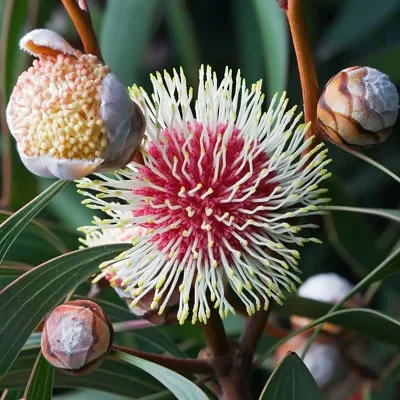
Here lies the beating heart of why growers fall in love with this species. Corymbia eximia nana flowers prolifically and attracts native birds, bees and bats. The tree produces masses of creamy-white fluffy flowers from late winter through spring, with these prominent blooms clustering along the branch tips to create a bright, eye-catching seasonal display that pairs beautifully with its striking patterned bark and blue-grey foliage. The nectar-rich flowers attract honeyeaters, native bees, butterflies and other beneficial insects, while the dense canopy provides valuable shelter for small birds, and the rough bark supports insects and microfauna, helping build a biodiverse garden ecosystem. Nectar loving birds, bees and insects are highly attracted to the abundance of flowers. If you’re passionate about creating living habitat—a garden that breathes with wildlife—this is your tree. It’s even noted as a honey producing plant, a bonus for beekeepers and pollinator advocates.
**The Visual Drama—Architecture & Texture**
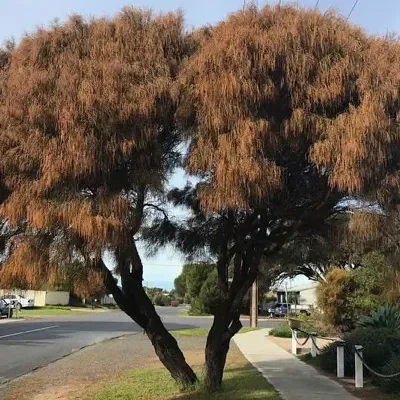
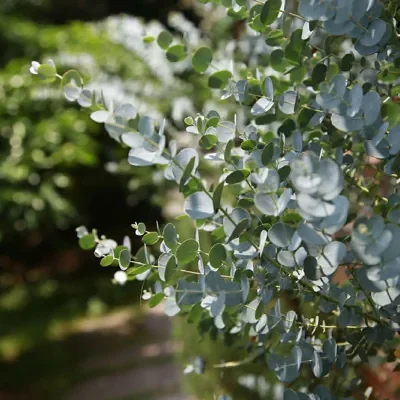
Growing as a gnarled tree recognisable by its distinctive yellow-brown tessellated bark, Corymbia eximia delivers year-round visual interest. The gnarly, mottled wood, combined with the tree’s crooked trunk, adds significant visual interest to the tree. Broad, long green leaves may turn a pale yellow-green in colder months. The large clusters of creamy-white flowers are a lovely contrast against the light-green to bluish-green mature foliage, making this an outstanding feature in any landscape or garden.
**Growing It From Seed—Easier Than You’d Think**
This species is known for its success in cultivation on very poor soils, in the hillside and sandy soils, and is extremely resistant to extended drought. As a young tree it requires regular watering, but once established Corymbia eximia develops excellent drought tolerance, thriving in hot, dry, rocky and coastal environments, maintaining strong growth and reliable flowering with minimal supplementary watering. This evergreen tree performs well in full sun to partial shade. It performs best in well-drained sandy or loam soils and tolerates slightly acidic to slightly alkaline conditions. The ‘Nana’ cultivar is ideal for small gardens or planting spaces where the tree height is a concern, reaching 6–8 metres tall. Its dwarf nature makes it an excellent choice for sizeable pots or containers.
**Grow This From Seed—And Watch It Become a Living Beacon**
Imagine: in just a few seasons, you’ve grown a tree that will feed birds, bees, butterflies, and bats for a hundred years. A tree with bark like sculptured gold, canopy like an emerald umbrella, and spring flowers that cover it entirely in
Only logged in customers who have purchased this product may leave a review.
Reviews
There are no reviews yet.