
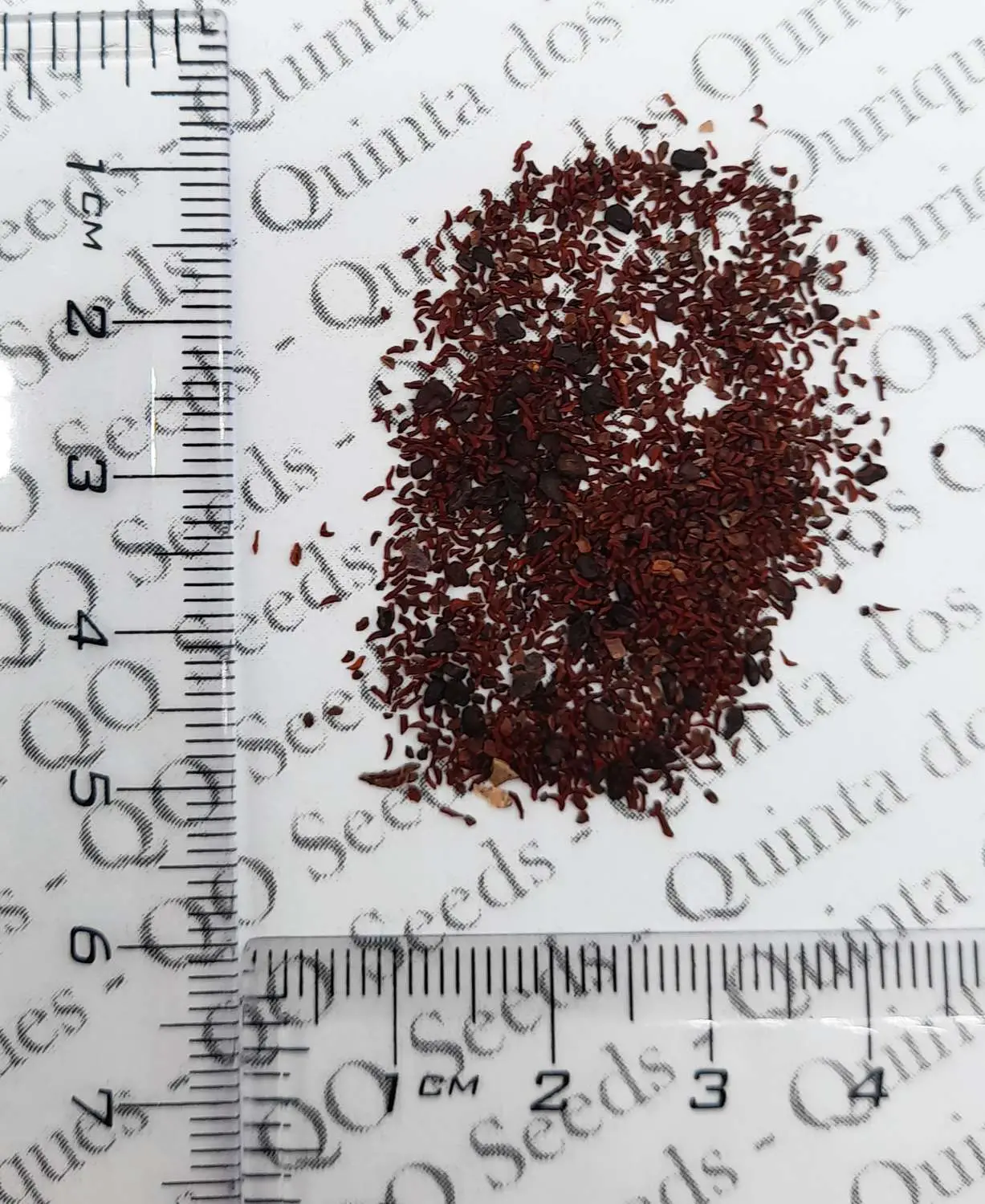
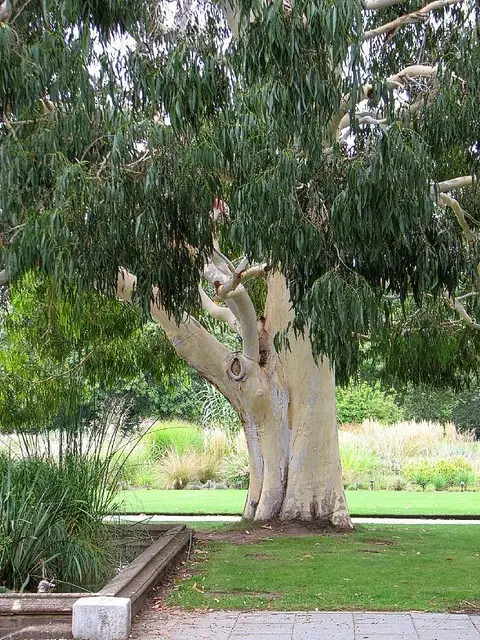
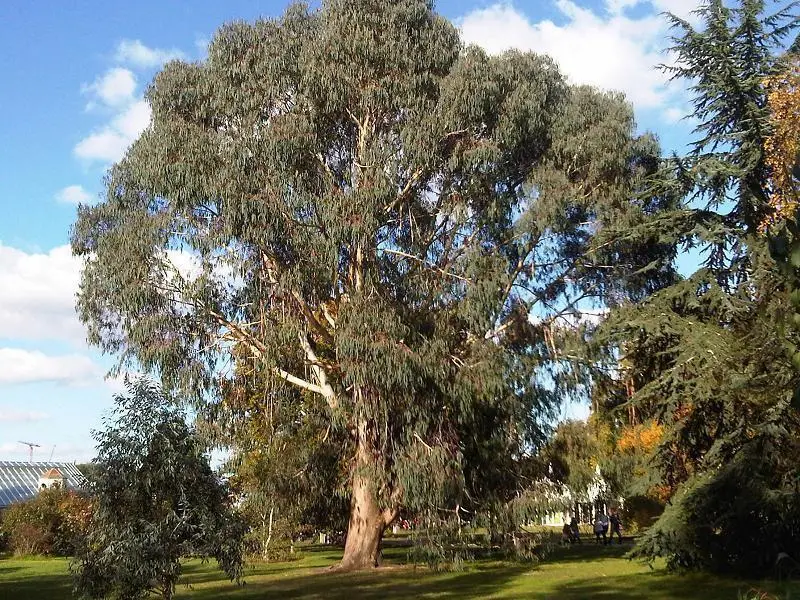
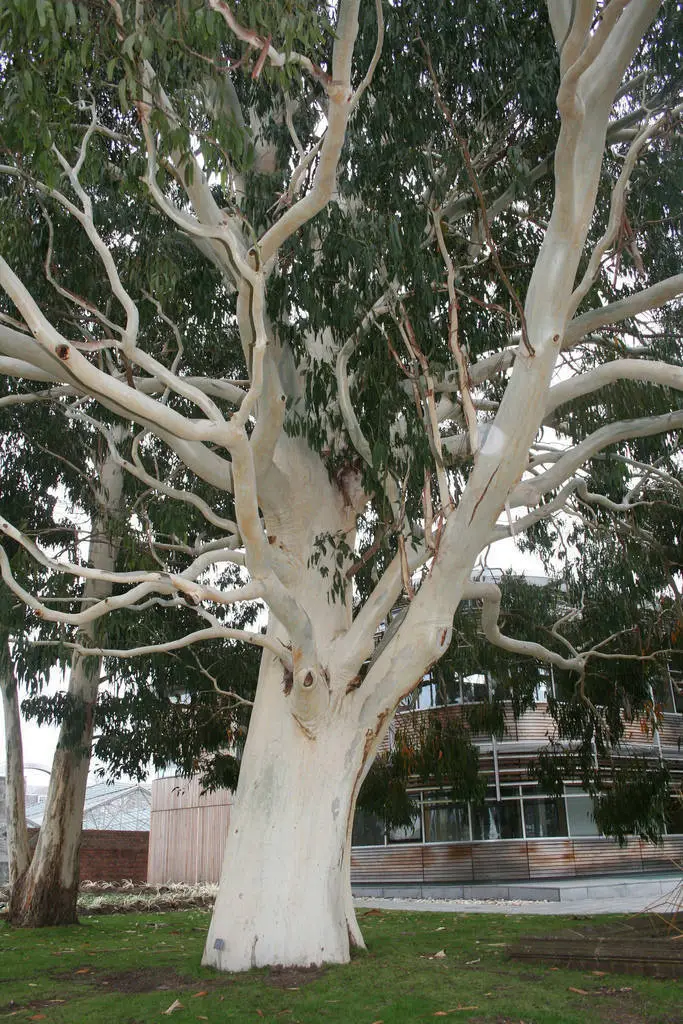
Watch your garden transform. Eucalyptus dalrympleana blazes with creamy white bark that luminously peels to reveal fresh pale tones—a living sculpture that commands attention year-round. Rich, cinnamon-scented foliage emerges copper-bronze, maturing to graceful blue-green. Its white flower clusters are an irresistible nectar source for honeybees and pollinators. Grow this fast-growing, drought-tolerant giant from seed: full sun, well-drained soil, and you’
Watch your garden transform into a sanctuary of living white light—that’s what Eucalyptus dalrympleana delivers.
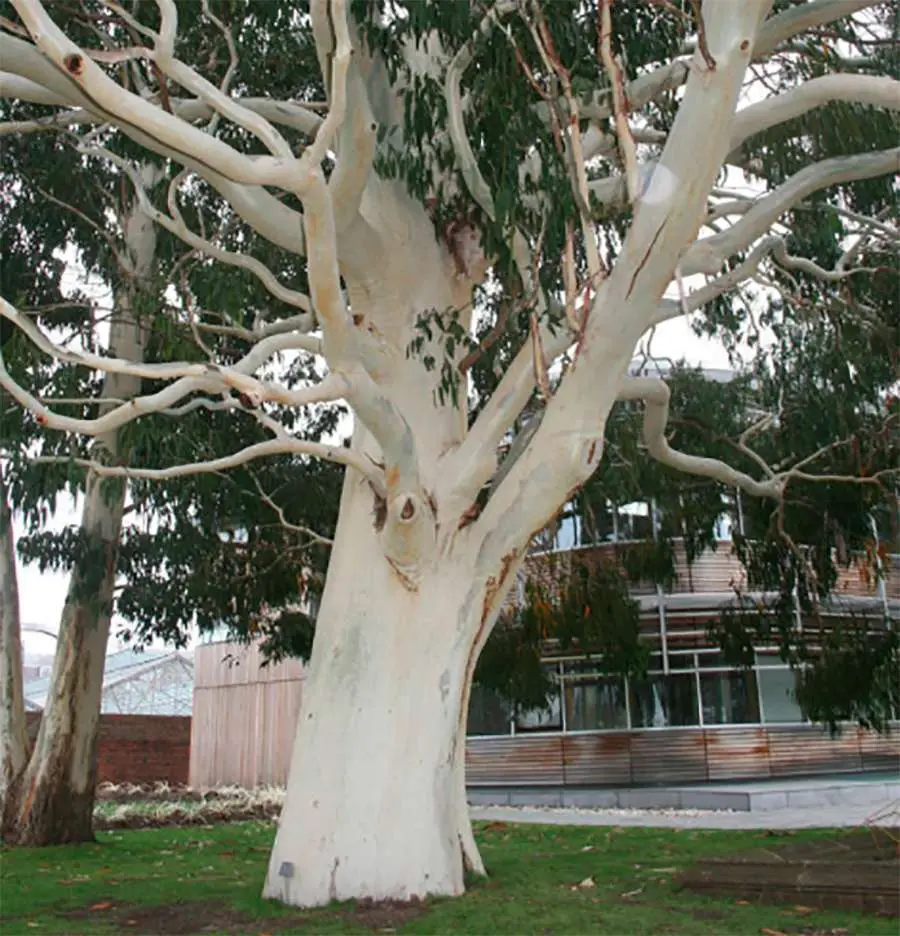
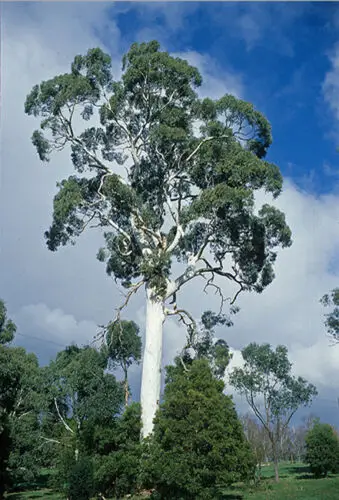
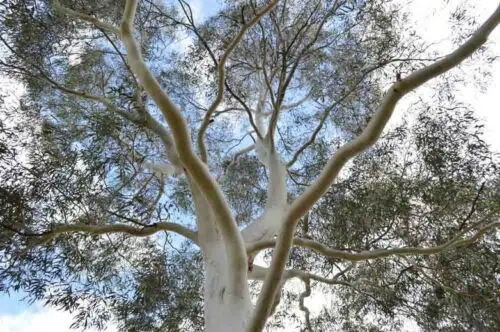
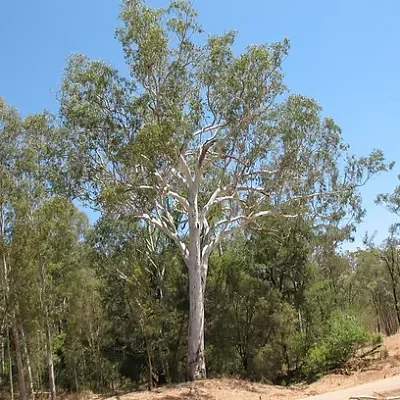
Native to the mountain forests of southeastern Australia, this is not a modest tree. It ascends to 40–60 meters in its homeland, crowned with the most architectural presence of any hardy eucalyptus. Its signature: a straight trunk of creamy white to pale yellow bark that peels seasonally in papery ribbons, revealing fresh chalk-white bark beneath. The effect is luminous, almost sculptural—especially when winter sunlight catches the flaking patches of cream, salmon-pink, and silvery grey. This tree doesn’t just grow; it becomes a focal point, a meditation on vertical grace.
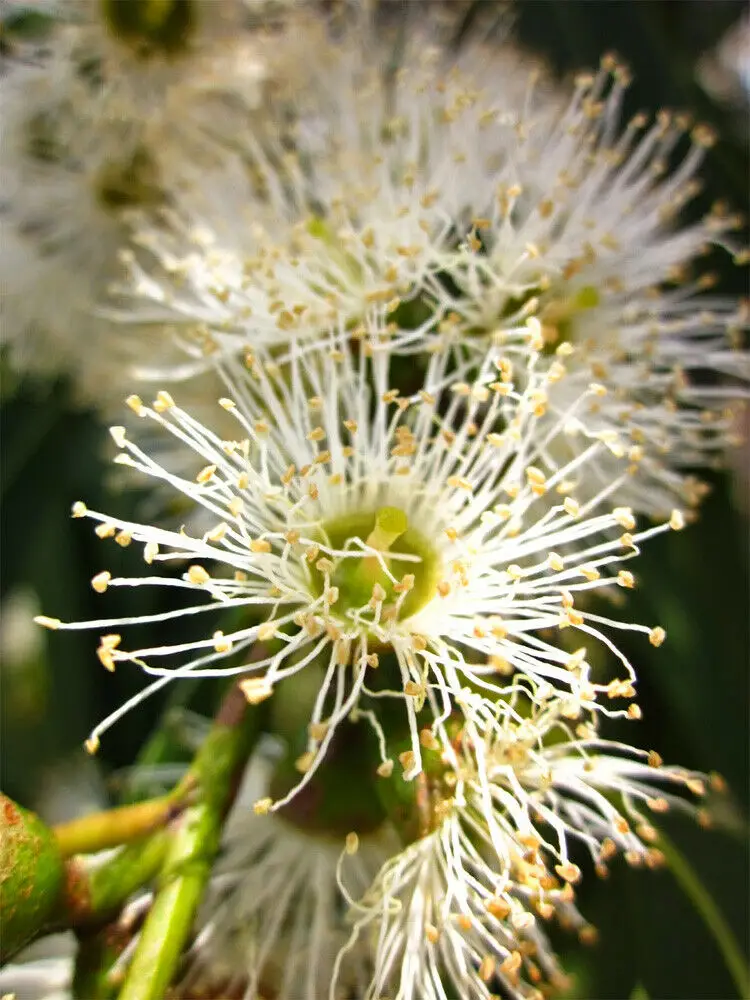
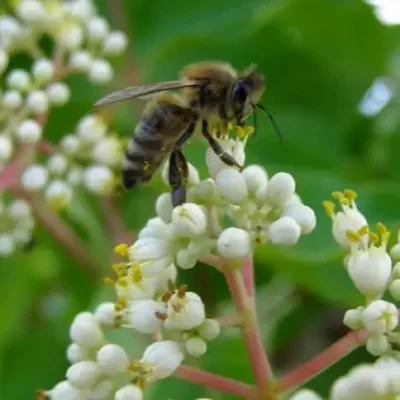
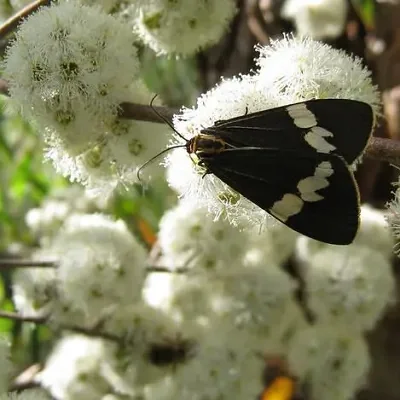
But appearance is just the beginning. The Mountain White Gum is a powerhouse of practical appeal—your gateway into beekeeping and pollinator gardening. Its white flowers, borne in summer clusters of three (or seven, depending on subspecies), are absolutely irresistible to honeybees and nectar-feeding insects. Gardeners and small-scale beekeepers prize this species as a reliable, generous nectar source that supports thriving colonies throughout summer months. Beyond bees, it’s a vital food plant—the nectar feeds butterflies, hoverflies, and all those invisible pollinators your garden depends on. Grow dalrympleana, and you’re not just planting a tree; you’re building an ecosystem. The aromatic foliage itself is a bonus: crushed leaves release a fresh eucalyptus scent with hints of cinnamon, and the young foliage is highly valued by florists for wreaths, dried arrangements, and ornamental displays. Even the bark strips are harvested for kindling and fragrant firewood—your tree becomes a year-round resource.
Cultivation is refreshingly straightforward. This is a fast-growing champion—reaching up to 2 meters per year in its youth when given good conditions—yet it’s remarkably easy to manage. Plant in full sun (non-negotiable; eucalyptus won’t tolerate shade), in well-drained soil of almost any type. It’s tolerant of poor soils, limey soils, and dry sandy conditions. Once established, it’s extremely drought-resistant and hardy, tolerating temperatures down to –12°C or colder when mature. Water young plants regularly to establish them, then step back and let it soar. The tree forms a lignotuber (a swollen rootstock), which means it responds beautifully to coppicing—cut it hard, and it regenerates into a multi-stemmed thicket or can be trained back to a single magnificent trunk. This makes it perfect for controlling its size in smaller gardens or creating dramatic screening and windbreak effects. Prefers slightly acidic soil but is genuinely flexible. Plant in spring or early summer to allow time for establishment before winter. Sow seeds at 13–18°C and watch them germinate with enthusiasm.
Grow Eucalyptus dalrympleana from seed, and you’ll cultivate not just a tree but a living legacy. In a decade, you’ll have a striking specimen that frames your skyline. In twenty years, a majestic white-trunked giant that attracts honey-laden bees, feeds butterflies, provides fragrant firewood, and turns your garden into a mountain landscape. This is the eucalyptus for those who dream big—and grow even bigger.
Only logged in customers who have purchased this product may leave a review.
Reviews
There are no reviews yet.