
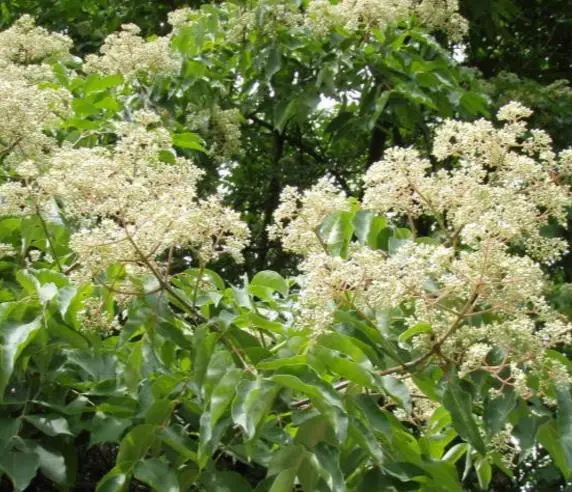
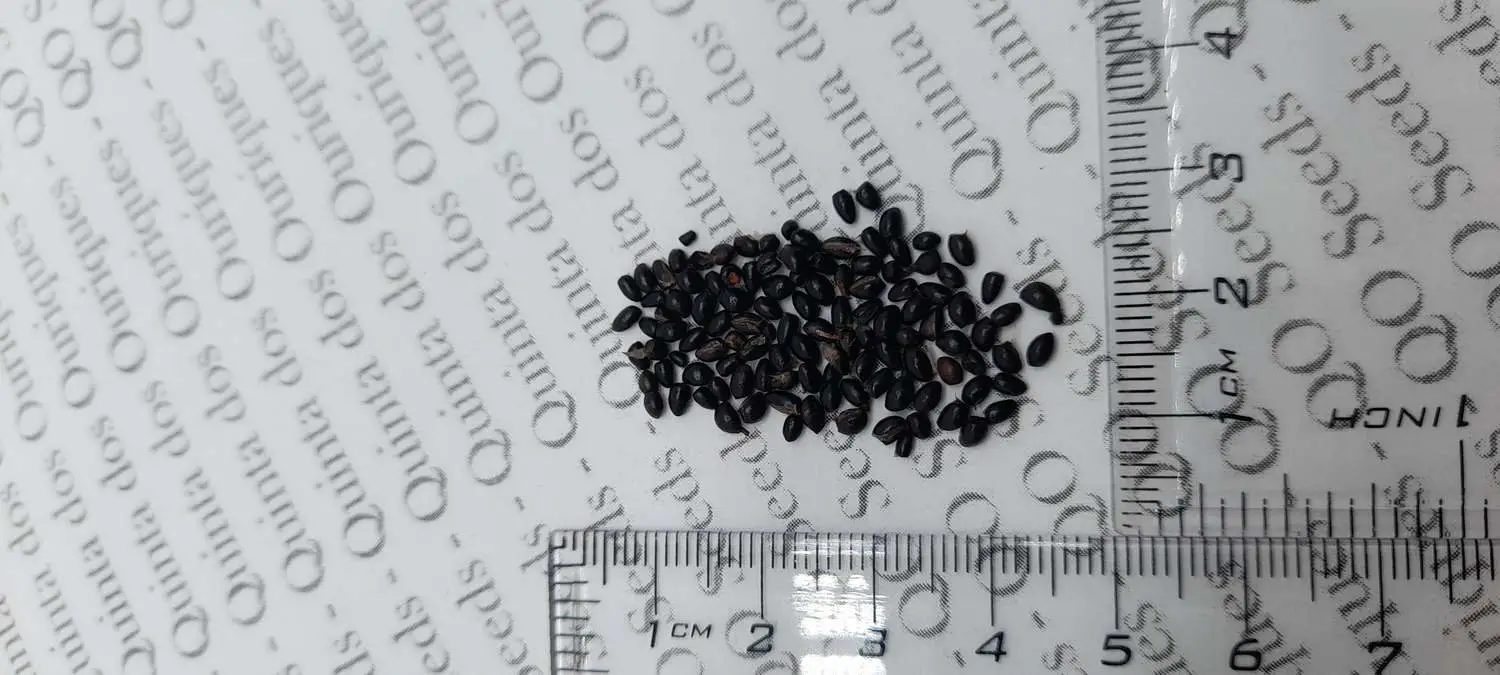
The ultimate nectar source for beekeepers. Tetradium daniellii blooms when little else does—mid-July through August—flooding the tree with fragrant white flowers so rich in nectar that colonies can build winter stores. Easy to grow, fast-maturing, cold-hardy. Watch bees vibrate your tree with joy. Start from seed and grow your own honey machine.
€1.92
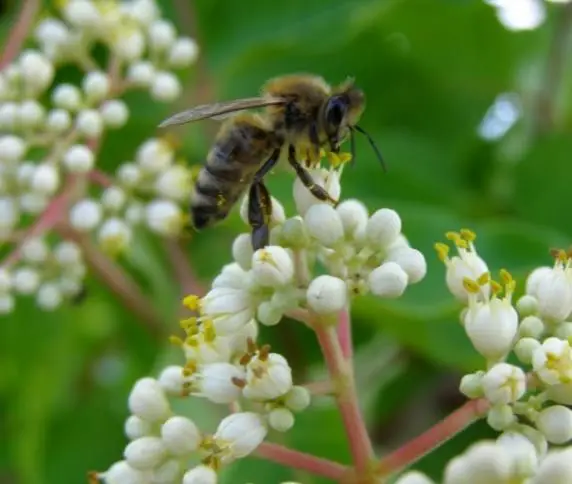
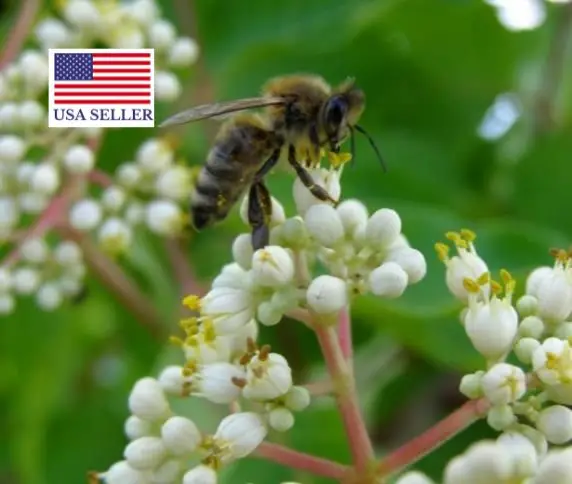
Tetradium daniellii is highly prized as a nectar source for honeybees; when the plants are in flower, an incredible number of bees can be seen (and heard) visiting the flowers. This is not a tree for casual ornament—this is a tool for serious beekeepers and pollinator lovers who understand the profound economics of nectar timing.
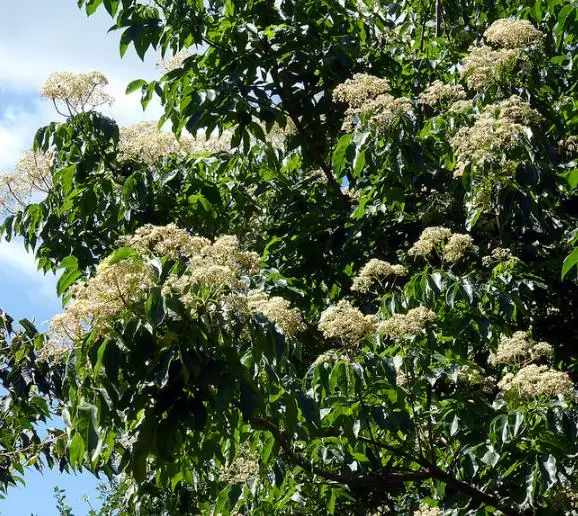
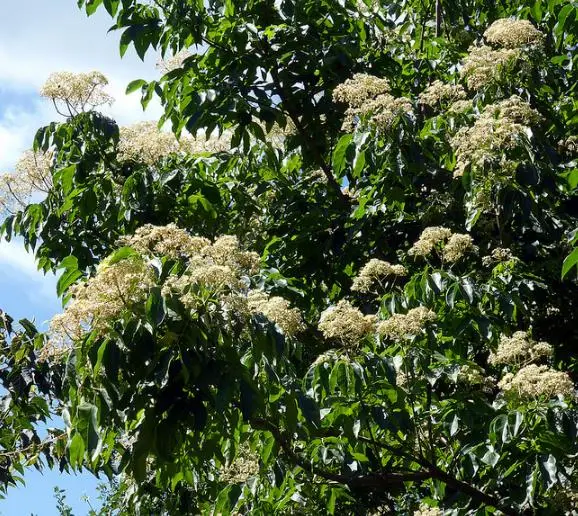
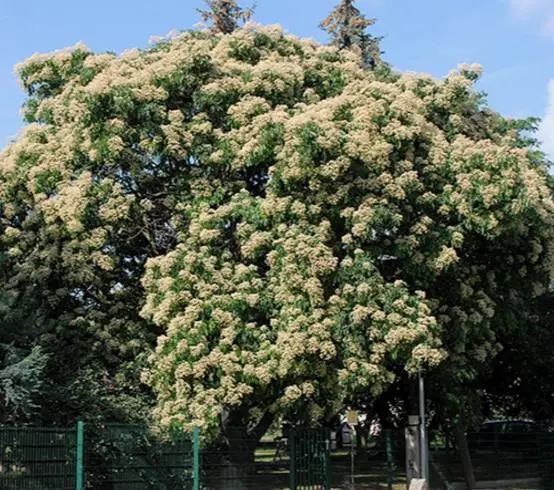
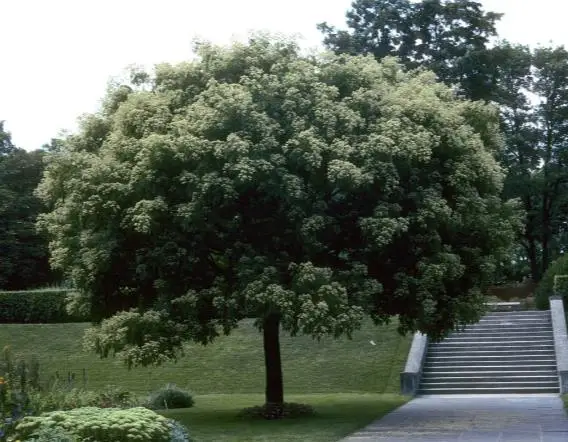
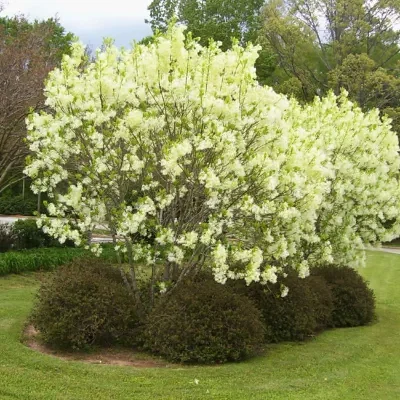
Tetradium daniellii, commonly called tetradium or bee bee tree, is native to Korea and southwestern China. Named after a British army surgeon William Freeman Daniell, the bee-bee tree is a flowering tree with a rounded umbrella-shaped form. The genius of this species lies in a single ecological fact: it flowers prolifically from mid-July through mid-August, when little else is blooming. For beekeepers in temperate regions where summer drought causes a “dearth”—a nectar famine—this tree is pure rescue, pure survival for their colonies.
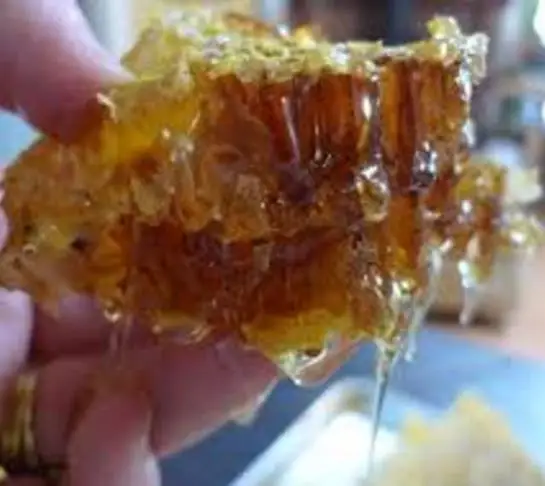
But the commercial magic? The sheer nectar productivity. It is very appreciated for its generous fragrant flowering, but above all very melliferous, composed of creamy white panicles. Bees are very attracted to the extremely nectar- and honey-producing flowers, which explains why it is called a “honey tree”. The female flowers are surrounded by nectar discs that attract bees and provide them with enough nectar to last through the winter. Scale this up: one hectare of continuous plantings of Evodia, under favorable conditions, is capable of producing up to 6 tons of honey! The tree doesn’t just feed bees—it enables them to thrive, reproducing your apiary’s strength and honey harvest in a single late-summer window. This is why beekeepers from Asia to Europe now plant Tetradium daniellii as infrastructure, not ornament. The gardener and beekeeper bernhard jaesch was contemplated with a gold medal in the exhibition of international horticulture (iga) in germany, under the title a fountain of the nectar with a species tetradium danielli.
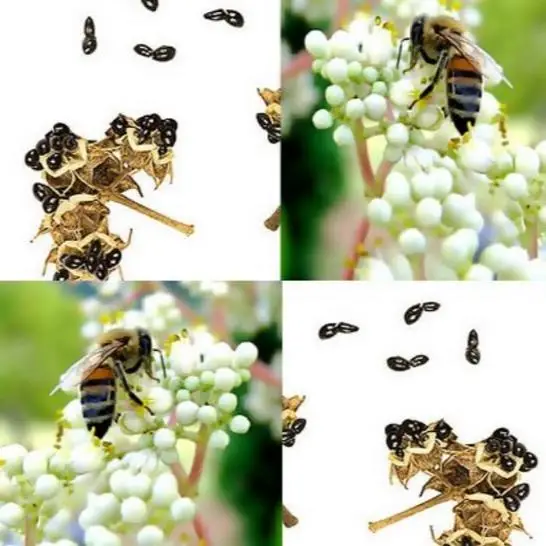
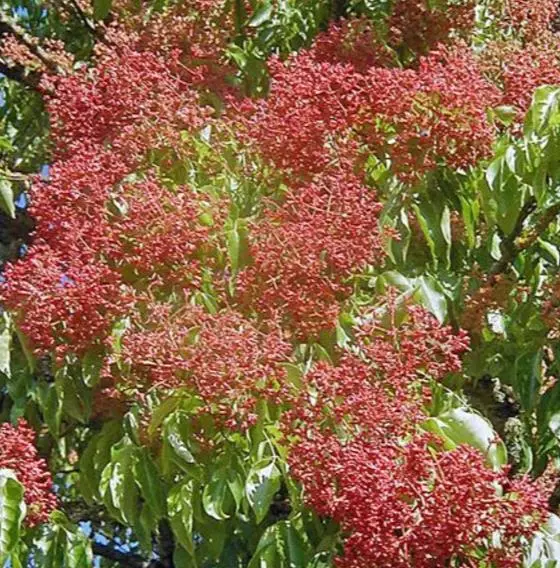
Small, fragrant, white (sometimes tinged yellow or pink) flowers bloom in flattened corymbs (to 4-6″ wide) in July-August. The visual reward is generous: the foliage is quite lush and comprised of compound leaves that are made up of several small, oval to lance-shaped leaflets; in their maturity, the leaves tend to display a glossy, deep-green color, offering a vigorous backdrop to the blooms. Flowers give way to reddish-purple seed pods that split open when ripe; each pod contains two, shiny, buckshot-like, black seeds. Birds are attracted to the seed. Beyond beekeeping, Korean Evodia can attract a variety of insects and birds, and therefore can be integrated into wildlife gardens to promote biodiversity.
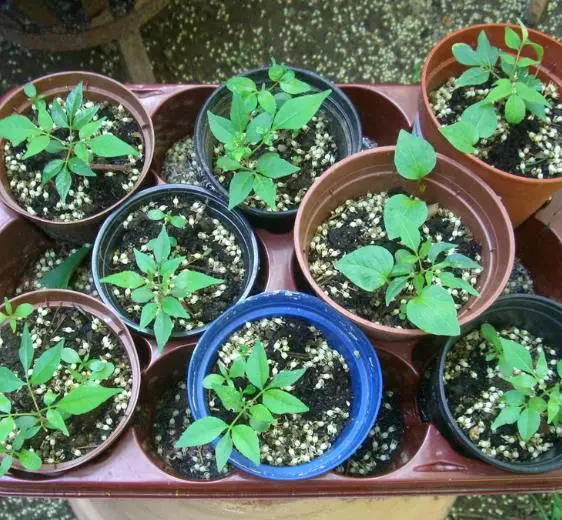
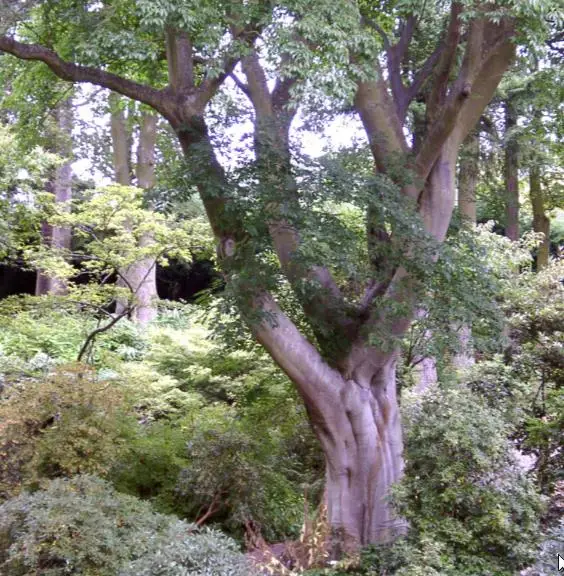
Growing Tetradium daniellii is remarkably straightforward. Easily grown in consistently moist, moderately fertile, well-drained soils in full sun; tolerates some light shade. Tetradium daniellii tolerates acidic and alkaline soils, from sand to clay, and can also handle drought quite well. This tree is hardy to cold (-27°C) fast-growing tree that offers a spreading crown. Trees flower at 6-8′ in height, meaning you won’t wait decades for your first bloom—young trees begin performing within 3-4 years from seed. Plants exhibit rapid growth in early years. No serious insect or disease problems. This is a tree that asks for water and sun, then repays you with productivity that compounds every season.
Grow Tetradium daniellii from seed and you’re planting not just a tree, but a living investment in pollinator abundanc
Only logged in customers who have purchased this product may leave a review.
Reviews
There are no reviews yet.