
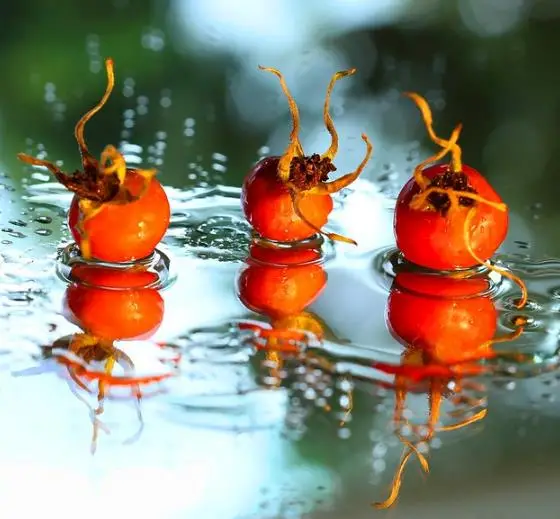

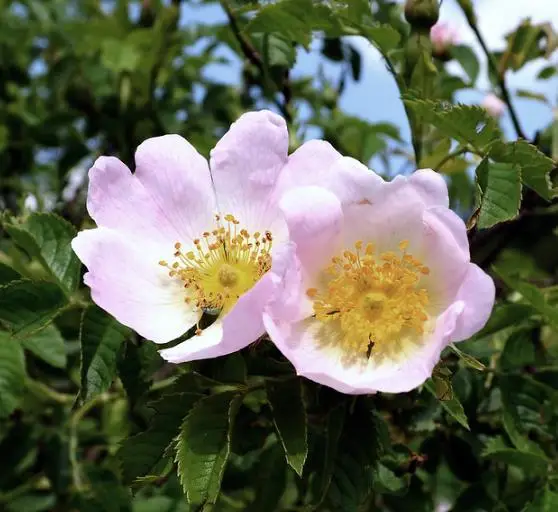
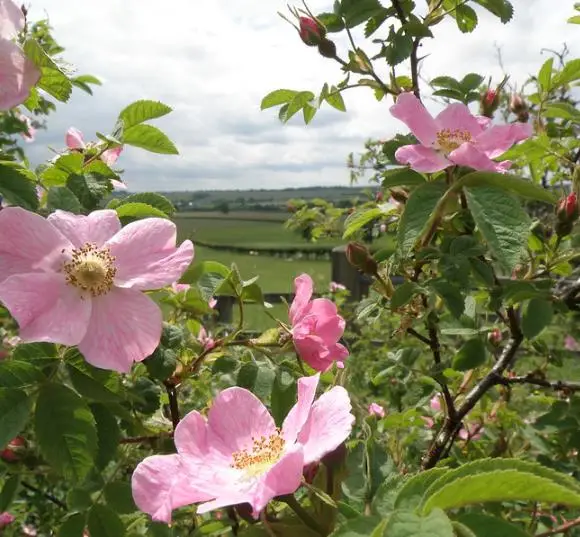
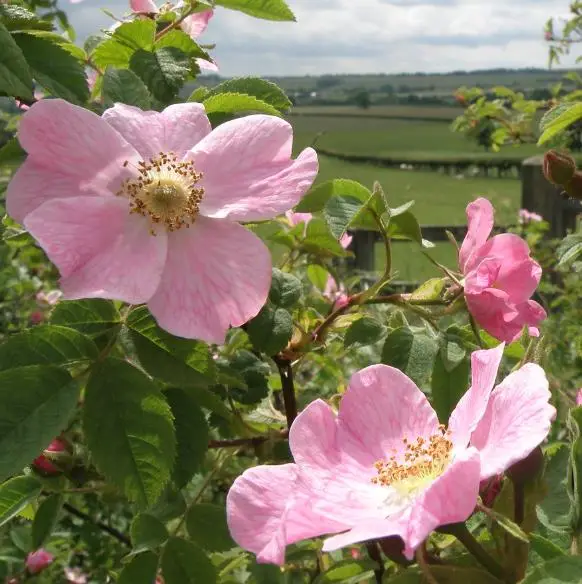



Grow your own rosehip pharmacy: This hardy European wild rose produces abundant vitamin C–rich hips prized for tea, syrup, and skin oils. Delicate pink flowers emerge in late spring, followed by glowing red hips that feed birds through winter. The foliage releases an intoxicating green-apple fragrance after rain or when brushed. Easy to grow, tolerant of poor soil, and disease-resistant—a true permaculture gem.
€1.92
Rosa rubiginosa, known as sweet briar, sweetbriar rose, sweet brier, or eglantine, is a species of rose native to Europe and western Asia. You’re about to plant one of literature’s most celebrated wild roses—a shrub steeped in poetry, folklore, and culinary tradition.
It is a dense deciduous shrub 2–3 meters high and across, with the stems bearing numerously hooked prickles. The foliage has a strong apple-like fragrance. What makes this fragrance unforgettable: The fragrance is strongest after a rainstorm or when the leaves are touched. Imagine walking past your hedge on a summer morning and that green-apple perfume washing over you—it’s the kind of sensory experience that makes gardening worth it. Vita Sackville-West planted a hedge of sweet briar at Sissinghurst Castle Garden, praising its apple-like scent and rugged elegance.
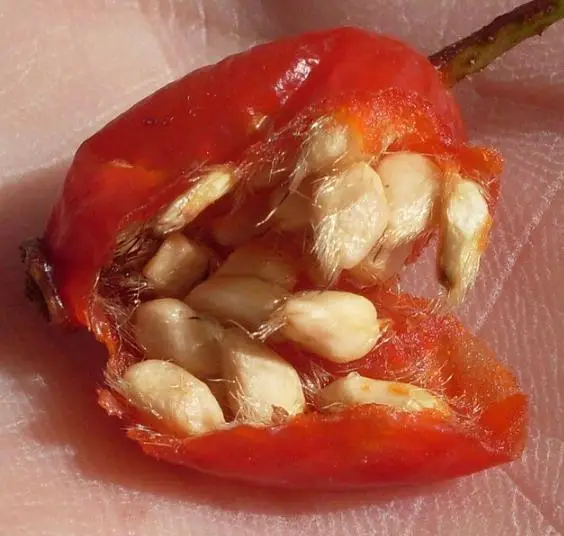
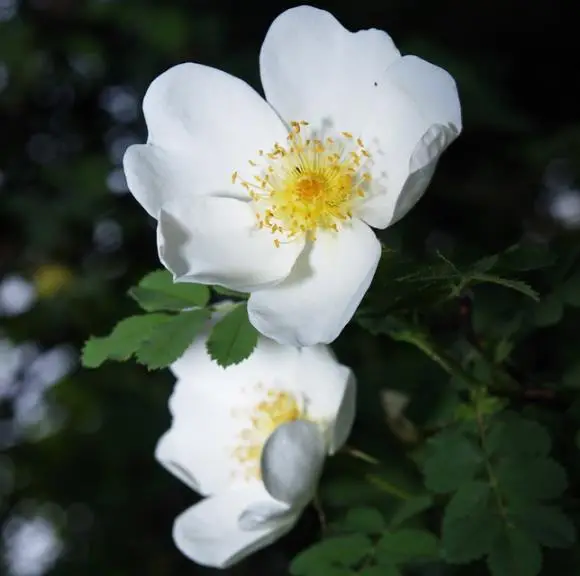
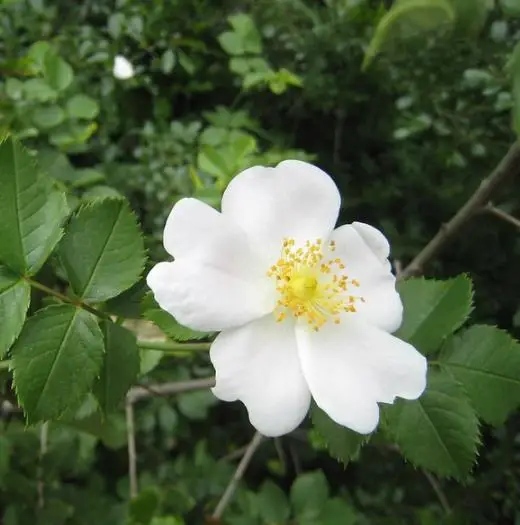
The real magic, however, lives in the hips. The flowers are 1.8–3 cm in diameter, the five petals being pink with a white base, and the numerous stamens yellow; the flowers are produced in clusters of 2–7 together, from late spring to mid-summer. The fruit is a globose to oblong red hip 1–2 cm in diameter. But these aren’t just pretty: Sweet Briar hips have a high vitamin C content and are harvested commercially for processing into Rose Hip syrups. Sweetbriar (Rosa rubiginosa) is a good source for rosehip medicine. Made from the pseudo-fruits of the rose plant, rosehip tea is full of healthy compounds like polyphenols, antioxidants, vitamin C, and vitamin E. It can help with various ailments, from relieving pain to regulating blood pressure and improving circulation. Rose hips oil is extracted from the Rosa rubiginosa fruit, containing flavonoids, tannins, carotenoids, and having tissue regeneration properties helping to reduce scars and wrinkles. Every autumn, you’ll harvest nature’s own supplement—bright red gems that transform into warming winter tea, face oil, or jewel-like syrup. This is more than ornamental gardening; it’s building a personal herbal pharmacy.
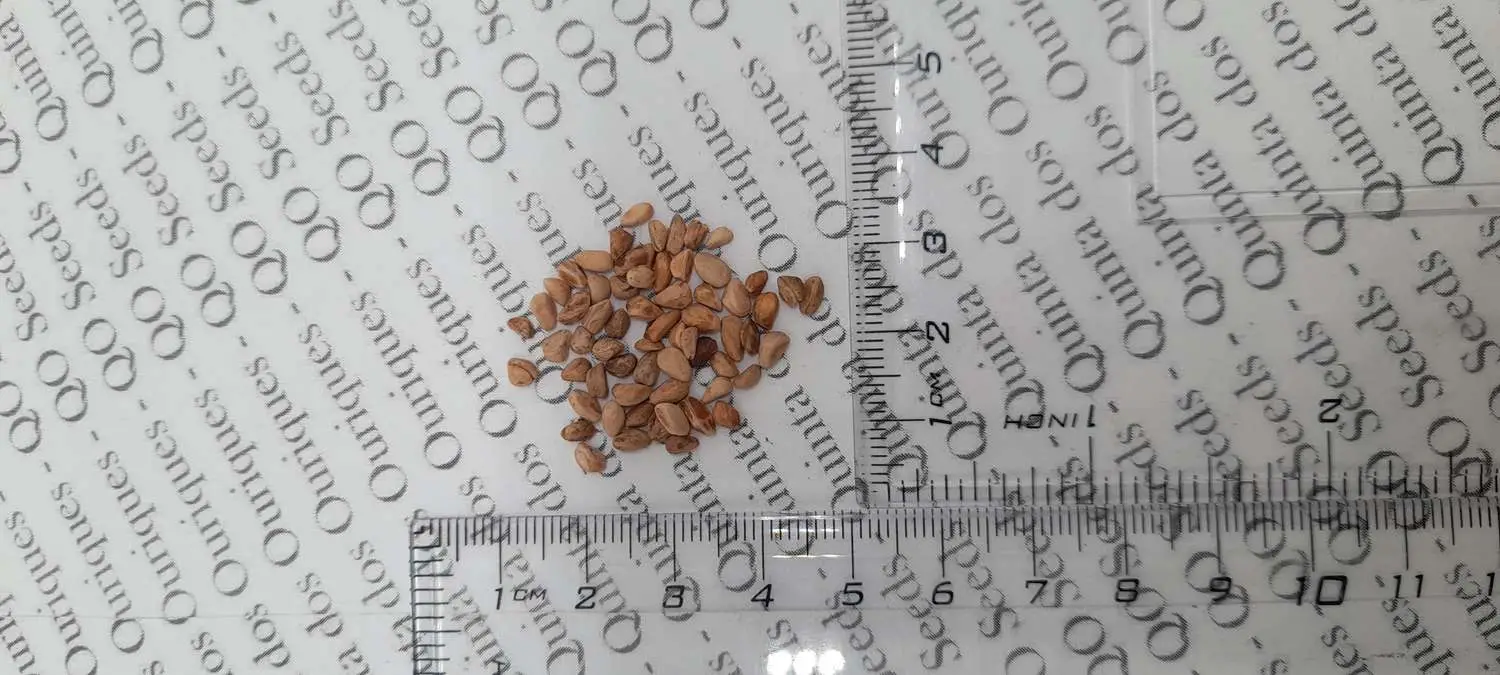
It grows and blooms best in organically rich, well-drained loam soil and should be grown in full sun or with some protection from late afternoon intense sun. It tolerates poor soil and shade, but does not bloom as well. Here’s what makes Rosa rubiginosa special as a seed crop: Disease resistant & easy to grow, this prickly antique Rose has been cultivated since the mid 1500’s. This wild rose is hardy in USDA Zones 4–9, tolerating both cold winters and hot summers. Whether you’re a beginning gardener or a seasoned green thumb, this rose rewards you. It’s tough enough to naturalize on roadsides, yet refined enough for formal hedges. The hips are an essential winter food source for birds and small mammals. Growing from seed means building a shrub from its DNA—watching it establish, watching it bloom, watching those precious hips ripen season after season.
There’s a reason eglantine haunts British literature. Queen Elizabeth I adopted the eglantine as a personal emblem, signifying royalty and chastity, which integrated it into British heraldic traditions as a natural counterpart to the more formal Tudor rose. Shakespeare wrote of it. Keats sang of it. And now, you can grow it from seed—a living link to centuries of garden heritage, producing your own medicinal bounty year after year. This is the rose you’ve been looking for.
Only logged in customers who have purchased this product may leave a review.

Reviews
There are no reviews yet.