Description
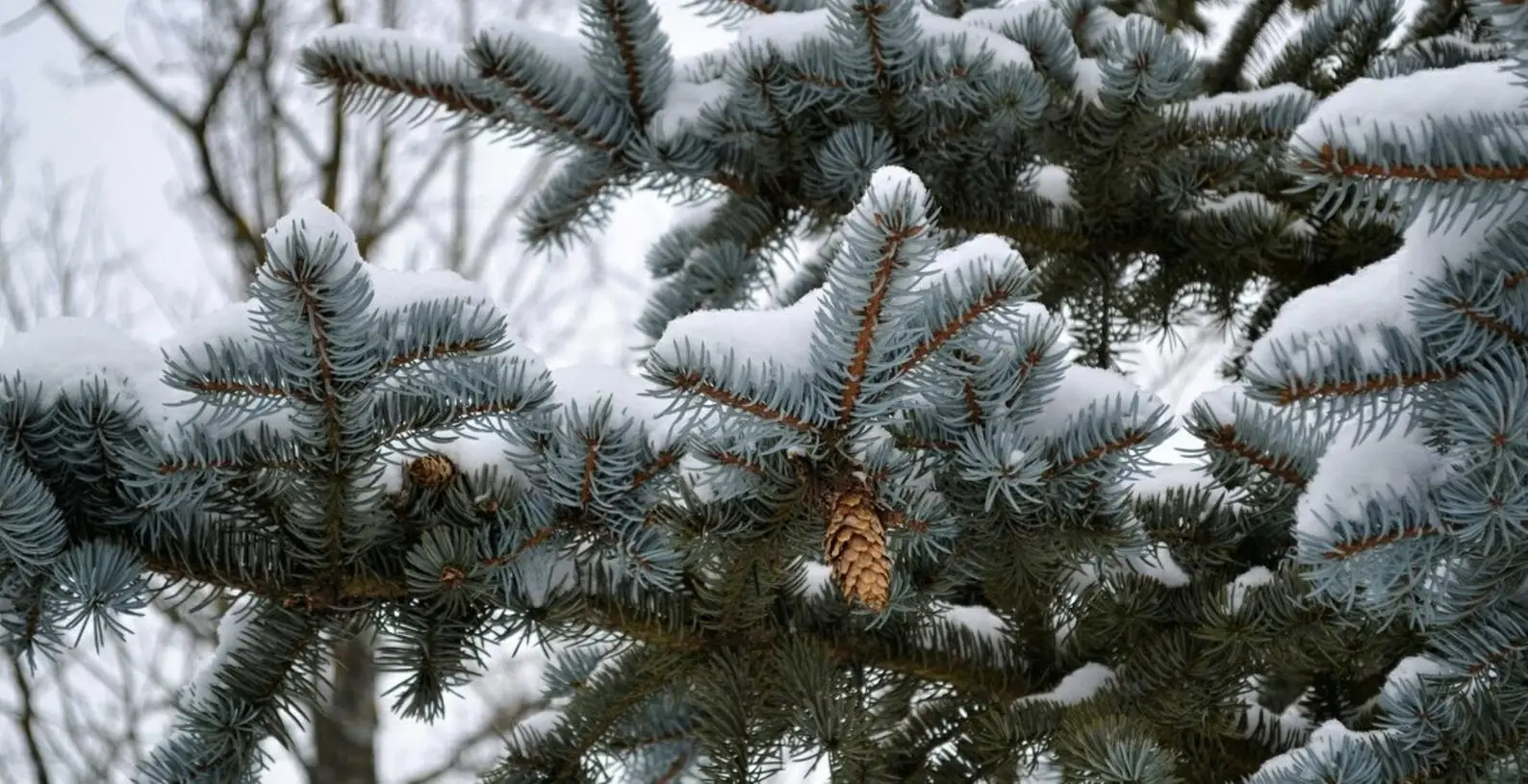
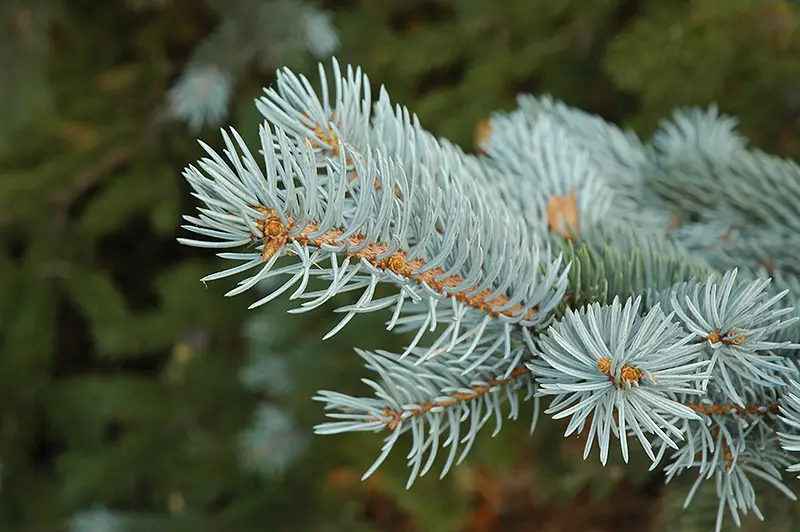
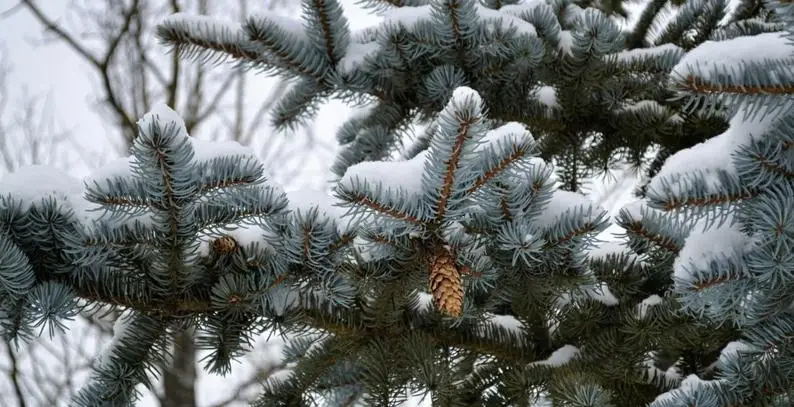
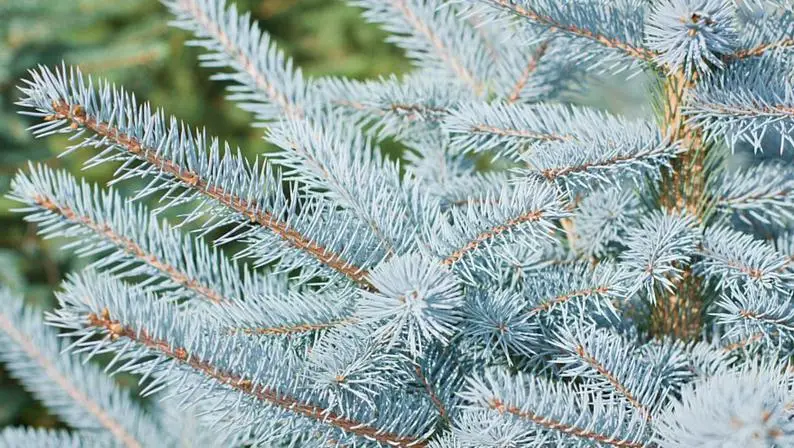
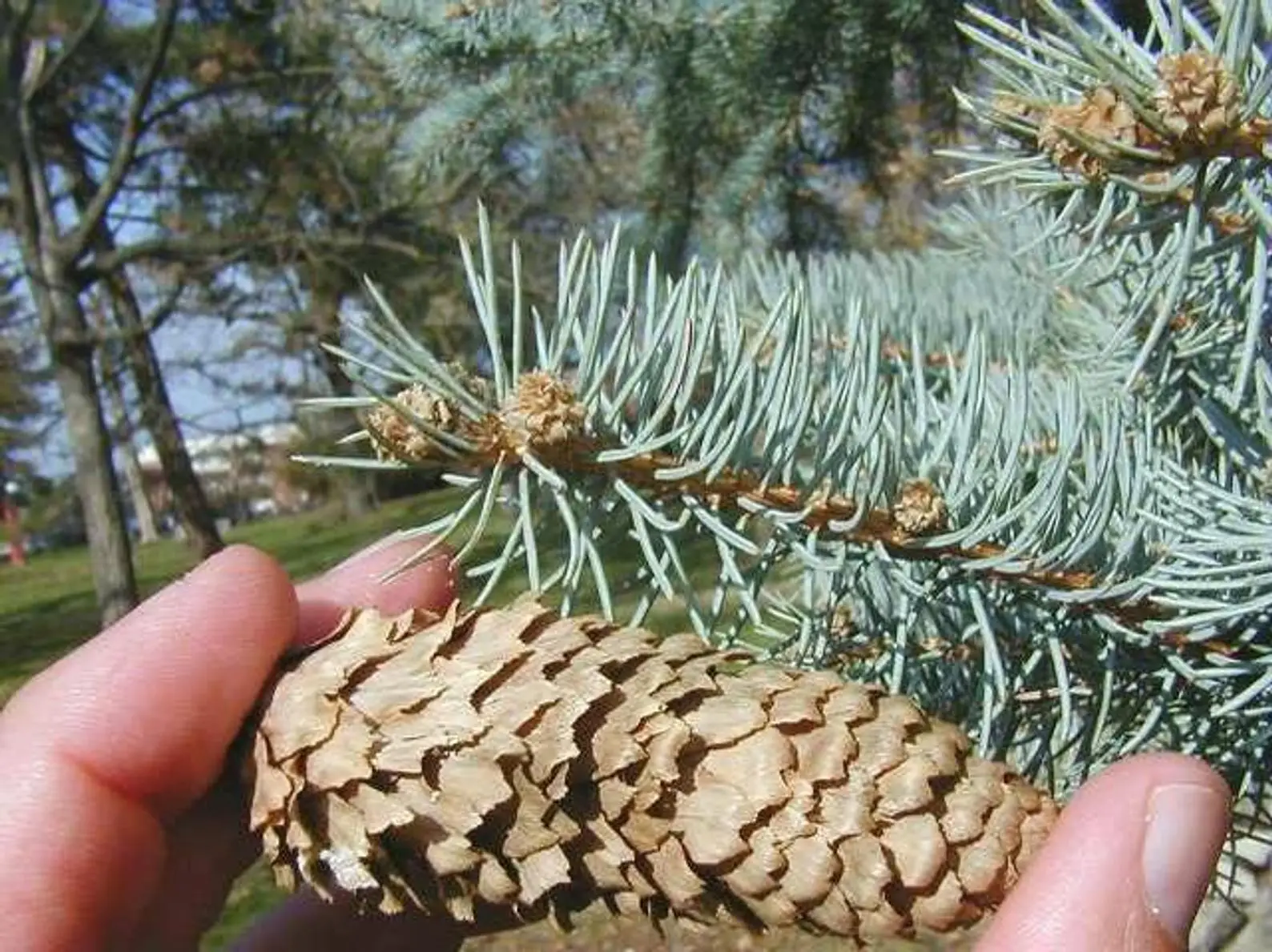
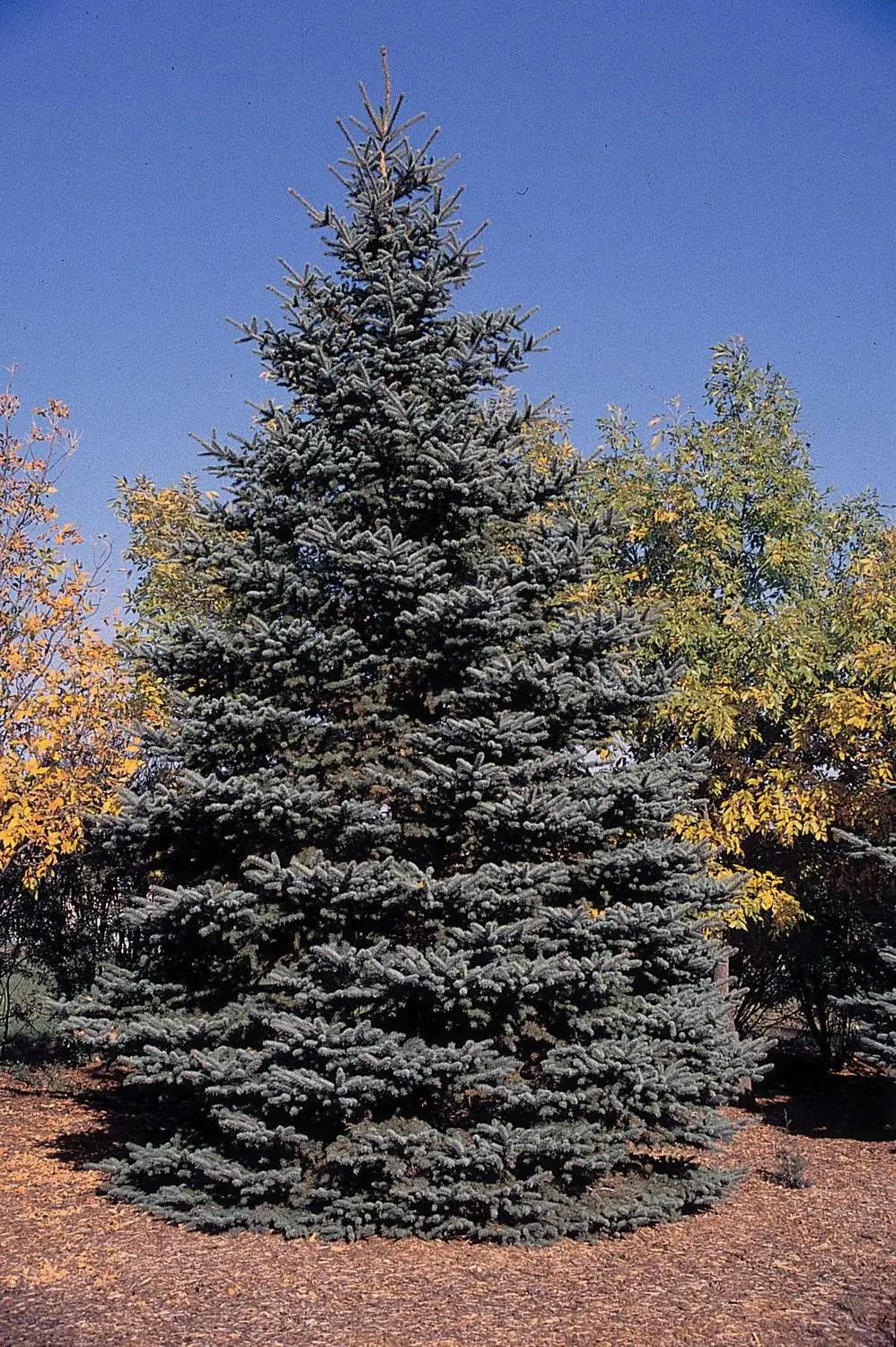
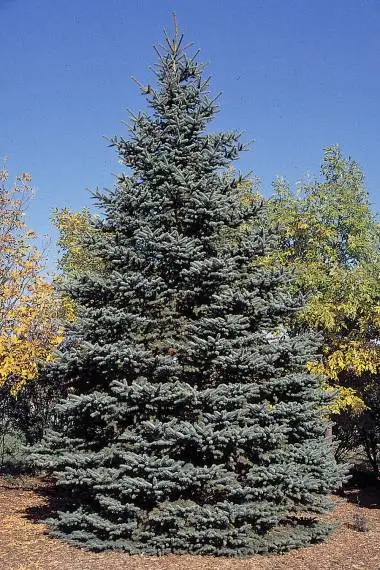
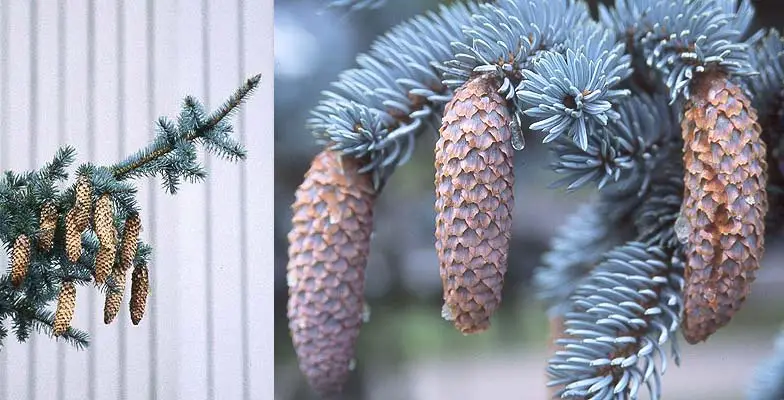
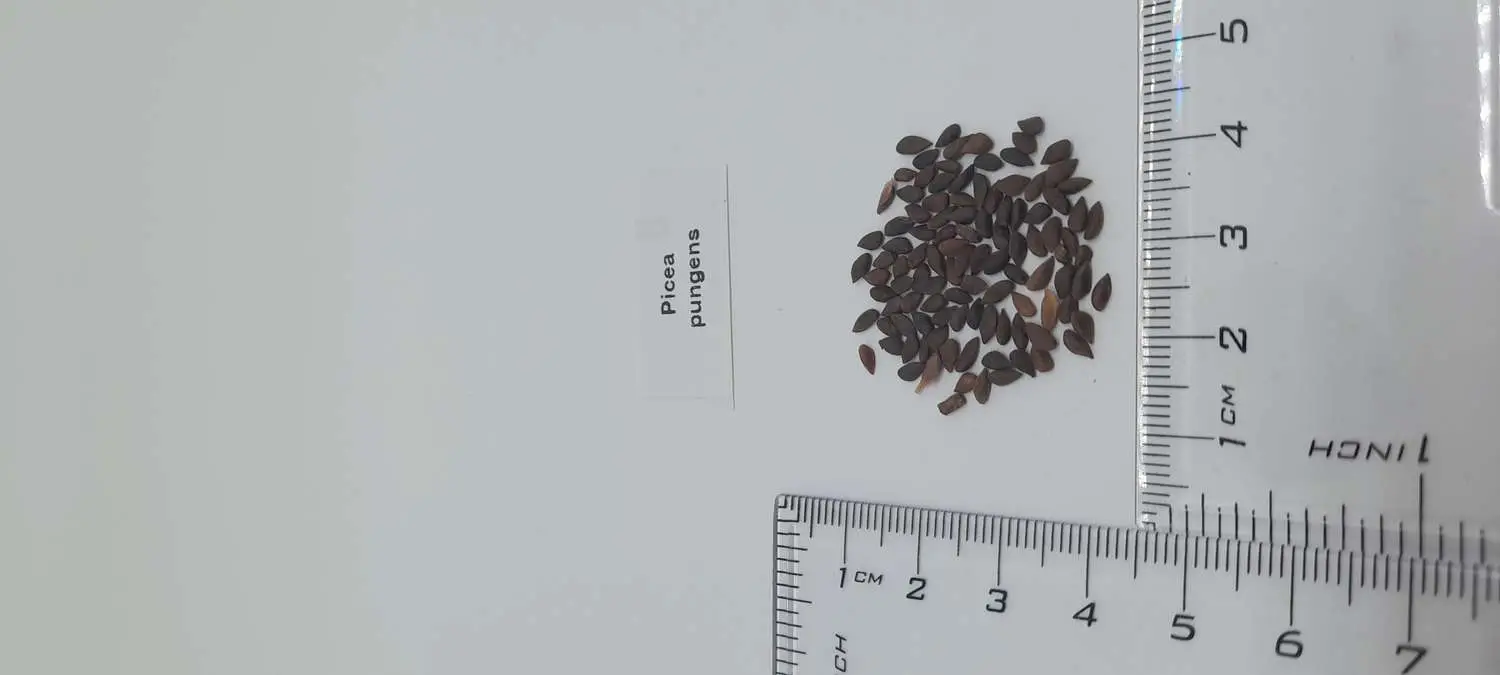
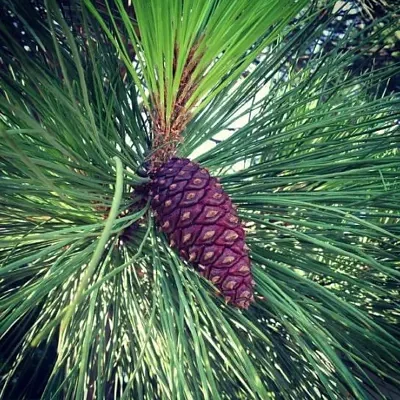
A large conifer to about 50 m tall with a dense, broad, conical crown and distinctly blue-green, rigid, needle-like foliage. It is native to the eastern Rocky Mountains in the U.S.A. between 1800 and over 3000 m. Picea pungens makes a handsome and very hardy ornamental and is widely grown for that purpose. It is also a popular Christmas tree. In cultivation is is suitable for USDA hardiness Zones 3 and above.
Germination Guide
🌍 Rocky Mountains of North America (Arizona, Colorado, Idaho, Montana, New Mexico, Utah, Wyoming), elevations 1,500-3,000 meters
Moderate
Picea pungens, commonly known as Colorado Blue Spruce, is a medium to large coniferous evergreen native to the Rocky Mountains of North America, prized for its distinctive blue-gray to silvery-blue foliage and pyramidal form. The species has shallow seed dormancy that requires cold stratification for optimal germination. While capable of germinating without pre-treatment, proper stratification significantly improves success rates and is strongly recommended for reliable seed starting.
Germination
Germination time
Expect germination in
7 – 28 days
Temperature
Min 3°C
Ideal 18°C
Max 21°C
Substrate moisture
💧 Medium
Sowing depth
Lightly covered
Seed Pre-treatment
-
💧
Soaking — 24 hours
Submerge seeds in room temperature water and leave to soak for 24 hours before cold stratification.
-
🔨
Hot water scarification
Soak seeds in room temperature water for 24 hours before sowing to soften the seed coat.
-
❄️
Cold stratification — 30 days at 4°C
-
📋
Additional notes
Cold stratification significantly improves germination rates. 30-60 days of cold, moist stratification at 3-5°C (37-41°F) breaks dormancy, though seeds may germinate without it at slower rates.
Substrate & Container
Recommended substrate
Acidic, well-drained seed compost (pH 5.5-6.5), peat and perlite mixture, or mineral soil (sandy, loamy)
Recommended container
Seed trays or pots filled with quality seed compost
Growing Tips
Always provide cold stratification (30-60 days at 3-5°C) for best results; without it, germination rates drop dramatically. Sow seeds superficially or lightly covered with 3mm compost; light is beneficial for germination. Use acidic, well-drained soil (pH 5.5-6.5) and provide excellent air circulation to prevent damping-off disease. Keep soil moist but never waterlogged. After stratification, germination occurs within 1-4 weeks at warm temperatures (18-21°C). Provide at least 16 hours of light daily; seedlings in shade will not develop blue coloration. Avoid outdoor fall sowing to prevent premature germination and winter damage.
Only logged in customers who have purchased this product may leave a review.

Reviews
There are no reviews yet.