
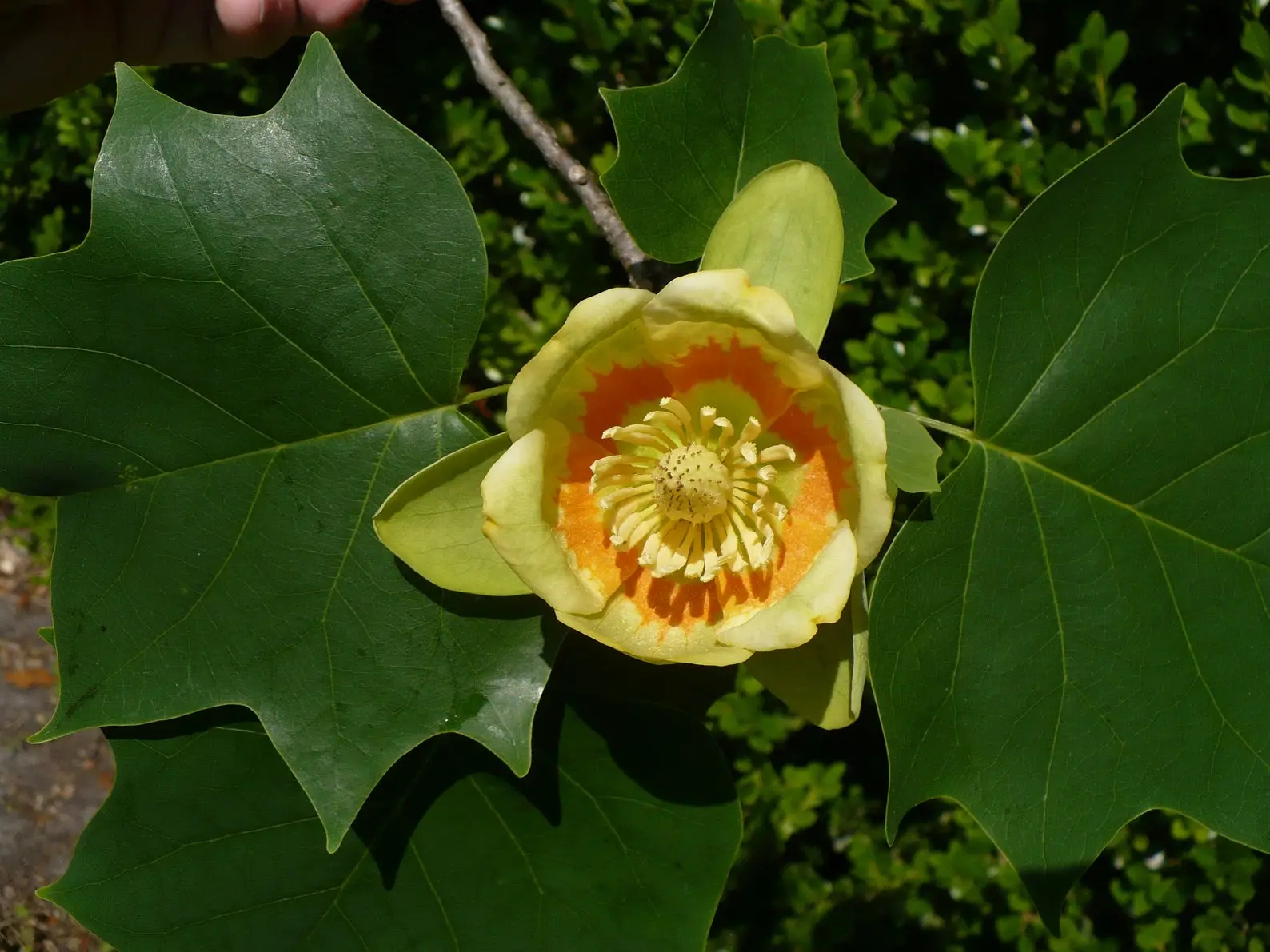
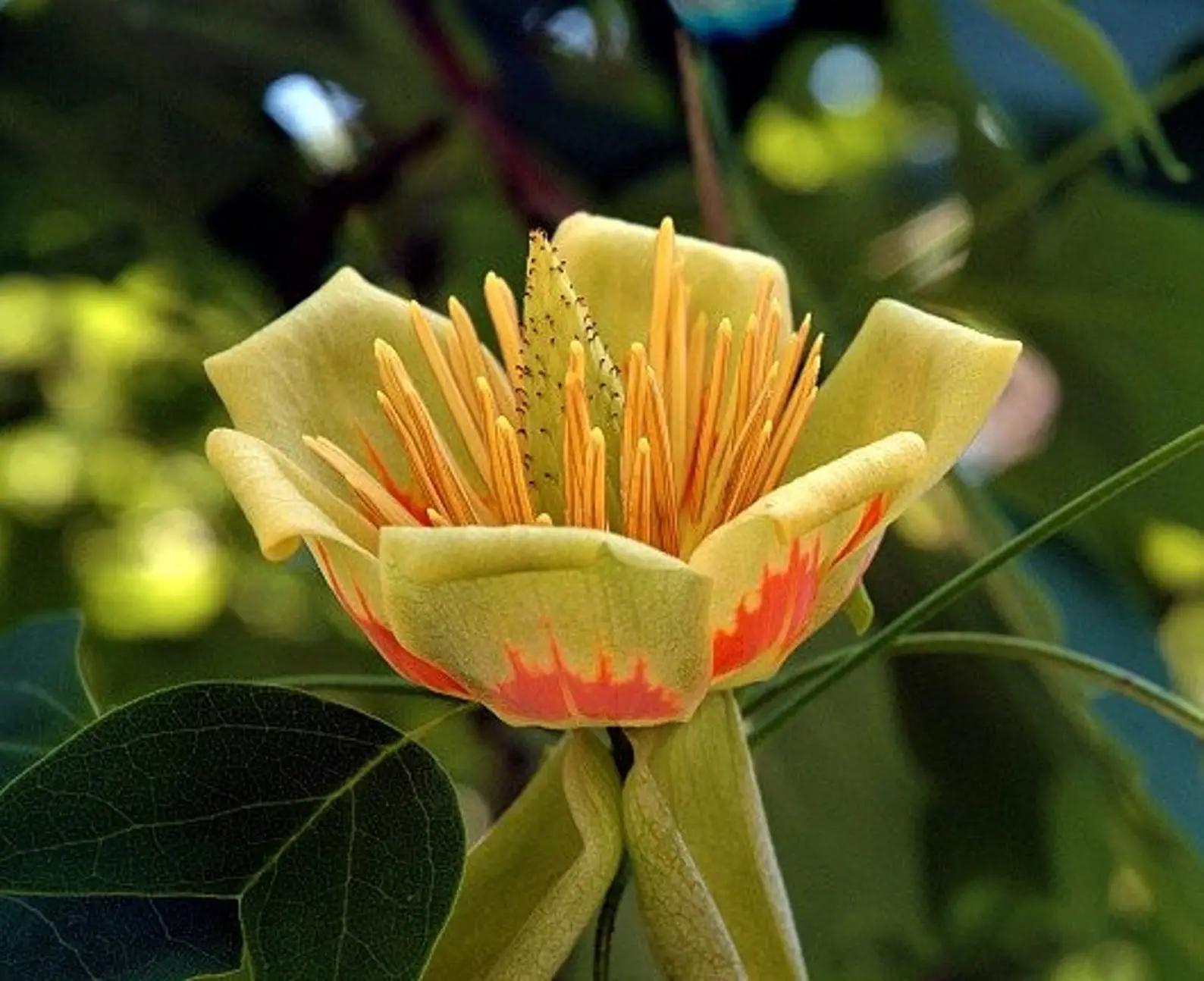
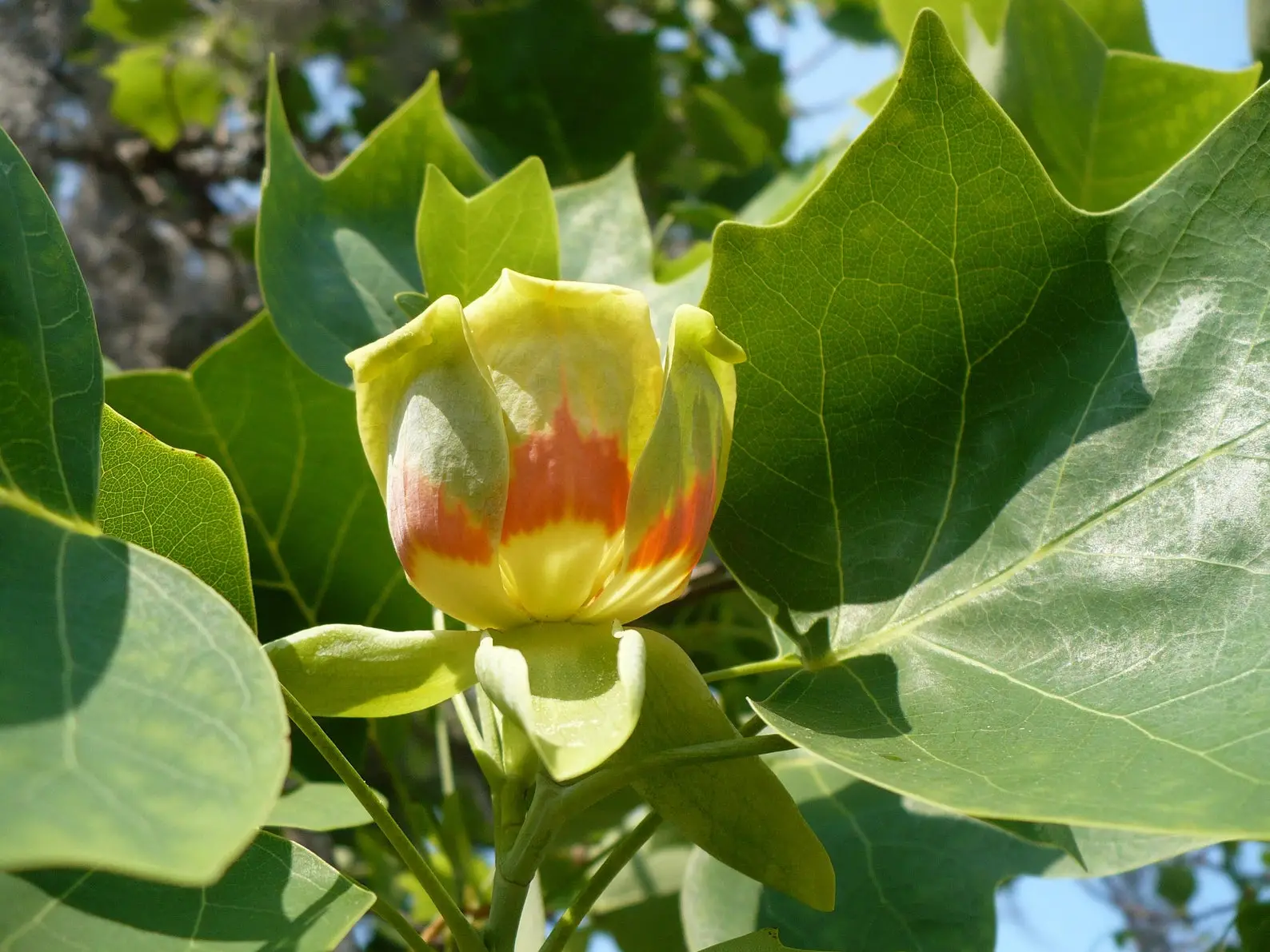
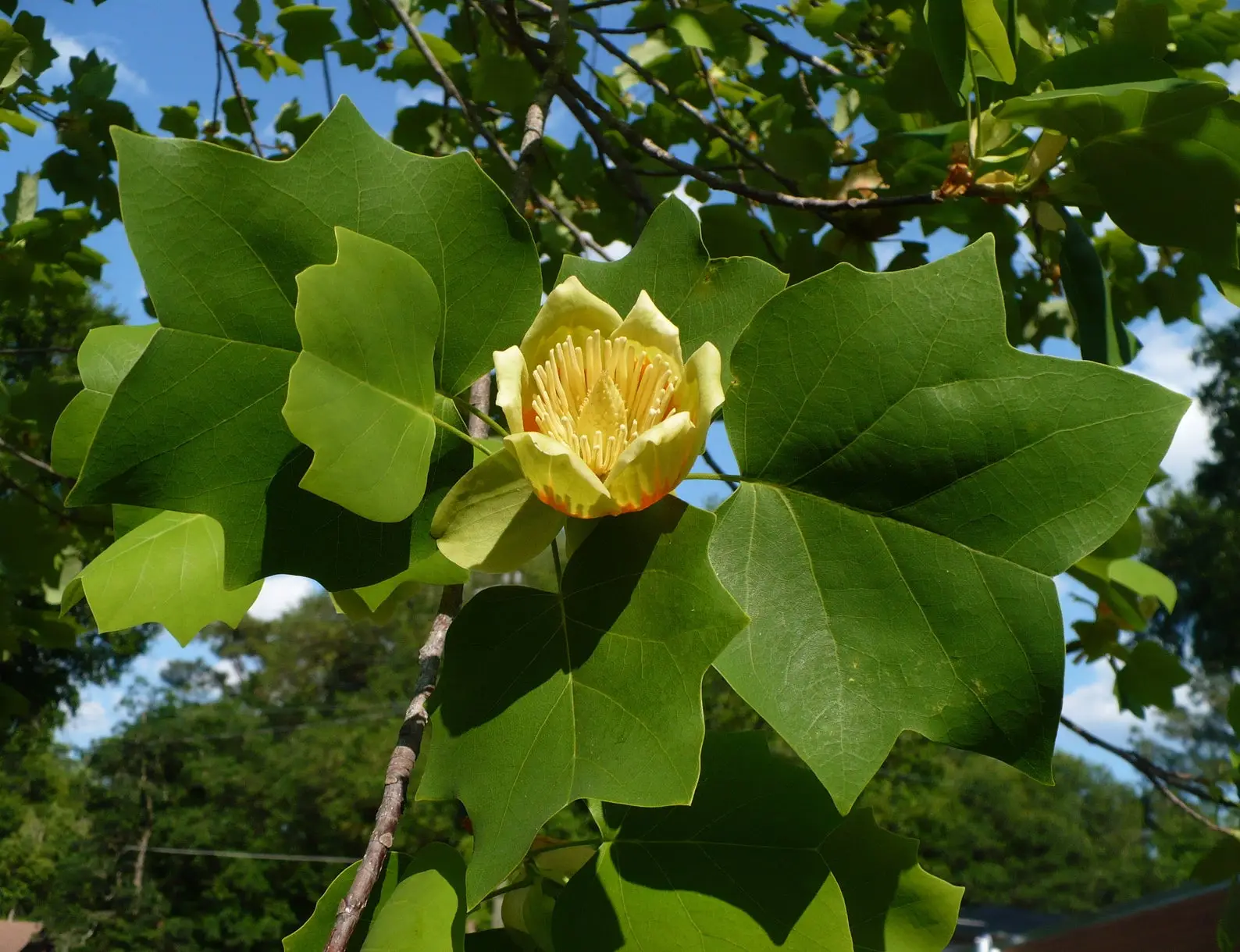
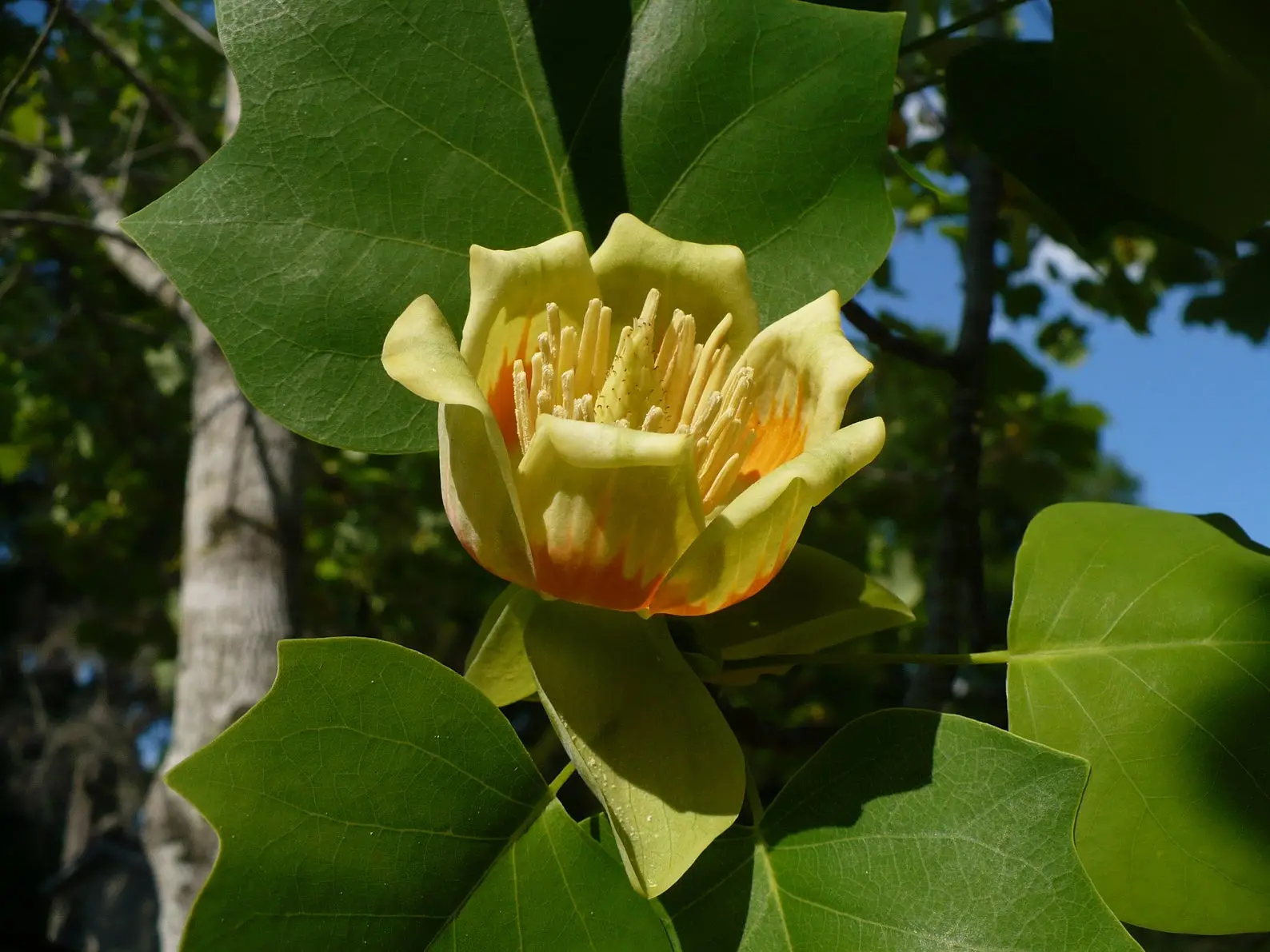
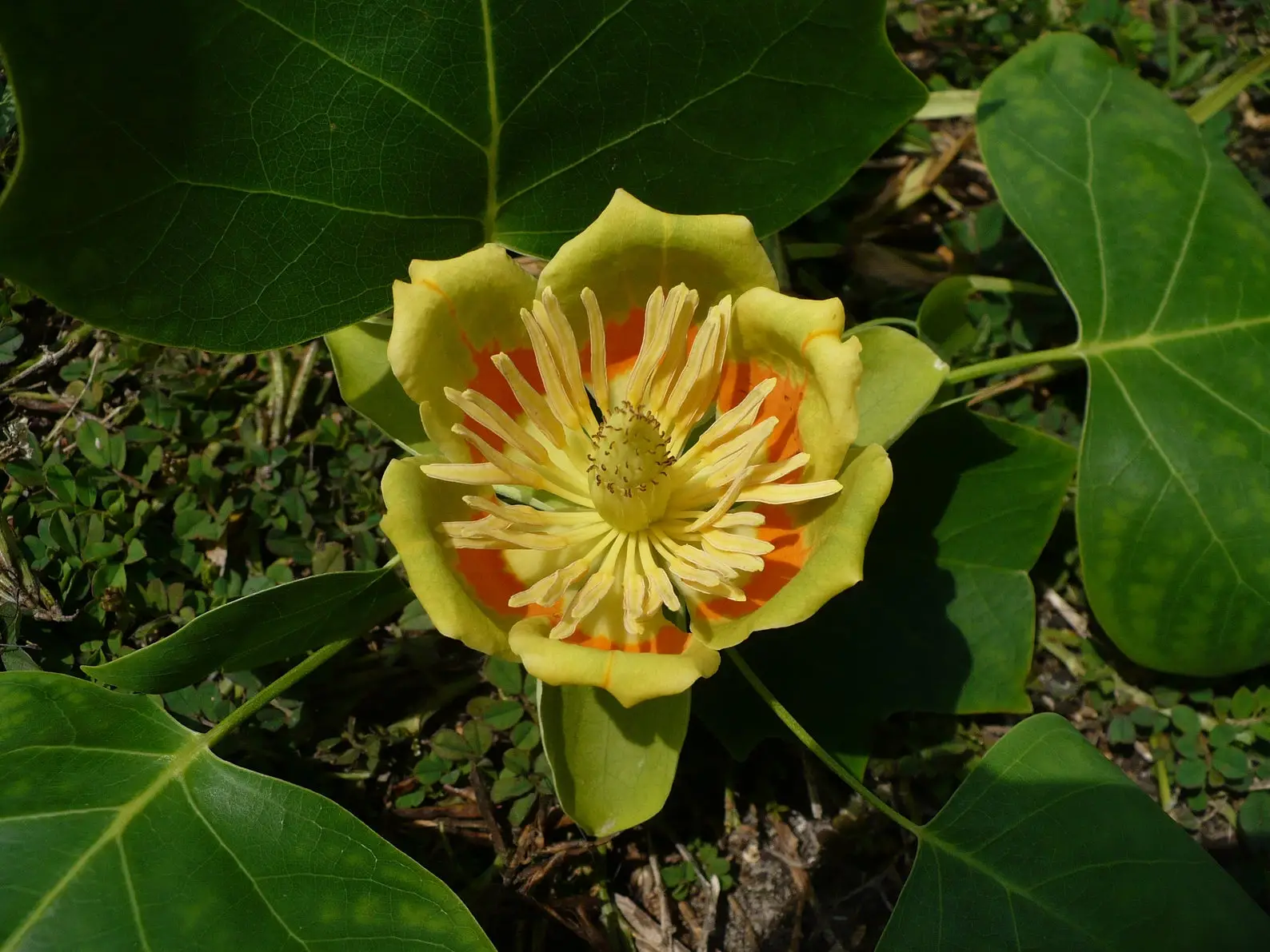
Tulip Tree blooms are an abundant source of nectar for honey bees which produces a dark, amber honey loaded with antioxidants. This is THE tree beekeepers plant—you can sometimes find honey from Tulip trees at local farmer’s markets. Stunning orange-yellow flowers, set off by glossy, star-shaped leaves make it irresistible to every pollinator. Grows readily
€1.92
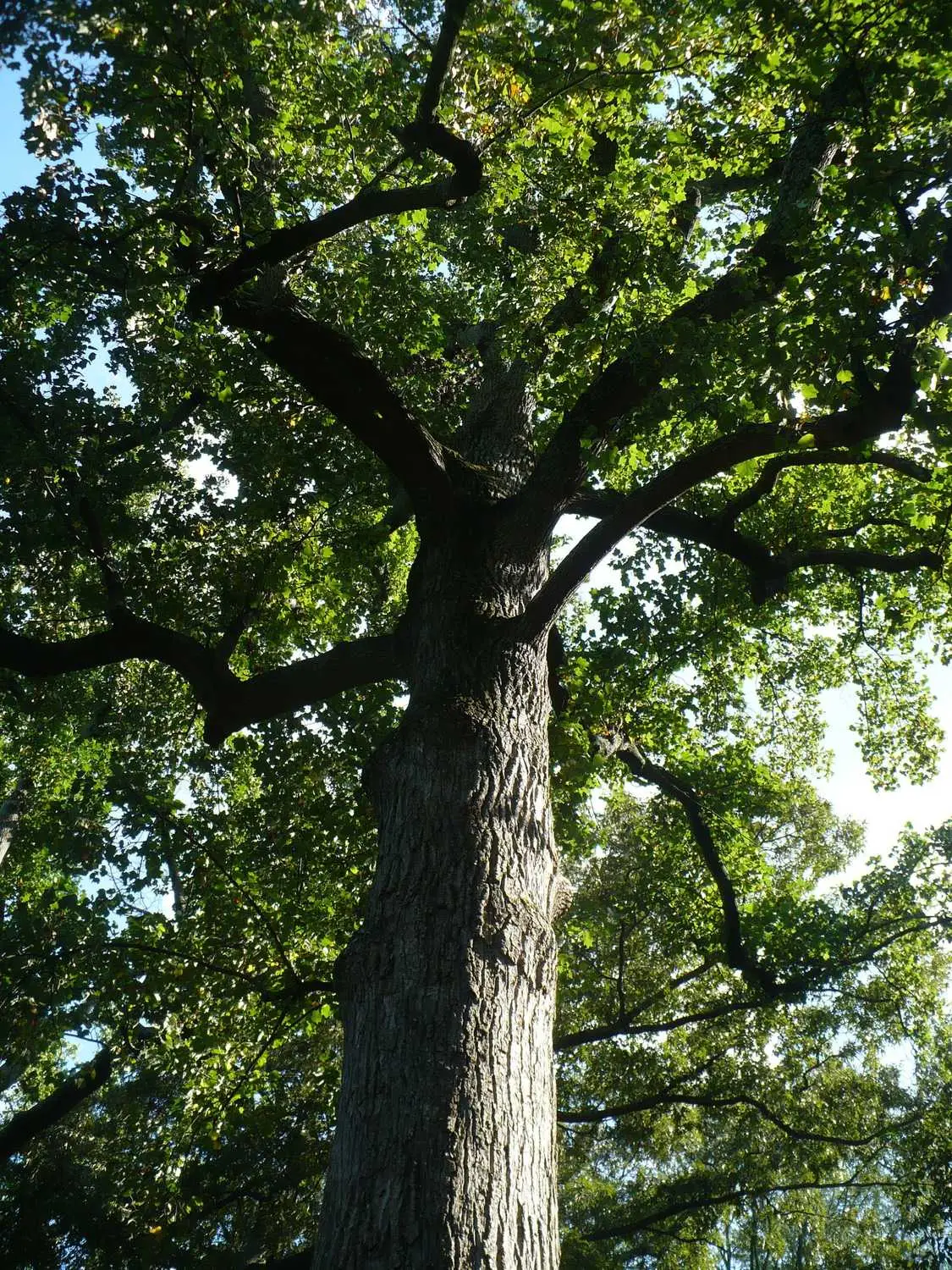
Tulips grow extraordinarily tall and straight, with thick gray trunks and spreading roots—you feel like you are in a cathedral, standing under these magnificent trees.
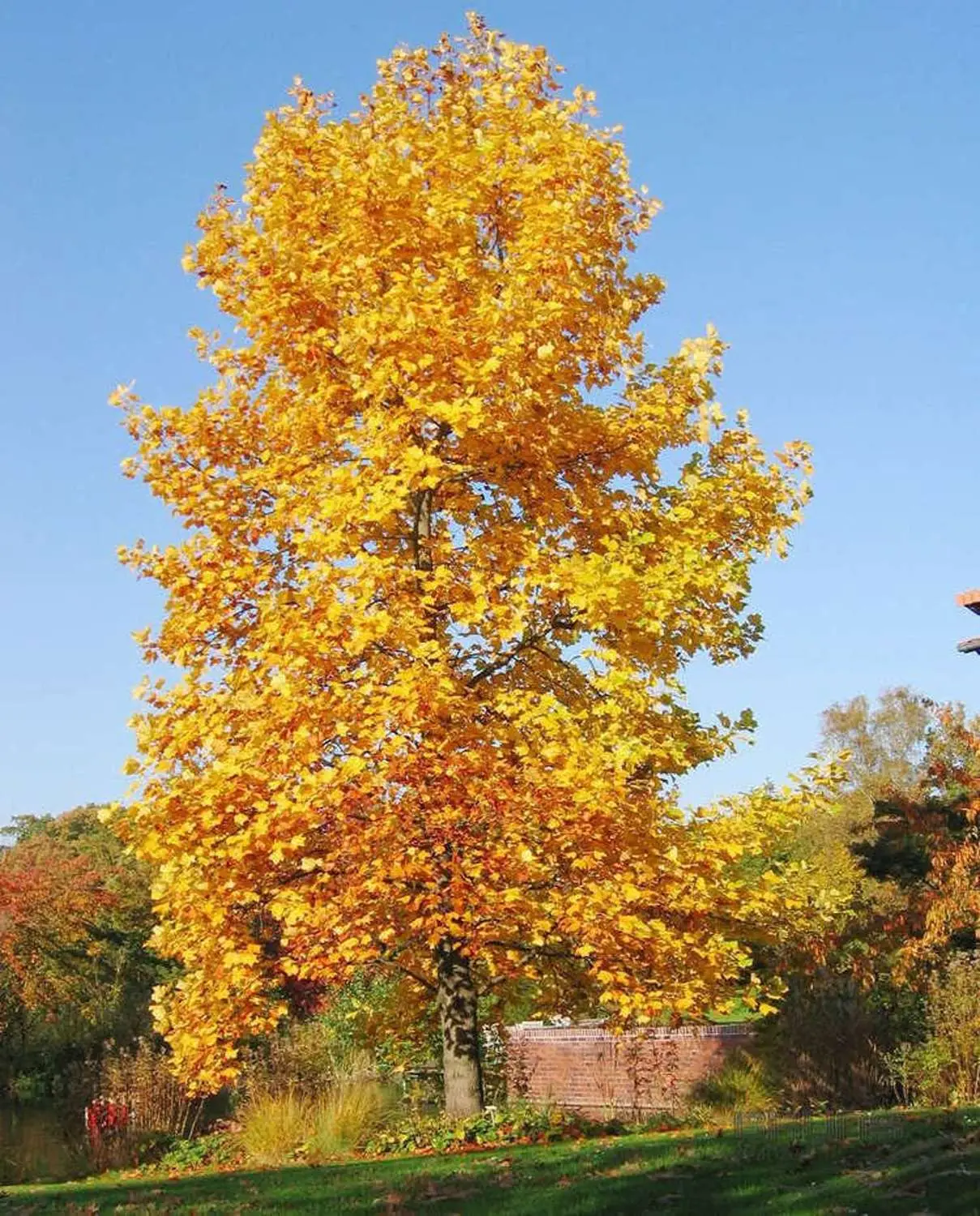
The Tulip Tree Liriodendron tulipifera is a member of the Magnolia Family Magnoliaceae and one of our tallest (to 150 feet) and most beautiful native hardwood trees. These magnificent deciduous trees are part of the magnolia family and boast a rich history that stretches back to the age of dinosaurs. It ranges throughout the Eastern United States from southern New England, west to southern Ontario and Michigan, and south to north-central Florida and Louisiana. This is a heritage species—one that remembers the ancient world.
But here’s what makes the Tulip Tree extraordinary in the garden: Tulip Tree blooms are an abundant source of nectar for honey bees which produces a dark, amber honey loaded with antioxidants. Tulip poplar makes an excellent early to midseason food source for bees, and you can sometimes find honey from Tulip trees at local farmer’s markets. If you keep bees or dream of it, this tree is your answer. Plant a handful and you’re creating a nectar factory that will sustain colonies and fill your hives with liquid gold season after season. Known for its distinctive tulip-shaped green-yellow flowers with a tangerine base, this species blooms from May through early June and attracts pollinators such as bees and butterflies. This is a favorite nesting tree for birds and the flowers attract hummingbirds. Beyond the honey, you’re supporting an entire ecosystem—songbirds, hummingbirds, native bees, and butterflies all converge on this tree. It becomes a living hub of wildlife activity, a cathedral of life in your landscape.
Historically, First Nations used the inner bark medicinally as worming medicine, antiarthritic, cough syrup and cholera remedy. Inner bark tea is used for periodic fevers, diarrhea, and pinworms, as a digestive aid and for rheumatic pain. This is not just a tree—it’s a bridge to traditional knowledge, to plant medicine that sustained people for centuries.
Cultivation is straightforward. Despite its impressive size, the tulip tree is surprisingly easy to grow if you can give it room and consistent moisture. It grows very rapidly in deep, rich well-drained soils with uniform rainfall. It is not particular as to soil pH, but grows best in rich soils. This tree should only be grown in full sunlight. Liriodendron tulipifera is cultivated, and grows readily from seeds. These should be sown in fine soft soil in a cool and shady area. If sown in autumn they come up the succeeding spring, but if sown in spring they often remain a year in the ground. Seed needs 30 days of cold stratification. Growth in the first year is usually from 15 to 40 cm. Growth accelerates in the second year. Within a few seasons, you’ll watch this tree rocket skyward—a visual reminder that beauty and purpose aren’t contradictions.
It grows at a fast rate, and under ideal conditions can be expected to live to a ripe old age of 120 years or more; think of this as a heritage tree for future generations! When you grow a Tulip Tree from seed, you’re planting a living monument—something that will outlast you, feed bees and birds for a century, and stand as a testament to your love of the living world. Start from seed and become part of an unbroken chain reaching back to the dinosaur age, forward to a future your grandchildren will inhabit.
Only logged in customers who have purchased this product may leave a review.

Reviews
There are no reviews yet.