FREE SHIPPING OVER €30 FREE SHIPPING OVER €30

Ficus virens — White Fig | Medicinal Masterpiece with Dramatic Aerial Roots

Grow the legendary White Fig from seed—a medicinal marvel and sculptural wonder. Its vibrant fruits ripen from green to glowing red, its extraordinary aerial roots cascade like living art, and every part—bark, leaves, fruit—holds centuries of Ayurvedic healing power. Remarkably easy to grow in bright indirect light with well-draining soil. Start your specimen today.

1.92

You May Also Like

Description

Imagine a tree that heals as it transforms. The White Fig is not just ornamental—it’s a bridge between ancient medicine and modern vitality, a plant that demands attention and rewards devotion in equal measure. This is the species that inspired wellness traditions across Asia for millennia, and now you can cultivate that legacy from a single seed.

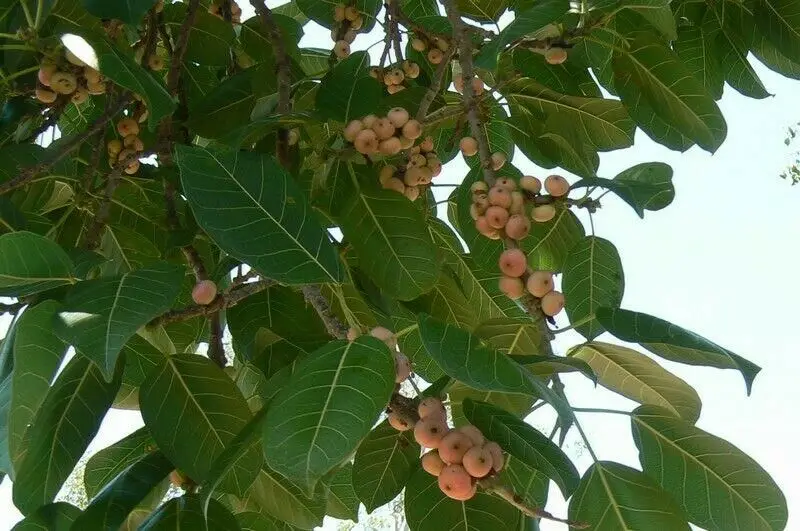
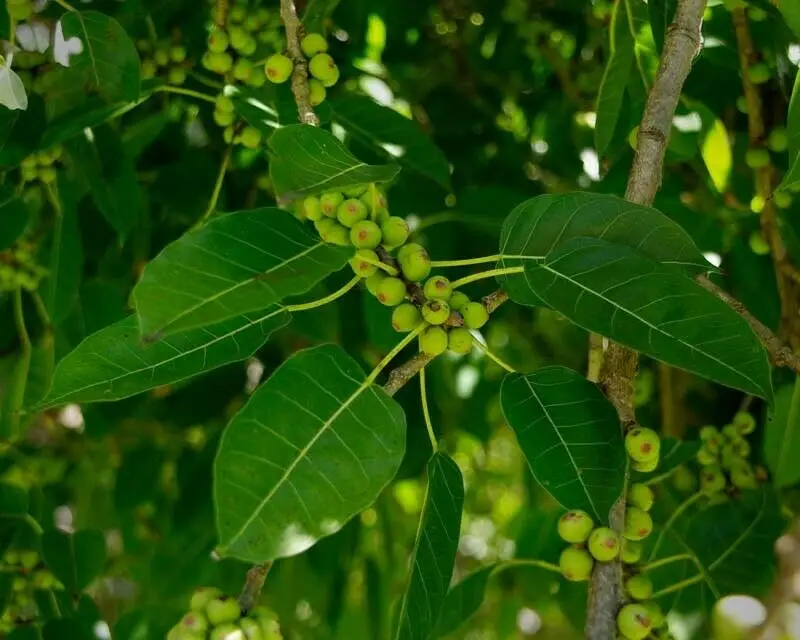
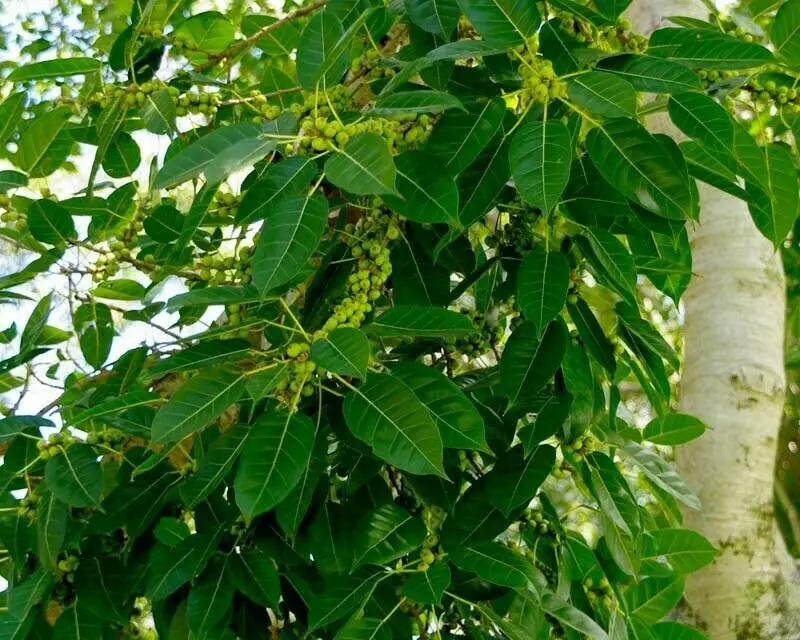
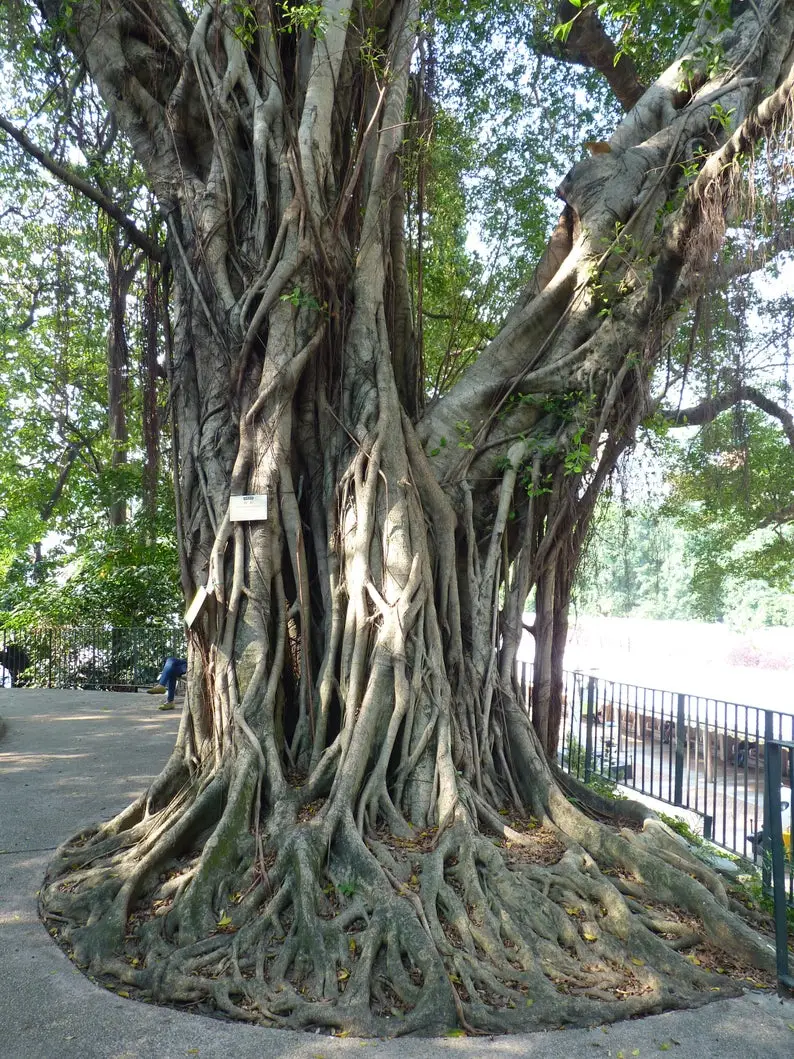
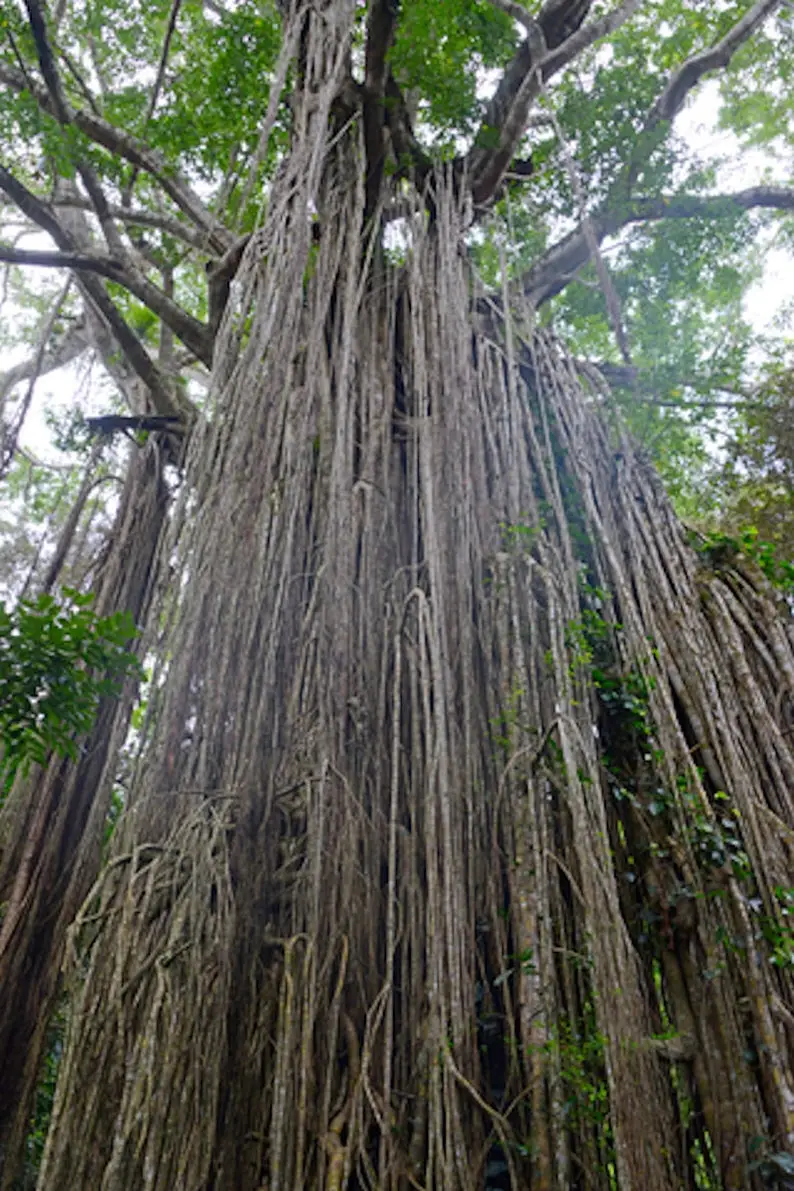
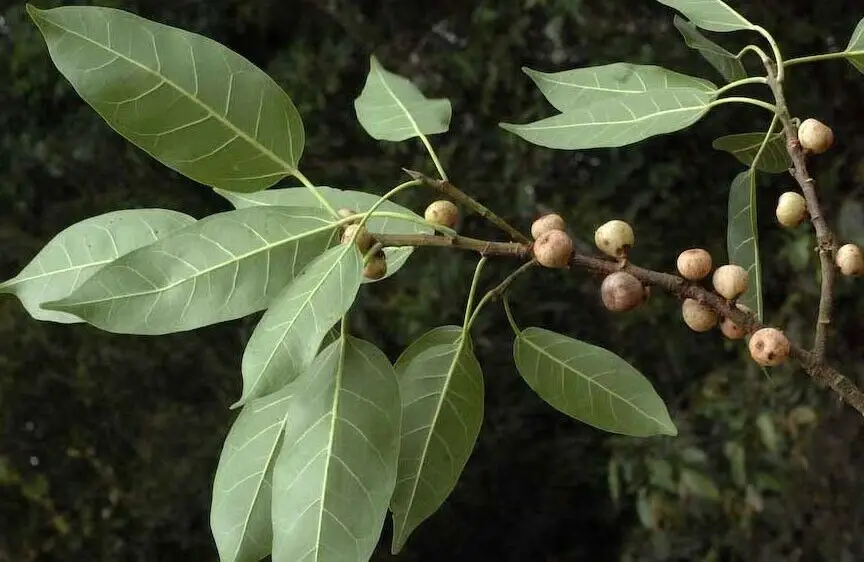
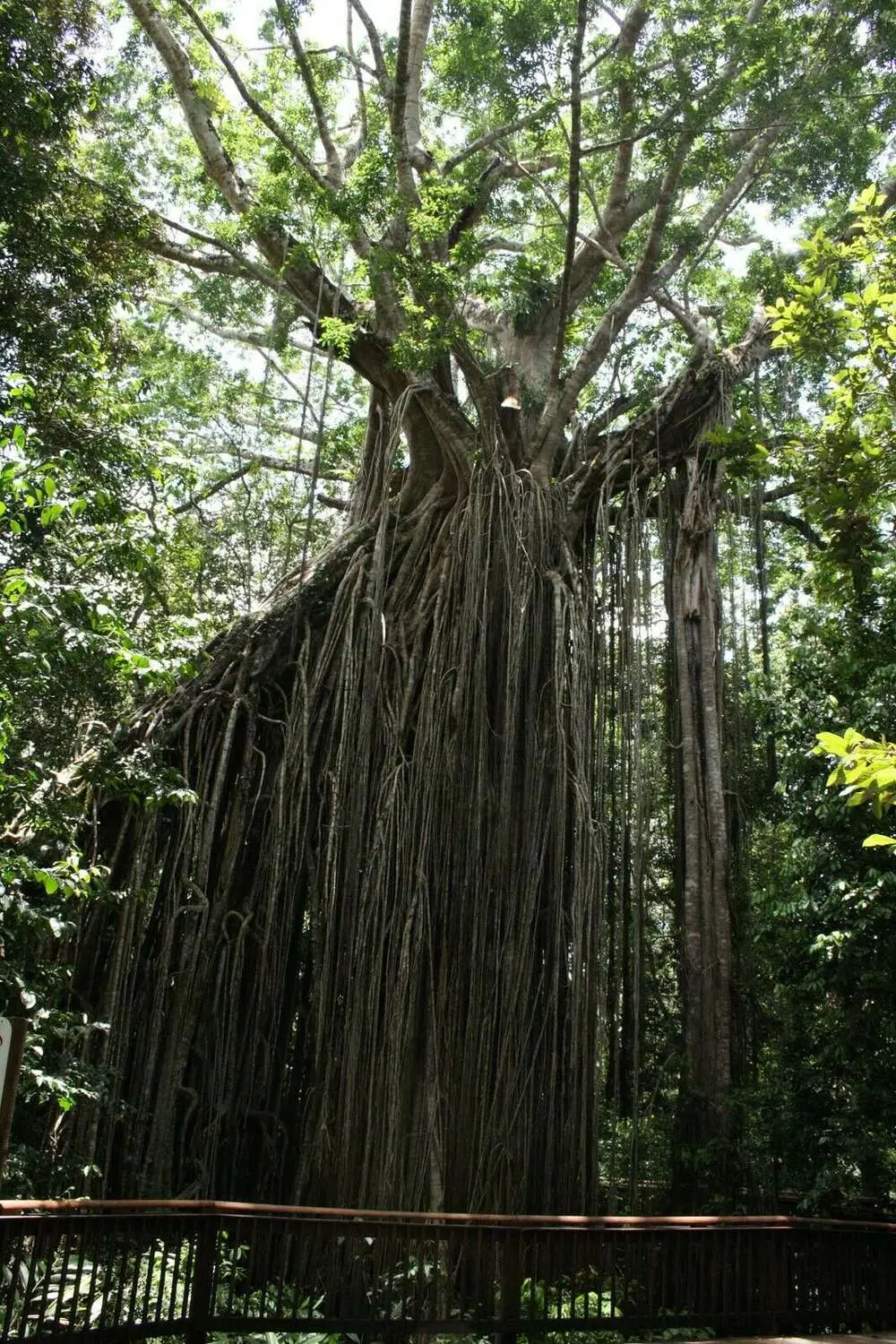
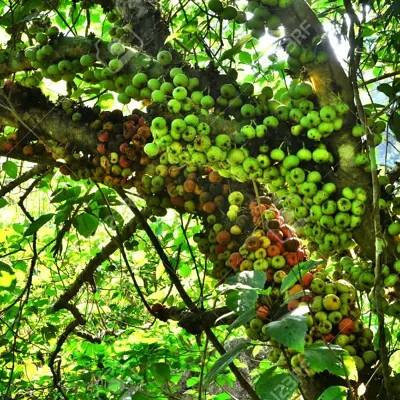
Native to India, Pakistan, Southeast Asia, and Northern Australia, Ficus virens carries the mystique of tropical rainforests in its DNA. Known locally as Pilkhan and Manbornde, it’s a semi-deciduous giant that grows with dramatic purpose. What sets it apart? The aerial roots—those magnificent tendrils that descend from the canopy like living sculpture, sometimes forming intricate networks that make mature specimens appear almost from another world. The foliage is glossy, lush, and deeply green; the fruits begin green and ripen to burning red, drawing birds and promise in equal measure.

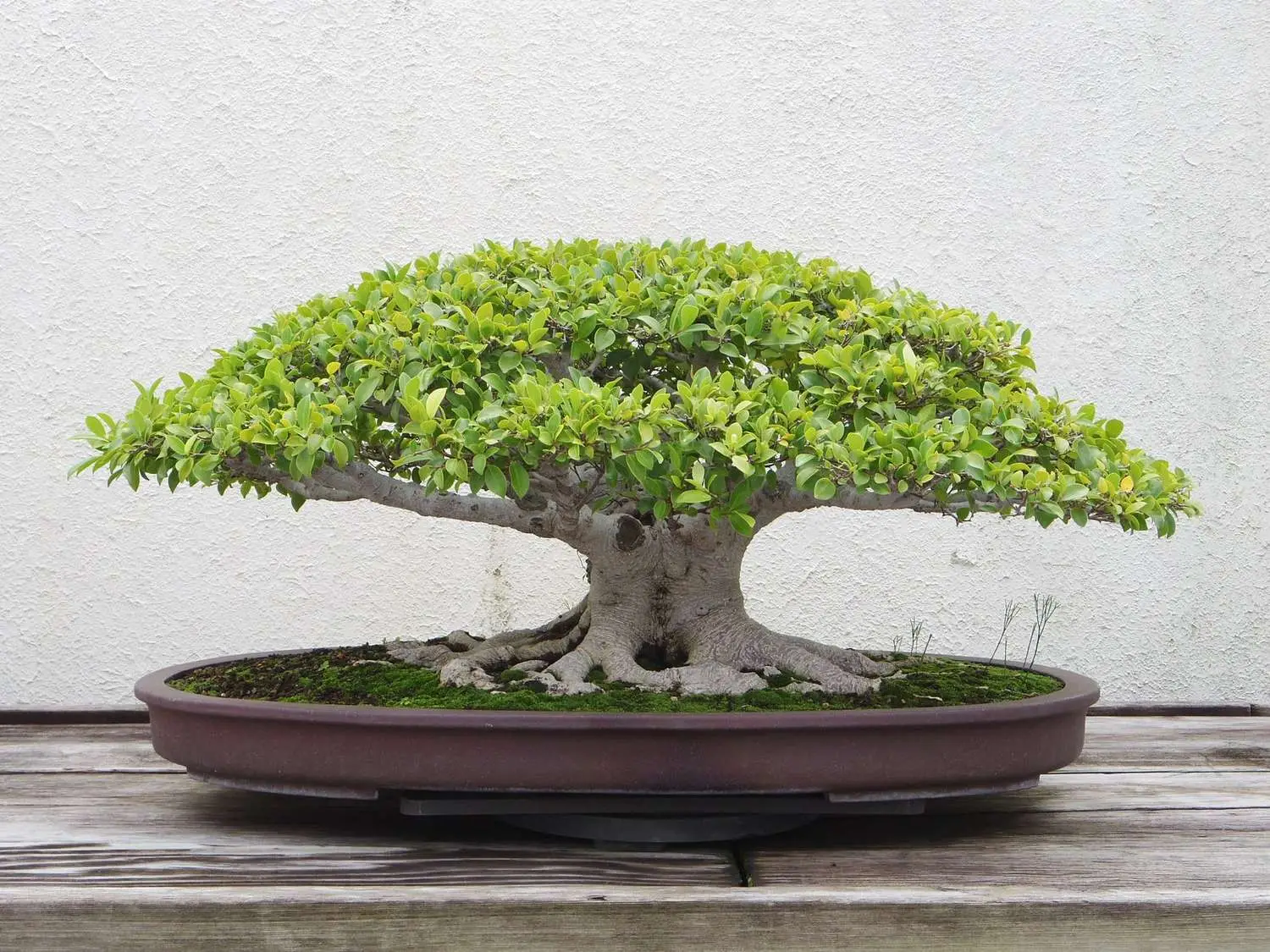
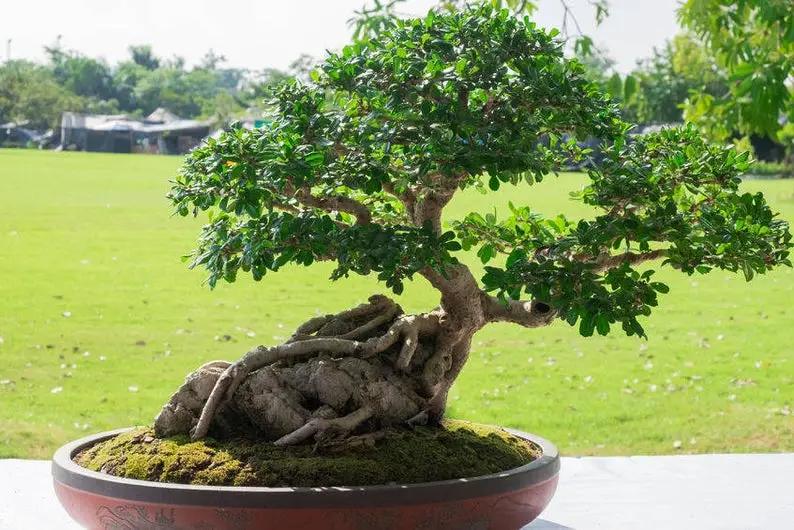
But here’s where passion meets purpose: the entire plant is a working pharmacy. Historically revered in Ayurveda and Siddha medicine, Ficus virens has been employed for centuries to address gastrointestinal dysfunction, respiratory ailments, inflammatory conditions, and skin health. Modern research confirms what traditional healers knew—the bark contains powerful anti-inflammatory compounds, the leaves harbor antioxidants and beneficial phytochemicals, and even the fruits offer nutritional abundance with a mild, sweet flavor. Eat the globular fruits raw or dried. Cook the young leaves as a nutritious green—they bring an acid brightness to curries and table greens alike. This is food-as-medicine in its most accessible, most delicious form. Reforestation specialists prize it too: fast-growing, soil-stabilizing, and deeply beneficial to local ecosystems. And if you dream smaller, Ficus virens is a superb bonsai subject—responsive to training, architectural in its structure, endlessly rewarding.

Cultivation is straightforward enough to encourage beginners yet sophisticated enough to challenge experts. The White Fig thrives in bright, indirect light (indoors or outdoors) and adapts gracefully to partial shade—no fussy demands. Soil should be loamy, well-draining, and rich in organic matter; allow it to dry slightly between waterings, but keep it consistently moist. It tolerates a wide temperature range and will produce more fruit with regular feeding during the growing season. Whether you pot it or plant it in open ground (in tropical or warm-temperate zones), it will reward your attention with rapid, vigorous growth. Young seedlings can live contentedly in containers for years, making them perfect for patios, balconies, or living rooms where they’ll become living sculptures.

This is more than a tree. It’s an act of cultivation and care, a daily reminder that food, medicine, and beauty are not separate things but one living conversation. Grow the White Fig from seed and join thousands of years of tradition. Watch those aerial roots unfurl. Taste that sweet fruit. Feel the ancient knowledge of healers in every leaf. Your garden—and your body—will remember.

Germination Guide

🌍 Pakistan, India, Southeast Asia, Malaysia, Northern Australia
Moderate

Ficus virens, commonly known as the White Fig or Banyan Fig, is a semi-deciduous tree native to tropical and subtropical regions of Asia and Australia. This species is a hemi-epiphyte that germinates on other trees, demonstrating remarkable adaptations to forest canopy conditions. Seed germination is promoted by warm temperatures and alternating temperature regimes that simulate canopy environments, though germination can be erratic and requires patience.

Germination
Germination time
Expect germination in

18 – 83 days

Temperature

Min 21°C
Ideal 26°C
Max 32°C
🌡️ Temperature alternation recommended
— Temperature alternation (22/32°C day/night) promotes better germination rates, with 65.8% germination in canopy-like conditions

Light
☀️ Light required

Substrate moisture
💧💧 High

Sowing depth
Lightly covered

Germination rate
66 %


Seed Pre-treatment
  • 💧

    Soaking — 24 hours
    Soak scarified seeds in warm water for approximately 24 hours. Alternative: soak in diluted bleach and vinegar solution
  • 🔨

    Mechanical scarification
    Gently scratch seed coat with sandpaper or nick with a knife to aid water absorption
  • 📋

    Additional notes
    Scarification and soaking are recommended to improve germination rates

Substrate & Container
Recommended substrate
Well-draining seed-raising mix or peaty seed-sowing mix

Recommended container
Pot or tray covered with plastic wrap or glass to retain warmth and moisture


Growing Tips
Clean seeds thoroughly to remove fruit residue before scarifying. Maintain soil temperature between 25-28°C for optimal germination. Keep substrate consistently moist but not waterlogged. Provide bright, indirect light to germinating seeds; avoid direct sunlight. Once seedlings appear with 2-4 true leaves, gradually acclimate to outdoor conditions. Germination may take several weeks to months. Temperature alternation (warm days/cool nights) improves success rates. Use translucent covers to monitor progress while maintaining humidity.

Reviews

There are no reviews yet.

Only logged in customers who have purchased this product may leave a review.

Related Products