
Grow your own medicinal goldmine. Ziziphus mauritiana produces small, sweet fruits bursting with vitamin C, potassium, and powerful antioxidants—treasured for millennia in Ayurvedic and traditional medicine. Fresh, dried, or brewed as tea, these glossy, reddish-brown berries deliver stress relief, immune support, and digestive harmony in every bite. Remarkably easy to grow from seed in warm climates; thrives on neglect once established. Your personal super
€1.92
Imagine harvesting a fruit that ancient healers revered, that modern science now validates, from a tree you grew yourself from seed.
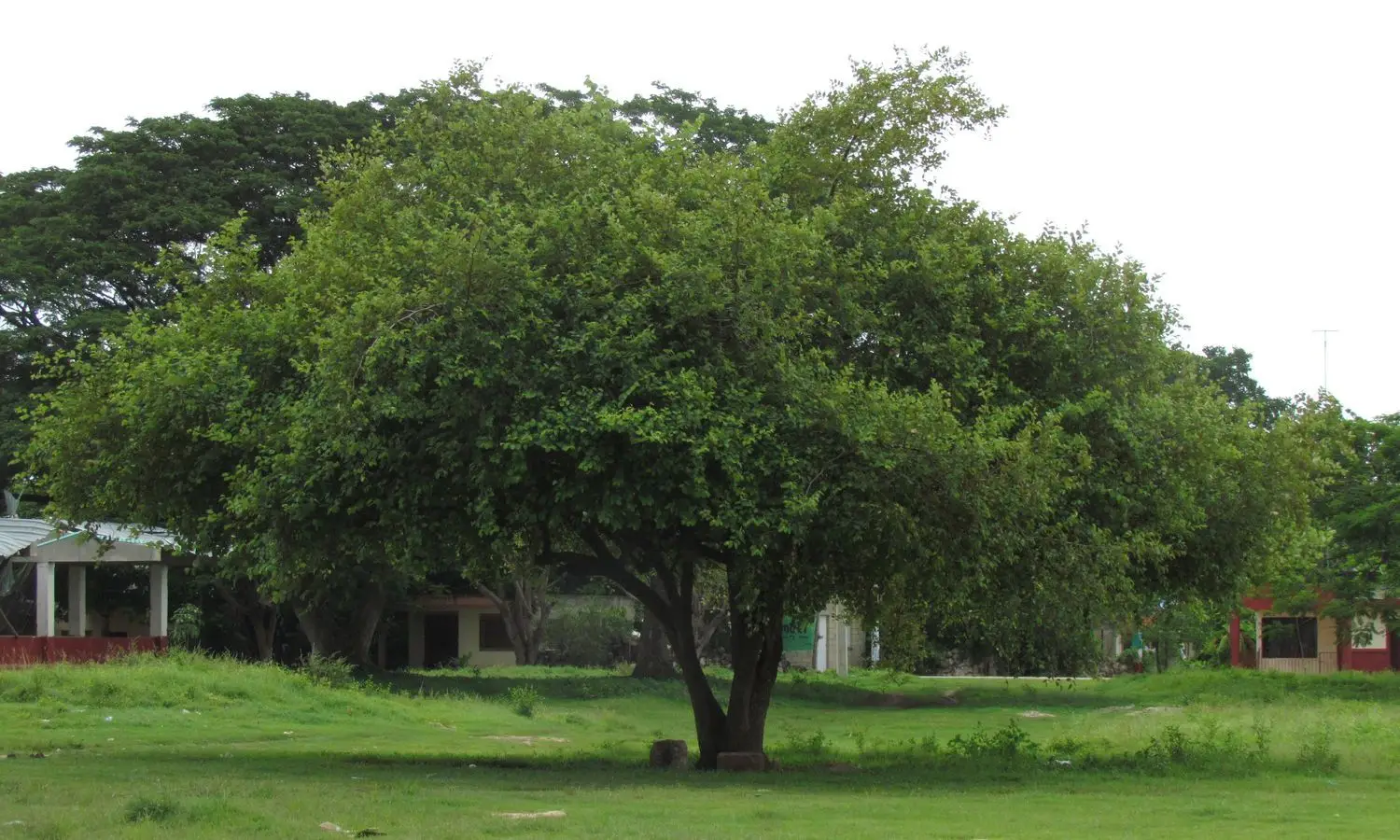
Ziziphus mauritiana—the Indian Jujube, or ber as it’s known across South Asia—has been domesticated for over 11,000 years. Yet its reputation remains one of the world’s best-kept botanical secrets. This small, unassuming tree carries one of nature’s most potent wellness packages: a fruit so nutrient-dense and bioactive that it rivals any contemporary superfood. While the world chases goji berries and açaí bowls, the jujube quietly delivers something far more ancient and scientifically proven.
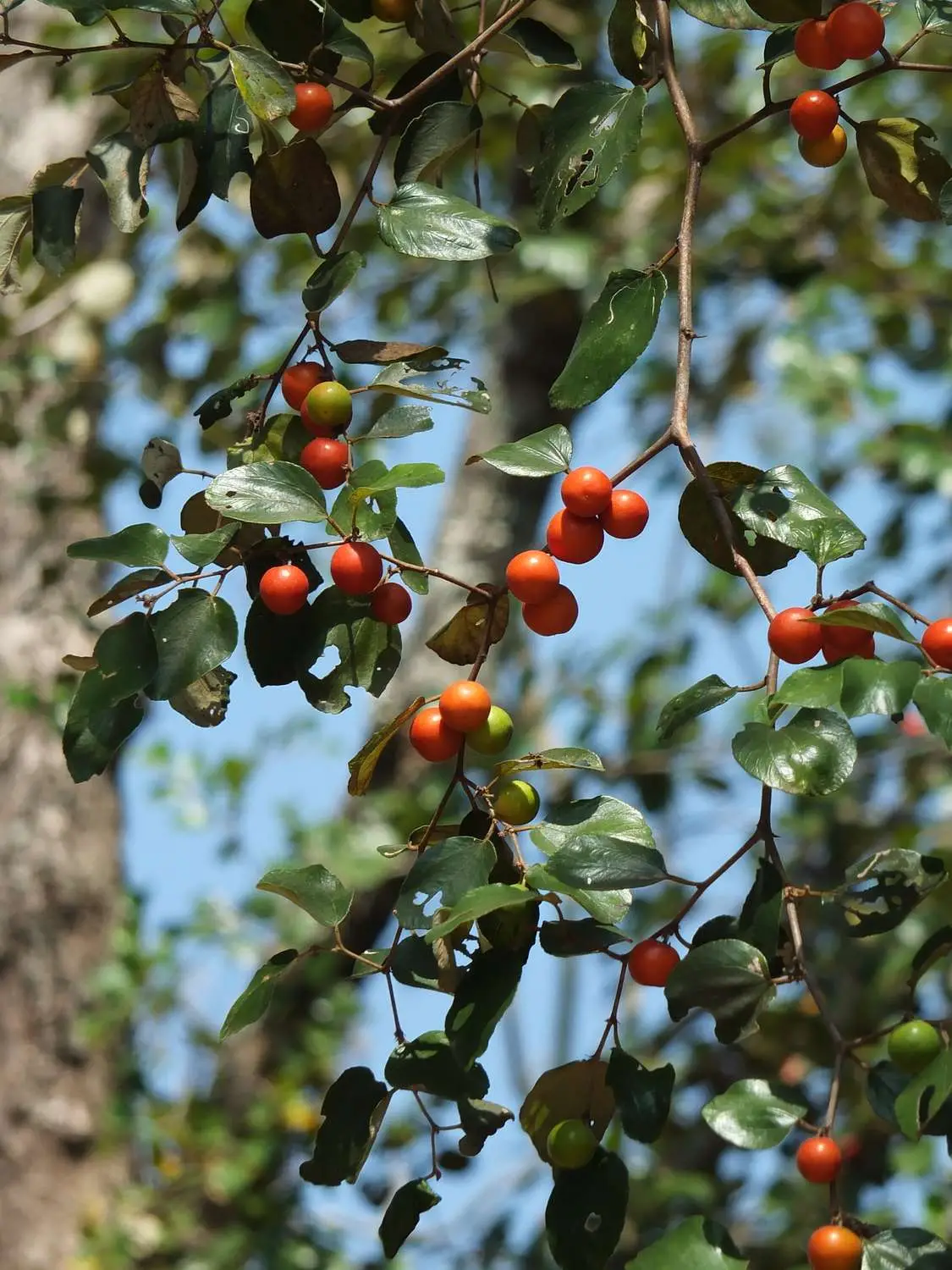
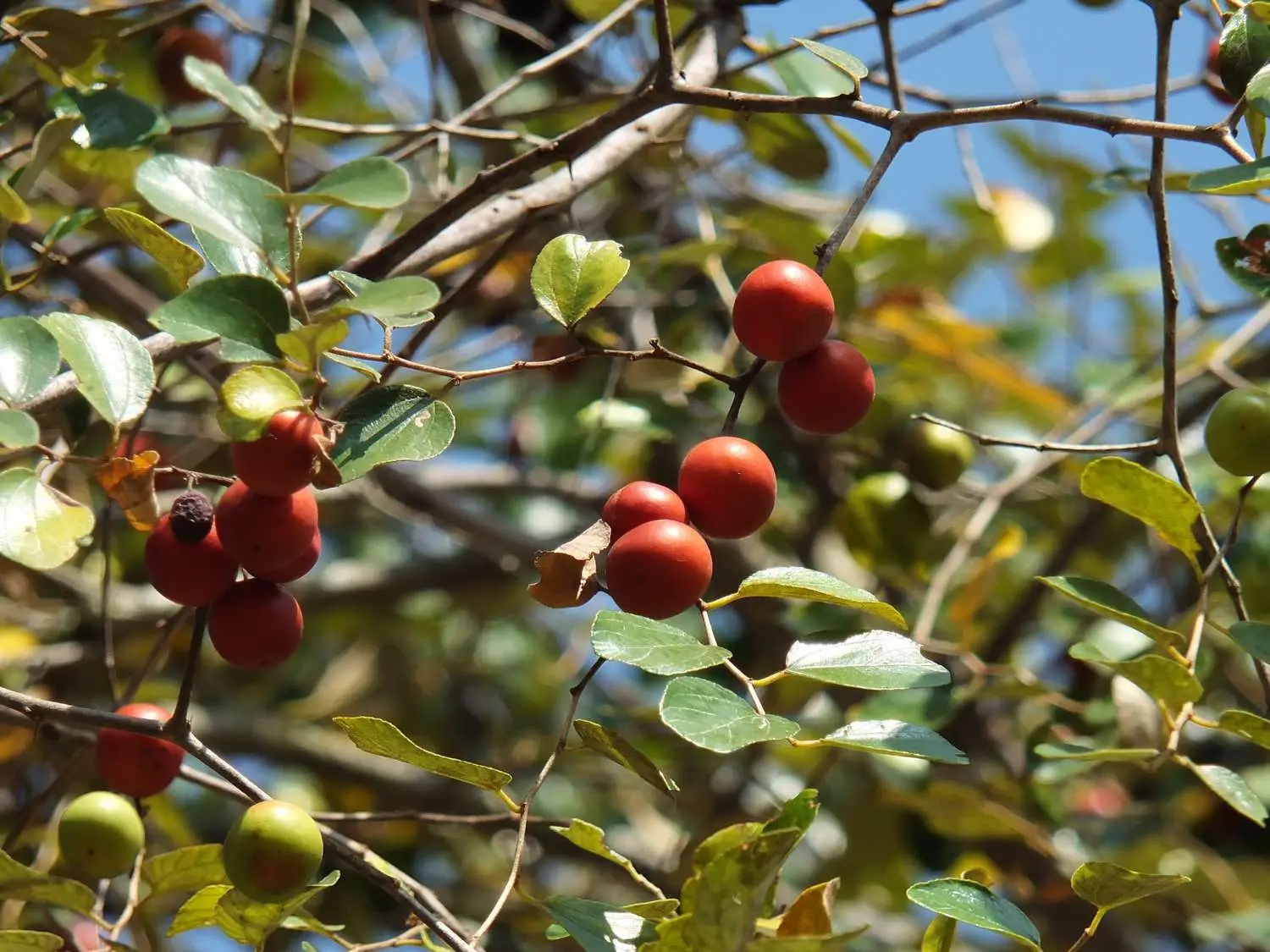
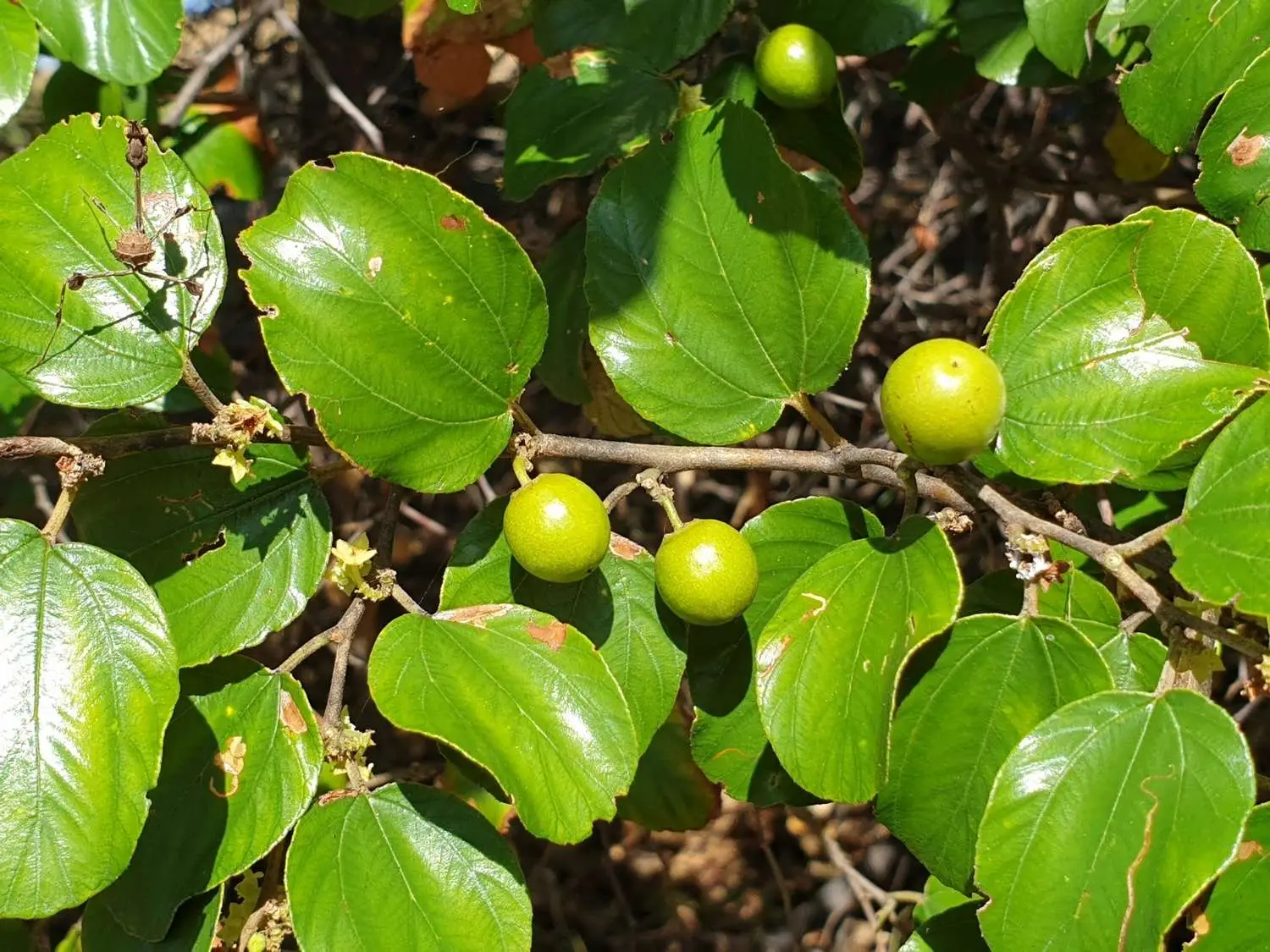
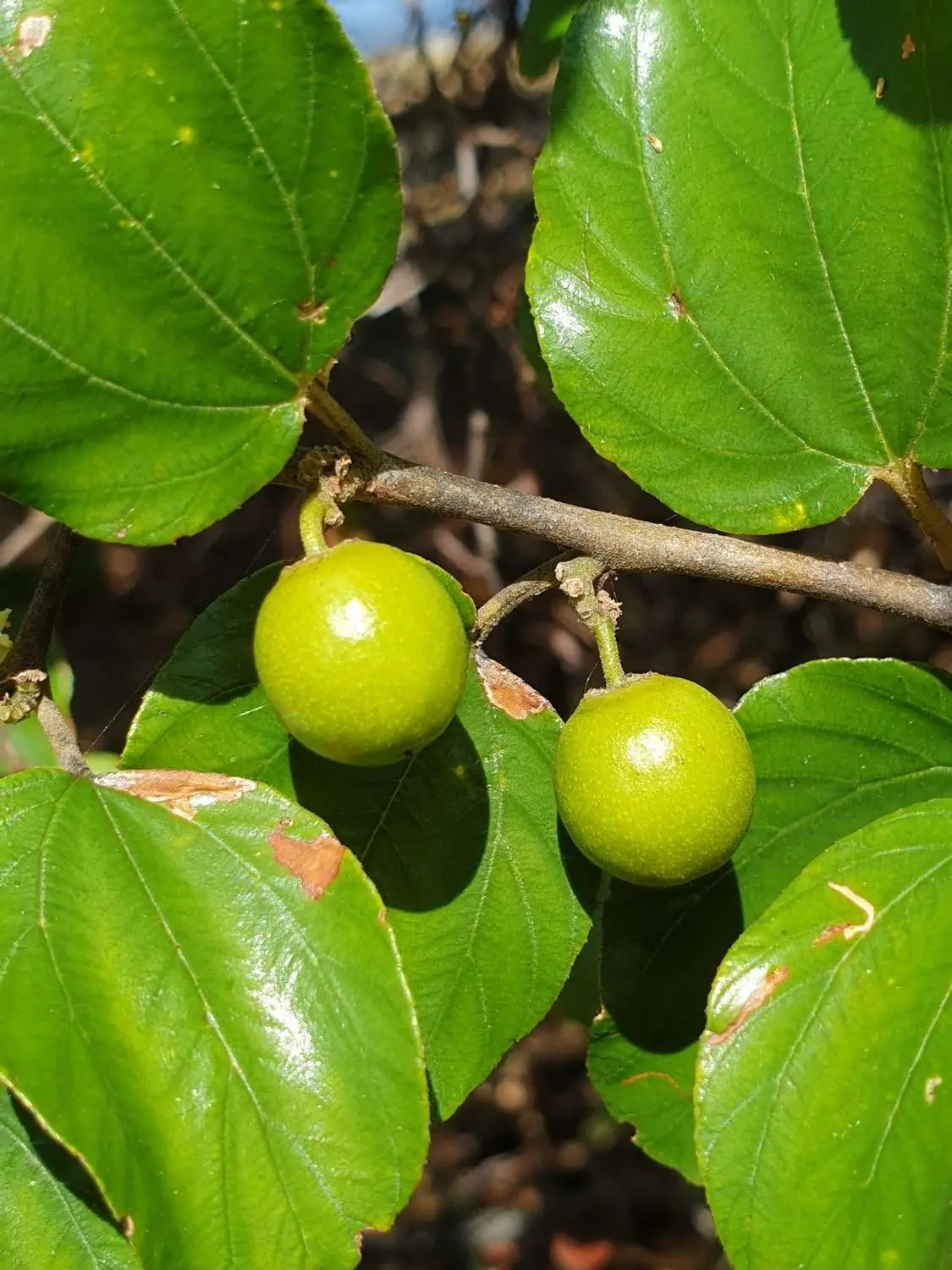
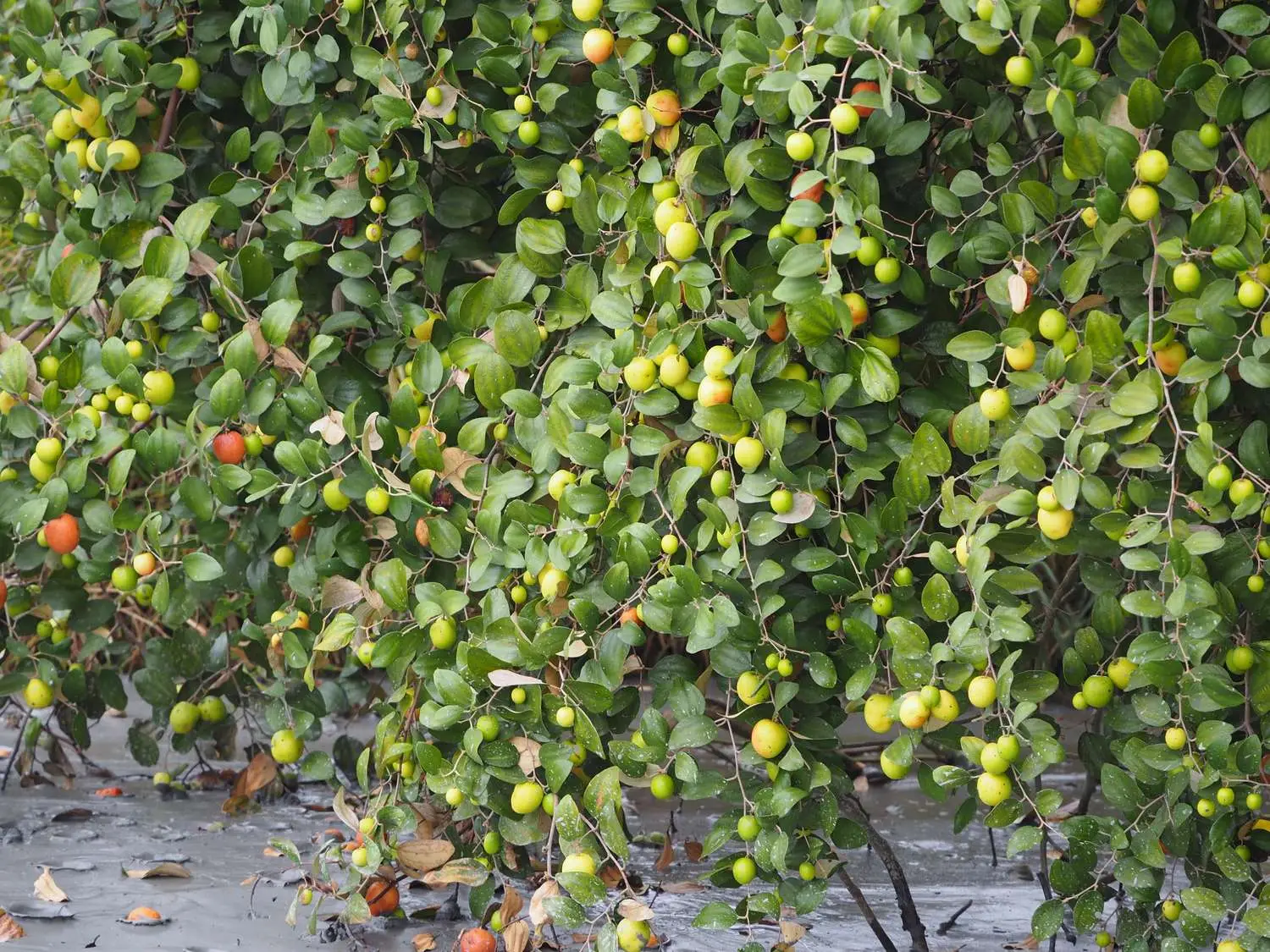
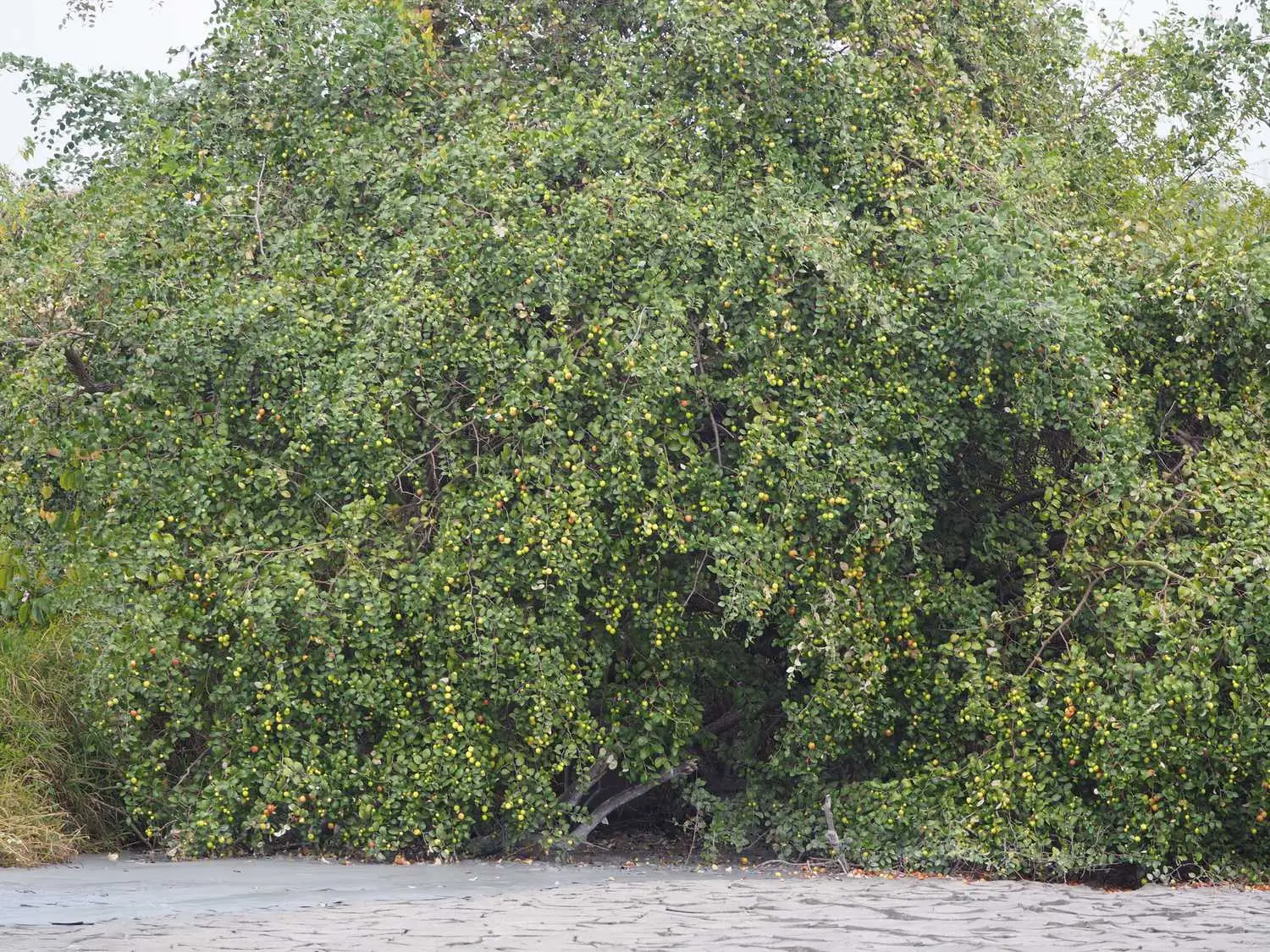
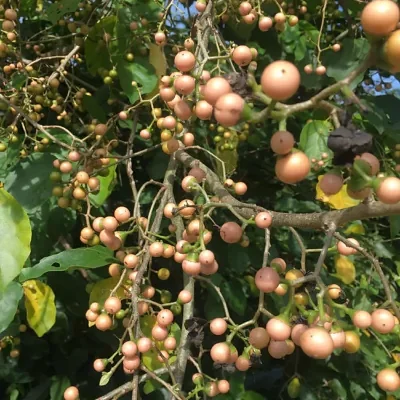
What makes Ziziphus mauritiana extraordinary? First, the fruit itself: small, round berries that ripen from glossy green to golden yellow, then deep reddish-brown—each one a jewel of nutrition. The flesh is crisp, juicy, and subtly sweet with a tangy finish reminiscent of apple crossed with date. But the real magic lies within. These fruits are a concentrated source of vitamin C (higher than citrus), vitamin A, potassium, dietary fiber, and a sophisticated array of bioactive compounds: saponins, flavonoids, alkaloids, and polysaccharides. Modern research confirms what traditional practitioners knew: jujube exhibits antioxidant, anti-inflammatory, analgesic, hepatoprotective, antimicrobial, antidiabetic, and neuroprotective properties. Studies show it can reduce sleep latency by 20%, lower IBS symptoms by 60%, and support immune recovery. It treats anxiety, improves digestion, purifies blood, aids memory and learning, and even demonstrates potential cytotoxic activity against tumor cells.
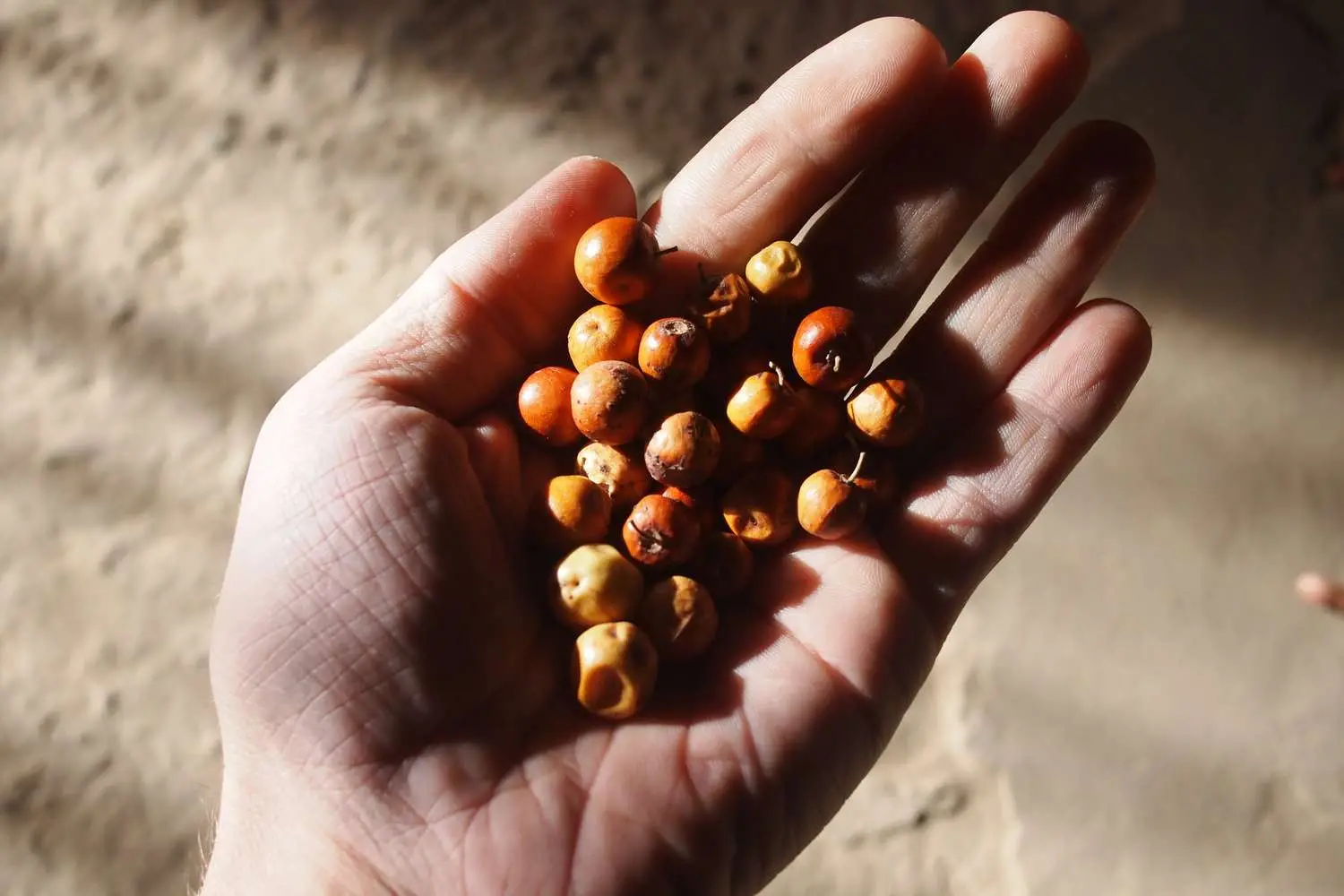
The special power of this fruit lies in its versatility and accessibility. Eat it fresh off the branch—a living jujube has a crisp, slightly juicy texture unlike any supermarket fruit. Dry it like dates for long-term storage and gentle sweetness. Brew the fruits into a calming, nutrient-dense tea with warming spices. Simmer them into medicinal decoctions or preserve them as jams, chutneys, and candied sweets. In Southeast Asia, young leaves are cooked as a nutritious vegetable. Every part of the tree offers value: bark decoctions treat diarrhea and gingivitis; root powder heals wounds; leaves provide fodder. Yet the fruit remains the showstopper—the reason you grow this tree. One mature tree yields 5,000 to 30,000 fruits annually, depending on cultivation method. Imagine your own perpetual wellness factory, generating food-medicine year after year.
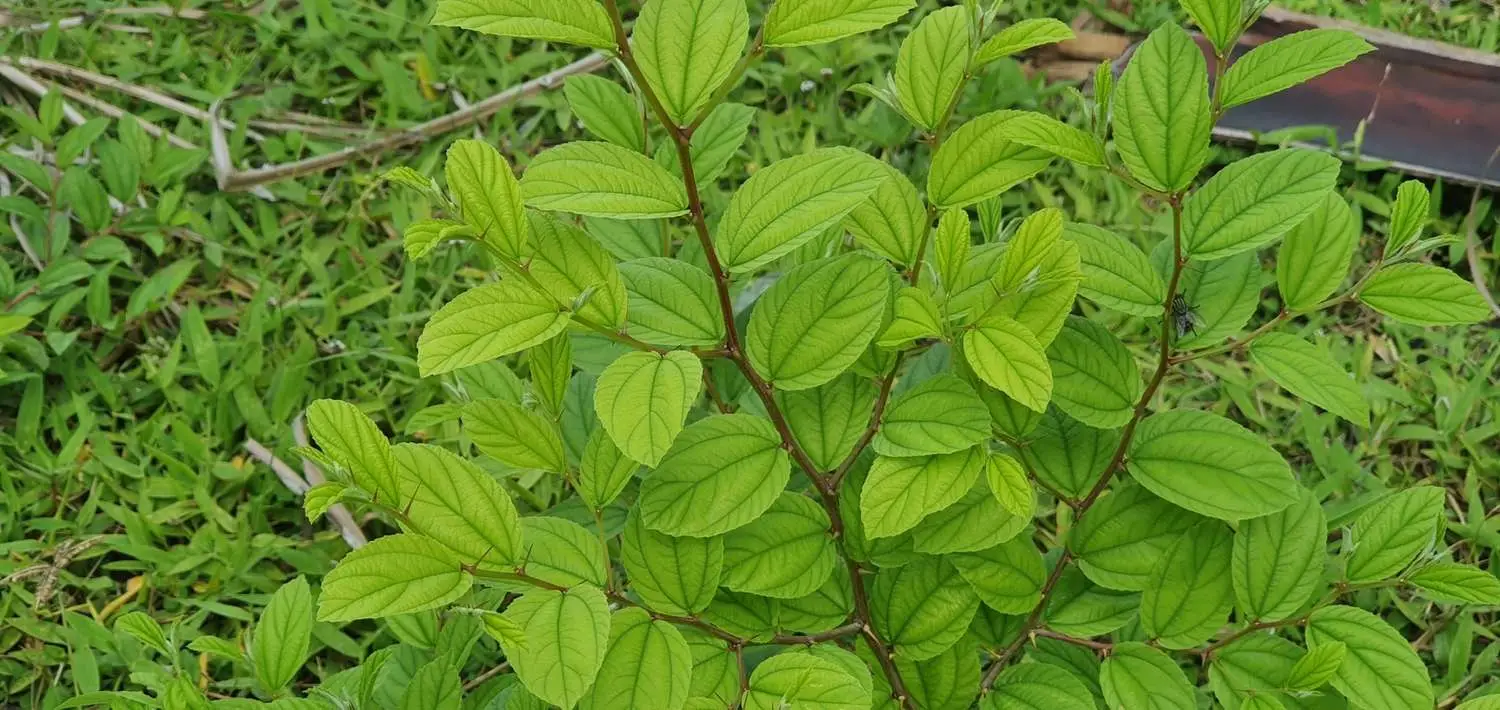
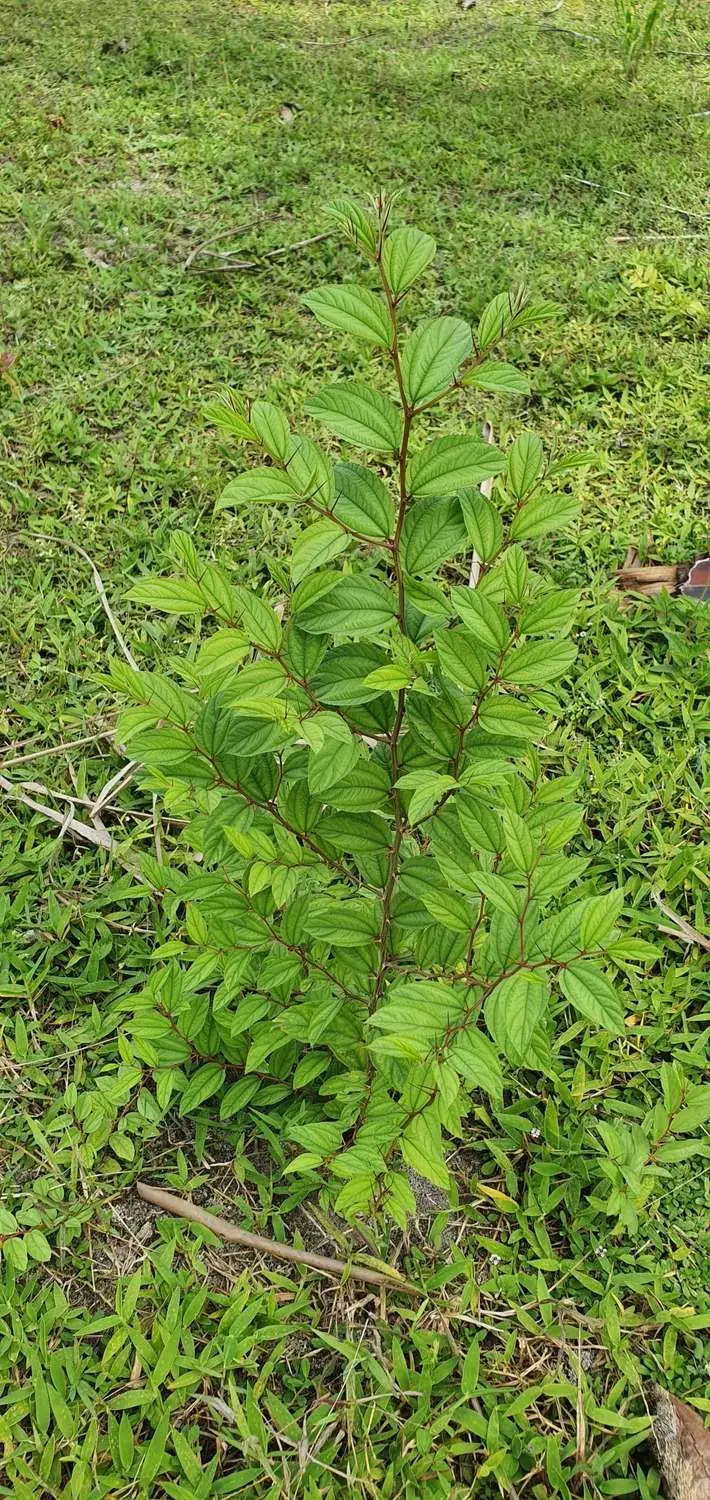
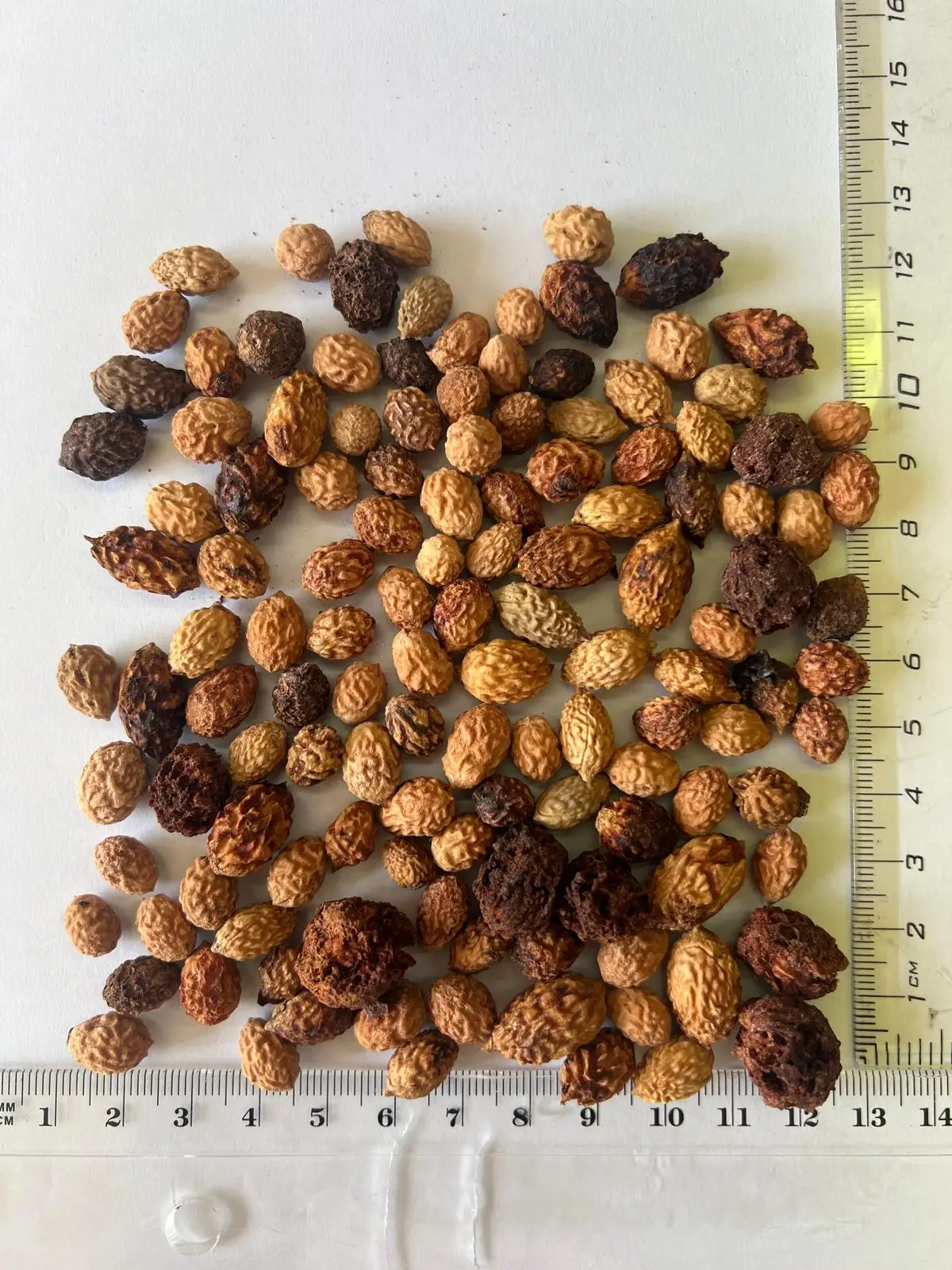
Growing Ziziphus mauritiana is a lesson in gratitude. This is a tree built for resilience. It thrives in tropical and subtropical climates (hardiness zones 8+) and performs best in full sun with 6-8 hours of direct daily light. The soil need only be well-draining and moderately fertile—sandy loam or loamy soil at neutral pH (6.0-7.6) is ideal. Young plants benefit from regular watering until they establish their characteristic deep taproot, a remarkable adaptation to drought. Once established (typically within 2-3 years), this tree becomes nearly self-sufficient. It tolerates drought, poor soils, salinity, even waterlogging. Minimal fertilizer needed; annual compost in spring suffices. Pruning is optional—mainly for shaping and air circulation. Seeds germinate reliably in 3-4 weeks with full sunlight; soak them 24 hours beforehand to accelerate germination. Within a few seasons, you’ll harvest abundant fruit. The ease of cultivation is a selling point: here is a powerful medicinal tree that demands almost nothing in return.
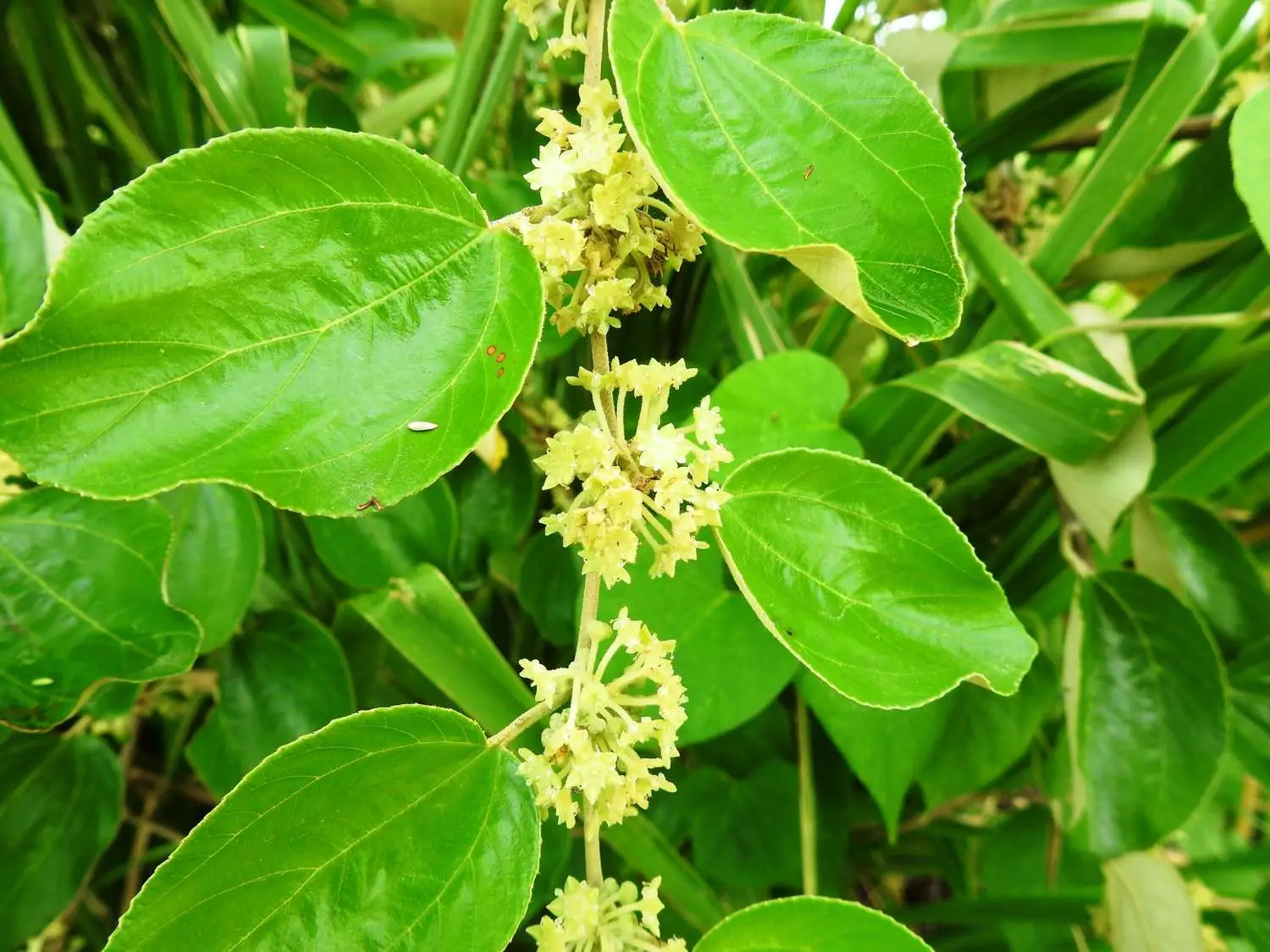
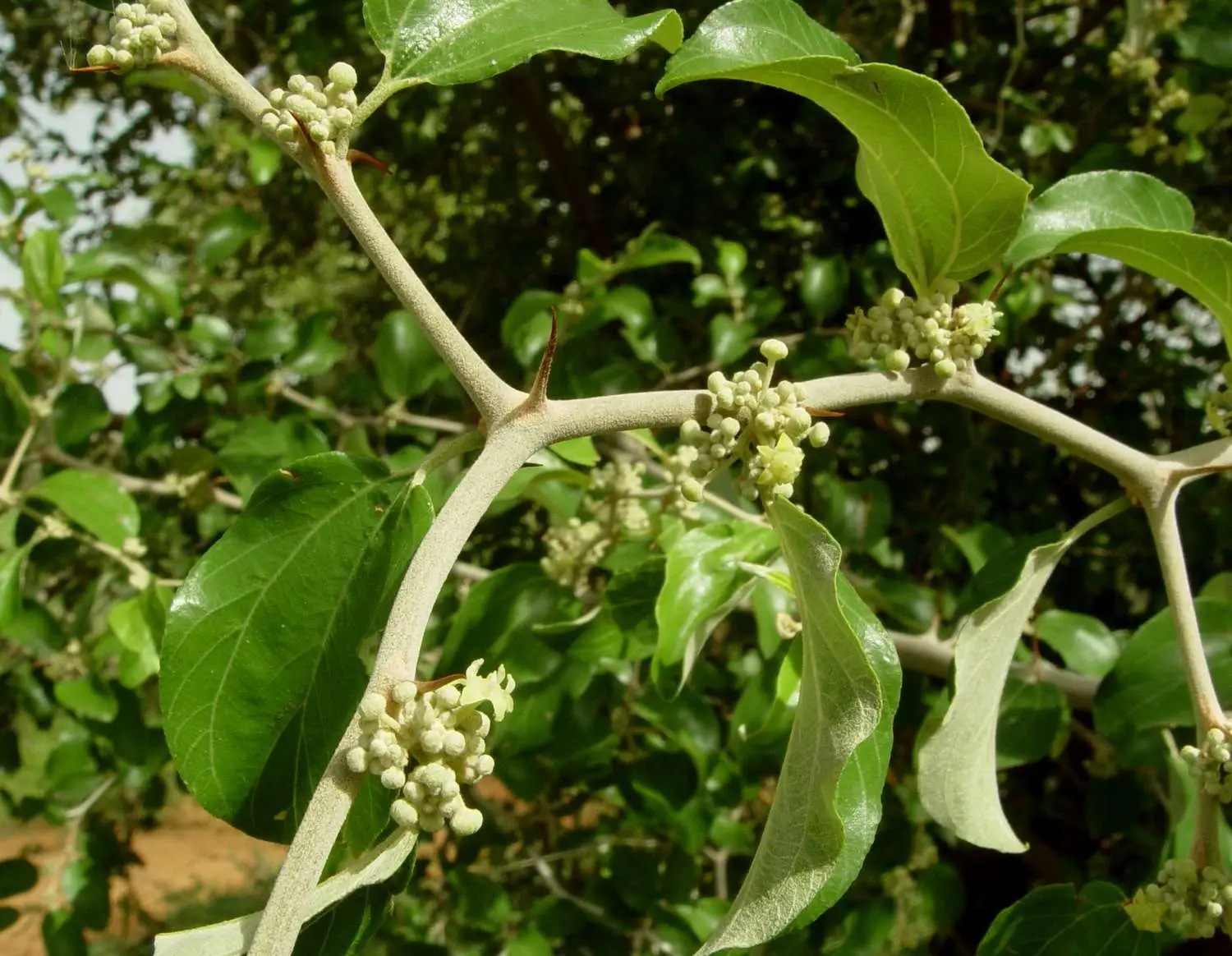
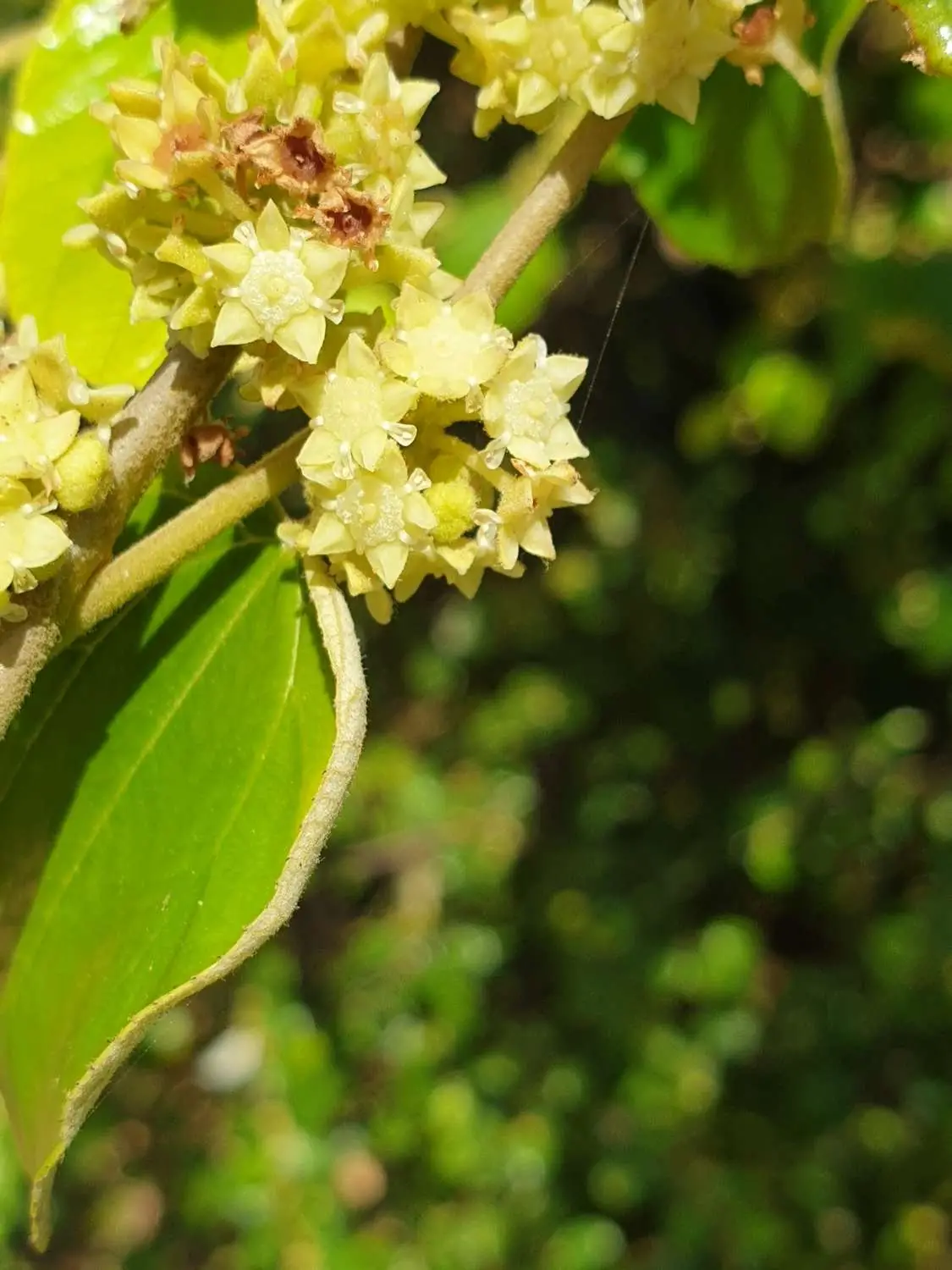
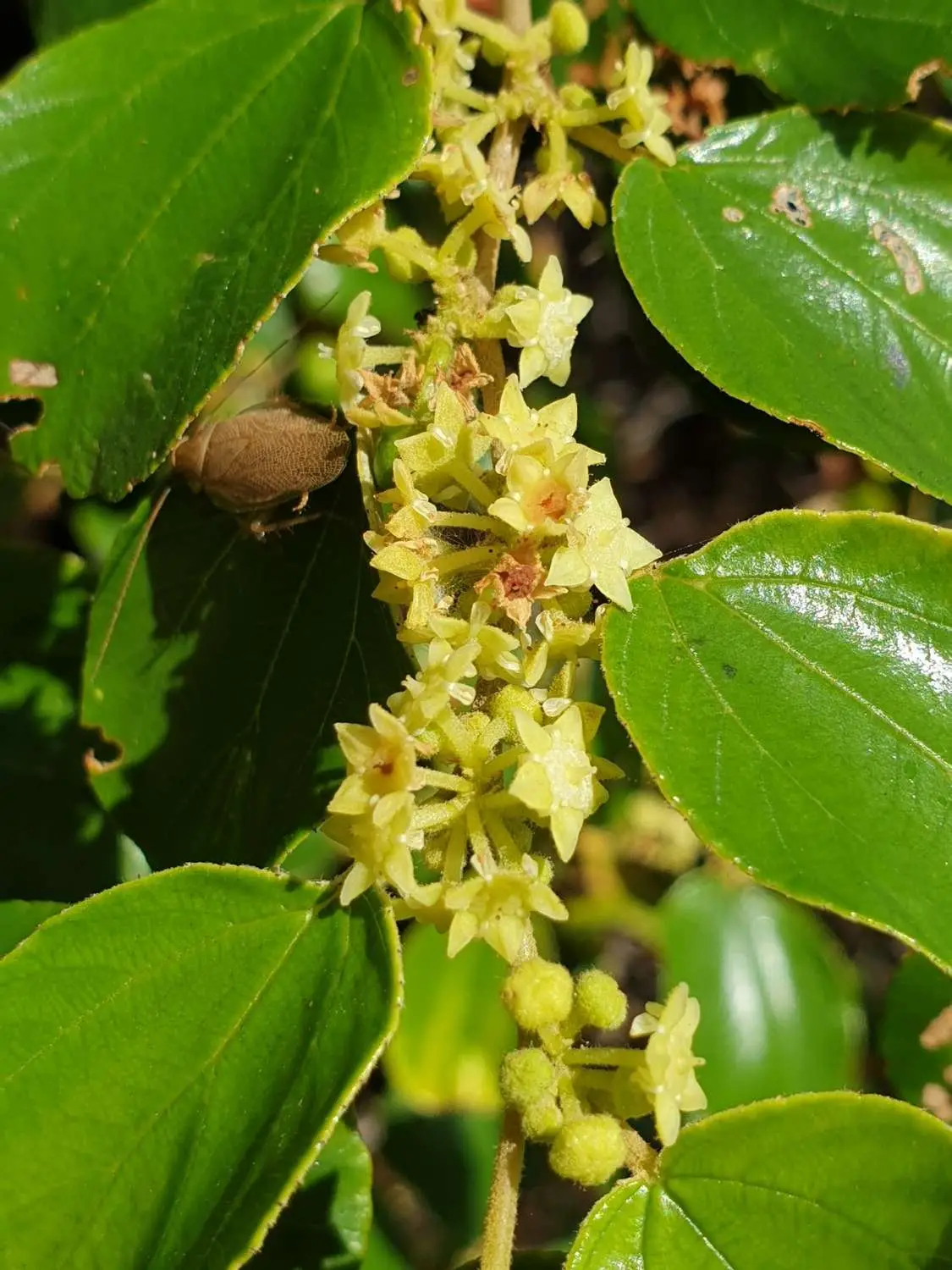
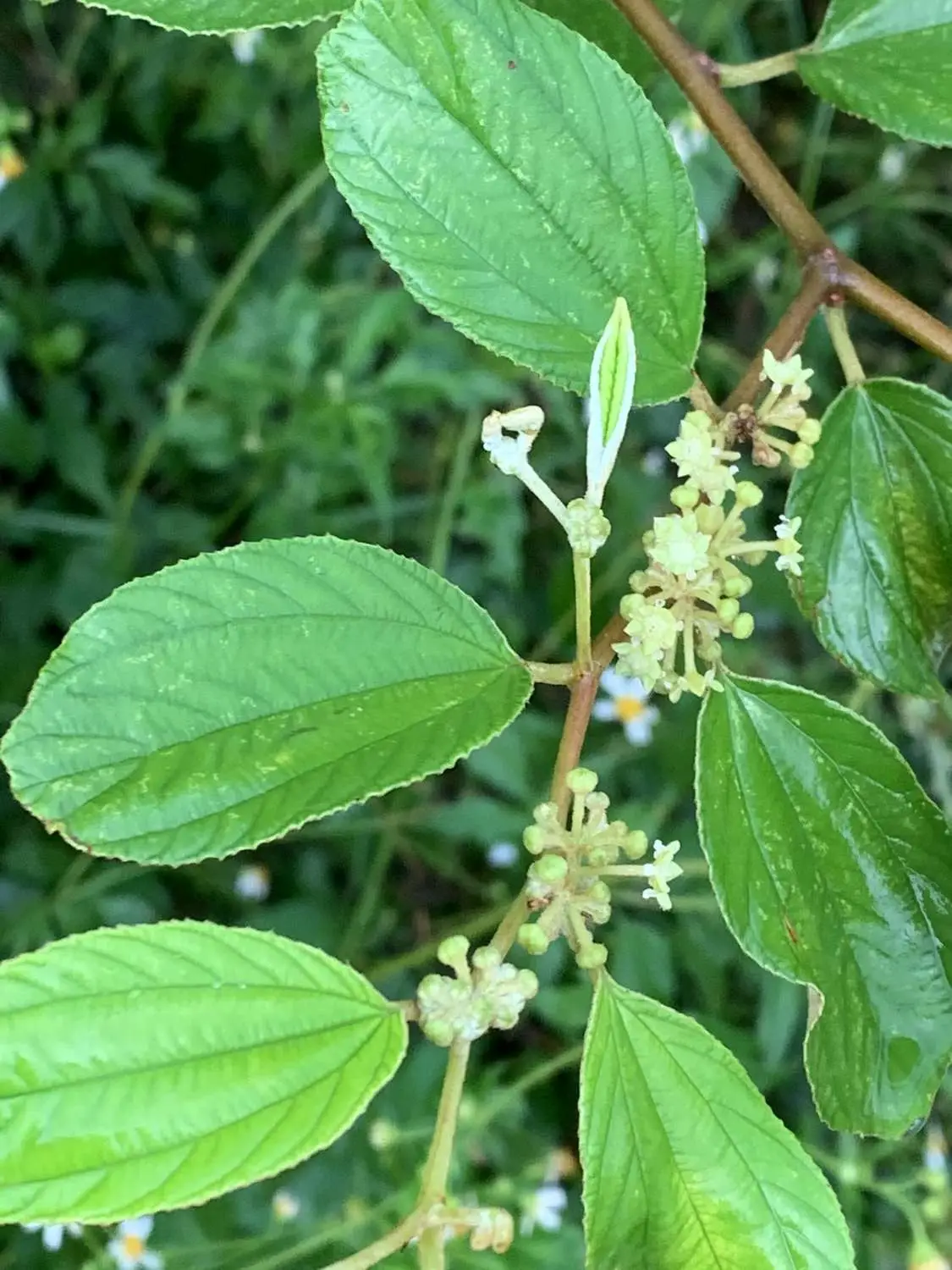
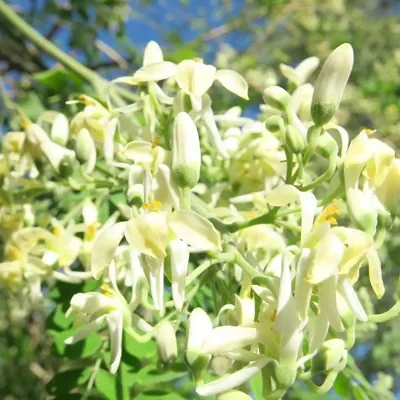
This is not a houseplant for the windowsill. This is a commitment to cultivating wellness, history, and self-sufficiency. When you grow Ziziphus mauritiana from seed, you’re planting a legacy—one that ancient healers tended, that modern science validates, that your own hands will harvest. Watch the small yellow-green flowers attract pollinators. See the fruits swell and color. Taste the first ripe berry, and understand why this tree has thrived in human ga
Only logged in customers who have purchased this product may leave a review.
Reviews
There are no reviews yet.