
Moringa oleifera — Drumstick Tree | Grow the World’s Most Nutrient-Dense Superfood

Moringa oleifera, often called the miracle tree, drumstick tree, or horseradish tree, is a fast-growing plant packed with nutrients, healing potential, and all-around wellness perks. Moringa oleifera contains essential amino acids, carotenoids in leaves, and components with nutraceutical properties, making it the ultimate superfood for supplemental nutrition and culinary use. Leaves

2.95

You May Also Like

Description

The Africans used to call it “Never Die” or “Miracle Tree” for its ability to treat more than 300 diseases.

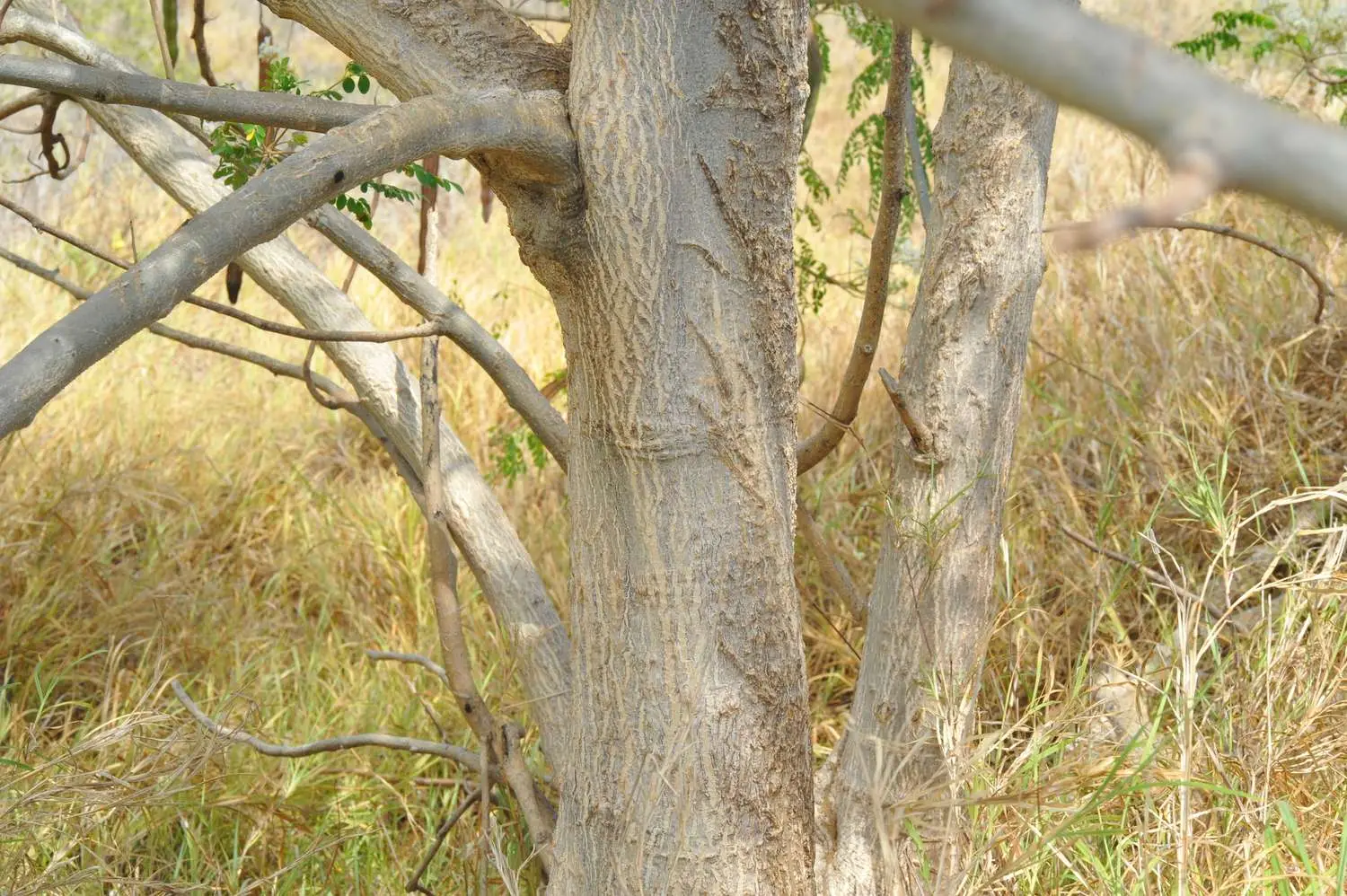
Moringa oleifera is a native crop of northern India, although it is found in southwest Asia, southwest and northwest Africa and Madagascar. Native to the Indian subcontinent, particularly the Himalayan foothills, it has been cultivated throughout Africa and other tropical and subtropical regions for over 2,000 years. What makes this species truly exceptional is its extraordinary density of beneficial compounds—every part of the plant offers medicinal or nutritional value.

Nearly every part of the plant—leaves, pods (drumsticks), seeds, flowers, and bark—is used in food, traditional medicine, or as a supplement. The leaves are the star: Its leaves contain more vitamin C than oranges and more calcium than milk, boosting the immune system and strengthening bones. The leaves of the M. oleifera tree are now frequently used as nutrients and nutraceuticals due to their availability of various minerals. While having only very minor antinutritional effects, the leaves are abundant in many beneficial compounds. For centuries, it has been used as a system of Ayurvedic and Unani medicine and has a wide range of nutritional and bioactive compounds, including proteins, essential amino acids, carbohydrates, lipids, fibre, vitamins, minerals, phenolic compounds, phytosterols and others. These characteristics allow it to have pharmacological properties, including anti-diabetic, anti-inflammatory, anticarcinogenic, antioxidant, cardioprotective, antimicrobial and hepatoprotective properties. You can harvest tender young leaves for tea, powder them into smoothies, cook them like spinach, or simply brew them fresh—the culinary possibilities are endless, and every use delivers a concentrated dose of nature’s healing power.

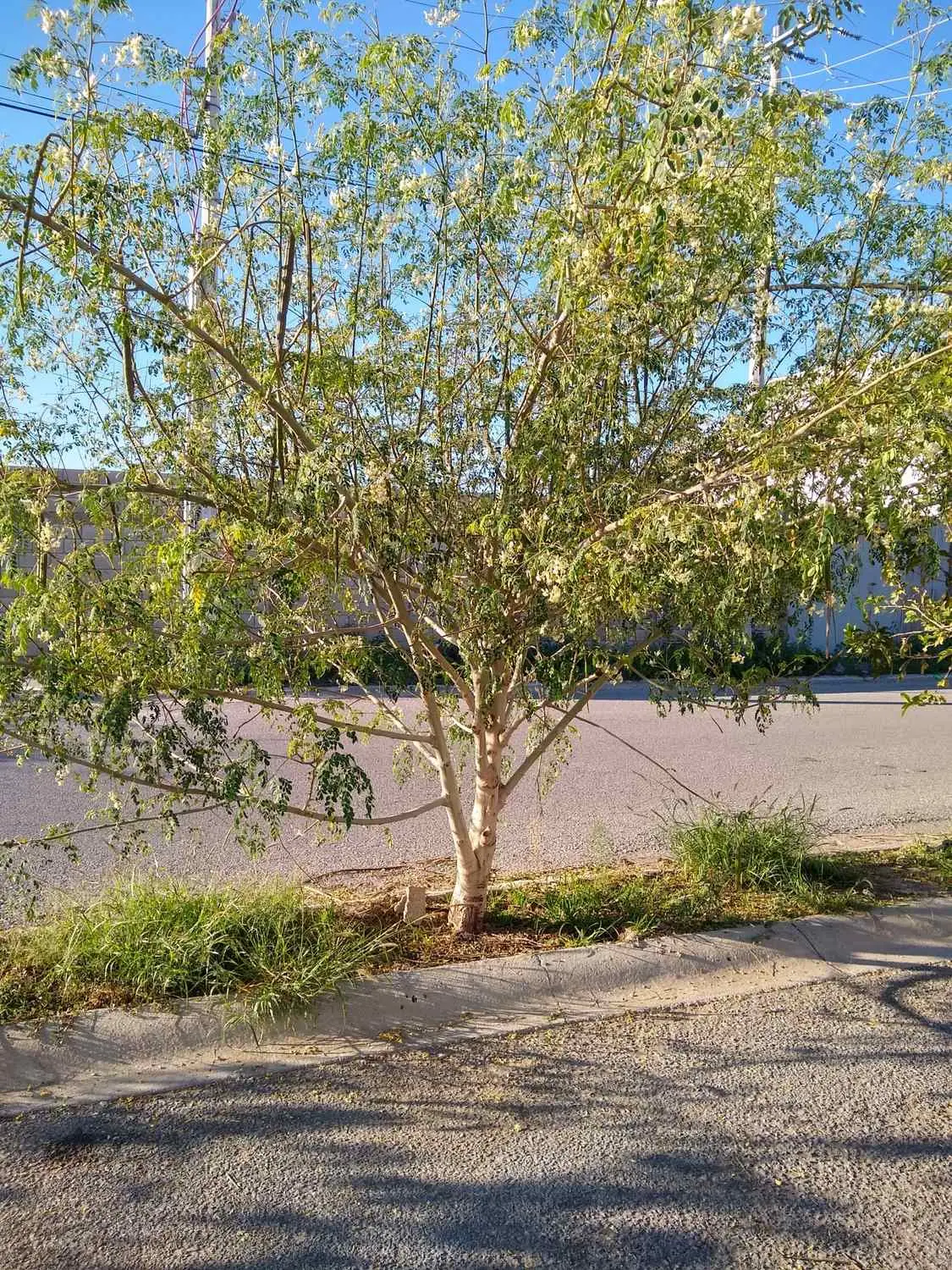
Growing Moringa from seed is rewarding and straightforward. The tree is sun and heat loving, and optimum leaf and seed pod production occurs when the average daily temperature is between 77 – 86 F (25-30 C). It tolerates a wide range of soil conditions, but prefers a neutral to slightly acidic (pH 6.3 to 7.0), well-drained, sandy or loamy soil. Moringa is a sun- and heat-loving plant, and does not tolerate freezing or frost. Once established, Moringa can withstand both severe drought and mild frost conditions—it’s built for resilience. Moringa is increasingly becoming an essential tree due to its numerous uses, easy propagation, fast growth and wide edaphic and climatic adaptability. In containers, it thrives beautifully in warm climates or indoors under grow lights; in the ground, it becomes a dramatic accent with its delicate, feathery foliage.

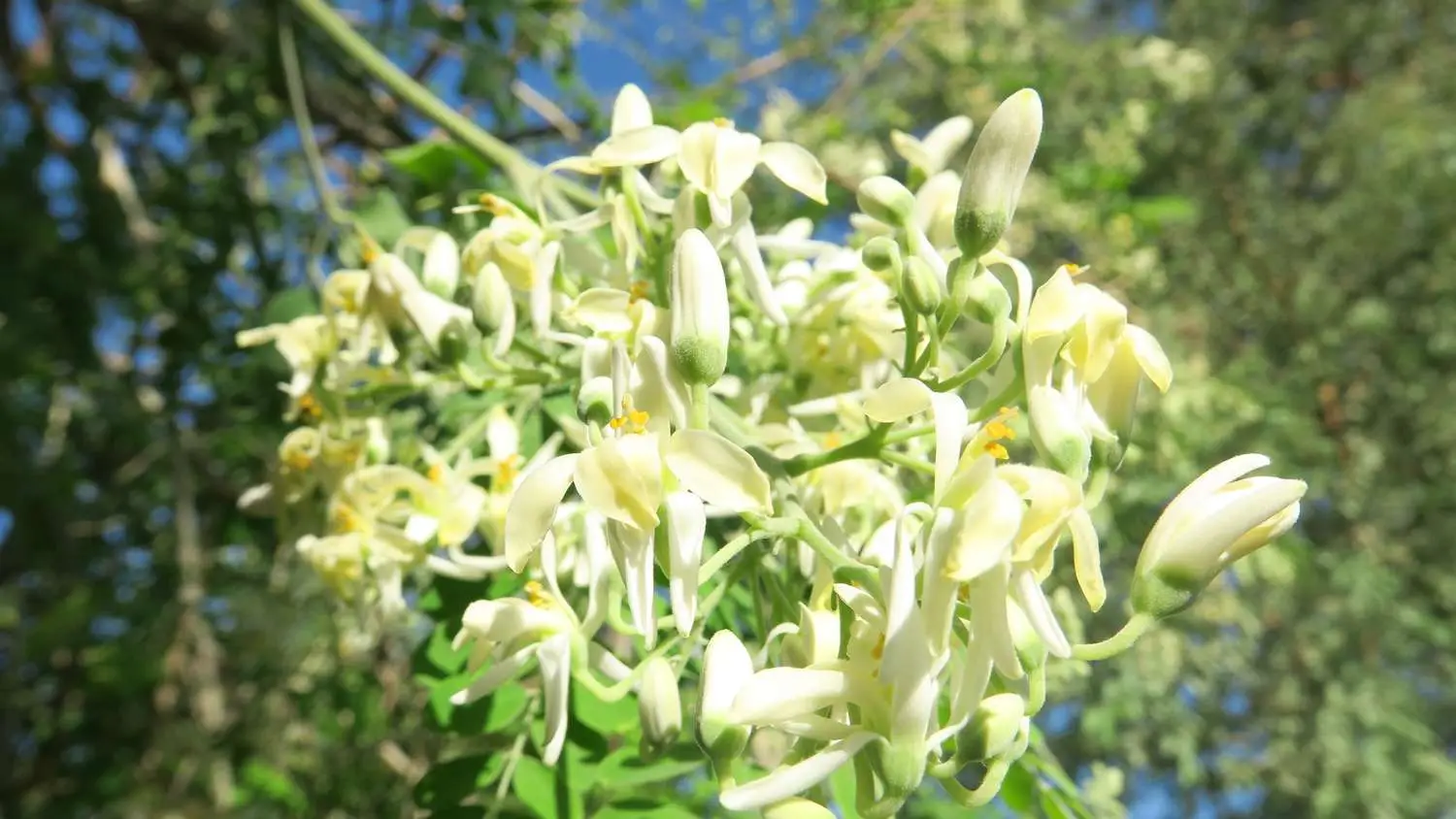
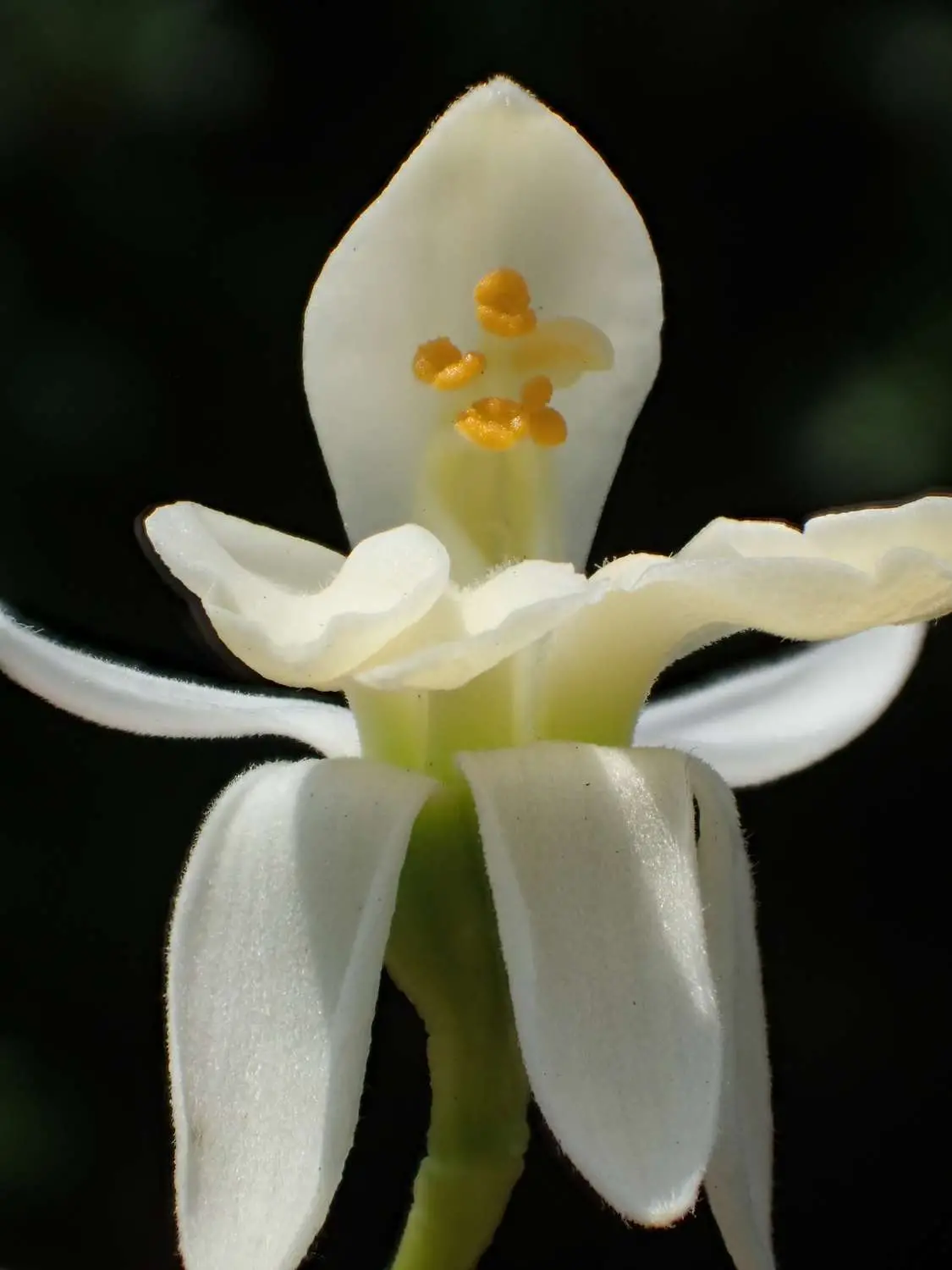
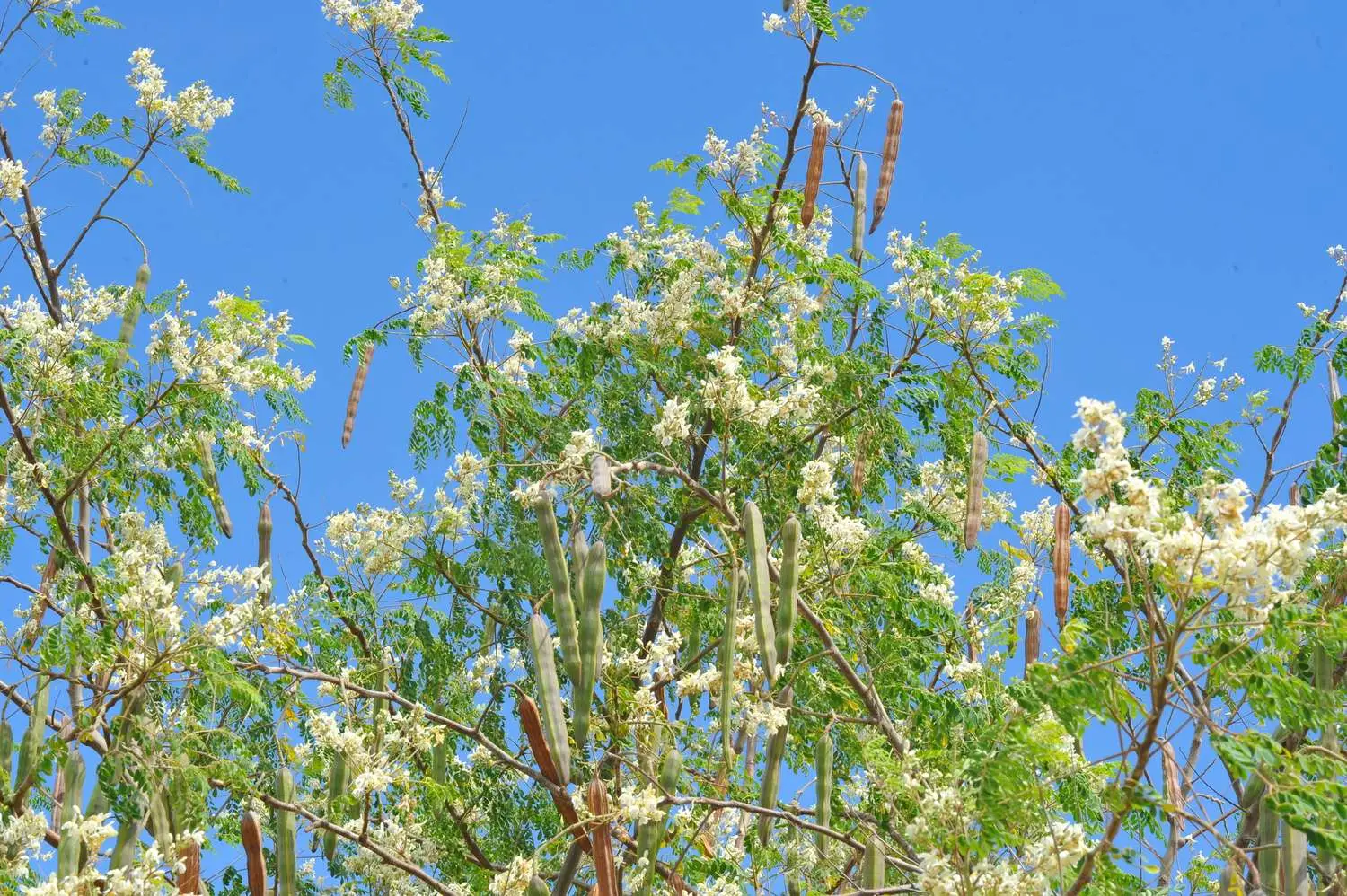
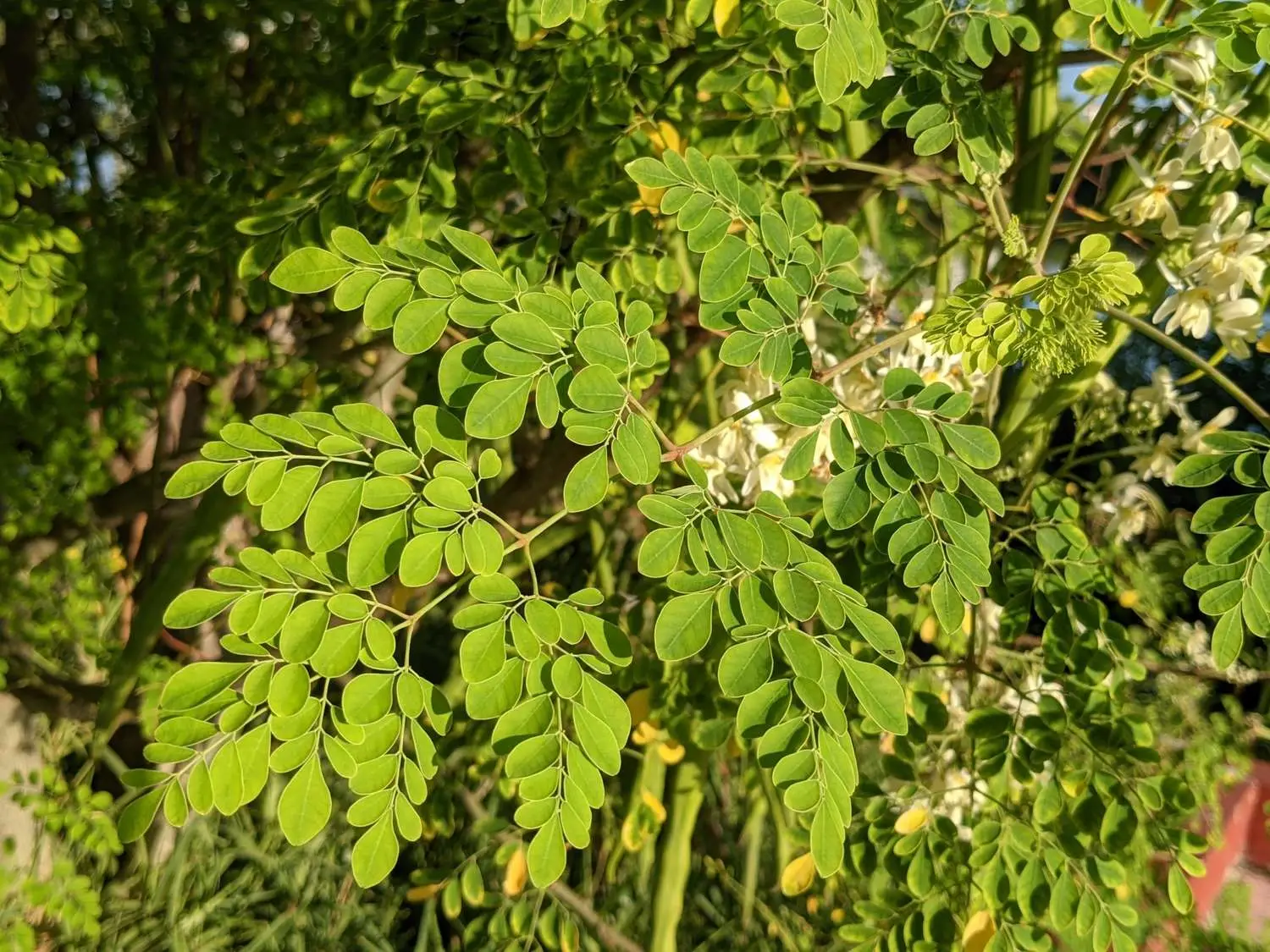
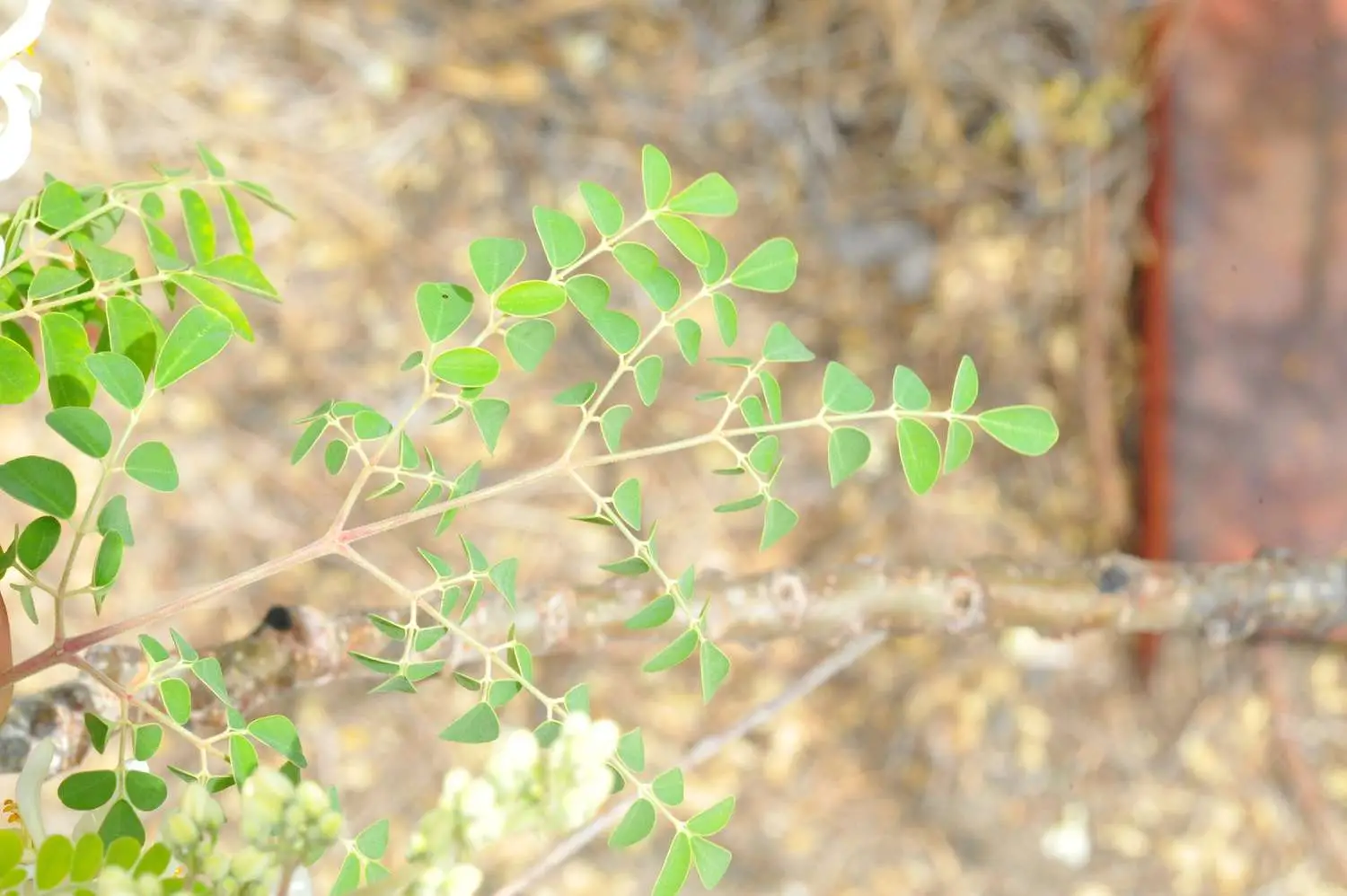
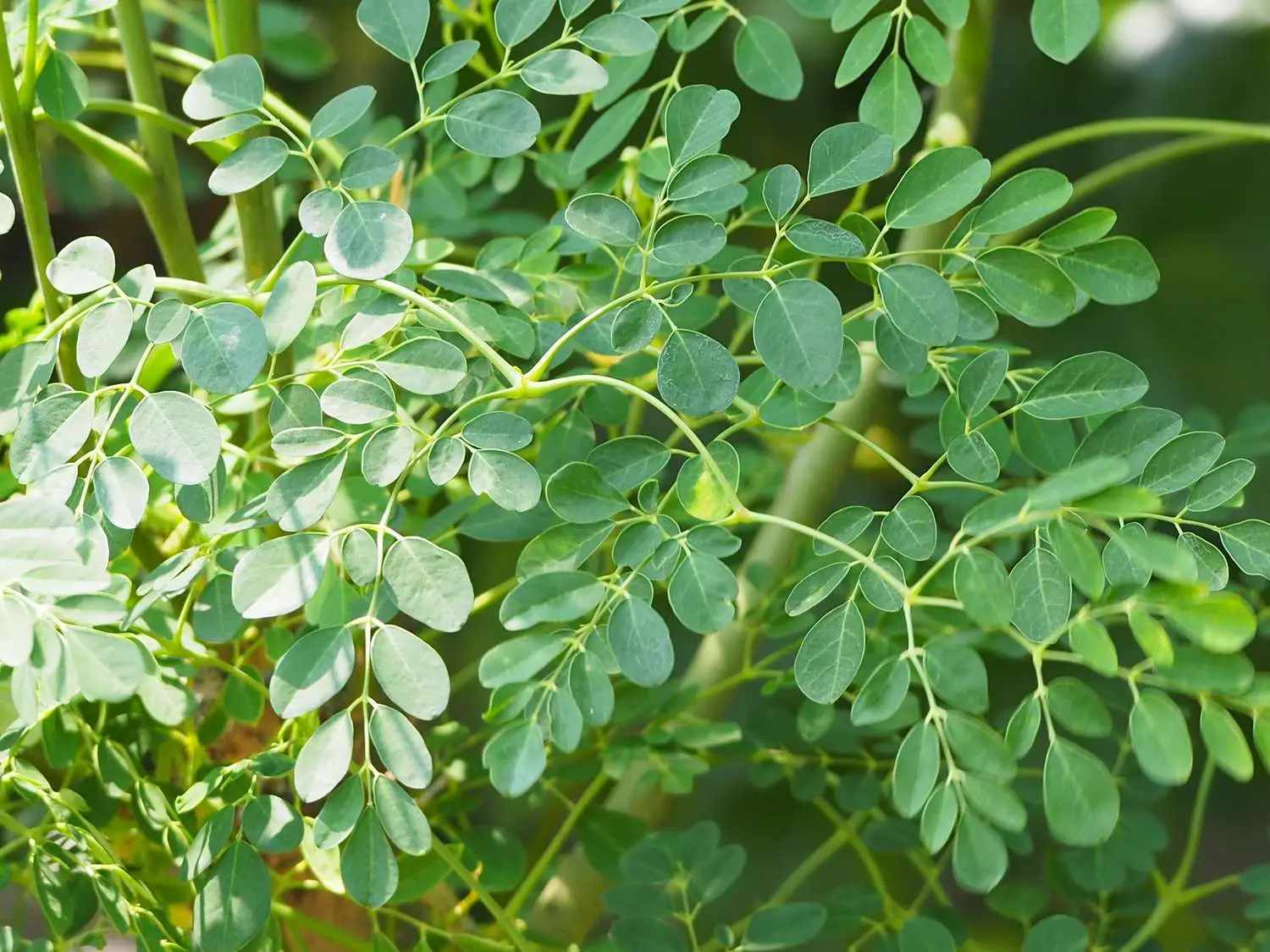
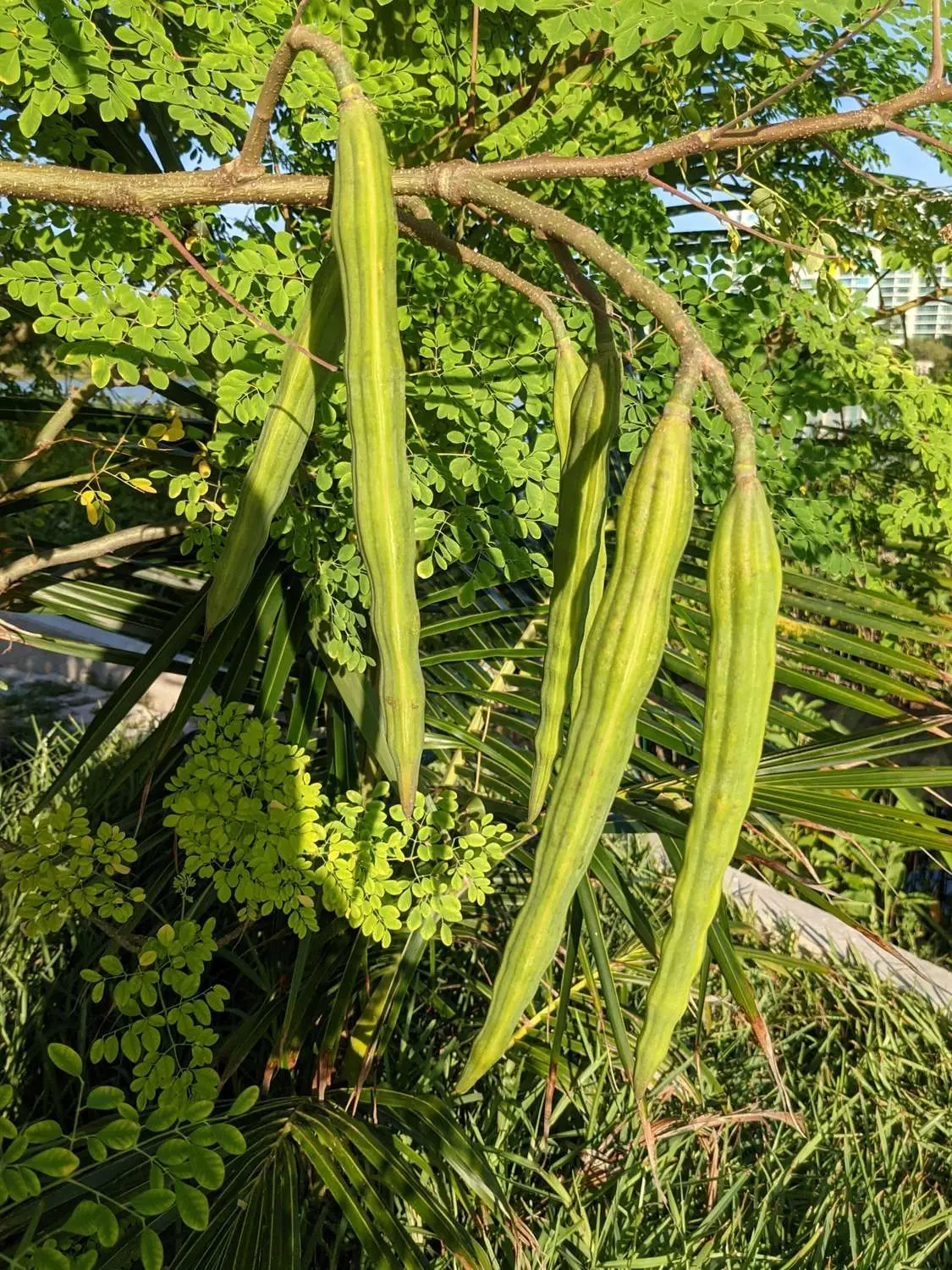
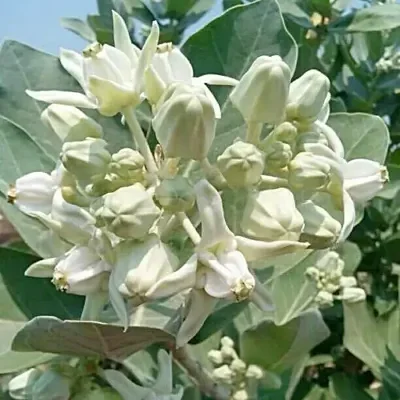
Its flowers are creamy-white, five-petaled, and fragrant, appearing in loose, drooping panicles. Moringa seed pods are uniquely long and slender, typically 12-18 inches in length, and have a distinctive three-sided (triangular) shape with prominent ridges or “wings” running their length. The vibrant, bright green hue of the fresh moringa foliage is another telltale sign, often appearing lush and healthy. Watch your moringa grow from a delicate seedling into a flourishing tree that gifts you with nutrient-dense leaves month after month—a living pharmacy in your garden, a testament to the profound wisdom of traditional plant medicine, and a daily reminder that the most powerful foods are often the simplest to cultivate. When you grow Moringa oleifera from seed, you’re not just planting a tree; you’re investing in wellness, sustainability, and a connection to botanical kno

Germination Guide

🌍 Northern India and Pakistan (sub-Himalayan foothills)
Easy

Moringa oleifera, commonly known as the drumstick tree or miracle tree, is a fast-growing, drought-resistant tree native to the foothills of the Himalayas in northern India. Widely cultivated in tropical and subtropical regions for its nutritionally dense leaves, edible pods, and oil-rich seeds, moringa is remarkably easy to germinate and grows rapidly under warm conditions. Seeds germinate readily within 5-14 days when provided with warm temperatures and adequate moisture, making this species ideal for both home gardeners and large-scale cultivation.

Germination
Germination time
Expect germination in

5 – 14 days

Temperature

Min 25°C
Ideal 30°C
Max 35°C

Light
☁️ Indifferent

Substrate moisture
💧 Medium

Sowing depth
1 cm

Press seed
👆 Yes

Germination rate
75 %


Seed Pre-treatment
  • 💧

    Soaking — 24 hours
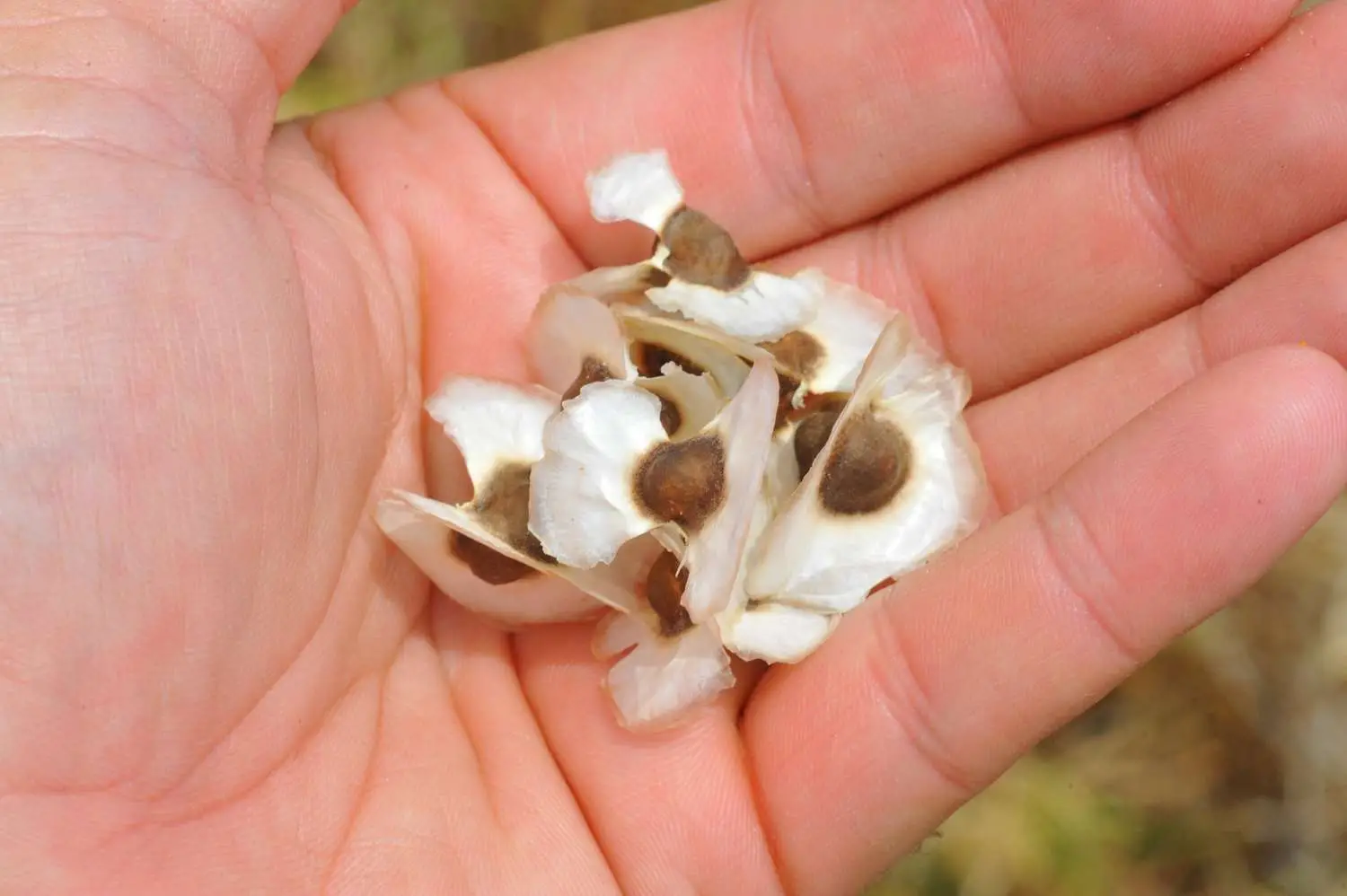
    Soak seeds in room-temperature or warm water (70-85°F / 21-29°C) for 12 to 24 hours before sowing. Pre-soaking softens seed coat and promotes faster, uniform germination
  • 📋

    Additional notes
    Pre-soaking essential for optimal germination. Remove papery wings from seeds prior to soaking if possible. Fresh seeds recommended as viability decreases rapidly during storage

Substrate & Container
Recommended substrate
Well-draining mix: peat moss or coco coir with perlite (60/40 ratio), or peat moss/perlite/vermiculite blend. Loamy sandy soil preferred for direct sowing

Recommended container
Small pots (minimum 18 inches deep recommended for final container), seed trays, or Jiffy pots. Start in small containers and transplant early due to vigorous taproot development


Growing Tips
Use only fresh, high-quality seeds for best results (viability decreases rapidly). Maintain consistently warm soil temperature between 25-35°C (77-95°F) using a heat mat if necessary. Seeds do not require light to germinate but seedlings need bright light immediately after sprouting—avoid leggy growth by providing 6-8 hours of direct sunlight daily. Water sparingly; avoid waterlogging as roots are extremely sensitive to rot and damping-off disease. High humidity (80-90%) benefits germination but monitor closely for mold. Once sprouted, transplant seedlings early (at 1-2 inches depth) as moringa develops a vigorous taproot that can become crowded. Seedlings grow explosively under warm conditions and can reach 12-15+ feet in a single growing season. Reduce humidity and increase air circulation after germination to prevent fungal issues. Use well-draining substrate only—never allow prolonged waterlogged conditions.

Reviews

There are no reviews yet.

Only logged in customers who have purchased this product may leave a review.
Related Products