
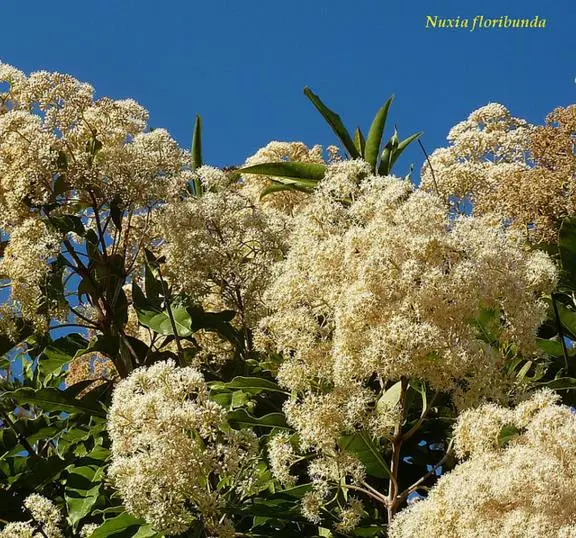
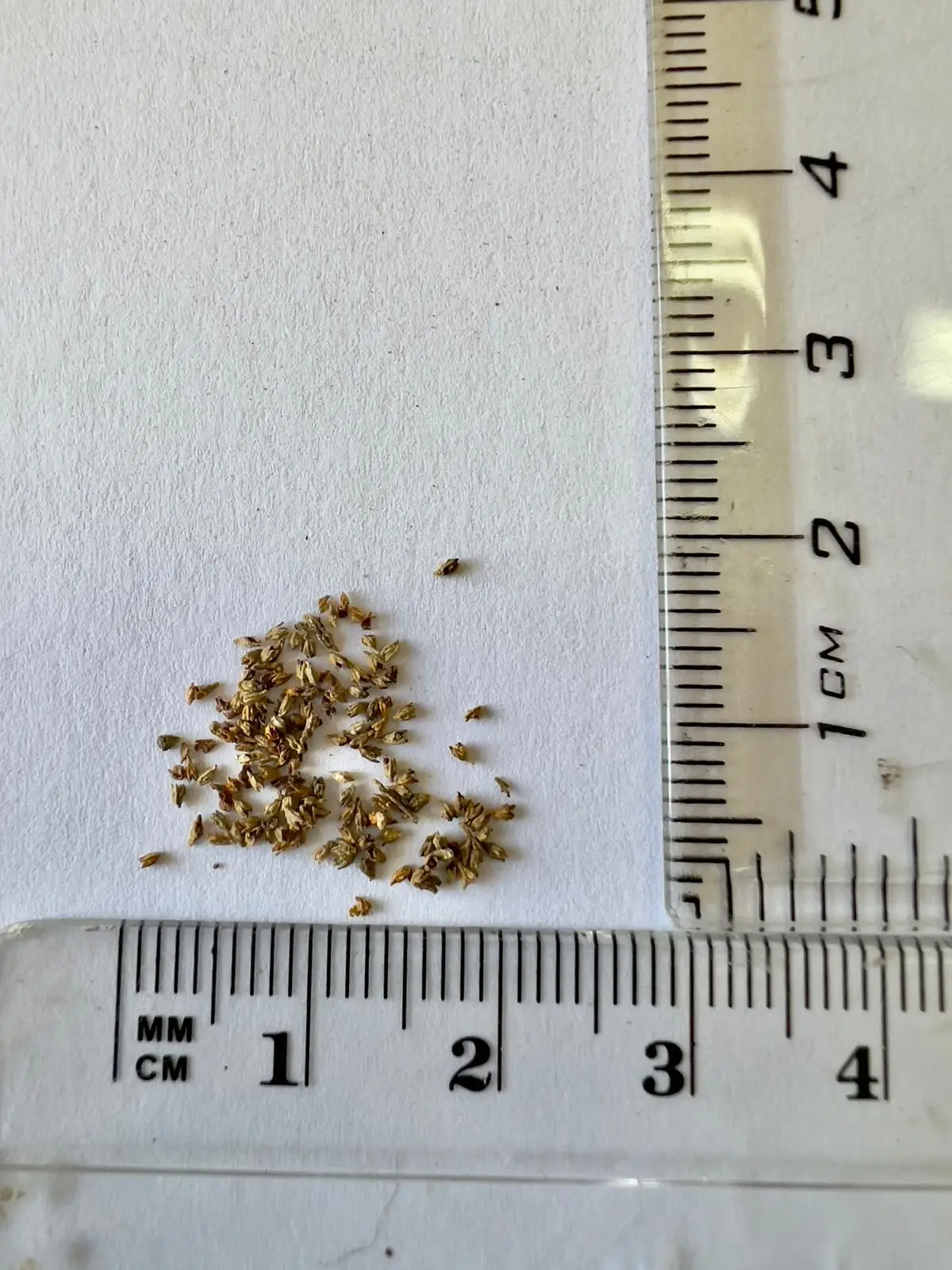
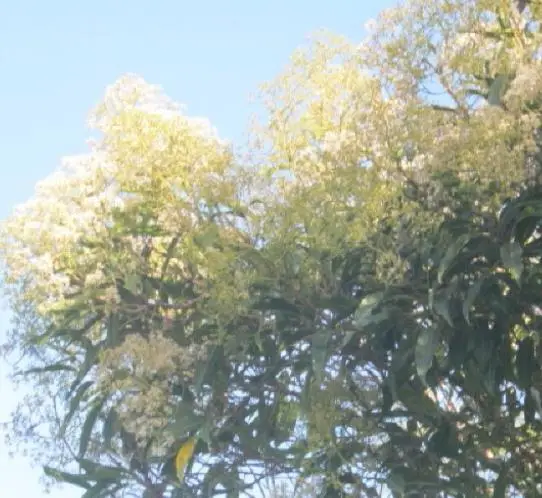
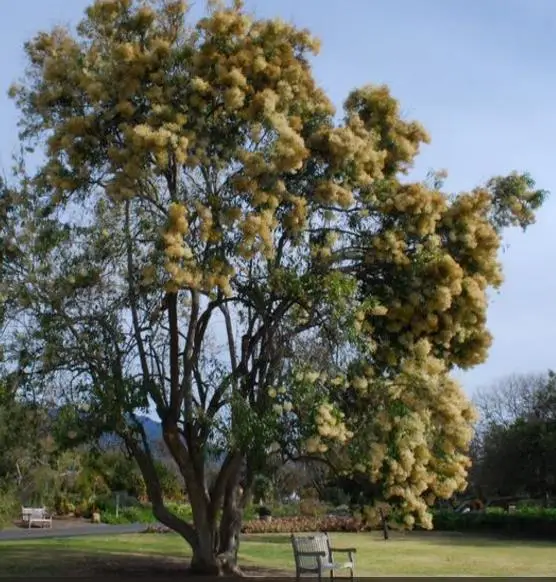
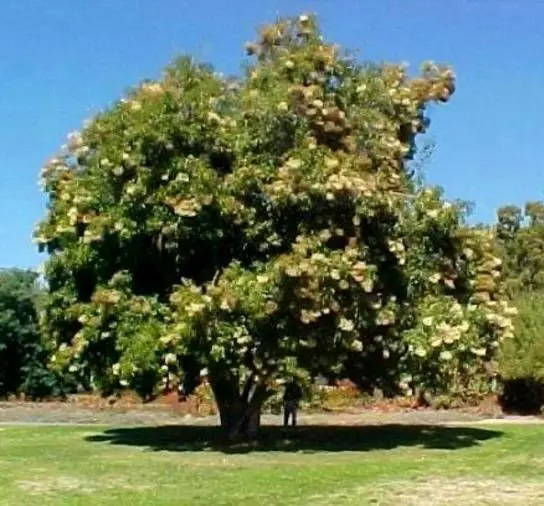
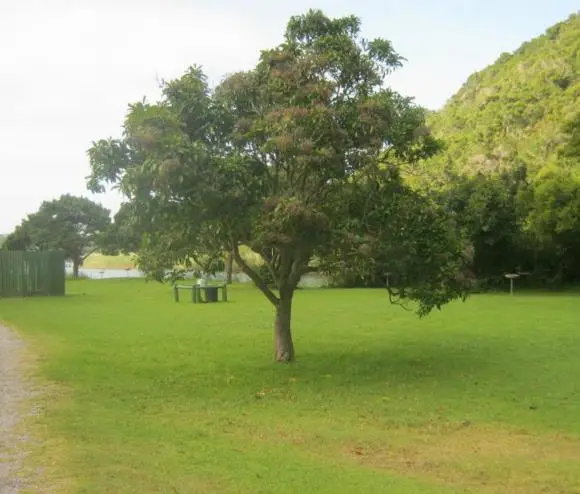
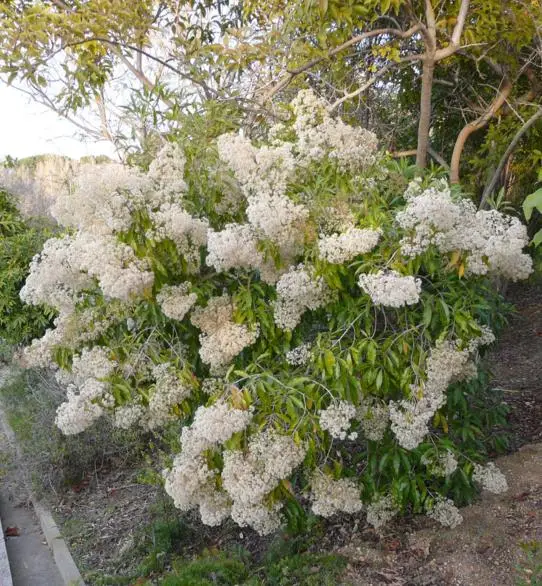
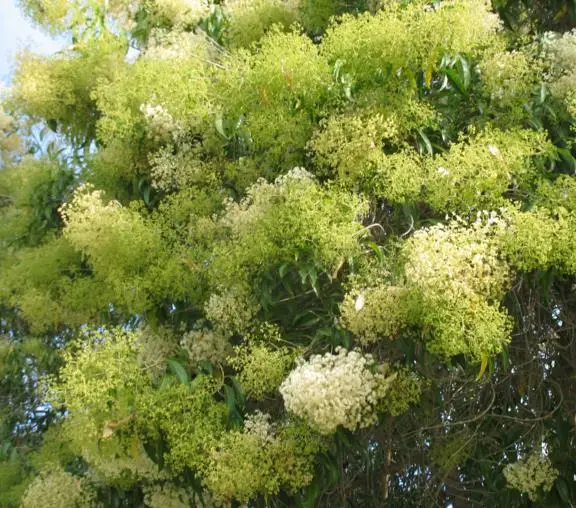
Winter-flowering honey tree loaded with fragrant, cream-white flower clusters that bees adore. Nuxia floribunda is a fast-growing, frost-sensitive evergreen with glossy leaves and stunning architectural form—perfect for gardens seeking both beauty and ecosystem abundance. Dense blooms from autumn to spring reward you with living proof of thriving pollinator activity. Grows readily from seed in warm, moist sites.
€2.72
Picture this: your garden explodes into fragrant white blooms precisely when winter needs beauty most—and the bees cannot stay away. That’s Nuxia floribunda, the forest elder, a tree that bridges aesthetics and function in ways few plants can match.
Native to the misty montane forests and forest margins of South Africa, Mozambique, and Zimbabwe, this evergreen medium-sized tree (3–10 m, occasionally reaching 25 m) inhabits the moist, protected microclimates where Africa’s richest forests thrive. The species name floribunda—”flowering profusely”—is no exaggeration. The tree bears massive, elaborately branched flower panicles (up to 30 cm long) packed with tiny, sweetly scented cream-white flowers that blanket the canopy from autumn through spring, peaking in winter. Each microscopic bloom measures just 3 mm, yet their sheer abundance and delicate lacy appearance create an almost ethereal effect—the whole tree becomes a cloud of fragrant white.
But here’s where Nuxia floribunda truly shines: it is an extraordinary honey tree. The flowers produce nectar in abundance, making this species one of the finest choices for beekeepers and anyone serious about supporting wild pollinators. Bees visit relentlessly; numerous other insects follow, which in turn attract insectivorous birds. If you want to create a living, breathing ecosystem in your garden—one that hums with life and feeds the creatures you care about—Nuxia floribunda is your answer. Beyond its role as a pollinator magnet, the tree holds deep cultural significance in traditional African medicine, where bark, leaves, and root extracts have been employed for centuries to treat respiratory ailments, fevers, digestive complaints, skin conditions, and even as mosquito repellent. The bark is notably rich in tannins, while the pale yellow, hard, close-grained wood has long served for carpentry, fencing, and furniture.
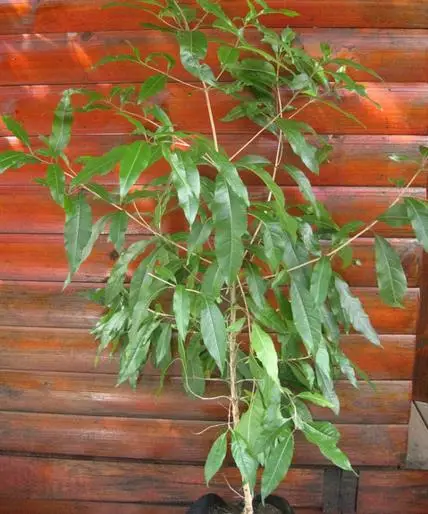
Cultivation is straightforward in warm, subtropical to tropical climates. Plant in full sun to partial shade; the tree thrives in moist, well-drained, enriched soil and prefers regular deep watering. It is reasonably fast-growing and will develop a lovely dense, rounded crown with distinctive purple young branches and dark glossy-green leaves arranged in whorls of three (with a striking red to purple midrib on immature foliage). The contorted grey-brown trunk adds architectural character, especially as the tree matures. Frost sensitivity means it’s best suited to frost-free or mild-winter regions; in cooler areas, plant in a north- or west-facing position. Young seedlings may be susceptible to fungal diseases, so ensure good air circulation and avoid waterlogging. The roots are non-aggressive, making Nuxia floribunda safe for planting near infrastructure.
Grow this from seed and you’ll witness something profound: a young tree that rapidly becomes a beacon for pollinators, a living pharmacy rooted in African wisdom, and a winter-flowering sculpture that transforms your garden into a fragrant, humming sanctuary. This is not merely a tree—it’s an invitation to join the forest’s conversation.
Only logged in customers who have purchased this product may leave a review.
Reviews
There are no reviews yet.