
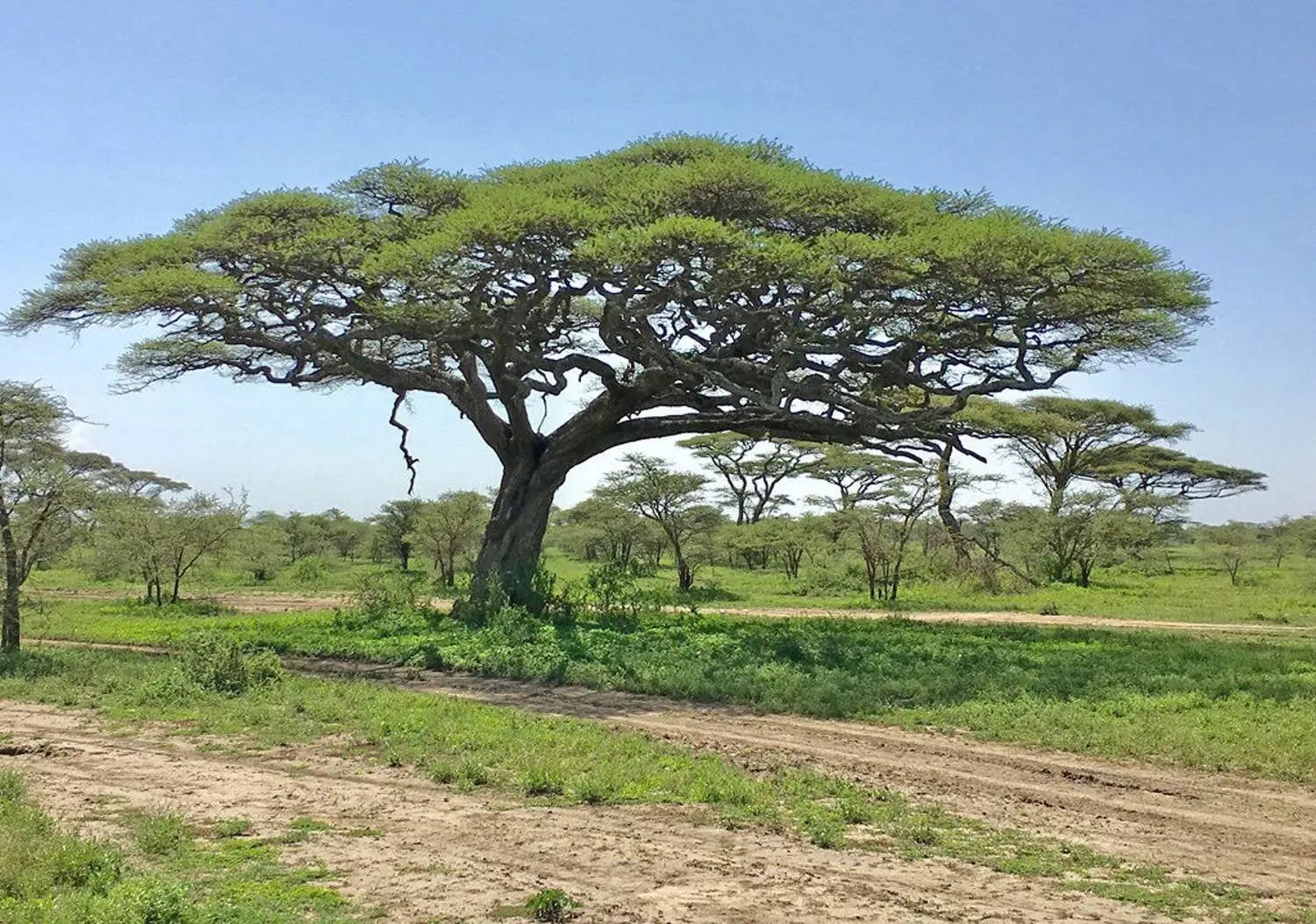
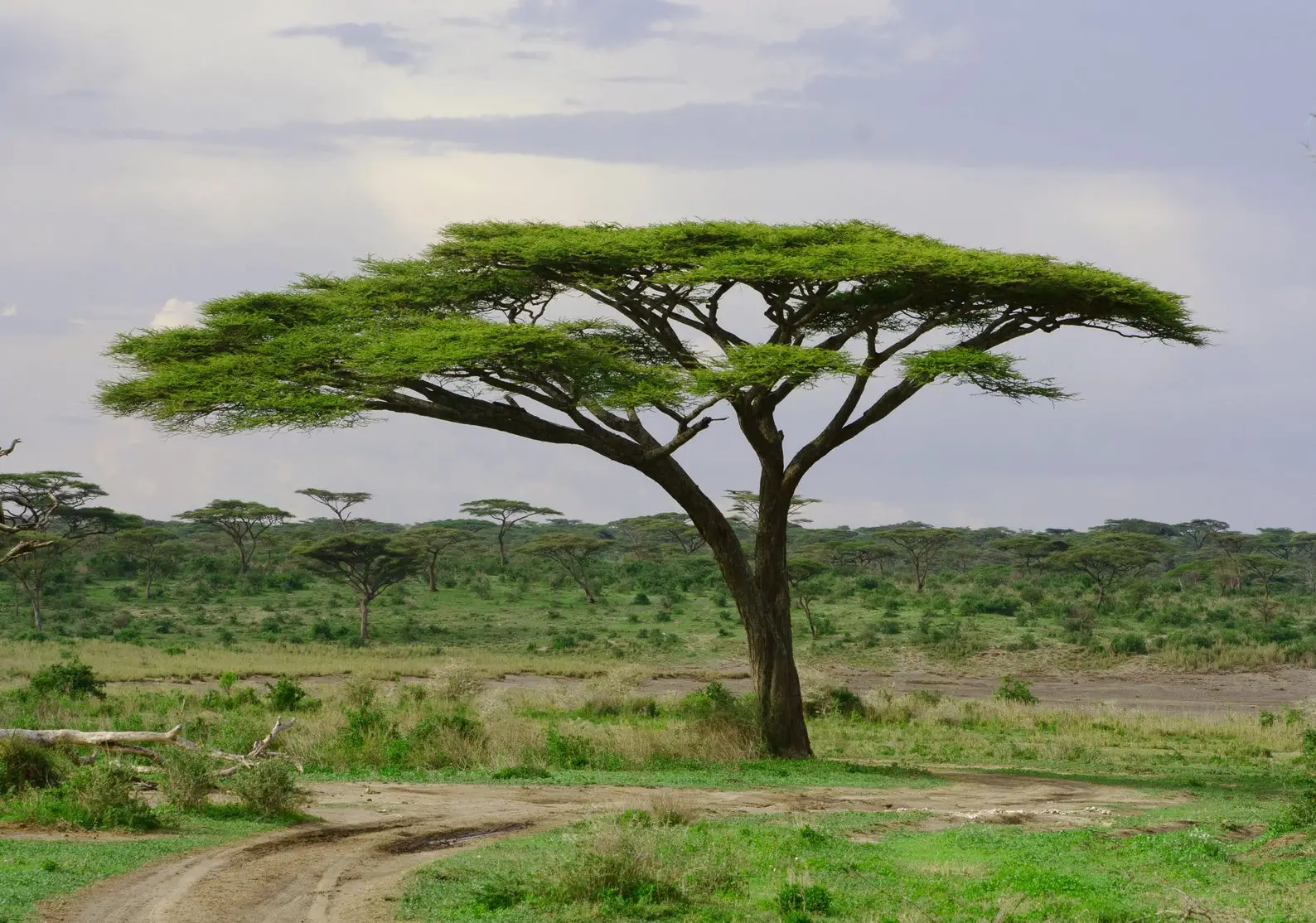
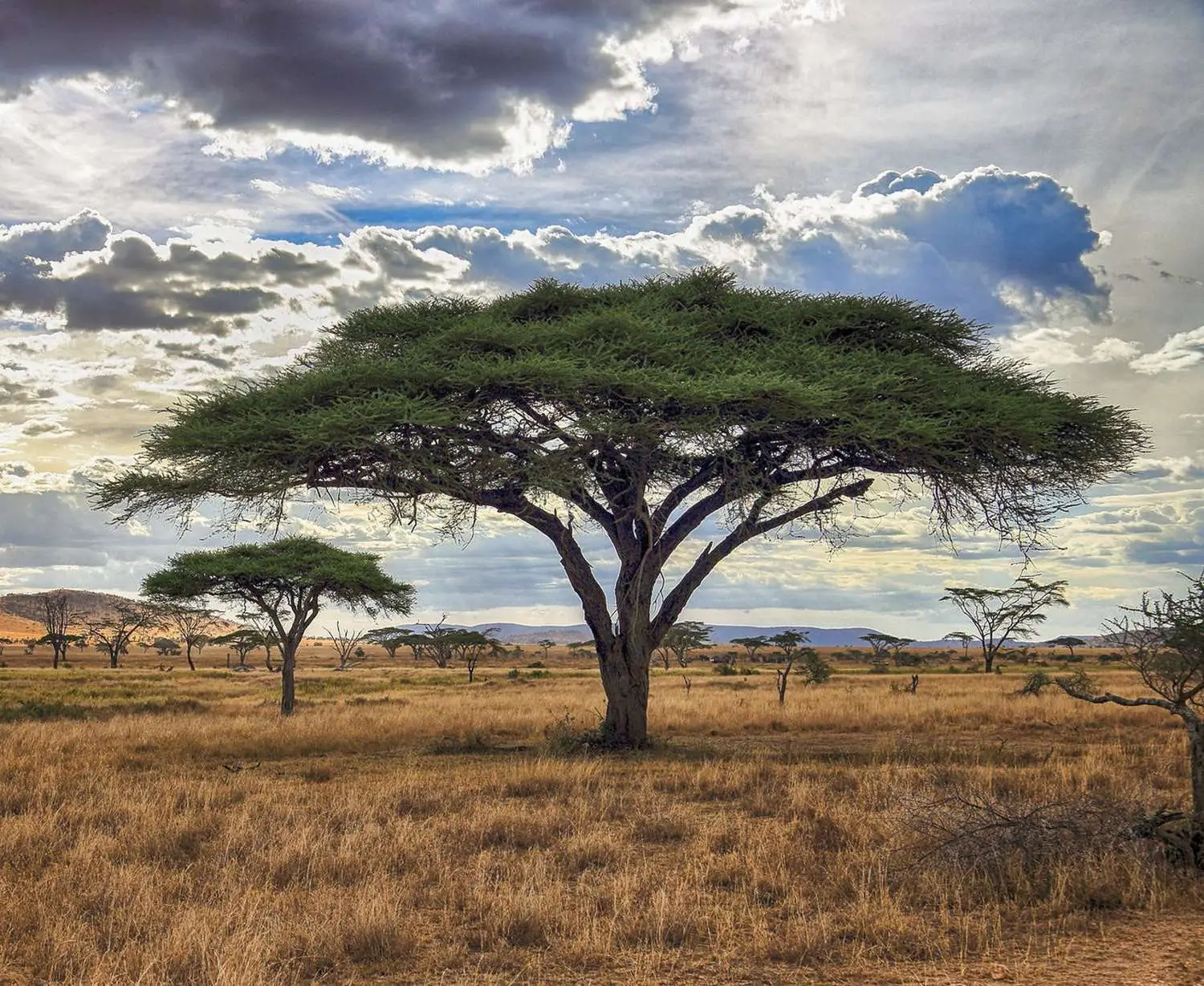
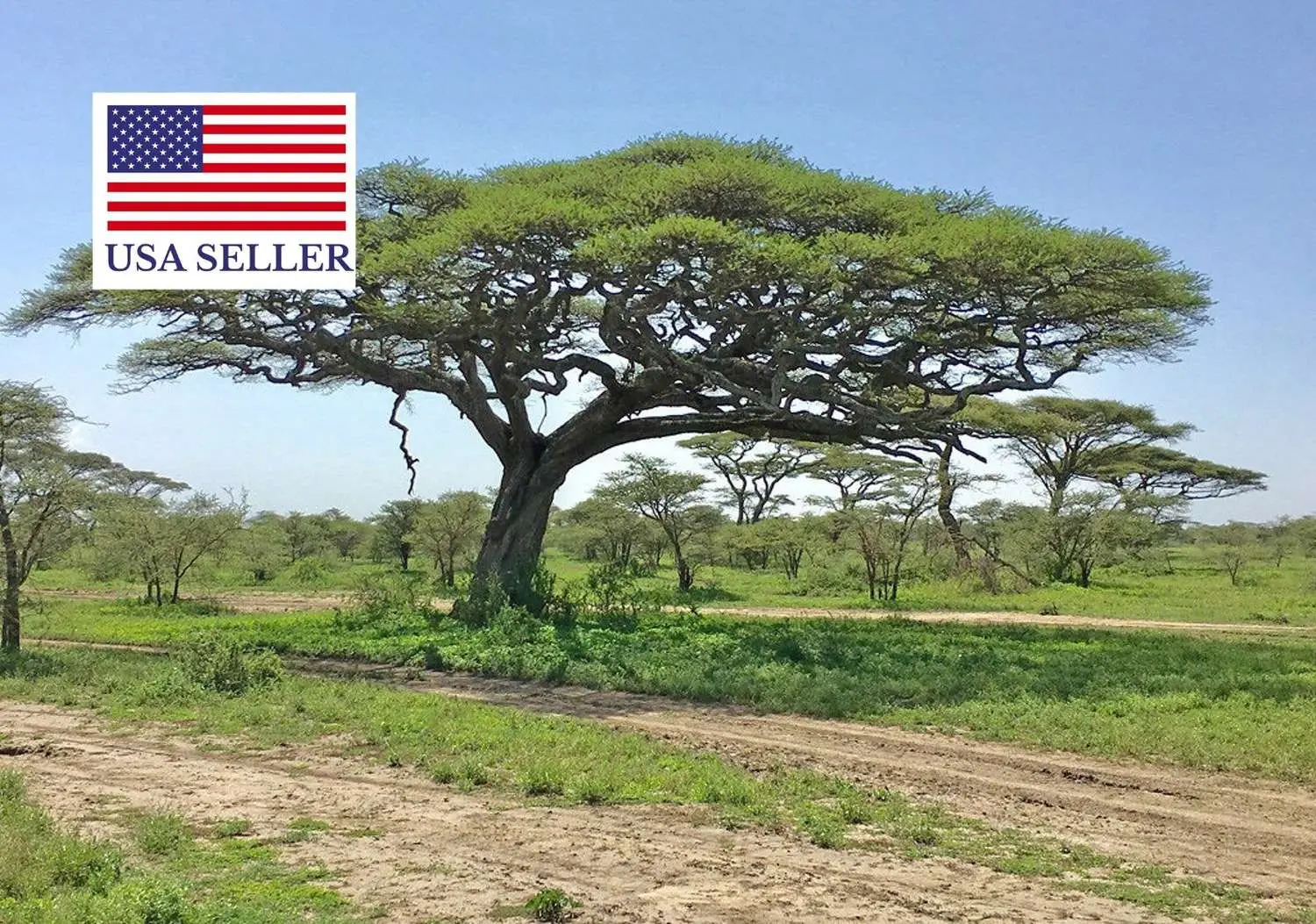
The iconic umbrella-shaped African savanna hero that reclaims dead sand and revives depleted soil. Acacia tortilis is the most recommended species for dune restoration worldwide—while it grows, it fixes atmospheric nitrogen, stabilizes shifting earth, and produces nutrient-rich fodder. Easy-to-medium cultivation from seed; truly thrives in harsh conditions. Grow the tree that heals landscapes.
€1.92
Here is the tree that transforms impossible land into thriving ecosystem.
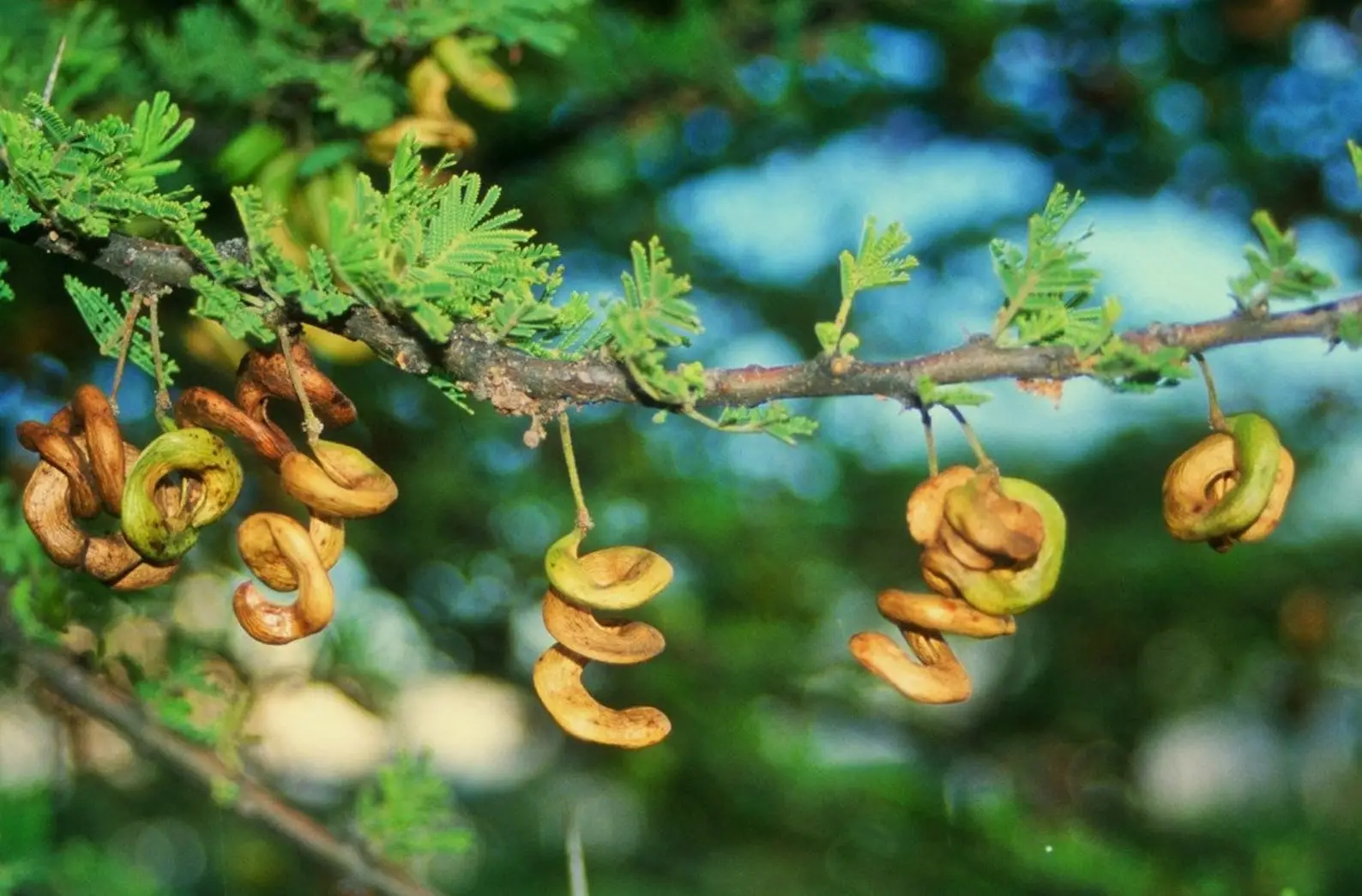
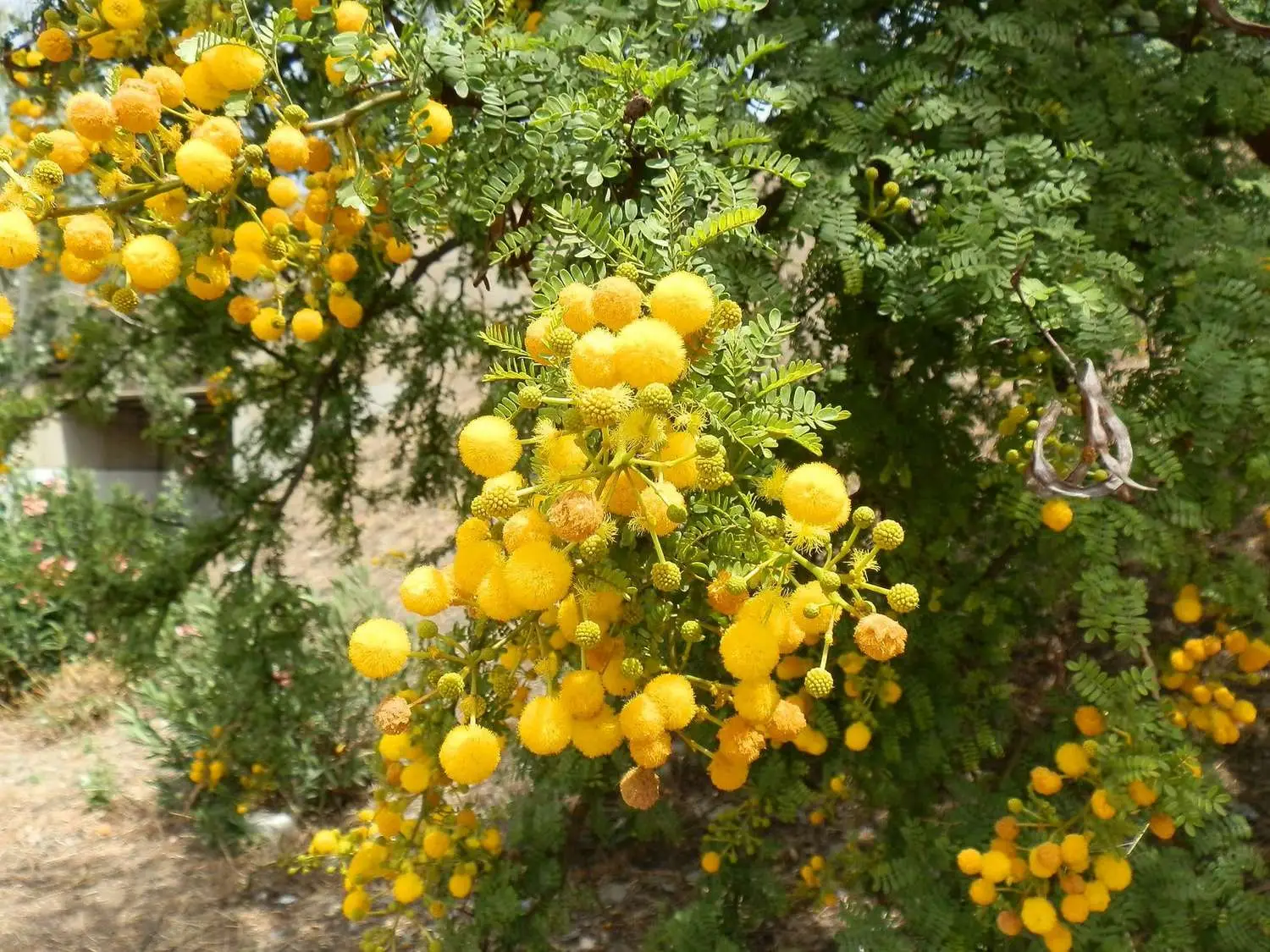
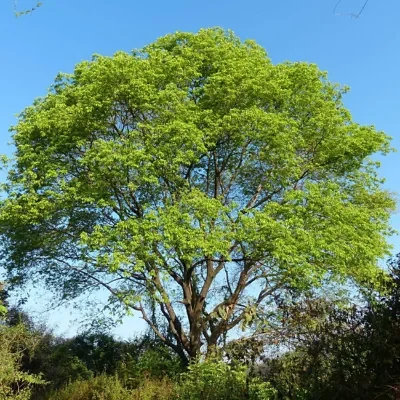
Acacia tortilis—the Umbrella Thorn—is Africa’s most iconic savanna tree, and it holds the power to reclaim some of Earth’s harshest places. Native across the Sahel, Middle East, and African drylands, this species is supremely adapted to aridity and has become the gold standard for land restoration. With its distinctive flat-topped, spreading crown—a living umbrella stretching 5–20 meters across—it creates instant shelter and visual drama in even the bleakest terrain. Flowers bloom with dense, packed white florets, often in response to rain, releasing highly aromatic fragrance that draws pollinators from miles around. The characteristic twisted browny pods that follow are nature’s signature—instantly recognizable and steeped in cultural history across Africa and the Middle East.
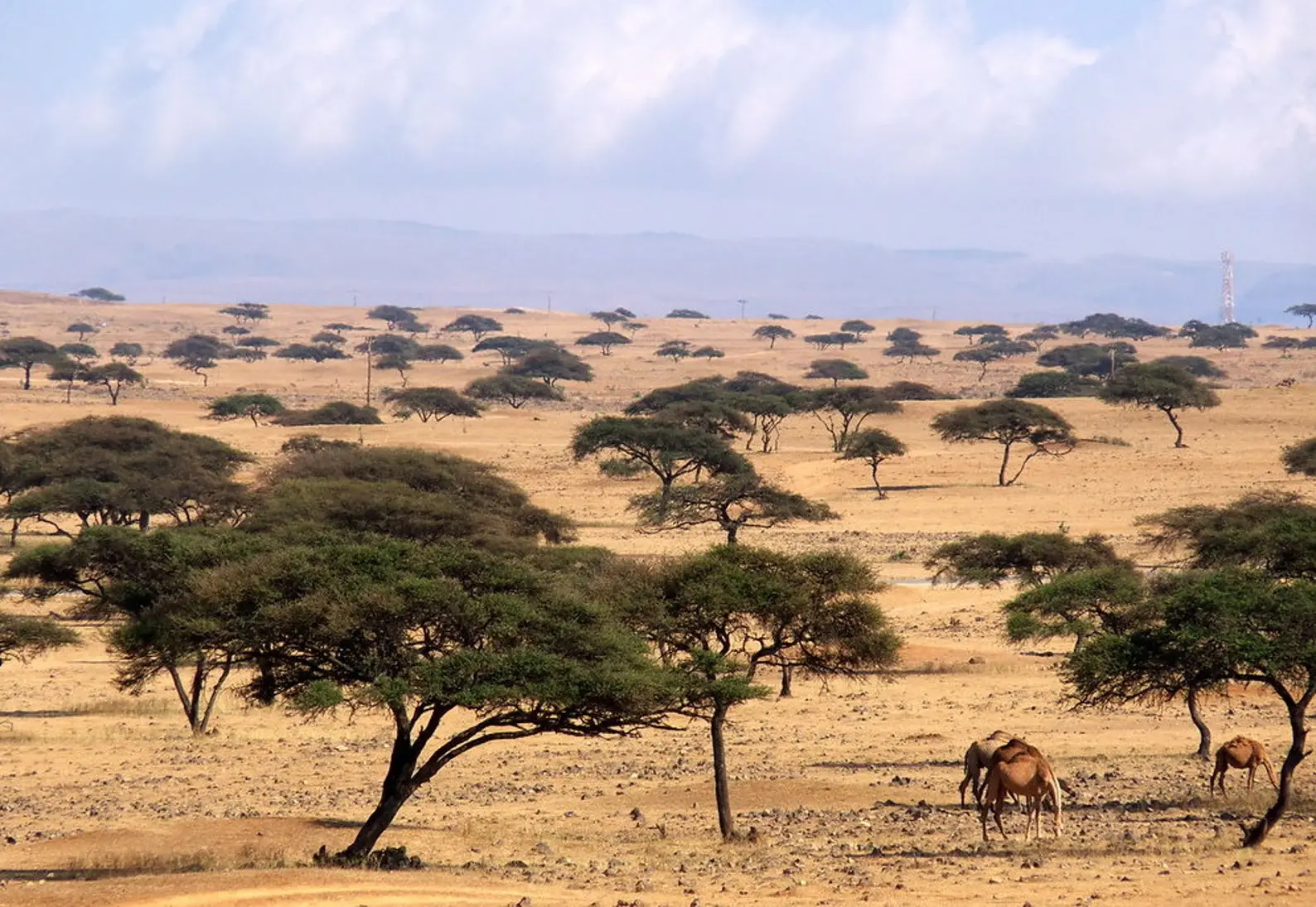
This species has been reshaping continents for millennia. Widespread from the Sahel to southern Africa and across the Middle East, it is supremely adapted to harsh, arid conditions and plays a critical ecological role in dryland ecosystems. The tree’s deep root system has become legendary: ancient specimens in the Sahara have been documented with roots reaching 35 meters into the earth, accessing water no other plant can reach. In Africa and India, it remains the tree most recommended for reclaiming dunes, valued by land managers and conservation organizations worldwide for its unmatched ability to stabilize shifting sand.
But here’s where Acacia tortilis becomes transformative: this is a nitrogen-fixing tree that simultaneously heals the soil while feeding wildlife. Acacia tortilis is an N fixing species and thus a soil improver. It is used in erosion control since it is able to grow quickly and stabilize shifting sand dunes or hillslopes. As it establishes, deep tap roots access groundwater, small leaflets reduce transpiration, and the tree can shed foliage during severe drought, resprouting when conditions improve. Beyond soil recovery, pods and leaves are used as a fodder—prolific, protein-rich, and eagerly browsed by livestock and wild herbivores alike. They are eaten with relish by such animals as Kudu, Impala, Rhino and Elephant. Additionally, immature seeds are eaten and the stems produce an edible gum, making this a genuinely multi-use tree. Flowering occurs in spring to early summer, providing important early-season forage for pollinators.
Growing Acacia tortilis is accessible even for the ambitious grower. A very drought resistant species, the umbrella thorn grows in areas with annual rainfall as low as 40 mm and as much as 1200 mm, with dry seasons of 1-12 months. Once established, mature trees require no supplemental irrigation. The tree thrives in full sun and prefers well-drained soil, neutral and basic (mildly alkaline) soils, and can grow in very alkaline and saline soils. Place seedlings in a bright location, preferably with temperatures between 75-85°F (24-29°C). Germination may take anywhere from 2-6 weeks. Water regularly during establishment (first 2–3 years after planting). The species is hardy and resilient—it survives sites where temperatures regularly reach 50°C at mid-day and fall to near freezing at night, and older trees can withstand frosts and light grass fires. Even in marginal conditions, with care and patience, your seedling will transform into a mighty landscape healer.
When you grow Acacia tortilis from seed, you’re not just planting a tree. You’re partnering with one of nature’s most powerful restoration agents. You’re growing food for wildlife, fertility for depleted earth, and a living symbol of resilience in the face of climate extremes. This is the tree nomadic peoples have trusted for millennia, the one land managers turn to when all else fails. Let it grow in your hands, and watch impossible land come alive.
Only logged in customers who have purchased this product may leave a review.

Reviews
There are no reviews yet.