
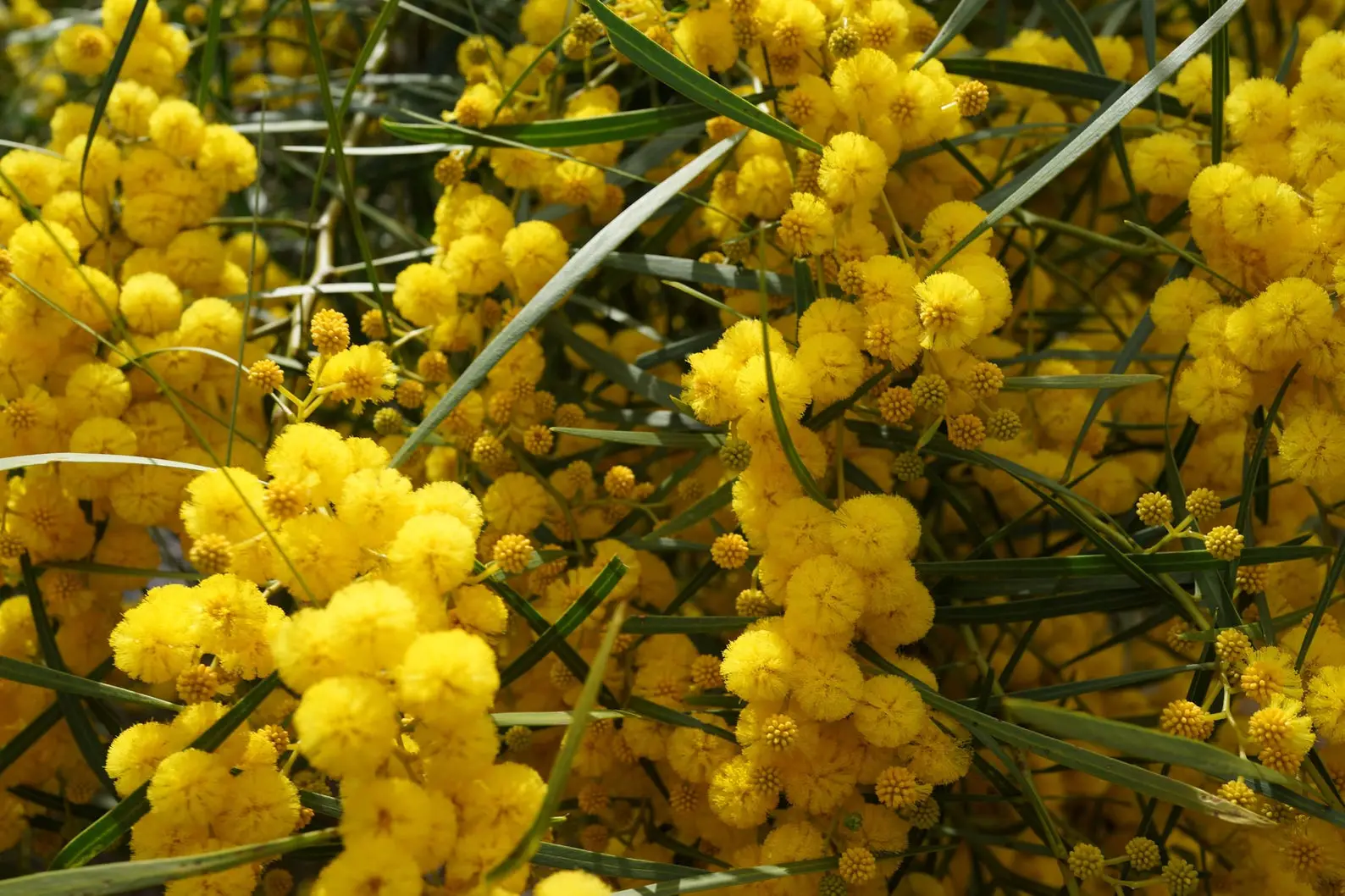
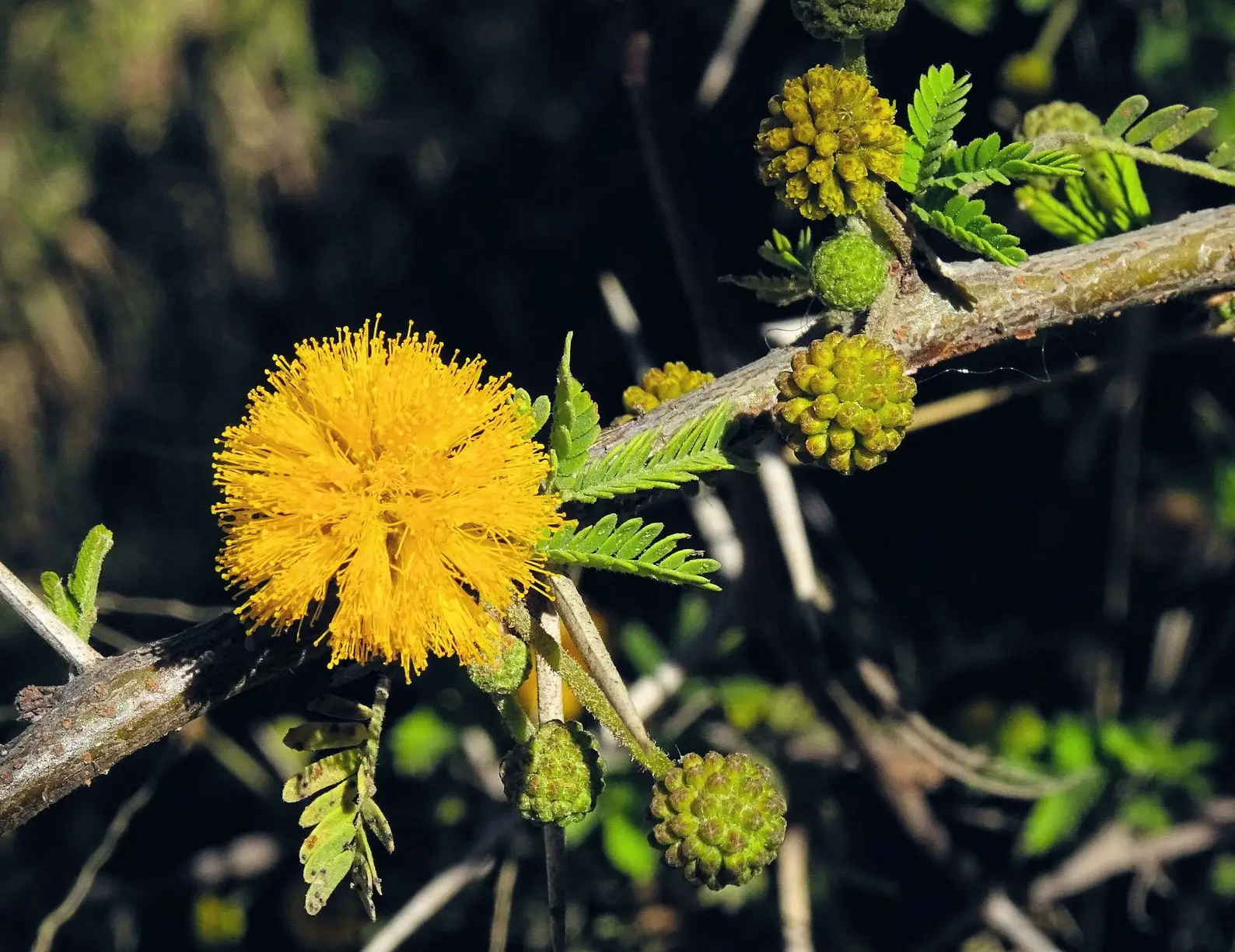
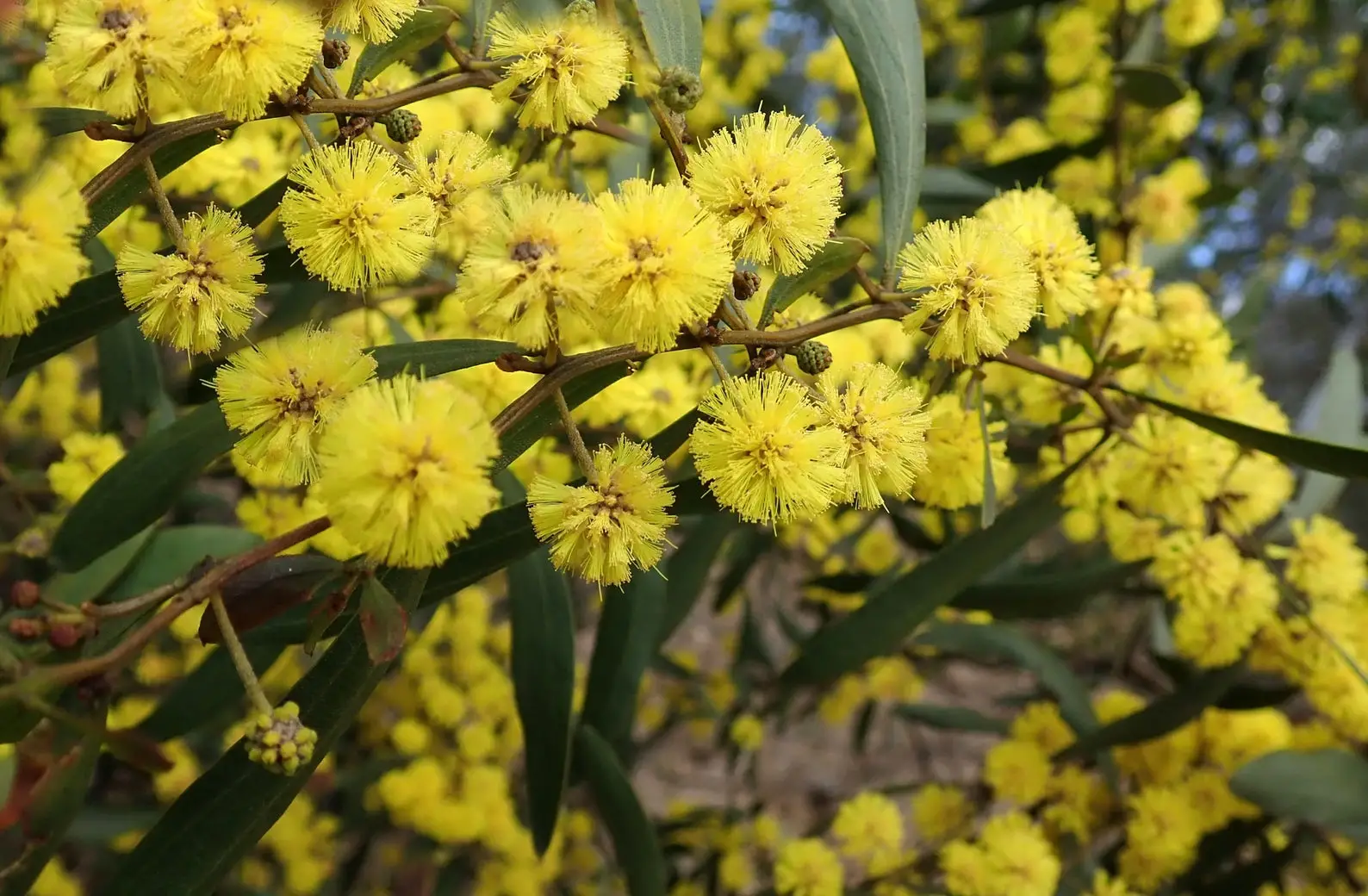
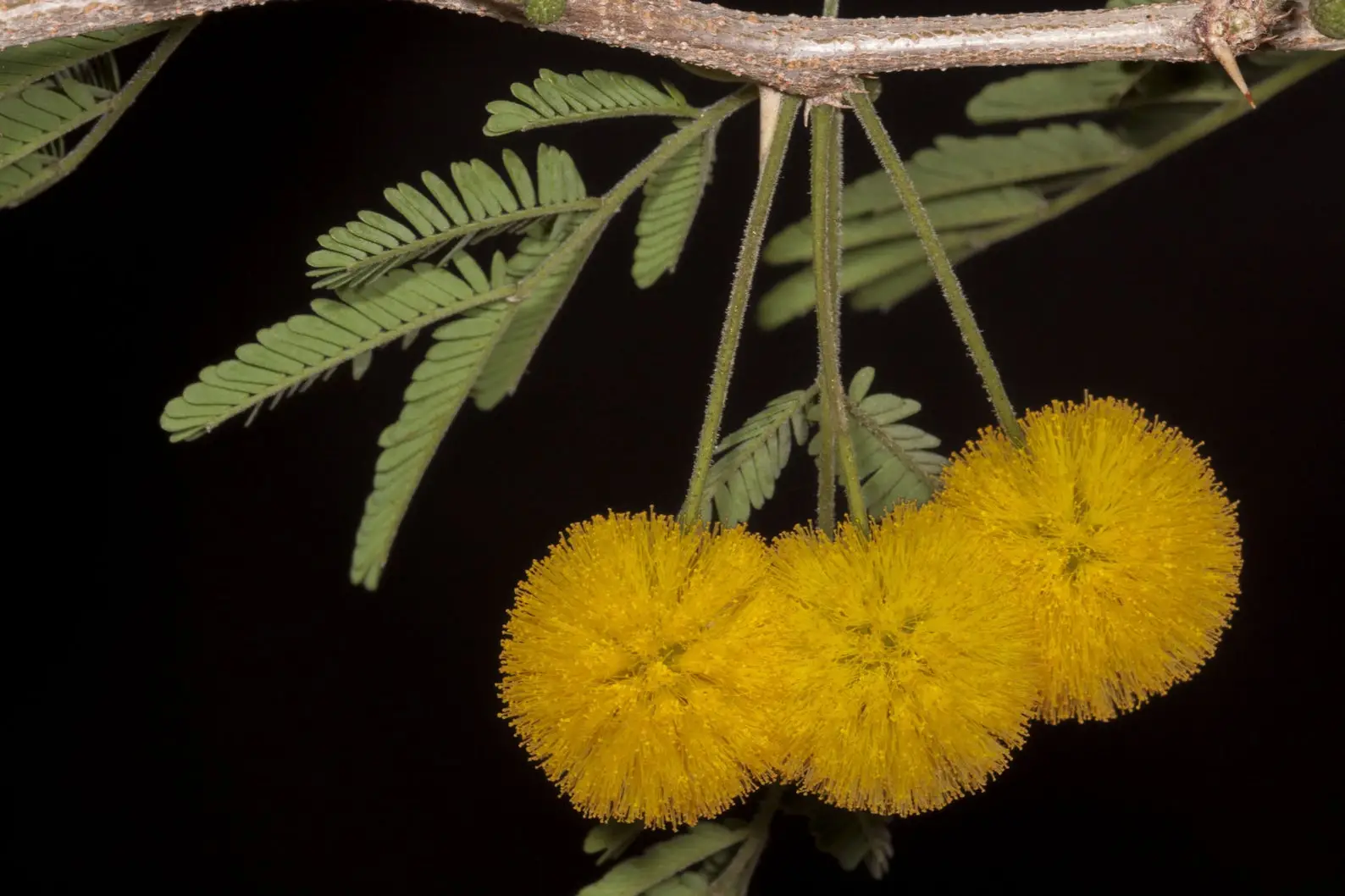
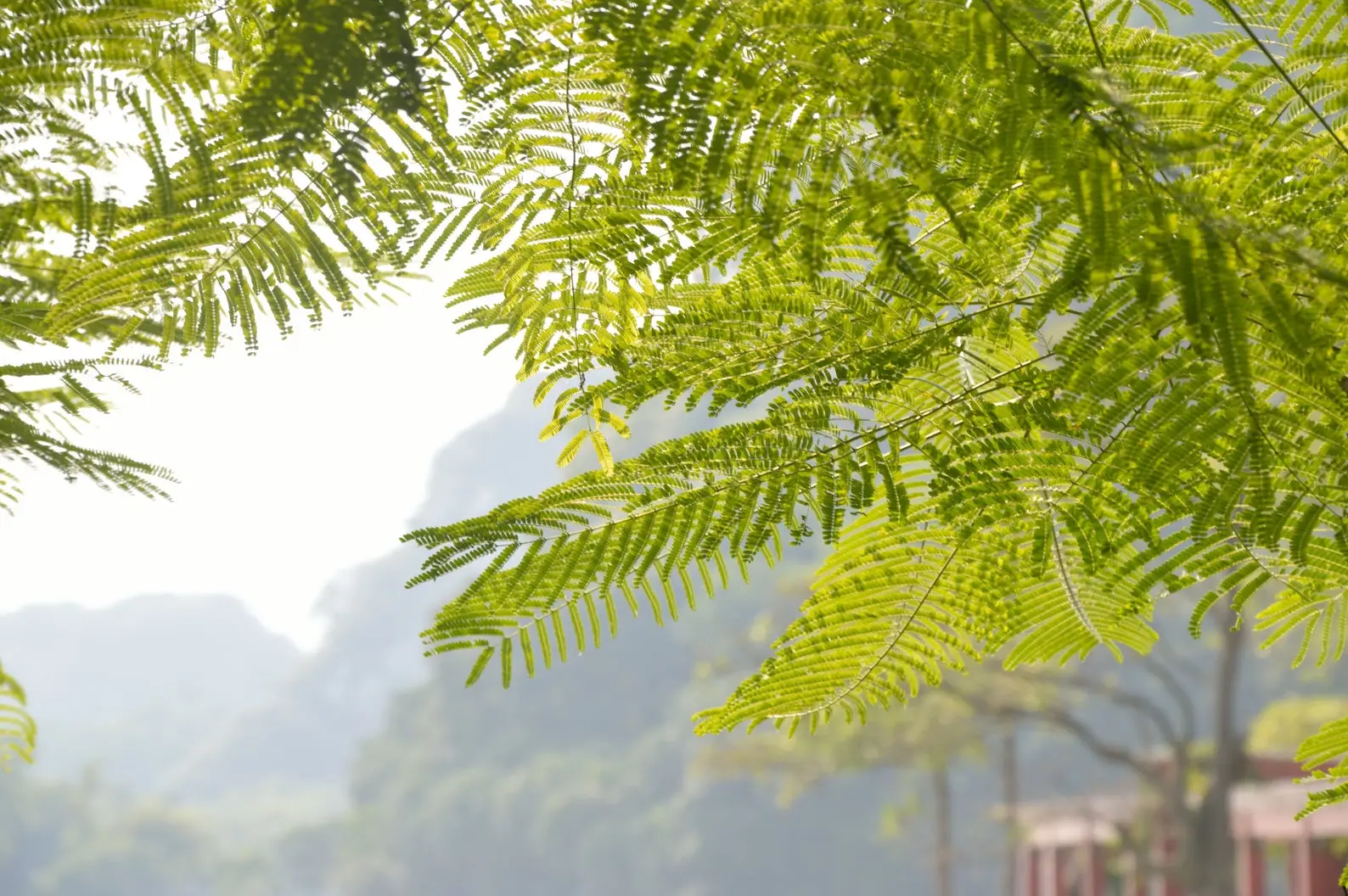
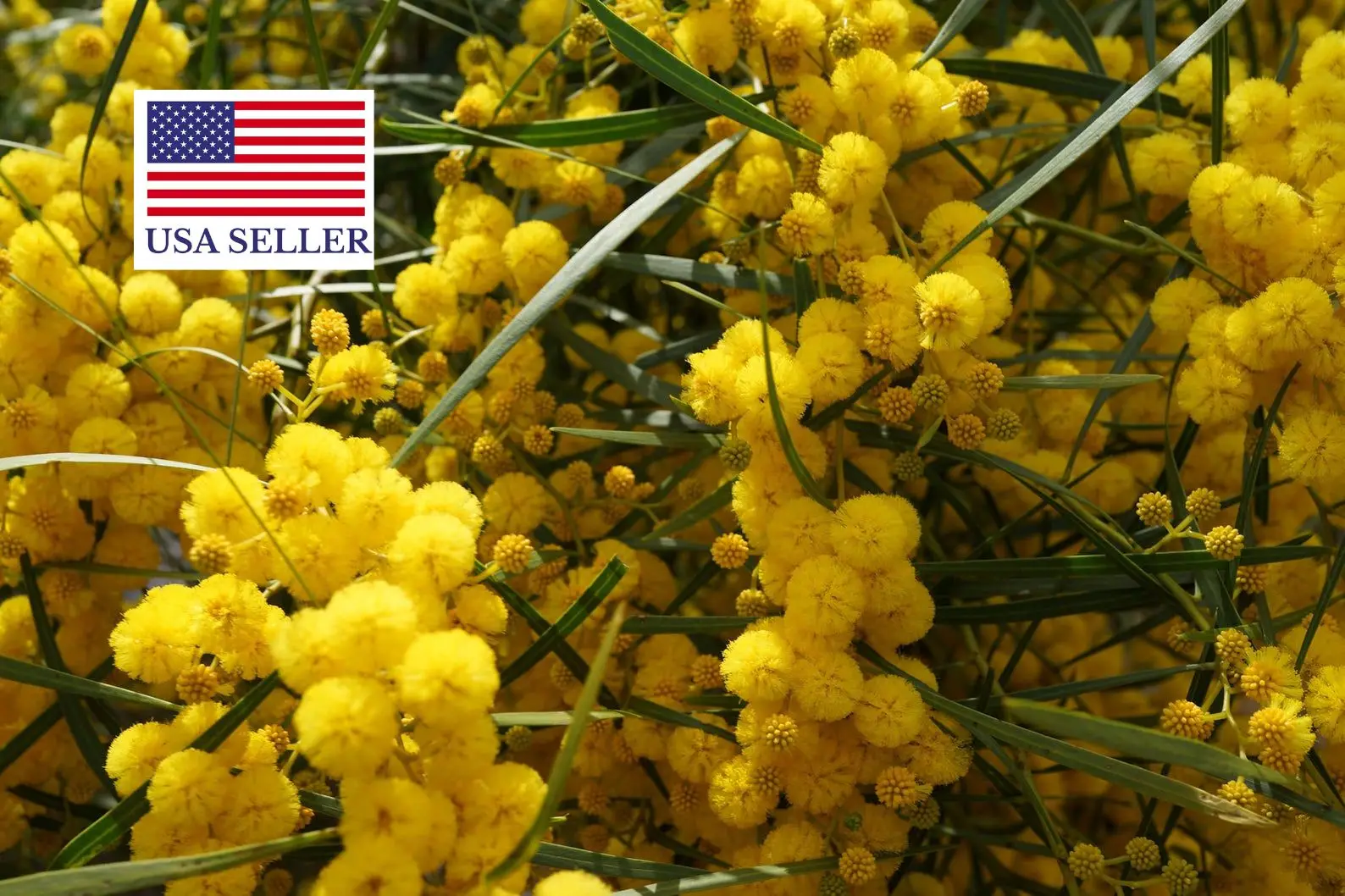
Grow the tree that produces liquid gold—Vachellia nilotica yields precious gum arabic, treasured for millennia in medicine, food, cosmetics, and art. Dense, thorny crown; brilliant yellow flowers that bees adore; tannin-rich bark with powerful medicinal properties. Drought-hardy, nitrogen-fixing, and strikingly architectural. A living investment that rewards patience with commercial abundance.
€5.06
Vachellia nilotica—the Gum Arabic Tree—is a living link to the pharaohs, an economic powerhouse, and one of the most versatile trees on Earth.
Native to Africa, the Middle East, and the Indian subcontinent, this thorny acacia has anchored human civilization for thousands of years. Ancient Egyptians harvested its resin for medicine and adhesives; Arabic physicians prescribed it for countless ailments; Dioscorides himself named the entire Acacia genus after this tree. Today, it remains as valuable as ever—native to the Nile valley, hence the species name “nilotica,” and increasingly prized by growers who understand its hidden commercial potential.
What sets Vachellia nilotica apart is its extraordinary production of gum arabic—a sticky, amber-colored resin that oozes from the bark when wounded or stressed, hardening into precious nodules. This isn’t the mass-market gum arabic of commodity acacia; nilotica’s resin, rich in tannins and polysaccharides, has historically been used in Ayurvedic, Unani, and traditional African medicine as a potent astringent, anti-inflammatory, and antimicrobial agent. For the modern gardener, grower, or entrepreneur, nilotica gum represents a gateway into the global gum arabic market—currently worth over $1 billion annually and growing. The resin can be harvested non-destructively by tapping the bark, making it a sustainable source of income year after year. Beyond the gum, the bark itself is prized: tannin-rich, it has been used for centuries in leather tanning, natural dyes, and traditional medicine formulas. Every part of this tree earns its keep—pods feed livestock, flowers nourish bees, seeds contain more than 8,000 per kilogram, and the wood, dense and durable, is valued for tool handles and boat lumber.
As for how to grow it: Vachellia nilotica is a tree for those who dream big but expect their plants to work hard. It thrives in hot, dry climates with minimal rainfall (it can survive on 300–1200 mm annually) and tolerates sandy, rocky, and alkaline soils that would exhaust lesser plants. It dislikes waterlogging, so drainage is non-negotiable. The tree establishes slowly in arid lands but, once mature, becomes a fortress—highly drought-tolerant, nitrogen-fixing (it improves soil fertility through symbiotic bacteria), and capable of living over 100 years. Young trees benefit from occasional watering during establishment and protection from livestock; established trees need almost nothing. Grow it in full sun, in pots of well-draining sandy loam, or directly in your garden if your climate allows. The tree flowers during the rainy season with delicate, yellow blooms that attract pollinators—bees flock to it—creating a visual and ecological gift alongside the economic one. For gum production, light wounding of the bark in the drier months triggers exudation; your tree becomes a slow, patient provider of liquid resin.
There is deep satisfaction in growing a tree that ancient healers revered, that modern industries depend on, and that transforms harsh ground into abundance. Start Vachellia nilotica from seed, and you’re not just planting a tree—you’re cultivating a legacy of resilience, medicine, and time-tested utility. Watch it thrive where others fail. Harvest its gifts. Become part of a story that stretches back to the Nile and forward to tomorrow’s global markets.
Only logged in customers who have purchased this product may leave a review.

Reviews
There are no reviews yet.