
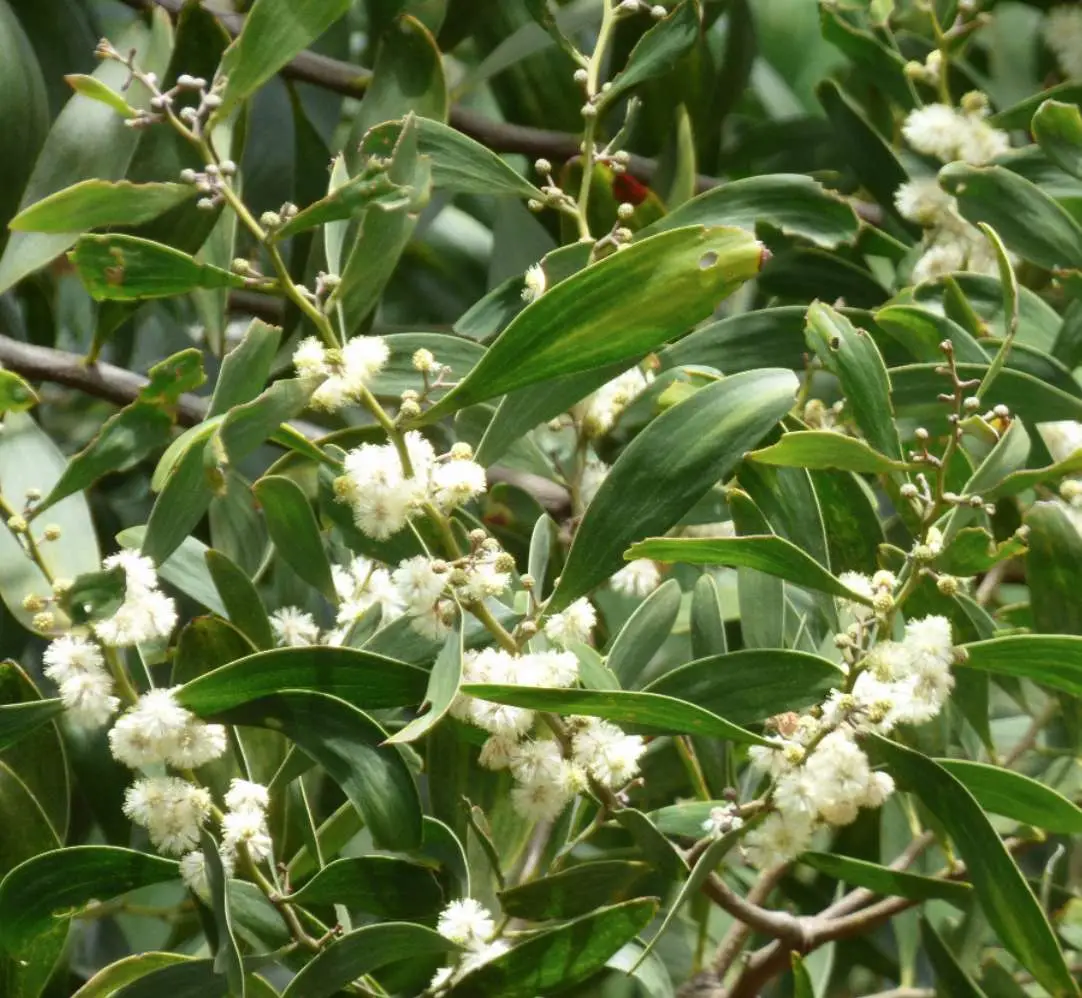
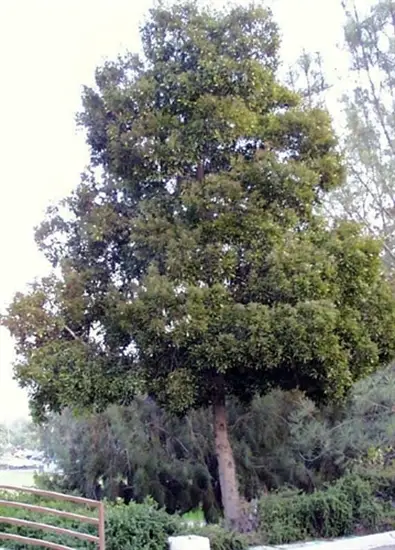
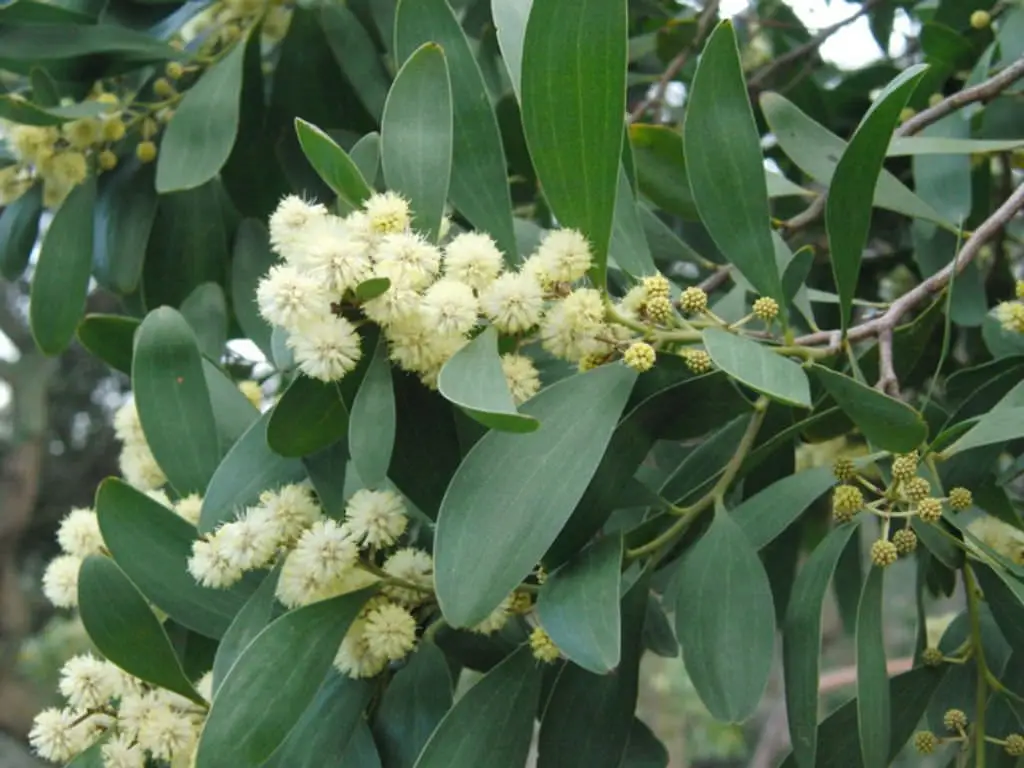
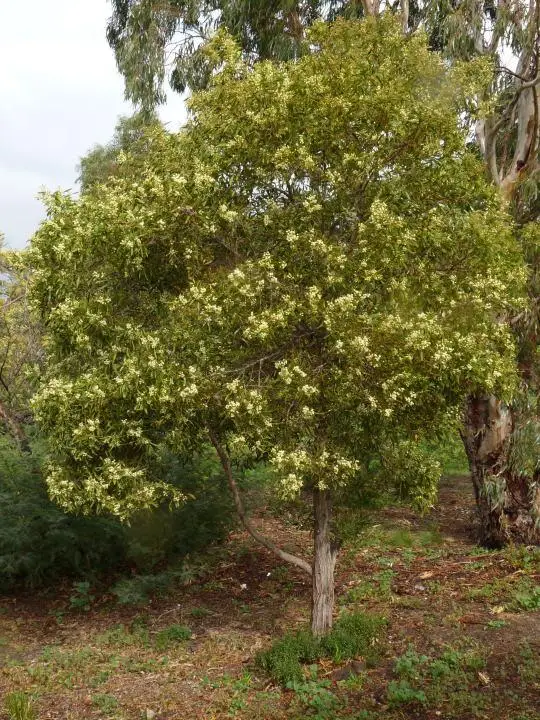
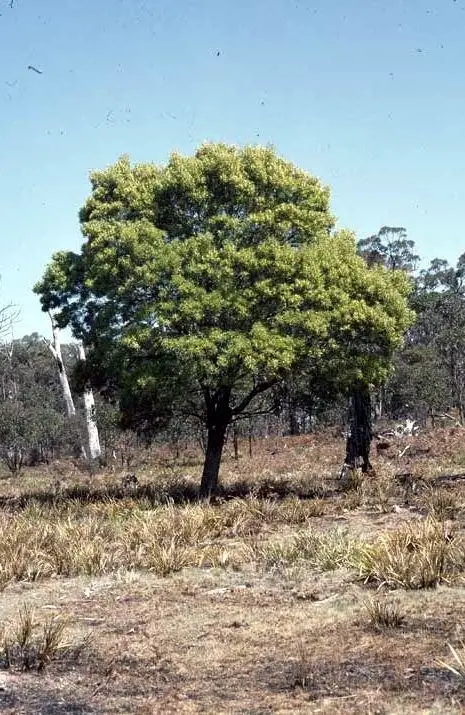
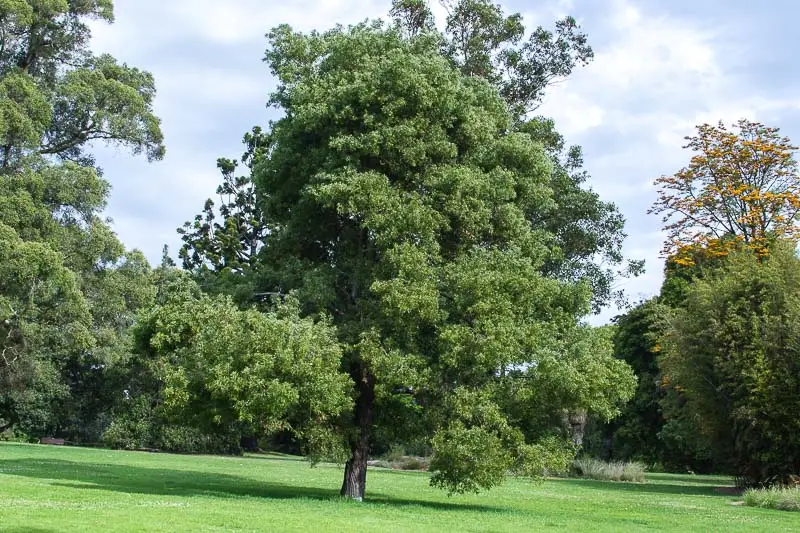
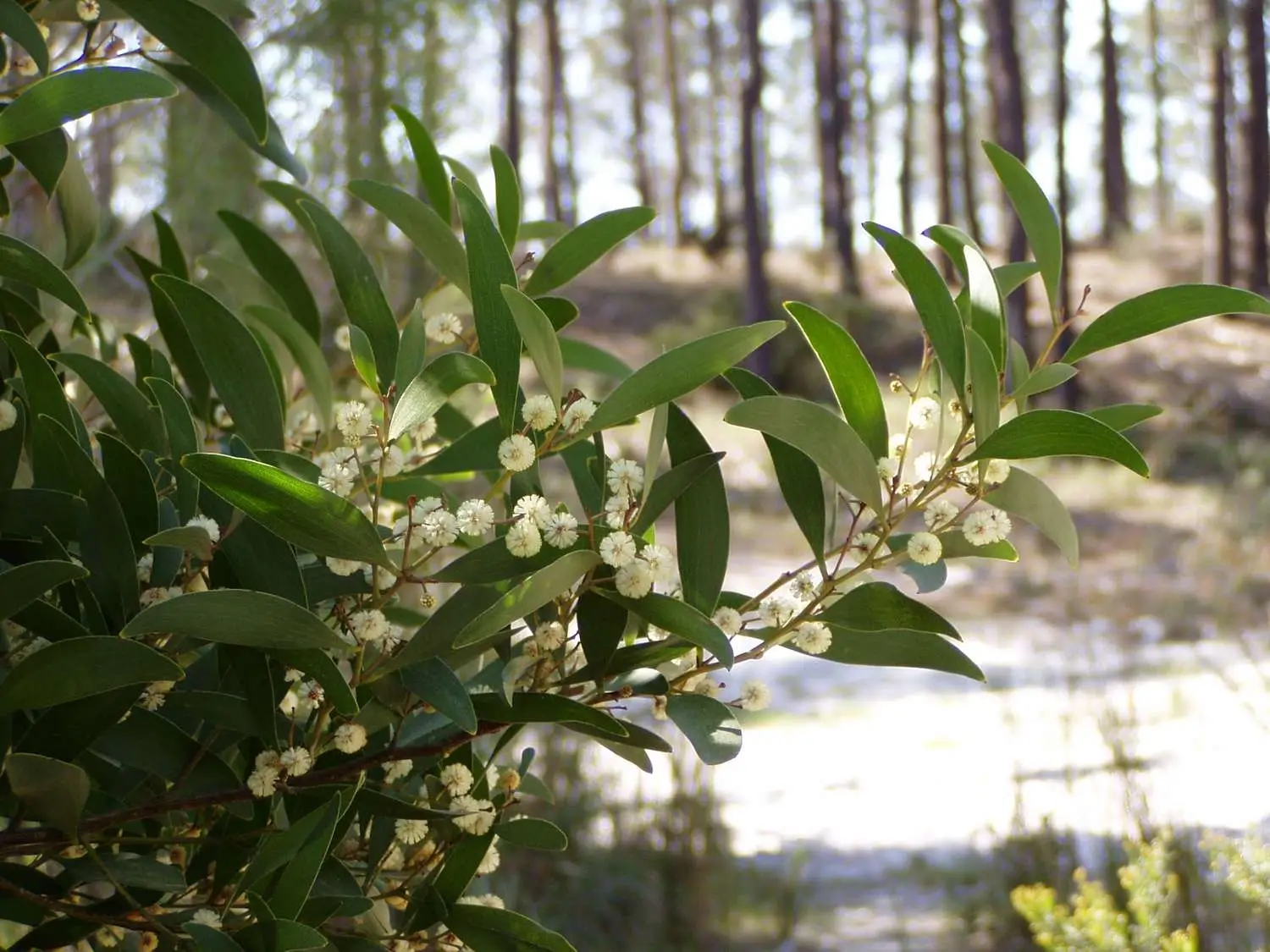
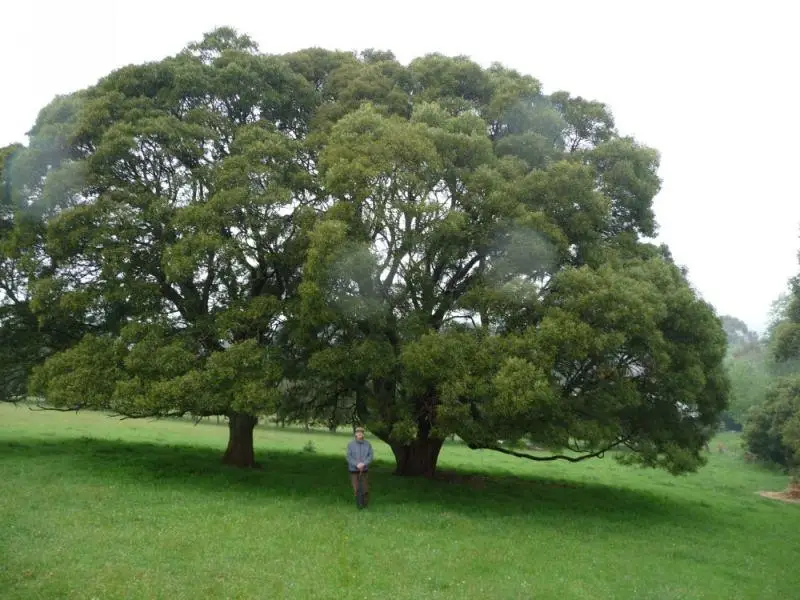
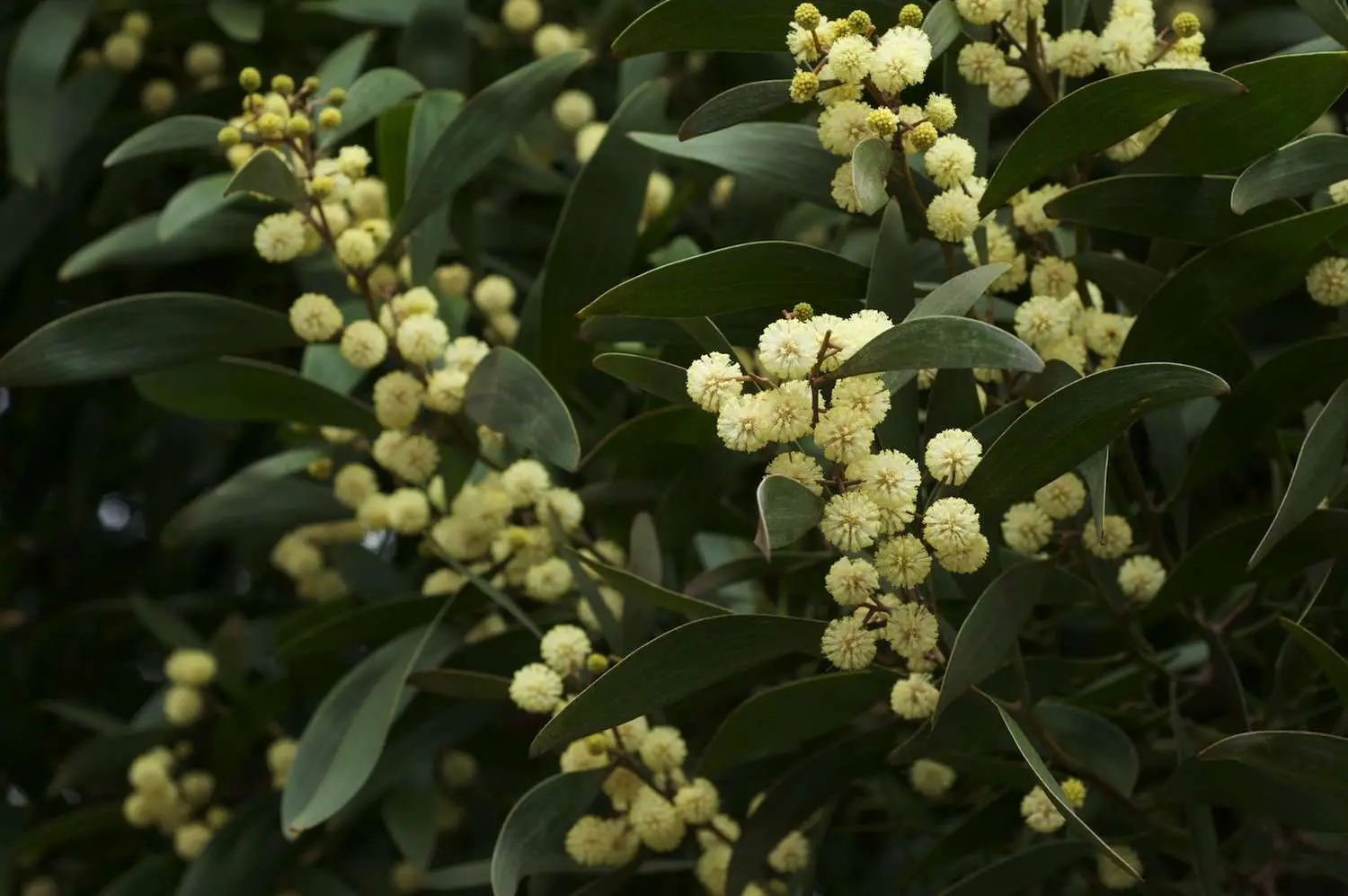
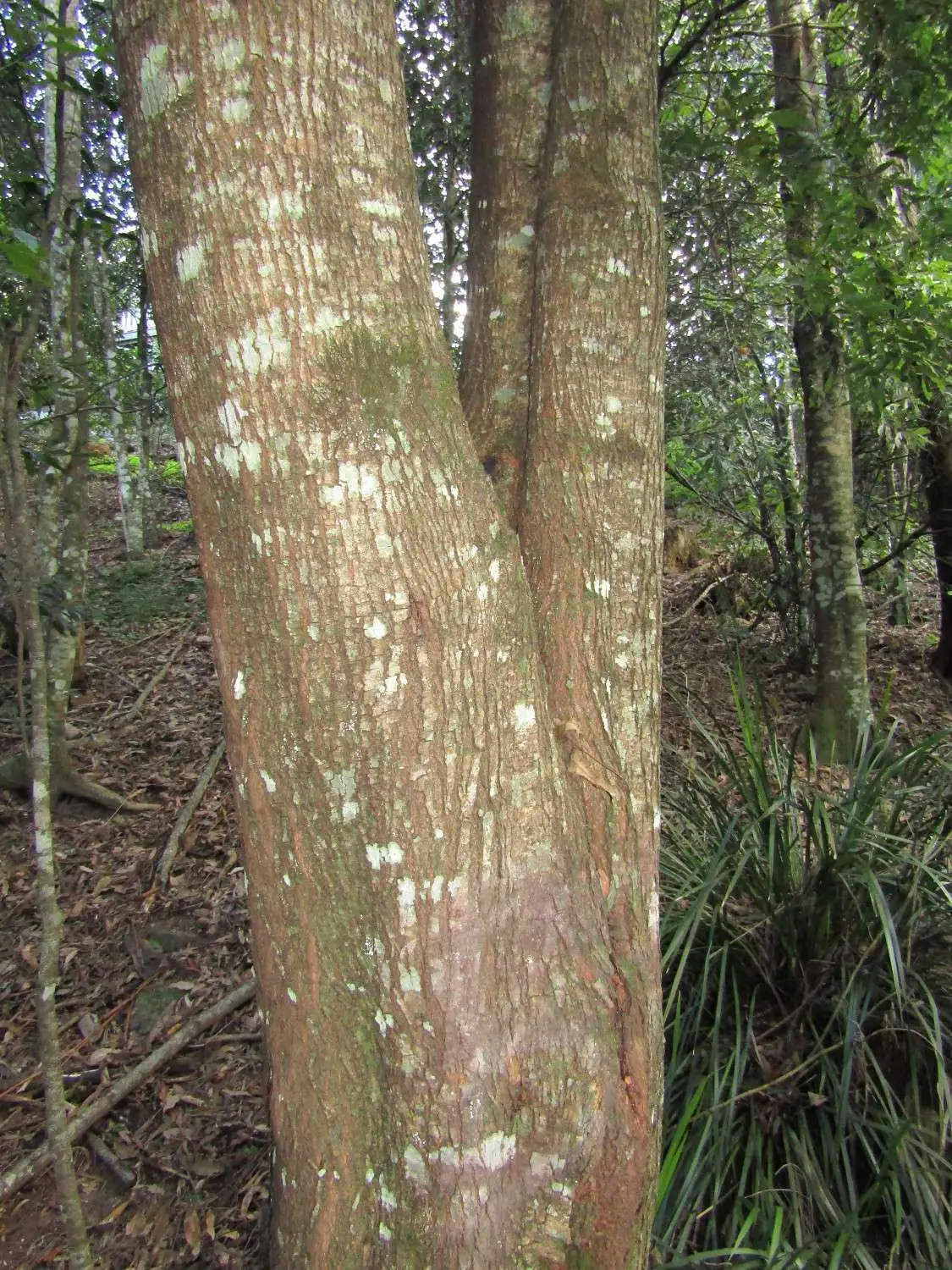
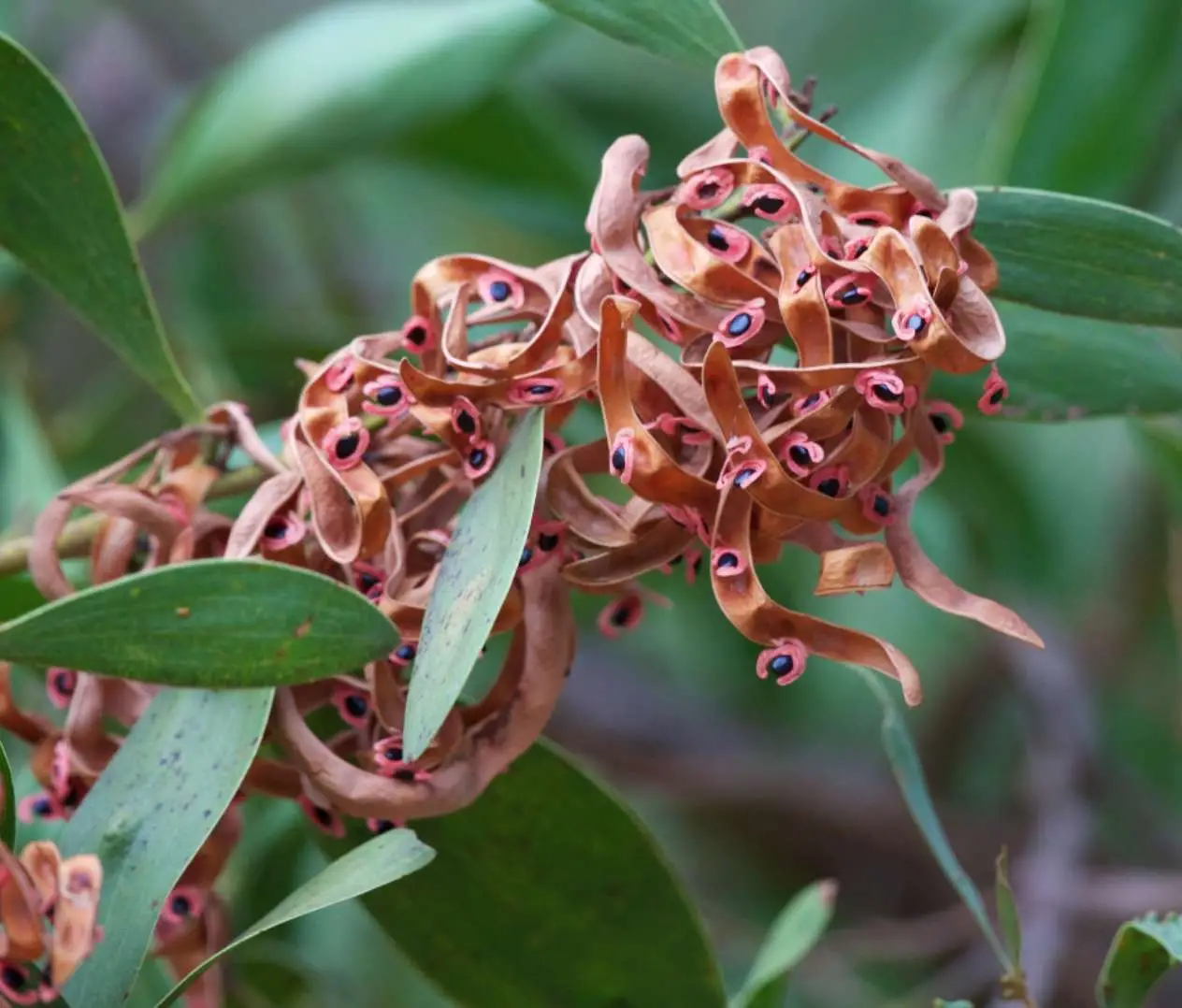
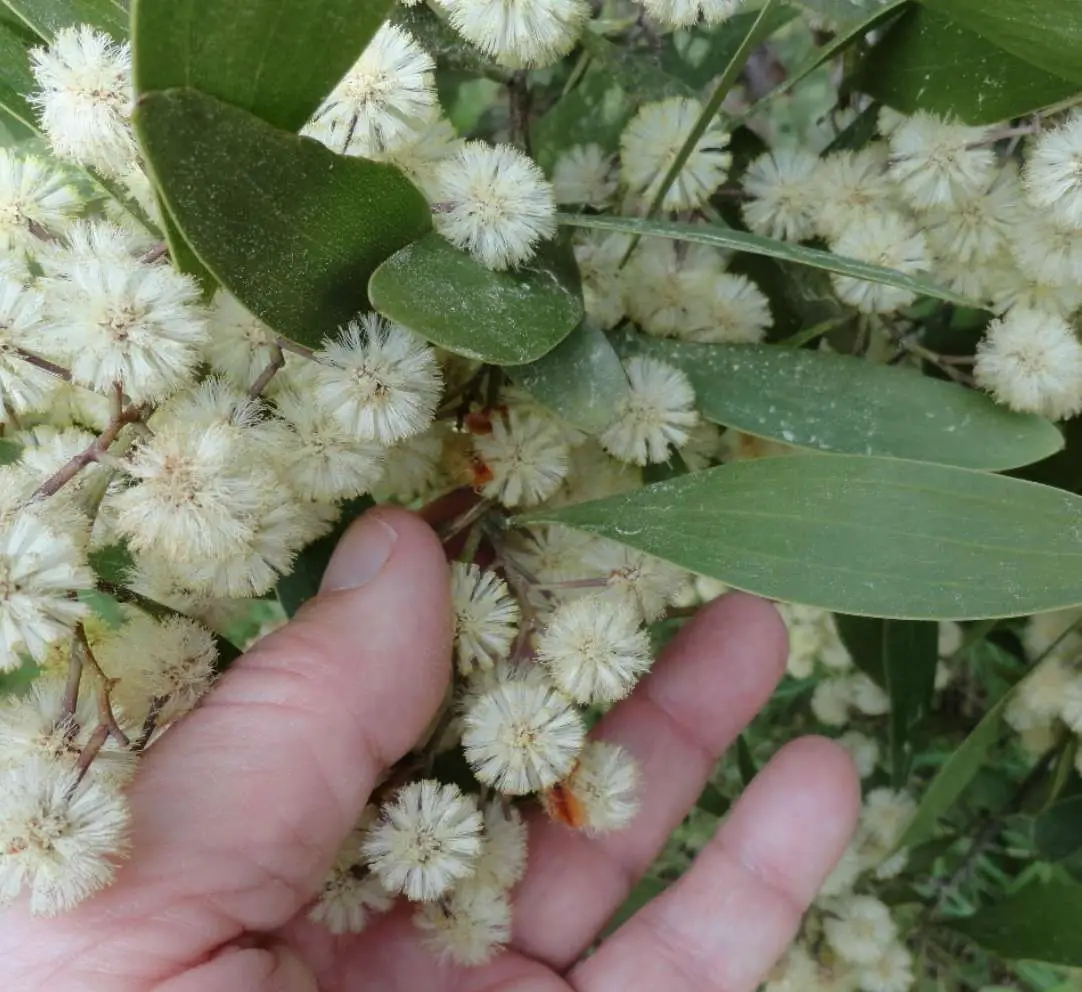
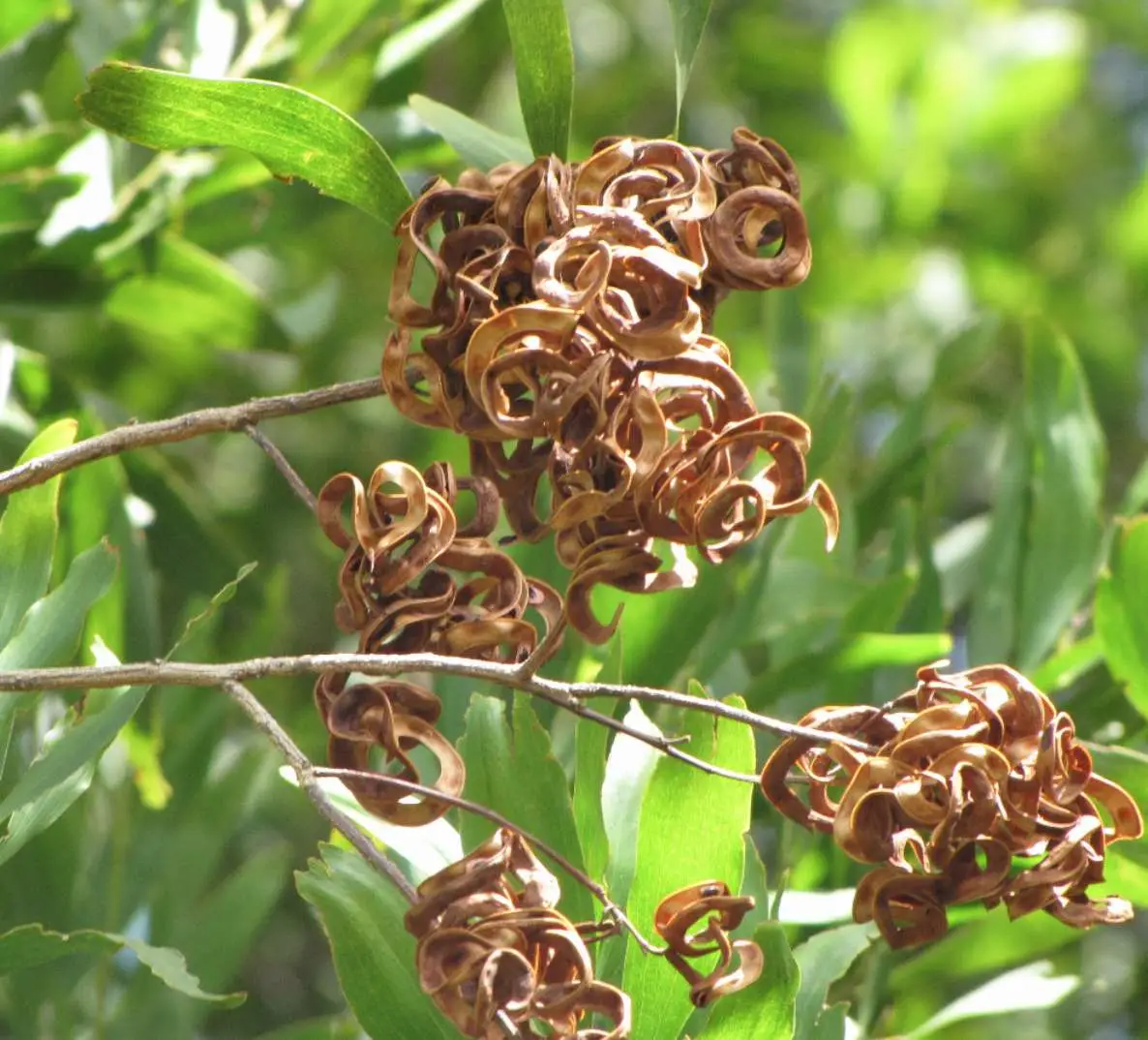
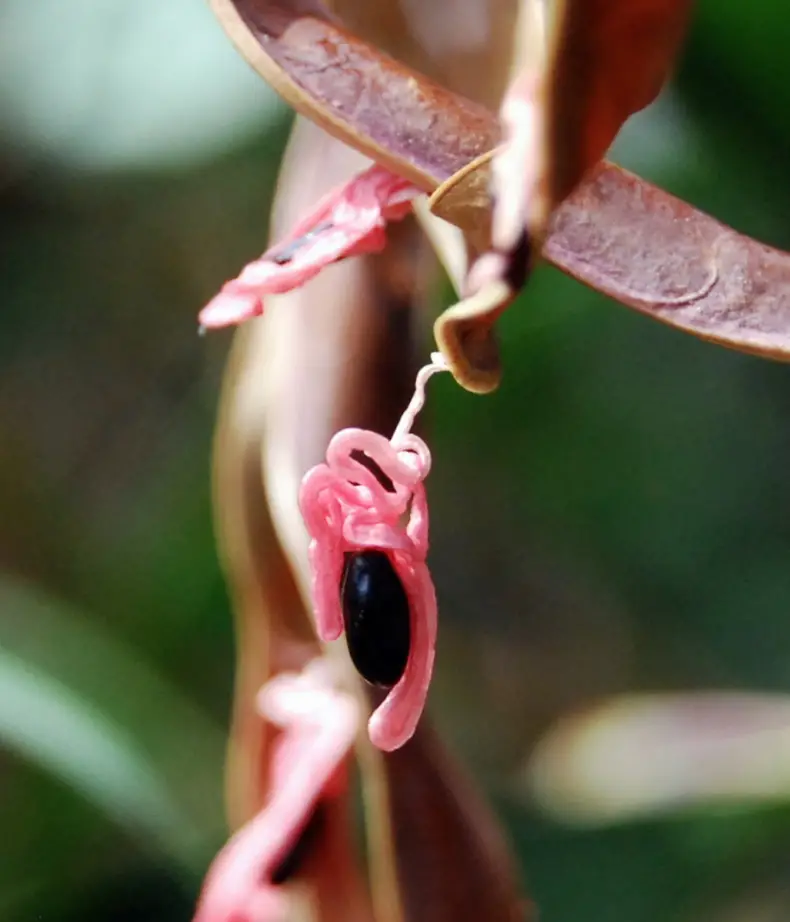
Grow the wood that builds legends. Acacia melanoxylon yields deep golden-brown heartwood prized by luthiers, furniture makers, and master craftsmen worldwide—the same wood that sings in guitars, breathes in hand-turned boxes, and glows in heirloom cabinetry. From your own seed, nurture a tree whose timber rivals walnut, whose grain tells a thousand stories, and whose legacy is measured in generations. Medium care; extraordinary reward.
€1.92
Acacia melanoxylon—Australian Blackwood—is the timber that makes master craftspeople weep.
Native to the coastal forests of southeastern Australia and Tasmania, this species carries centuries of reverence in its dark heartwood. European cabinet makers fell in love with it in the 18th and 19th centuries. The British Royal Navy prized it for its durability and water-resistance. Today, luthiers across the world seek out every log for one reason alone: this tree produces some of the most sonically beautiful wood on Earth.
BUT THE REAL MAGIC LIVES IN THE GRAIN. Acacia melanoxylon heartwood ranges from rich golden-brown through deep burgundy to nearly black, often streaked with striking figure that reads “walnut-adjacent” from across the room. The wood is renowned for its acoustic properties—ideal for guitar bodies, ukuleles, and drum components—and its exceptional workability. It finishes to a glass-smooth luster, takes stain like silk, and develops character over decades of use. Furniture makers prize it for fine cabinetry, veneers, and hand-turned objects; musicians seek it for instruments of distinction. It’s durable, dimensionally stable once seasoned, and stands as a timber equivalent to walnut—yet it’s accessible to those who grow it themselves. Whether you’re imagining a heirloom guitar, bespoke furniture, or turned pieces worthy of exhibition, Acacia melanoxylon is the species that transforms a craftsperson’s vision into wood that sings.
Growing Acacia melanoxylon from seed requires patience but rewards dedication. It prefers deep clay loam soils and consistent moisture—think of it as a tree with refined tastes, not fussy demands. Full sun is essential; provide well-draining soil rich in organic matter. Seeds germinate readily, especially after light scarification. Young seedlings establish quickly and will reward regular (not excessive) watering. The tree tolerates container growing in its first years, making it perfect for the patient collector who dreams of harvesting their own timber. It fixes nitrogen through nodule bacteria, enriching soil as it grows. Height varies from 6 to 45 meters depending on conditions; plan accordingly. Unlike fast-growing plantation acacias, Acacia melanoxylon develops character slowly—and that’s precisely why the wood is worth the wait.
Imagine this: a seed you plant today becomes a sapling you shape with your own hands, then a young tree whose growth you witness, and finally—in 40, 50, perhaps 60 years—the source of timber for a creation that outlives you. That’s the promise of Acacia melanoxylon. Not instant gratification. Something rarer: the chance to grow legacy. The wood that whispers its age in every grain, that resonates with beauty when touched, that tells the story of your patience to everyone who ever holds what you’ve made from it. This is timber you can grow from seed—timber for the craftsperson who understands that the greatest works are born from roots.
Only logged in customers who have purchased this product may leave a review.
Reviews
There are no reviews yet.