

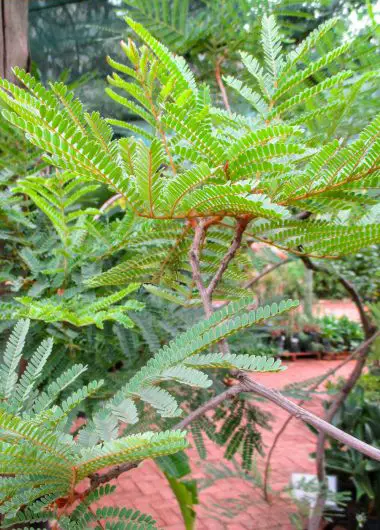

Grow the African beekeeper’s dream from seed. Showy golden-yellow flowers drench in nectar and pollen, making this fast-growing tree a magnet for honeybees—and a treasure trove for traditional medicine makers. Feathery acacia-like foliage, zero thorns, drought-tough once established. Seeds germinate easily; watch it flourish into a stunning shade tree in just years.
€5.17
Picture this: a tree weeping golden light in spring, its branches alive with honeybees, its bark holding centuries of African healing wisdom.
Peltophorum africanum—the Weeping Wattle—is the tree that gives honeybees a reason to sing and herbalists a reason to garden. Native to Southern Africa’s bushveld and woodlands, this semi-deciduous beauty grows 5–15 meters tall with a spreading, densely-crowned form that commands attention. Its common name comes not from its growth habit but from a delicate phenomenon: in spring, pure water drips from the branches as if the tree were crying—caused by spittlebugs that sip its sap and weep it back as liquid pearls. Poetry and biology entwined.
BUT HERE’S WHAT TRULY MATTERS: This tree is a commercial-grade nectar factory. The flowers—upright sprays of brilliant yellow, crinkled petals arranged in dense clusters along branch tips—yield extraordinary nectar and pollen. Beekeepers across Africa, from South Africa to Botswana to Zimbabwe, treasure this species as a high-yield forage crop. If you keep bees, or dream of it, this is your plant. Beyond honeybees, the flowers attract butterflies and hummingbirds, transforming your garden into a pollinator paradise. The edible flowers themselves carry subtle nutritional value. This is not decoration—this is a working tree that pays its way.
The medicinal tradition runs equally deep. For centuries, African herbalists have harvested the bark, roots, and leaves to treat wounds, sore throats, parasitic infections, colic, diarrhea, and digestive distress. Modern science confirms the presence of bioactive compounds including bergenin and betulinic acid—compounds with documented antimicrobial and anti-inflammatory properties. The bark contains compounds studied for their potential therapeutic applications. Whether you’re a botanical medicine practitioner or simply someone who values plants with proven traditional use, this species rewards your care with medicine in your backyard.
The foliage alone is worth growing for: feathery, twice-compound leaves with a silvery-green sheen, resembling delicate fern fronds. Dull green above, pale below—nature’s soft geometry. In the dry season, the leaves shift to warm yellowish-brown tones. No thorns, no aggressive roots, no toxicity. Young branches wear smooth grey bark that deepens to fissured grey-brown on mature wood—a tree that ages with character.
Cultivation is refreshingly straightforward. Soak fresh seed in hot water overnight, then sow into a 5:1 mix of river sand and compost. The tree grows fast—1 to 1.5 meters per year—and tolerates drought once established, making it ideal for dry or windy sites. Plant in full sun or semi-shade with well-drained soil. During the first 2–3 years, protect young trees from hard frost (zones 9–11 are ideal, though hardened trees develop frost resistance). After that initial care, you have a robust, salt-tolerant, heat-loving specimen. Container growing works beautifully too; growers prize it as a bonsai, developing adult morphology and thick corky bark within 2–4 years with dramatically reduced foliage.
This is the tree to grow if you want working beauty: nectar wealth for your bees, healing potential in your apothecary, shade for summer afternoons, and the quiet satisfaction of cultivating one of Africa’s most valued species. Start from seed today. Watch it grow into something extraordinary.
Only logged in customers who have purchased this product may leave a review.
Reviews
There are no reviews yet.