
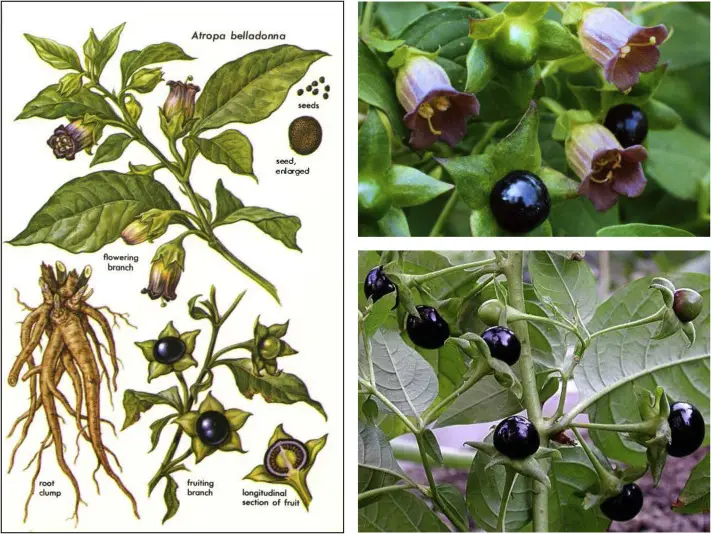
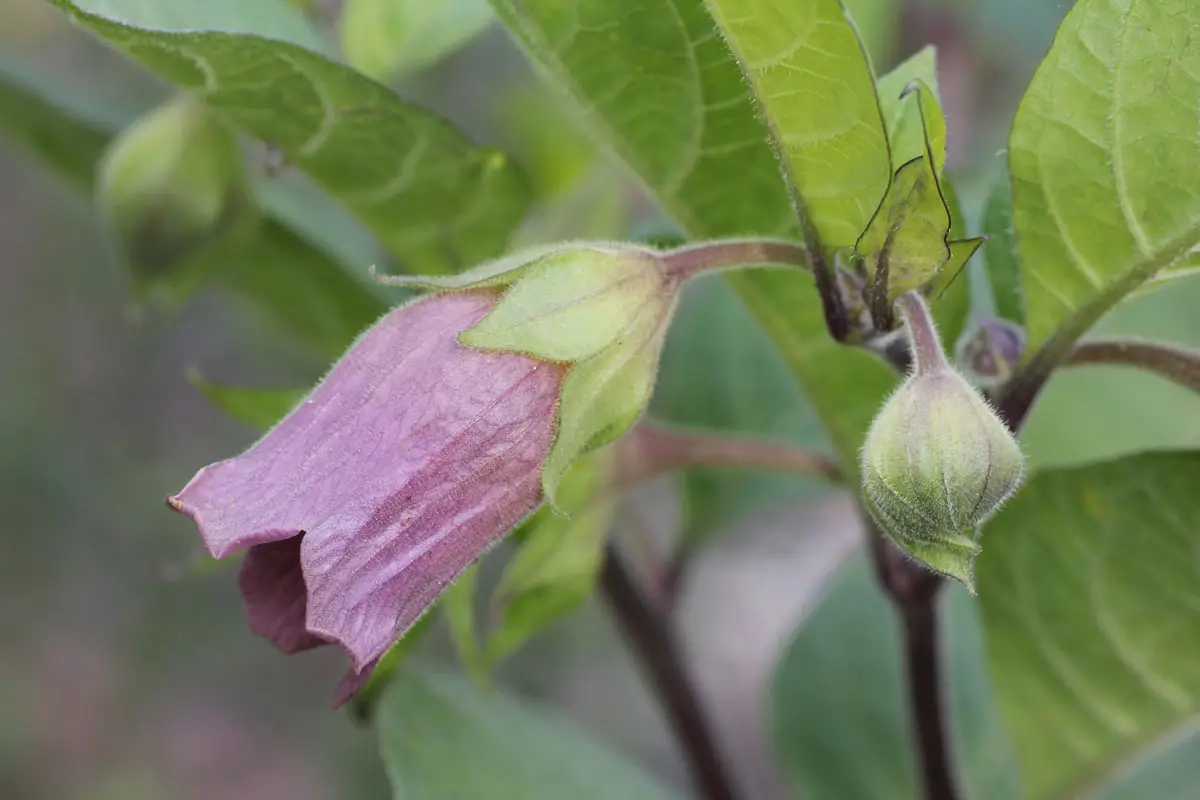
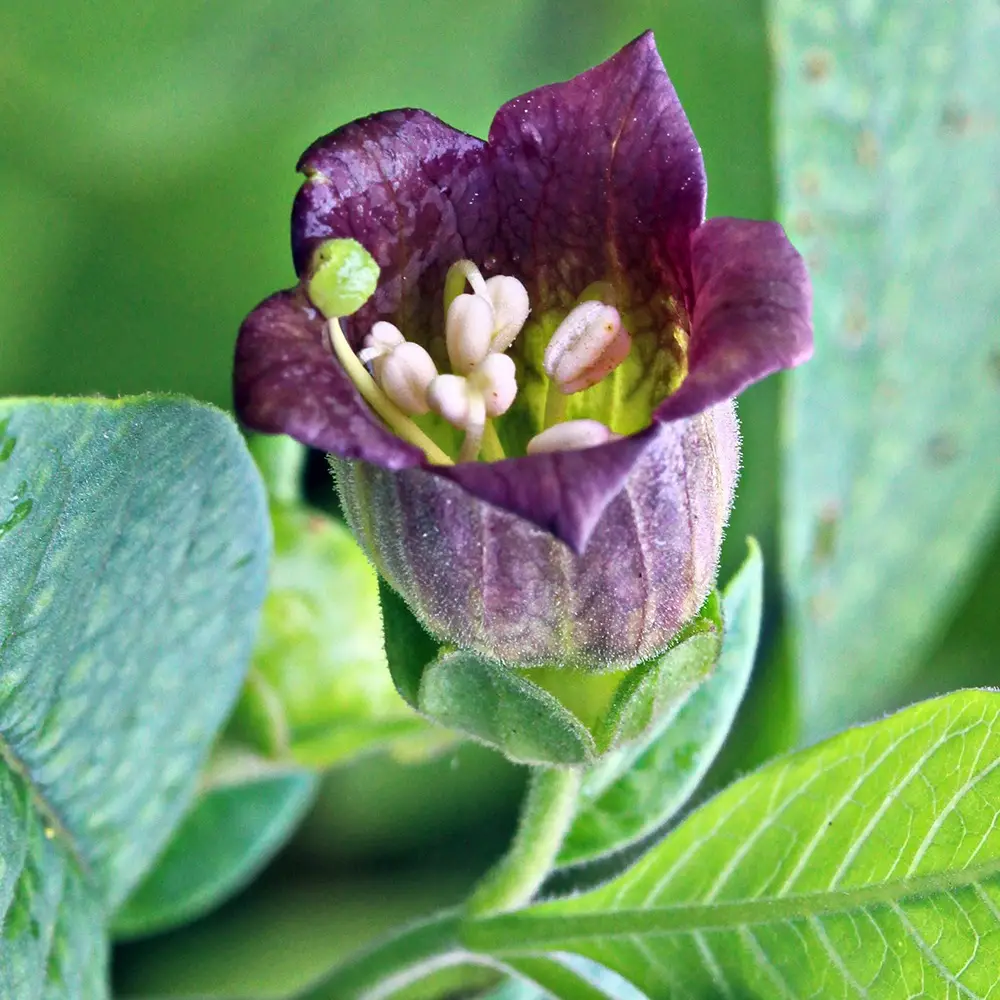
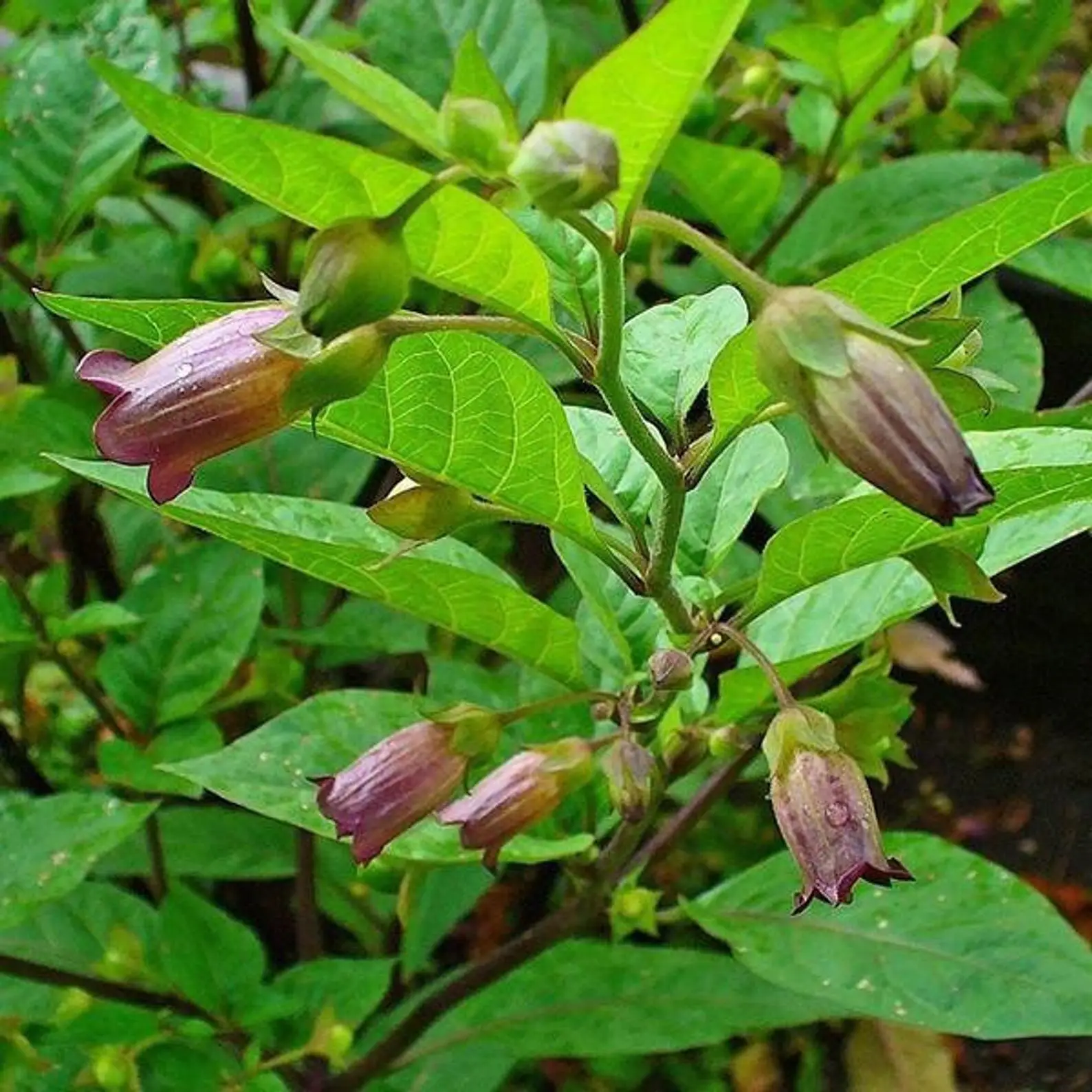
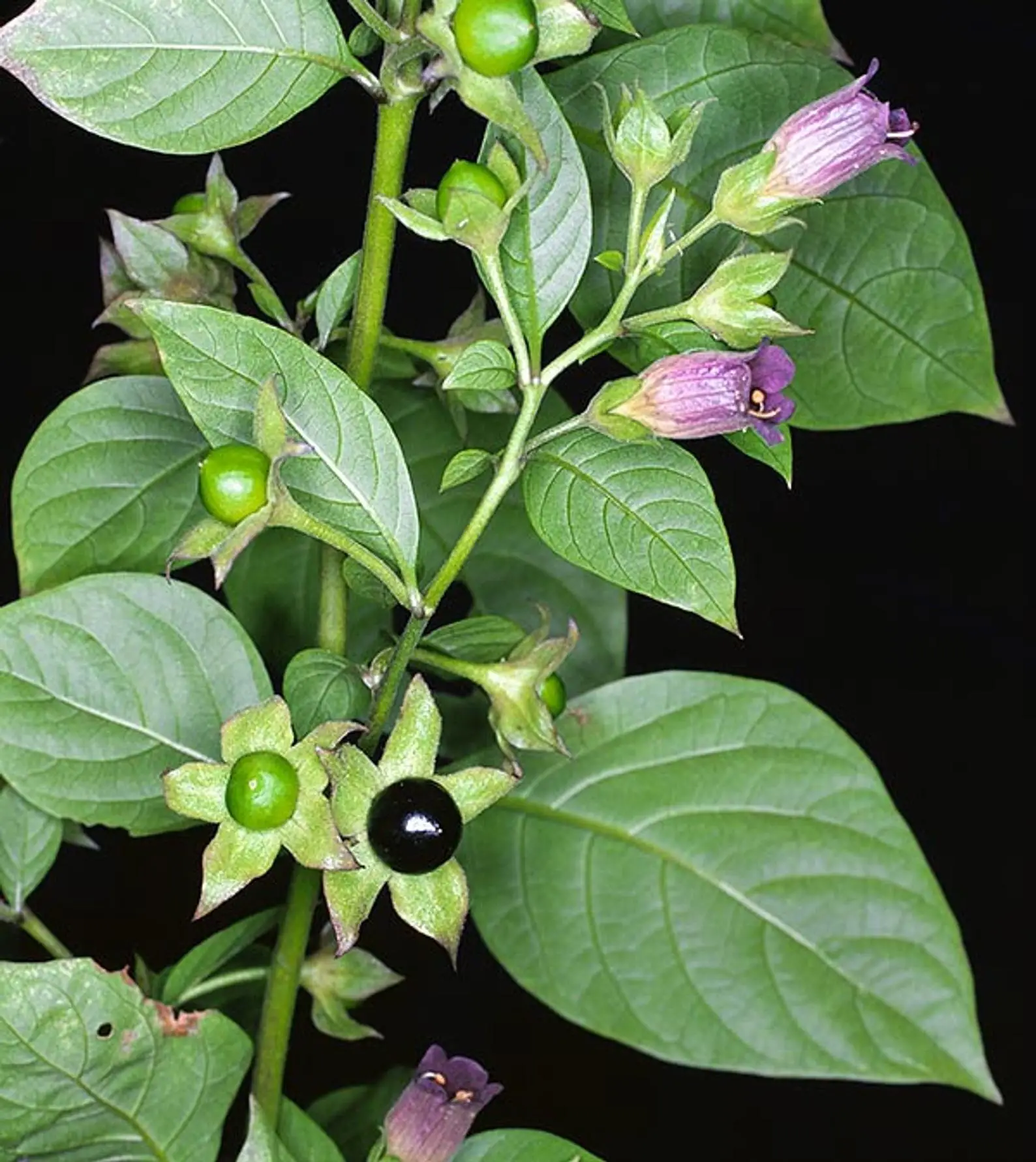
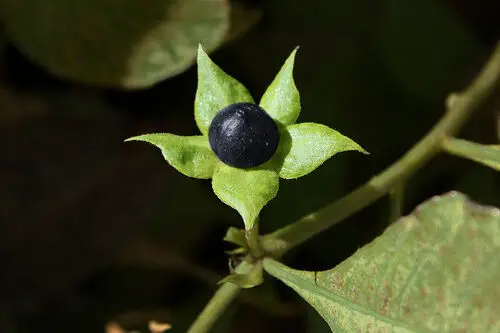
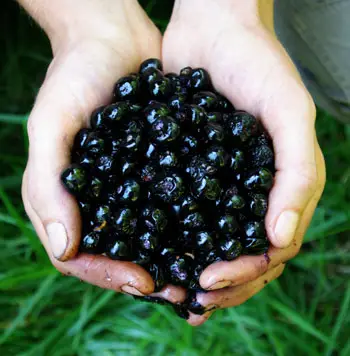
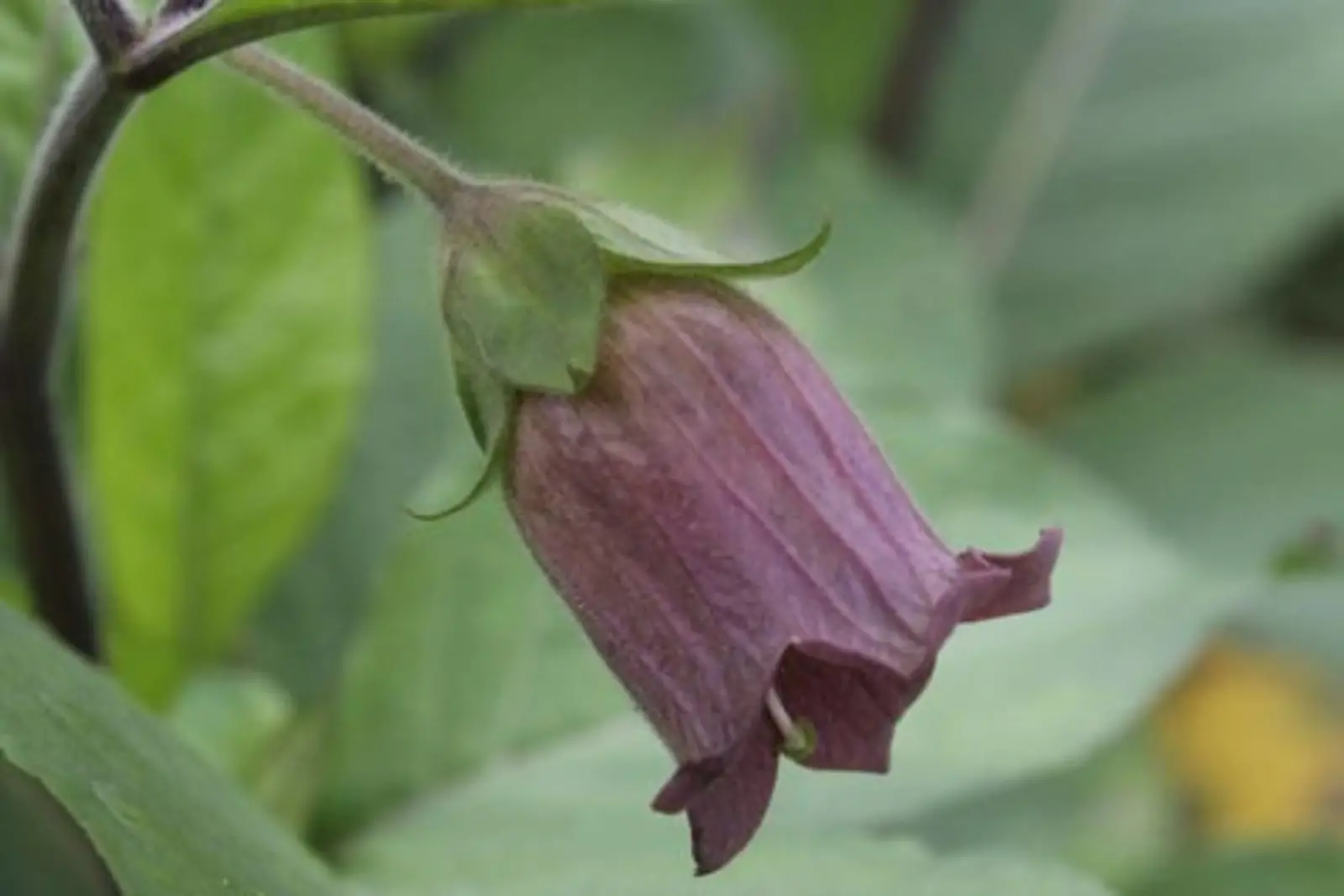
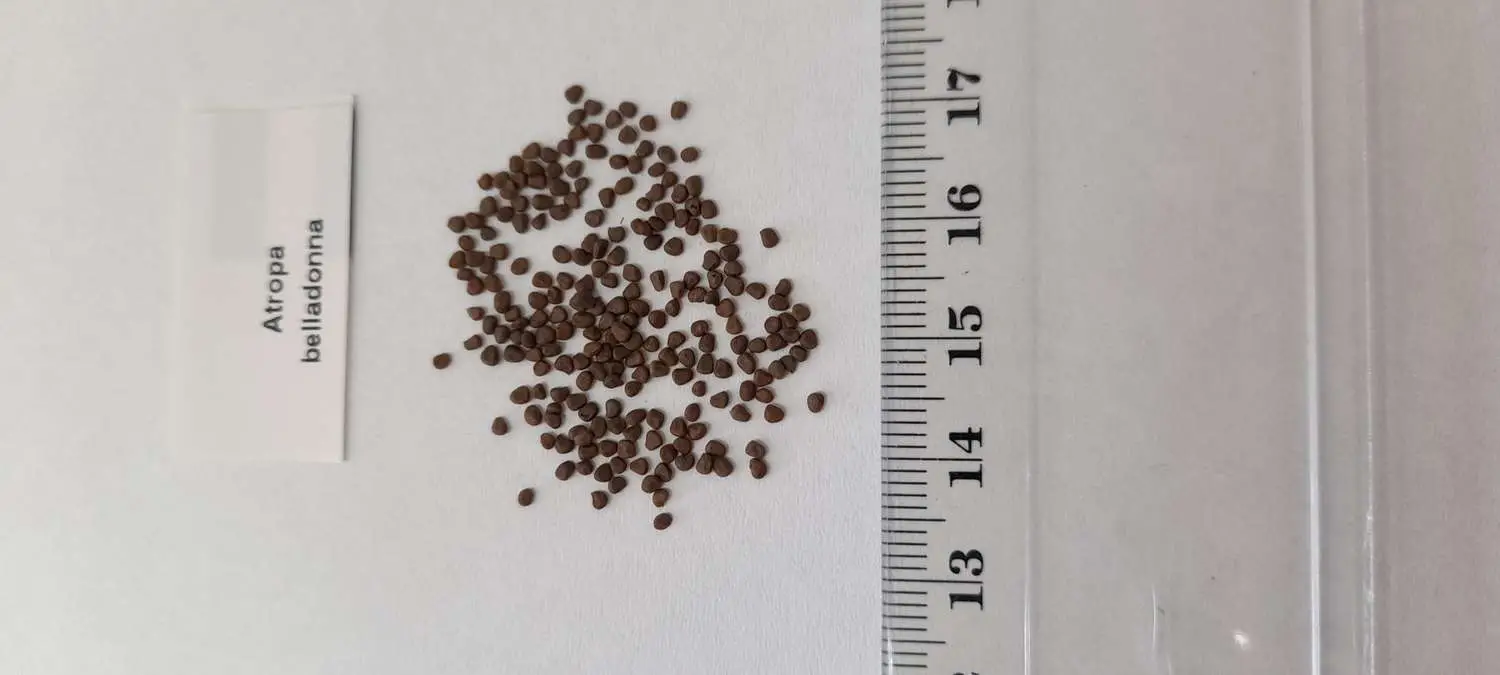
Grow the plant that changed medicine. Atropa belladonna produces atropine and scopolamine—tropane alkaloids with centuries of pharmaceutical applications. Bell-shaped purple-green flowers give way to glossy black berries. Medium care, partial shade to sun, well-drained soil. The ultimate heritage medicinal plant to grow from seed.
€2.15
Belladonna isn’t just a plant—it’s a living bridge between ancient medicine and modern pharmacy. For over two thousand years, Atropa belladonna has captivated healers, scholars, and scientists with its potent alkaloids and darkly romantic mystique. Now you can cultivate this legendary species in your own garden.
Origin & Legacy: Native to central and southern Europe, North Africa, and Asia, belladonna thrives in woodland edges and disturbed calcareous soils. Linnaeus himself named it bella donna—’beautiful lady’—after its historical use to dilate pupils for aesthetic purposes in 15th-century Italy. From ancient rituals to Renaissance beauty practices to modern pharmaceutical labs, this perennial herbaceous plant has maintained its position as one of the world’s most medically significant botanicals.
The Pharmaceutical Treasure Within: This is where belladonna transcends ornamental status. The plant produces tropane alkaloids—atropine and scopolamine—compounds of extraordinary pharmaceutical value. Atropine, isolated from belladonna in the 1830s, remains a cornerstone of modern medicine: it dilates pupils for ophthalmological procedures, treats Parkinson’s disease tremors, eases asthma and respiratory distress, and serves as a critical antidote to nerve gas and pesticide poisoning. Scopolamine combats motion sickness and is used in surgical preparation. These aren’t hypothetical applications—they’re FDA-approved therapeutic agents derived directly from this plant. Growing belladonna means cultivating the source of genuine pharmaceutical innovation.
How to Grow This Legend: Belladonna thrives in partial shade to full sun with well-drained, fertile, alkaline soil rich in calcium. It’s hardy in zones 5–9, reaching 3–4 feet tall with a bushy, branching habit. Plant in spring after frost or autumn in mild climates. Seeds germinate in 2–4 weeks under cool, moist conditions (60–70°F)—soak seeds 12–24 hours before planting to improve germination. Water consistently but avoid waterlogging. The plant prefers chalky, permeable soil; if your soil is acidic, amend with lime. Once established, it’s robust and low-maintenance, rewarding growers with delicate purple-green bell-shaped flowers in summer and glossy black berries by autumn.
Join a tradition of cultivators who’ve grown this extraordinary plant for its medical potential. Start your seeds today and become part of belladonna’s enduring story of healing and botanical significance.
Only logged in customers who have purchased this product may leave a review.


Reviews
There are no reviews yet.