
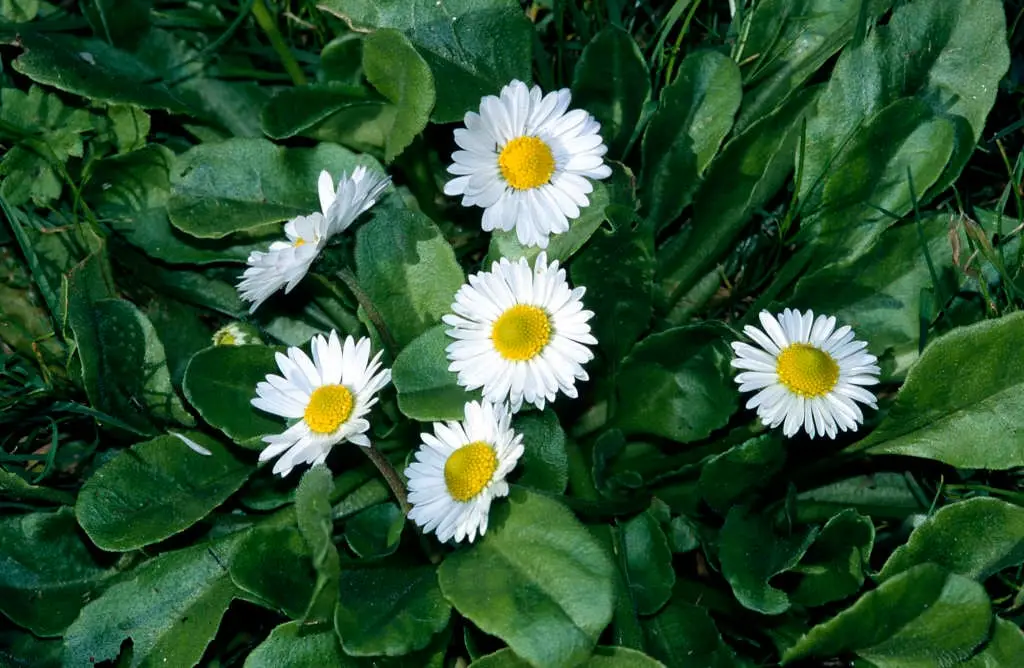
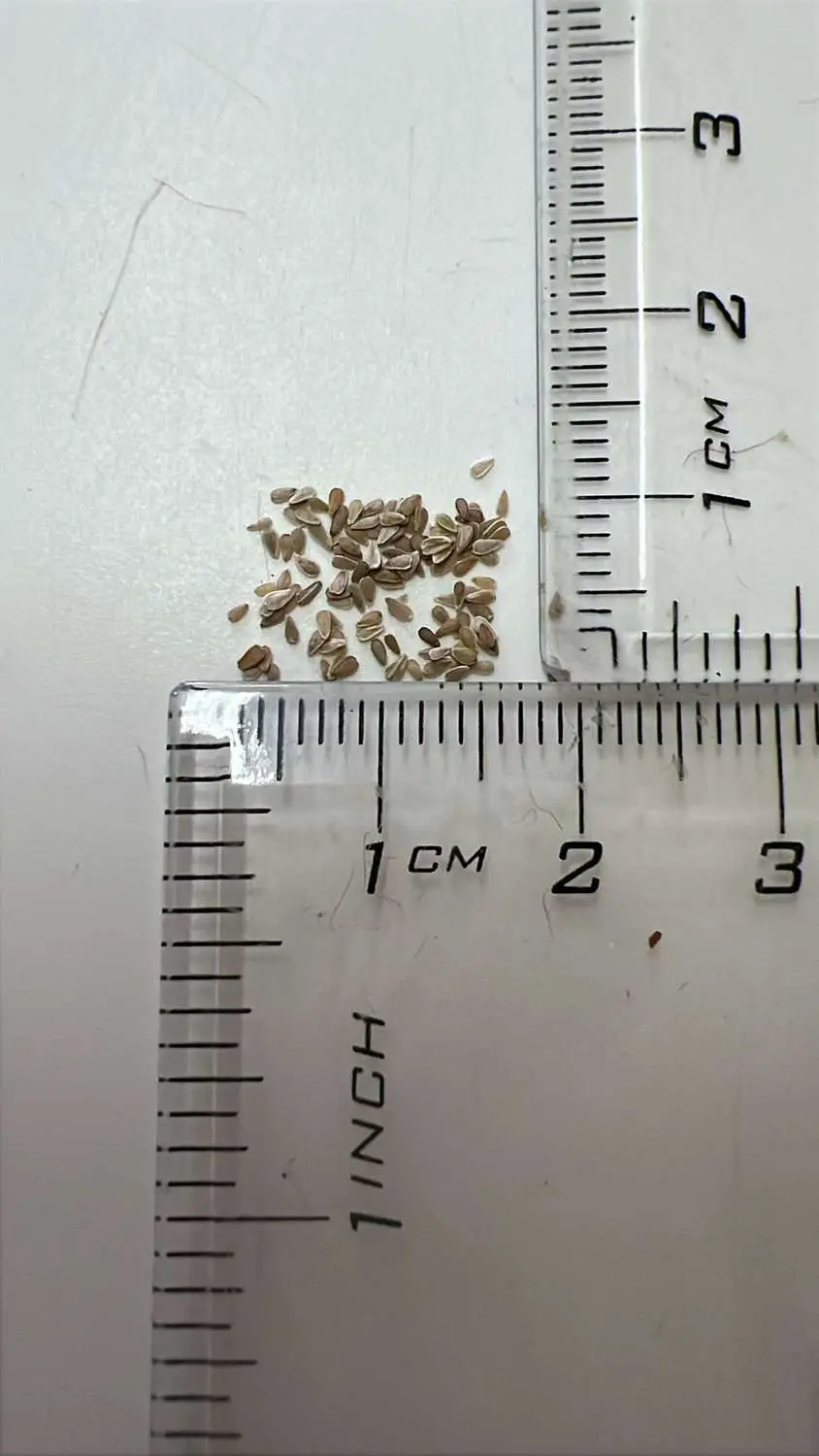
Grow your own healing daisy—the legendary “bruisewort” of medieval herbalists and your kitchen’s secret superfood. Earn petals for medicinal tea, leaves for fresh salads, and flowers for skincare infusions. With pompon blooms in crimson, rose, and cream, this easy-to-grow perennial rewards you with beauty and purpose all season long. From seed to spring bliss.
€1.92
Imagine harvesting your own remedy garden: a delicate daisy that’s been trusted for centuries to heal bruises, mend wounds, and nourish the body from root to petal.
The Latin name Bellis means beautiful, so Bellis perennis could translate as perennial beauty. This plant is native to Northern, Western and Central Europe, but it is also grown widely in most of the temperate regions. The name “daisy”, possibly originating with this plant, is considered a corruption of “day’s eye”, because the whole head closes at night and opens in the morning. Medieval gardeners knew something the modern world forgot: this humble flower is a powerhouse.
**The Real Treasure: Medicinal & Culinary Magic**
It was well known by the Crusaders for easing pain, bruising, wounds and broken bones; its country name is “bruisewort”. In homeopathy today, Bellis perennis is known as “Poor Man’s Arnica” and used with Arnica to treat bruising and trauma. It is mainly used in the homeopathic system of medicine as a medicinal remedy for healing the wounds after surgery. Bellis perennis heals the wound due to the astringent and demulcent properties that are possessed by this herb. But the uses extend far beyond first aid: Herbal tea made from its petals is much popular and due to the high vitamin content, it can be used as a supplement. Raw leaves of common daisy can be eaten in salads. It can also be cooked and eaten. Petals of the flower can also be eaten raw in salads, sandwiches and soups. It contains triterpenoic saponins, flavonoids (2 flavone glycosides of apigenin, and 3 flavonoid aglycones, kaempferol, quercetin, apigenin), malic, acetic and oxalic acid, resins, wax, inulin, mucilage, essential oils and tannins. Fresh or dried, every part becomes medicine and nourishment—a living apothecary on your windowsill or garden bed.
**Effortless Beauty in Your Garden**
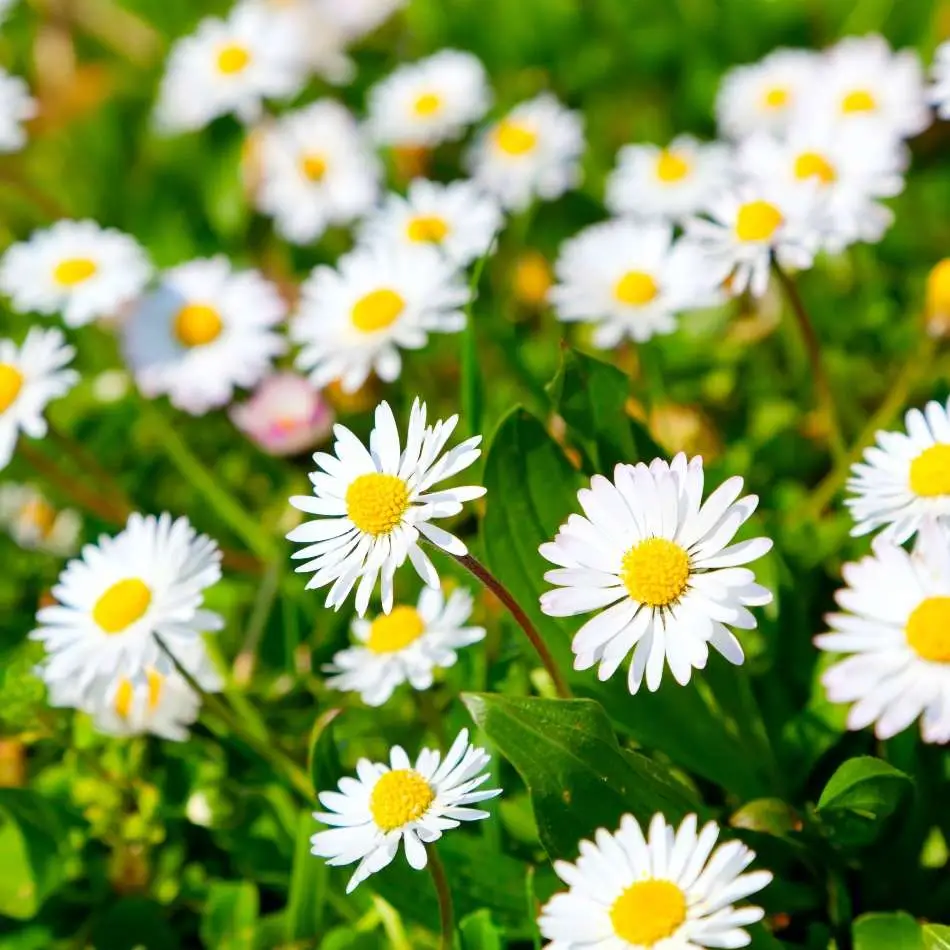
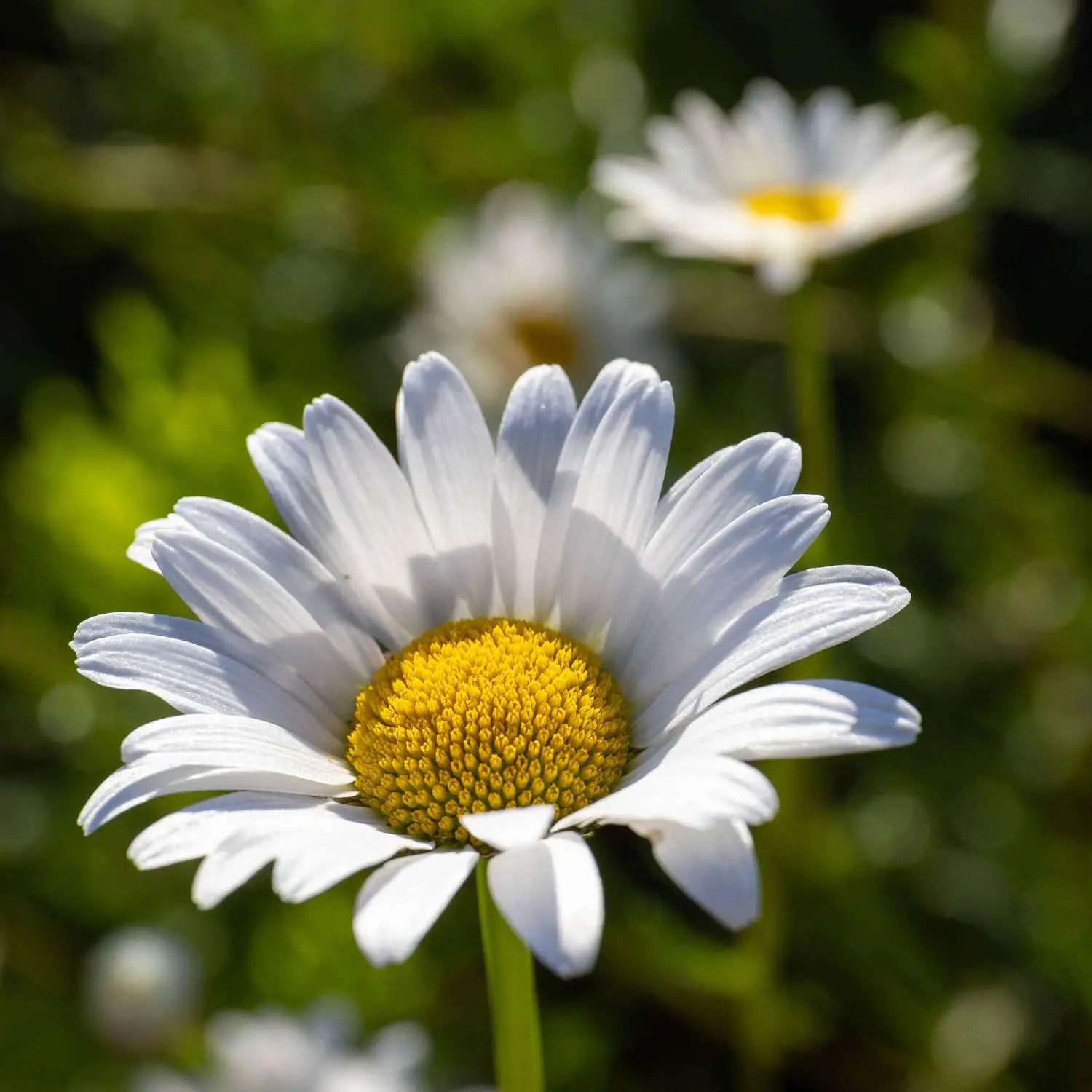
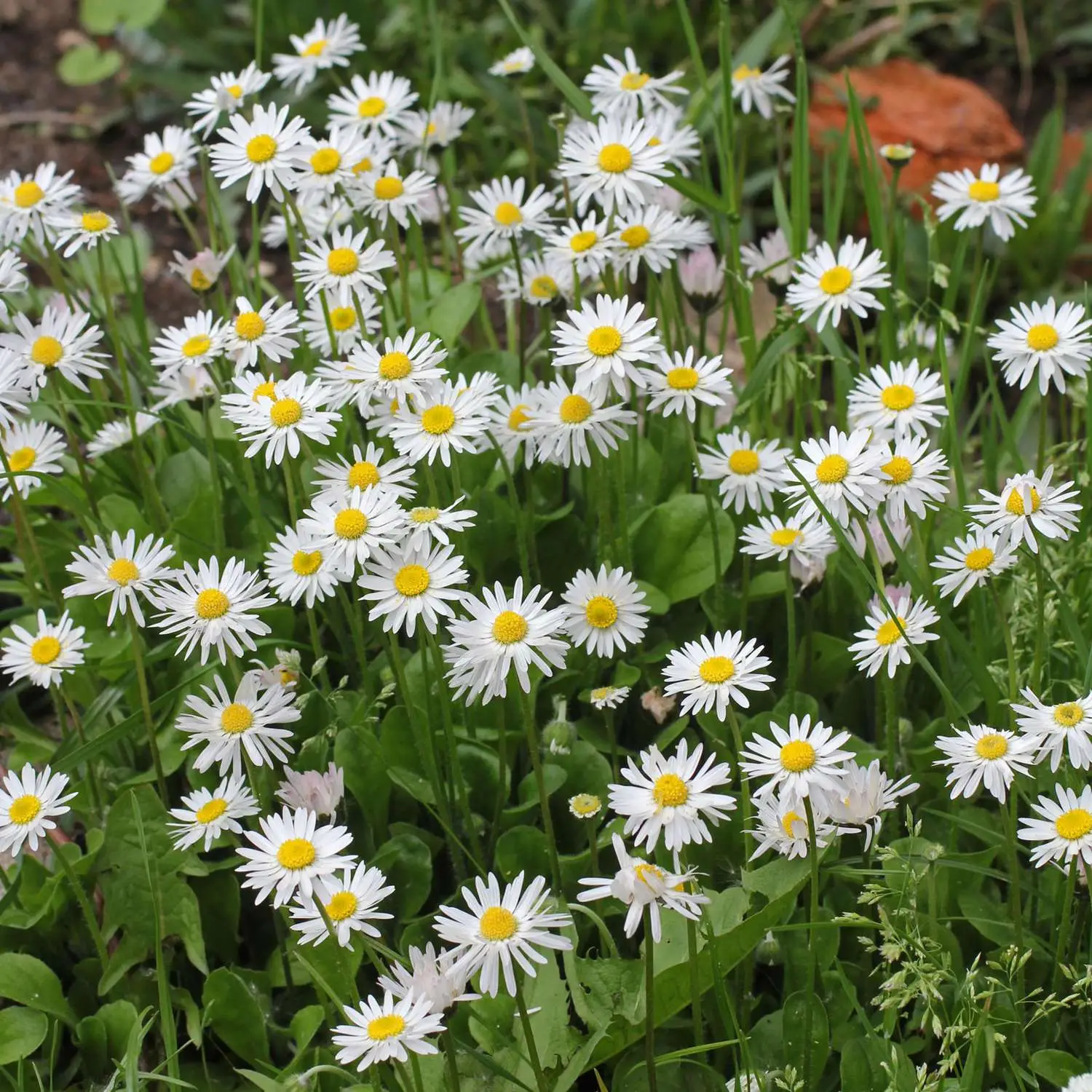
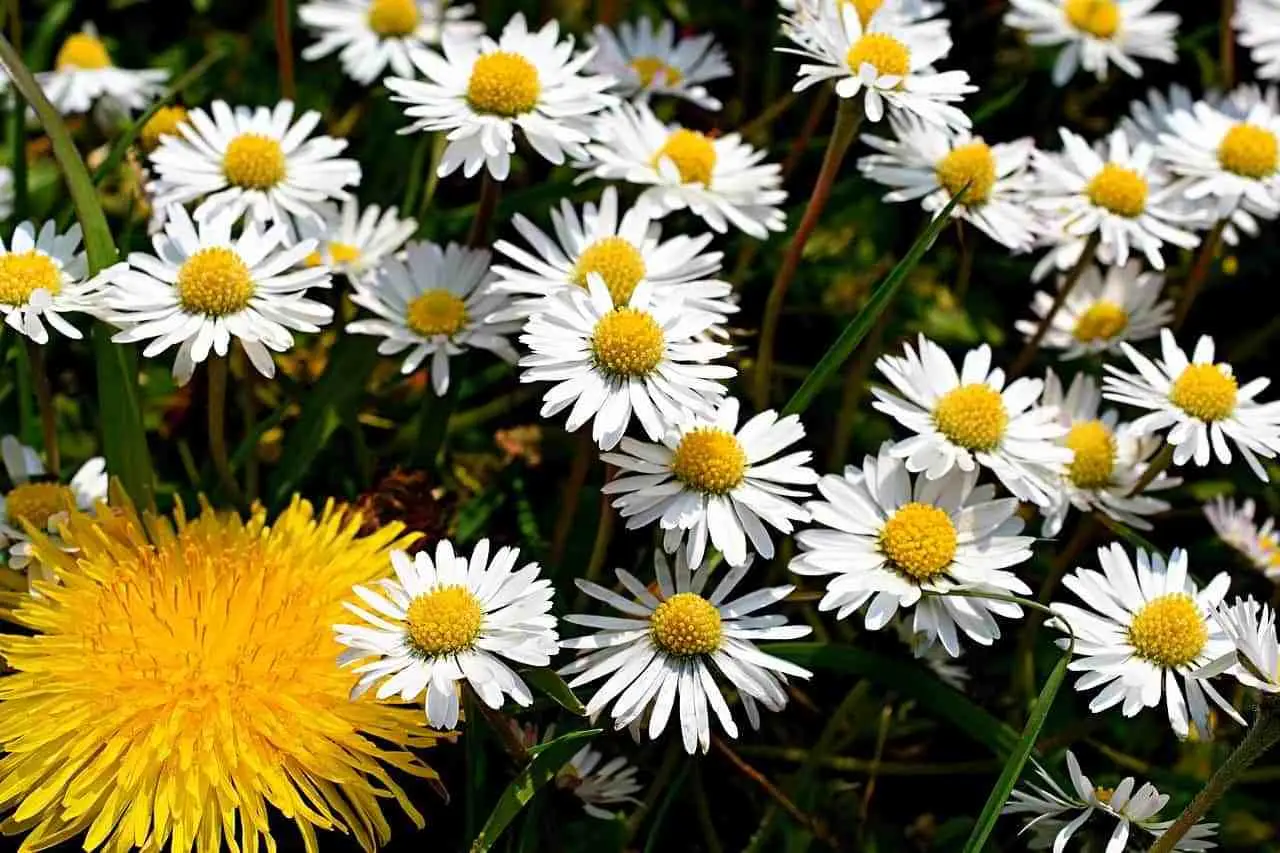
The foliage consists of spoon shaped dark green leaves and produces an insane amount of fully doubled, semi-doubled, or single flowers of white, pink, red and rose, perfectly shaped, and jam-packed with petals resembling a pompom. Bellis perennis is a hardy plant that is easy to grow from seed. It can tolerate partial shade but prefers full sun. Their dainty, button-like flowers add color long after other plants have faded. This extended blooming cycle makes them a popular choice for continuous garden displays. Bellis perennis is a light germinator, so the seed is not covered with soil. During germination, the seeds should always be kept slightly moist. The optimal germination temperature is 18 °C, so germination takes 1 to 2 weeks. Water consistently but not excessively; allow soil to dry slightly between waterings. A full sun to part shade lover, it is best grown in organically rich, fertile, moist, well-drained soils. Container or ground—these daisies adapt, thrive, and bloom from spring through early summer with such abundance you’ll wonder how you ever gardened without them.
Grow these seeds and you’re not just planting flowers—you’re cultivating a living legacy of healing, nutrition, and unbridled garden joy. Every bloom is a small act of self-sufficiency, every petal a gift from centuries of tradition.
Only logged in customers who have purchased this product may leave a review.

Reviews
There are no reviews yet.