

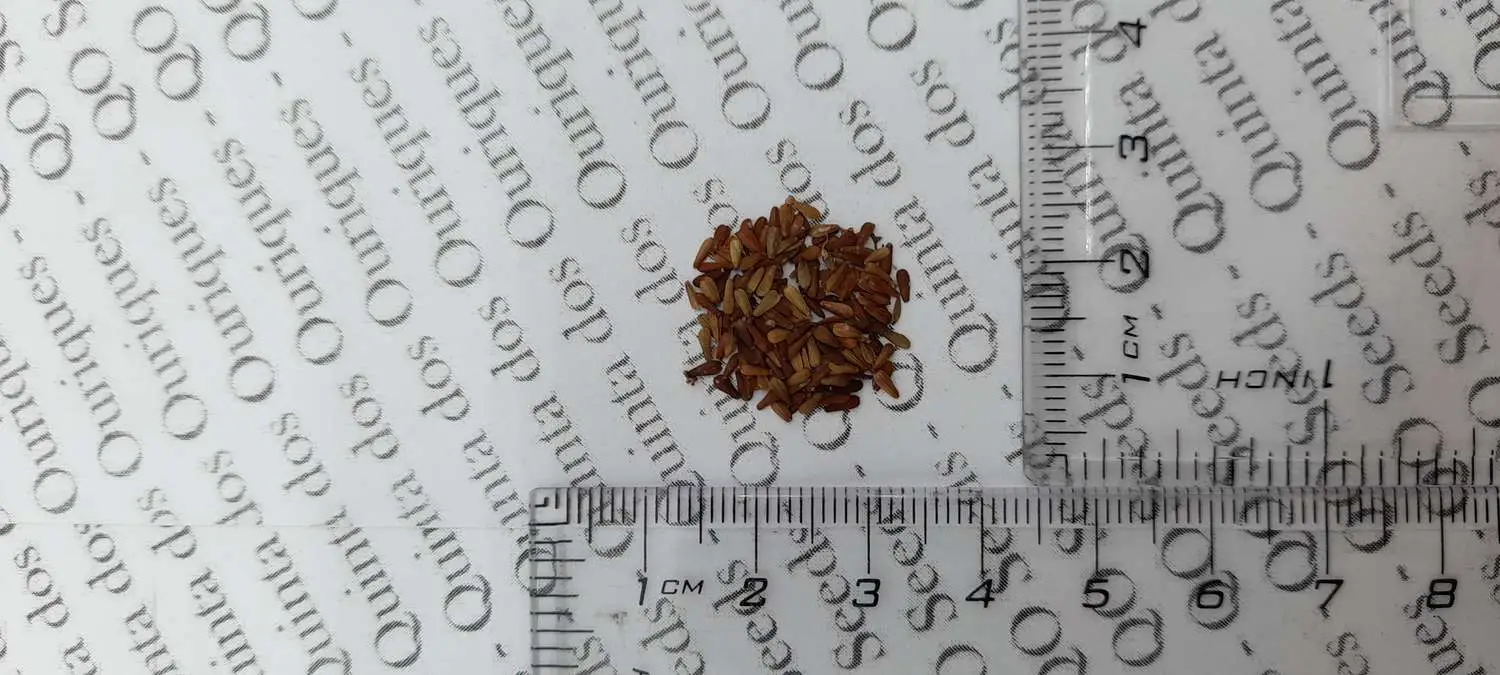

Centuries of tradition meet modern wellness: grow your own sleep sanctuary. This ancient medicinal powerhouse delivers sedative and calming roots—ready to harvest in just two years from seed. Highly fragrant pink and white flowers bloom all summer, attracting pollinators to your garden. Easy to grow in sun or part-shade, from rich soil to average garden dirt. Your ticket to natural rest, planted deep in earth.
€1.92
Grow the herb that has cradled human sleep since ancient Rome.
Valeriana officinalis—all-heal, garden valerian, Saint Jorge’s herb—is the medicinal plant the world has trusted for over two thousand years. Native to the cool, moist regions of Europe and western Asia, this herbaceous perennial carries the botanical name “officinalis,” literally meaning “official,” awarded only to plants of recognized pharmaceutical value. The very name Valeriana derives from the Latin “valere”—to be strong, to be healthy. This is not ornamental filler; this is functional medicine, grown by your own hands.
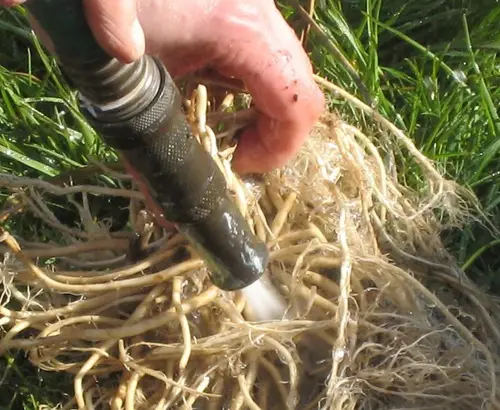
The root is where the magic lives: your harvest of calm, rest, and resilience. Valeriana officinalis roots contain valerenic acid, valepotriates, and alkaloid compounds that activate the brain’s GABA neurotransmitter system, creating a natural sedative effect without pharmaceutical dependency. For centuries in Europe, herbal practitioners have prepared valerian root tea and tinctures to ease insomnia, reduce anxiety, soothe nervous tension, and support restful sleep. In Ayurvedic medicine, it treats agitation and insomnia. In Brazil, it remains a hypnotic and anxiolytic standard. Today, valerian root is one of the bestselling herbal raw materials in Europe and the United States—a testament to its proven efficacy in an age of stress-derived lifestyle disease. But you don’t need a pharmacy shelf; you grow it at home, watch it mature, harvest it yourself, and brew the most intimate wellness ritual: a cup steeped in plants you raised from seed. The roots are most potent fresh and develop maximum therapeutic compounds after two years of growth—exactly when you’ll harvest them in late autumn after the foliage fades.
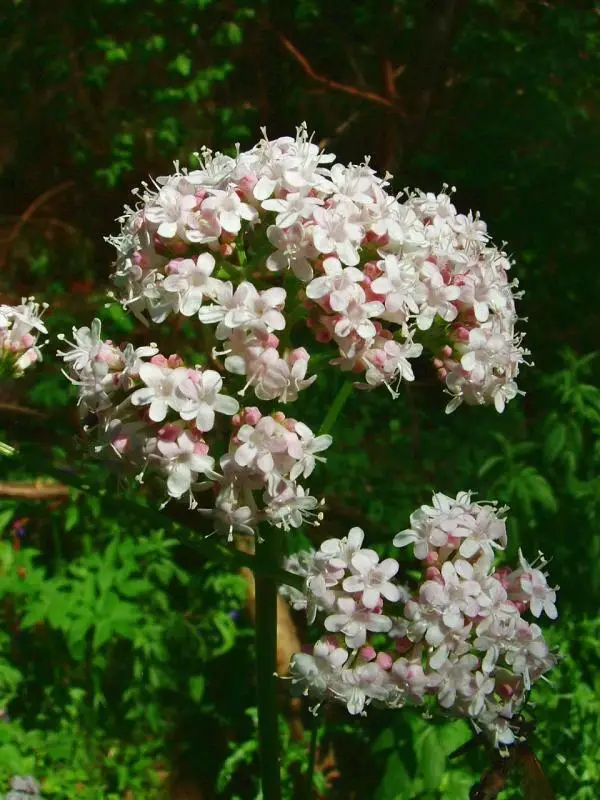
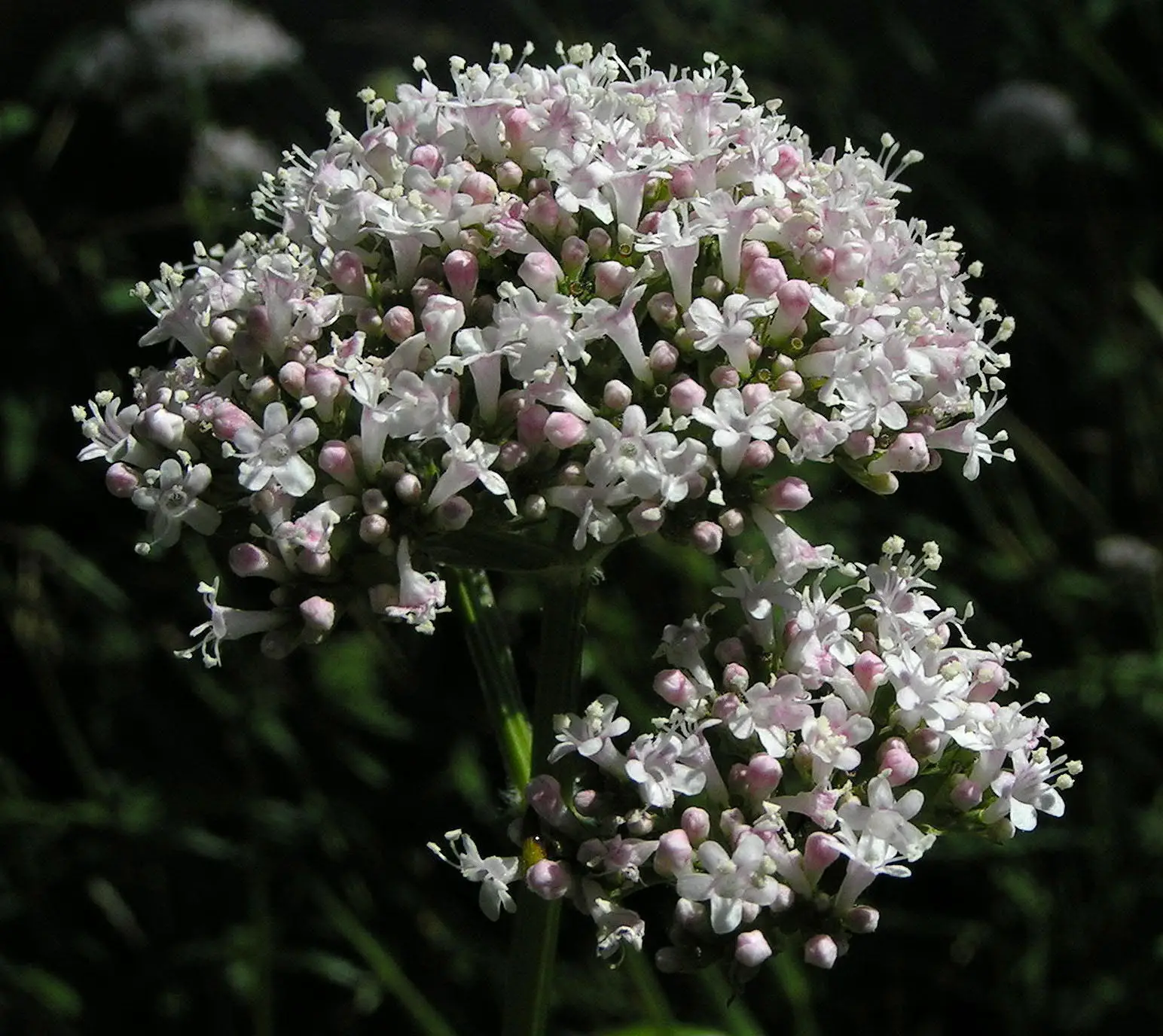
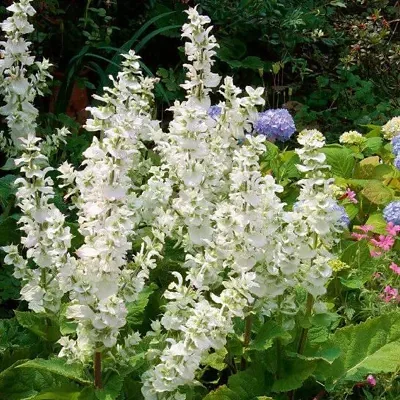
But Valeriana officinalis is not a shadow plant hiding underground. In summer, from June through August, this tall, elegant perennial transforms your garden into a pollinator paradise. Highly fragrant clusters of small flowers—pale pink to pure white—crown fleshy upright stems that reach 3 to 5 feet, sometimes climbing to 6 feet. These dome-shaped inflorescences are not delicate; they’re abundant, visible from a distance, and irresistible to bees, butterflies, and beneficial insects seeking nectar. The foliage is equally fetching: bright green, deeply lobed pinnate leaves, aromatic when brushed, create a lush architectural backdrop. The entire plant—leaves, stems, roots, flowers—exhales a distinctive herbal fragrance. This is a plant that works—visually, ecologically, and therapeutically.
Growing Valeriana officinalis from seed is refreshingly straightforward. This hardy perennial thrives in zones 4–9 and laughs at cold winters, dying back to the ground in winter and resurfacing reliably in spring. It prefers full sun (at least six hours daily) and tolerates partial shade, though stems may become lanky without sufficient light. Soil should be fertile, loamy, moist but well-drained—mimicking its native damp meadows and riverbanks. The beautiful news: it adapts superbly to average garden soil, requiring only consistent moisture, especially during the first growing season. Apply organic mulch around the base to regulate soil temperature and conserve moisture. Valerian is a light feeder; initial compost worked into the soil at planting is usually all you need—avoid excess nitrogen, which promotes leaf over root. Once established, this plant requires minimal fuss. It’s straightforward, resilient, and forgiving of minor neglect. Start seeds indoors two to four weeks before your last frost, or direct sow into prepared garden beds. Within two years, you’ll have a robust 18-inch clump generating roots rich enough to harvest for medicinal use. The plant self-seeds generously if allowed, spreading via underground rhizomes, but you control this by deadheading spent flowers if containment matters in your garden.
Grow Valeriana officinalis from seed, and you’re not planting a houseplant or a seasonal curiosity. You’re cultivating an ally, a healer
Only logged in customers who have purchased this product may leave a review.

Reviews
There are no reviews yet.