
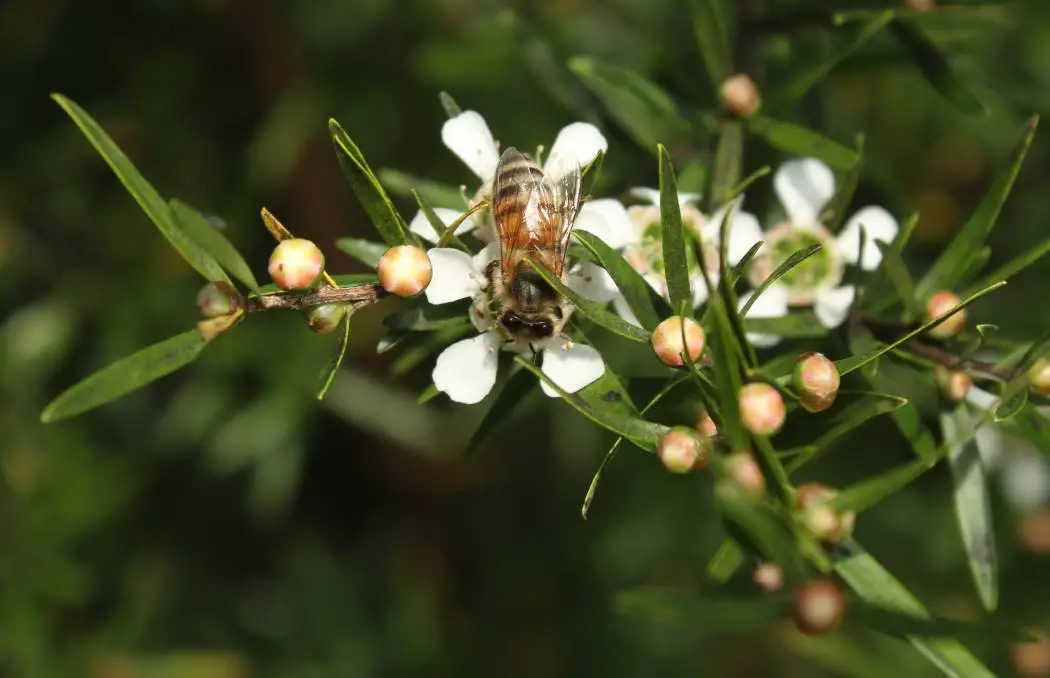
Grow the legendary honey plant that beekeepers obsess over. Leptospermum polygalifolium produces thick, viscous honey rivaling Manuka in medicinal potency—honey so rich that historical beekeepers feared it would jam their extractors. Bonus: delicate white flowers cascade each spring, and the leaves steep into a lemon-scented tea. Hardy, drought-tolerant, thrives in sun. Watch bees flock to your garden. Germinate from seed in just 2–5 weeks.
€1.92
This is the plant beekeepers dream about: Leptospermum polygalifolium, the legendary Jelly Bush, a native Australian species that produces honey of such extraordinary richness it shaped beekeeping history.
Native to the east coast of Australia from New South Wales to Queensland, this gorgeous evergreen shrub has been prized for centuries by Indigenous peoples and European settlers alike. Its botanical name references the slender seeds housed in its woody capsules, and its common names tell the true story—”Jelly Bush” because the honey is so thick and viscous it historically jammed wooden extractors, and “Yellow Tea Tree” because the aromatic leaves have long been brewed into medicinal tea.
But here’s what makes Leptospermum polygalifolium a game-changer for serious gardeners and beekeepers: the honey is medicinal-grade. Chemically comparable to celebrated Manuka honey from New Zealand, this Australian native produces nectar packed with bioactive compounds reaching approximately 8000ppm of activity. The thick, amber honey that bees labor to produce from these delicate white flowers carries antimicrobial and therapeutic properties that put it in the premium tier of global honey varieties. For the first time, apiarists in temperate to tropical regions can cultivate their own source of world-class medicinal honey, right in their own garden. It’s a plant that transforms from ornamental to income-producing.
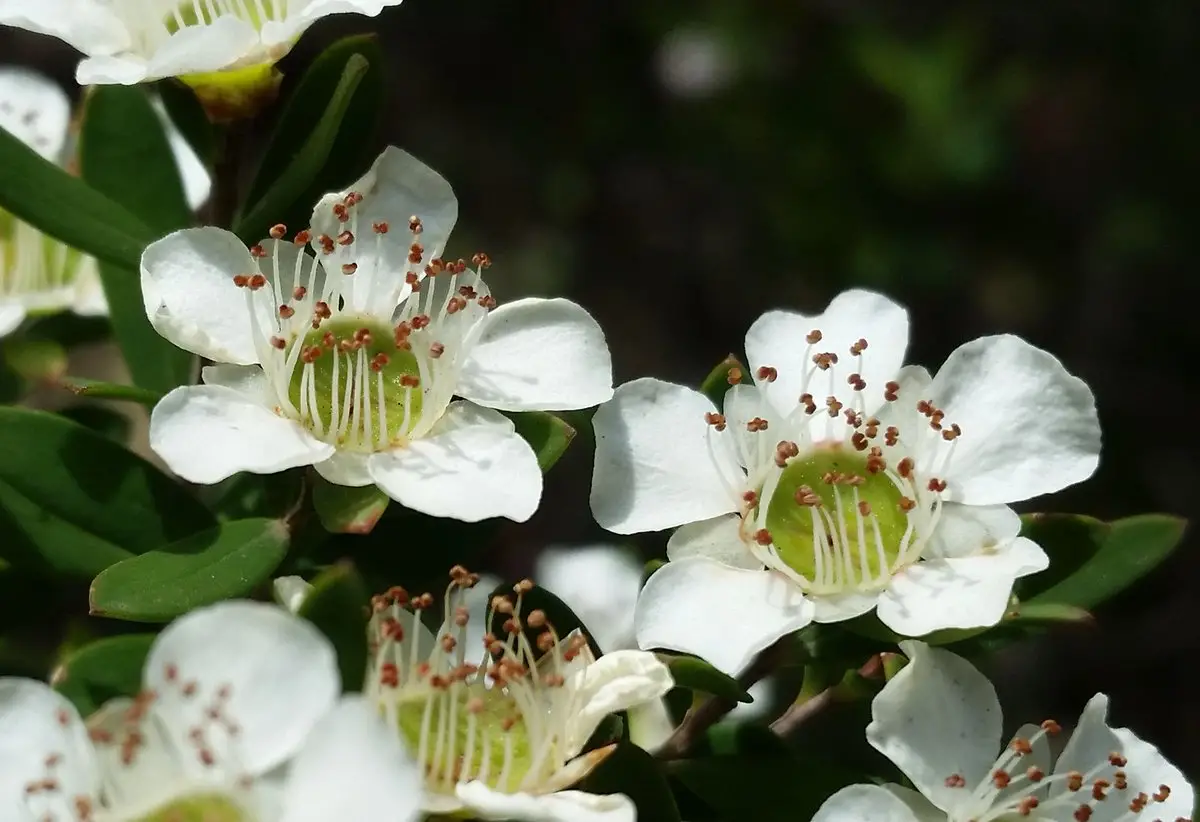
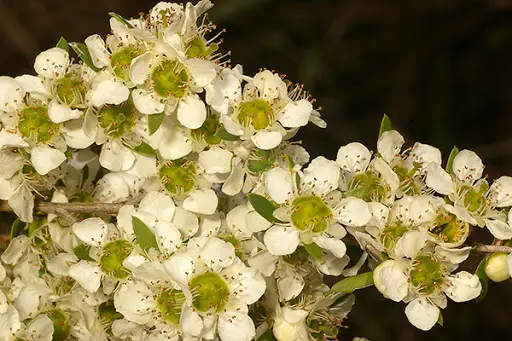
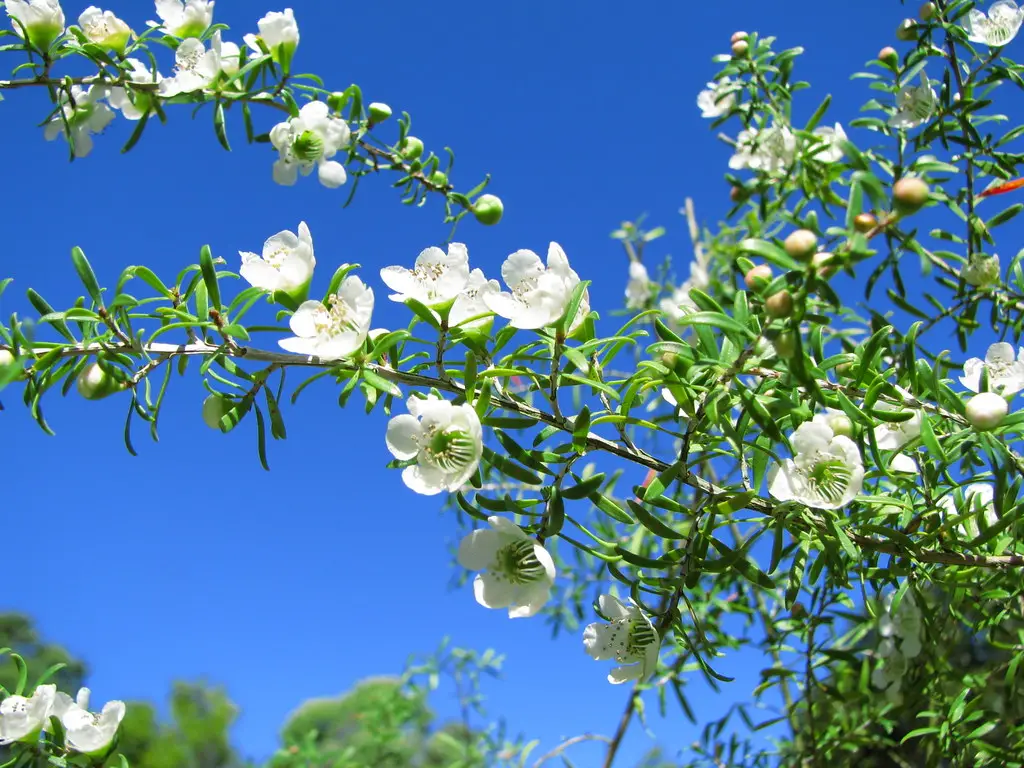
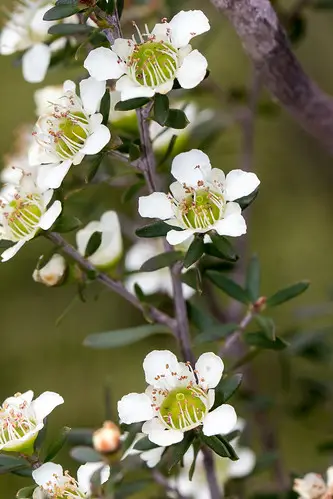
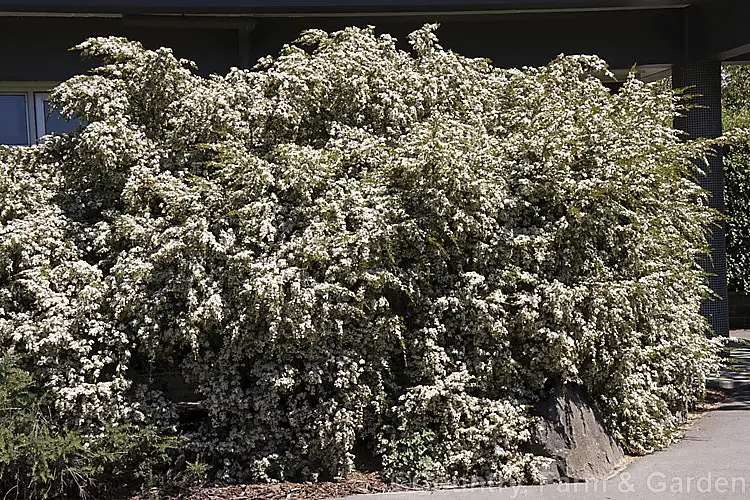
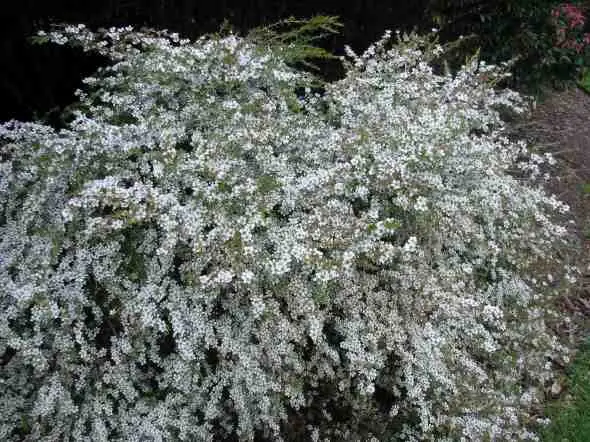
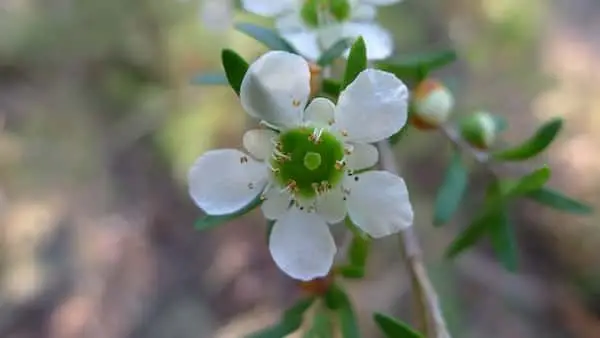
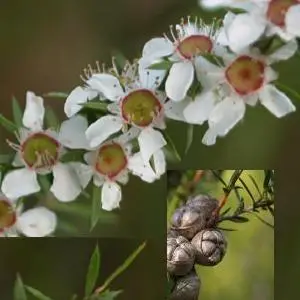
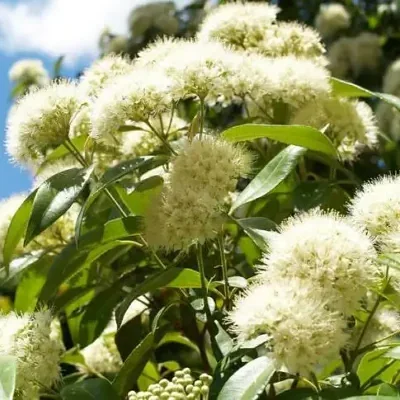
Growing Leptospermum polygalifolium is refreshingly straightforward. This hardy shrub thrives in full sun to partial shade—the more sun exposure, the more prolific the flowering. It adapts to most well-drained soils, including sandy, loamy, and even gravelly conditions, though it dislikes waterlogging. Once established, it becomes drought-tolerant and requires minimal watering, making it ideal for low-maintenance gardens and coastal properties. It grows as a dense, bushy shrub typically 2–3 metres tall (though it can reach 7 metres), with narrow, aromatic leaves that stay green year-round. In spring, the plant erupts with hundreds of pure white to cream-colored flowers, each about 10–15mm across, that attract bees, native insects, and butterflies. The woody seed capsules persist on the plant for months, adding architectural interest through summer and autumn.
Seed germination is straightforward: sow in spring or autumn in a light seed-raising mix, press gently without covering—seeds need light to germinate—and expect seedlings to emerge within 2–5 weeks. Once your seedlings are established, they grow vigorously, and mature plants tolerate light frost, strong winds, and even poor soils. This is a plant that rewards you by asking for so little.
Imagine stepping into your garden and watching honeybees go absolutely wild on your Jelly Bush. Picture harvesting honey so thick and golden it moves like liquid gold on the spoon. Picture yourself growing something that belongs in gardens for generations, that gives back every single year. This is more than an ornamental shrub; it’s a living connection to Australia’s ancient landscape, a powerhouse for pollinators, and your own private source of medicinal honey. Grow it from seed, and you’ll have created something utterly irreplaceable.
Only logged in customers who have purchased this product may leave a review.
Reviews
There are no reviews yet.