Citrus medica — Cedrat & Buddha’s Hand | Liquid Fragrance in Fruit Form

Grow the citrus that seduced ancient empires. Citrus medica yields a thick, oil-rich rind bursting with aromatic potential—candied peels for your kitchen, essential oils for your apothecary, zest for gourmet cooking. Two millennia of culinary and perfumery tradition in one tree. Surprisingly easy to grow from seed, it thrives in bright containers and poor soil. Your kitchen deserves this.

2.32

SKU: P-2163 Categories: , , Tags: , ,

You May Also Like

Description

Imagine opening a fruit so fragrant it perfumes the room—this is the power of Citrus medica.

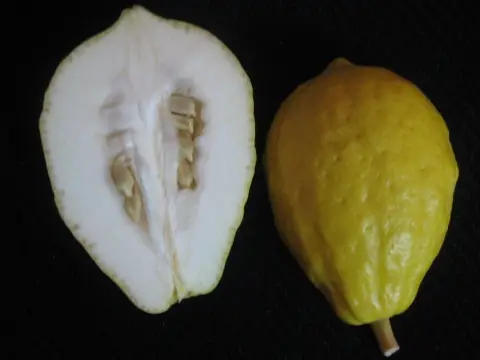
One of the oldest citrus fruits known to humanity, Citrus medica has captivated gardeners, chefs, healers, and perfumers for over 4,000 years. Native to the lower Himalayan foothills, it spread along the Silk Road, becoming sacred in Mediterranean, Middle Eastern, and East Asian cultures. Unlike modern lemons or oranges, the citron was never about juice—it was always about the rind: thick, waxy, profoundly aromatic, and rich with essential oils. Ancient Greeks and Romans thought it had magical qualities. Medieval European nobles fought over trees. Today, it remains one of the most versatile and mysterious members of the Rutaceae family.

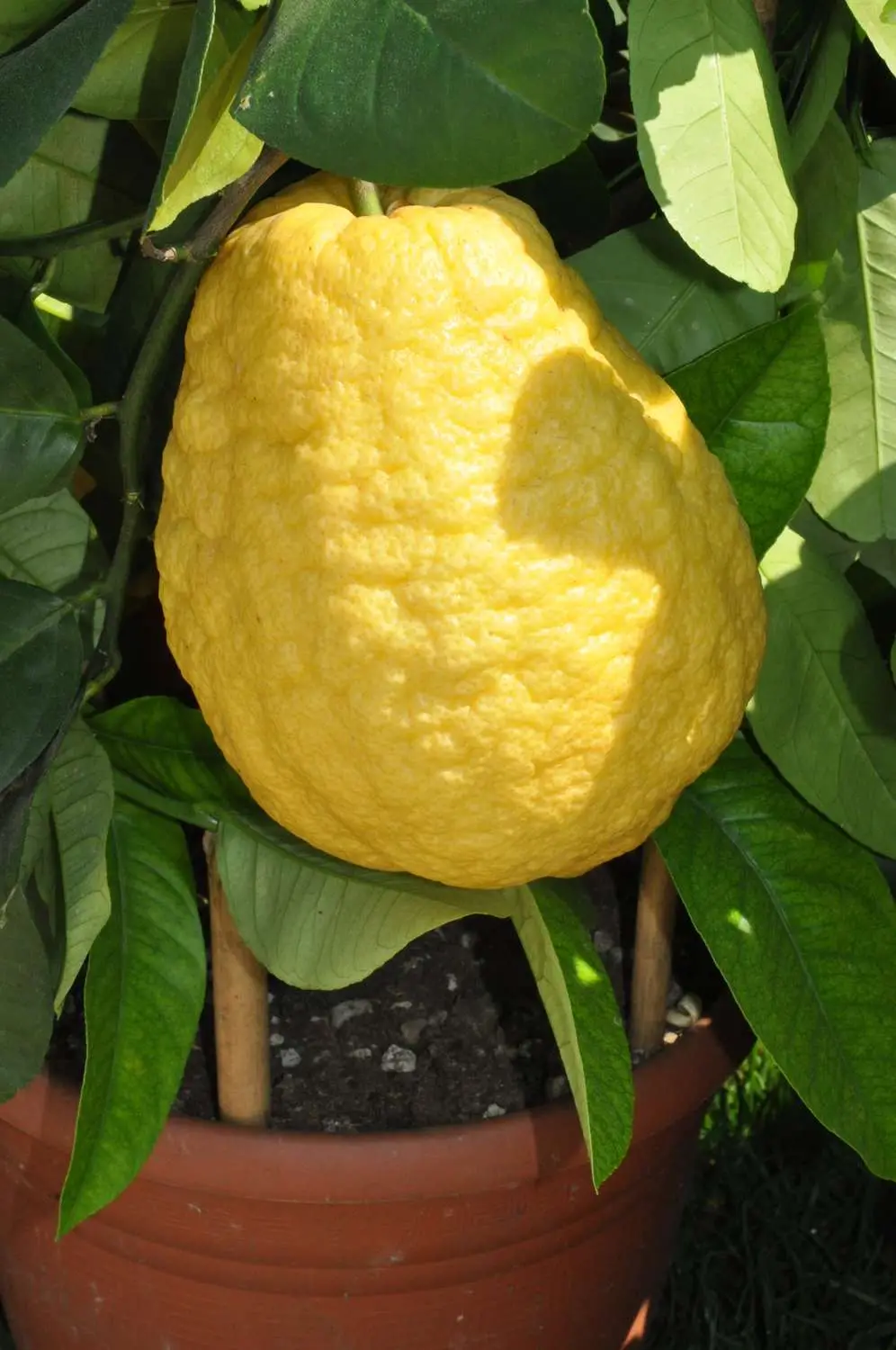
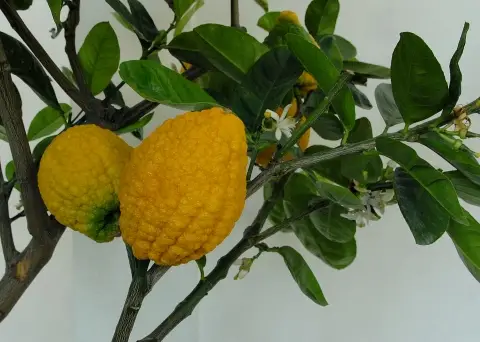
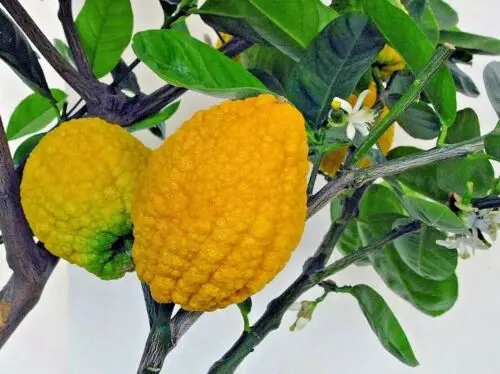
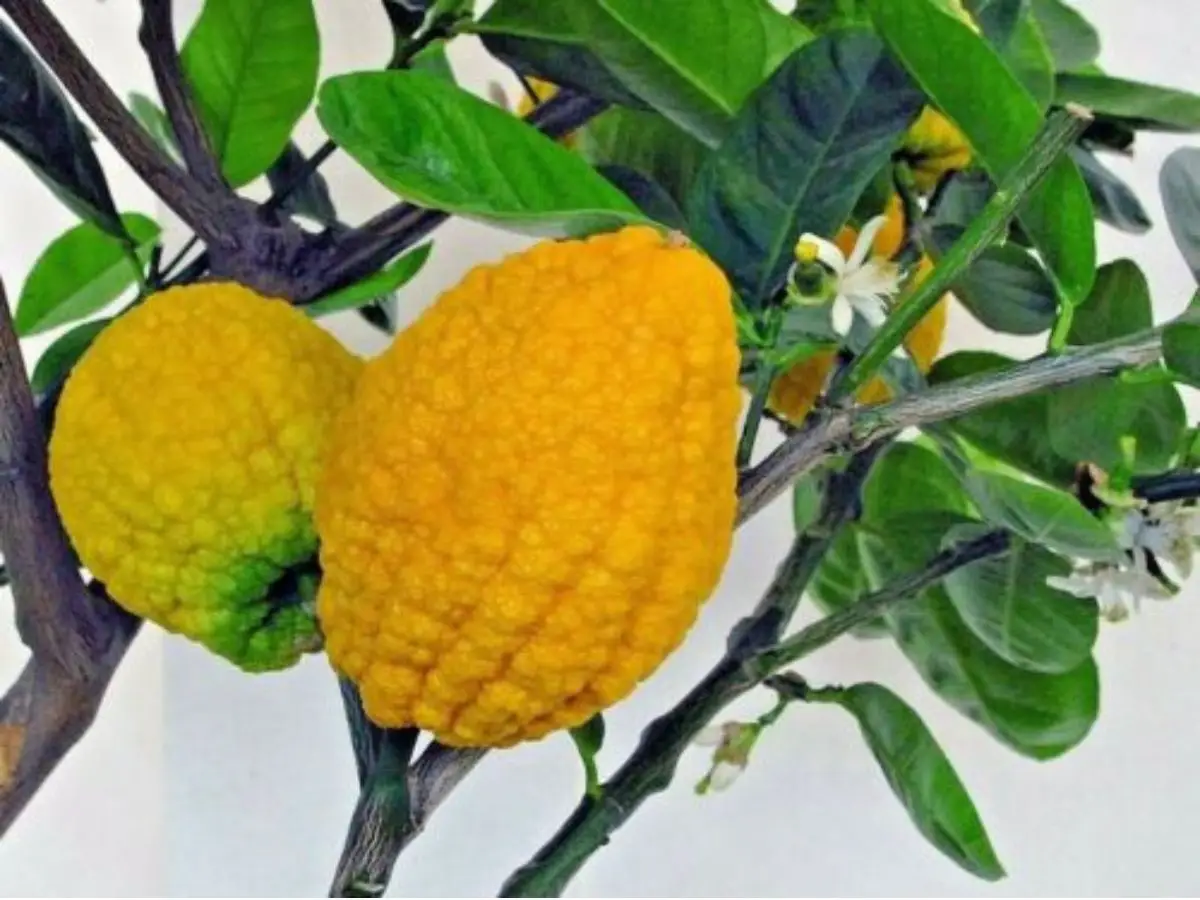
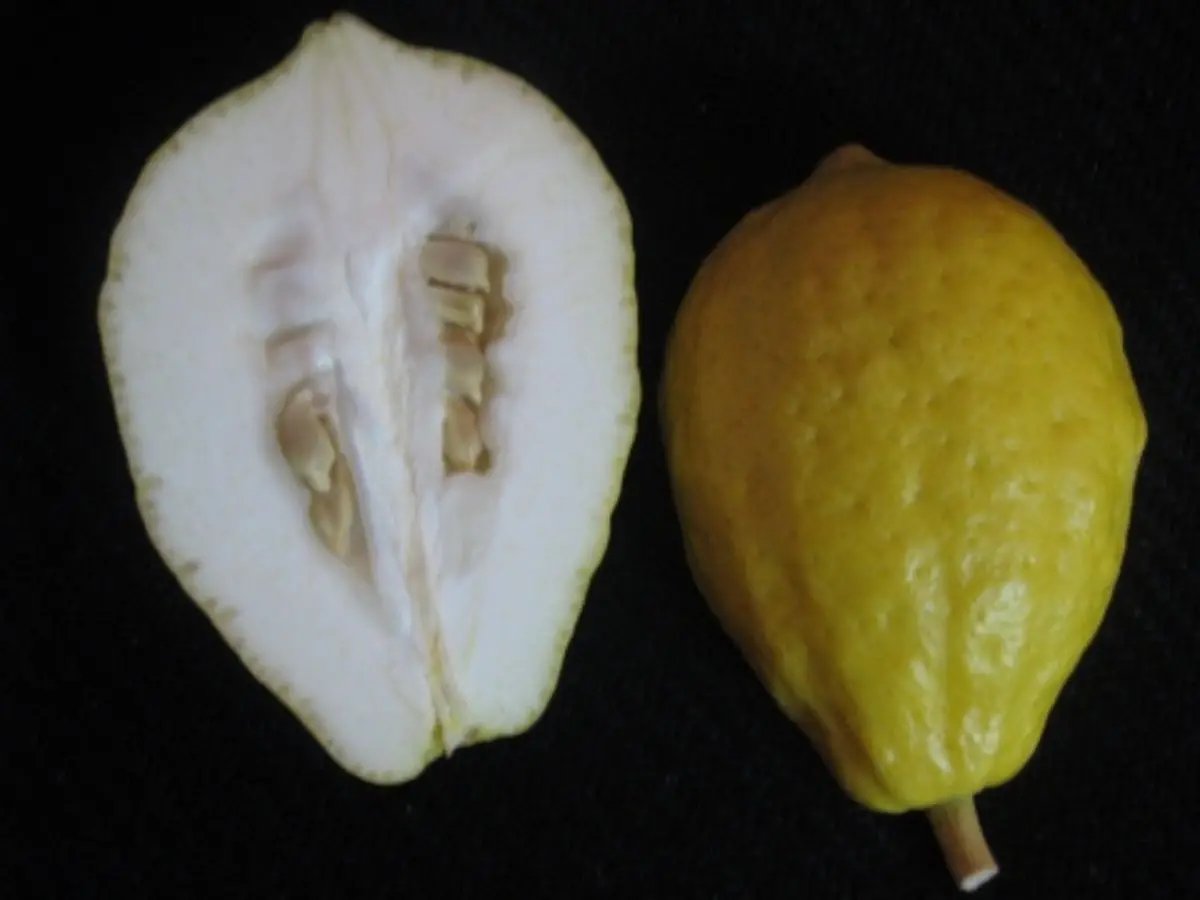
Here is where the citron reveals its true genius: THE RIND. That thick, oil-saturated skin is liquid gold. It is the protagonist of three thousand years of culinary tradition. In Korea and Southeast Asia, citron tea (made by steeping the zest or fruit in hot water) is a beloved remedy for colds and digestion—each sip carries the concentrated essence of wellness. In Europe, candied citron peel (succade) has graced holiday fruitcakes, gourmet chocolates, and fine pastries since the 17th century; fresh citron peels sell for $5–24 per pound in specialty shops. The zest itself—intensely fragrant, with notes of lemon blossom and honey—transforms desserts, cocktails, savory fish dishes, and infused oils. Perfumers have prized cedrate essential oil for centuries: it is complex, sweet, citrusy, used in fine fragrances and aromatherapy for its uplifting, stress-relieving properties. If you want to make your own candied peel, infuse vodka, create kitchen-fresh zest for baking, or simply fill a room with the scent of citrus blossom by placing the fruit on a table, Citrus medica is your tree. The rind—soft enough to grate, thick enough to candy, fragrant enough to enchant—is the heart of this fruit’s appeal.

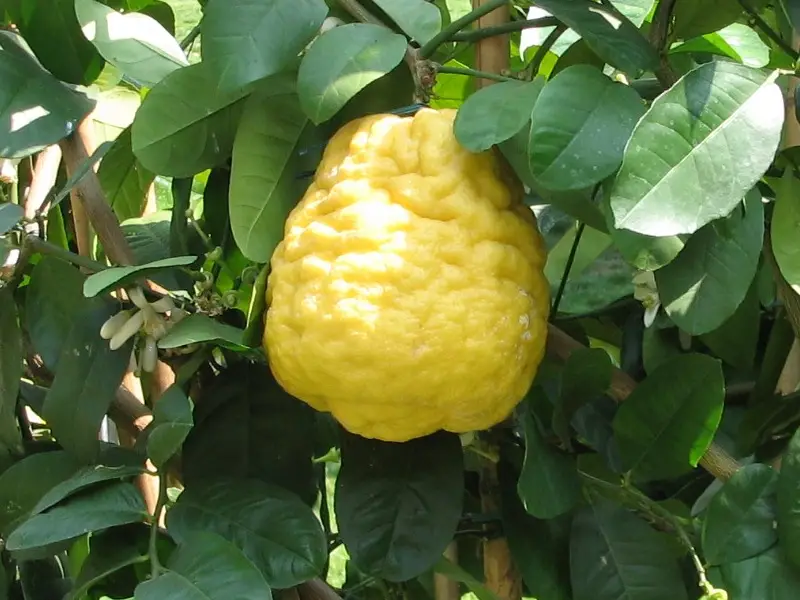
Growing Citrus medica is an accessible luxury. The tree thrives in bright light (6–8 hours of direct sun daily) and adapts beautifully to containers, making it perfect for patios, sunrooms, or frost-prone climates where it can be moved indoors during winter. It prefers well-drained, slightly acidic loamy soil (pH 5.5–7.0) enriched with sand or perlite for air flow—citrus-specific potting mixes work wonderfully. Water when the top inch of soil feels dry; keep it moist but never waterlogged. In USDA zones 10–11, it thrives outdoors. In cooler regions, grow it in a large pot and overwinter indoors. The tree is self-fertile and self-pollinating, so one tree is enough. From seed, citron germinates readily and grows vigorously, though seedlings may vary from the parent (the prized Buddha’s Hand variety with its dramatic finger-like fruits is a spectacular cultivar). With basic care, you’ll have fragrant flowers in spring and heavy fruit by late summer.

This is not a tree you grow for quick gratification. This is a tree you grow because you are joining a lineage of gardeners, cooks, healers, and perfume makers stretching back to ancient Asia. Every candied peel you make, every zest you grate, every cup of tea you steep, every essential oil you extract becomes a small ritual of abundance. The fragrance alone—released when you brush the tree or harvest the fruit—is worth the price of admission. Grow Citrus medica from seed. Watch it unfold. Taste the centuries.

Germination Guide

🌍 Southeast Asia, particularly the Himalayan foothills and northeastern India
Moderate

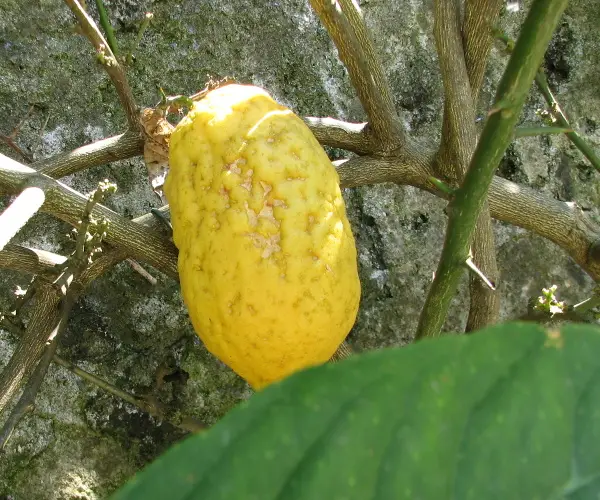
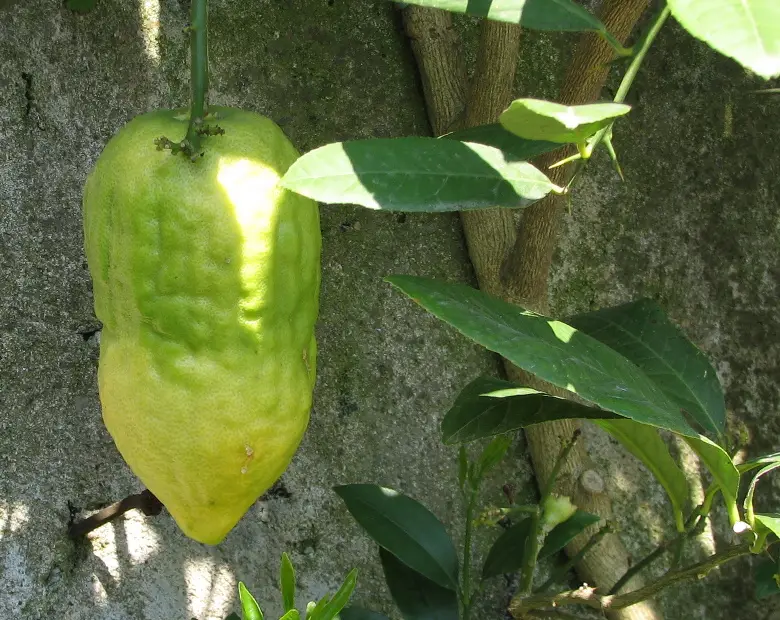
Citrus medica, commonly known as the citron, is one of the original citrus species native to Southeast Asia and the Himalayan foothills. This slow-growing evergreen tree produces distinctive large, fragrant fruits with thick, bumpy rinds and minimal pulp, prized for their aromatic zest in culinary and religious applications. Seeds exhibit polyembryony and benefit from pre-treatment to enhance germination rates.

Germination
Germination time
Expect germination in

14 – 42 days

Temperature

Min 21°C
Ideal 25°C
Max 27°C

Light
☀️ Light required

Substrate moisture
💧 Medium

Sowing depth
0.5 cm

Germination rate
69 %


Seed Pre-treatment
  • 💧

    Soaking — 24 hours
    Soak in lukewarm water (25-30°C) for 24 hours to soften seed coat and improve germination rates
  • 🔨

    Mechanical scarification
    Mechanical scarification by nicking or filing the seed coat improves germination, or remove seed coat entirely for faster germination
  • 📋

    Additional notes
    Soak seeds in warm water overnight (24 hours) before planting; scarification or seed coat removal significantly improves germination speed and percentage

Substrate & Container
Recommended substrate
Well-draining potting mix with sand or perlite (60% potting soil + 40% perlite or sand), or sandy compost

Recommended container
Seed tray or pot with plastic wrap, dome cover, or plastic bag to maintain humidity and create greenhouse effect


Growing Tips
Soak seeds in warm water (25-30°C) for 24 hours before planting. Mechanical scarification or seed coat removal significantly accelerates germination. Sow seeds 1/4 to 1/2 inch deep in well-draining potting mix. Cover pot with plastic wrap or dome to maintain consistent moisture and humidity. Place in warm, indirect sunlight (70-80°F/21-27°C). Keep soil consistently moist but not waterlogged. Germination typically occurs within 2-6 weeks. Once seedlings develop 4-6 true leaves or are sturdy enough to handle, transplant into larger containers. Trees grown from seed may take 4-8 years to produce fruit. Citrus medica displays polyembryony, meaning multiple seedlings may emerge from single seeds.

Reviews

There are no reviews yet.

Only logged in customers who have purchased this product may leave a review.
Related Products