
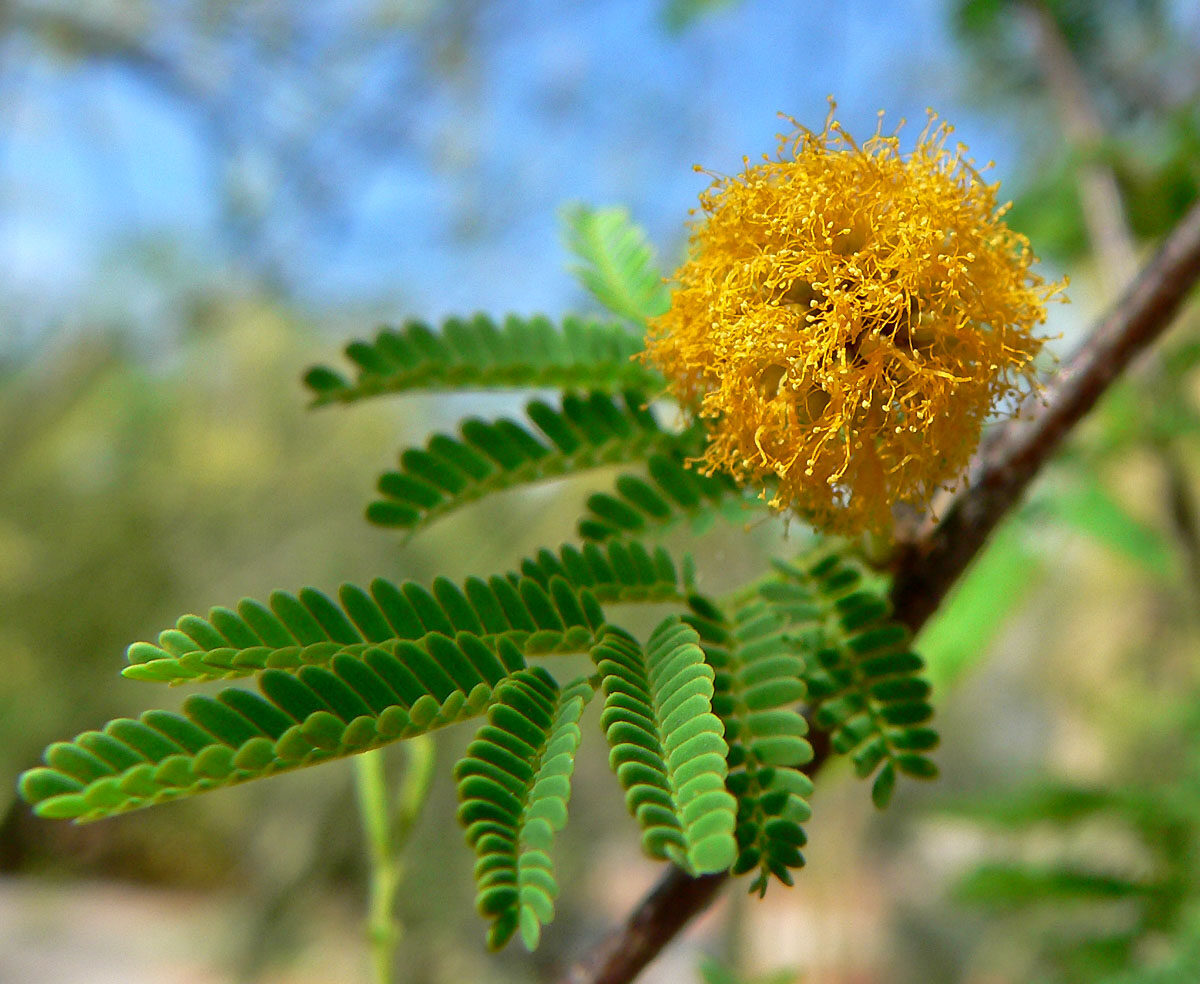
Grow the legendary flower that has captivated perfumers for 400 years. Intensely sweet, complex blooms combining vanilla, orange blossom, and spice reward you with 9 kg of flowers annually from a mature plant. Easy from seed with light scarification, thrives in sun and heat. Your gateway to crafting artisanal cassie perfume at home.
€1.92
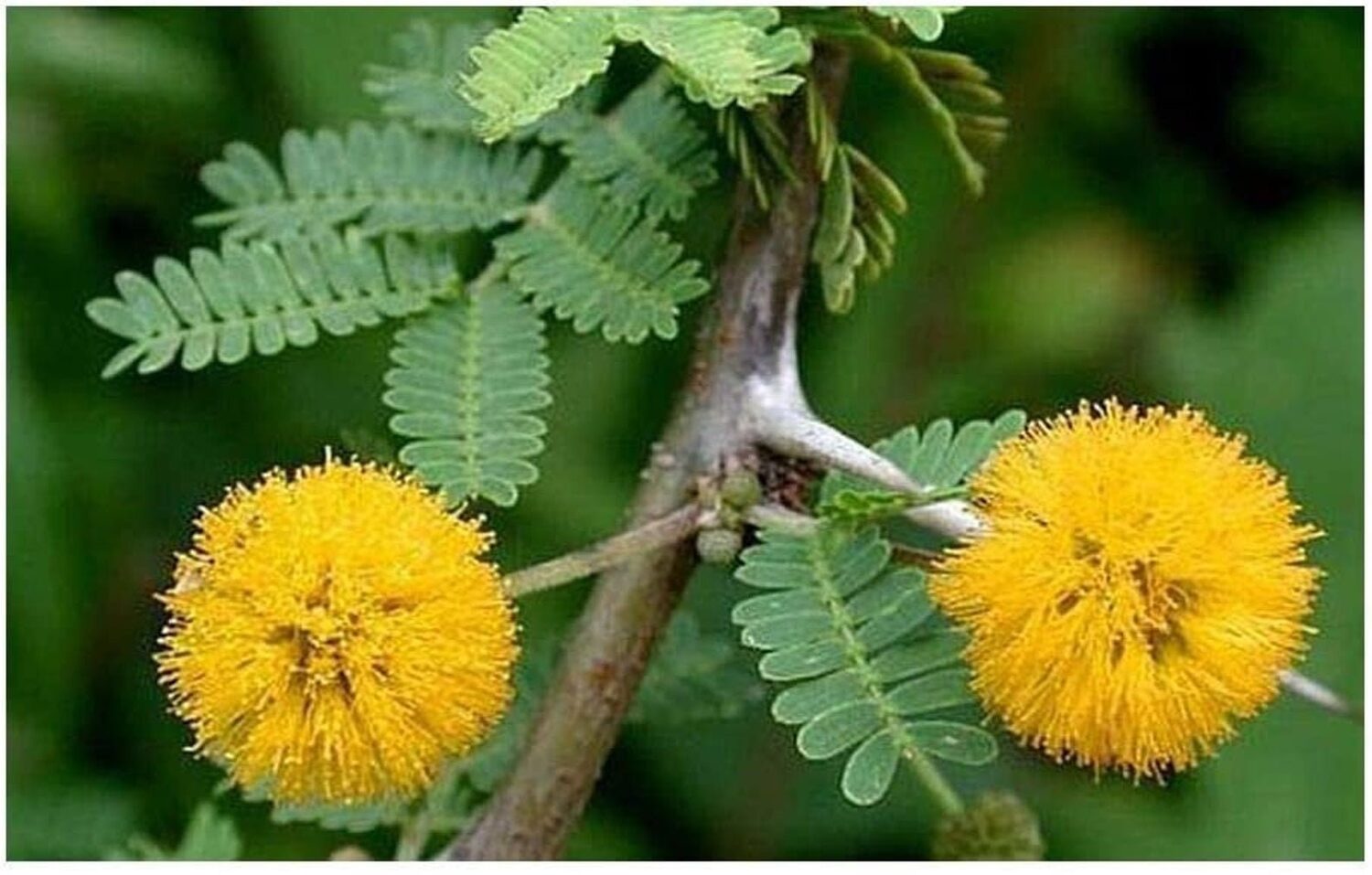
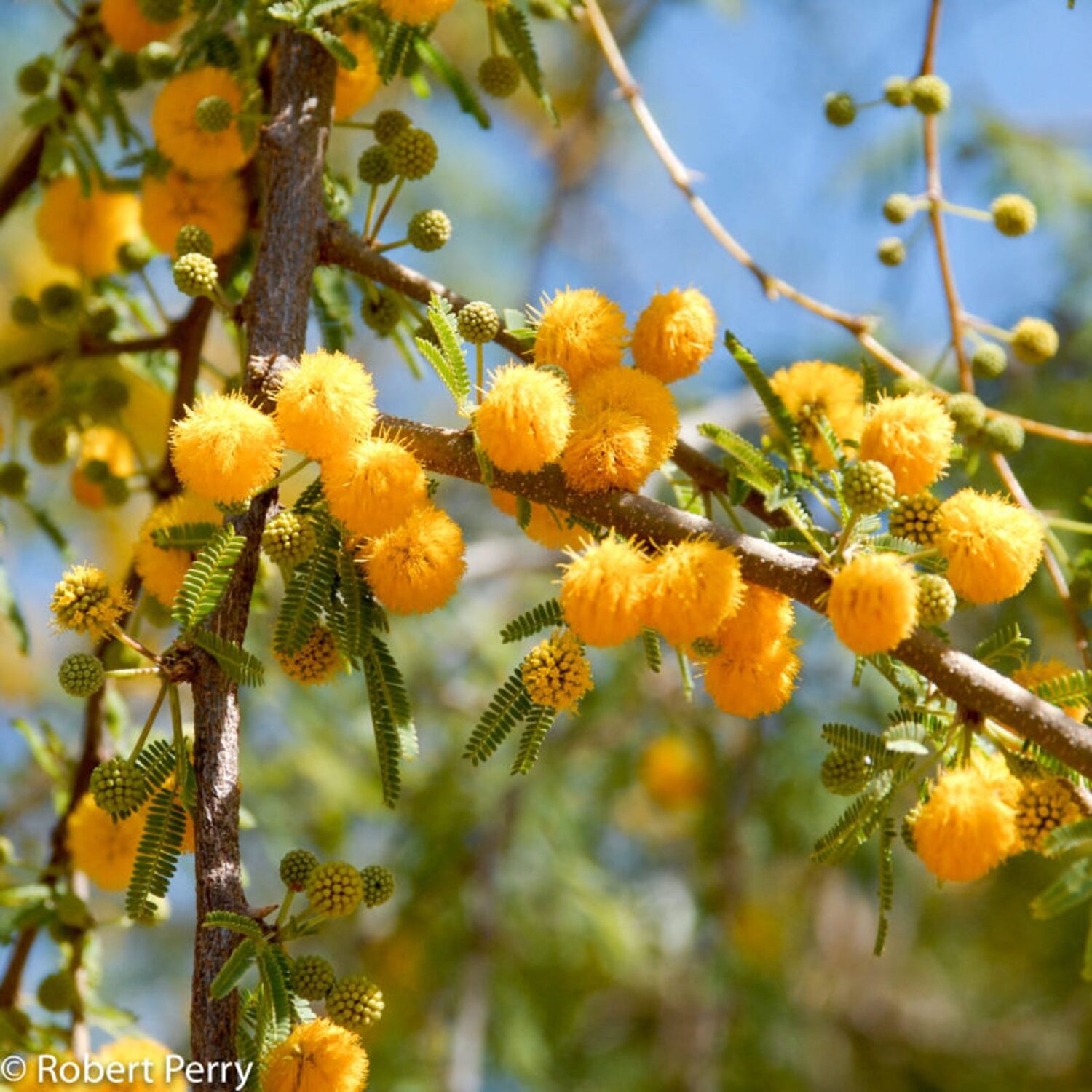
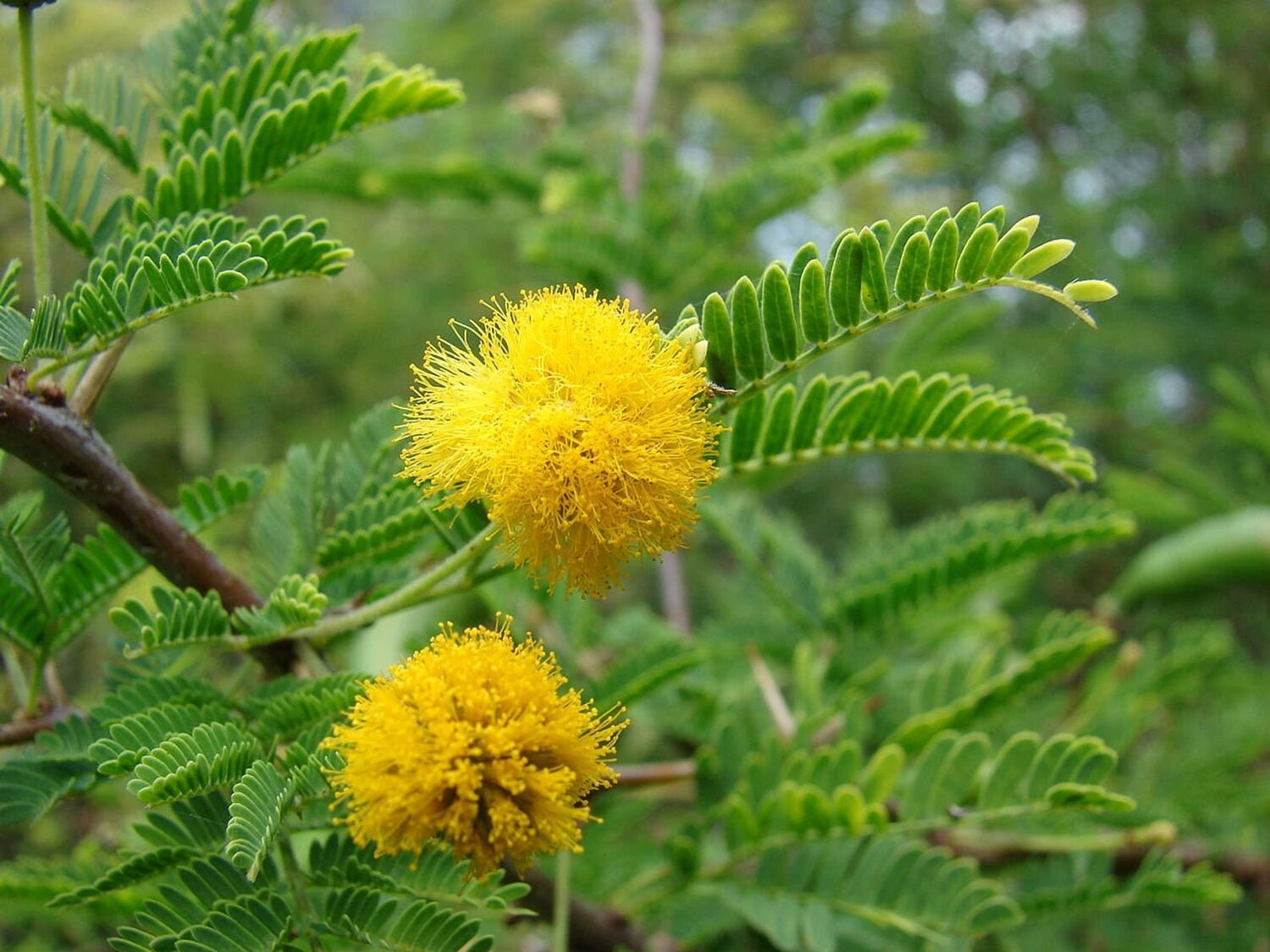
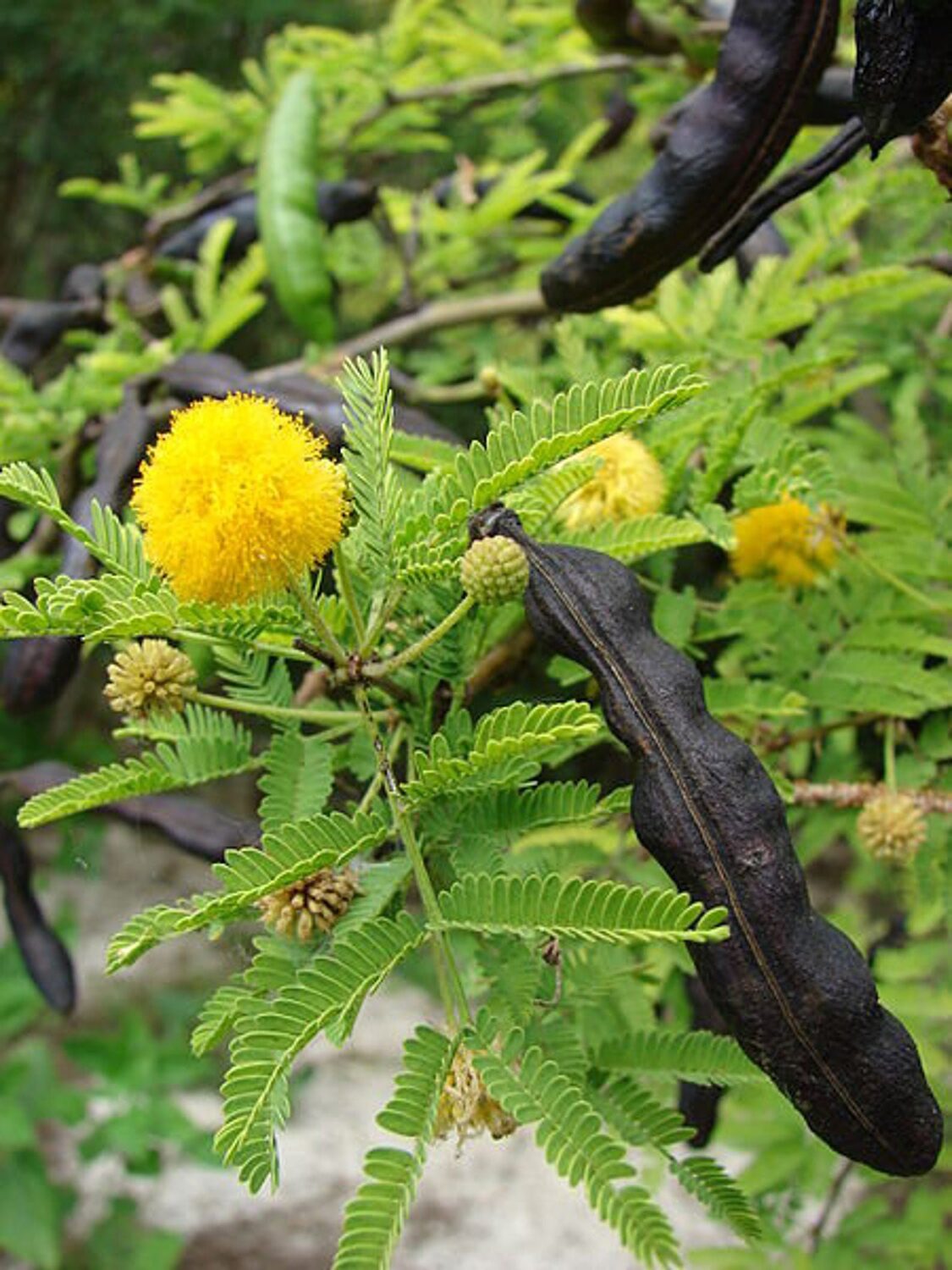
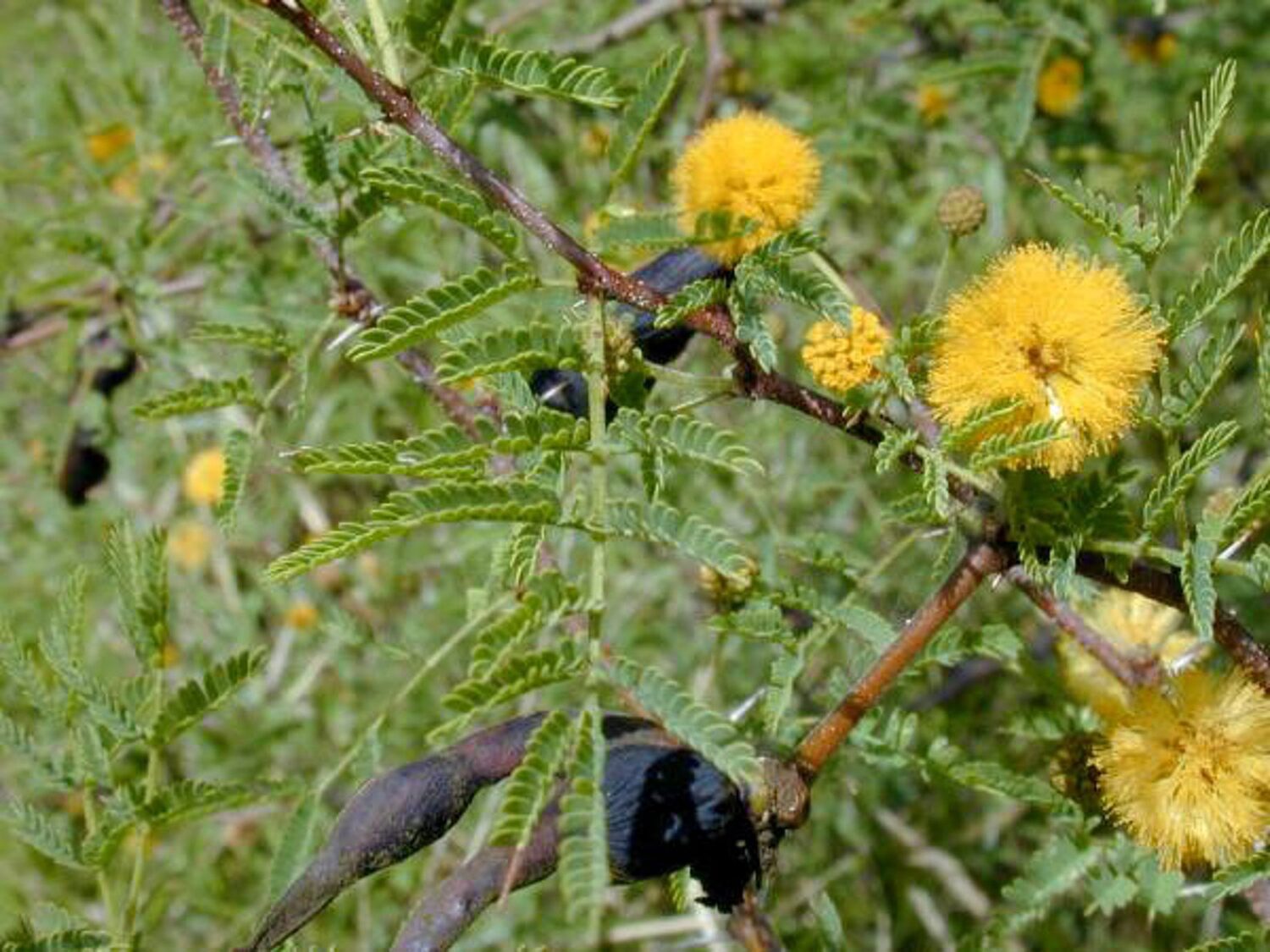
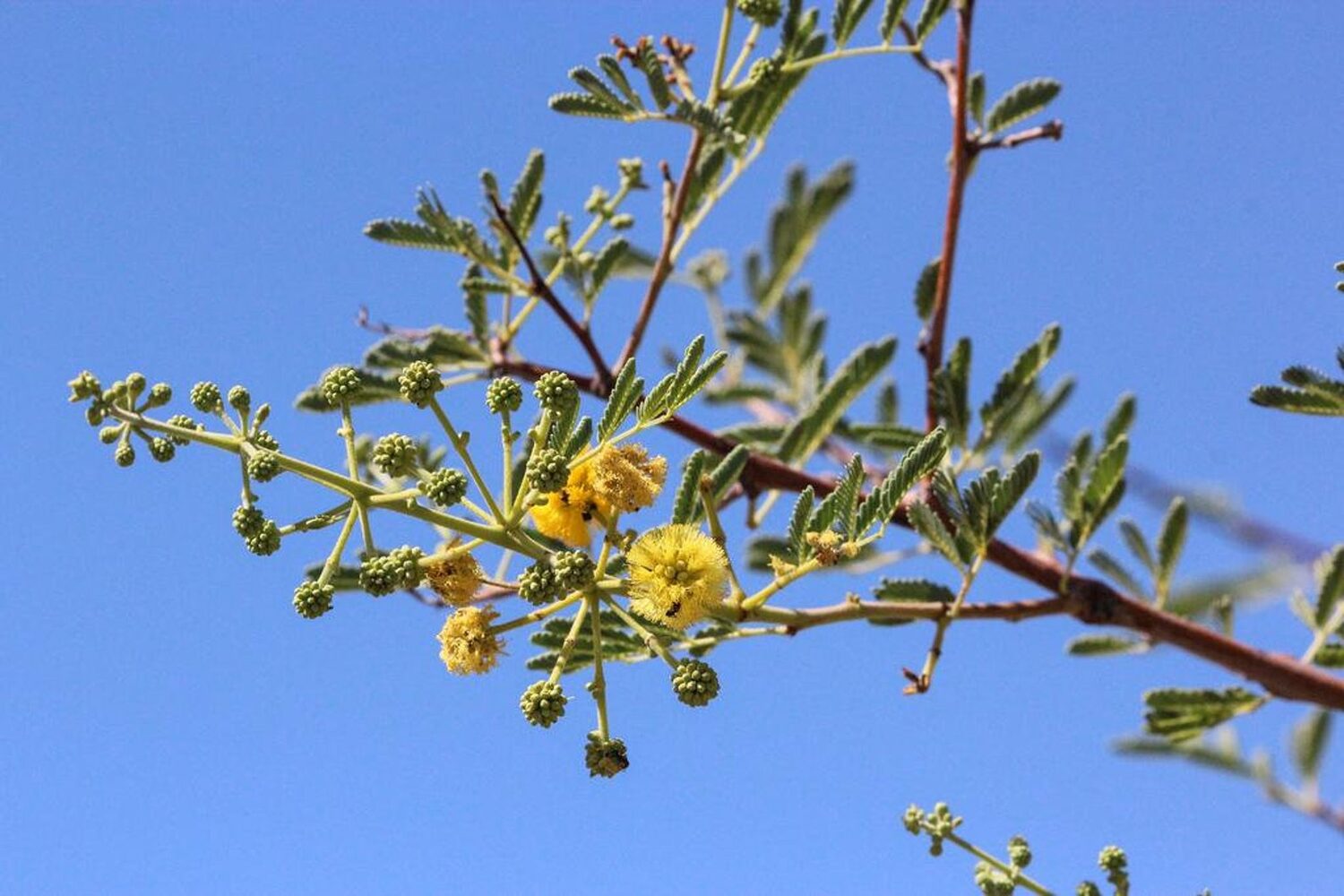
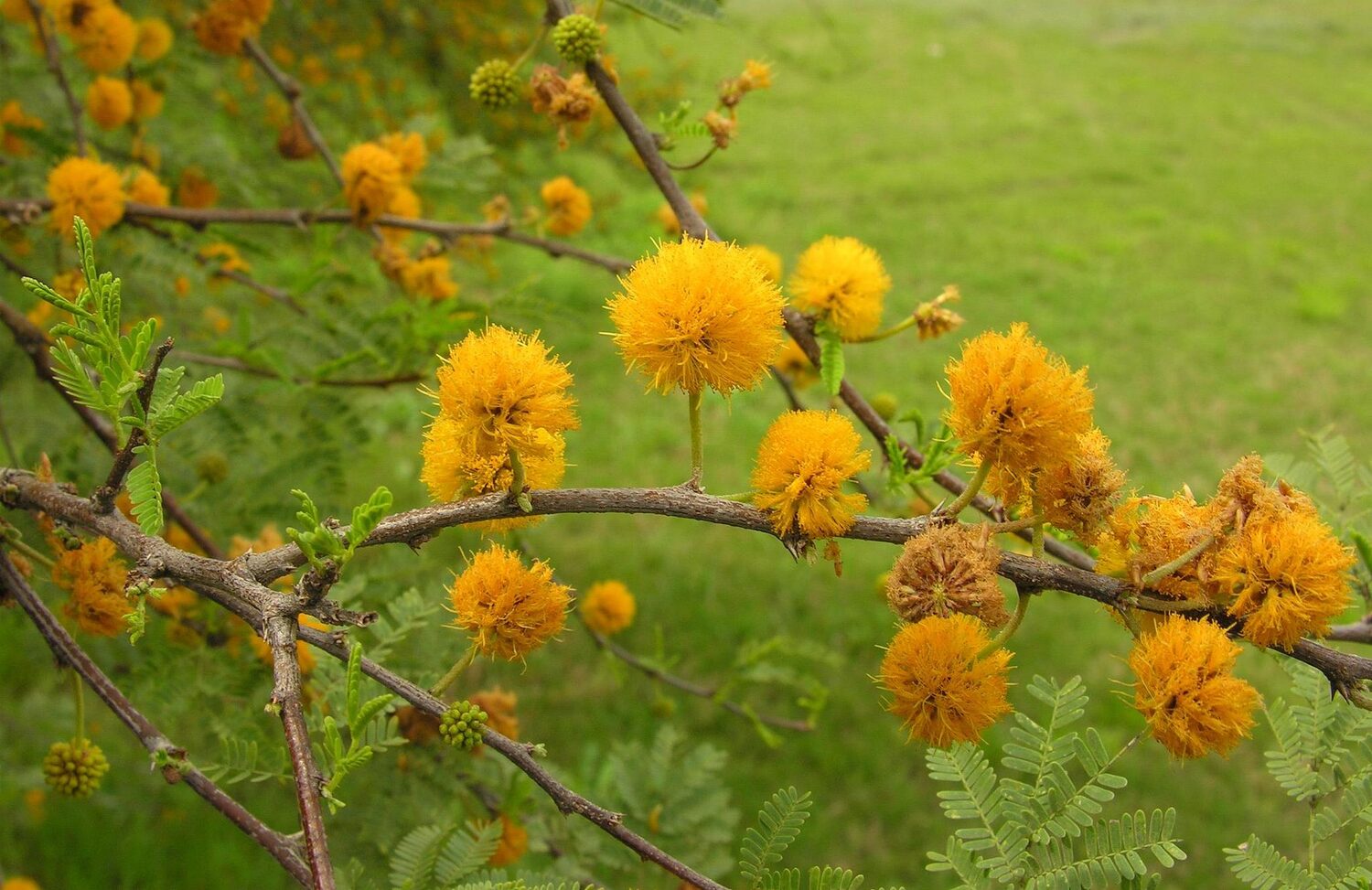
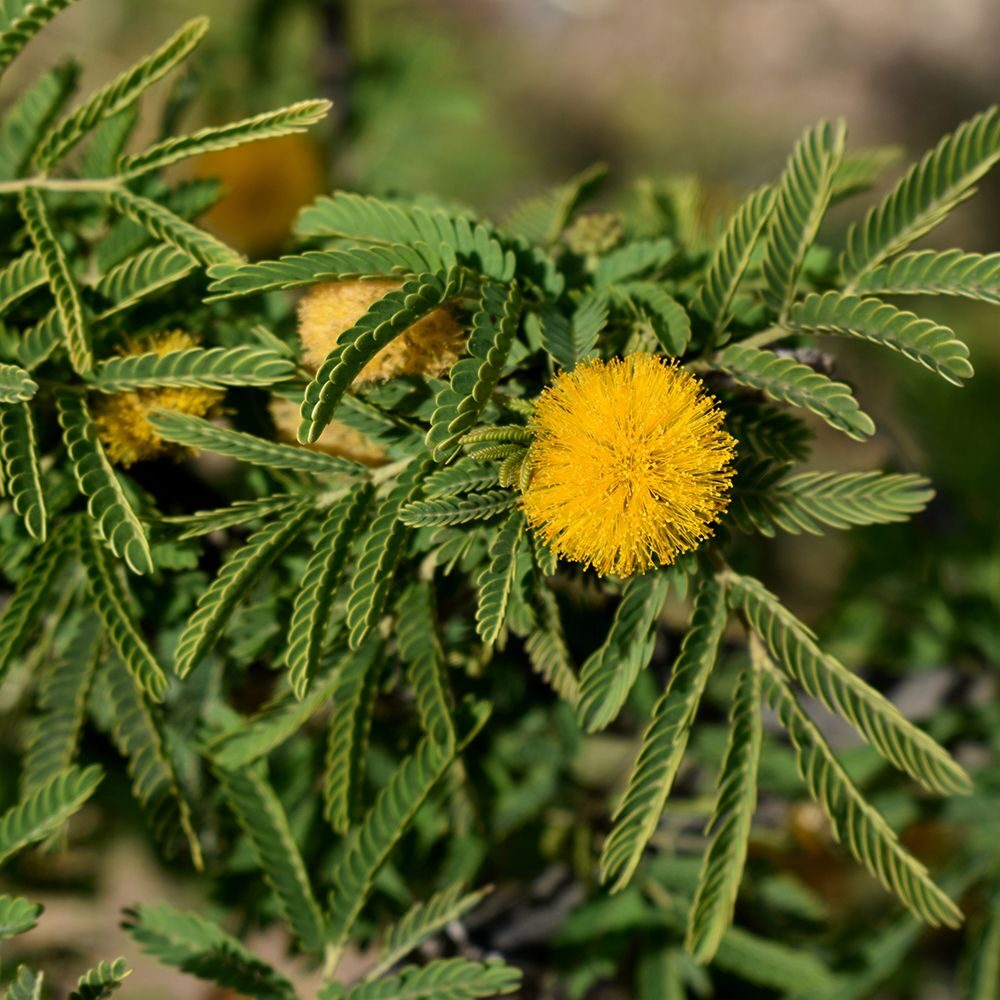
One of the most fragrant of all North American native plants—this is Vachellia farnesiana, the botanical treasure behind the world’s most coveted perfume absolute. There’s a reason women in the Grasse region of France once carried these flowers before dawn, harvesting them to preserve the fragrance before heat dissipated it. The scent is worth the obsession.
First described from European gardens in 1625, imported to Italy from Santo Domingo, the species honors Odoardo Farnese of the notable Italian family who maintained some of the first private European botanical gardens. For centuries, this plant has been cultivated across three continents—Africa, Asia, the Americas—because growers understand its unmatched commercial and sensory value. Native to Mexico and the southern United States, it adapts beautifully to tropical and subtropical regions.
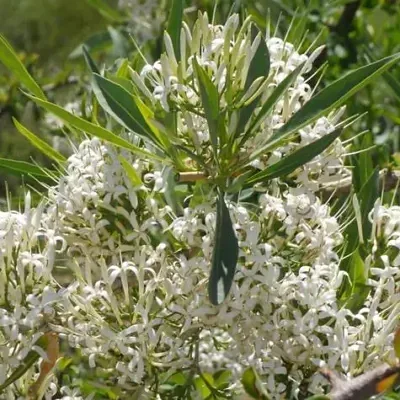
**THE FRAGRANCE THAT BUILT EMPIRES:** The air around Sweet Acacia blooms fills with an intensely sweet, complex perfume often described as combining vanilla, orange blossom, and a touch of spice. An essential oil called Cassie is distilled from the flowers, employed in preparation of violet bouquets and extensively used in European perfumery. The oil has a fragrant honey sweet floral bouquet with hints of violet and tenacious powdery balsamic undertone. The flowers provide the perfume essence from which the biologically important sesquiterpenoid farnesol is named—the chemical that resulted in the name for this entire class of biosynthetic compounds. A mature plant aged ten years yields 9 kg of flowers annually—enough to create your own pomades, absolutes, and tinctures. Some of the finest, most expensive perfumes are based on cassie extracted from the flowers; the traditional method involves macerating flowers and mixing with melted, purified fats until saturated, then re-melting, straining and cooling into a perfumed salve used as pomade, and when alcohol is added and left to infuse, distillation yields cassie absolute—one of the most prized of all perfume ingredients. Bonus: the flowers are highly attractive to bees, and young leaves, flowers, and seed pods are edible raw or cooked.
**CULTIVATION—EASIER THAN YOU’D EXPECT:** Sweet Acacia is low-maintenance once established, actually preferring poor soils and handling dry conditions without needing much care at all. Plant in full sun for best results. The tree tolerates a range of soil types but prefers well-draining loam, and drought avoidance mechanisms allow the plant to grow well with no irrigation once established. The species flowers from February to March, with blooms year-round, peaking in winter. From seed: scarify seeds with sandpaper or boiling water prior to soaking overnight—this achieves 62.7% to 76% emergence, compared to only 1.3% without scarification. In suitable climates, trees begin flowering from their third year.
**FALL IN LOVE, GROW IT FROM SEED:** Imagine walking into your garden at dawn, the whole landscape dizzy with perfume. Imagine harvesting your own flowers and creating the liquid alchemy that has seduced perfumers since the Renaissance. This is not a decorative whim—this is growing a legend, a plant so prized it has been cultivated across continents for over four centuries. Known for its fragrant yellow flowers, nitrogen-fixing roots, and remarkable resilience in arid environments, Vachellia farnesiana rewards patience with abundance. Start from seed today. In three years, your tree will bloom. In ten, it will pour forth fragrance and flowers enough to bottle your own immortal scent.
Only logged in customers who have purchased this product may leave a review.
Reviews
There are no reviews yet.