FREE SHIPPING OVER €30 FREE SHIPPING OVER €30

Canna indica — Edible Canna Lily | Harvest tropical starch & stunning blooms

Native to tropical and subtropical regions of Central and South America and the West Indies, Canna indica rewards you with dual treasures: showy flowers in yellow and red tones that attract hummingbirds and pollinators, and large, banana-like leaves that create instant tropical drama. But the real magic lies below ground—the rhizomes are processed into starch, verm

1.92

SKU: P-1839 Category: Tags: , , ,

You May Also Like

Description

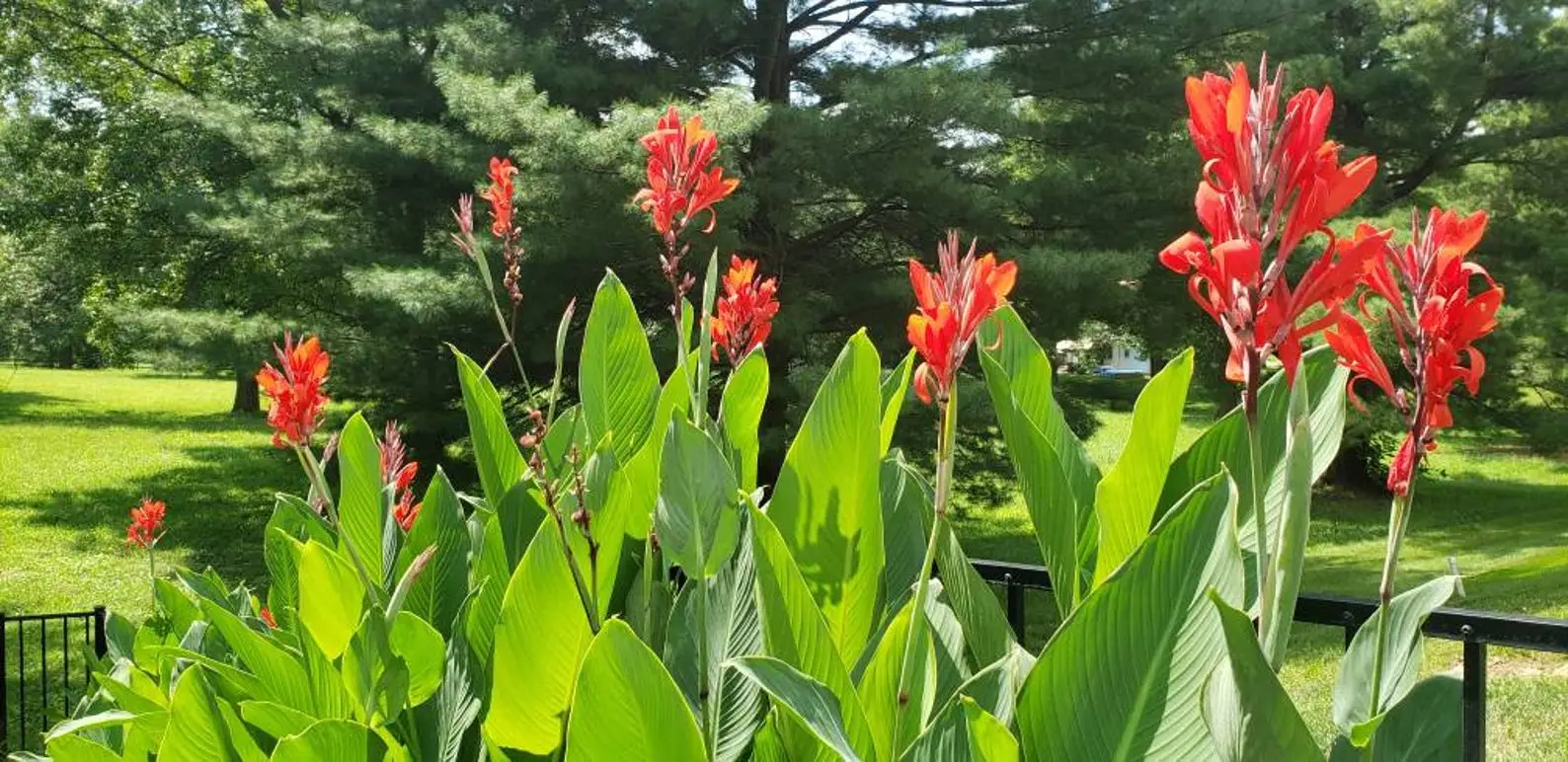
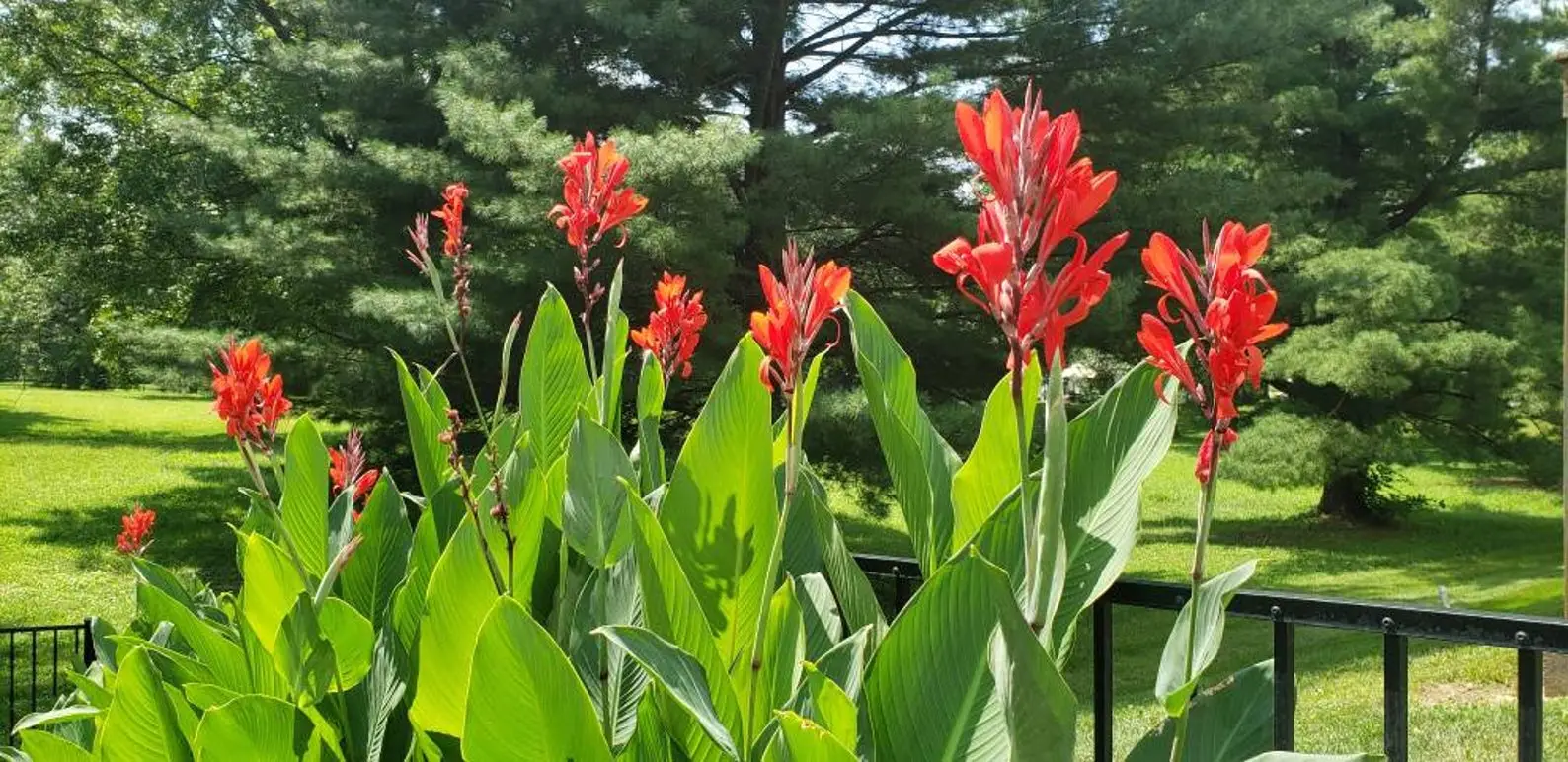
This perennial herbaceous plant grows from tuberous rhizomes, reaching heights of 0.5 to 2.5 meters, with erect stems and large, banana-like leaves measuring 30–60 cm long and 10–25 cm wide, in shades of green or violet-green.

Canna indica, commonly known as Indian shot or Queensland arrowroot, is native to tropical and subtropical regions of Central and South America, as well as the West Indies. In the 1950s, it was introduced to China as a perennial ornamental crop, mainly planted in parks and home gardens in Guizhou for ornamental purposes. During China’s food shortage from the late 1950s to early 1960s, the plant’s tubers became important sources of famine food, leading to its use as a commercial food crop. What began as a tropical beauty has become a versatile powerhouse across three continents—ornament, staple, medicine.

**Grow For Your Kitchen: The Edible Rhizome Revolution**

Edible canna is the common name for Canna indica, an Andean crop gaining attention due to characteristics of its rhizome starch that distinguish it from other roots and tubers. Canna starch is currently used in some regions of Latin America for producing traditional baked products and desserts. In Asian countries such as China and Vietnam, it is industrially produced mainly for the elaboration of starch noodles. The rhizomes are boiled or roasted and can be eaten like potatoes. Starch can be extracted from the roots by rasping the tubers, then washing the starch out and straining out the fibres. In Ecuador and Colombia, the leaves are commonly used to wrap and boil the traditional food called “tamal.” You don’t need to wait for harvest festivals in the Andes—grow them yourself and unlock centuries of culinary tradition. Beyond the rhizome, the young shoots can be eaten as a green vegetable, and the young flowers and seeds are also edible.

**The Look That Stops Traffic**

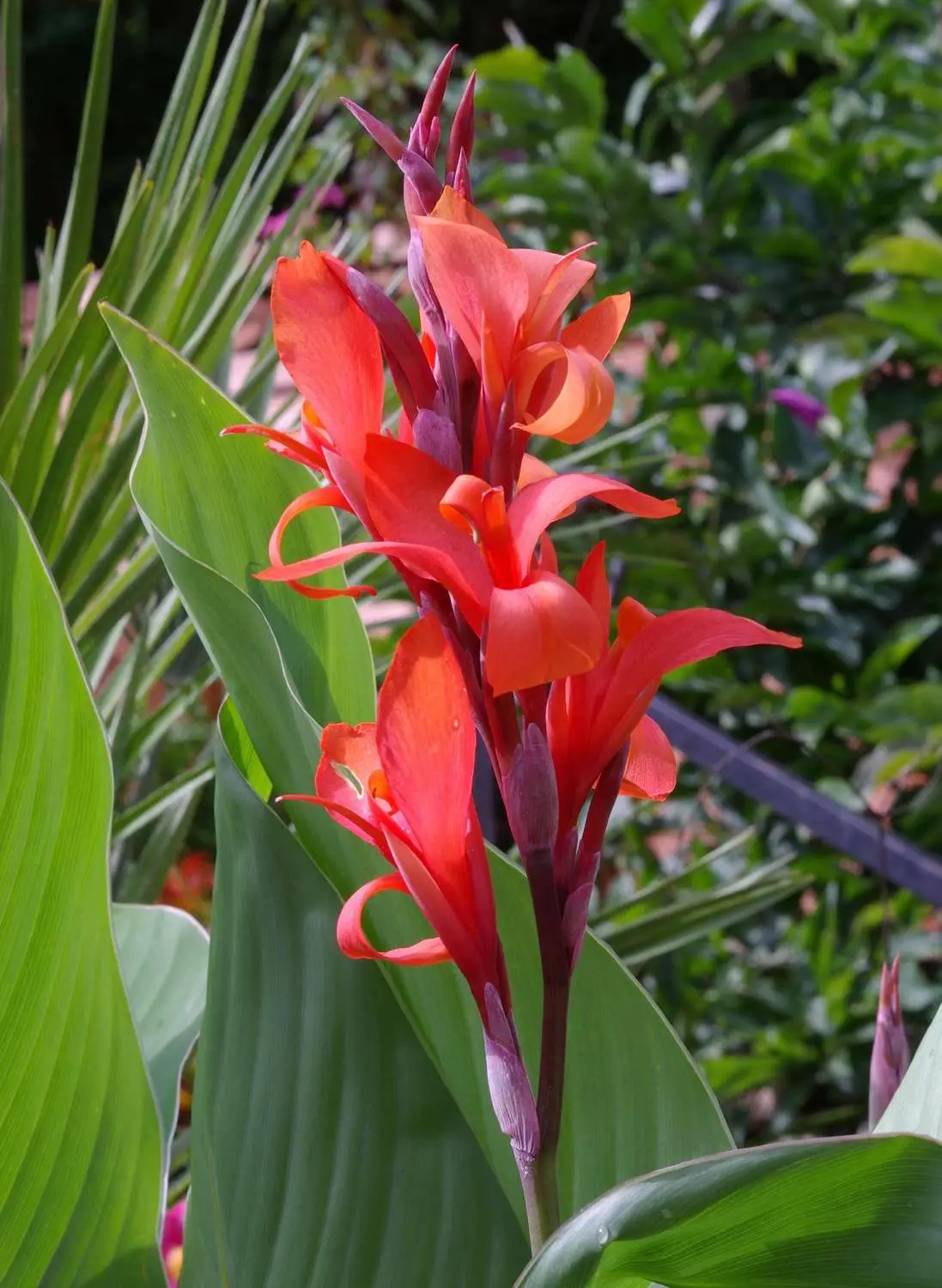
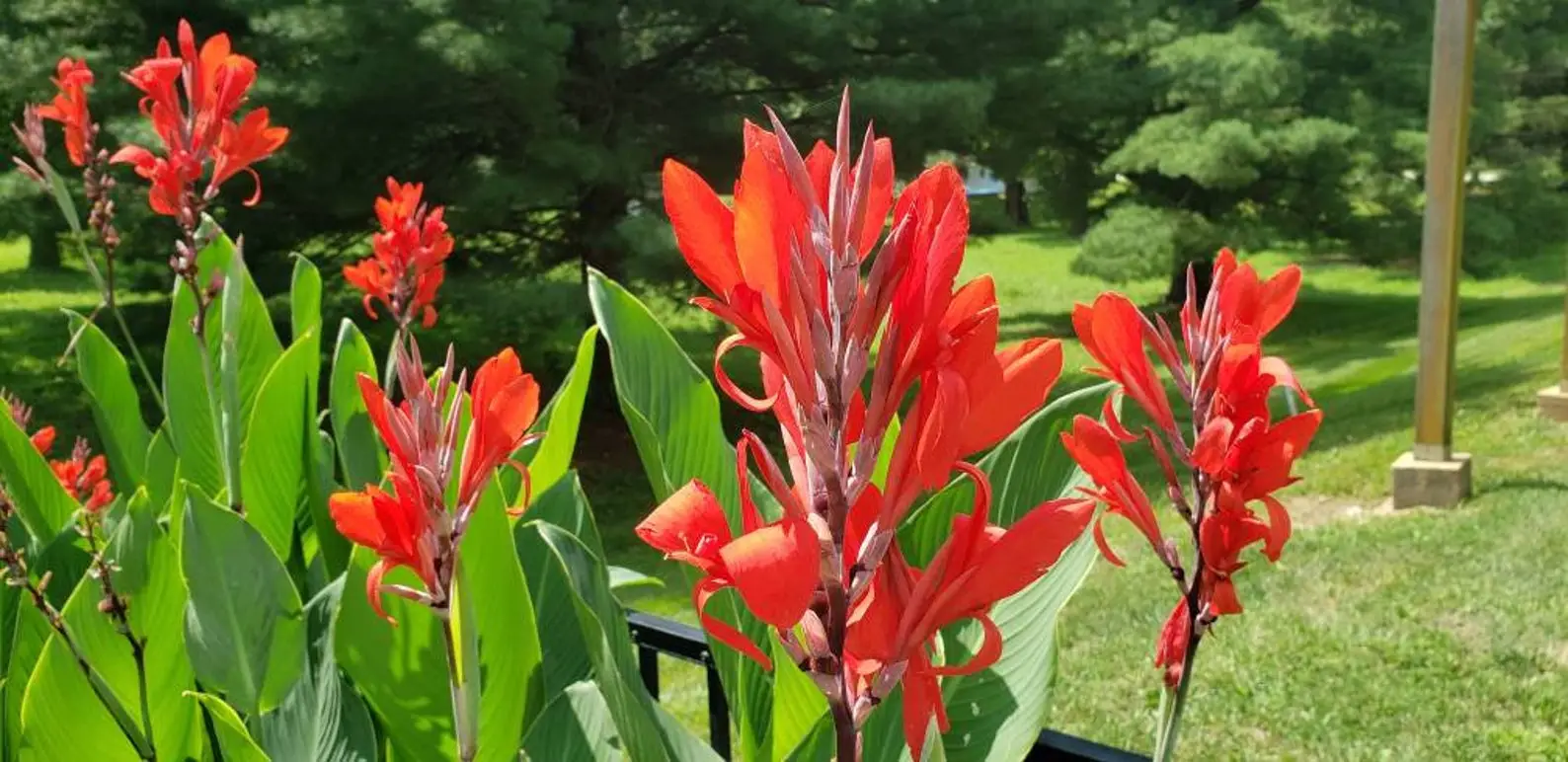
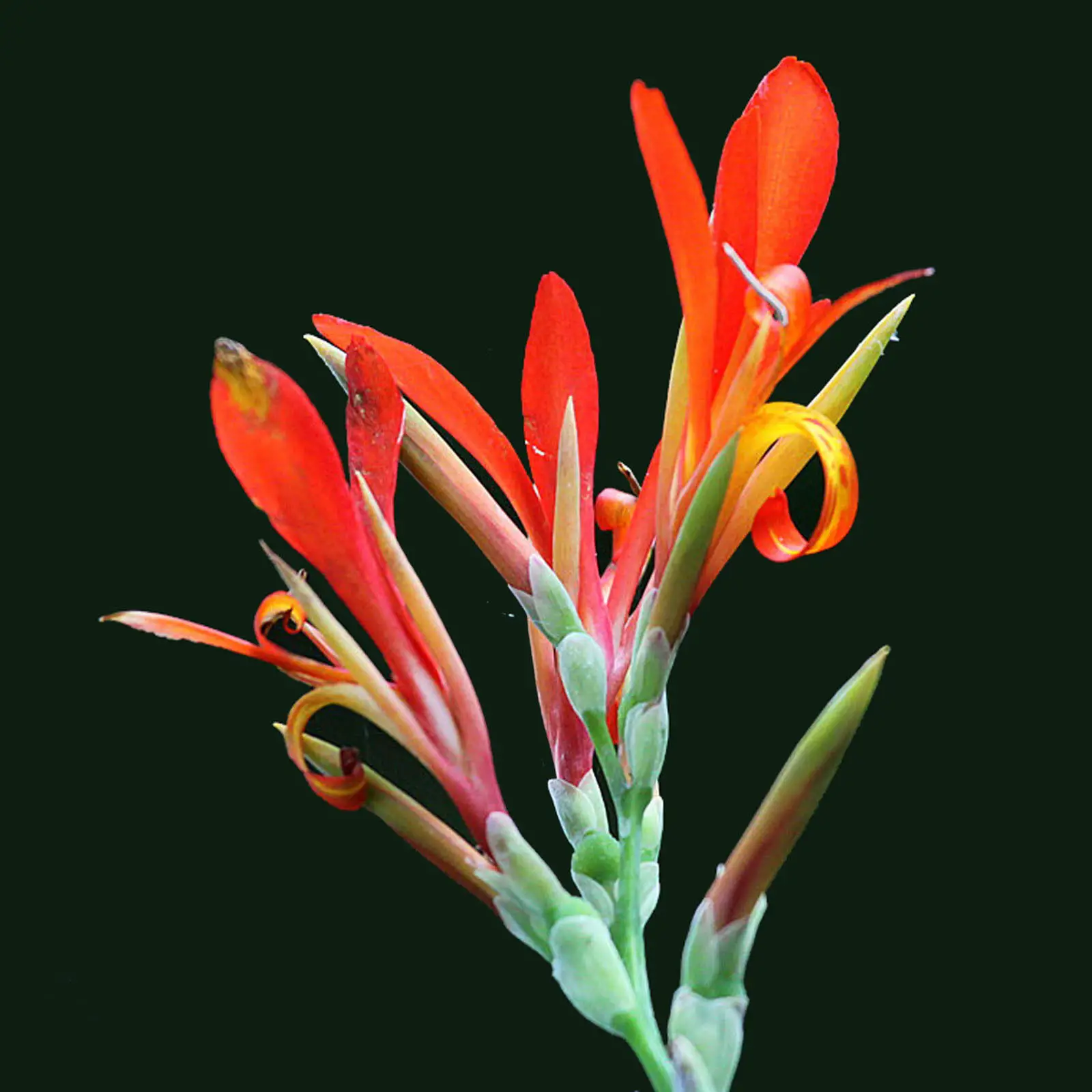
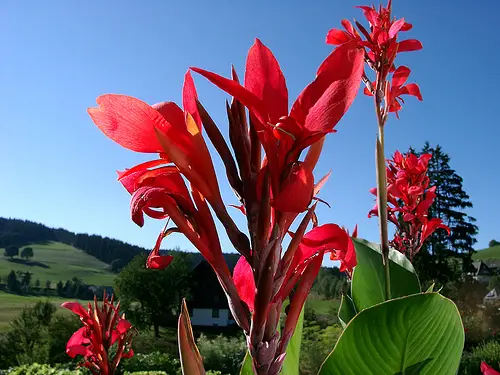
The plant produces showy flowers in a thyrse inflorescence from August to October, featuring pale yellow to red petals and prominent staminodes in red, orange, or yellow with red streaks, attracting pollinators such as hummingbirds, bees, butterflies, bats, and moths. A striking beauty with its dramatic, upright, large bronze leaves suffused purple, Canna indica ‘Purpurea’ adds height and interest to the garden and immediately provides a cheerful touch of the tropics. The flowers are edible, adding a splash of color to salads. Historically, the seeds were used for jewelry, rattles, or even as makeshift bullets due to their density. Every part tells a story.

**Healing Heritage: Traditional Medicine & Wellness**

Canna indica has a rich history of traditional use in treating ailments like inflammation, malaria, dysentery, fever, dropsy, and diarrhea. Studies reveal that it demonstrates bactericidal, antiviral, anthelmintic, molluscicidal, anesthetic, immunomodulatory, cytotoxic, hemostatic, antihepatotoxic properties. It has the effects of clearing heat, promoting diuresis, calming the nerves, and lowering blood pressure, indicated for icteric acute infectious hepatitis, neurosis, hypertension, abnormal uterine bleeding, and leukorrhea. Leaves and branched rootstocks are traditionally used to treat malaria, dysentery, fever, and wound healing. While not a substitute for modern medicine, this tropical ally has earned respect in traditional healing systems worldwide.

**Effortless Abundance: How to Grow From Seed**

The plant has low soil requirements, can tolerate poor soils, a

Germination Guide

🌍 Central America, South America, West Indies
Moderate

Canna indica (Indian shot) is a tropical ornamental perennial native to Central and South America. Seeds have extraordinarily hard, dense seed coats that require mandatory pretreatment to achieve germination. Though challenging, germination is achievable with proper scarification and soaking techniques.

Germination
Germination time
Expect germination in

7 – 30 days

Temperature

Min 18°C
Ideal 21°C
Max 23°C

Light
☀️ Light required

Substrate moisture
💧 Medium

Sowing depth
Lightly covered

Germination rate
52 %


Seed Pre-treatment
  • 💧

    Soaking — 24 hours
    Soak in lukewarm water for 12-24 hours after mechanical scarification. Some sources recommend hydrogen peroxide (0.5 teaspoon per 2 cups water) to prevent fungal issues. Can substitute soaking for scarification alone as alternative method.
  • 🔨

    Mechanical scarification
    Seeds have extremely hard coats. Scarify using file or sandpaper to nick seed coat until light color (endosperm) is visible. Alternative: hot water treatment (50°C for 30 minutes) or sulfuric acid (3-4 hours). Mechanical scarification is most common home method.
  • 📋

    Additional notes
    Pretreatment is necessary; seeds will not germinate without it. Hot water (50°C/122°F for 30 minutes) achieved maximum germination (52.66%) in scientific studies. Sulfuric acid treatment (3-4 hours) also effective. All methods aim to soften extremely hard seed coat.

Substrate & Container
Recommended substrate
Seed starting mix, multipurpose compost, or Jiffy Mix. Sterile medium recommended to prevent damping-off.

Recommended container
Small pots (3-4 inch) or cell trays. Maximum 4-5 seeds per pot to reduce transplanting difficulty.


Growing Tips
Keep soil moist but not soggy during germination. Cover pots with plastic wrap to retain moisture. Once seedlings emerge, move to bright light. Transplant when 6+ inches tall. Expected time to first bloom: approximately 100 days after planting. Seeds can germinate in jar during soaking if given 10+ days with hydrogen peroxide added to water.

Reviews

There are no reviews yet.

Only logged in customers who have purchased this product may leave a review.

Related Products