Description
Imagine a flower that electrifies your mouth—literally. That’s Acmella oleracea, the Electric Daisy, a plant that doesn’t just look beautiful—it rewires your senses with an electric sensation unlike anything you’ve ever tasted.
Native to the tropical regions of South America, particularly Brazil and Peru, this herbaceous flowering plant from the daisy family has traveled the world, carrying with it centuries of culinary tradition and folk medicine wisdom. In traditional Amazonian culture, the Toothache Plant was valued as both medicine and ritual herb. From Brazil to Madagascar to Thailand, this herb appears in regional cuisines and traditional remedies under a dozen beloved names: jambu, buzz buttons, paracress, toothache plant.
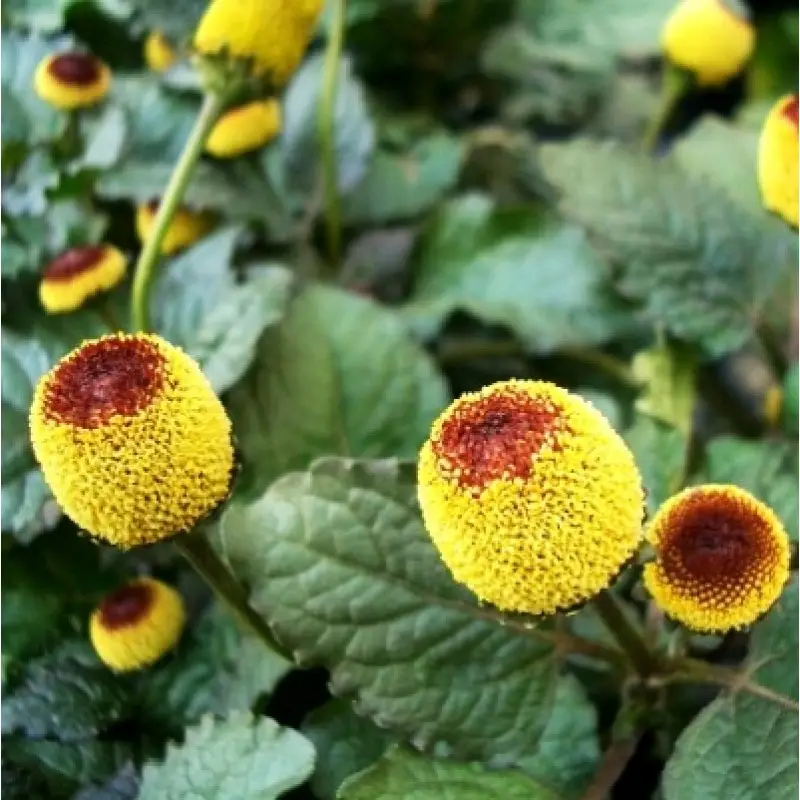
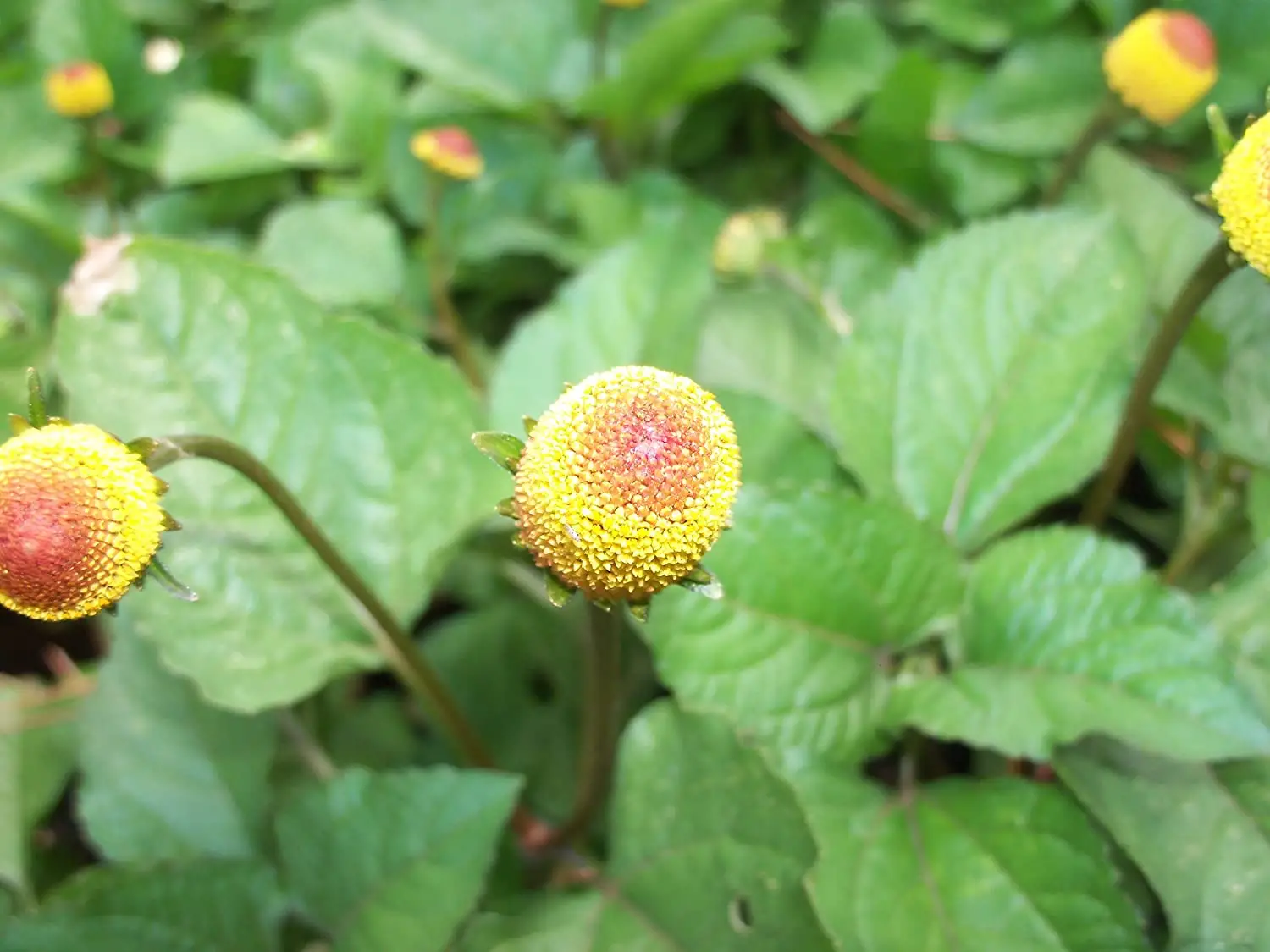
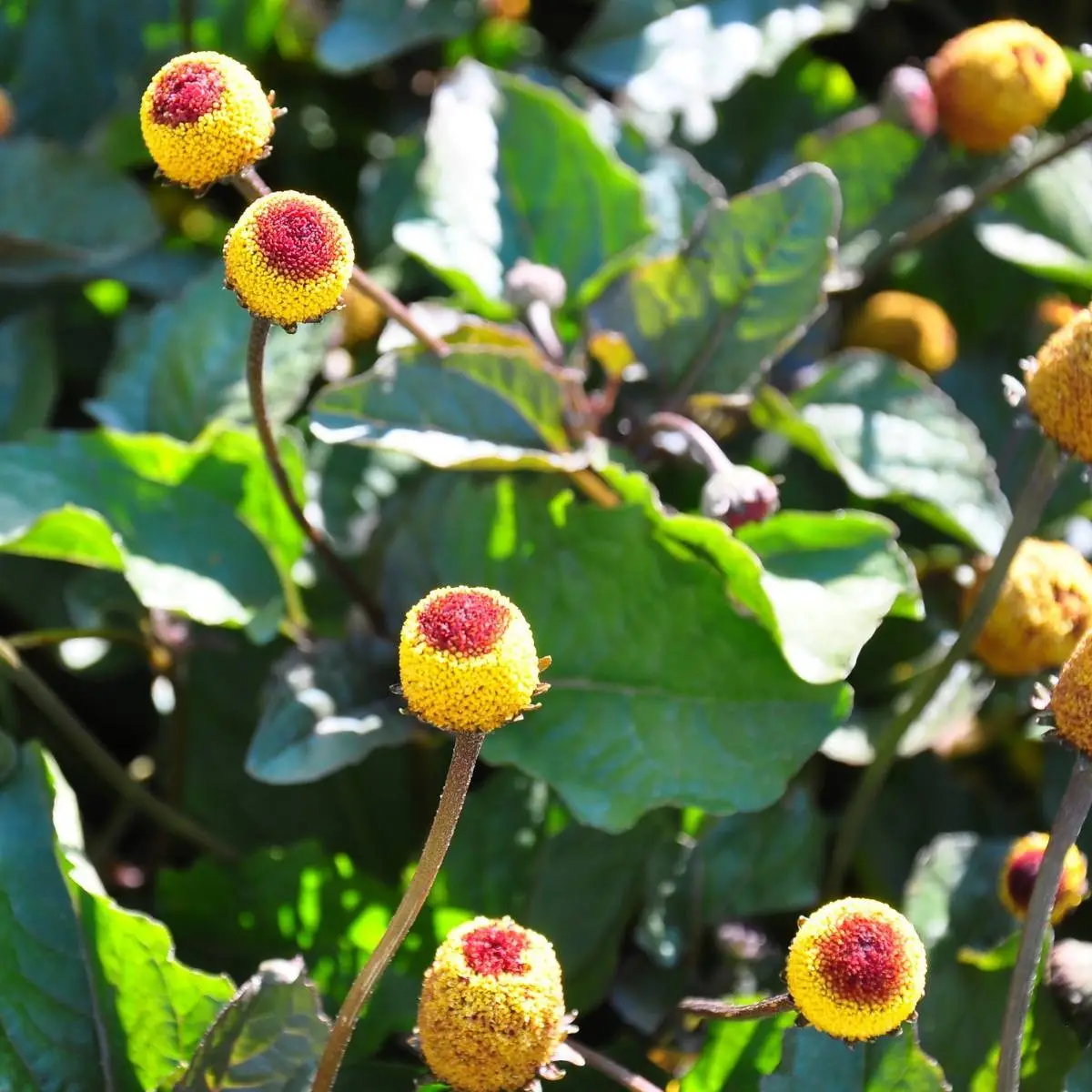
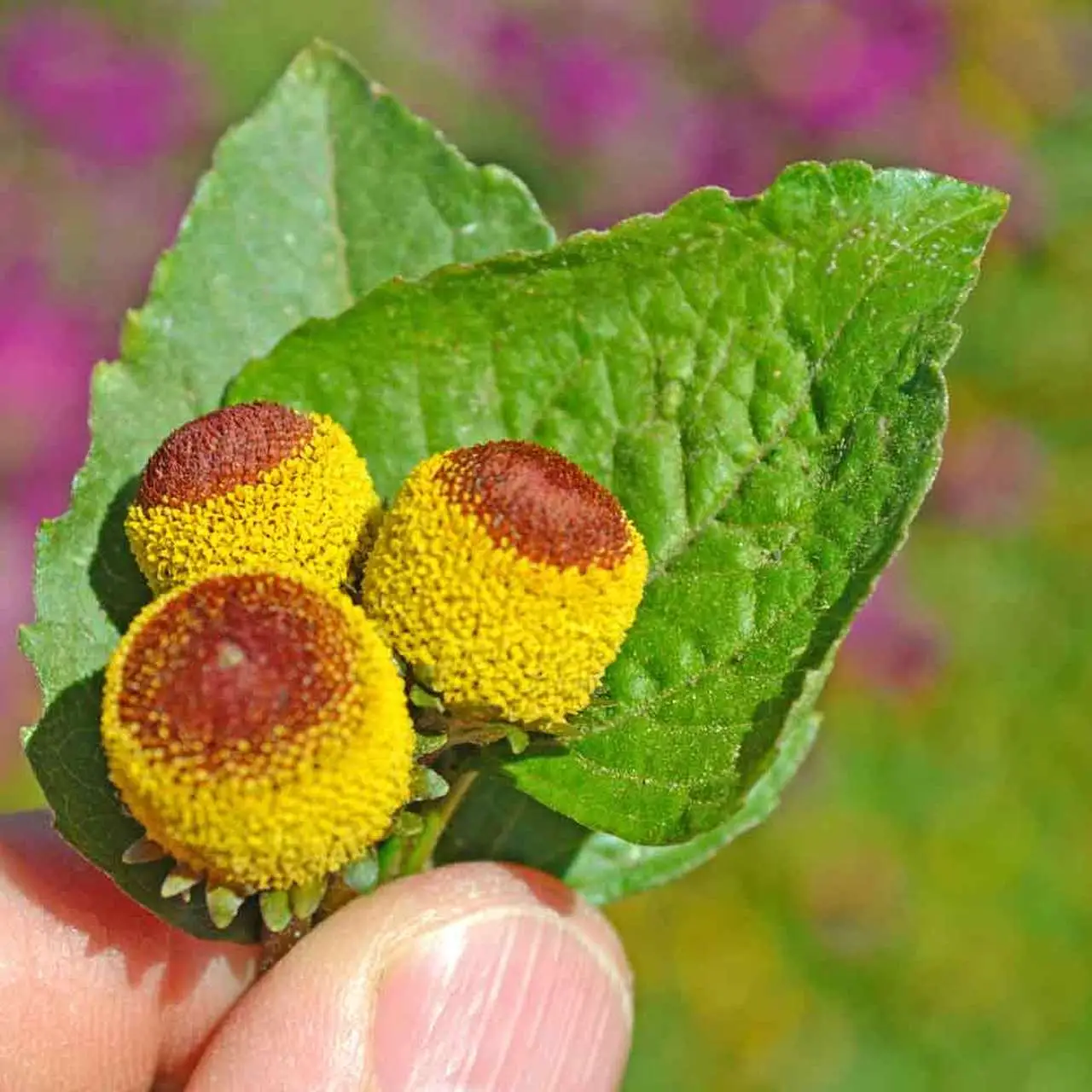
Here’s where this plant becomes truly extraordinary: Acmella oleracea’s stunning golden blooms with crimson hearts contain spilanthol, a compound that creates an unforgettable tingling, numbing sensation perfect for gourmet cuisine, craft cocktails, and natural pain relief. A strong, spicy warmth spreads outward across one’s tongue, turning into a prickling sensation. With this the salivary glands leap into action. As the prickling spreads, it mellows into an acidic sharpness accompanied by tingling, and then numbness. This is pure sensory theatre on your plate. The leaves are used, but the most active part of the plant are the flowers. Chefs use it to garnish cocktails, sprinkle on oysters, add to salsas—anywhere you want that electric awakening. The leaves add a pungent flavor to salads and soups and are high in vitamins and minerals. An extract, sometimes called jambu, is used as a flavoring agent in foods, chewing gum, and chewing tobacco. Beyond the kitchen, indigenous healers have used jambu for generations to treat toothaches, gum infections, and sore throats—the same spilanthol that thrills your palate also reduces pain and fights oral bacteria.
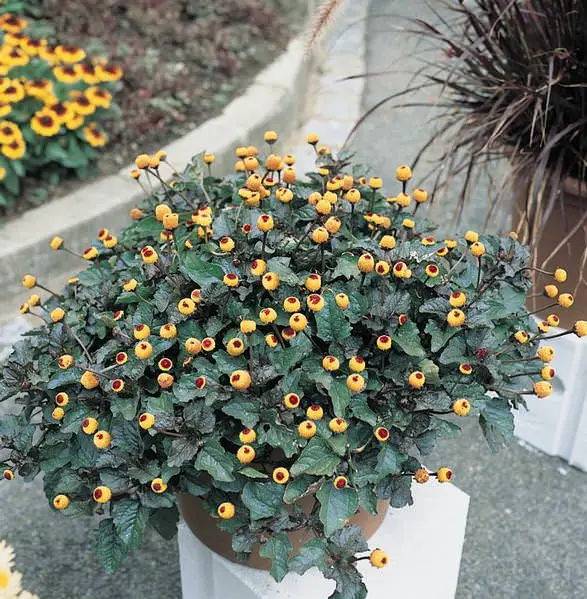
Toothache plant is an easy annual to grow and produces flowers continuously until first frost. Very easy to grow in virtually any location. This is a no-fuss plant that rewards minimal effort with maximum sensory payoff. The plant will grow 1-1.5 feet tall and wide and prefers moist, well-drained, organically rich soils and full or partial sun. Plant in fertile, well-drained soil. Keep soil evenly moist and fertilize regularly. It thrives in containers, garden beds, or even pots on your kitchen windowsill. A single plant can produce 100–200 flower heads over a growing season. That’s an abundance of electric moments waiting to happen.
Grow Acmella oleracea from seed and you’re cultivating more than just a plant—you’re growing a conversation starter, a culinary secret weapon, a living connection to tropical tradition. Every flower bud is a tiny promise of that incomparable tingling sensation, that moment when taste becomes an adventure. This is the plant that makes people pause mid-bite and say, “What *is* that?” Grow it from seed and become the gardener everyone wants to cook with.
Germination Guide
🌍 South America, tropics of Brazil
Easy
Acmella oleracea is a herbaceous perennial native to South America, commonly known as toothache plant due to its anesthetic properties from the compound spilanthol. Seeds require light to germinate and should be surface-sown on moist, well-drained seed compost without covering.
Germination
Germination time
Expect germination in
5 – 14 days
Temperature
Min 20°C
Ideal 25°C
Max 30°C
Substrate moisture
💧💧 High
Substrate & Container
Recommended substrate
peat moss and perlite, well-drained seed compost
Recommended container
seedling tray or small pots
Growing Tips
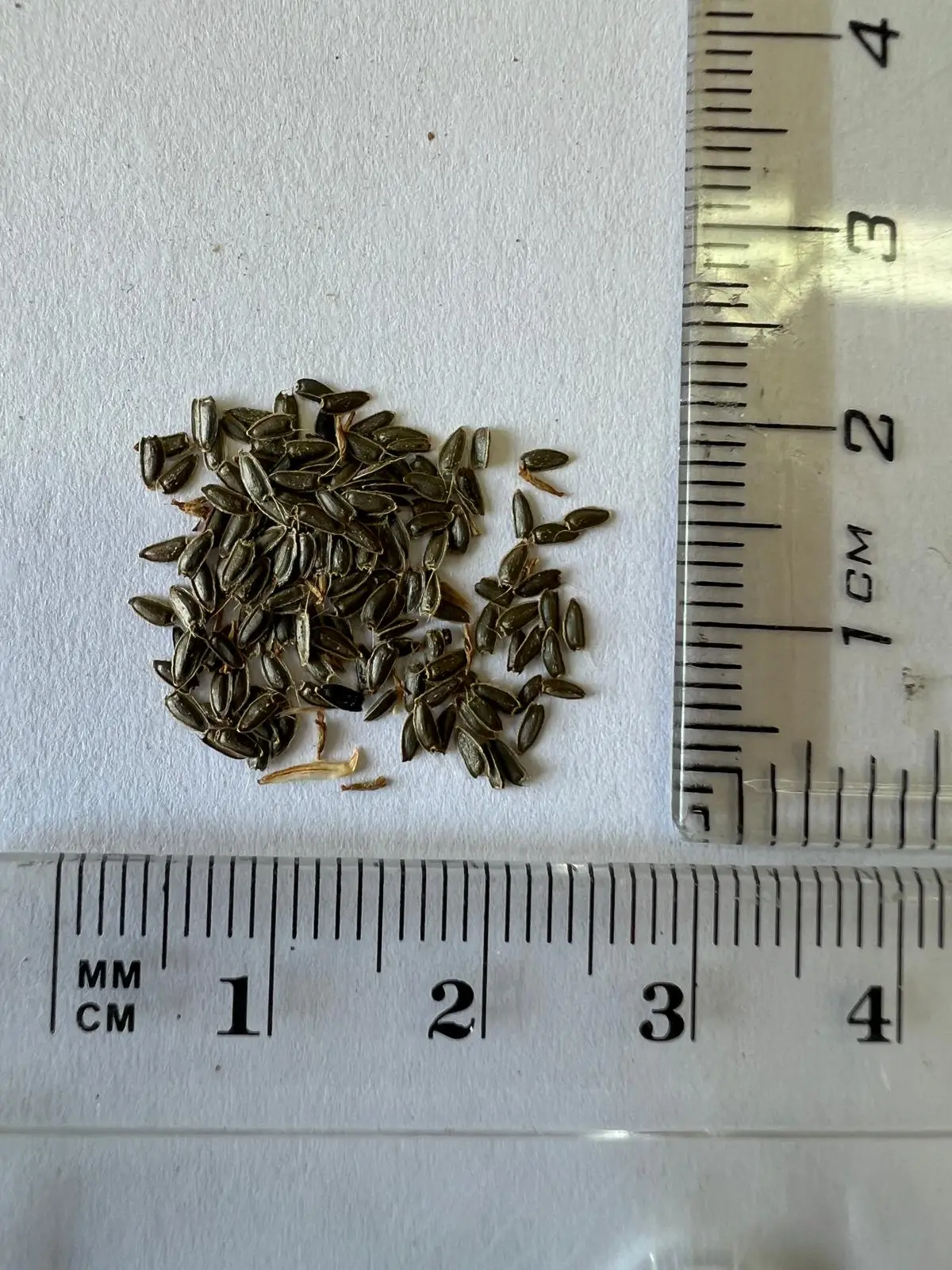
Keep seed trays moist but not wet. High humidity promotes germination. Seeds are very small (4545 seeds per gram). Start seeds indoors in frost-free conditions in spring. Transplant seedlings when large enough to handle. Plant prefers warm, sunny locations with moist, well-drained soil.
Only logged in customers who have purchased this product may leave a review.


Reviews
There are no reviews yet.