
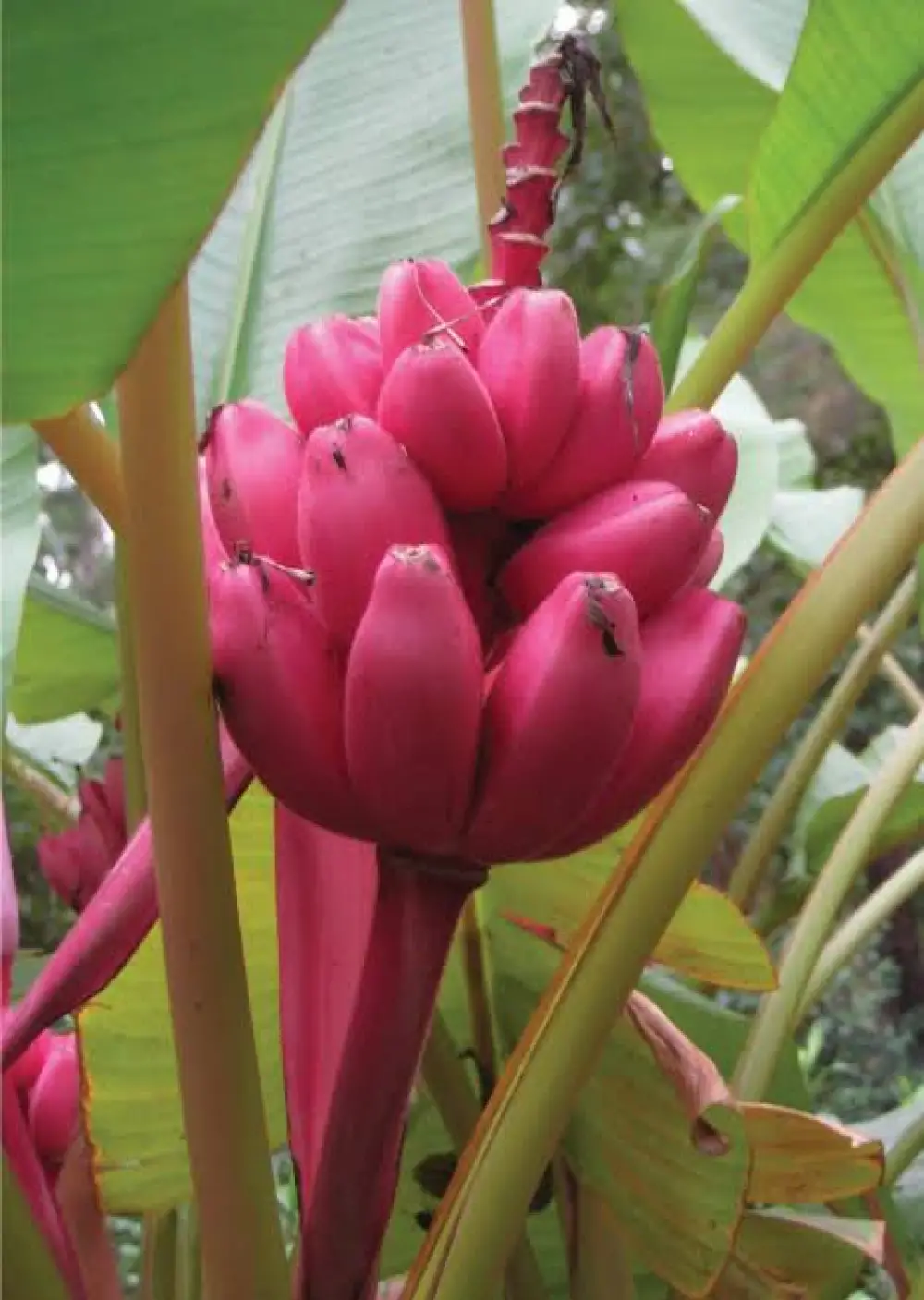
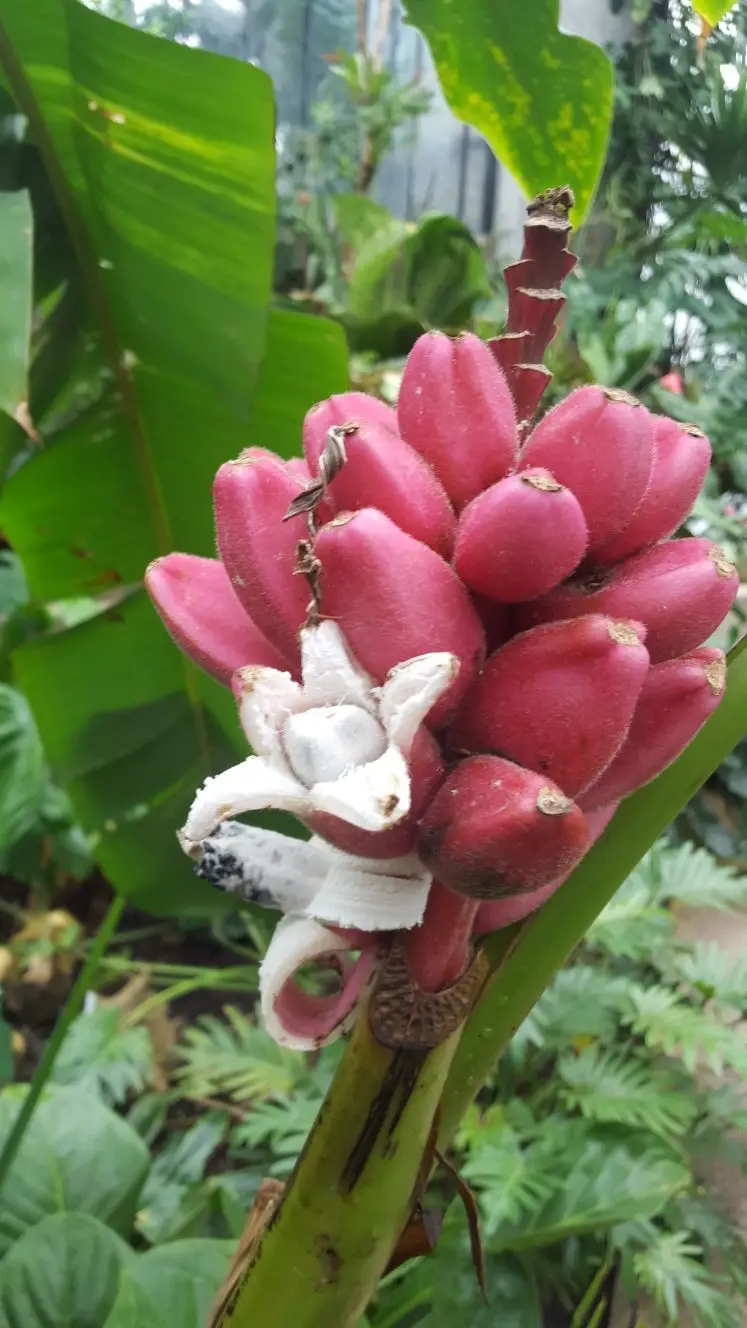
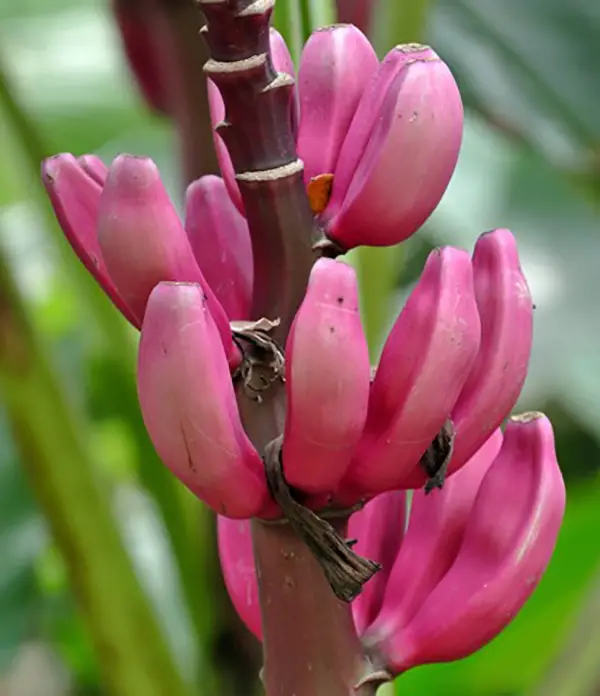
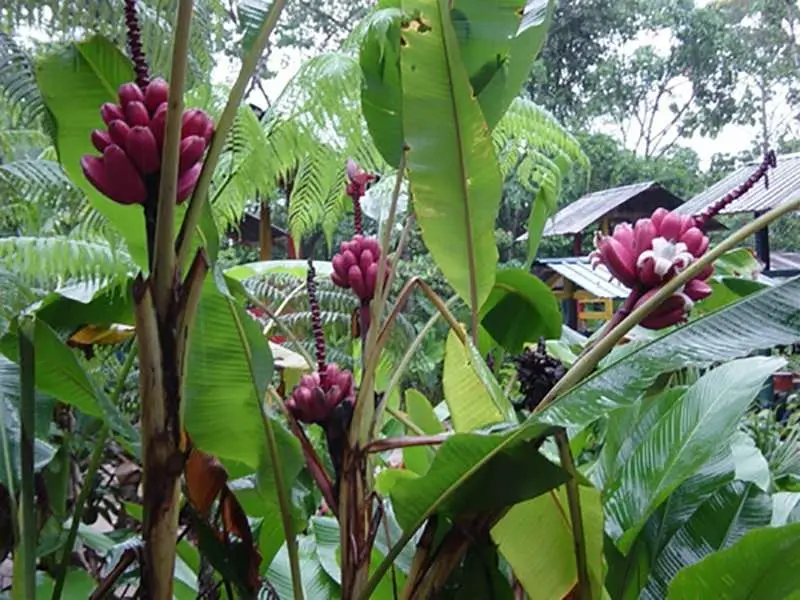
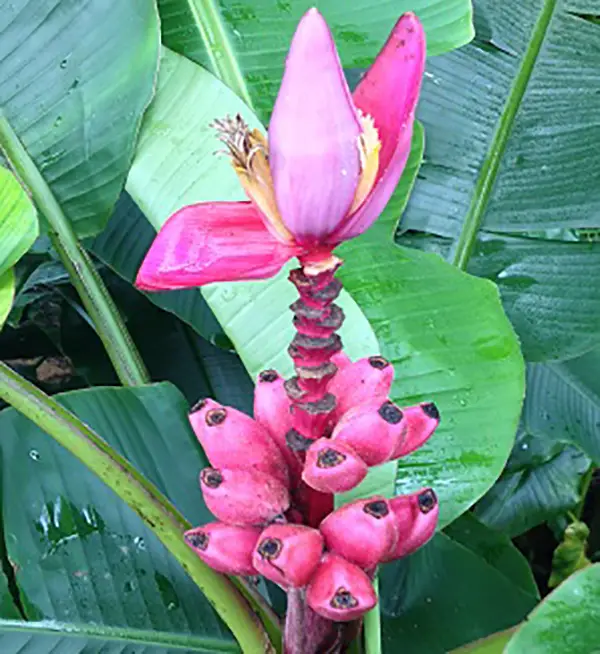
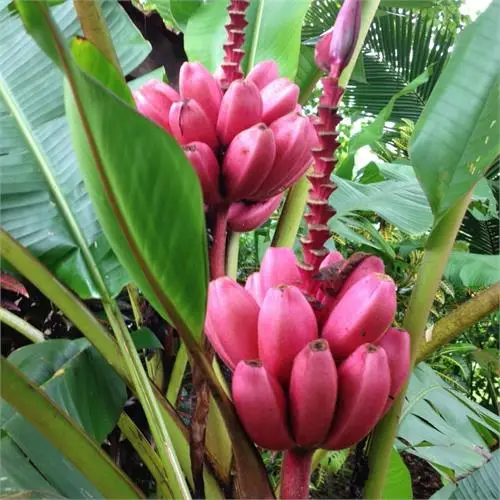
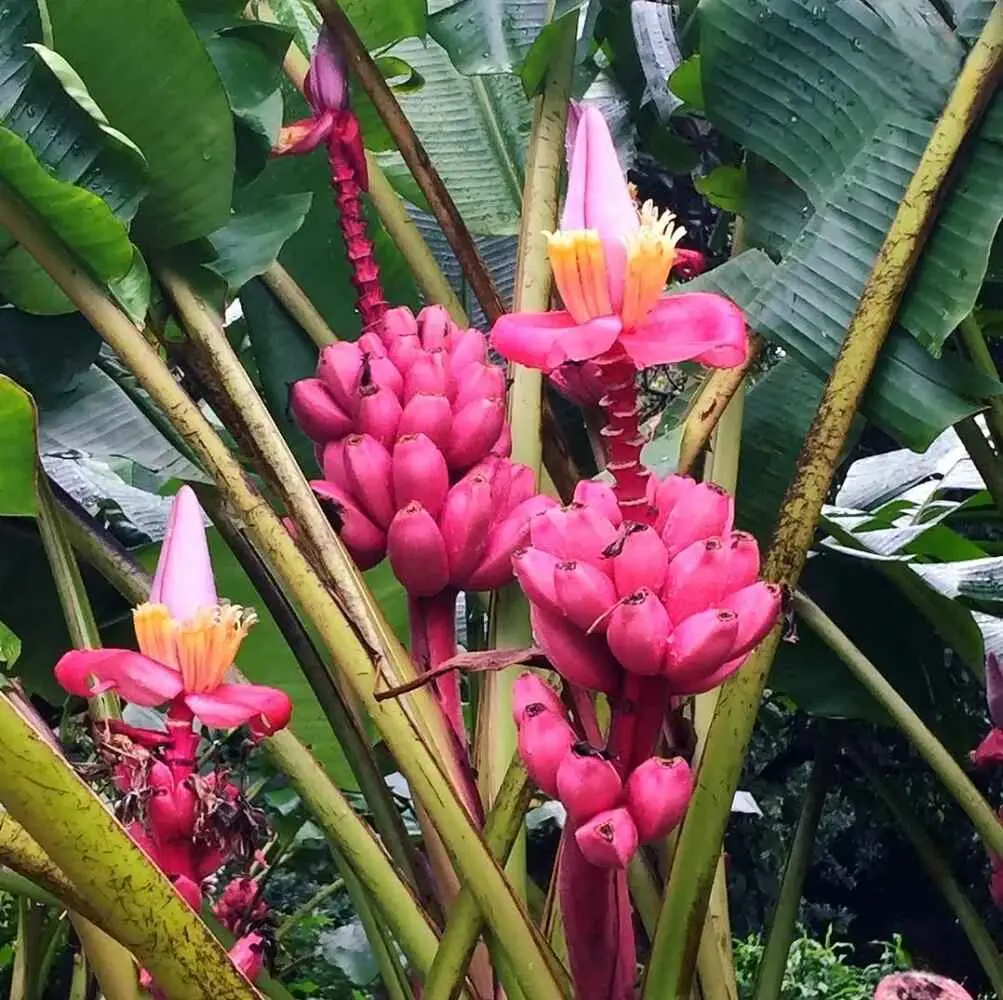
Imagine guests frozen mid-sentence, pointing at your plant. That’s Musa velutina: a compact tropical banana bursting with rosy-pink fuzzy fruit that literally peels itself when ripe, revealing creamy white flesh and dramatic black seeds. Grows just 4–6 feet tall, thrives in containers, and flowers within 2 years. Even as a houseplant, it performs. Low-maintenance and surprisingly hardy. Grow it from seed and own the garden moment everyone remembers.
€1.92
It’s the banana that stops guests in their tracks. There are plants you grow for function, and there are plants you grow for *theatre*. Musa velutina is the latter—a living conversation piece that transforms any patio, container, or indoor space into something unforgettable.
Native to the eastern Himalayan region and surrounding parts of South and Southeast Asia—think Northeast India (Assam), Bangladesh, Myanmar, and adjacent highlands—this species carries the genetic legacy of a plant adapted to monsoonal intensity. What makes it special? Compact, fast, and flamboyant, Musa velutina makes clusters of small, fuzzy pink bananas that split open on the plant to reveal inky black seeds. This is not subtle. This is *spectacle*.
While Musa velutina is primarily grown for its ornamental magnificence, it offers a delightful bonus: genuine, sweet edible fruit. In late summer the creamy flowers with pink bracts emerge and are quickly followed by clusters of small pink velvety fruits. As they ripen, the peels split open by themselves along three seams, revealing pale pulp packed with glossy black seeds. Yes, the seeds are substantial—you won’t mistake this for a ‘Cavendish’ banana—but beneath the fuzzy pink skin lies a sweet, aromatic flesh. The hairy banana’s flavour is described as mildly sweet with a hint of tanginess. Pink Banana is the recipient of the prestigious Award of Garden Merit of the Royal Horticultural Society. That accolade exists because people cannot stop growing and celebrating this plant.
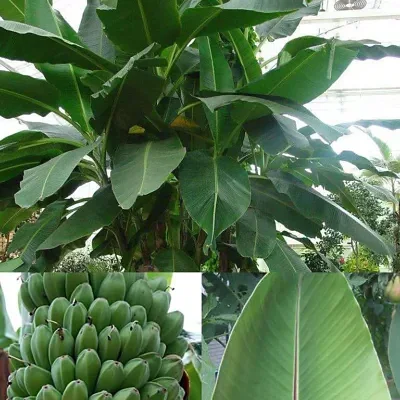
Here’s what makes this particularly irresistible: It’s compact enough for patios and small courtyards, yet theatrical—fresh green leaves, rosy-pink flower bracts, and those fuzzy little bananas that split themselves like party favors. The plant naturally stays small (maximum 2 meters), making it extremely suitable to grow in a pot or container. It can flower in its second year (sometimes first, from robust starts). Patience is rewarded quickly here. And here’s the hardiness coup: It is very cold tolerant and will survive even frosty winters outside if heavily mulched. Unlike most showboating tropical bananas, this dwarf doesn’t demand year-round warmth. It makes an excellent indoor plant and is one of the few bananas that will actually flower and fruit in the house.
Growing Musa velutina from seed rewards patience with personality. Bright light with wind protection; keep evenly moist (not waterlogged); mulch wide to steady soil moisture. More cold-tolerant than many ornamentals—often root-hardy with protection—yet happiest in warmth and steady moisture. Given warmth and water, it grows fast. Expect ~4–7 ft (1.2–2.1 m) outdoors in a good season; in large containers it’s often ~3–5 ft (0.9–1.5 m). For seed germination, first soak the seeds in warm water for 24 hours. They should be planted in fine compost and kept at a constant temperature of 20–24 °C (68–75 °F) with full natural light. They take up to around 6 months to germinate. Yes, germination is patient work—but the payoff is a plant nobody forgets.
This is your moment to grow something that makes people *stop*. Musa velutina is rarity paired with reliability, ornament paired with genuine edible reward, tropical theatre contained in a space where even apartment dwellers can dream. From seed, you’re not just growing a plant; you’re growing a story—the story of how one tiny fuzzy banana changed everything.
Only logged in customers who have purchased this product may leave a review.
Reviews
There are no reviews yet.