
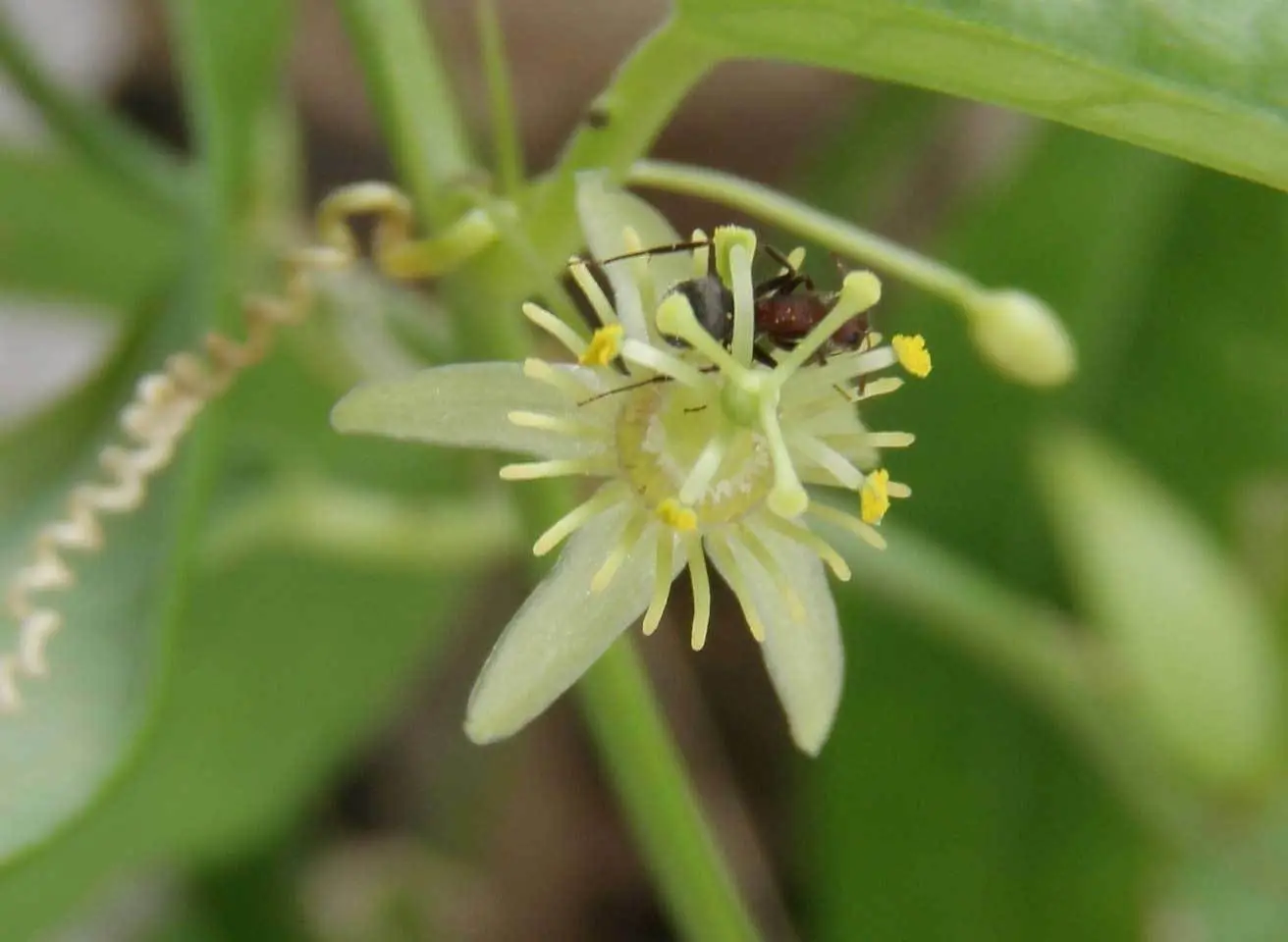
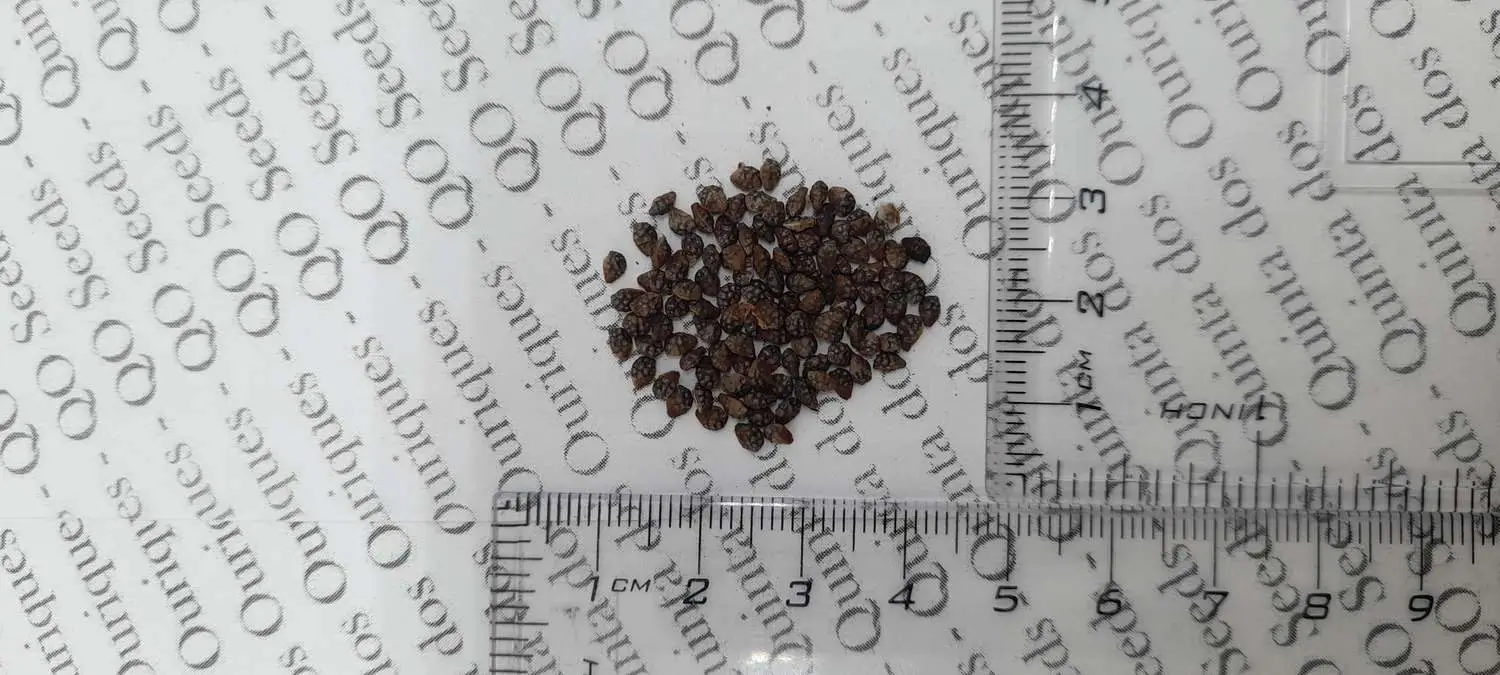
Grow a living sanctuary for Gulf Fritillary, Zebra Longwing, and Julia butterflies. Passiflora suberosa’s elegant vines fuel the caterpillars that become spectacular butterflies—while producing jewel-like indigo berries and chartreuse nectar flowers all season. Established plants are virtually maintenance-free. Start from seed and watch your garden transform into a pollinator paradise.
€2.78
This is the passionflower butterfly gardeners dream about: a vigorous vine that feeds the caterpillars of three iconic butterfly species while asking almost nothing of you in return.
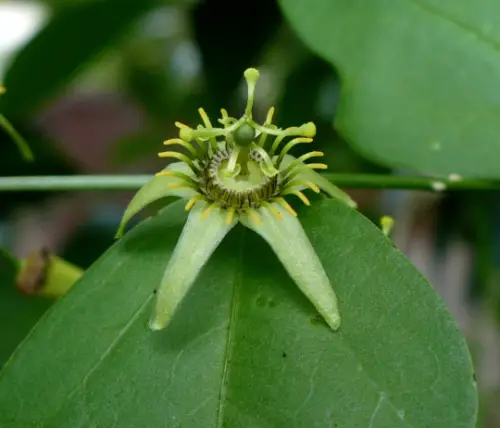
Passiflora suberosa is a perennial climbing vine native to tropical and subtropical woodlands, thickets, and disturbed areas throughout the Americas. The common name comes from stems that are woody and winged with maturity, changing from green to tan, with corky bark at the bases of older stems—a sculptural detail that makes the vine as beautiful to the eye as it is valuable to wildlife. The leaves are variable in shape, often lobed, creating a soft, delicate appearance.
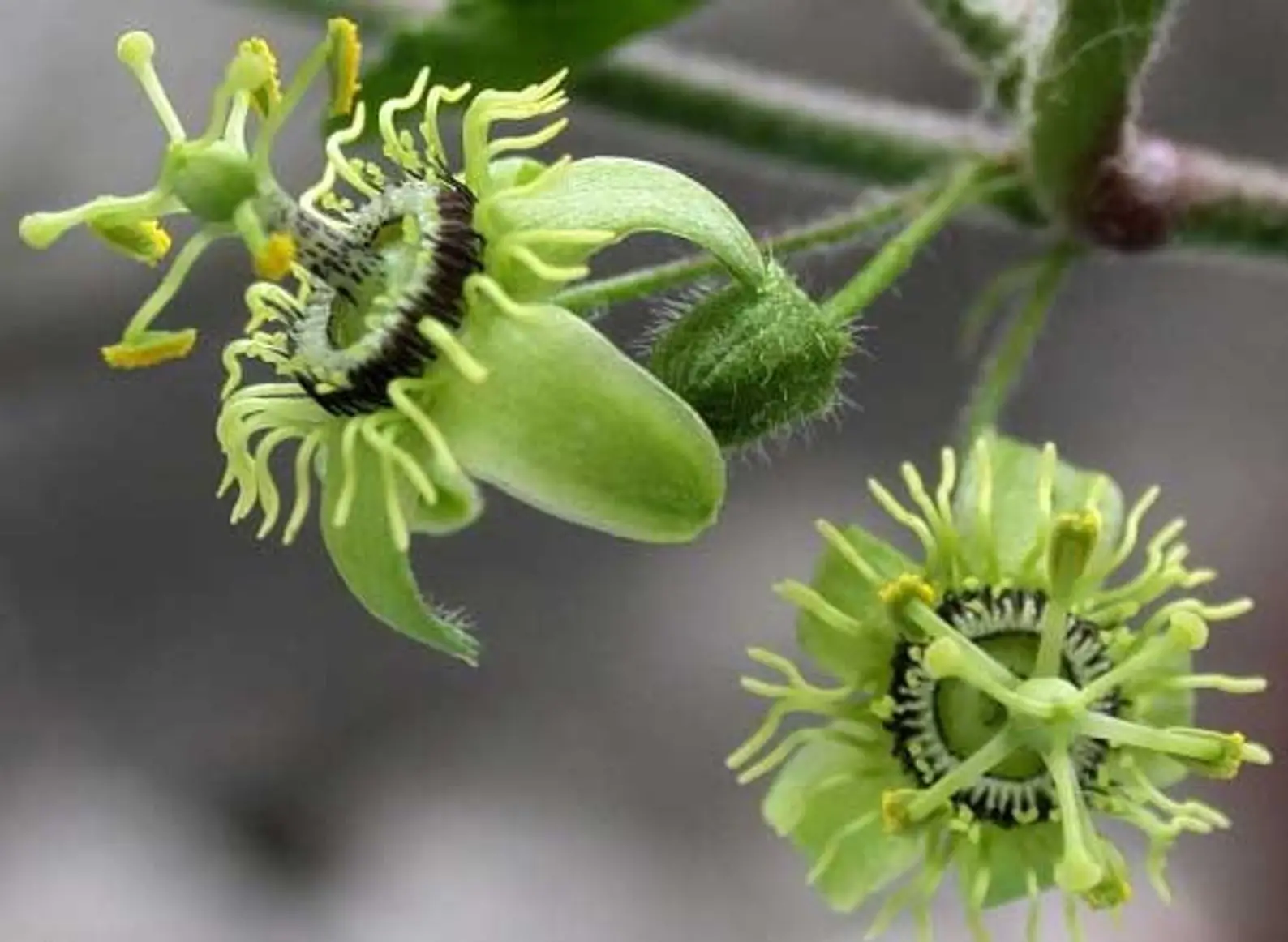
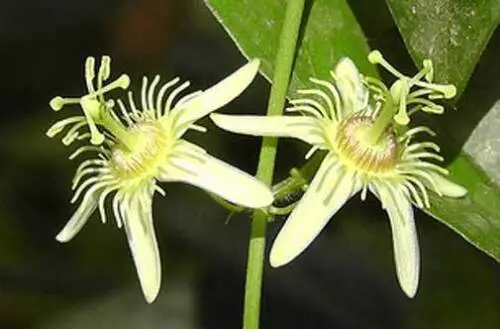
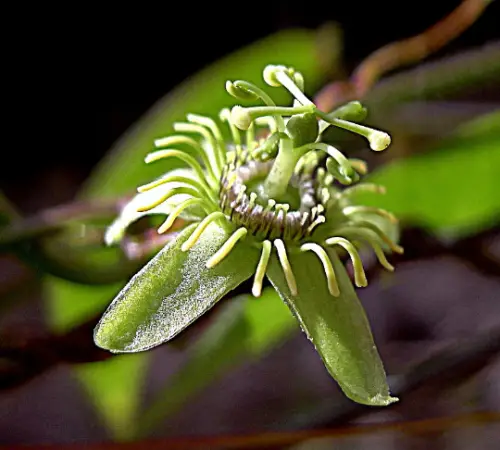
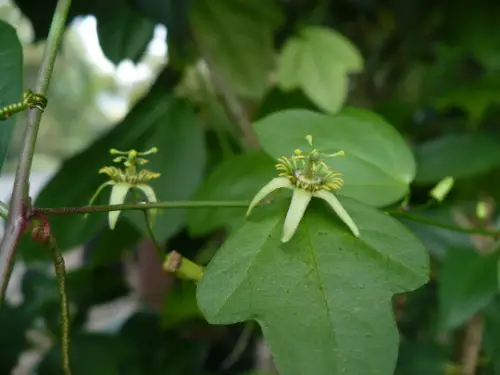
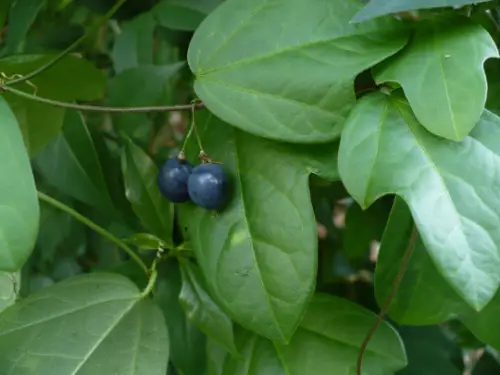
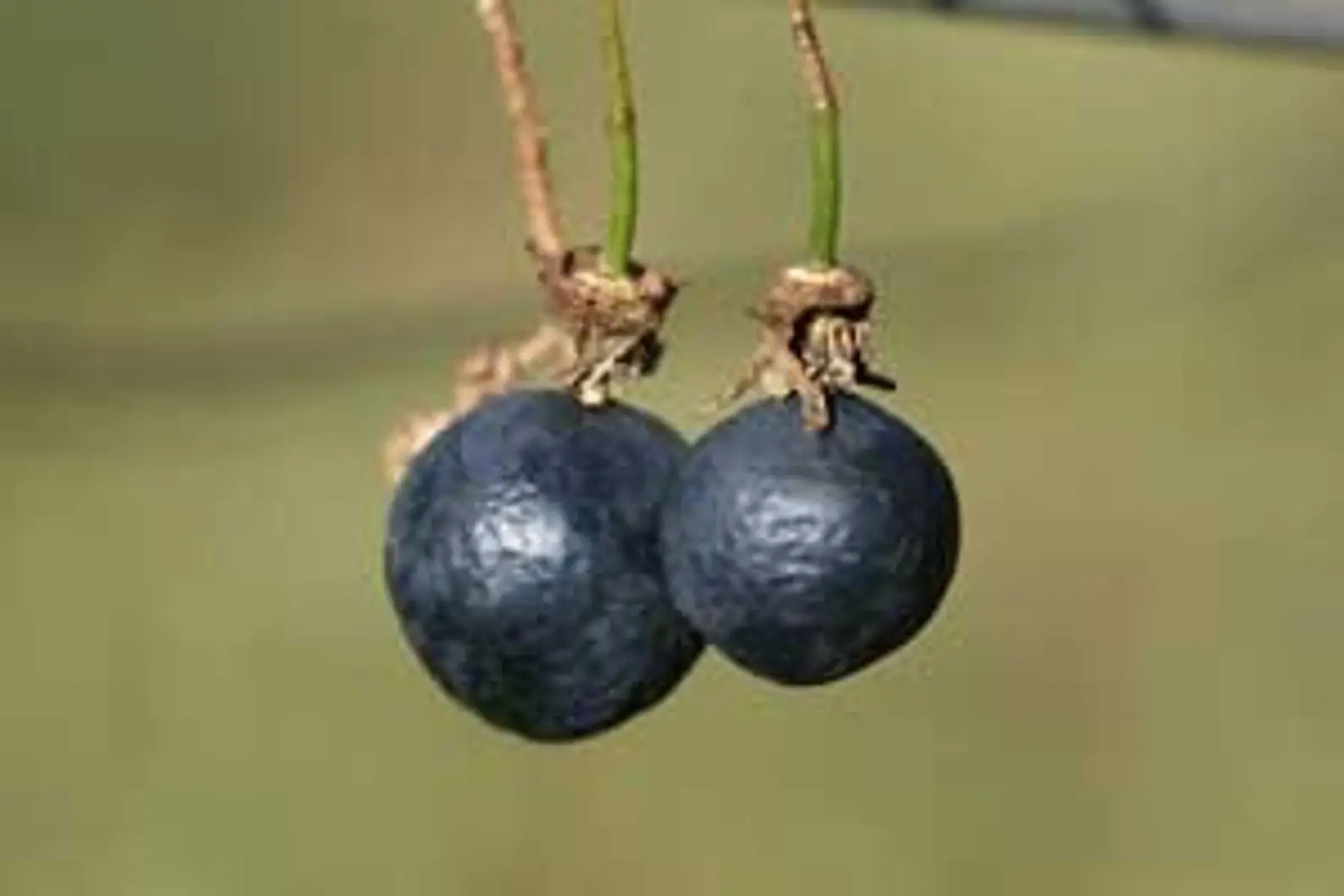
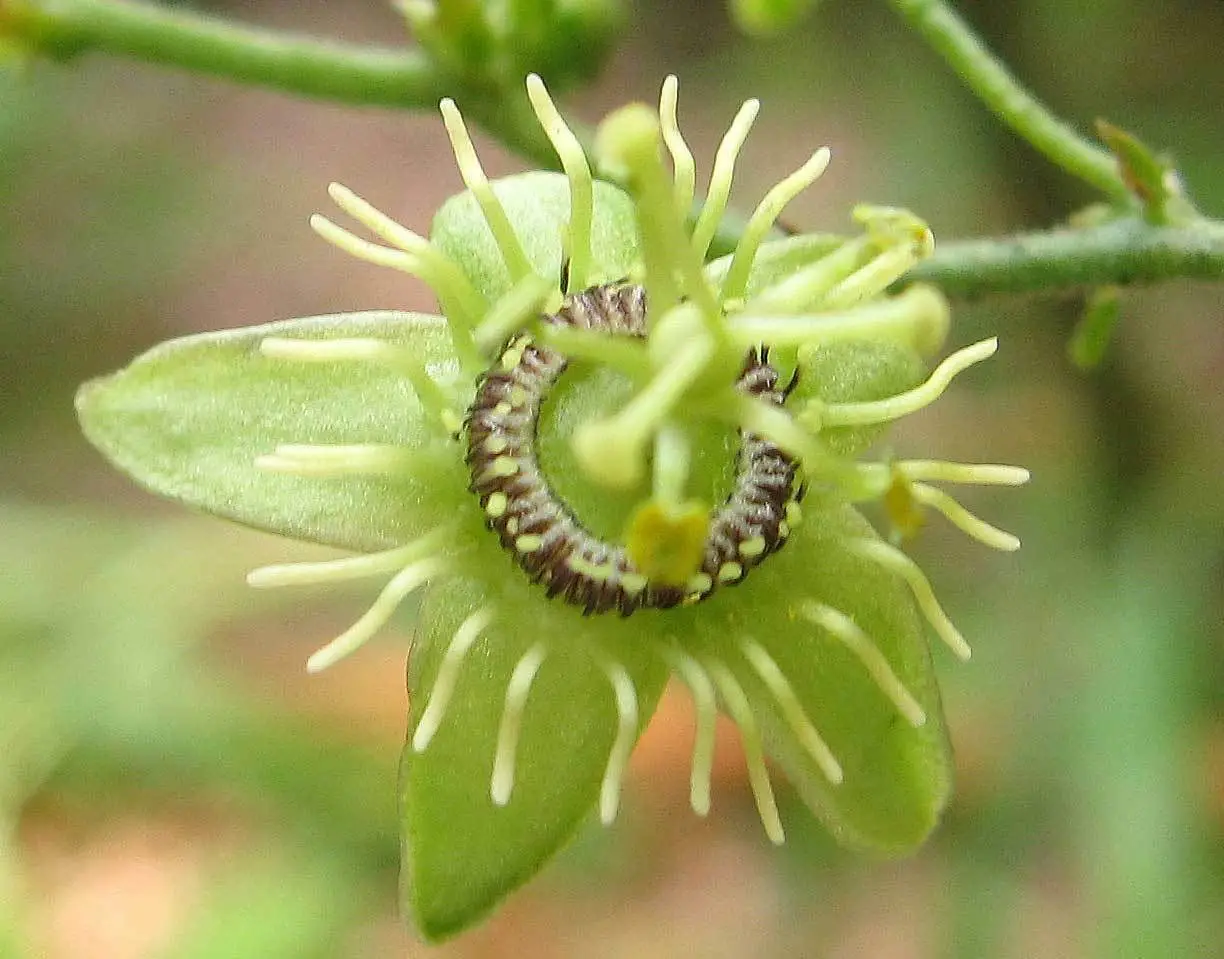
But here’s where Passiflora suberosa becomes indispensable: it is an important host plant for the caterpillars of several butterfly species. Specifically, the Gulf Fritillary, Mexican Silverspot, and Heliconia butterflies use it as a larval host—meaning your plant will feed generations of caterpillars destined to become stunning winged adults. The small, greenish or yellowish flowers, which lack true petals, are rich in nectar and bloom from late summer to late winter, attracting pollinators such as bees. After flowering comes the real magic: small berries that mature to an indigo color and, later in the season, darken to black. These jewel-toned fruits aren’t just ornamental—small pollinators such as sweat bees, metallic bees, flies, and ants use them as a nectar source, and birds feast on the ripe berries. Some foragers even harvest the indigo fruits as a small, tart exotic treat for tea or as a conversation-starting garnish.
Here’s the most compelling part for gardeners: Once established it is virtually maintenance free. The plant prefers full sun to partial shade and well-drained soil with regular moisture. It grows rapidly, quickly covering trellises or rambling over nearby structures—perfect for creating an instant green wall that doubles as a butterfly nursery. It is hardy to USDA Zones 9-11, tolerating brief drops to about 30F, but young plants need frost protection. The soil can be sandy, loamy, or even clay; this plant adapts beautifully. Unlike aggressive passion vines, this one stays compact, perfect for a trellis or small tree.
There’s something profoundly satisfying about growing plants that sustain life. When you grow Passiflora suberosa from seed, you’re not just cultivating a vine—you’re creating a beacon for butterflies, a food source for caterpillars destined for transformation, and a long-season nectar bar for bees and pollinators. Watch tiny larvae appear on the leaves, knowing they’re preparing to metamorphose into breathtaking butterflies. Once the plant becomes established and starts flowering and setting fruit, you will most likely never need to buy another one because there will be plenty of seedlings in and around the parent plant. Plant one, and you’ve planted the beginning of abundance. This is the passionflower for the gardener who understands that beauty and purpose are one and the same.
Only logged in customers who have purchased this product may leave a review.

Reviews
There are no reviews yet.