Description
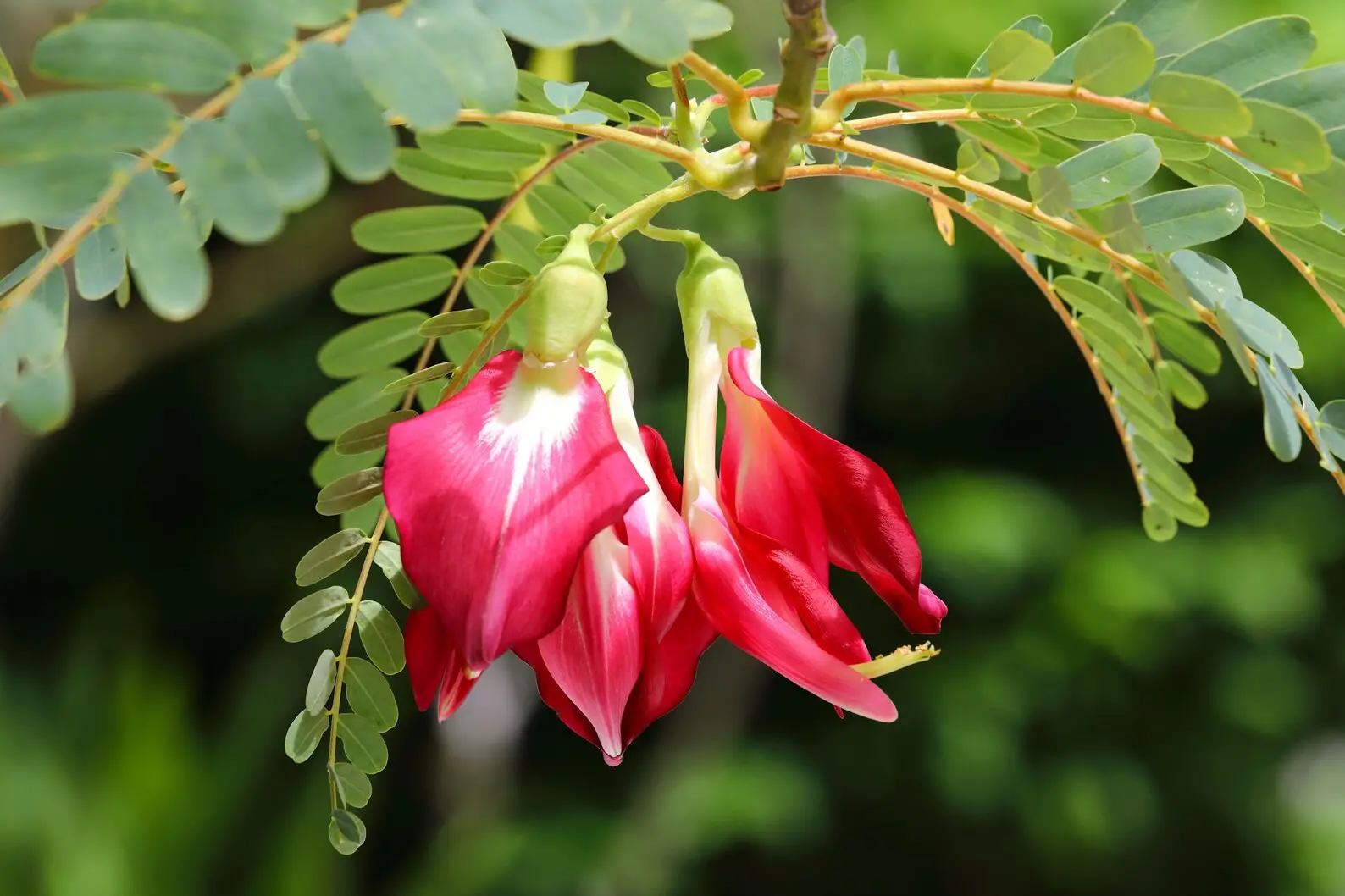
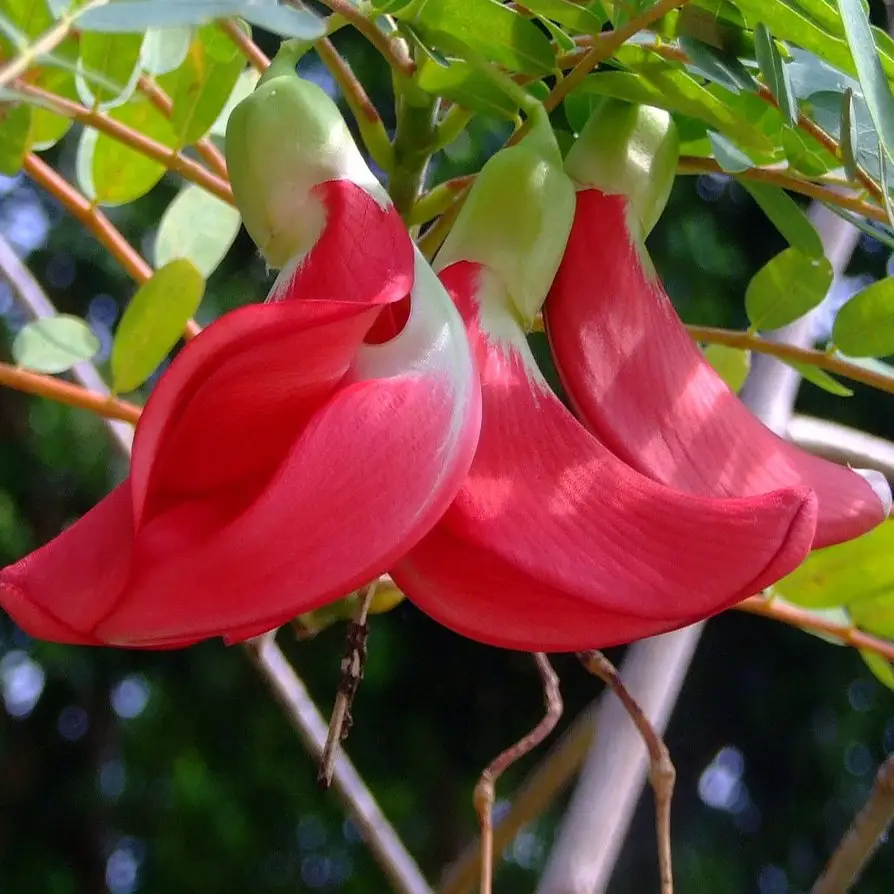
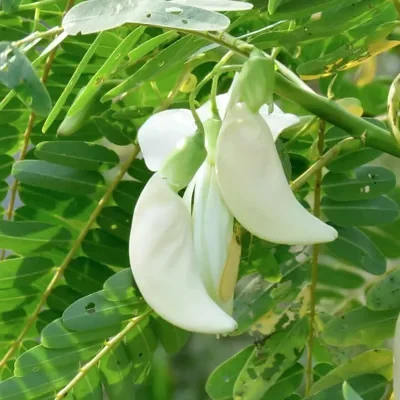
Imagine opening your garden gate and being greeted by what looks like a flock of hummingbirds frozen mid-flight—brilliant scarlet flowers clustering in pendulous sprays, impossible to miss. That’s Sesbania grandiflora ‘Red’, the scarlet variety of Southeast Asia’s most beloved multi-purpose tree.
Native to Malaysia, Indonesia, the Philippines, and New Guinea, this fast-growing legume has traveled the tropics for centuries. In Thai cuisine it’s called *dok khae*, in Hindi *agasti*, in Tamil *akatti*—every culture that knows it has given it a place of honor, both in gardens and on tables. The botanical name *grandiflora* means “large-flowered,” and when you see these 7–9 cm blooms in deep crimson, you’ll understand why. Even the local names—Vegetable Hummingbird, Jayanti, Katurai—celebrate its dual nature: beautiful enough for ornament, delicious enough for dinner.
Here’s what makes Sesbania grandiflora ‘Red’ truly special: virtually every part is edible. The flowers—your showstopper—are stir-fried in Thai curries, battered and deep-fried in Bengali cuisine, blanched and dipped in chili sauce throughout Southeast Asia. Young leaves bring mineral-rich greens to salads and soups; they’re packed with vitamin C, folate, and plant-based protein. The long, slender pods—sometimes reaching 50 cm—are harvested when tender and eaten like string beans. The whole plant, in fact, has been fed to people for generations: raw, blanched, fried, curried, even fermented into tempeh. This is culinary abundance in one tree. (A note: the red flowers are slightly more bitter than their white cousins, but they remain a delicacy when properly prepared, and many cooks prize them precisely for their subtle complexity.)
Beyond the kitchen, you’re growing a living pharmacy and pollinator paradise. In Ayurvedic medicine, the leaves treat epileptic fits; the bark is used for fever and inflammation; the roots address rheumatism. Bees and hummingbirds will flock to those scarlet blooms. As a nitrogen-fixing legume, it quietly enriches poor soil, making it a green-manure champion for regenerative farmers and homesteaders. Plant it and you’re not just growing dinner—you’re building fertility.
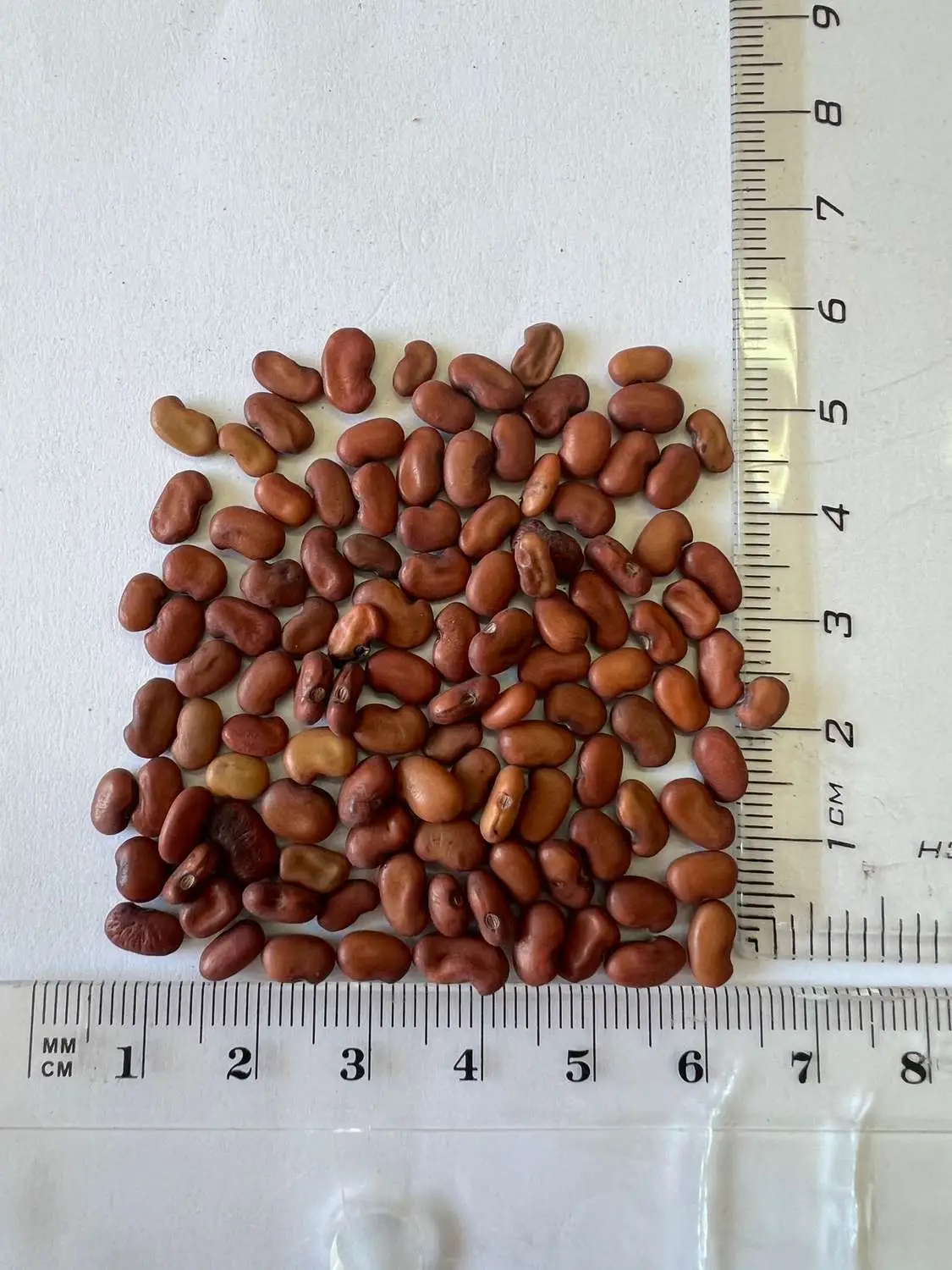
Growing Sesbania grandiflora ‘Red’ is refreshingly straightforward. It thrives in hot, humid tropical and subtropical climates (zones 9–11), loves full sun, and tolerates a wide range of soils—even poor, waterlogged, or saline ground where fussier plants would fail. Water regularly in the growing season; once established, it’s quite drought-tolerant. The wood is soft, the trunk slender and elegant. In 3–4 years it reaches mature size (8–15 meters if left unpruned, but easily kept smaller with annual cutting). It’s not wind-tolerant, so give it shelter, but otherwise it asks little. Seeds germinate reliably in 10–15 days without scarification; they’re ready to sow straight away. The whole journey from seed to first harvest is rapid—you can be eating your own flowers within months.
There’s something profound about planting a seed and watching it transform into a tree that feeds you, heals you, and paints your garden with living scarlet. Sesbania grandiflora ‘Red’ does all three. Start from seed and become part of an ancient tradition—one flower, one bite, one grateful meal at a time.


Reviews
There are no reviews yet.