Description
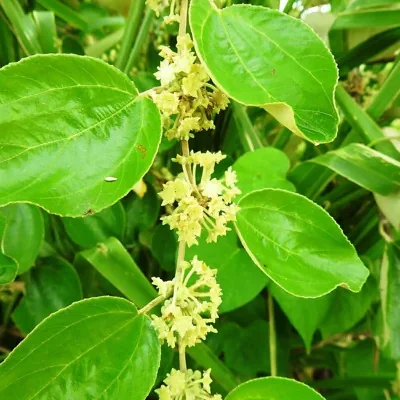
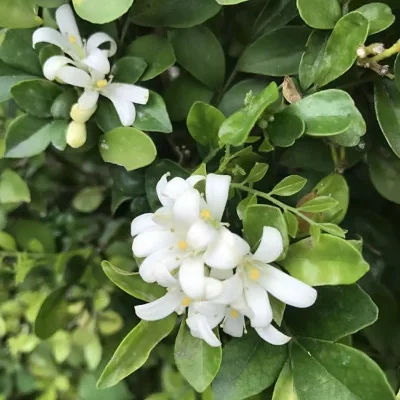
White tubular flowers open only at night, fragrant and arresting—a tree that rewards the patient gardener with beauty and bounty.
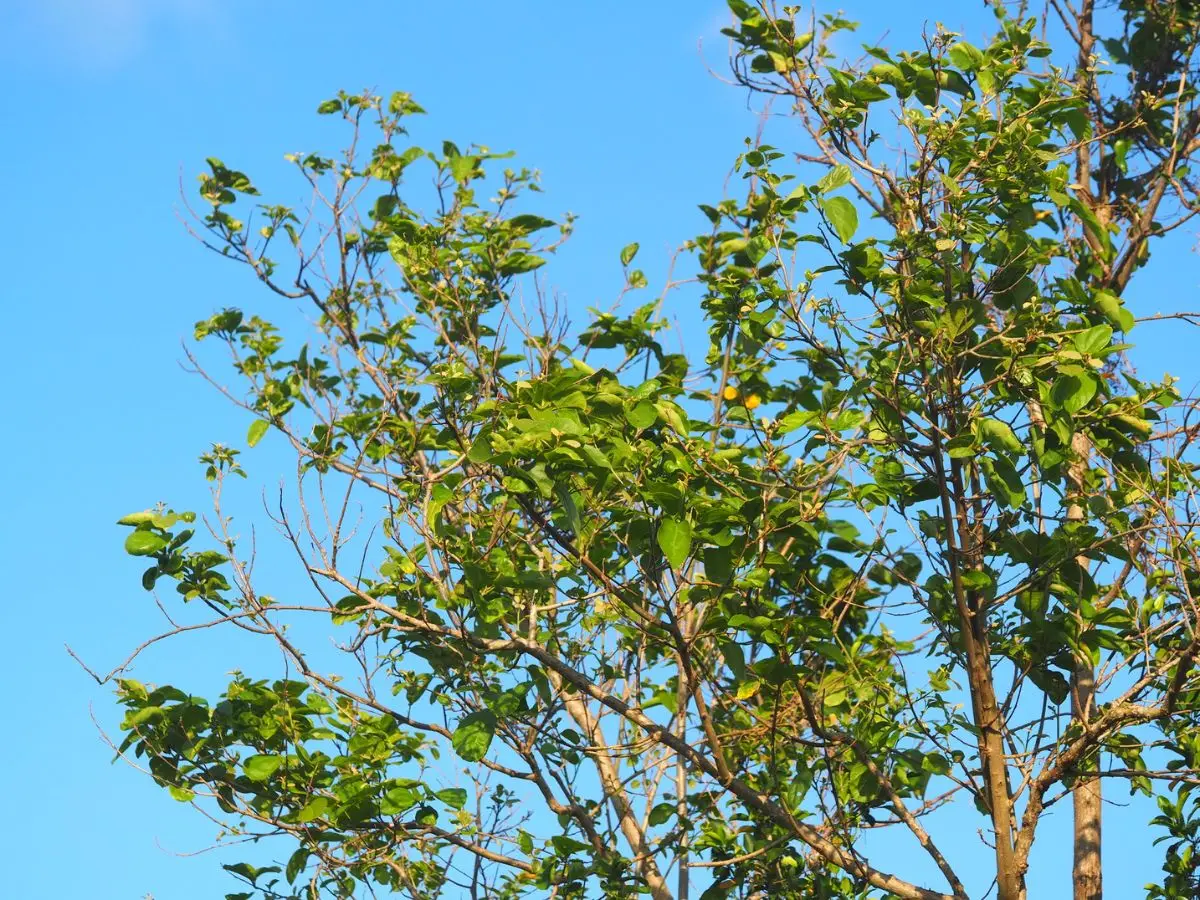
Cordia dichotoma is native to the Indomalayan realm, northern Australia, and western Melanesia, ranging from China to the Ryukyu Islands to India to New Caledonia. The species has a long and proven history of medicinal use dating back to ancient Egyptians, and serves as the symbol of Phra Nakhon Si Ayutthaya Province in Thailand. This is no ordinary fruit tree—it carries the weight of centuries and the warmth of tropical tradition.
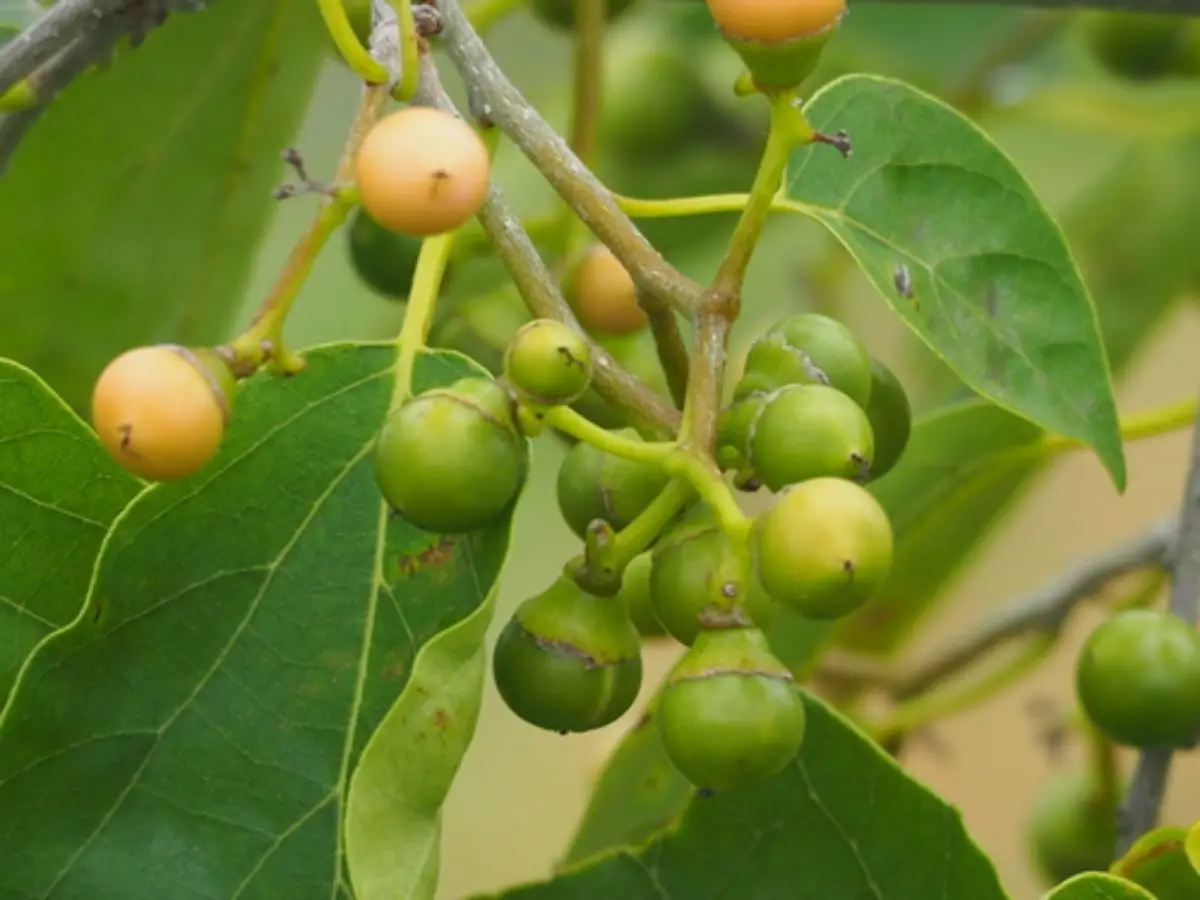
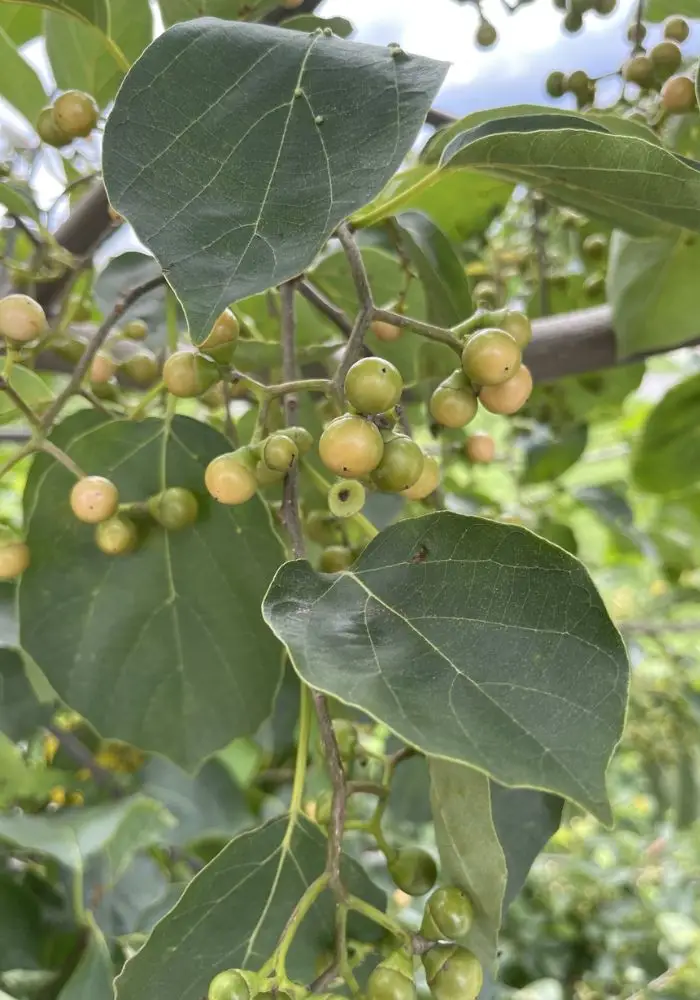
But here’s what will make you fall in love: the fruit. Edible both raw and cooked, with flavor reminiscent of pineapple fused with mild mango tang. Ripe fruits, soft and sticky, are eaten fresh or used in desserts, chutneys, and sweet-spiced syrups. Unripe fruits are used in pickles and traditional vegetable preparations, especially in rural Indian cooking. The fruit’s mucilaginous texture makes it a natural thickener in indigenous recipes. This is culinary gold—a rare flavor combination that transforms your garden into a spice route. And if you want wellness too: the fruit is rich in mucilage and valued for diuretic and demulcent properties, used in treatment of stomach aches, coughs, and chest complaints. Ripe fruits offer antioxidant and immune-boosting properties. Leaf extracts are used in cosmetics to inhibit elastase in skin, delaying aging effects. A single tree becomes your orchard, your apothecary, your kitchen garden.
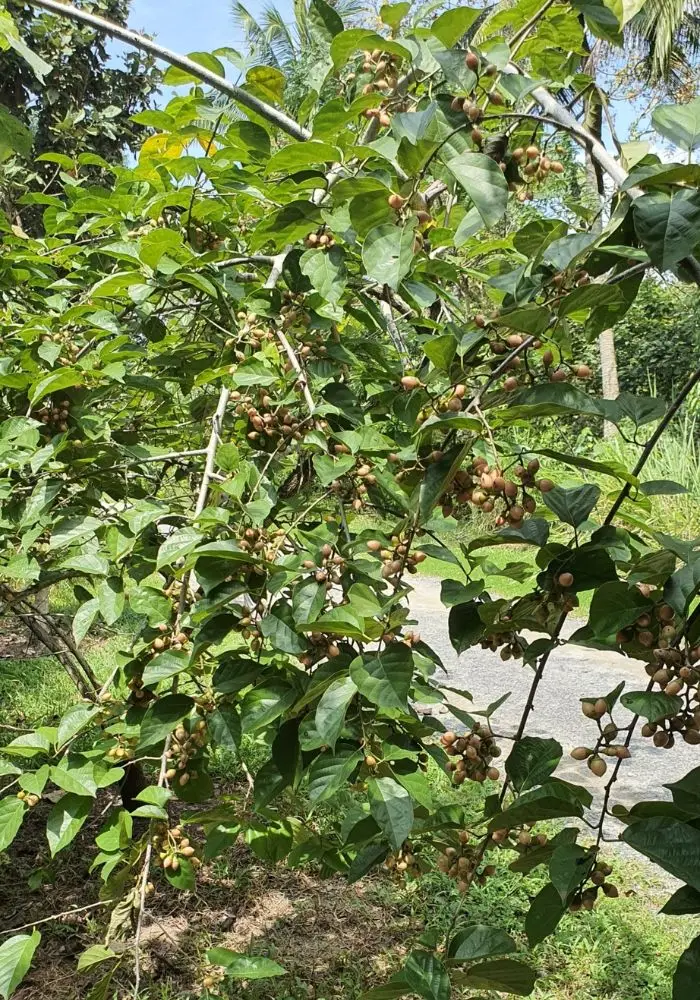
Growing it? The tree prefers full sun to part shade and well-drained soils, making it relatively easy to maintain. It is drought-tolerant once established. Thrives in warm to hot climates with ideal temperatures between 20°C to 40°C, tolerating occasional drops to 0°C but needing frost protection in colder regions. Grows in wide variety of soils but prefers well-draining soil rich in organic matter. Seeds benefit from 24-hour soaking, germinate in 2-8 weeks in warm, consistently moist conditions around 70-85°F. From seed to first flowers in roughly two seasons—patience rewarded lavishly.
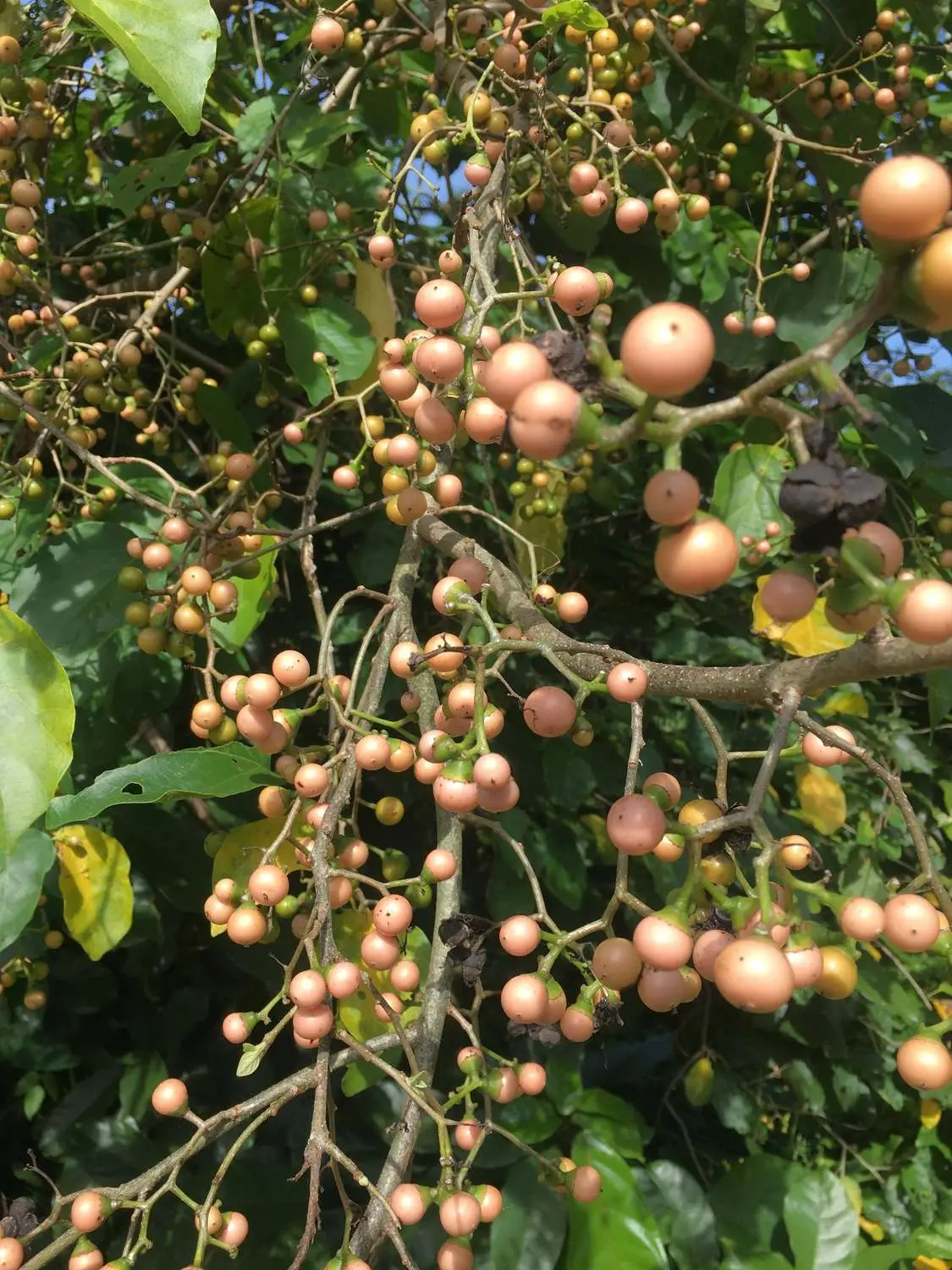
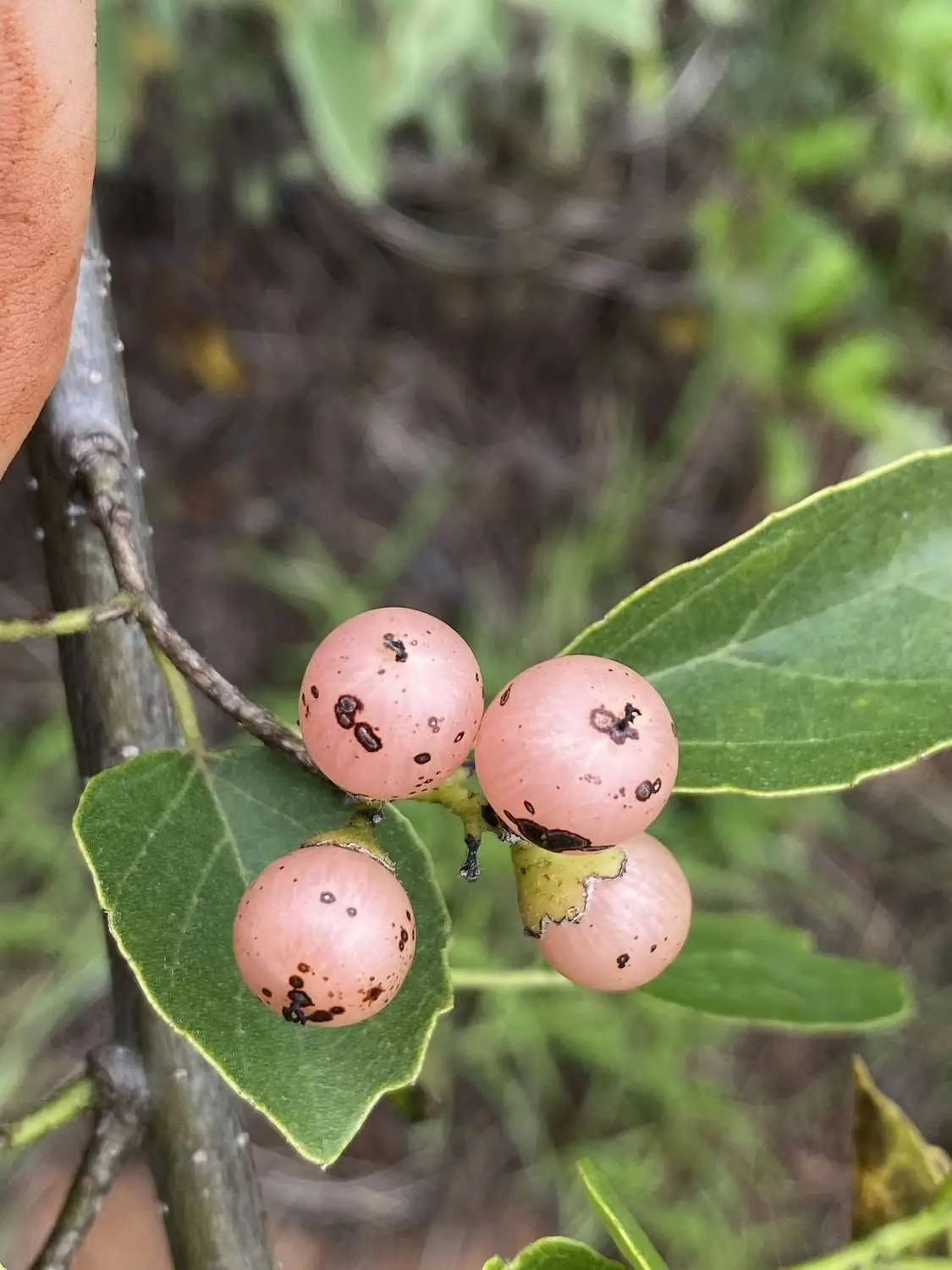
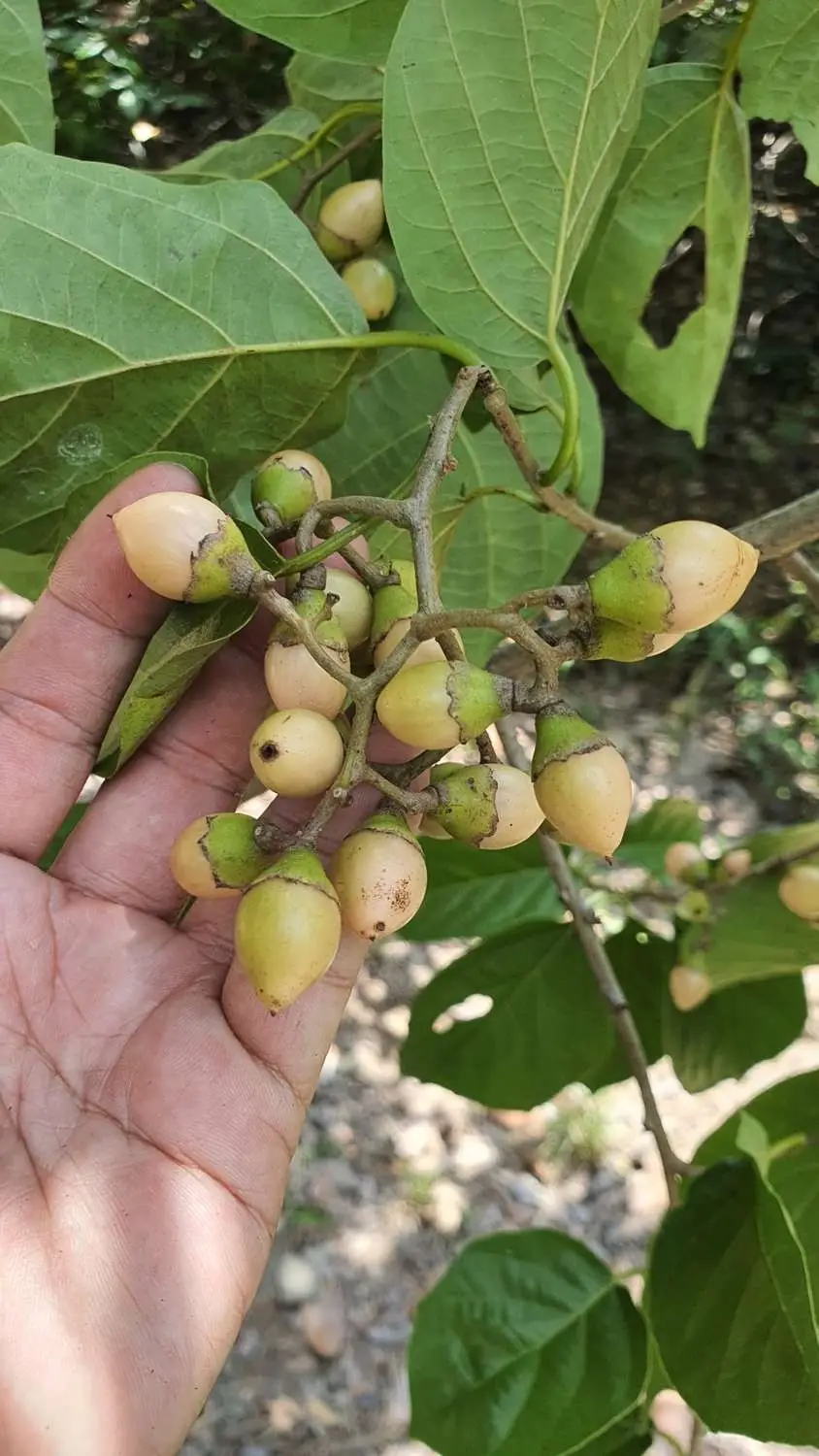
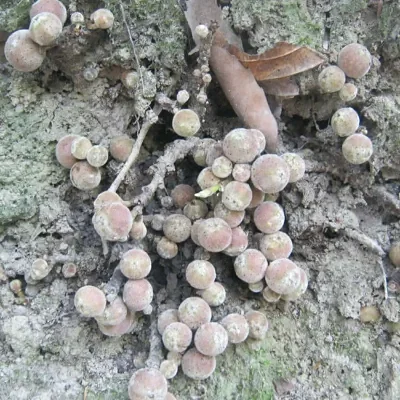
Imagine yourself in three years: small tubular white flowers borne in terminal clusters opening at dusk, filling the night air with fragrance. Fruits shifting from yellow or pinkish-yellow to black on ripening, the pulp growing viscid and generous. Your family and neighbors asking: “What is that? Where can I get one?” Start with seed. Start with Cordia dichotoma. Start with possibility.
Germination Guide
🌍 Indomalayan realm, northern Australia, western Melanesia
Easy
Cordia dichotoma is a tropical deciduous tree native to Asia and Australia, valued for edible fruits and medicinal properties
Germination
Germination time
Expect germination in
21 – 56 days
Temperature
Min 25°C
Ideal 27°C
Max 30°C
Substrate moisture
💧 Medium
Seed Pre-treatment
-
💧
Soaking — 18 hours
Soak in tepid water for 12-24 hours before sowing
-
🔨
Mechanical scarification
Lightly abrade seedcoat to allow easier ingress of water; speeds up germination
-
📋
Additional notes
Seeds should be sown fresh when possible; soaking followed by mechanical scarification recommended
Substrate & Container
Recommended substrate
well-draining seed mix, loamy soil
Recommended container
containers, beds or trays
Growing Tips
Shading for only 1 week after pricking out; thereafter full light essential. Germination is epigeous with 1-2 seedlings per stone. Use well-draining soil. Seedlings ready for field planting after 3-4 months at lower altitudes
Only logged in customers who have purchased this product may leave a review.

Reviews
There are no reviews yet.